Irresistible Pad Kra Pao: Easy Thai Dinner You’ll Love
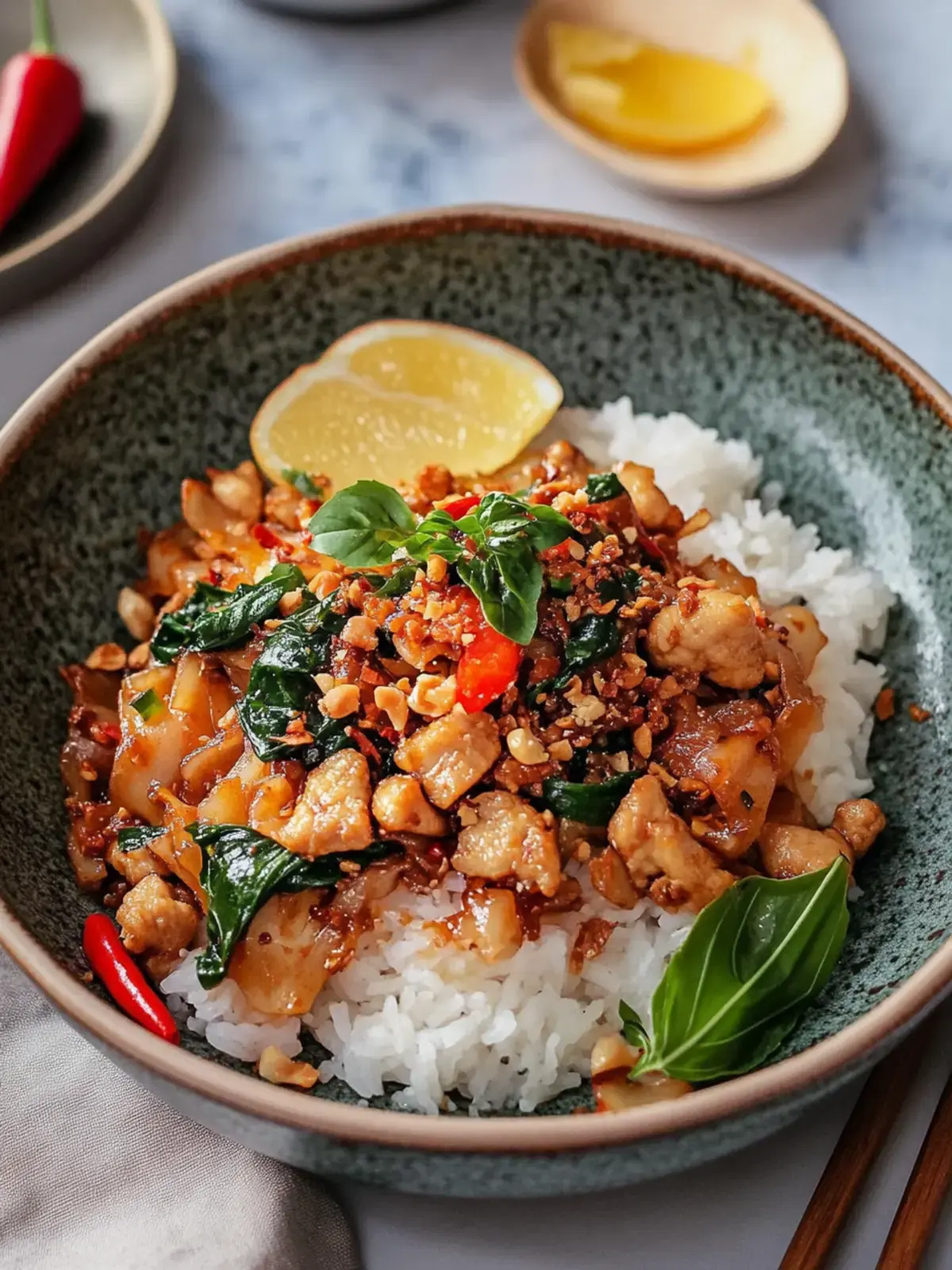
When the craving for something vibrant and full of flavor strikes, Pad Kra Pao comes to the rescue. It’s a dish that thrives on simplicity and bold ingredients, perfect for those hectic weeknights when you need dinner on the table in under 15 minutes.
Imagine the sizzle of garlic and chilies filling your kitchen, transporting you to a bustling Thai market with each comforting bite. This dish is more than just a meal; it’s an aromatic journey that awakens the senses and satisfies the soul with its incredible depth of flavor.
Why You Will Love This Recipe
- Quick Preparation: Dinner is on the table in less than 15 minutes, making it an ideal choice for busy weeknights when time is of the essence.
- Bold Flavors: The perfect harmony of savory sauces, aromatic garlic, spicy chilies, and fragrant basil creates an unforgettable taste experience that will have you coming back for more.
- Versatile Protein: While traditionally made with ground pork, this recipe easily adapts to ground chicken, beef, or even plant-based options like tofu and tempeh, catering to all dietary preferences.
- Customizable Heat: You have complete control over the spice level; simply adjust the number of Thai chilies used to suit your personal preference for heat, from mild to fiery.
- Authentic Thai Experience: This dish captures the essence of authentic Thai street food, offering a delightful culinary adventure right in your own kitchen.
Ingredients You Need
The beauty of Pad Kra Pao lies in its fresh, vibrant ingredients that come together to create a symphony of flavors. Using high-quality components, especially the holy basil, will truly elevate this dish to its most authentic and delicious form. Freshness is key to unlocking the full aromatic potential of the chilies, garlic, and basil, ensuring each bite is bursting with authentic Thai taste.
Savory Pad Kra Pao: Easy Thai Dinner You’ll Love
Experience vibrant Pad Kra Pao, a quick and flavorful Thai dish perfect for busy evenings. This recipe is simple to make and packed with bold flavors. Serve it with steamed rice and a fried egg for a complete and satisfying meal.
- For the Sauce
- 2 tablespoons oyster sauce
- 1 tablespoon fish sauce
- 1 tablespoon soy sauce
- 1 tablespoon dark soy sauce
- 1 teaspoon sugar
- For the Stir-Fry
- 2 tablespoons vegetable oil (neutral oil with a high smoke point)
- 2 Thai chili peppers (adjust quantity based on spice preference)
- 4 cloves garlic (minced)
- 2 tablespoons shallots (sliced)
- 1 pound ground pork (classic protein choice)
- For the Basil
- 1 cup holy basil (traditional in Pad Kra Pao)
- 1 cup Italian basil (substitution if holy basil is unavailable)
- For the Finish
- 1/4 cup chicken broth (used to deglaze the pan)
- 1Combine sauces: In a mixing bowl, whisk together oyster sauce, soy sauce, fish sauce, dark soy sauce, and sugar. Mix until the sugar dissolves for a well-balanced flavor.
- 2Heat oil: In a wok or large skillet, warm the vegetable oil over medium-high heat until it’s shimmering. Add in the shallots, garlic, and sliced Thai chilies, sautéing for about 45 seconds until fragrant.
- 3Cook pork: Raise the heat to high and add the ground pork. Break it into smaller pieces and toss it with the aromatics. Sear until the pork is cooked through and slightly charred, which should take around 4-5 minutes.
- 4Add sauce: Pour the pre-mixed sauce into the pan, stirring until everything is evenly coated. Then, deglaze the pan by adding chicken broth, simmering for approximately 1 minute until it reduces down.
- 5Incorporate basil: Gently fold in the holy basil, tossing it just until it wilts down. Taste and adjust the seasoning if necessary; it should be savory and fragrant!
- 6Serve: Plate the Pad Kra Pao over steamed white rice, and top it with a beautifully fried egg for the ultimate experience. Optional: Garnish with extra basil or a squeeze of lime for added brightness.
Keywords: Thai, Stir-fry, Quick Dinner, Pork, Basil, Spicy, Savory, Easy
- oyster sauce: provides a rich, savory foundation and umami depth essential for Thai cooking.
- fish sauce: a cornerstone of Southeast Asian cuisine, it adds a pungent, salty complexity that cannot be replicated.
- soy sauce: enhances the overall savoriness and contributes a familiar salty undertone to the sauce mixture.
- dark soy sauce: lends a beautiful mahogany color to the dish and a subtle, slightly sweet molasses-like flavor.
- sugar: balances the intense savory and salty notes, rounding out the sauce with a touch of sweetness.
- vegetable oil: a neutral oil with a high smoke point is perfect for stir-frying, ensuring the aromatics sizzle without burning.
- Thai chili peppers: the source of heat, their vibrant color and specific spice profile are crucial for authentic Pad Kra Pao.
- garlic: minced garlic forms the aromatic base, releasing its pungent, irresistible fragrance when sautéed.
- shallots: sliced shallots add a delicate sweetness and a mild oniony flavor that complements the other aromatics beautifully.
- ground pork: the classic choice, it becomes tender and flavorful when stir-fried, absorbing the surrounding sauces.
- holy basil: this herb is the star, possessing a unique peppery and slightly anise-like flavor that defines Pad Kra Pao.
- Italian basil: a readily available substitute for holy basil, offering a pleasant aroma, though milder in comparison.
- chicken broth: used to deglaze the pan, it adds moisture and helps to create a cohesive sauce, preventing the stir-fry from becoming dry.
Exact quantities for each ingredient can be found in the recipe card above for your convenience.
Variations
Pad Kra Pao is a wonderfully adaptable dish, allowing for numerous exciting variations that cater to different tastes and dietary needs. Whether you’re looking for a vegetarian option, a spicier kick, or a richer sauce, there’s a twist that will surely delight your palate.
Consider a vegetarian or vegan version by swapping the ground pork for crumbled firm tofu or tempeh, which absorbs flavors beautifully. Sautéing these plant-based proteins until golden brown will provide a satisfying texture, and they pair wonderfully with the classic savory sauce.
For those who love an extra burst of heat, don’t hesitate to increase the number of Thai chilies or add a dash of chili oil to the stir-fry. Alternatively, for a creamier, more indulgent experience, stir in a tablespoon or two of coconut milk towards the end of cooking. This adds a luxurious richness that complements the spicy and savory notes wonderfully.
How to Prepare Pad Kra Pao
Step 1: Crafting the Flavorful Sauce
Begin by bringing together the essential components for the sauce that will coat every grain of rice and piece of protein. In a mixing bowl, whisk together the oyster sauce, fish sauce, soy sauce, and dark soy sauce until they are thoroughly combined.
Add the sugar to this mixture and stir until it completely dissolves, ensuring a harmonious blend of salty, savory, and sweet notes. This step is crucial for developing the signature deep flavor profile of authentic Pad Kra Pao. A well-balanced sauce is the foundation of a truly delicious stir-fry, making this preliminary step incredibly important.
The combination of these fermented sauces creates an umami explosion that is characteristic of Thai cuisine. The dark soy sauce contributes not only color but also a subtle sweetness that rounds out the intense savory notes from the oyster and fish sauces. Taking the time to ensure the sugar is fully dissolved prevents any grittiness and ensures a smooth, integrated flavor in the final dish.
Step 2: Building the Aromatic Foundation
Next, prepare your wok or a large skillet by heating a generous amount of vegetable oil over medium-high heat. You’re looking for the oil to shimmer, indicating it’s hot enough to efficiently sauté your aromatics without them becoming greasy or soggy.
Once the oil is ready, carefully add the sliced shallots, minced garlic, and sliced Thai chili peppers. Sauté these ingredients for approximately 45 seconds, or until they become wonderfully fragrant. This initial sizzle releases their essential oils, infusing the cooking oil with their potent aromas and flavors, which is vital for the dish’s complex taste.
The goal here is to lightly cook the aromatics, bringing out their sweetness and intensifying their fragrance without letting them burn. The garlic should turn a pale golden, and the chilies will begin to soften, their heat subtly infusing the oil. This fragrant oil then becomes the flavor base for the entire dish, making this a pivotal stage in the preparation process.
Step 3: Searing the Protein to Perfection
Now, it’s time to introduce the protein to the hot pan. Raise the heat to high to ensure a good sear, which develops those delicious caramelized notes and prevents the meat from becoming watery. Add the ground pork to the wok, breaking it apart into smaller pieces with your spatula or spoon.
Toss the pork continuously with the sautéed aromatics, ensuring it cooks evenly and develops a slight char. This searing process should take around 4 to 5 minutes, or until the pork is thoroughly cooked through and has achieved a pleasingly browned appearance. The Maillard reaction at this stage is what builds crucial depth of flavor.
The slight char on the pork is highly desirable, as it adds a layer of smoky complexity that elevates the dish beyond simple cooked meat. Ensure you are actively stirring and breaking up any large clumps of pork to maximize surface area for browning. This step is key to achieving that satisfying, slightly crispy texture that contrasts wonderfully with the tender rice and sauce.
Step 4: Uniting Flavors with Sauce and Broth
With the pork beautifully browned, it’s time to bring the flavors together. Pour the pre-mixed sauce over the pork and aromatics in the pan, stirring continuously to ensure everything is evenly coated. This step allows the sauce to meld with the rendered pork fat and the sautéed aromatics, creating a rich, cohesive base.
Next, deglaze the pan by adding the chicken broth. As the broth hits the hot pan, scrape the bottom with your spatula to lift any browned bits, incorporating them into the sauce. Let this mixture simmer for approximately 1 minute, allowing the sauce to reduce slightly and thicken, coating the pork in a glossy, flavorful glaze.
The addition of chicken broth serves multiple purposes: it helps to create a more abundant sauce, prevents the mixture from becoming too dry, and ensures all those delicious caramelized bits from the pan are incorporated. This simmering period allows the flavors to deepen and harmonize, transforming the individual ingredients into a unified, mouthwatering dish that is ready for its final touch of freshness.
Step 5: The Aromatic Finish with Fresh Basil
The final step before serving is to introduce the star herb: holy basil. Gently fold in the fresh holy basil leaves into the stir-fry. You want to toss them in just until they begin to wilt, which typically takes only about 15 to 30 seconds. Overcooking the basil will diminish its vibrant aroma and can impart a slightly bitter taste.
Taste the mixture at this point and adjust the seasoning as needed. It should be savory, fragrant, and have a perfect balance of salty and sweet notes with a pleasant level of heat. This is your last chance to perfect the flavor profile before plating, ensuring it meets your personal preference.
The wilting basil releases its intoxicating aroma and unique peppery flavor into the hot stir-fry, creating a final burst of freshness. This quick addition is what truly defines Pad Kra Pao, distinguishing it from other stir-fried dishes. It’s a simple yet profoundly effective way to finish the dish, leaving a lasting impression of authentic Thai taste.
Step 6: Serving for Maximum Enjoyment
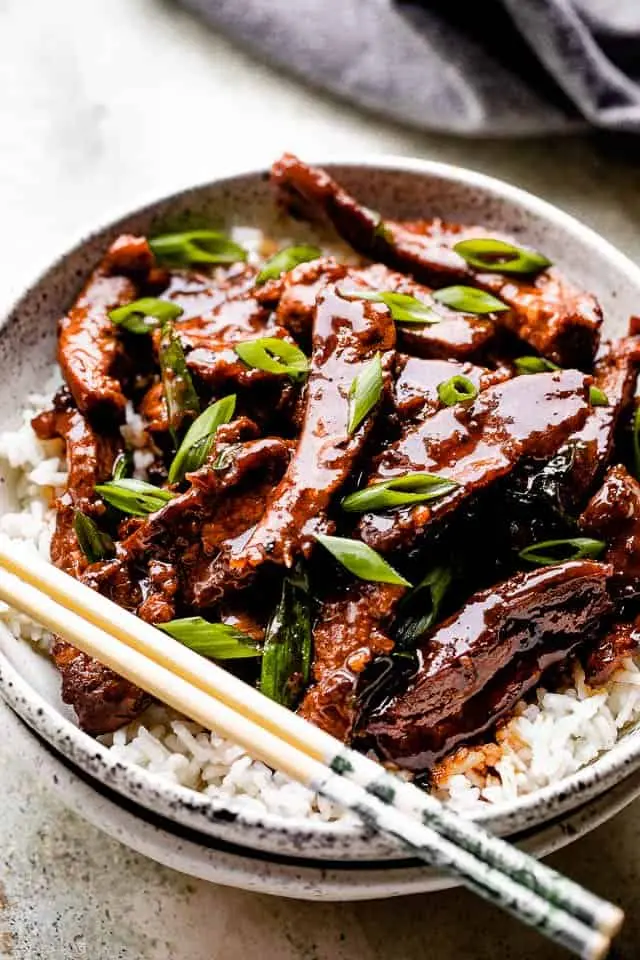
To serve your spectacular Pad Kra Pao, plate a generous portion of steaming hot white rice. Spoon the flavorful stir-fry directly over the rice, ensuring you get a good mix of the saucy pork and fragrant basil with every serving.
The ultimate finishing touch, which is highly recommended for the authentic experience, is a perfectly fried egg placed right on top of the Pad Kra Pao and rice. A runny yolk will spill over the dish, adding a creamy richness that enhances the overall enjoyment and transforms it into a truly comforting meal. This addition makes the dish visually appealing and adds an extra layer of texture and flavor.
For an extra touch of brightness and freshness, you can garnish your Pad Kra Pao with a few extra fresh basil leaves or a squeeze of fresh lime juice just before serving. This not only enhances the visual appeal but also adds a zesty counterpoint to the rich, savory flavors of the stir-fry, making each bite even more delightful.
Pro Tips for Pad Kra Pao
Achieve Authentic Flavor with the Right Basil: While Italian basil can be used as a substitute, the distinct peppery and slightly anise-like flavor of holy basil is what truly defines Pad Kra Pao. Seek out Asian markets or specialty grocery stores to find this essential herb for the most authentic taste experience.
Master the Heat Control: Thai chili peppers can vary significantly in their heat level. It’s always wise to start with fewer chilies than you think you might need, especially if you are sensitive to spice. You can always add more heat later by incorporating chili flakes or a dash of hot sauce, but it’s difficult to take it away.
The Power of a Searing Hot Pan: A very hot wok or skillet is paramount for achieving that signature slight char on the ground pork. This not only adds a desirable texture but also develops a deep, smoky flavor through the Maillard reaction, which is crucial for authentic Pad Kra Pao.
Respect the Basil’s Delicate Nature: Holy basil is a delicate herb and its volatile oils are best preserved with minimal cooking. Add it only in the final moments of stir-frying, just long enough to wilt, to retain its vibrant aroma and distinct flavor profile.
Embrace Protein Versatility: Don’t be afraid to experiment with different proteins. Ground chicken, turkey, thinly sliced beef, or even plant-based options like crumbled tofu or tempeh make excellent substitutes for ground pork, allowing you to tailor the dish to your preferences or what you have on hand.
Perfect the Fried Egg: A runny yolk is a coveted addition to Pad Kra Pao. Use medium-high heat for your frying pan, gently crack the egg to avoid breaking the yolk, and cook until the whites are set but the yolk remains molten. This creates a rich, creamy sauce that blends beautifully with the stir-fry.
Serving Suggestions for Pad Kra Pao
Decoration
Elevate the visual appeal of your Pad Kra Pao with simple yet effective garnishes. A scattering of fresh, vibrant holy basil leaves atop the finished dish adds a pop of green and enhances the aromatic bouquet. A few thin slices of fresh red chili can also add a striking visual contrast and hint at the dish’s inherent heat.
A wedge of fresh lime placed artfully on the side of the plate provides not only a beautiful decorative element but also an invitation for guests to add a burst of citrusy brightness. This simple addition can significantly enhance the overall flavor profile, cutting through the richness of the stir-fry.
Consider also a sprinkle of toasted sesame seeds for a subtle textural contrast and a slightly nutty flavor. These decorative touches transform a delicious meal into a feast for the eyes as well, making the dining experience even more special.
Side Dishes
Pad Kra Pao is often enjoyed as a complete meal, but delightful side dishes can further enhance the Thai dining experience. Steamed Jasmine rice is the classic and arguably most essential accompaniment, its fluffy texture and subtle fragrance perfect for soaking up the flavorful sauce.
A crisp and refreshing Thai cucumber salad offers a welcome contrast to the savory and spicy stir-fry. Its cool, tangy notes cleanse the palate and provide a light counterpoint to the heartier main dish. You could also opt for a simple side of stir-fried mixed vegetables, lightly seasoned, to add more color and nutritional value.
For those seeking a complete meal experience, consider serving it alongside a small bowl of clear chicken broth or a light vegetable soup. These can provide a soothing element and complement the boldness of the Pad Kra Pao without overpowering it, ensuring a balanced and satisfying culinary journey.
Creative Serving Ideas
Move beyond the traditional plated meal with some creative serving ideas for your Pad Kra Pao. Consider assembling individual “bowls of joy” by placing a generous portion of steamed rice at the bottom of a ramen-style bowl, topping it with the Pad Kra Pao, and then crowning it with a perfectly fried egg.
Another inventive approach is to serve Pad Kra Pao as a filling for lettuce wraps. Use large, crisp lettuce leaves, such as butter or romaine, and let guests assemble their own wraps with the stir-fry, rice, and any desired garnishes. This interactive approach makes for a fun and engaging meal, especially for casual gatherings.
You could also repurpose Pad Kra Pao as a topping for crispy rice cakes or even as a filling for savory crepes or omelets. These ideas offer unique ways to enjoy the vibrant flavors of Pad Kra Pao in different formats, perfect for brunch, a light lunch, or even an appetizer, showcasing its incredible versatility beyond the standard dinner plate.
Preparation & Storage
Storing Leftovers
Should you be fortunate enough to have Pad Kra Pao remaining after your meal, proper storage is key to preserving its delicious flavor and texture. Transfer any leftovers into an airtight container to prevent exposure to air, which can lead to spoilage and a loss of freshness. Refrigerate these containers promptly.
Leftovers can typically be stored in the refrigerator for up to 3 days. It’s important to remember that while the flavors will remain quite good, the texture of the basil might become slightly softer over time. Always ensure the container is sealed tightly to maintain optimal quality and prevent any unwanted odors from transferring.
When you’re ready to enjoy your leftover Pad Kra Pao, it’s best to reheat it gently to avoid overcooking the ingredients. Stovetop reheating often yields the best results, allowing you to control the heat and moisture.
Freezing
Pad Kra Pao can be frozen, making it an excellent option for meal prepping or for having a quick, flavorful meal ready at a moment’s notice. However, it’s important to note that freezing can slightly alter the texture of the basil, as it may become a bit softer upon thawing. To freeze, ensure the dish has cooled completely before packaging.
Transfer the cooled Pad Kra Pao into a freezer-safe airtight container or a heavy-duty freezer bag. It’s crucial to remove as much air as possible from the packaging to prevent freezer burn, which can degrade the quality of the food. Properly sealed, it can remain frozen for up to 1 month.
When you decide to use your frozen Pad Kra Pao, allow it ample time to thaw. The safest method is to transfer it from the freezer to the refrigerator the night before you plan to eat it. This gradual thawing helps maintain the integrity of the ingredients as much as possible.
Reheating
To reheat Pad Kra Pao that has been stored in the refrigerator, the stovetop method is generally preferred for the best results. Place the leftovers in a skillet over medium heat. You may want to add a splash of water, chicken broth, or a little more soy sauce to help rehydrate the dish and ensure it doesn’t dry out during reheating.
Stir the mixture gently as it heats, breaking up any clumps of meat or rice. This ensures even heating and helps to revive the aromas and flavors. Reheating on the stovetop allows you to bring the dish back to a pleasant temperature and texture without compromising its deliciousness.
If you’re in a hurry, the microwave can be used for reheating. Place the Pad Kra Pao in a microwave-safe dish, cover it loosely to retain moisture, and heat in short intervals, stirring in between, until it’s heated through. Again, adding a touch of liquid can help keep it from becoming dry in the microwave, ensuring a more enjoyable eating experience.
Frequently Asked Questions
-
What type of basil is truly essential for authentic Pad Kra Pao, and what are my options if I can’t find it?
For an authentic Pad Kra Pao experience, holy basil (also known as Thai basil, although specific varieties exist) is highly recommended. It possesses a unique peppery, slightly minty, and subtly anise-like flavor profile that is characteristic of this dish and sets it apart. If you absolutely cannot find holy basil, Italian basil is the most accessible alternative and will still provide a pleasant aromatic quality, though it will be milder and lack the distinctive peppery punch. In a pinch, a mix of regular Thai basil (which is more anise-forward) and Italian basil could also be used to approximate the flavor, but the true holy basil is worth seeking out for the most traditional and vibrant taste.
-
How can I best store Pad Kra Pao leftovers to maintain their quality, and what are the best methods for reheating them?
To store Pad Kra Pao leftovers, the most crucial step is to ensure they are placed in an airtight container to prevent any oxidation or contamination, which can lead to a loss of flavor and texture. Refrigerate the sealed container promptly; leftovers will typically keep well for up to 3 days in the refrigerator. When it comes to reheating, the stovetop method is generally superior. Gently warm the leftovers in a skillet over medium heat, adding a small splash of water, chicken broth, or even a tiny bit more soy sauce to help rehydrate the dish and revive its moisture and flavors. Stirring frequently will ensure even heating. While the microwave is an option for speed, it can sometimes result in a less desirable texture, so the stovetop is always the preferred choice for optimal results.
-
What are the best strategies for adjusting the seasoning of Pad Kra Pao if it turns out too salty or too spicy, and how can I prevent these issues in the first place?
If your Pad Kra Pao ends up too salty, the most effective way to balance it is by adding a little more sugar to counteract the saltiness, or by increasing the amount of starchy component it’s served with, such as more rice. If the dish is too spicy, you can mellow the heat by adding more chicken broth or even a touch of coconut milk to the stir-fry, which can help to round out and soften the chili’s intensity. To prevent these issues from occurring initially, the key is to taste and adjust as you cook. Using a low-sodium soy sauce can help control saltiness, and it’s always advisable to start with a conservative amount of Thai chilies, tasting a small piece of chili beforehand to gauge its heat level, and then adding more incrementally until your desired spice level is achieved.
For more quick and easy dinner ideas, don’t forget to explore other recipes on our site, perhaps our baked lemon chicken or even delve into comforting lobster bisque for a different kind of culinary delight. For more Thai inspiration, consider exploring authentic Asian dishes and techniques.