Easy Sweet Chili Tahini Noodles That Are Simply Delicious
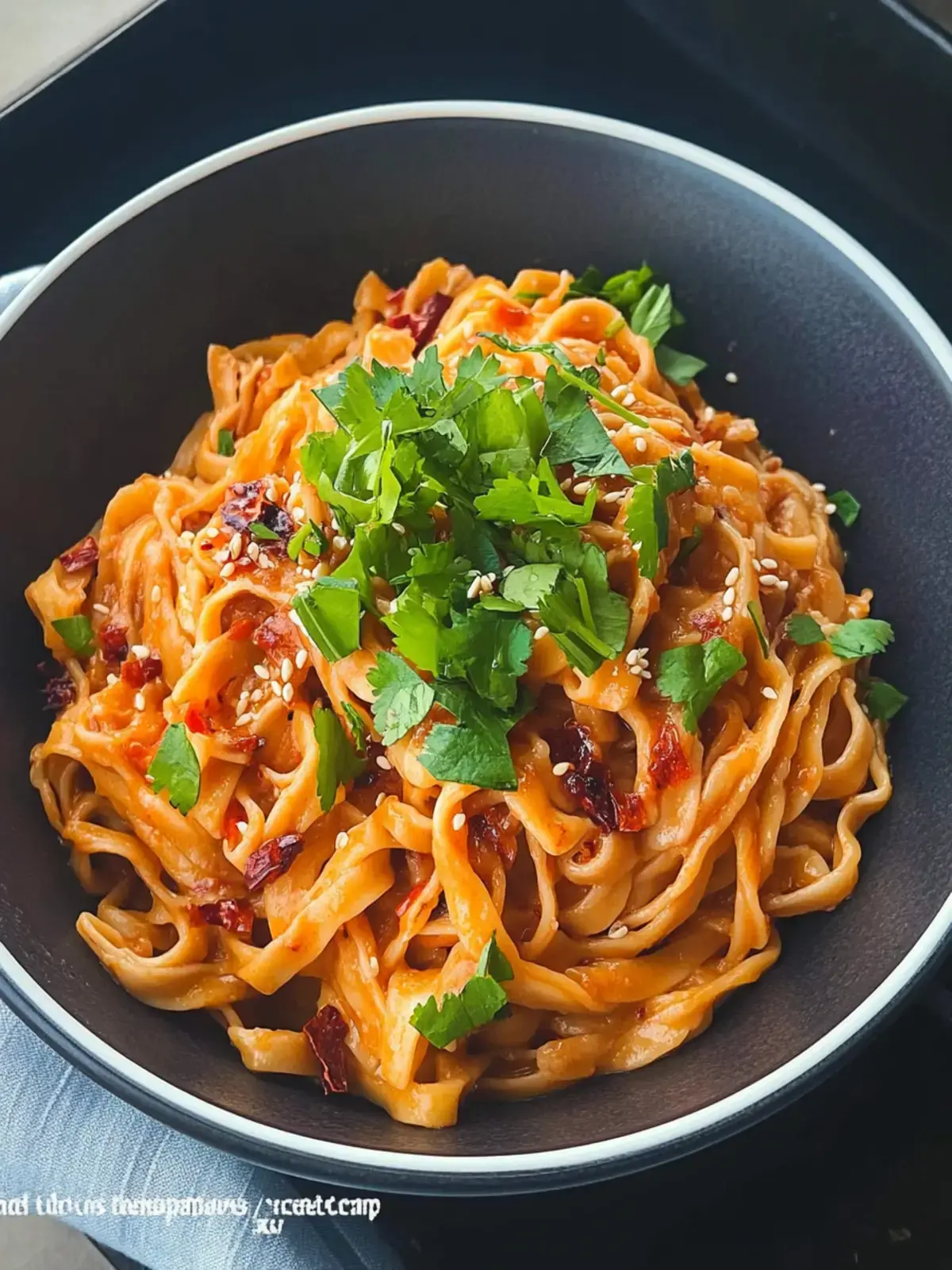
Discovering new recipes is one of my favorite ways to brighten up my culinary routine, and recently, I struck gold with these Sweet Chili Tahini Noodles. Picture this: a kitchen filled with the mouthwatering aroma of sautéed mushrooms mingling with the transformative warmth of garlic and the kick of gochujang. It all starts with a simple stir-fry, yet it leads to a dish that’s packed with flavor and surprising depth.
After a busy day, the last thing I want is to spend hours in the kitchen. This recipe is my answer to that dilemma: quick, satisfying, and utterly crowd-pleasing. With just a handful of common ingredients, including silky tahini and vibrant chili oil, you can create a meal that feels luxurious yet comes together in no time. Whether you’re cooking for yourself or entertaining friends, this dish is sure to turn heads and tantalize taste buds. Join me as we dive into this deliciously addictive experience!
Why You Will Love This Recipe
- Flavor Explosion: This dish is a delightful mix of sweet and spicy, with tahini enriching the noodles for a creamy texture that is truly unparalleled.
- Quick and Easy: Perfect for weeknight dinners, it comes together in under 30 minutes, making it an ideal choice for busy schedules and spontaneous cravings alike.
- Wholesome Ingredients: Featuring king oyster mushrooms and tahini, it’s packed with nutrients while satisfying your deepest comfort food cravings in a healthful way.
- Customizable: Adjust the spice level or swap add-ins to match your taste preferences; the possibilities are endless for creating your perfect bowl.
- Crowd-Pleaser: Serve it at gatherings, and watch your guests rave about this unique and deeply satisfying twist on classic noodle dishes.
Ingredients You Need
The quality of your ingredients plays a paramount role in the final flavor profile of these Sweet Chili Tahini Noodles. Opting for fresh, vibrant components will ensure a dish that sings with taste and texture. From the earthy depth of the king oyster mushrooms to the smooth richness of the tahini, each element contributes to the overall harmony of this delightful meal. Taking a moment to select the best available will elevate this simple recipe into something truly special.
Sweet Chili Tahini Noodles
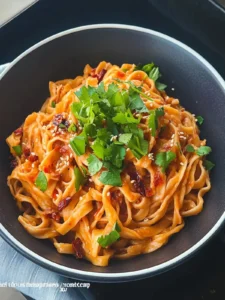
A delightful mix of sweet and spicy flavors, these Sweet Chili Tahini Noodles feature creamy tahini, umami-packed king oyster mushrooms, and a kick of gochujang. Perfect for a quick, luxurious weeknight dinner.
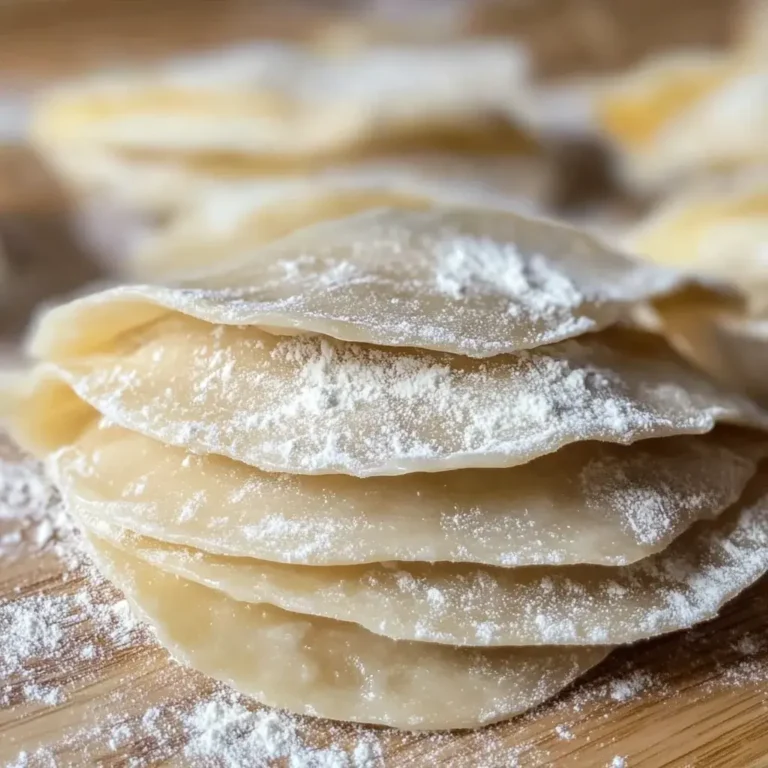
- 1 pack knife cut noodles (or guan miao sliced noodles)
- 1/4 cup noodle water (as needed to adjust sauce consistency)
- 1 tablespoon neutral oil (for sautéing)
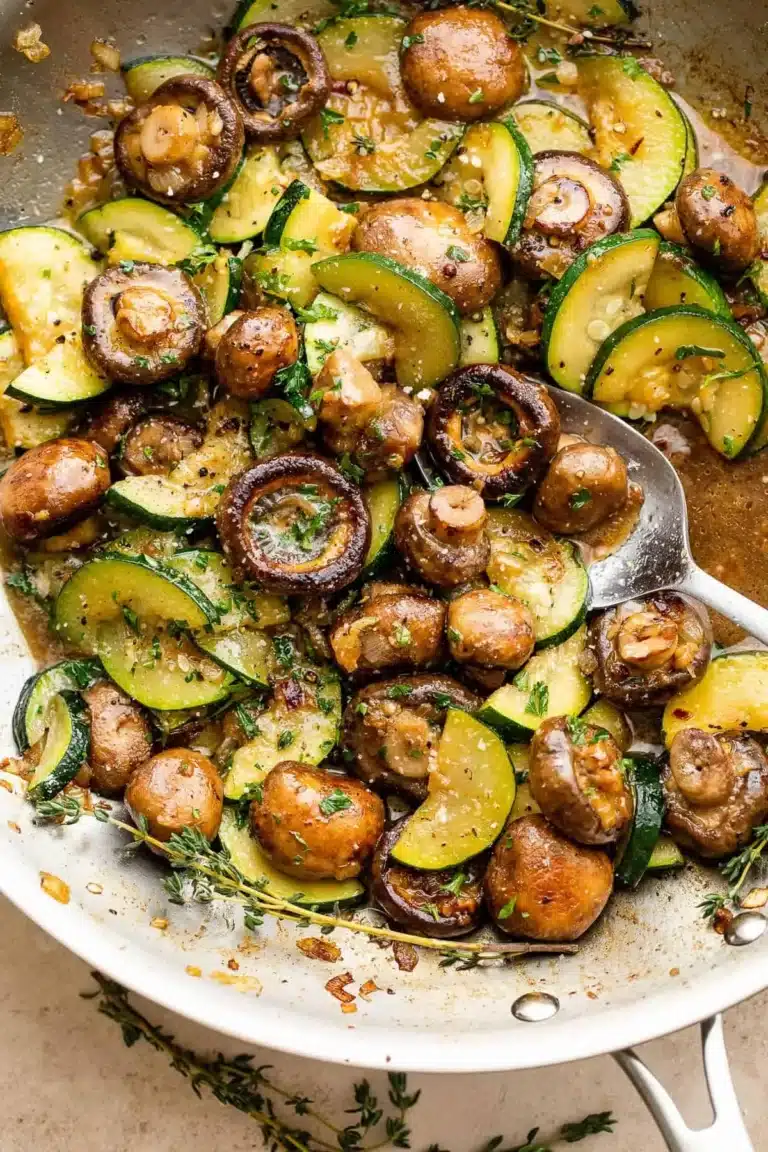
- 8 ounces king oyster mushrooms (sliced into 1/2-inch cubes)
- 1 teaspoon salt (adjust to taste)
- 1 medium shallot (minced)
- 2 cloves garlic (minced)
- 1 to 1.5 tablespoons gochujang (adjust based on preference)
- 2 tablespoons soy sauce
- 2 tablespoons water (to blend sauce)
- 1 tablespoon hon mirin
- 1 tablespoon maple syrup (or sugar to taste)
- 2 teaspoons vinegar
- 2 tablespoons tahini
- 1 teaspoon sesame oil (for drizzling)
- 1 tablespoon chili oil
- 1/4 cup fried shallots
- 2 stalks sliced scallions (for garnish)
- 1Prep the mushrooms: Slice the king oyster mushrooms into 1/2-inch cubes. Heat a large pan or wok over medium heat with 1 tablespoon of neutral oil. Once hot, add the mushrooms and a pinch of salt. Stir-fry until golden brown, then remove from pan and set aside.
- 2Sauté aromatics: In the same pan, add another tablespoon of oil and toss in the minced shallot. Sauté until translucent, then add minced garlic and cook for 30 seconds until aromatic.
- 3Create the sauce: Add in 1 to 1.5 tablespoons of gochujang, stirring well with shallot and garlic. Incorporate soy sauce, 2 tablespoons of water, hon mirin, 1 tablespoon of maple syrup, and 2 teaspoons of vinegar. Mix until well combined.
- 4Incorporate tahini: Lower the heat and stir in 2 tablespoons of tahini. Mix until smooth, then lower or turn off the heat while you cook the noodles.
- 5Cook the noodles: Bring a pot of water to a boil, then add knife cut noodles and cook until very chewy or al dente. Carefully drain the noodles.
- 6Combine noodles and sauce: Add cooked noodles directly into the sauce in the pan, turning on the heat again. Coat noodles in sauce, adding 1-2 tablespoons of noodle water for desired consistency. Adjust with more soy sauce if needed.
- 7Serve hot: Dish up the noodles, topping with reserved mushrooms, drizzle chili oil, crispy fried shallots, and sliced scallions. Mix together and enjoy!
Keywords: noodles, tahini, sweet chili, vegetarian, quick dinner, asian fusion
- knife cut noodles: these noodles offer a wonderfully chewy texture that holds the sauce beautifully, providing a satisfying bite with every mouthful.
- noodle water: this starchy liquid is crucial for achieving the perfect sauce consistency, helping it to cling to the noodles and emulsify into a silky coating.
- neutral oil: essential for sautéing, this oil has a high smoke point and a subtle flavor that allows the other ingredients to shine without interference.
- king oyster mushrooms: these hearty mushrooms provide a satisfying, meaty texture and absorb flavors exceptionally well, adding a delightful umami depth to the dish.
- salt: a fundamental seasoning, salt enhances all the other flavors present, bringing balance and depth to the overall taste profile.
- shallot: offering a milder, sweeter flavor than regular onions, shallots contribute an aromatic base that is less pungent and more refined.
- garlic: an indispensable aromatic, garlic provides an intense, savory flavor that is both pungent and deeply comforting, forming the backbone of many delicious dishes.
- gochujang: this Korean chili paste is the star of the show, delivering a complex blend of spicy, sweet, and savory notes that create an irresistible kick.
- soy sauce: a staple in Asian cuisine, soy sauce adds a salty, umami-rich foundation to the sauce, providing depth and savoriness.
- water: used to thin and meld the sauce ingredients together, water ensures a smooth, cohesive consistency that coats the noodles perfectly.
- hon mirin: this Japanese sweet rice wine adds a subtle sweetness and a glossy sheen to the sauce, balancing the savory and spicy elements.
- maple syrup: or sugar, this ingredient provides a touch of sweetness to round out the flavors, countering the heat of the chili and the saltiness of the soy sauce.
- vinegar: a splash of vinegar brightens the sauce, adding a touch of acidity that cuts through the richness and makes all the flavors pop.
- tahini: made from ground sesame seeds, tahini provides a wonderfully creamy and nutty richness to the sauce, giving it a luxurious texture and depth.
- sesame oil: drizzled at the end, toasted sesame oil imparts a fragrant, nutty aroma and a distinct flavor that elevates the finished dish.
- chili oil: for an extra layer of heat and a beautiful visual appeal, a drizzle of chili oil adds a welcome spicy punch.
- fried shallots: these crispy, caramelized shallots offer a delightful crunch and a concentrated sweet-savory flavor that adds another dimension to the dish.
- sliced scallions: providing a fresh, sharp, and slightly pungent garnish, scallions add a vibrant green color and a welcome burst of freshness to contrast the rich sauce.
The exact quantities for each of these flavorful components are readily available in the accompanying recipe card, ensuring precision and ease in your culinary journey.
Variations
One of the most exciting aspects of this recipe is its inherent flexibility, allowing you to adapt it to your specific dietary needs and flavor preferences with ease. Consider a delicious vegan rendition by swapping the king oyster mushrooms for extra-firm tofu, pan-fried until delightfully crispy. This textural swap ensures a satisfying chew that readily absorbs the flavorful sauce, making it indistinguishable from the original for many.
For those following a low-carb lifestyle, rejoice in the adaptability of these noodles. Opt for spiralized zucchini noodles or even shirataki noodles, which offer a virtually carb-free base that still allows the exquisite sweet chili tahini sauce to shine. The key is to ensure the noodles are well-drained to prevent the sauce from becoming watery, maintaining that signature creamy consistency.
Elevate the spice level by incorporating fresh, finely chopped Thai chilies along with the garlic and shallots, or simply increase the amount of gochujang for a bolder heat. Conversely, if a milder flavor is preferred, a good quality sweet chili sauce can be used as a base, offering sweetness with less intensity. Each variation ensures that this dish can be enjoyed by a wider audience, proving its versatility and widespread appeal.
How to Prepare sweet chili tahini noodles
Step 1: Prepare the Mushrooms for Searing
Begin this culinary adventure by carefully preparing the star of our plant-based protein: the king oyster mushrooms. These versatile fungi are known for their robust, meaty texture, which makes them an excellent substitute for meat in many dishes. Slice them into uniform ½-inch cubes; this consistent size ensures even cooking and a pleasing bite throughout the dish. Aim for precision in your slicing to guarantee that each piece caramelizes beautifully.
Now, it’s time to introduce some heat. Place a large, heavy-bottomed pan or a wok over medium-high heat, allowing it to get properly hot before adding any oil. This initial searing step is crucial for developing flavor and achieving that desirable golden-brown exterior. Add approximately one tablespoon of a neutral oil, such as vegetable or canola oil, ensuring it coats the bottom of the pan adequately. Once the oil shimmers, carefully add the cubed mushrooms to the hot pan in a single layer, avoiding overcrowding, which can lead to steaming rather than searing.
Season the mushrooms generously with a pinch of salt at this stage. The salt will help draw out some moisture, facilitating better browning and intensifying their natural flavor. Allow the mushrooms to cook undisturbed for a few minutes until they develop a rich, golden-brown crust on one side. Then, stir or toss them periodically, continuing to cook until all sides are beautifully browned and slightly caramelized. This process unlocks their deep, savory, umami notes, setting a fantastic foundation for the entire dish.
Step 2: Sauté the Aromatics for a Flavorful Base
Once the mushrooms have achieved their perfect sear and are removed from the pan, do not discard the flavorful fond left behind! This is where the magic of taste truly begins. In that same pan, add another tablespoon of neutral oil to replenish any that may have evaporated or been absorbed by the mushrooms. Reduce the heat slightly to medium, preventing the aromatics from burning and becoming bitter.
Introduce your finely minced shallot into the hot oil. Shallots offer a more delicate and slightly sweeter flavor profile compared to regular onions, making them ideal for building a nuanced flavor base. Sauté the shallots, stirring them frequently, until they become translucent and softened, typically taking about 2-3 minutes. Their gentle sweetness will start to infuse the oil, preparing the pan for the next aromatic addition.
Next, add the minced garlic to the pan. Garlic is a powerhouse of flavor, and its aroma will immediately fill your kitchen. Cook the garlic for approximately 30 seconds, stirring constantly, just until it becomes fragrant. Be extremely cautious here; garlic can burn very quickly, and burnt garlic imparts an unpleasant, acrid taste to the dish. The goal is to gently bloom its flavor in the oil without letting it brown excessively. This combination of sautéed shallots and garlic forms the aromatic backbone of your sweet chili tahini sauce.
Step 3: Craft the Rich and Spicy Sauce
With your aromatics beautifully softened and fragrant, it’s time to introduce the vibrant heart of the sauce: the gochujang. Add about 1 to 1.5 tablespoons of this Korean chili paste directly into the pan with the sautéed shallots and garlic. Stir it vigorously, allowing the heat of the pan to toast the gochujang slightly, which deepens its flavor and releases its complex spicy and slightly sweet notes. Ensure it’s well incorporated with the shallot and garlic mixture, forming a thick, aromatic paste.
Now, begin building the liquid base of the sauce by incorporating the soy sauce, which adds a crucial layer of savory depth and saltiness. Follow this with 2 tablespoons of water; this liquid will help to loosen the gochujang and soy sauce, allowing them to meld together more easily. Next, add the hon mirin, a sweet rice wine that contributes a subtle sweetness and a beautiful glossy finish to the sauce. For an extra touch of sweetness, stir in 1 tablespoon of maple syrup (or a similar amount of sugar), which will perfectly balance the heat and saltiness of the other ingredients.
Finally, add 2 teaspoons of vinegar. The vinegar plays a vital role in brightening the entire sauce; its acidity cuts through the richness of the tahini and the sweetness, preventing the dish from becoming cloying and making all the flavors pop. Whisk or stir everything together thoroughly until all the ingredients are well combined into a cohesive, fragrant mixture. Take a moment to appreciate the rich color and intoxicating aroma that this simple yet powerful sauce base is creating.
Step 4: Achieve Creamy Perfection with Tahini
As the sauce base simmers gently, it’s time to introduce the ingredient that will transform it into a luxuriously creamy delight: tahini. Lower the heat of the pan significantly, or even turn it off momentarily, as tahini can sometimes seize or become oily if added to excessively high heat. This gentle approach ensures a smooth and velvety emulsion.
Add approximately 2 tablespoons of tahini to the sauce mixture in the pan. Tahini, made from ground sesame seeds, brings a wonderful nutty depth and an incredible silkiness to the sauce. Stir it in thoroughly, using a whisk or a spatula, ensuring that it is completely incorporated into the liquid base. Continue mixing until the sauce becomes smooth, uniform, and achieves a beautiful, creamy consistency, reminiscent of a thick peanut butter or a rich dressing.
Once the tahini is smoothly integrated and the sauce has a consistent, appealing texture, you can turn off the heat completely or keep it on the lowest setting while you prepare the noodles. The residual heat will keep the sauce warm and pliable. The goal here is a sauce that coats the back of a spoon beautifully, promising to cling to every strand of noodle without being too thick or too thin. This stage is crucial for achieving the signature mouthfeel of these Sweet Chili Tahini Noodles.
Step 5: Cook the Noodles to Ideal Tenderness
With your exquisite sauce ready and waiting, the next crucial step is to properly cook the noodles. Bring a large pot of generously salted water to a rolling boil over high heat. The salt in the water seasons the noodles from the inside out, providing a foundational layer of flavor that complements the rich sauce. For this particular recipe, knife-cut noodles or Guan Miao sliced noodles are recommended, as their unique texture provides a delightful chewiness that stands up well to the hearty sauce.
Once the water is boiling vigorously, carefully add your chosen noodles to the pot. Stir them immediately to prevent them from sticking together or to the bottom of the pot. Follow the package instructions for cooking time, but aim for a texture that is very chewy or al dente. You want them to have a slight resistance when bitten, not be mushy or overcooked, as they will continue to cook slightly when tossed with the warm sauce. Testing a strand a minute or two before the suggested time is a good practice.
When the noodles have reached your desired level of chewiness, carefully drain them in a colander. It’s important to drain them thoroughly, but avoid rinsing them, as the starch on the surface of the noodles helps the sauce adhere better. Reserve about ½ cup of the starchy noodle water before draining; this liquid is gold for adjusting the sauce’s consistency later on if needed. The perfectly cooked noodles are now ready to be united with the flavorful sauce.
Step 6: Marry the Noodles and Sauce for a Harmonious Finish
Now comes the moment of truth, where the perfectly cooked noodles and the luscious sweet chili tahini sauce become one. Carefully transfer the hot, drained noodles directly into the pan containing the prepared sauce. Ensure all the noodles are in the pan, ready to be coated. Turn the heat back on to medium-low, just enough to gently warm the sauce and noodles together without overcooking them.
Gently toss the noodles in the sauce using tongs or chopsticks, ensuring that every single strand is evenly coated in the creamy, spicy mixture. This coating process is essential for distributing the flavors evenly throughout the dish. As you toss, you might notice the sauce clinging beautifully to the noodles, creating a visually appealing and delicious fusion of textures and tastes. If the sauce seems a little too thick for your liking, or if the noodles aren’t quite coated as smoothly as you’d hoped, this is where your reserved noodle water comes in.
Add 1 to 2 tablespoons of the reserved noodle water to the pan. The starch in the water will help to emulsify the sauce further, thinning it out slightly and allowing it to coat the noodles with a silken finish. Continue to toss and stir gently until you achieve your desired sauce consistency – it should be smooth, creamy, and perfectly adhering to each noodle. Taste the noodles at this stage and adjust the seasoning if necessary; perhaps a touch more soy sauce for added savory depth, or a tiny pinch of sugar if you prefer a sweeter balance. The aim is a harmonious blend of sweet, spicy, savory, and creamy notes.
Step 7: Garnish and Serve Your Masterpiece
The final flourish involves dressing your glorious noodles with an array of enticing toppings that add texture, flavor, and visual appeal. Spoon the saucy noodles into individual serving bowls, ensuring an even distribution of the glorious, sauce-coated strands. This is where the dish truly comes alive, transforming from a simple preparation to a culinary presentation.
Begin by artfully arranging the reserved pan-seared king oyster mushrooms over the noodles. These provide a hearty, satisfying bite that complements the chewiness of the noodles. Next, add a generous drizzle of chili oil; this not only introduces an extra layer of pleasant heat but also adds vibrant streaks of red that catch the eye. The visual contrast is striking and hints at the flavor adventure awaiting the diner.
For a delightful crunch and an intense burst of sweet and savory flavor, scatter a generous amount of crispy fried shallots over the top. These little golden morsels are incredibly addictive and provide a fantastic textural counterpoint to the soft noodles and mushrooms. Finally, garnish with vibrant, thinly sliced scallions. Their fresh, slightly pungent bite offers a refreshing contrast and a beautiful pop of green color, completing the aesthetic and flavor profile. Mix everything together gently before indulging in this delectable creation.
Pro Tips for sweet chili tahini noodles
Master the Mushroom Searing: To achieve the best flavor and texture from your king oyster mushrooms, ensure they are sliced into uniform pieces and that your pan is sufficiently hot before adding them. Avoid overcrowding the pan, as this will steam the mushrooms rather than sear them, preventing that desirable golden-brown caramelization and rich umami flavor from developing fully. Patience during this searing stage is key to unlocking their full potential.
Spice Level Nuances: When incorporating gochujang, it’s always wise to start with a slightly lesser amount than you think you might need, especially if you are sensitive to heat or unsure of your guests’ preferences. You can always add more gochujang or a dash of extra chili oil at the end if you desire more spice. This conservative approach ensures you don’t overpower the delicate balance of flavors with excessive heat.
Sauce Consistency Control: The reserved noodle water is your secret weapon for achieving the perfect sauce consistency. Add it gradually, a tablespoon at a time, while tossing the noodles in the sauce. This starchy water helps to emulsify the sauce, creating a silky, smooth texture that clings beautifully to each noodle without making the dish watery. It’s a simple technique that makes a significant difference in the final presentation and mouthfeel.
Vegetable Inclusions: Don’t hesitate to boost the nutritional content and visual appeal of your dish by adding extra vegetables. Colorful options like thinly sliced bell peppers, crisp snap peas, julienned carrots, or even small broccoli florets can be quickly sautéed along with the aromatics or added towards the end of the mushroom cooking process. They will add vibrant colors, varied textures, and essential vitamins to your meal.
Aromatic Boost with Ginger: For an extra layer of fragrant complexity, consider adding a teaspoon of freshly grated ginger along with the minced garlic when sautéing the aromatics. Ginger provides a warm, zesty undertone that beautifully complements the chili and tahini flavors, adding another dimension to the overall taste profile of your noodles.
Serving Suggestions for sweet chili tahini noodles
Decoration
The visual appeal of these Sweet Chili Tahini Noodles is as important as their taste. To elevate the presentation, start with a vibrant garnish of thinly sliced scallions, their bright green color providing a striking contrast against the rich, saucy noodles. For an added sparkle and a hint of nutty flavor, a light sprinkle of toasted sesame seeds offers a delicate crunch and visual interest. A final, artistic drizzle of chili oil not only adds a touch of heat but also creates beautiful, enticing red swirls across the surface of the dish, signaling the delicious complexity within.
Side Dishes
To complement the rich and savory notes of the Sweet Chili Tahini Noodles, a selection of carefully chosen side dishes can create a truly balanced and satisfying meal. Crispy tempura vegetables, such as delicate broccoli florets or sweet potato slices, offer a delightful textural contrast with their light, airy batter and satisfying crunch. Fresh edamame, lightly steamed and sprinkled with sea salt, provides a simple yet enjoyable protein-packed accompaniment that is both healthy and fun to eat.
Garlic bok choy, quickly sautéed until tender-crisp, brings a fresh, slightly bitter green element that cuts through the richness of the noodles beautifully. For a palate-cleansing crunch, consider a side of quick-pickled cucumbers or radishes, their tangy acidity offering a refreshing counterpoint. Finally, a warm, comforting bowl of miso soup can enhance the umami flavors and complete an authentic Asian-inspired dining experience, tying the entire meal together with its savory depth.
Creative Serving Ideas
Transform your Sweet Chili Tahini Noodles into a delightful party appetizer by serving them in small, elegant bowls or even hollowed-out bell peppers. For a fun, family-style meal, present the noodles in a large, shallow serving platter, allowing everyone to dig in and customize their bowls with an assortment of toppings from small condiment dishes. Imagine a “noodle bar” where guests can select their preferred add-ins like extra mushrooms, toasted peanuts, or pickled vegetables, creating their own personalized culinary masterpiece.
For a lighter, summery variation, serve the noodles chilled or at room temperature, perhaps as a vibrant addition to a potluck or picnic spread. They can also be incorporated into a larger Asian-inspired feast, serving as a flavorful main dish alongside spring rolls, steamed dumplings, and a refreshing cucumber salad. Consider wrapping the noodles in large lettuce cups for a delightful, hands-on, and refreshing way to enjoy every bite, akin to a deconstructed spring roll experience.
Preparation & Storage
Storing Leftovers
Should you be fortunate enough to have any Sweet Chili Tahini Noodles left over, their storage is straightforward, ensuring you can enjoy their delightful flavors again. Transfer any uneaten portions into an airtight container, making sure it seals completely to prevent the noodles from drying out or absorbing unwanted odors from the refrigerator. It is best to let the noodles cool down to room temperature before sealing the container, as this prevents condensation from forming inside, which could affect the texture.
These leftover noodles can be safely stored in the refrigerator for up to three days. When you’re ready to enjoy them again, remember that reheating will require a little attention to restore the sauce’s luscious consistency. The goal is to gently warm the noodles without making them mushy, preserving the delightful textures and flavors that make this dish so special. Proper storage ensures that your delicious meal remains a treat even the next day.
Freezing
For longer-term preservation, these Sweet Chili Tahini Noodles can be frozen, allowing you to enjoy their comforting taste at a later date. Portion the cooled noodles into freezer-safe airtight containers or heavy-duty freezer bags, ensuring they are well-sealed to prevent freezer burn. It’s often helpful to portion them into individual servings to make thawing and reheating more convenient when the craving strikes.
These noodles can be stored in the freezer for up to two months. When you decide to enjoy them, the best method is to transfer the frozen portion from the freezer to the refrigerator the night before. This slow thawing process helps to maintain the integrity of the noodles and sauce better than a quick thaw. Upon thawing, you might find the sauce has slightly separated or thickened, but this is easily remedied upon reheating.
Reheating
Reheating these flavorful noodles is a simple process that brings them back to their delicious glory. When reheating from the refrigerator, the most effective method is to gently warm them in a skillet or wok over low to medium heat. Add a splash of water, or even a little extra soy sauce or noodle water, to the pan before adding the noodles. This helps to loosen the sauce, rehydrate it, and create that signature creamy consistency that you enjoyed when they were freshly made.
Stir the noodles gently as they heat, ensuring the sauce is evenly distributed and coating the noodles beautifully. If reheating from frozen after thawing, the process is similar. You might need to add a touch more liquid as the noodles will be slightly drier. Avoid the temptation to microwave them for extended periods, as this can often lead to uneven heating and a less appealing texture. The stovetop method ensures a much more satisfying and delicious revival of your Sweet Chili Tahini Noodles.
Frequently Asked Questions
-
What type of king oyster mushrooms should I use, and can other mushrooms be substituted?
For the best texture and flavor in this recipe, look for fresh king oyster mushrooms that are firm, plump, and free from any blemishes or signs of spoilage. Their thick, meaty stems are ideal for achieving a satisfying bite that mimics the texture of meat. If king oyster mushrooms are unavailable, shiitake mushrooms can be a good alternative, offering a rich umami flavor, or cremini mushrooms can be used for a more common mushroom taste, though they may not provide quite the same satisfying chewiness. Whichever mushroom you choose, ensure it is sautéed properly to develop its best flavor.
-
How should I store any leftover Sweet Chili Tahini Noodles, and for how long are they good?
Leftover Sweet Chili Tahini Noodles can be stored in an airtight container in the refrigerator for up to 3 days. It’s crucial to let the dish cool completely to room temperature before sealing the container to prevent condensation, which can make the noodles soggy. When you are ready to enjoy them again, reheat them gently on the stovetop over low heat, adding a splash of water to loosen the sauce and restore its creamy consistency. Proper storage is key to maintaining the dish’s delightful flavor and texture.
-
Can I freeze Sweet Chili Tahini Noodles, and if so, what is the best way to reheat them after freezing?
Yes, Sweet Chili Tahini Noodles can be frozen for longer storage. Portion the cooled noodles into airtight containers or heavy-duty freezer bags, ensuring they are well-sealed to prevent freezer burn, and they can be kept for up to 2 months. To reheat, it is best to thaw them overnight in the refrigerator. Then, gently warm them in a skillet on the stovetop, adding a bit of water or broth to help reconstitute the sauce and achieve the desired creamy texture. Adding freshly sautéed mushrooms or a sprinkle of fresh scallions upon reheating can further enhance the dish’s appeal, giving it a refreshed taste and texture.