Spinat Gorgonzola Risotto mit Mandelpflaumen Rezept – Muma’s Kitchen
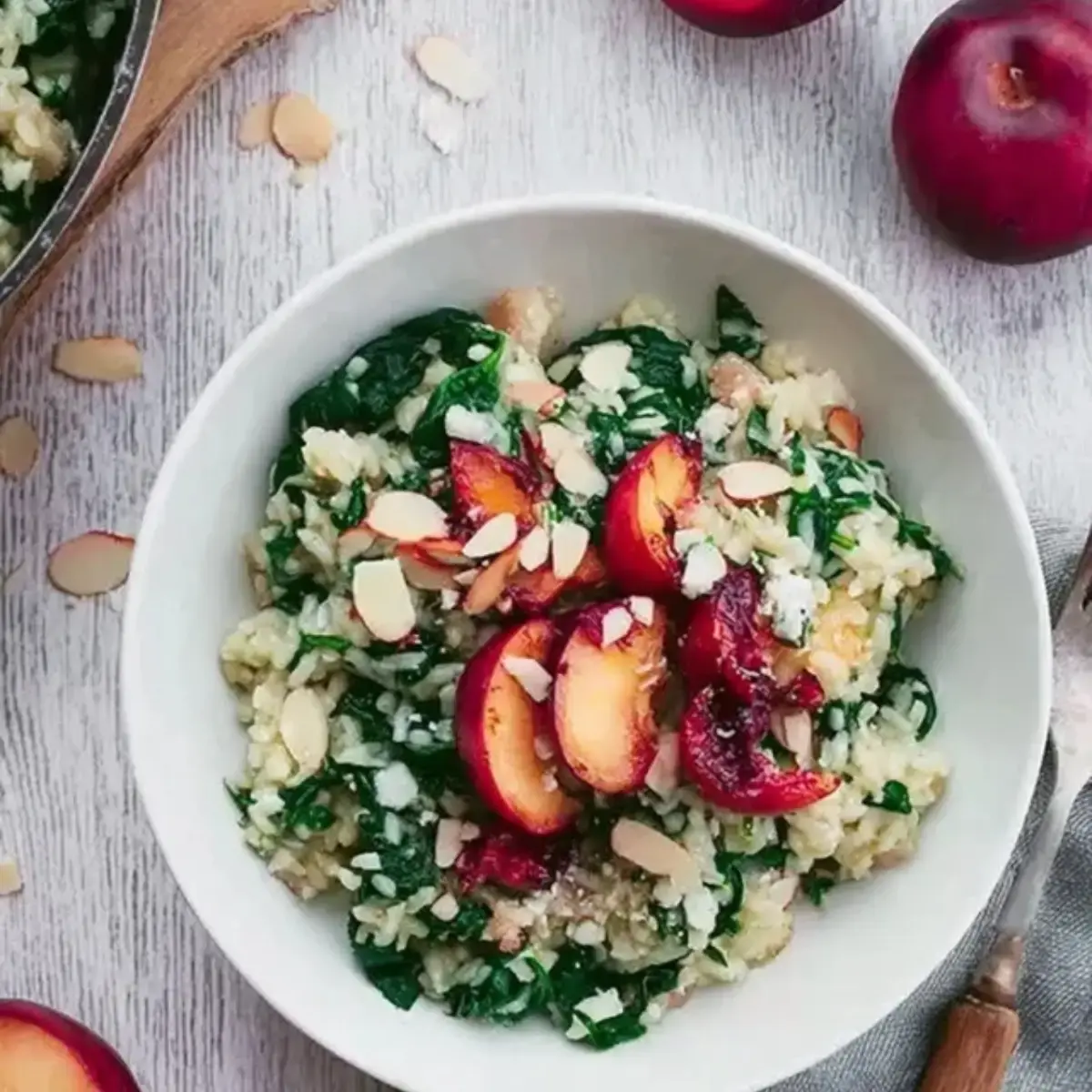
Embark on a culinary adventure with this exquisite Spinat Gorgonzola Risotto featuring the unique touch of Mandelpflaumen. This dish is a testament to the beauty of contrasting flavors and textures, promising a truly memorable dining experience.
Prepare to be delighted by the creamy embrace of Arborio rice, the pungent allure of Gorgonzola cheese, the earthy goodness of fresh spinach, and the surprising sweet-nutty notes of dried plums. It’s a sophisticated yet comforting meal perfect for any occasion.
Why You Will Love This Recipe
- Exceptional Flavor Profile: Experience a masterful blend of savory, creamy, and subtly sweet notes that dance on your palate with every bite.
- Elegant Presentation: The vibrant green of spinach, the creamy white of the risotto, and the deep hues of the plums create a visually stunning dish.
- Versatile Enjoyment: Perfect as a hearty vegetarian main course or an impressive side dish for a more elaborate meal.
- Adaptable to Tastes: Easily tweak the intensity of Gorgonzola or the sweetness of the plums to suit your personal preferences.
- Comfort Food Elevated: This recipe takes the comforting essence of risotto and elevates it with gourmet ingredients for a truly special touch.
Ingredients You Need
The success of any great dish hinges on the quality of its ingredients, and this risotto is no exception. Opt for the freshest produce and the finest cheeses you can find for the most vibrant flavors. Understanding each component’s role is key to achieving that perfect, creamy consistency and balanced taste profile.
Spinach Gorgonzola Risotto with Almond Plums

A creamy and aromatic rice dish with spicy cheese, fresh spinach, and a sweet-nutty note from almond plums. Perfect for connoisseurs and special occasions.
- 300 g Arborio rice (or similar risotto rice)
- 150 g fresh spinach
- 120 g Gorgonzola cheese
- 80 g almond plums
- 1 liter vegetable broth
- 2 shallots
- 2 cloves garlic
- 100 ml white wine
- 40 g grated Parmesan cheese
- 30 g butter
- 2 tbsp olive oil
- Salt to taste
- Pepper to taste
- 1Heat the vegetable broth in a pot and keep warm.
- 2Finely chop the shallots and garlic. Heat olive oil in a large pot and sauté them until translucent, without browning.
- 3Add the risotto rice and toast briefly until it becomes slightly glassy.
- 4Deglaze with white wine and let the liquid evaporate completely.
- 5Gradually add the warm vegetable broth, stirring regularly. Wait until the liquid has been absorbed before adding more broth.
- 6Wash the spinach, roughly chop it, and stir it into the almost finished risotto.
- 7Cut the Gorgonzola into small pieces and stir it into the risotto until completely melted.
- 8Roughly chop the almond plums and gently fold them into the finished risotto. Add them at the end to retain their texture.
- 9Stir in the butter and grated Parmesan. Season the Spinach Gorgonzola Risotto with Almond Plums with salt and pepper to taste.
- 10Let the risotto rest briefly to allow the flavors to meld optimally before serving.
Keywords: Risotto, Spinach, Gorgonzola, Almond Plums, Creamy, Vegetarian, German Cuisine
- risottoreis (z. B. Arborio): provides the essential creamy texture due to its high starch content, forming the foundation of this classic Italian dish.
- frischer spinat: contributes a burst of freshness, vibrant color, and essential nutrients, wilting beautifully into the hot rice.
- gorgonzola: delivers a distinctive, tangy, and creamy character that defines the risotto’s savory depth.
- mandelpflaumen: add a unique sweet and slightly nutty dimension, offering a delightful contrast to the rich cheese and rice.
- gemüsebrühe: serves as the liquid base, infusing the rice with flavor as it cooks and helps create the signature creamy texture.
- schalotten: offer a milder, more delicate onion flavor than regular onions, providing a sweet aromatic base.
- knoblauch: imparts a pungent aroma and a subtle savory kick that enhances the overall flavor complexity.
- weißwein: introduces a layer of acidity that cuts through the richness of the cheese and rice, brightening the dish.
- parmesan, gerieben: enriches the risotto with a nutty, salty flavor and contributes to its overall creaminess and umami profile.
- butter: adds a luxurious silkiness and richness, helping to emulsify the starches and create a smooth, mouth-coating texture.
- olivenöl: used for sautéing the aromatics and rice, it provides a subtle fruity note and prevents sticking.
- salz nach geschmack: essential for bringing out and balancing all the individual flavors of the ingredients.
- pfeffer nach geschmack: adds a gentle warmth and a hint of spice that complements the other ingredients.
The precise quantities for these ingredients are conveniently detailed within the accompanying recipe card.
Variations
For those seeking a plant-based delight, transform this risotto into a decadent vegan masterpiece. Utilize a high-quality vegan Gorgonzola alternative or a creamy cashew cheese. Swap the butter for a rich vegan butter or a drizzle of extra virgin olive oil, and ensure your vegetable broth is certified vegan. The Mandelpflaumen and spinach will still offer their fantastic contributions, making it a compassionate yet indulgent choice.
Embrace a lower-carbohydrate lifestyle with a delightful low-carb twist. While traditional risotto relies on rice, you can achieve a similar creamy texture using finely riced cauliflower or hearts of palm. Sauté these vegetables until tender, then incorporate the Gorgonzola, spinach, and Mandelpflaumen. The key is to achieve that luxurious mouthfeel without the starchy grains, creating a satisfying and guilt-free alternative.
Consider adding a protein boost to make this risotto an even more complete meal. Grilled chicken breast, pan-seared shrimp, or even crispy pancetta can elevate the dish significantly. For a vegetarian protein option, incorporate pan-fried halloumi cheese or toasted pistachios alongside the Mandelpflaumen for added crunch and substance. Each addition offers a new dimension of flavor and texture.
How to Prepare Spinat Gorgonzola Risotto Mandelpflaumen
Step 1: Building the Flavor Base
Begin by gently heating your vegetable broth in a separate saucepan. Keeping the broth warm is absolutely crucial for the risotto-making process, as adding cold liquid would shock the rice and disrupt the even cooking required for that perfect creamy consistency. This slow, steady infusion of warm broth is what coaxes the starch from the rice grains.
While the broth warms, finely mince your shallots and garlic. The shallots provide a subtle sweetness, while the garlic offers its signature aromatic depth. Heat a generous tablespoon of olive oil in a wide, heavy-bottomed pot or Dutch oven over medium heat. Sauté the minced shallots and garlic until they become translucent and fragrant, taking care not to let them brown, which can impart a bitter taste.
The goal here is to gently soften the aromatics, releasing their essential oils and creating a fragrant foundation upon which the rest of the dish will be built. This initial step sets the stage for the rich flavors that are to come, ensuring that every spoonful of risotto will be infused with deliciousness.
Step 2: Toasting the Rice and Deglazing
Introduce the Arborio rice to the pot with the sautéed shallots and garlic. Stir the rice continuously for about two minutes, allowing each grain to toast lightly in the residual oil. This toasting process is a critical step in developing a deeper, nuttier flavor in the rice and helps the grains absorb liquid more evenly, preventing them from becoming mushy.
Observe how the edges of the rice grains become slightly translucent as they toast. This visual cue indicates that the starch is beginning to activate, preparing it to release its creamy magic. The gentle crackling sound as the rice toasts is a promise of the delightful texture to come in your finished dish.
Once the rice has achieved this toasty perfection, it’s time to deglaze the pot. Pour in the white wine and stir vigorously, scraping up any delicious browned bits from the bottom of the pot. Allow the wine to bubble and evaporate almost completely, letting its bright acidity mellow and infuse the rice.
Step 3: The Art of Gradual Broth Addition
Now, the patient and rewarding process of adding the warm vegetable broth begins. Ladle in just enough warm broth to cover the rice, and stir continuously until the liquid is almost entirely absorbed by the grains. This constant stirring is not just about mixing; it’s about encouraging the release of starch from the rice, which is the secret to risotto’s signature creamy texture.
Continue this method, adding broth one ladleful at a time and stirring until it’s absorbed before adding the next. The rice will gradually soften and swell, transforming from individual grains into a luscious, cohesive dish. Patience is key here; rushing this process will result in a less creamy, more rice-like consistency.
As you stir, you’ll notice the risotto becoming progressively creamier. The starch molecules are breaking down and creating a velvety sauce that coats each grain of rice beautifully. This rhythmic process of adding liquid and stirring is the very heart of creating authentic risotto, turning simple ingredients into culinary gold.
Step 4: Incorporating the Spinach
When the rice is nearly tender, with just a slight bite (al dente), it’s time to introduce the fresh spinach. Thoroughly wash the spinach to remove any grit and then give it a rough chop. Add the chopped spinach to the pot, stirring it into the risotto. The residual heat from the risotto will quickly wilt the greens, infusing the dish with their fresh, earthy flavor and vibrant color.
Watch as the bright green spinach melts into the creamy rice, creating beautiful marbling throughout the dish. This step adds not only visual appeal but also a significant nutritional boost, contributing vitamins and minerals to your meal. Ensure the spinach is evenly distributed so every bite benefits from its goodness.
The spinach should wilt down within a minute or two. If it seems like there’s too much spinach initially, don’t worry; it reduces significantly during cooking. The goal is to have a tender, integrated spinach element that complements, rather than overpowers, the other flavors of the risotto.
Step 5: Melting the Gorgonzola
Now comes the moment for the star of the savory show: the Gorgonzola cheese. Cut the Gorgonzola into small cubes or crumble it directly into the pot. Stir the cheese gently into the risotto, allowing the heat to melt it completely. As the Gorgonzola melts, it will transform the risotto into an even richer, creamier, and more intensely flavored dish.
The pungent aroma of the melting Gorgonzola will fill your kitchen, signaling the near completion of this exquisite dish. Stir continuously until the cheese is fully incorporated, creating a smooth, luxurious sauce that clings to every grain of rice. Avoid over-stirring at this stage, as you want to maintain the integrity of the rice grains while ensuring the cheese is perfectly blended.
The Gorgonzola’s creamy texture and distinctive flavor are what elevate this risotto from ordinary to extraordinary. It harmonizes beautifully with the subtle sweetness of the Mandelpflaumen and the earthiness of the spinach, creating a complex and deeply satisfying taste experience.
Step 6: Adding the Mandelpflaumen and Finishing Touches
Just before serving, gently fold in the roughly chopped Mandelpflaumen. Add them towards the end of the cooking process to ensure they retain some of their pleasing texture and don’t become too soft. Their sweet, slightly chewy nature provides a delightful counterpoint to the creamy risotto and sharp cheese.
Finally, stir in the butter and grated Parmesan cheese. The butter adds a final layer of richness and helps to create a beautifully glossy finish, while the Parmesan enhances the savory depth and contributes to the velvety texture. Season the risotto generously with salt and freshly ground black pepper to taste, ensuring all the flavors are perfectly balanced.
Let the risotto rest for a minute or two off the heat. This brief resting period allows the flavors to meld together beautifully, creating a cohesive and harmonious dish. The risotto should be creamy and flowing, not stiff or dry. If it seems too thick, a splash more warm broth can be stirred in to achieve the perfect consistency.
Pro Tips for Spinat Gorgonzola Risotto Mandelpflaumen
The Stirring Secret: Consistent, gentle stirring is the non-negotiable cornerstone of perfect risotto. This action releases the starch from the Arborio rice, creating the signature creamy texture without the need for heavy cream. Aim for a steady, rhythmic motion rather than vigorous agitation to avoid breaking the rice grains too much.
Broth Temperature Matters: Always ensure your vegetable broth is kept warm in a separate pot while you cook the risotto. Adding cold broth will drastically cool down the rice and interrupt the cooking process, leading to unevenly cooked grains and a less creamy result. Warm broth allows for continuous, gentle cooking.
Achieving “Al Dente”: The ideal risotto rice should have a slight bite to it; it should not be mushy or overly soft. Start tasting the rice after about 15-18 minutes of adding broth and continue cooking until it reaches that perfect al dente stage, which typically takes around 20-25 minutes total cooking time for the rice.
Timing is Everything for Plums: Add the Mandelpflaumen towards the very end of the cooking process. Their purpose is to provide bursts of sweetness and a pleasant chewiness. If added too early, they risk becoming overly soft and losing their distinct texture. A gentle fold-in just before serving preserves their delightful contribution.
Adjusting Consistency: Risotto consistency can be a bit of a balancing act. If your risotto becomes too thick during cooking, don’t hesitate to add a little more warm broth or even hot water, a tablespoon at a time, until it reaches your desired creamy, flowing texture. Conversely, if it seems too loose, let it simmer gently for another minute or two, stirring occasionally, to allow some of the excess liquid to evaporate.
Serving Suggestions for Spinat Gorgonzola Risotto Mandelpflaumen
Decoration
Elevate the visual appeal of your Spinat Gorgonzola Risotto with a few thoughtful garnishes. A sprinkle of freshly grated Parmesan cheese adds a final touch of savory elegance, while a few toasted pine nuts or slivered almonds can provide a delightful crunch. For a burst of color and freshness, a few fresh spinach leaves or a scattering of finely chopped parsley work wonders.
Consider adding a few extra whole Mandelpflaumen artfully placed on top for a visually appealing contrast. A delicate drizzle of high-quality balsamic glaze can also introduce a sophisticated sweet and tangy note that complements the richness of the Gorgonzola. The aim is to enhance the dish’s beauty without overwhelming its inherent flavors.
Side Dishes
This rich risotto pairs beautifully with lighter side dishes that offer a refreshing contrast. A simple green salad with a lemon-vinaigrette dressing provides a crisp counterpoint to the creamy risotto. Consider serving it alongside grilled asparagus or tender-crisp green beans, which add a lovely textural element and a hint of freshness.
For a more substantial meal, consider a side of roasted cherry tomatoes, their sweetness intensified by roasting, which complements the Gorgonzola. Another excellent option is thinly sliced and pan-seared prosciutto, offering a salty, savory crunch that works harmoniously with the risotto’s creamy base. Explore options that bring brightness and texture to the plate.
Creative Serving Ideas
Present this risotto in shallow bowls for an elegant dining experience, allowing its creamy texture to be fully appreciated. For individual servings, consider using ring molds to create perfectly shaped portions, then topping with your chosen garnishes. This adds a restaurant-quality touch to your home-cooked meal.
Another creative idea is to serve the risotto as a filling for delicate crêpes or stuffed into portobello mushrooms. This transforms the risotto into a delightful appetizer or a lighter main course. You could also serve smaller portions as part of a tasting menu, allowing guests to savor its unique flavors alongside other culinary delights.
Preparation & Storage
Storing Leftovers
Leftover Spinat Gorgonzola Risotto with Mandelpflaumen can be stored in an airtight container in the refrigerator for up to 2-3 days. It’s important to cool the risotto completely before sealing and refrigerating to prevent the growth of bacteria. The distinct flavors will often meld and deepen slightly overnight, making leftovers quite enjoyable.
Ensure the container is indeed airtight to prevent the risotto from drying out or absorbing odors from other foods in the refrigerator. While it will still be delicious, the texture may change slightly upon reheating, becoming a bit denser. Proper storage is key to maintaining its quality.
Freezing
While risotto can be frozen, it’s important to manage expectations regarding texture. The creamy consistency can sometimes change, becoming a little more watery or grainy upon thawing due to the starch and dairy components. If you choose to freeze it, allow the risotto to cool completely and then portion it into freezer-safe containers or bags.
For best results when freezing, consider removing some of the liquid before freezing, and plan to add extra broth or a splash of cream when reheating. This helps to re-establish the creamy texture. Freezing is generally more successful with risottos that are not overly creamy or cheesy to begin with.
Reheating
To reheat leftover risotto, the best method is to gently warm it in a saucepan over low heat. Add a splash of warm vegetable broth, milk, or even water to help restore its creamy consistency. Stir continuously until the risotto is heated through and has returned to its desired texture. Avoid high heat, which can cause the rice to become gummy or the cheese to separate.
Alternatively, you can reheat the risotto in the microwave. Place the desired portion in a microwave-safe dish, add a little liquid, cover loosely, and heat in 30-second intervals, stirring in between, until warmed through. For frozen risotto, thaw it in the refrigerator overnight before reheating using the stovetop method for optimal texture.
Frequently Asked Questions
-
How can I ensure my risotto is creamy without being mushy?
The secret to a creamy yet perfectly textured risotto lies in the type of rice used and the cooking technique. Arborio, Carnaroli, or Vialone Nano rice varieties are specifically bred for their high starch content, which is released during cooking to create a naturally creamy sauce. It is crucial to toast the rice grains lightly before adding liquid, which helps them absorb moisture evenly. Throughout the cooking process, adding warm broth gradually, ladle by ladle, and stirring frequently encourages the starch release without overcooking the grains. The rice should always be cooked until it is al dente – tender but with a slight bite in the center. Overcooking will result in mushy, pasty rice, so tasting frequently towards the end of the cooking time is essential. -
What if I don’t like Gorgonzola or find it too strong? Are there milder alternatives?
Absolutely! While Gorgonzola provides a distinctive punch, there are several excellent alternatives if you prefer a milder cheese or have dietary restrictions. A creamy, milder blue cheese can be a good substitute, offering some of the characteristic tang without the same intensity. For a much milder flavor, consider using a good quality cream cheese or even mascarpone, which will contribute to the risotto’s creaminess. Goat cheese also offers a unique tanginess that can be delightful in risotto, though it has a different flavor profile than blue cheese. You can also blend a small amount of Gorgonzola with a larger portion of Parmesan or a mild mozzarella to achieve a more balanced flavor. Experimentation is key to finding your perfect cheese combination. -
Can I prepare the risotto in advance and reheat it, or does it need to be served immediately?
Risotto is undeniably best served immediately after it’s finished cooking, as this is when it reaches its peak creamy texture and vibrant flavor. However, it is possible to prepare it in advance to a certain extent and reheat it, though the texture will likely change. You can cook the risotto until it is about 80% done, then spread it on a baking sheet to cool quickly, stopping the cooking process. Once cooled, it can be refrigerated for up to 24 hours. To reheat, add it back to a pan with a generous amount of warm broth or water and stir over low heat until heated through and creamy. While it won’t be exactly the same as freshly made, this method can salvage leftovers for a later meal.