Irresistible Slow Cooker Korean Beef for Effortless Dinners
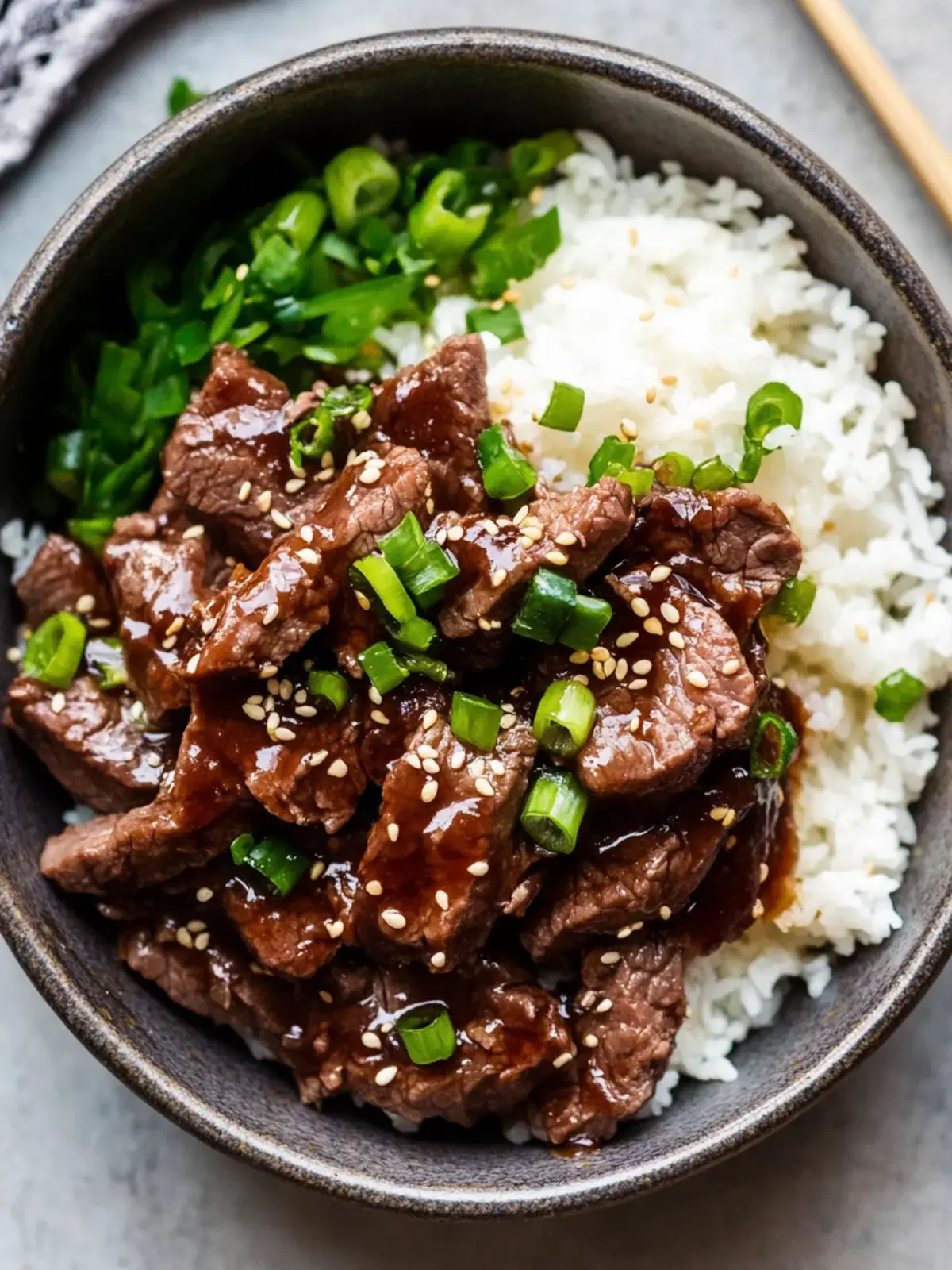
There is something inherently comforting about the gentle hum of a slow cooker bubbling away on a quiet afternoon. As the savory aromas begin to fill the kitchen, the anticipation builds for a meal that perfectly balances rich, bold flavors with heart-warming satisfaction. This Slow Cooker Korean Beef is designed to transform simple pantry staples into a culinary experience that feels both sophisticated and deeply familiar.
If you have been searching for a reliable dinner idea that requires minimal active effort, you have found your match. This recipe marries the intense, savory notes of high-quality soy sauce with the subtle sweetness of brown sugar and the iconic heat of fermented chili paste. Whether you are hosting a festive gathering or simply planning for a cozy weeknight, this dish offers an effortless way to upgrade your standard menu.
Why You Will Love This Recipe
- Quick Preparation: You can get this meal into the slow cooker in under fifteen minutes, leaving you plenty of time for your busy schedule.
- Flavor Explosion: The combination of Gochujang, fresh ginger, and garlic creates a complex umami profile that is truly addictive.
- Crowd-Pleaser: This dish is a hit with guests of all ages, making it the perfect centerpiece for your next casual get-together.
- Versatile Meal: You can easily pair this tender beef with a variety of sides like steamed rice, noodles, or crisp vegetables to suit your cravings.
- Make-Ahead Delight: Because it reheats beautifully, this recipe is perfect for meal prep or those who want a delicious lunch ready to go.
Ingredients You Need
Creating a restaurant-quality meal starts with selecting ingredients that bring depth and brightness to every bite. By using fresh aromatics like ginger and garlic alongside high-quality protein, you ensure the most vibrant results possible. Please refer to the specific quantities provided in the recipe details below to ensure your sauce achieves the perfect balance of heat and sweet.
Savory Slow Cooker Korean Beef
A comforting, flavor-packed slow cooker dish that transforms simple beef chuck roast into an unforgettable meal using the rich, spicy umami of Gochujang, soy sauce, and aromatic spices.
- 1/2 cup reduced-sodium beef broth
- 1/4 cup reduced-sodium soy sauce
- 1/4 cup brown sugar
- 4 cloves garlic, minced
- 2 tablespoons sesame oil
- 2 tablespoons rice vinegar
- 1 tablespoon grated fresh ginger
- 2 tablespoons Gochujang sauce
- 1 teaspoon onion powder
- 1/2 teaspoon pepper
- 3 pounds boneless beef chuck roast, cut into 1-inch cubes
- 2 tablespoons cornstarch
- 1In a medium bowl, combine beef broth with soy sauce, brown sugar, garlic, sesame oil, rice vinegar, ginger, Gochujang sauce, onion powder, and pepper. Mix well to blend flavors.
- 2Place the cubed roast into your slow cooker, ensuring the pieces are evenly distributed.
- 3Pour the prepared sauce over the cubed meat, making sure each piece is coated.
- 4Cover and set to low heat. Cook for 6-8 hours, or until the beef is tender.
- 5In a small bowl, whisk together the cornstarch and a small amount of beef broth until smooth.
- 6Stir the cornstarch mixture into the slow cooker.
- 7Cover and cook on high heat for an additional 30 minutes until the sauce has thickened.
- 8Garnish with sliced green onions if desired.
Keywords: Korean Beef, Slow Cooker, Beef Roast, Gochujang, Comfort Food, Dinner
- boneless beef chuck roast: the gold standard for slow cooking because it breaks down into tender, juicy perfection.
- reduced-sodium beef broth: provides a savory foundation for the sauce without becoming overly salty.
- reduced-sodium soy sauce: adds that essential salty umami base that defines classic Korean-inspired flavors.
- brown sugar: introduces a caramel-like sweetness that cuts through the heat of the chili paste.
- garlic: freshly minced cloves are non-negotiable for achieving that punchy, aromatic quality.
- sesame oil: a small amount adds a nutty, toasted complexity to the final dish.
- rice vinegar: offers a bright, acidic tang that balances the richness of the meat.
- grated fresh ginger: adds a warming, zesty freshness that elevates the flavor profile significantly.
- gochujang sauce: the star ingredient, providing a deep, fermented spice and thick, velvety texture.
- onion powder: acts as a subtle background flavor enhancer that rounds out the savory notes.
- pepper: a classic addition to help brighten the overall aromatics.
- cornstarch: the necessary tool for thickening your sauce into a luxurious, glossy glaze.
Variations
Spicy Kick: For those who crave extra heat, try adding a tablespoon of crushed red pepper flakes or extra Gochujang. This will intensify the warmth of the dish significantly.
Vegetarian Option: Swap the beef for firm cubes of tofu or hearty tempeh. These plant-based alternatives act like sponges, absorbing the rich, savory sauce just as well as the meat.
Add Veggies: Boost the nutritional profile by tossing in sliced bell peppers, carrots, or snap peas during the final hour of cooking. This provides a satisfying crunch and a vibrant pop of color to the final plate.
How to Prepare Slow Cooker Korean Beef
Step 1: Whisking the Flavor Base
The foundation of this dish lies in the careful balancing of your liquids and spices. Start by grabbing a medium-sized mixing bowl and adding your beef broth, soy sauce, and brown sugar.
Whisk these together until the sugar has fully dissolved into the liquid base. This step ensures that your sauce is smooth and consistent before it ever touches the heat.
Next, add your minced garlic, sesame oil, rice vinegar, and grated fresh ginger to the bowl. Adding the Gochujang sauce at this stage is crucial, as it will act as the thick, flavorful heart of your gravy.
Step 2: Preparing the Protein
Selecting the right cut of beef is a lesson in patience and science. The chuck roast is ideal because it contains significant amounts of connective tissue and intramuscular fat, often referred to as marbling.
As the beef cooks slowly over several hours, this collagen breaks down into gelatin. This process is what transforms a tough cut of meat into pieces that melt in your mouth.
Cut your roast into uniform one-inch cubes. Keeping the pieces similar in size ensures that every bite reaches the same level of tenderness at the same time.
Step 3: Combining and Initial Cooking
Place your cubed beef into the bottom of your slow cooker vessel. Spread the pieces out to ensure they are evenly layered rather than piled high in one spot.
Pour your prepared sauce mixture evenly over the beef. Use a spoon or silicone spatula to gently turn the meat to ensure every surface of every cube is coated in the liquid.
Cover the slow cooker with its lid and set it to low. Allow the magic to happen over the next six to eight hours without checking the lid, as releasing the steam can impact the cooking temperature.
Step 4: Creating the Glossy Finish
After the beef is tender, it is time to transform the liquid into a thick, restaurant-style glaze. In a separate small bowl, whisk your cornstarch and a bit of beef broth until completely smooth.
The goal is to create a slurry that contains absolutely no lumps. Stir this mixture directly into the slow cooker, ensuring it combines thoroughly with the existing juices.
Switch your slow cooker to the high setting and cover it once more. Let it cook for another thirty minutes until the sauce has reduced and thickened into a glossy coating for the meat.
Step 5: Finishing Touches
Once the sauce has reached your desired thickness, it is time to plate your creation. A simple, elegant garnish can make all the difference in presentation.
Freshly sliced green onions provide a clean, crisp bite that cuts through the rich, savory sauce. If you want a bit more texture, a sprinkle of toasted sesame seeds is the perfect finish.
Serve immediately while the meat is at its most tender. Pair this with a fresh side or one of our recommended lunch pairings to keep the meal balanced.
Pro Tips for Slow Cooker Korean Beef
The Importance of Quality: Always opt for fresh ginger and garlic rather than powdered versions if possible. The vibrancy of fresh aromatics significantly changes the final outcome of the sauce.
Managing Texture: To keep your beef perfectly tender, stick to the recommended cooking time on low. Overcooking can eventually lead to stringy meat, so prioritize the six-to-eight-hour window.
Silky Sauce Tricks: If you notice your cornstarch slurry has started to clump, whisk it again just before pouring it into the pot. A smooth slurry is the secret to a professional-grade, glossy glaze.
Flavor Balance: If you find the sauce is slightly too salty or too spicy, a small splash of additional rice vinegar can help brighten the profile. Always taste your sauce before serving to adjust the seasoning to your specific preference.
Serving Suggestions for Slow Cooker Korean Beef
Decoration
The best way to decorate this dish is with fresh, contrasting colors. A generous handful of chopped scallions and a sprinkle of toasted sesame seeds add both visual appeal and a pop of brightness.
Side Dishes
Steamed jasmine rice is the traditional choice, as it is perfect for soaking up every drop of the savory glaze. Alternatively, roasted Brussels sprouts or a light cucumber salad can provide a necessary crisp texture to balance the tender beef.
Creative Serving Ideas
Why not serve the beef inside soft, steamed bao buns or warm flour tortillas for a fun fusion taco night? You can also layer the beef over chilled breakfast-inspired fried rice for a savory start to your day.
Preparation & Storage
Storing Leftovers
Keep any leftover beef in an airtight container within your refrigerator for up to three days. Ensure the meat has cooled completely to room temperature before placing it in the fridge to prevent any moisture buildup.
Freezing
This dish is an excellent candidate for the freezer. Store portions in heavy-duty freezer bags or containers for up to three months, making sure to squeeze out excess air to prevent freezer burn.
Reheating
Thaw the beef in the refrigerator overnight before warming it on the stovetop over low heat. If the sauce has become too thick, add a tablespoon of water or broth to restore its silky consistency during the reheating process.
Frequently Asked Questions
- What is the best cut of beef for this recipe?
For the most tender result, always choose a boneless beef chuck roast. This cut has the right amount of fat and connective tissue that breaks down during the slow-cooking process, whereas leaner cuts may result in a dry or stringy texture. - Can I make this dish gluten-free?
Yes, you can easily adapt this by swapping standard soy sauce for a high-quality gluten-free tamari. Be sure to double-check your Gochujang label as well, as some brands may contain wheat or additives that are not gluten-free. - How can I fix the sauce if it turns out too thin?
If the sauce lacks body, create a quick slurry by mixing one tablespoon of cornstarch with one tablespoon of cold water. Stir this into the slow cooker while it is on the high setting and allow it to simmer for another ten to fifteen minutes until thickened.
For more culinary inspiration and helpful kitchen guides, be sure to check out our Pinterest page. You can also discover more refined techniques by reading about the history of Gochujang or the art of slow cooking to elevate your skills even further. Every meal is a chance to experiment and grow your repertoire.