
Slow Cooker Corned Beef
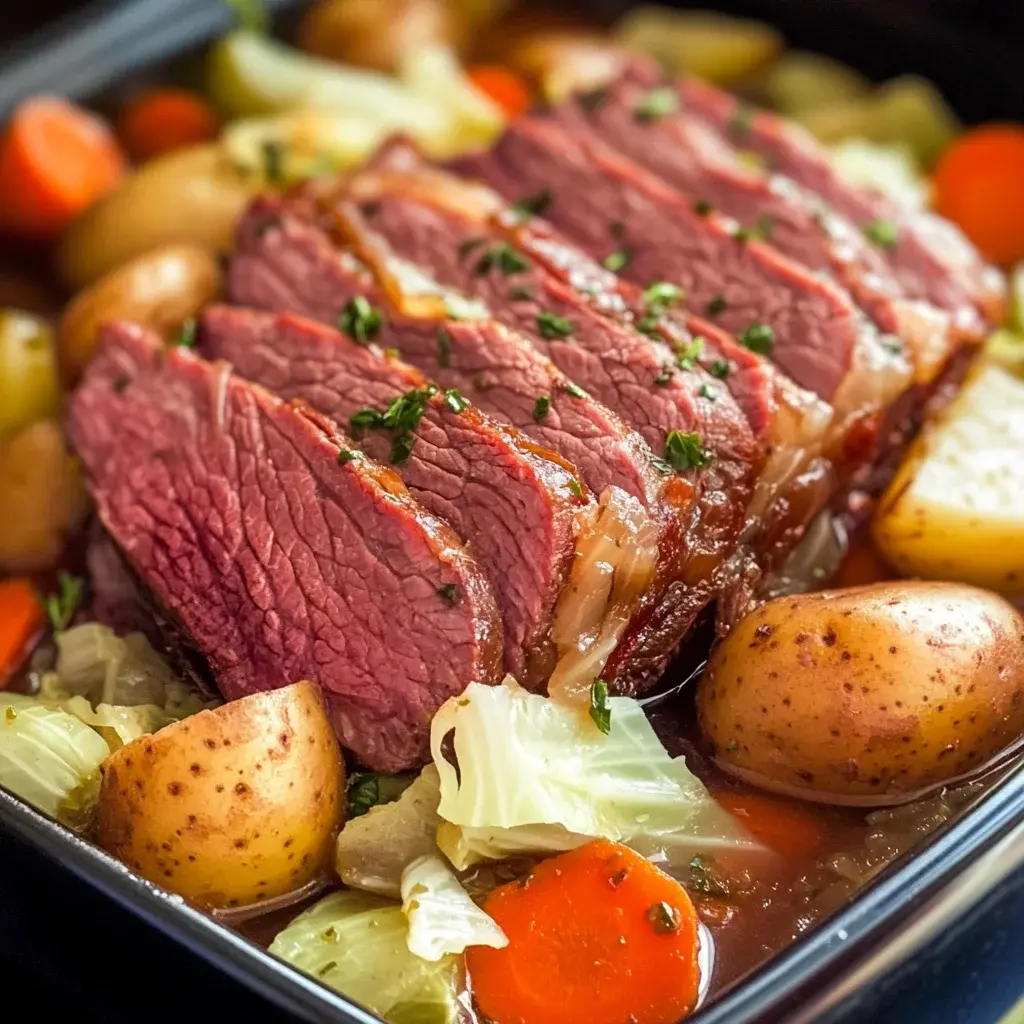
Welcome to a culinary adventure that promises comfort, flavor, and sheer deliciousness! Today, we’re diving deep into the magic of slow cooker corned beef, a dish that transforms humble ingredients into an unforgettable meal with minimal effort.
This recipe isn’t just about food; it’s about creating cherished moments around the table, whether it’s a festive holiday or a simple weeknight gathering. Prepare to be amazed by how a few hours in the slow cooker can unlock incredible tenderness and depth of flavor, making this a go-to for busy home cooks and seasoned chefs alike.
Why You Will Love This Recipe
- Effortless Preparation: With just 10 minutes of hands-on time, your slow cooker takes center stage, allowing you to relax while the magic happens.
- Rich, Deep Flavor: The slow simmering process infuses the corned beef and vegetables with a savory, aromatic blend of spices and broth, creating a truly satisfying taste.
- Unbelievably Tender Meat: The low and slow cooking method guarantees that the corned beef will be melt-in-your-mouth tender, a true testament to the power of patience in cooking.
- Versatile Meal Component: This corned beef is not only fantastic as a standalone dinner but also perfect for creating classic sandwiches, hearty hashes, or even as a flavorful addition to salads.
- Family-Approved Comfort Food: Packed with nutritious vegetables alongside the savory meat, this dish is a wholesome and comforting meal that appeals to all ages, making it ideal for family dinners.
Ingredients You Need
Crafting the perfect slow cooker corned beef relies on selecting high-quality ingredients that will harmonize beautifully during the long cooking process. Fresh vegetables and a well-marbled cut of corned beef are key to unlocking the full potential of this comforting dish. Even simple pantry staples, when combined with care, can elevate this meal from good to absolutely extraordinary.
Slow Cooker Corned Beef and Cabbage
Slow Cooker Corned Beef is a delightful, hearty meal that brings together tender beef, flavorful vegetables, and a medley of spices—all effortlessly prepared in a slow cooker. With just 10 minutes of prep time, this dish transforms simple ingredients into a satisfying feast that's perfect for any occasion.
- 1 large yellow onion, cut into 1 1/2 inch wedges
- 5 large red potatoes (about 2 pounds), quartered
- 1 pound carrots, peeled and cut into 2 inch pieces
- 16 ounces low sodium beef broth
- 3 garlic cloves, minced
- 1 bay leaf
- 2 tablespoons brown sugar
- 2 tablespoons apple cider vinegar
- 1 teaspoon kosher salt
- 1 teaspoon allspice
- 1 teaspoon ground mustard
- 1 teaspoon dried dill weed
- 1/2 teaspoon black pepper
- 3 pounds corned beef brisket (seasoning packet discarded)
- 1 small head of cabbage, cut into wedges
- 1Add potatoes, carrots, and onion to the base of your 6-quart slow cooker.
- 2In a mixing bowl, combine beef broth, minced garlic, bay leaf, brown sugar, apple cider vinegar, kosher salt, allspice, ground mustard, dried dill weed, and black pepper. Pour this mixture over the vegetables in the slow cooker.
- 3Place the corned beef brisket on top of the vegetable layer. Cook on low for 8 hours.
- 4One hour before serving, add cabbage wedges on top of everything in the slow cooker. Cover and continue to cook until tender.
- 5Once done, slice the corned beef and serve it with vegetables from the pot.
Keywords: Slow Cooker, Corned Beef, Cabbage, Beef, Dinner, American, Easy, Family-Friendly, Holidays
- large yellow onion: quartered into substantial wedges for slow cooking.
- large red potatoes: scrubbed and quartered, these will absorb all the wonderful flavors.
- carrots: peeled and cut into generous 2-inch pieces, they add sweetness and color.
- low sodium beef broth: forms the flavorful liquid base for the entire dish.
- garlic cloves: minced finely to release their pungent aroma and taste throughout the cooking.
- bay leaf: imparts a subtle, herbaceous note that complements the meat.
- brown sugar: a touch of sweetness to balance the savory elements and aid in caramelization.
- apple cider vinegar: adds a gentle tang that cuts through the richness and tenderizes the meat.
- corned beef brisket: the star of the show, a generously marbled cut that becomes incredibly tender.
- small head of cabbage: cut into wedges, it softens beautifully and absorbs the cooking liquid.
The precise measurements for these ingredients, along with any additional seasoning packets that may come with your corned beef, can be found within the detailed recipe card above for your convenience.
Variations
While the classic combination of corned beef and root vegetables is undeniably delicious, feel free to explore exciting variations to suit your palate. Consider a spicy kick by adding a pinch of red pepper flakes or a few sliced jalapeños to the slow cooker along with the broth mixture. This simple addition can transform the familiar flavors into something entirely new and invigorating.
For those seeking a lighter, more herb-forward approach, try incorporating fresh dill and parsley into the broth, and perhaps a few sprigs of thyme or rosemary nestled around the corned beef. You could also experiment with different types of broth, such as chicken or vegetable broth, for a subtly different flavor profile, although beef broth is generally recommended for its depth.
A particularly exciting variation involves infusing the dish with a hint of smoky flavor. You could add a strip or two of bacon to the bottom of the slow cooker before adding the vegetables, or even a teaspoon of smoked paprika to the broth mixture. This will impart a wonderfully nuanced smokiness that pairs exceptionally well with the tender corned beef and softened vegetables, making for a truly memorable meal.
How to Prepare slow cooker corned beef
Step 1: Prepare the Vegetables for the Slow Cooker Base
Begin by selecting a generously sized 6-quart slow cooker, which provides ample space for all the ingredients to cook evenly. This is crucial for ensuring that the corned beef and vegetables achieve that perfect, tender consistency we are aiming for. Take your time with this initial step; a well-prepared base is the foundation of a successful slow cooker meal.
Next, thoroughly wash and prepare your chosen vegetables. The recipe calls for one large yellow onion, which should be cut into substantial 1 1/2 inch wedges. These wedges will hold their shape during the long cooking process while still becoming delightfully tender. Following that, prepare five large red potatoes, about two pounds in total weight, by quartering them.
Ensure the potatoes are roughly the same size to promote even cooking; larger chunks will become soft and creamy, while smaller ones might disintegrate a bit more, adding a different texture to the dish. Finally, peel one pound of carrots and cut them into two-inch pieces. These pieces offer a lovely sweetness and vibrant color to the finished product, and their robust size ensures they won’t turn to mush. Arrange these prepared vegetables evenly across the bottom of your slow cooker insert. This layer will not only serve as a flavorful bed for the corned beef but will also absorb the delicious juices released during cooking.
Step 2: Create and Add the Flavorful Broth Mixture
In a separate mixing bowl, now it’s time to bring together the components that will form the rich, aromatic broth for your slow cooker corned beef. Start with 16 ounces of low-sodium beef broth. Using low-sodium broth allows you to better control the saltiness of the final dish, ensuring it’s perfectly seasoned without being overpowering. This liquid base is essential for tenderizing the meat and infusing all the ingredients with savory depth.
To this flavorful broth, add three cloves of garlic that have been finely minced. Minced garlic releases its potent aroma and taste more readily during the cooking process, contributing significantly to the overall flavor profile of the corned beef and vegetables. Next, toss in a single bay leaf; this often-overlooked ingredient imparts a subtle, classic herbaceous note that is characteristic of slow-cooked meats and stews.
Now, introduce two tablespoons of brown sugar. The sugar not only adds a hint of sweetness that beautifully balances the savory and acidic elements but also helps to tenderize the meat and can contribute to a lovely subtle glaze. Follow this with two tablespoons of apple cider vinegar. The vinegar’s acidity plays a crucial role in breaking down the connective tissues in the corned beef, making it incredibly tender, and also provides a pleasant tang that cuts through the richness of the dish.
To complete the broth mixture, add one teaspoon of kosher salt, one teaspoon of allspice, one teaspoon of ground mustard, one teaspoon of dried dill weed, and half a teaspoon of black pepper. These spices are classic companions to corned beef, each contributing its unique aromatic quality. Allspice offers a warm, complex flavor reminiscent of cloves, cinnamon, and nutmeg, while ground mustard adds a gentle pungency. Dill brings a fresh, slightly anise-like note, and black pepper provides a touch of warmth and spice. Whisk all these ingredients together until well combined, ensuring the sugar and salt are dissolved. Once thoroughly mixed, carefully pour this aromatic broth mixture evenly over the vegetables that you have already arranged in the bottom of your slow cooker. Make sure to distribute it so it can begin to permeate the vegetables and start the tenderizing process.
Step 3: Add the Corned Beef Brisket
With the vegetables nestled at the bottom of the slow cooker and the flavorful broth mixture poured over them, it’s time to introduce the star of the show: the corned beef brisket. For this recipe, a three-pound corned beef brisket is ideal. Before placing it in the slow cooker, it is highly recommended to discard the seasoning packet that often comes with pre-packaged corned beef. While it might seem tempting to use it, the spices within can sometimes be overpowering or not perfectly balanced for this specific slow cooker method.
Instead, we’ve already built a robust flavor profile with our custom broth mixture, ensuring a more nuanced and controlled taste. Carefully lift the corned beef brisket and place it gently on top of the layer of vegetables and broth. Ensure the brisket is positioned so that it is mostly submerged in the liquid, or at least has significant contact with it, as this is essential for even cooking and maximum tenderness. You want the meat to have plenty of opportunity to absorb all those wonderful flavors from the broth and vegetables as it cooks.
Once the brisket is in place, cover the slow cooker with its lid. Set the slow cooker to the ‘low’ setting. This is crucial for achieving the most tender result; slow and steady wins the race when it comes to corned beef. Allow the brisket to cook on low for a full eight hours. This extended cooking time on a low temperature allows the tough connective tissues within the meat to break down gradually, resulting in that incredibly succulent and fork-tender texture that slow cooker corned beef is famous for.
During these eight hours, the flavors will meld beautifully, the vegetables will soften, and the brisket will become incredibly succulent. Avoid the temptation to lift the lid frequently, as each time you do, you lose precious heat and steam, which can prolong the cooking process and affect the final texture. Trust the process; the aroma filling your kitchen will be your testament to the magic happening inside the slow cooker. The eight-hour duration on low is typically perfect for ensuring a deeply flavorful and exceptionally tender outcome.
Step 4: Incorporate the Cabbage Wedges
As the eight-hour cooking period for the corned beef and vegetables draws to a close, it’s time to introduce the cabbage to the slow cooker. This final addition ensures that the cabbage becomes tender and flavorful without becoming overcooked and mushy, which is a common pitfall if added too early. The goal is for the cabbage to be tender-crisp, absorbing some of the delicious cooking liquid while still retaining a pleasant texture.
Carefully remove the lid from your slow cooker. You will likely notice that the corned beef is already looking remarkably tender and the aroma in your kitchen is simply divine. Prepare one small head of cabbage by removing any tough outer leaves and then cutting it into wedges. The size of the wedges can vary, but aim for pieces that are substantial enough to not disintegrate but small enough to fit comfortably in the slow cooker. Roughly quartering the head and then possibly halving those quarters usually works well.
Gently arrange these cabbage wedges on top of the corned beef and vegetables in the slow cooker. Try to distribute them evenly so they can cook in the steam and liquid rising from below. Once the cabbage is in place, secure the lid back onto the slow cooker. Continue to cook for an additional one hour on the same ‘low’ setting.
During this final hour, the steam generated within the slow cooker will gently cook the cabbage, allowing it to soften and absorb the rich flavors. The brief cooking time ensures it retains a slight bite, preventing it from becoming overly soft. This step is crucial for achieving the perfect balance of textures and flavors in your finished dish, bringing together the hearty meat, tender vegetables, and perfectly cooked cabbage into one harmonious meal.
Step 5: Rest, Slice, and Serve
After the full cooking cycle of eight hours on low, followed by the final hour with the cabbage, your slow cooker corned beef is almost ready to be enjoyed. Before you begin slicing, it’s important to let the corned beef rest for a short period. Carefully remove the corned beef brisket from the slow cooker and place it on a clean cutting board. Tent it loosely with aluminum foil and let it rest for about 10 to 15 minutes. This resting period is crucial as it allows the juices within the meat to redistribute throughout the muscle fibers. If you slice it immediately, those delicious juices will run out onto the cutting board, resulting in drier meat.
While the corned beef is resting, you can attend to the vegetables and cabbage in the slow cooker. Use a slotted spoon or a serving fork to remove the tender vegetables and cabbage wedges from the pot, arranging them on a platter or directly onto serving plates. The cooking liquid remaining in the slow cooker is incredibly flavorful and can be served as a delicious sauce or gravy over the corned beef and vegetables. You can skim off any excess fat from the top of the liquid before serving if desired.
Once the corned beef has rested, it’s time to slice it. For the most tender slices, always carve the corned beef against the grain. You’ll typically see distinct lines of muscle fiber running through the brisket; slice perpendicular to these lines. This technique shortens the muscle fibers, making each bite incredibly tender and easy to chew. Aim for slices that are about 1/4 to 1/2 inch thick, depending on your preference.
Arrange the beautifully sliced corned beef on your serving platter alongside the cooked vegetables and cabbage. Drizzle some of the reserved cooking liquid over the meat and vegetables to add extra moisture and flavor. Serve immediately and enjoy the fruits of your slow cooker’s labor – a tender, flavorful, and incredibly satisfying meal that’s perfect for any occasion. This dish truly embodies comfort food at its finest, bringing people together with its simple yet profound deliciousness. You’ve successfully created a hearty and impressive meal with minimal fuss, proving that delicious results don’t always require extensive effort.
Pro Tips for slow cooker corned beef
- Choose the Right Cut: For the most succulent results, select a good quality corned beef brisket with ample marbling. The fat content is essential for tenderizing the meat during the slow cooking process. Look for a piece that has visible streaks of fat running through it.
- Don’t Skip the Broth: While some recipes might use water, a rich beef broth significantly enhances the flavor of the corned beef and vegetables. Opt for low-sodium to better control the saltiness of your dish.
- Layering is Key: Always place your denser, root vegetables at the bottom of the slow cooker. This ensures they have enough time to cook through and absorb the flavors from the meat and broth without becoming mushy.
- Season Wisely: While corned beef comes with a seasoning packet, creating your own spice blend with ingredients like allspice, mustard, dill, and bay leaves offers more control and can lead to a more nuanced flavor profile.
- Rest is Best: After cooking, allow the corned beef to rest for at least 10-15 minutes before slicing. This critical step allows the juices to redistribute throughout the meat, ensuring every slice is moist and tender.
- Slice Against the Grain: To achieve maximum tenderness, always slice your cooked corned beef against the grain. Identifying the direction of the muscle fibers and cutting perpendicular to them makes a significant difference in the texture of each bite.
Serving Suggestions for slow cooker corned beef
Decoration
Elevate the presentation of your slow cooker corned beef with simple yet effective garnishes. Fresh parsley, chopped finely, adds a vibrant green contrast to the rich colors of the meat and vegetables. A few sprigs of fresh dill can also complement the flavors beautifully and add an elegant touch. For a pop of color and a hint of tang, consider a dollop of whole grain mustard or a sprinkle of capers served alongside each portion. These small additions can make your comforting meal look as appealing as it tastes.
Side Dishes
The classic pairing for corned beef is, of course, potatoes and cabbage, which are already included in this slow cooker meal. However, to round out the plate, consider serving a creamy, buttery mashed potato side dish for an extra layer of indulgence. Roasted Brussels sprouts with a balsamic glaze offer a delightful textural contrast and a touch of sweetness that pairs well with the savory meat. For a more traditional Irish touch, Colcannon, a delightful mix of mashed potatoes and kale or cabbage, is an excellent choice.
A simple green salad with a light vinaigrette can offer a refreshing counterpoint to the richness of the corned beef. Honey-glazed carrots provide an additional element of sweetness and vibrant color, harmonizing with the other root vegetables. For those who enjoy a bit of tang, a classic coleslaw can cut through the richness of the meat and add a welcome crunch. Any of these options will beautifully complement the hearty flavors of your slow cooker corned beef.
Creative Serving Ideas
Beyond serving it as a traditional plate, leftover slow cooker corned beef offers fantastic opportunities for creative repurposing. Shred or dice the leftover meat and use it as a filling for savory hand pies or pasties, a delightful portable meal. It’s also the perfect base for a hearty corned beef hash, sautéed with diced potatoes, onions, and peppers for a fantastic breakfast or brunch dish. Another creative idea is to chop the corned beef finely and mix it into scrambled eggs or omelets for a protein-packed start to your day.
Consider making open-faced corned beef sandwiches on toasted rye bread, topped with a simple Dijon mustard sauce or a creamy horseradish sauce. For a truly special treat, transform leftovers into a gourmet Reuben sandwich, layering the corned beef with Swiss cheese, sauerkraut, and Russian dressing, grilled to golden perfection on rye bread. You can even incorporate diced corned beef into a rich, flavorful potato soup for an extra boost of taste and heartiness. The versatility of this slow-cooked corned beef means it can shine in countless delicious applications.
Preparation & Storage
Storing Leftovers
Properly storing leftover slow cooker corned beef is key to maintaining its delicious texture and flavor. Once the meal has been served and cooled down to room temperature, transfer any remaining corned beef and vegetables into an airtight container. Ensure the container is well-sealed to prevent the food from drying out or absorbing odors from the refrigerator. It’s best to store the meat and vegetables separately if possible, or at least ensure there is some of the flavorful cooking liquid included with the meat to keep it moist.
Refrigerated leftovers will typically remain fresh and safe to consume for up to 3 to 4 days. When you’re ready to enjoy them again, make sure to reheat them thoroughly to an internal temperature of 165°F (74°C) to ensure food safety. Avoid leaving the cooked corned beef at room temperature for extended periods, as this can lead to bacterial growth. Always practice good food safety habits to keep your delicious leftovers safe and tasty.
Freezing
Slow cooker corned beef freezes remarkably well, making it an excellent candidate for meal prepping or stocking your freezer for future convenient meals. To freeze, allow the cooked corned beef and vegetables to cool completely. Portion the leftovers into freezer-safe airtight containers or heavy-duty freezer bags. It’s a good idea to include a small amount of the cooking liquid with the meat when freezing, as this helps to keep it moist upon reheating.
Remove as much air as possible from freezer bags before sealing them tightly to prevent freezer burn. Label the containers or bags with the contents and the date of freezing. Properly stored, slow cooker corned beef can maintain its best quality in the freezer for up to 2 to 3 months. Beyond this timeframe, it may still be safe to eat, but its texture and flavor might begin to degrade.
Reheating
There are several effective methods for reheating your delicious slow cooker corned beef to bring back its original succulence. For oven reheating, preheat your oven to 350°F (175°C). Place the sliced corned beef and vegetables in an oven-safe dish. Cover the dish tightly with aluminum foil to trap moisture. Heat for approximately 20 to 30 minutes, or until the corned beef is heated through. This method helps to gently warm the meat without drying it out.
Microwave reheating is the quickest option. Slice the corned beef into smaller pieces and arrange them on a microwave-safe plate. Cover loosely with a paper towel or microwave-safe lid to prevent splattering. Heat on medium power for 1 to 2 minutes, checking frequently to avoid overcooking and drying out the meat. Stovetop reheating is also a great option for retaining moisture. Place sliced corned beef in a skillet over medium heat. Add a splash of beef broth or water to the skillet to create steam and prevent sticking. Cook, stirring occasionally, until the corned beef is heated through.
Frequently Asked Questions
-
Can I substitute other meats in Slow Cooker Corned Beef?
Absolutely! While corned beef brisket is traditional and yields exceptional tenderness due to its marbling, you can certainly experiment with other cuts. A beef chuck roast or even a pork shoulder can be used, though cooking times might vary slightly. For a lighter option, a turkey breast can also be prepared in the slow cooker, though it will require a shorter cooking time to prevent drying out. Regardless of the meat chosen, the method of slow cooking with aromatic vegetables and broth will still result in a delicious and comforting meal.
-
How do I know when my Slow Cooker Corned Beef is done?
The most reliable indicator that your slow cooker corned beef is perfectly cooked is its tenderness. When the meat is ready, it should be exceptionally tender and easily pull apart with a fork. There should be very little resistance when you try to shred or slice it. Typically, cooking a 3-pound corned beef brisket on the ‘low’ setting for about 8 hours ensures this fork-tender consistency. Always check for tenderness during the last hour of cooking, as oven and slow cooker performance can vary slightly. If it’s not yet tender, continue cooking in 30-minute increments until it reaches the desired consistency.
-
What can I serve with Slow Cooker Corned Beef?
The classic accompaniment to corned beef is, of course, cabbage and potatoes, which are conveniently cooked alongside the meat in this slow cooker recipe. However, to further enhance your meal, consider serving it with a side of creamy garlic mashed potatoes for an extra layer of richness. Roasted Brussels sprouts, perhaps with a balsamic glaze, provide a wonderful textural contrast and a touch of sweetness. A hearty loaf of crusty bread is perfect for sopping up any extra flavorful cooking liquid. For a more traditional Irish experience, a side of Colcannon, a dish made from mashed potatoes and kale or cabbage, would be an excellent addition.