Rice Paper Dumplings: 7 Irresistible Reasons to Delight
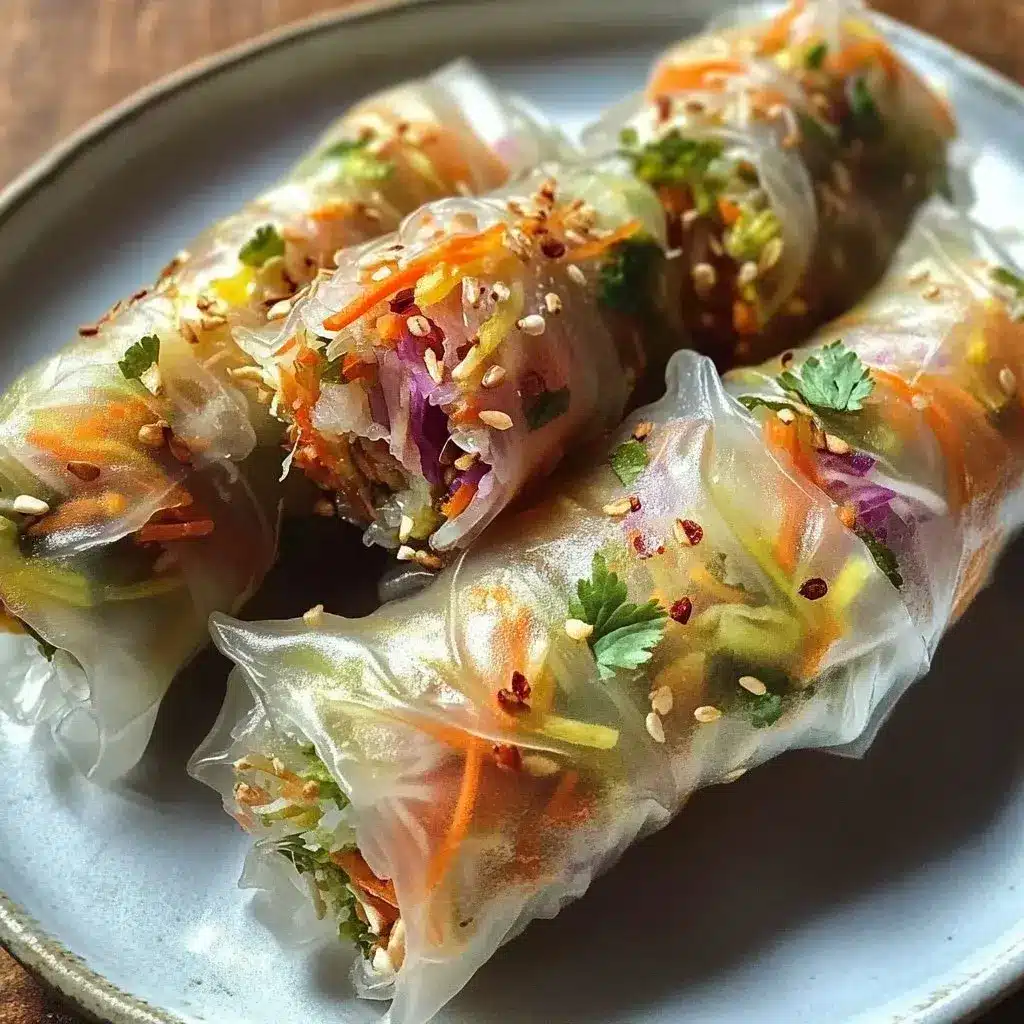
Who doesn’t crave a delightful dish that’s packed with flavor and easy to prepare? These Rice Paper Dumplings offer a sensational way to enjoy fresh ingredients wrapped in soft rice paper. This recipe is not only a treat for your taste buds but also provides an incredible balance of textures and flavors that keeps you coming back for more.
Imagine serving a platter of these tempting dumplings at your next gathering, your family and friends marveling at your culinary skills. The best part? You don’t need to be a master chef to whip up this dish. The simple steps and beautiful presentation make it accessible to everyone, whether you’re a novice in the kitchen or a seasoned pro looking for something new to try.
Why You Will Love This Recipe
- Flavorful and Fresh: Filled with crunchy vegetables, each dumpling bursts with a vibrant taste that awakens the palate.
- Easy to Make: Simple, straightforward steps make this recipe accessible even for kitchen beginners, ensuring success every time.
- Versatile: You can easily customize the filling to suit your family’s unique preferences and dietary needs.
- Light and Healthy: Low in calories and packed with nutrients, these dumplings are a guilt-free and wholesome treat.
- Perfect for Any Occasion: Whether for casual weeknight dinners or festive special events, these dumplings fit right in with their elegant presentation.
Ingredients You Need
The quality of your ingredients plays a pivotal role in the final flavor of these delicate dumplings. Opting for the freshest vegetables and aromatic seasonings will truly make a difference. This recipe is designed to be adaptable, so feel free to use what’s readily available in your kitchen.
Rice Paper Dumplings: 7 Irresistible Reasons to Delight
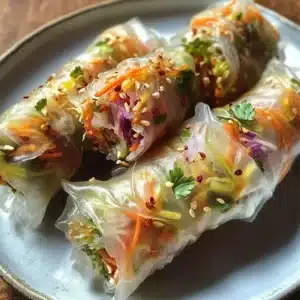
A delightful dish packed with crunchy vegetables, wrapped in soft rice paper, perfect for any occasion. This recipe is not only a treat for your taste buds but also provides an incredible balance of textures and flavors that keeps you coming back for more. Imagine serving a platter of these tempting dumplings at your next gathering. The best part? You don’t need to be a master chef to whip up this dish. The simple steps and beautiful presentation make it accessible to everyone.
- 10 pieces Rice paper wrappers (Perfect for wrapping your delicious fillings.)
- 1 cup Shredded cabbage (Adds crunch and flavor.)
- 1 cup Carrots, grated (For a hint of sweetness.)
- 1/2 cup Green onions, chopped (Adds a zesty kick.)
- 1/4 cup Fresh cilantro (To bring freshness.)
- 2 tablespoons Soy sauce (For a savory taste.)
- 1 tablespoon Sesame oil (Adds richness and aroma.)
- Salt to taste (Enhances flavors.)
- 1Prepare Ingredients: Start by gathering all your ingredients. Wash and shred the cabbage, grate the carrots, and chop the green onions. Roughly chop the cilantro and measure out your soy sauce and sesame oil.
- 2Mix Filling: In a mixing bowl, combine shredded cabbage, grated carrots, chopped green onions, and cilantro. Drizzle in the soy sauce and sesame oil, then season with salt to taste. Mix everything well to combine.
- 3Soften Wrappers: Fill a large bowl with warm water. Carefully dip each rice paper wrapper into the water for 10 seconds. Make sure to wet it fully but don’t soak it too long, or it will become too fragile.
- 4Fill Dumplings: Lay a softened rice paper wrapper flat on a clean surface. Spoon a small amount of the vegetable filling into the center, being careful not to overfill it.
- 5Fold Dumplings: Fold the sides of the wrapper over the filling. Start rolling from the bottom upwards, tucking the filling in as you go. Make it as tight as possible without tearing the rice paper.
- 6Repeat: Continue the process with the remaining wrappers and filling. You should get about 10 dumplings with this mixture.
- 7Steam Dumplings: Fill your steamer pot with water and bring it to a simmer. Place the dumplings on a steaming rack, ensuring they aren’t touching. Cover and steam them for about 10 minutes, until they are soft and heated through.
- 8Prepare Dipping Sauce: While the dumplings are steaming, mix up a quick dipping sauce using soy sauce, a splash of rice vinegar, and a little chili paste for heat if you like.
- 9Serve: Once cooked, remove the dumplings from the steamer and serve hot with your prepared dipping sauce on the side.
Keywords: Easy Recipes, Healthy Snacks, Home Cooking, Rice Paper Dumplings, Vegetarian Dumplings, Appetizer, Main Course
- rice paper wrappers: these form the delicate, chewy exterior of your dumplings.
- shredded cabbage: providing a satisfying crunch and fresh, earthy base.
- carrots, grated: adding a touch of natural sweetness and vibrant color.
- green onions, chopped: contributing a sharp, fresh oniony bite.
- fresh cilantro: bringing a burst of herbaceous freshness that elevates all the other flavors.
- soy sauce: the savory umami foundation for the filling and dipping sauce.
- sesame oil: lending a rich, nutty aroma and depth of flavor.
- salt: to perfectly balance and enhance all the individual tastes.
The specific quantities for each ingredient can be found within the detailed recipe card for precision.
Variations
Vegan Delight: For a purely plant-based experience, ensure your soy sauce is vegan-friendly, or opt for tamari or coconut aminos. You can also incorporate ingredients like finely crumbled firm tofu or edamame for added protein and texture, making these dumplings a hearty vegan option that doesn’t compromise on flavor.
Low-Carb Adaption: While rice paper wrappers are naturally gluten-free, they do contain carbohydrates. For a significantly lower-carb version, consider experimenting with large lettuce leaves, such as butter or romaine, as your wrappers. This might require a slightly different folding technique but offers a refreshing, crisp alternative.
Protein Powerhouse: To make these dumplings a more substantial meal, you can easily add pre-cooked and finely chopped proteins. Small cooked shrimp, shredded chicken, or lean ground pork or turkey would all be excellent additions to the vegetable filling, creating a more robust and satisfying dish perfect for a main course. Remember to cook any raw meats thoroughly before adding them to the filling.
How to Prepare Rice Paper Dumplings
Step 1: Gather and Prepare Your Fresh Ingredients
The foundation of any great dish lies in its freshest components, and these rice paper dumplings are no exception. Begin by meticulously washing all your vegetables under cool running water to ensure they are clean and free from any dirt. Pat them gently dry with a clean kitchen towel or paper towels.
Next, finely shred the cabbage; the thinner the shreds, the more tender they will be in the final dumpling. Grate the carrots using the fine side of a box grater, which will distribute their sweetness and color evenly throughout the filling. Chop the green onions with precision, aiming for small, uniform pieces that release their sharp flavor without being overpowering.
Finally, roughly chop the fresh cilantro leaves and stems; the stems also carry a lot of flavor and can be included. Measure out your soy sauce and sesame oil, ensuring you have the exact quantities ready for mixing. Having all your ingredients prepped and ready makes the assembly process smooth and enjoyable.
Step 2: Crafting the Vibrant Vegetable Filling
Now it’s time to bring all those beautifully prepared vegetables together in a large mixing bowl. Start by adding the shredded cabbage, followed by the grated carrots, chopped green onions, and the freshly chopped cilantro. This combination creates a colorful medley that promises both visual appeal and delicious taste.
To this fresh vegetable base, drizzle in the savory soy sauce and the aromatic sesame oil. These two liquids act as both a binder and a flavor enhancer, ensuring every component is coated. Season the mixture with salt to taste; it’s often best to start with a smaller amount and adjust later if needed, as soy sauce already contains sodium.
Gently but thoroughly mix all the ingredients together using your hands or a large spoon. The goal is to evenly distribute the seasonings and ensure every piece of vegetable is lightly coated. The mixture should smell fragrant and look appetizing, ready to be encased in the rice paper.
Step 3: The Art of Softening Rice Paper Wrappers
Rice paper wrappers can be tricky if you don’t get the softening process just right. Prepare a large, shallow bowl or pie plate with warm, not hot, water. The water should be comfortable to the touch, similar to a warm bath. This gentle temperature is crucial for preventing the wrappers from becoming too gummy or tearing prematurely.
Take one rice paper wrapper at a time and carefully submerge it into the warm water. Hold it in the water for approximately 10 to 20 seconds, ensuring it is fully immersed and becomes pliable. You should feel the wrapper start to soften and become flexible, losing its crispness.
Remove the softened wrapper from the water, allowing any excess water to drip off. Lay it flat on a clean, slightly damp surface, such as a cutting board or a clean countertop. The residual moisture on the surface will help prevent it from sticking. It’s important not to over-soak, as this will make the wrapper too fragile and difficult to work with.
Step 4: Skillfully Filling the Delicate Wrappers
With your softened rice paper wrapper laid out flat, it’s time to add the delicious filling. Spoon a modest amount of the prepared vegetable mixture into the center of the wrapper. The key here is not to overfill; too much filling will make it challenging to fold neatly and increase the risk of the wrapper tearing.
Aim for a compact mound of filling, leaving enough space around the edges of the wrapper to allow for folding. Distribute the filling evenly so that each bite of the dumpling contains a good balance of all the vegetables. Visual inspection is important at this stage to ensure you have the right proportion.
Consider the size of your wrapper when determining the amount of filling. A smaller wrapper will require less filling than a larger one. The goal is to create a neat parcel that holds its shape without bursting when handled or cooked.
Step 5: Mastering the Fold for Perfect Dumplings
This is where the magic truly happens – folding the rice paper into a beautiful dumpling shape. Start by folding the sides of the wrapper inward, over the filling. If your wrapper is a square, fold the two opposite sides towards the center first, creating a slight overlap.
Then, begin rolling from the bottom edge upwards. As you roll, gently tuck the filling in with your fingers, ensuring it remains compact and secure. Continue rolling until you reach the top edge of the wrapper. The moisture from the rice paper will help it adhere to itself, sealing the dumpling.
Apply gentle pressure as you roll to create a tight, neat package. Avoid pressing too hard, which could tear the delicate rice paper. The final dumpling should look smooth and well-formed, with no visible gaps where the filling could escape. This technique, when mastered, results in elegant and appealing dumplings.
Step 6: The Art of Repetition for a Full Batch
Once you’ve perfected the folding technique with the first wrapper, it’s time to apply this skill to the remaining ingredients. Continue this process with each softened rice paper wrapper and the prepared vegetable filling. Ensure you manage your workspace efficiently, perhaps working on multiple wrappers simultaneously if you have the space.
As you form each dumpling, place it on a clean surface, perhaps lined with parchment paper, ensuring they do not touch each other. This prevents them from sticking together, which can be a common issue with rice paper. Aim for consistency in size and shape across all your dumplings.
With this recipe, you should be able to yield approximately 10 perfectly formed dumplings. This quantity is ideal for a small appetizer or a light meal for one or two people. If you’re serving a larger group, simply double or triple the recipe.
Step 7: Steaming to Perfection
Steaming is the ideal cooking method for rice paper dumplings, as it gently cooks the filling and leaves the wrapper delightfully tender and slightly chewy. Fill your steamer pot with water, ensuring the water level is appropriate for the steaming rack, and bring it to a gentle simmer over medium-high heat.
Carefully arrange the formed dumplings on the steaming rack. It’s crucial that the dumplings do not touch each other. If they are too close, they may stick together during the steaming process, making them difficult to separate. Leave adequate space between each dumpling.
Cover the steamer tightly and allow the dumplings to steam for approximately 10 minutes. You’ll know they are ready when the wrappers become translucent and slightly glossy, and the filling is heated through. Over-steaming can make the wrappers too soft and mushy, so keep an eye on them towards the end of the cooking time.
Step 8: Whipping Up a Quick and Flavorful Dipping Sauce
While the dumplings are steaming, take the opportunity to prepare a complementary dipping sauce. This is where you can add another layer of flavor and zest to your meal. A simple yet delicious sauce can be made in just a couple of minutes.
In a small bowl, combine a few tablespoons of soy sauce. Add a splash of rice vinegar for a touch of acidity that balances the savory notes. For those who enjoy a bit of heat, incorporate a small amount of chili paste or sriracha sauce to taste.
Whisk these ingredients together until well combined. You can adjust the ratios to suit your personal preference; some may prefer a saltier sauce, while others might like it tangier or spicier. This basic sauce is a perfect starting point, and you can explore other variations as well.
Step 9: The Grand Finale – Serving Your Delicious Creations
Once the dumplings have finished steaming and your dipping sauce is ready, it’s time to serve. Carefully remove the dumplings from the steamer, arranging them attractively on a serving platter. Their translucent wrappers offer a beautiful peek at the vibrant vegetable filling inside.
Present the hot dumplings immediately, alongside the freshly prepared dipping sauce. The contrast in temperatures – hot dumplings and a cool, zesty sauce – is a delightful sensory experience. Encourage your guests to dip generously to get the full flavor profile.
These dumplings are best enjoyed fresh, right after they are cooked. The texture and flavor are at their peak, making for a truly satisfying culinary moment. This dish is not only a treat for the taste buds but also a feast for the eyes, showcasing simple ingredients transformed into an elegant dish.
Pro Tips for Rice Paper Dumplings
- Don’t Rush the Wrapper: Allow the rice paper wrappers to soften sufficiently in the warm water; rushing this step can lead to tearing. However, be careful not to over-soak them, as they become excessively fragile and difficult to handle.
- Master the Filling Amount: Avoid the temptation to overfill your dumplings. A moderate amount of filling is key to ensuring a neat fold and preventing the wrapper from breaking during the rolling or steaming process.
- Work on a Damp Surface: When assembling the dumplings, lay the softened wrapper on a slightly damp countertop or cutting board. This prevents the wrapper from sticking prematurely, giving you more time to fold it perfectly.
- Seal with a Gentle Hand: As you fold and roll the dumplings, apply gentle, consistent pressure to seal the edges. The natural moisture of the wrapper will help it adhere, creating a secure seal without tearing.
- Steam in Batches if Necessary: If your steamer basket is small, it’s better to steam the dumplings in batches to ensure adequate space between them. This prevents them from sticking together, which can ruin their presentation and texture.
- Experiment with Fillings: While this recipe features a delicious vegetable mix, feel free to get creative. Add cooked shrimp, finely diced chicken, or even some crumbled firm tofu for a more substantial protein boost.
- The Dipping Sauce is Key: Never underestimate the power of a good dipping sauce. A simple soy-ginger or peanut sauce can elevate the entire dumpling experience, complementing the fresh flavors of the filling perfectly.
Serving Suggestions for Rice Paper Dumplings
Decoration
Garnish your serving platter with fresh cilantro sprigs and thinly sliced red chilies for a pop of color and subtle heat. A few sesame seeds sprinkled over the dumplings can add visual appeal and a nutty crunch, enhancing the overall presentation and offering a delightful textural contrast.
Side Dishes
These dumplings pair wonderfully with a light and refreshing side salad. Consider a simple mix of crisp greens with a sesame-ginger vinaigrette, or a colorful Asian-inspired slaw. Steamed jasmine rice or brown rice also makes an excellent accompaniment, creating a more substantial and complete meal.
Creative Serving Ideas
For a more interactive experience, set up a DIY dumpling bar where guests can assemble their own. Offer a variety of filling options and dipping sauces, allowing everyone to customize their dumplings to their liking. Presenting them in elegant bamboo steamers can also add an authentic Asian touch to your table setting.
Preparation & Storage
Storing Leftovers
If you happen to have any leftover cooked dumplings, store them in an airtight container in the refrigerator. Ensure they are completely cooled before sealing to prevent condensation from making them soggy. Properly stored, they can remain fresh for up to three days.
Freezing
These dumplings freeze exceptionally well, especially before they are cooked. Arrange uncooked dumplings in a single layer on a baking sheet lined with parchment paper and freeze until solid. Once frozen, transfer them to a freezer-safe bag or container to prevent freezer burn.
Reheating
The best way to reheat cooked dumplings is by steaming them for a few minutes until they are heated through. For frozen uncooked dumplings, steam them directly from frozen; this may take a bit longer, typically around 15-20 minutes, until they are tender and fully cooked.
Frequently Asked Questions
-
Can I prepare the filling and wrappers ahead of time?
Absolutely! The vegetable filling can be prepared a day in advance and stored in an airtight container in the refrigerator. While you can soften rice paper wrappers, it’s generally best to do so just before assembling the dumplings to prevent them from sticking or drying out. Assembling the uncooked dumplings ahead of time and refrigerating them is also a viable option, though they are best steamed fresh.
-
What are the best substitutions for the ingredients if I can’t find them?
If you cannot find shredded cabbage, napa cabbage or even finely chopped bok choy can work as substitutes, though they will offer a slightly different texture. For cilantro, fresh mint or parsley can be used, although they will alter the flavor profile. If soy sauce is an issue, tamari (for gluten-free) or coconut aminos (for soy-free and slightly sweeter) are excellent alternatives that maintain a savory umami base. Sesame oil is quite unique, but a touch of toasted peanut oil might offer a hint of nuttiness.
-
How do I ensure the rice paper wrappers don’t tear while rolling or steaming?
The key to preventing tears lies in proper hydration and gentle handling. Dip the wrapper in warm water for the recommended time – just long enough to become pliable but not overly soft. When filling, avoid overstuffing, and fold with gentle, consistent pressure. If a wrapper tears slightly, you can often patch it with a small piece of another softened wrapper, or embrace the rustic look if it’s a minor imperfection. Ensure dumplings don’t touch during steaming, as this is another common cause of tearing.