Pesto Grilled Chicken Dinner
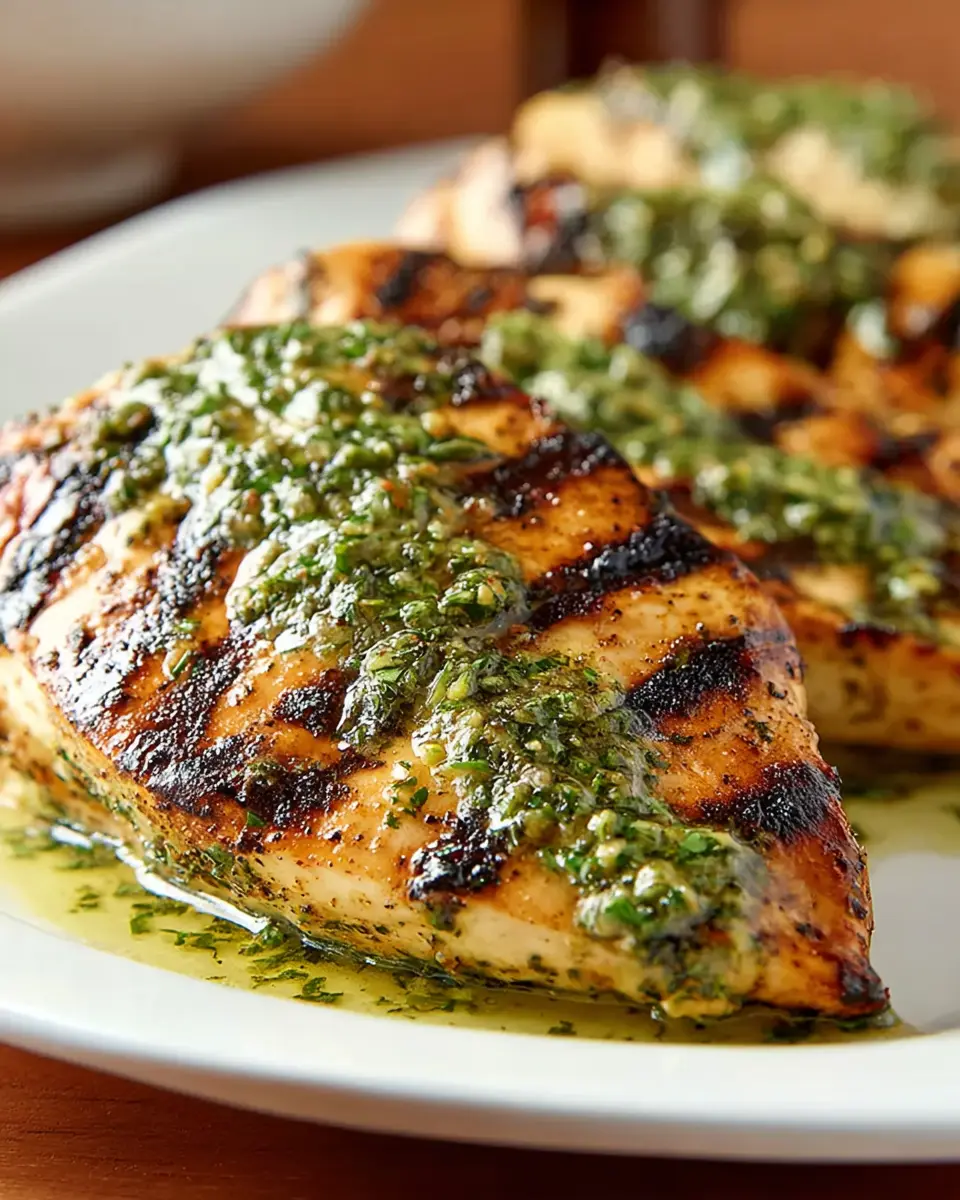
Quick, juicy, and full of fresh basil flavor, Pesto Grilled Chicken is a simple main dish that turns a short ingredient list into a reliable, flavorful meal.
This pesto chicken marinade keeps the meat tender while giving every bite a savory, herb-packed finish.
Why You Will Love This Recipe
- Incredibly Flavorful: The vibrant combination of fresh basil pesto, tangy rice vinegar, and a touch of sweetness creates a deeply savory and aromatic chicken dish.
- Quick Preparation: Marinate the chicken for a couple of hours, and it’s ready to hit the grill, making it perfect for busy weeknights.
- Healthy and Lean: Boneless, skinless chicken breasts provide a lean protein source, making this a guilt-free and satisfying meal option.
- Versatile Serving: This chicken can be sliced and served whole, chopped for salads, or even tucked into sandwiches, offering endless meal possibilities.
- Minimal Ingredients: You’ll be amazed at the depth of flavor achievable with just a handful of simple, readily available ingredients.
Ingredients You Need
The beauty of this Pesto Grilled Chicken lies in its simplicity and the power of a few high-quality ingredients to create something truly special.
Pesto Grilled Chicken
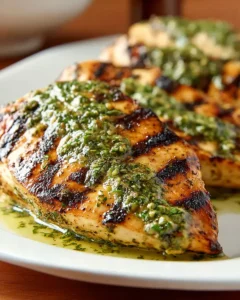
A flavorful grilled chicken dish marinated in a vibrant blend of pesto, rice vinegar, sugar, and salt. The result is tender, juicy chicken with a savory herb-forward finish that works well for both casual meals and simple entertaining.
- 2 pounds boneless, skinless chicken breasts
- 1 teaspoon granulated white sugar
- 1 cup basil pesto (homemade or prepared)
- 1 teaspoon salt
- 1/4 cup unseasoned rice vinegar
- 1Place the chicken breasts into a large gallon-size resealable plastic bag.
- 2Add the pesto, unseasoned rice vinegar, salt, and granulated sugar to the bag with the chicken.
- 3Seal the bag tightly, then shake well until the marinade is fully blended and the chicken is evenly coated.
- 4Transfer the sealed bag to the refrigerator and allow the chicken to marinate for at least 2 hours, or up to 12 hours for more developed flavor.
- 5Preheat an outdoor grill to medium-high heat.
- 6Remove the chicken from the marinade and place it directly on the grill.
- 7Cook for 5 to 6 minutes per side, or until the thickest portion registers 160°F on an instant-read thermometer.
- 8For indoor preparation, use a grill pan or skillet and cook in the same manner, or broil the chicken as an alternative.
- 9Remove the chicken from the heat and loosely cover it with foil.
- 10Let the chicken rest for 5 to 10 minutes so the juices can settle before slicing. Slice and serve while hot.
Keywords: Pesto Grilled Chicken, grilled chicken, pesto, marinade, easy dinner, weeknight meal, flavorful chicken
You’ll find specific quantities for each item listed in the recipe card above, ensuring perfect balance and flavor.
Variations
While the classic pesto grilled chicken is undeniably delicious, there are numerous ways to adapt this recipe to suit different dietary needs and taste preferences.
For a delightful vegan option, you could substitute the chicken breasts with thick slices of firm tofu or large portobello mushrooms.
Marinate these in a vegan pesto and grill them just as you would the chicken, ensuring they achieve a beautiful char.
If you’re looking to reduce your carbohydrate intake, this recipe remains wonderfully adaptable.
Serve the pesto grilled chicken alongside a generous portion of roasted vegetables like asparagus, broccoli, or bell peppers, or perhaps a fresh, crisp green salad with a light vinaigrette.
This approach keeps the meal satisfying without the added carbs.
For an extra layer of flavor and a different textural experience, consider adding some cherry tomatoes and fresh mozzarella balls to the skewers alongside the chicken.
Grill these together, allowing the tomatoes to burst and the cheese to melt slightly, creating a Mediterranean-inspired delight.
This makes the dish feel even more complete and festive.
How to Prepare Pesto Grilled Chicken
Step 1: Marinate the Chicken
Begin by preparing your chicken breasts, ensuring they are of relatively uniform thickness for even cooking.
If any breasts are significantly thicker than others, gently pound the thicker parts with a meat mallet or the bottom of a heavy pan until they are closer in thickness to the rest.
This crucial step helps prevent the thinner edges from drying out while the thicker center cooks through.
Next, place the prepared chicken breasts into a large, resealable plastic bag or a shallow, non-reactive dish.
Pour in the vibrant basil pesto, the unseasoned rice vinegar, the granulated sugar, and the salt.
Gently move the chicken around within the bag or dish to ensure every piece is thoroughly coated with the aromatic marinade.
Once the chicken is evenly coated, seal the bag tightly or cover the dish.
Transfer the marinating chicken to the refrigerator.
Allow it to rest and absorb the flavors for at least two hours, but for an even more intense and herbaceous taste, you can let it marinate for up to 12 hours.
Step 2: Preheat the Grill
While the chicken is busy marinating and soaking up all that delicious pesto goodness, it’s time to get your grill ready.
Preheat your outdoor grill to a medium-high heat setting.
A properly preheated grill is essential for achieving that perfect sear and preventing the chicken from sticking.
Ensure the grill grates are clean.
You can use a grill brush to remove any residue from previous cooking sessions.
A clean grate promotes even heat distribution and ensures the chicken develops a beautiful, caramelized crust.
Once the grill has reached the desired temperature, you’re almost ready to cook.
The medium-high heat is ideal for creating those attractive grill marks and cooking the chicken through efficiently without charring the exterior too quickly.
Step 3: Grill the Chicken
Carefully remove the chicken breasts from the marinade, letting any excess drip off.
You don’t need to wipe off all the marinade; the bits of pesto clinging to the surface will contribute to the flavor and appearance.
Place the marinated chicken directly onto the hot grill grates.
Allow the first side of the chicken to cook undisturbed for approximately 5 to 6 minutes.
This allows a beautiful crust to form and makes it easier to flip without the meat sticking.
Resist the urge to move the chicken around too much during this initial cooking period.
After 5 to 6 minutes, carefully flip the chicken breasts using a pair of tongs.
Cook the second side for another 5 to 6 minutes, or until the chicken is cooked through.
The most reliable way to check for doneness is to use an instant-read thermometer inserted into the thickest part of the breast; it should register at least 160°F (71°C).
Step 4: Check for Doneness
Ensuring your chicken is cooked to the correct internal temperature is paramount for both safety and taste.
Chicken breast can quickly go from perfectly cooked to dry and rubbery if overcooked.
Therefore, an instant-read thermometer is your best friend in this process.
Insert the thermometer into the thickest portion of a chicken breast, avoiding any bone if present (though these are boneless).
The target internal temperature for chicken breast is 160°F (71°C).
The temperature will rise a few degrees more as it rests, bringing it to the safe and tender 165°F (74°C).
If the thermometer reads below 160°F, continue grilling for another minute or two per side, checking frequently.
It is better to undercook slightly and finish it during the resting period than to overcook it on the grill.
Step 5: Rest the Chicken
Once the chicken has reached the desired internal temperature, it’s time for a crucial step: resting.
Transfer the grilled chicken breasts from the grill to a clean plate or cutting board.
Loosely tent the chicken with aluminum foil.
Allow the chicken to rest for at least 5 to 10 minutes.
This resting period is non-negotiable for juicy chicken.
During cooking, the muscle fibers contract and push the juices toward the center; resting allows these juices to redistribute evenly throughout the meat.
Slicing the chicken too soon after grilling will cause all those precious juices to run out onto your cutting board, leaving you with dry chicken.
Patience here will be richly rewarded with incredibly tender and succulent results.
Step 6: Slice and Serve
After the chicken has had ample time to rest and reabsorb its juices, it’s ready to be sliced and served.
Use a sharp knife to slice the chicken breasts against the grain.
This technique further helps to tenderize the meat, making each bite wonderfully succulent.
You can serve the chicken breasts whole for a substantial main course, or slice them into strips or cubes for easier incorporation into salads, pasta dishes, or grain bowls.
The vibrant green pesto marbling should be visible, indicating a flavorful and beautifully cooked piece of chicken.
Serve the pesto grilled chicken immediately while it is still warm for the best texture and flavor experience.
Its bright, herbaceous notes pair wonderfully with a variety of side dishes, making it a versatile addition to any meal.
Pro Tips for Pesto Grilled Chicken
Choose High-Quality Pesto: Since pesto is the star flavor of this dish, opt for a high-quality store-bought version or, even better, homemade pesto.
The freshness of the basil and the quality of the olive oil and Parmesan cheese will significantly impact the final taste of your chicken.
Experiment with different pesto varieties if you like, such as adding a touch of sun-dried tomatoes for a twist.
Even Thickness is Key: As mentioned in the preparation steps, pounding the chicken breasts to an even thickness is critical for uniform cooking.
This ensures that every part of the chicken cooks at the same rate, preventing dry, overcooked edges and undercooked centers.
Use the heel of your hand or a meat mallet for this task, placing the chicken between two sheets of plastic wrap for cleanliness and ease.
Don’t Overcrowd the Grill: When grilling, it’s essential to give each piece of chicken enough space on the grill grates.
Overcrowding can lead to steaming rather than grilling, which hinders the development of a good sear and nice char marks.
Cook in batches if necessary to ensure optimal grilling results.
Mind the Grill Temperature: Pesto contains oil, which can cause flare-ups if the grill is too hot.
While you want a medium-high heat for searing, keep an eye on the temperature and be prepared to move the chicken to a cooler part of the grill if excessive flames appear.
This will prevent the pesto from burning before the chicken is cooked through.
Embrace the Rest: We cannot stress enough the importance of letting the chicken rest after grilling.
This step allows the juices to redistribute, resulting in far more tender and moist chicken.
Think of it as a mandatory pause that makes all the difference between good chicken and truly exceptional chicken.
Serving Suggestions for Pesto Grilled Chicken
Decoration
To elevate the visual appeal of your Pesto Grilled Chicken, consider garnishing it with fresh elements that complement its flavors.
A sprinkle of finely chopped fresh basil leaves adds an extra burst of herbaceousness and a vibrant green contrast.
A few toasted pine nuts scattered over the top provide a delightful crunch and echo the flavors often found in pesto.
For a touch of color and a hint of acidity, consider adding a few fresh cherry tomatoes, halved or quartered, around the plate.
A light drizzle of extra virgin olive oil or a tiny dollop of extra pesto, perhaps thinned with a little lemon juice for a sauce, can also enhance the presentation.
A very light dusting of grated Parmesan cheese can also be a visually appealing and tasty addition.
Side Dishes
Pesto Grilled Chicken pairs beautifully with a wide array of side dishes that enhance its fresh, savory profile.
Simple starches like fluffy rice, couscous, or orzo pasta offer a mild base that allows the pesto flavor to shine.
These grains absorb any leftover delicious juices from the chicken, making them a flavorful accompaniment.
For a healthier and more vibrant option, consider serving the chicken with roasted or grilled vegetables.
Asparagus spears, zucchini ribbons, bell peppers, broccoli florets, or corn on the cob all benefit from grilling and complement the chicken’s flavors wonderfully.
A simple baked lemon chicken style side could also be adapted with the pesto chicken for a complete meal.
A crisp green salad is another excellent choice, offering a refreshing contrast to the richness of the pesto.
Combine mixed greens with cucumber slices, ripe tomatoes, and perhaps some red onion for a bit of bite.
A light vinaigrette or even a thinned pesto dressing can tie the salad together with the chicken.
Creative Serving Ideas
Transform this versatile Pesto Grilled Chicken into exciting new meals with these creative serving ideas.
Slice the grilled chicken thinly and layer it into warm ciabatta rolls or baguettes with fresh mozzarella, roasted red peppers, and arugula for an extraordinary sandwich.
The herbaceous notes of the pesto are fantastic in a sandwich filling.
Dice the cooked chicken and toss it with your favorite pasta, a handful of cherry tomatoes, and a splash of white wine or chicken broth for a quick and flavorful pasta dish.
You can also add some olives or capers for an extra Mediterranean flair.
This is a great way to use up leftovers productively.
For a delightful light lunch or appetizer, chop the chicken and mix it with a little Greek yogurt or mayonnaise, some chopped celery, and a pinch of salt and pepper.
Serve this chicken salad in lettuce cups or on small crostini for an elegant bite.
This approach also makes it a great addition to charcuterie boards.
Preparation & Storage
Storing Leftovers
Leftover Pesto Grilled Chicken can be stored safely in the refrigerator for up to 3 to 4 days.
Ensure the chicken is completely cooled before transferring it to an airtight container.
This helps to maintain its freshness and prevent any unwanted moisture build-up, which can lead to spoilage.
It’s a good idea to store the chicken whole or in larger pieces if possible.
This helps to retain moisture, and you can slice it as needed when you’re ready to serve it again.
Make sure the container is sealed tightly to prevent the chicken from drying out or absorbing other odors from the refrigerator.
You can also store the chicken pieces after they have been sliced.
However, be mindful that sliced chicken may dry out more quickly than whole pieces.
If you plan on using it for salads or sandwiches, storing it sliced can offer convenience for quick meal preparation.
Freezing
For longer-term storage, Pesto Grilled Chicken freezes exceptionally well.
Once the chicken has completely cooled after grilling, you can place it in a freezer-safe airtight container or a heavy-duty freezer bag.
For easier portioning later, consider freezing the chicken in individual servings or sliced into strips before bagging.
Ensure that all air is removed from the freezer bag before sealing to prevent freezer burn.
If using a container, leaving minimal headspace can also help in this regard.
Properly frozen, the chicken can maintain its quality for up to 2 months.
Label the container or bag with the date it was frozen and the contents.
This helps you keep track of your frozen inventory and use the oldest items first.
When you’re ready to use it, thaw it in the refrigerator overnight for the best results and to maintain food safety.
Reheating
Reheating Pesto Grilled Chicken requires a gentle approach to prevent it from becoming dry.
The best method is often on the stovetop in a skillet over low heat.
Add a splash of water, broth, or a little extra olive oil to the pan to help keep the chicken moist as it warms.
Alternatively, you can reheat the chicken in the microwave.
Place the chicken on a microwave-safe plate and heat it in short intervals, checking for warmth frequently.
Covering the chicken loosely with a paper towel can help trap some steam and prevent it from drying out.
Avoid high heat or prolonged cooking times, especially for chicken breast, as it can quickly turn tough and dry.
The goal is to warm it through sufficiently without cooking it further.
If the chicken was frozen, ensure it is fully thawed before reheating to ensure even warming and to avoid prolonged exposure to the “danger zone” temperatures where bacteria can multiply.
Frequently Asked Questions
- Can I use store-bought pesto, or does it need to be homemade for the best flavor?
While homemade pesto will undeniably offer the freshest and most vibrant basil flavor, high-quality store-bought pesto is an excellent and convenient option for this recipe.
The key is to select a pesto that you enjoy the taste of on its own, as its flavor will be the dominant one in the marinade.
Look for brands that use good olive oil, fresh basil, and real Parmesan cheese for the best results, or consider a pesto with added ingredients like sun-dried tomatoes for a variation.
- What is the best way to ensure the chicken doesn’t dry out on the grill, especially if I’m using chicken breasts?
The most critical steps to prevent dry chicken breasts are pounding them to an even thickness before marinating and using an instant-read thermometer to cook them to the correct internal temperature of 160°F (71°C).
Additionally, letting the chicken rest for 5-10 minutes after grilling allows the juices to redistribute, ensuring a more tender and moist outcome.
Marinating also plays a role in tenderizing the meat and adding moisture.
- Can this Pesto Grilled Chicken be prepared indoors if I don’t have access to an outdoor grill, and what are the best indoor cooking methods?
Absolutely, this Pesto Grilled Chicken recipe is very adaptable for indoor cooking.
A grill pan on the stovetop is an excellent substitute, allowing you to achieve similar grill marks and char.
Alternatively, you can broil the chicken in the oven, placing it on a baking sheet about 4-6 inches from the broiler element, and flipping halfway through, ensuring you watch it closely to prevent burning.