Keto Coconut Flour Chocolate Cake
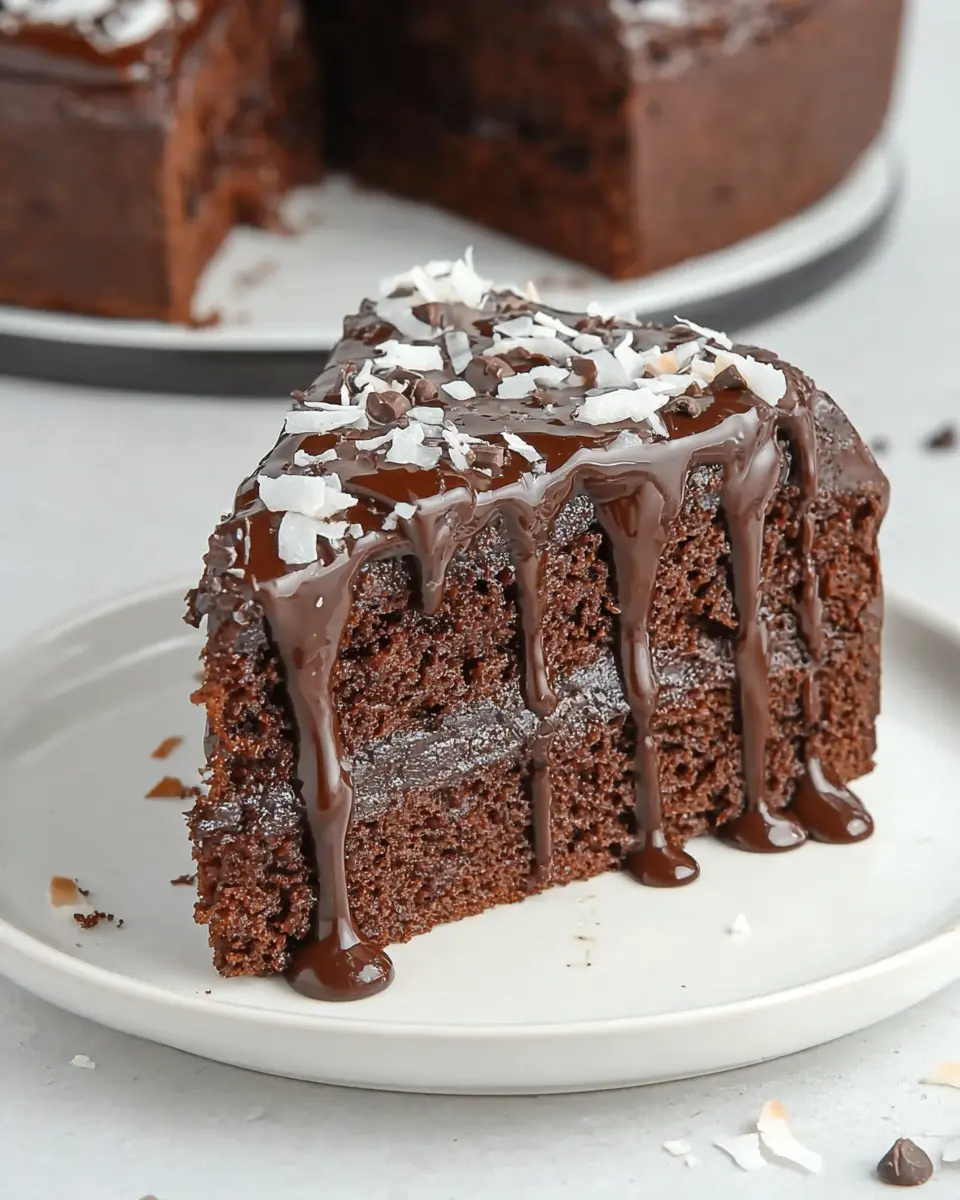
The allure of a decadent chocolate cake often comes with a side of guilt, especially when following a low-carbohydrate or ketogenic lifestyle. However, this Keto Coconut Flour Chocolate Cake shatters that notion, offering a rich, deeply satisfying dessert that aligns perfectly with your dietary goals. Imagine sinking your fork into a moist, tender crumb, infused with intense cocoa flavor, all without a trace of sugar or traditional flour.
This cake is a testament to the fact that indulgence and healthy eating can coexist beautifully. It’s designed to be your go-to chocolate treat when cravings strike, providing that comforting, celebratory feel of a classic cake with a modern, health-conscious twist. Prepare to be delighted by its simplicity and amazed by its deliciousness.
Why You Will Love This Recipe
- Rich Chocolate Flavor: Experience a deep, intense cocoa taste that satisfies even the most serious chocolate lover.
- Tender & Moist Crumb: Coconut flour and coconut cream work together to create a surprisingly soft texture that isn’t dry or chalky.
- Low-Carb & Keto-Friendly: Enjoy a decadent dessert without compromising your ketogenic lifestyle or carbohydrate intake.
- Simple Preparation: This recipe is designed for ease, requiring minimal effort for maximum deliciousness.
- Make-Ahead Convenience: Bake it in advance for stress-free entertaining or whenever a chocolate craving hits.
Ingredients You Need
The success of any great cake, especially a keto-friendly one, hinges on the quality and thoughtful selection of its ingredients. For this Keto Coconut Flour Chocolate Cake, we’re focusing on items that provide structure, moisture, and that essential rich chocolate flavor without relying on traditional starches or sugars. Each component plays a crucial role in delivering a dessert that is both delicious and aligned with a ketogenic diet. Remember, the exact quantities for these ingredients are detailed in the recipe card, ensuring you have all the precise measurements needed.
Keto Coconut Flour Chocolate Cake
A rich, low-carb chocolate cake prepared with coconut flour, cocoa, and coconut cream, then finished with a smooth sugar-free chocolate ganache. This dessert offers a deeply chocolatey flavor with a tender crumb and is suitable for a ketogenic lifestyle.
- 4 large eggs
- 1 can (13.5 fluid ounces) coconut cream
- 2 teaspoons baking powder
- 1/2 cup granulated sweetener
- 1/2 cup coconut flour
- 1 teaspoon pure vanilla extract
- 1/2 cup unsweetened cocoa powder
- 4 ounces sugar-free chocolate, finely chopped
- 1/2 cup coconut cream
- 2 tablespoons unsweetened cocoa powder
- 1Preheat the oven to 170°C (340°F) on conventional bake. Grease a 9-inch round cake tin with coconut oil or butter, then set it aside.
- 2In a medium bowl, combine the coconut flour, baking powder, and unsweetened cocoa powder, whisking until the mixture is evenly blended.
- 3In a separate bowl, whisk the eggs together with the granulated sweetener for about 30 seconds, just until well combined.
- 4Add the egg mixture to the dry ingredients. Stir in the vanilla extract and coconut cream, then whisk until a glossy, lump-free batter forms.
- 5Pour the batter into the prepared cake pan and place it in the center of the oven. Bake for 50 minutes. After 30 minutes, loosely cover the top with foil if needed to prevent excessive browning. The cake is ready when a skewer inserted into the center comes out clean.
- 6Allow the cake to rest in the pan for 10 minutes. Then transfer it carefully to a wire rack and leave it to cool completely for at least 1 hour.
- 7To make the ganache, place the chopped sugar-free chocolate and coconut cream in a medium saucepan over medium heat. Warm gently while whisking continuously, until small bubbles appear around the edges. Do not let the mixture boil. After approximately 3 minutes, the ganache should be smooth and glossy. Whisk in the cocoa powder until fully incorporated.
- 8Once the cake has cooled, spread the ganache evenly over the top.
Keywords: Keto Coconut Flour Chocolate Cake, low-carb, gluten-free, sugar-free, chocolate cake, coconut flour, ketogenic dessert
- large eggs: essential for binding, structure, and leavening in gluten-free baking.
- can (13.5 fluid ounces) coconut cream: provides rich moisture and a smooth texture to the cake and ganache.
- teaspoons baking powder: helps the cake to rise and achieve a lighter, more tender crumb.
- cup granulated sweetener: offers sweetness without the carbohydrates found in traditional sugar, crucial for keto baking.
- cup coconut flour: a highly absorbent, low-carb flour that forms the structure of the cake.
- teaspoon pure vanilla extract: enhances the chocolate flavor and rounds out the overall taste profile.
- cup unsweetened cocoa powder: delivers the deep, intense chocolate flavor that is the hallmark of this cake.
- ounces sugar-free chocolate, finely chopped: the base for the luscious ganache topping, providing rich chocolate goodness without sugar.
- tablespoons unsweetened cocoa powder: deepens the chocolate intensity of the ganache.
Variations
While this Keto Coconut Flour Chocolate Cake is undeniably delicious as is, it also offers a wonderful canvas for creative variations that can suit different tastes and dietary needs. Imagine adding a touch of mint or a hint of espresso to the batter for a sophisticated twist. These subtle additions can elevate the chocolate experience, making each bite even more intriguing and memorable for your guests.
For those seeking a completely vegan dessert, adapting this recipe is surprisingly straightforward. You can replace the eggs with a flax egg (1 tablespoon ground flaxseed mixed with 3 tablespoons water, let sit for 5 minutes) or a commercial egg replacer. Ensure your chosen sweetener is also vegan. The coconut cream already contributes to a dairy-free base, making this a natural fit for vegan baking.
Another exciting avenue is exploring low-carb flavor infusions. Consider adding a teaspoon of orange zest to the batter for a classic chocolate-orange combination, or a pinch of chili powder for a subtle warmth that complements the deep cocoa notes. These simple additions can transform the cake into something truly unique, showcasing the versatility of this base recipe and its potential for exciting flavor profiles.
How to Prepare Keto Coconut Flour Chocolate Cake
The journey to creating this exquisite Keto Coconut Flour Chocolate Cake begins with a few foundational steps that ensure a perfect bake. Preheating your oven is paramount; a consistent temperature of 340°F (170°C) is vital for allowing the cake to cook evenly without developing too hard a crust or an undercooked center. Simultaneously, carefully preparing your 9-inch round cake pan is an often-overlooked but critical step. Thoroughly greasing it, perhaps with coconut oil or butter, and potentially lining the bottom with parchment paper, prevents the delicate coconut flour cake from sticking. This early attention to detail ensures that when the cake is perfectly baked and ready to be unmolded, it will slide out gracefully, maintaining its beautiful shape for the final frosting.
Once the oven is preheating and the pan is ready, your attention turns to the dry ingredients. In a medium-sized bowl, combine the coconut flour, unsweetened cocoa powder, and baking powder. Whisking these dry components together thoroughly is a small but significant action. It ensures that the cocoa powder is evenly distributed, preventing any dense pockets of unmixed chocolate from appearing in the final crumb. This meticulous blending of dry ingredients sets the stage for a uniform cake texture, where every bite delivers consistent chocolate intensity and a delightful crumb structure that is the hallmark of a well-executed keto bake.
In a separate, clean bowl, you will then combine the wet ingredients that will form the heart of your cake’s tender texture. Begin by whisking the large eggs together with your chosen granulated sweetener. The objective here isn’t to create a frothy meringue, but rather to ensure that the eggs and sweetener are thoroughly combined into a smooth, unified base. This simple whisking action helps to start the emulsification process, which will later incorporate smoothly with the dry ingredients. Taking a moment to ensure this base is well-mixed contributes to a more cohesive batter and a superior final cake consistency.
The next phase involves bringing the wet and dry components together to form your cake batter. Gently introduce the whisked egg and sweetener mixture into the bowl containing your blended dry ingredients. Following this, stir in the pure vanilla extract, which adds a subtle but crucial layer of flavor that complements the rich chocolate. Finally, incorporate the full-fat coconut cream, which is key to the cake’s moisture and tender texture. Whisk everything together until the batter is glossy, smooth, and completely free of any lumps or dry streaks of flour or cocoa. The batter will naturally be quite thick due to the absorbent nature of coconut flour; this is entirely normal and a sign that you are on the right track to a delicious keto cake.
With your thick, glossy batter ready, the next step is to transfer it into the prepared cake pan. Carefully spoon the batter into the greased 9-inch round pan, using a spatula to spread it evenly. It’s important to ensure the surface is as level as possible to promote even baking. Once distributed, place the pan in the center of your preheated oven. The baking time will typically be around 50 minutes, but this can vary slightly depending on your oven. It’s crucial to check the cake for doneness by inserting a skewer or toothpick into the center; it should come out clean, indicating the cake has fully set.
A common challenge with keto cakes, especially those made with coconut flour, is the tendency for the top to darken too quickly while the inside finishes baking. If you notice the top of your cake browning excessively during the baking process, a simple solution is to loosely tent the pan with a piece of aluminum foil. This protective layer shields the surface from direct heat, allowing the interior to cook through completely without burning the top. Keep a close eye on the cake during the final stages of baking to ensure it achieves that perfect balance of cooked-through center and a beautifully browned, yet not burnt, exterior. This thoughtful adjustment can make all the difference in achieving a perfectly baked cake every time.
The final stage of baking involves letting the cake cool properly, which is absolutely essential for its structure and texture. Once the cake is out of the oven, allow it to rest in the pan for about 10 minutes. This brief period helps the cake to set slightly, making it less prone to breaking when you try to remove it. After this initial rest, carefully invert the cake onto a wire cooling rack and allow it to cool completely. Rushing this cooling process can lead to a crumbly texture, so patience here is rewarded with a cake that slices beautifully. While the cake cools, you can prepare the luxurious ganache topping.
To create the ganache, gently warm the coconut cream and finely chopped sugar-free chocolate together in a small saucepan over medium-low heat. Stir continuously until the chocolate is completely melted and the mixture is smooth and glossy. It’s important not to let this mixture boil, as overheating can cause the chocolate to seize or become grainy. Once the ganache is smooth, whisk in the extra unsweetened cocoa powder for an even deeper chocolate flavor. As soon as the cake has cooled down entirely, pour or spread this decadent ganache evenly over the top. Allow the ganache to set slightly before slicing and serving, allowing the flavors to meld and the textures to perfect themselves for an unforgettable dessert experience.
Pro Tips for Keto Coconut Flour Chocolate Cake
Room Temperature Ingredients are Key: Always use room-temperature eggs and coconut cream. This simple step allows the ingredients to emulsify more effectively, creating a smoother, more cohesive batter. It helps prevent any pockets of cold fat from solidifying, leading to a more consistent and tender crumb in your finished cake, reducing the risk of a dense or uneven texture that can sometimes plague keto bakes. Ensuring everything is at the same temperature promotes better ingredient integration.
Don’t Over-Mix the Batter: While you want to ensure no dry ingredients are visible, over-mixing coconut flour batter can sometimes lead to a tougher texture. Mix just until the batter is smooth and homogenous. The goal is to incorporate everything sufficiently for a well-structured cake, but avoid excessive beating that can develop unwanted toughness in gluten-free baked goods. Gentle folding and whisking until just combined is often the best approach here for optimal results.
Patience with Cooling is Crucial: Coconut flour cakes, in particular, need ample time to cool and set. The structure relies on the ingredients binding together as they cool. Cutting into a warm cake can result in a crumbly mess, no matter how well you’ve prepared it. Allow it to cool completely on a wire rack, and then let the ganache set before slicing. This waiting period is arguably as important as the baking itself for achieving perfect slices.
Gentle Ganache Preparation: When making the ganache, remember that low and slow is the way to go. Overheating the coconut cream and chocolate mixture can cause it to become greasy or grainy, diminishing its beautiful glossy finish. Heat gently, stirring constantly, and remove it from the heat as soon as it’s smooth and melted. This careful handling ensures a professional-looking and delicious topping that perfectly complements the cake.
Quality Cocoa Matters: For a chocolate cake, the cocoa powder is a star ingredient, so opt for a good quality unsweetened cocoa powder. Different brands can have varying levels of bitterness and flavor intensity. Using a premium cocoa will significantly enhance the overall depth and richness of your cake’s chocolate profile, making it a truly decadent experience. Look for brands known for their deep, complex chocolate flavors to elevate your dessert.
Serving Suggestions for Keto Coconut Flour Chocolate Cake
Decoration
The smooth, glossy ganache is already a beautiful topping, but you can enhance its visual appeal with a few thoughtful touches. A light dusting of unsweetened cocoa powder or a sprinkle of finely shredded unsweetened coconut can add texture and visual interest. For a more festive look, consider using a piping bag fitted with a star tip to create elegant swirls or borders around the edge of the ganache. A few strategically placed fresh berries, like raspberries or strawberries, also provide a vibrant color contrast that makes the dark chocolate cake pop.
Side Dishes
Complementing the rich, dense chocolate flavor of the cake can be achieved with simple yet effective pairings. A dollop of lightly sweetened whipped cream or coconut cream adds a cloud-like lightness that beautifully contrasts with the cake’s richness. Fresh berries, such as raspberries, blueberries, or sliced strawberries, offer a burst of natural sweetness and a refreshing tartness that cuts through the decadent chocolate. A small scoop of sugar-free vanilla ice cream or a keto-friendly mousse can also elevate the dessert experience to new heights.
Creative Serving Ideas
Transform individual slices into an even more special dessert by serving them with a drizzle of sugar-free caramel sauce or a scattering of chopped sugar-free chocolate chips for added texture. You can also layer a slice with whipped cream and berries to create an instant parfait. For a truly impressive presentation, consider serving the cake warm with a scoop of your favorite keto ice cream melting alongside it. This cake also makes a wonderful base for a more elaborate dessert, like a chocolate trifle layered with keto custard and berries.
Preparation & Storage
Storing Leftovers
Proper storage is key to maintaining the freshness and delightful texture of your Keto Coconut Flour Chocolate Cake. Once cooled completely, store any leftover cake in an airtight container at room temperature for up to 2 days if your environment is cool. For longer storage or in warmer climates, it’s best to refrigerate the cake. Chilling helps the ganache firm up, and the cake itself remains moist. Ensure the container is truly airtight to prevent the cake from drying out or absorbing unwanted odors from the refrigerator.
Freezing
This chocolate cake freezes exceptionally well, making it an excellent candidate for making ahead. For best results, freeze individual slices rather than the whole cake. This allows for easier thawing and portion control. Wrap each slice tightly in plastic wrap, then place them in a freezer-safe bag or container. Properly stored, the cake can remain frozen for up to 2-3 months. This preparation means you always have a decadent keto dessert ready when the craving strikes, without needing to bake from scratch.
Reheating
While this cake is delicious served at room temperature or chilled, you might prefer a slightly warmer, fudgier experience. To reheat a slice, you can gently warm it in a microwave on low power for about 10-15 seconds. Be very careful not to overheat, as this can make the cake dry or the ganache melt excessively. Alternatively, you can let a refrigerated or frozen slice sit at room temperature for 20-30 minutes to soften slightly. This allows the flavors to meld and the texture to become more yielding without cooking it further.
Frequently Asked Questions
-
Can I substitute the coconut flour with almond flour?
While almond flour is another popular keto baking flour, it behaves very differently from coconut flour. Coconut flour is significantly more absorbent and requires a different ratio of liquid ingredients and eggs. Substituting almond flour directly will likely result in a cake with a different texture and potentially a much denser, oilier consistency, as it doesn’t absorb moisture in the same way. If you wish to use almond flour, it’s advisable to find a recipe specifically developed for almond flour to ensure optimal results.
-
Why is my cake dry or crumbly?
A dry or crumbly Keto Coconut Flour Chocolate Cake often stems from a few common issues. Firstly, using too much coconut flour or not enough fat (like coconut cream or eggs) can lead to excessive dryness. Coconut flour absorbs a lot of liquid, so precise measurements are crucial. Secondly, over-baking is a very frequent culprit; ensure you are checking the cake for doneness and removing it promptly once a skewer comes out clean. Lastly, not allowing the cake to cool completely before slicing is also a major factor, as the structure needs time to set. Ensure all ingredients are at room temperature before mixing for better emulsification.
-
How do I achieve a perfectly smooth and glossy ganache?
Achieving a smooth, glossy ganache is relatively simple if you follow a few key principles. Ensure your sugar-free chocolate is finely chopped, which helps it melt evenly and quickly. When warming the coconut cream and chocolate, use gentle heat and stir constantly. The critical point is to avoid boiling the mixture; heating until it’s just smooth and melted is sufficient. If it begins to look greasy or separates, it may have been heated too aggressively. Stirring in the cocoa powder at the end should also be done gently until fully incorporated for that beautiful sheen. Letting the ganache cool slightly before spreading also helps it set beautifully.