Easy Homemade Honey Mustard Sauce: Sweet, Tangy, and Versatile
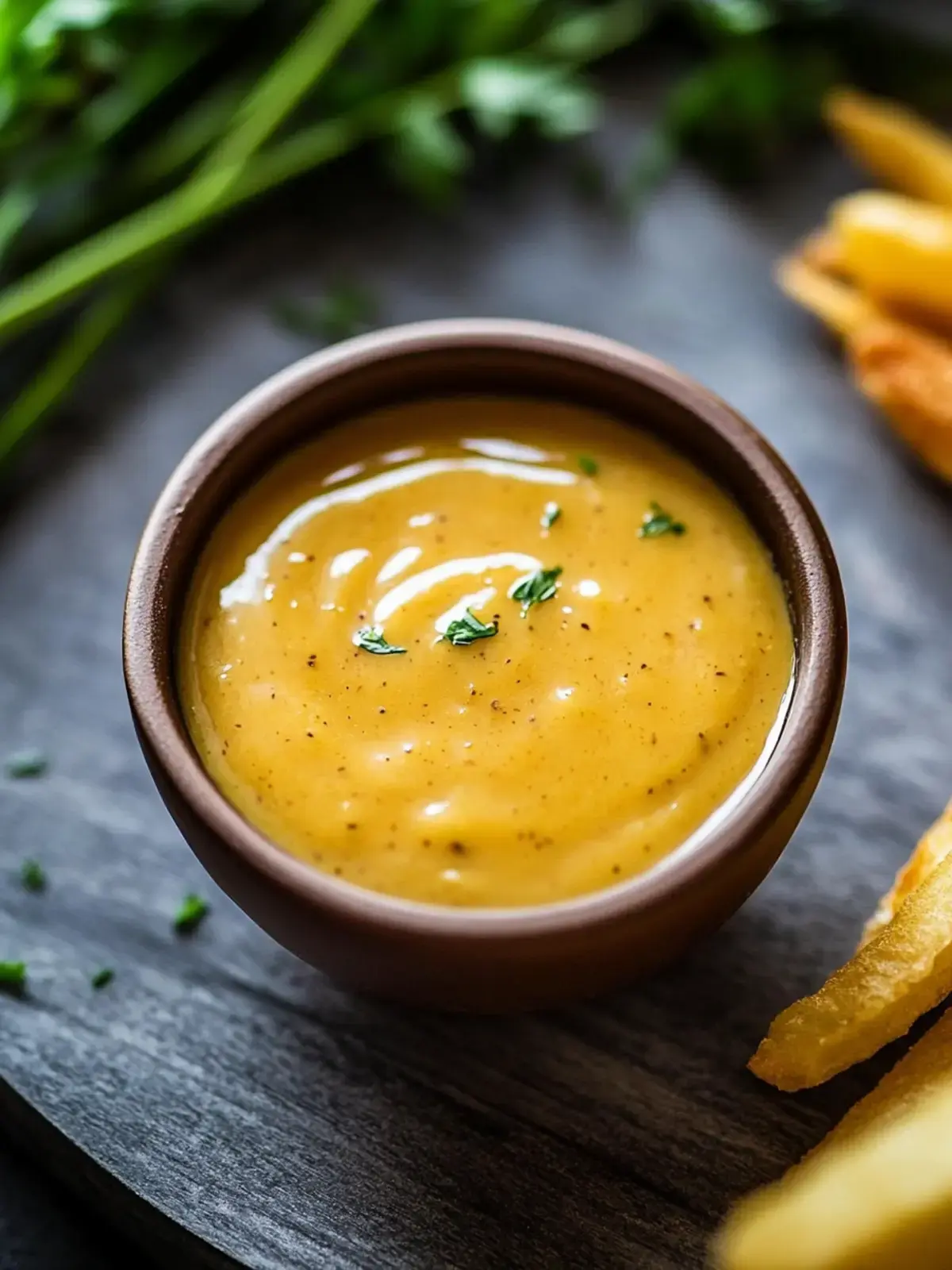
When life gets busy and dinner options feel repetitive, I often find myself reaching for quick, homemade solutions that elevate even the simplest meals. Enter my 5-Minute Homemade Honey Mustard Sauce—a quick concoction that effortlessly blends sweet and tangy notes.
The moment you whisk together Dijon mustard, honey, and your choice of creamy base, you unlock a world of flavor that transforms everything from salads to sandwich spreads. What’s even better? This sauce is incredibly versatile, allowing you to adjust the ingredients to suit your taste, whether you prefer a light Greek yogurt base or a classic mayonnaise. Imagine the satisfaction of slathering this creamy delight over roasted chicken or giving a fresh salad the zesty kick it deserves—all crafted in less time than it takes to call for takeout. Join me as we dive into this delightful and customizable condiment that’s sure to become a staple in your kitchen!
Why You Will Love This Recipe
- Quick Preparation: Whip up this gourmet condiment in just five minutes, making it ideal for busy weeknights when time is of the essence.
- Versatile Flavor: The perfect balance of sweet honey and tangy mustard adds an exciting zest to salads, meats, sandwiches, and so much more, transforming ordinary dishes into culinary delights.
- Customizable to Your Taste: Easily adjust the base ingredients and sweetness or tanginess to fit your specific dietary needs and flavor preferences, from a lighter Greek yogurt base to a richer mayonnaise.
- Elevates Any Meal: A simple dollop of this homemade sauce can instantly transform mundane meals into something special, offering a burst of fresh, vibrant flavors that store-bought options often lack.
- Guaranteed Freshness: Unlike pre-made sauces that can sit on shelves for extended periods, this recipe ensures you’re using the freshest ingredients for the most vibrant and delicious flavor possible every time.
Ingredients You Need
Crafting this luscious homemade honey mustard sauce is all about bringing together a few high-quality ingredients that sing in harmony. Each component plays a vital role, from the foundational sharpness of the mustards to the comforting creaminess of the base and the bright zest of the acidity. Sourcing fresh, good-quality ingredients will significantly impact the final flavor profile of your sauce, making it truly stand out.
5-Minute Homemade Honey Mustard Sauce
Elevate your meals with this quick and easy 5-Minute Homemade Honey Mustard Sauce. A perfect blend of sweet and tangy, this versatile condiment can transform salads, sandwiches, and roasted dishes.
- 2 tablespoons Dijon Mustard
- 2 tablespoons Yellow Mustard (can substitute with more Dijon)
- 4 tablespoons Honey (or use agave/maple syrup for vegan option)
- 2 tablespoons Mayonnaise (or substitute with Greek yogurt)
- 1 teaspoon Apple Cider Vinegar (or use Lemon Juice)
- 1 pinch Salt (to taste)
- 1In a small bowl, whisk together the Dijon mustard, yellow mustard, honey, and mayonnaise until creamy and smooth.
- 2Gradually add in apple cider vinegar or lemon juice, whisking continuously.
- 3Sprinkle in a pinch of salt and adjust sweetness or tanginess as needed.
- 4Cover and refrigerate for 10 to 30 minutes to allow flavors to meld.
- 5Stir and serve as a dip, dressing, or glaze.
Keywords: honey mustard, sauce, dip, dressing, condiment, quick, easy, homemade, versatile, vegetarian, german
- dijon mustard: provides a sharp, complex flavor that forms the backbone of the sauce.
- yellow mustard: adds a classic tanginess and a slightly milder bite, complementing the Dijon beautifully.
- honey: brings essential sweetness and a subtle floral note; agave or maple syrup can be used for a vegan alternative.
- mayonnaise: contributes a rich, creamy texture and body, making the sauce smooth and luscious.
- apple cider vinegar: offers a bright, acidic counterpoint to the sweetness and richness, balancing the flavors.
- salt: a pinch enhances all the other flavors, bringing out the best in the mustard and honey.
The exact quantities for these essential components can be found within the detailed recipe card, ensuring perfect results with every batch.
Variations
The beauty of homemade honey mustard sauce lies in its adaptability, allowing you to tailor it to an endless array of tastes and dietary needs. Don’t hesitate to explore these creative variations to discover your new favorite version of this classic condiment.
For those who enjoy a little heat, incorporating a pinch of cayenne pepper or a dash of your favorite hot sauce can transform the sauce into a spicy delight. This heat wonderfully cuts through the sweetness of the honey and the richness of the base, creating an exciting flavor dimension perfect for wings or grilled meats.
If you’re aiming for a lighter, tangier profile, substituting mayonnaise with plain Greek yogurt is an excellent choice. This not only reduces the fat content but also introduces a pleasant tartness that complements the mustard beautifully, making it an ideal dressing for delicate salads.
To cater to a vegan diet, a simple swap of honey for agave nectar or maple syrup, and mayonnaise for a plant-based mayonnaise or even a smooth cashew cream, will yield a delicious vegan honey mustard sauce. This ensures everyone can enjoy the delightful flavor, regardless of dietary restrictions.
How to Prepare homemade honey mustard sauce
Step 1: Gather and Measure Your Ingredients
The foundation of any successful culinary endeavor, especially when aiming for a perfectly balanced homemade honey mustard sauce, begins with meticulous preparation. Before you even think about reaching for your whisk, ensure all your ingredients are measured out precisely and readily accessible. This not only streamlines the process but also prevents those frustrating moments of scrambling for an ingredient mid-mix, which can disrupt the delicate emulsion you’re trying to create.
Having everything in place allows you to focus entirely on the ratios and textures, ensuring that the final product is exactly as intended. Think of it as setting the stage for a harmonious flavor symphony; each component needs to be in its designated spot before the performance begins.
Step 2: Combine the Base Ingredients
In a pristine, medium-sized mixing bowl, gently introduce your carefully measured Dijon mustard and yellow mustard. These two powerhouses of flavor provide the essential sharp and tangy notes that define honey mustard. Next, gracefully add your chosen sweetener – whether it’s the classic, golden honey with its floral undertones, or a vegan alternative like agave nectar or maple syrup, which offers its own distinct caramel notes. Finally, incorporate your creamy element; this could be rich mayonnaise for ultimate decadence, or perhaps Greek yogurt for a lighter, zippier character.
Once all these foundational elements are together in the bowl, begin the gentle art of whisking. Start slowly, encouraging the ingredients to become acquainted, gradually increasing your speed as they start to meld. You are aiming for a beautifully homogenous mixture, a smooth, unified base where no single ingredient shouts louder than the others. This initial blend is crucial for setting the stage for the complex flavor profile that will soon develop.
Continue whisking until the texture is completely smooth and free of any lumps or streaks, achieving a uniform color and consistency. This smooth base is what will carry all the other flavors and create that luxurious mouthfeel that makes homemade sauces so irresistible. It’s a simple step, but its thorough execution is paramount to the success of your sauce.
Step 3: Introduce the Acidity and Seasoning
Now, it’s time to introduce the element that will brighten and balance your sauce: the acidity. Gradually drizzle in your apple cider vinegar, or if you prefer a brighter, more citrusy note, your fresh lemon juice. Add it a little at a time, whisking continuously after each addition. This gradual incorporation is key; it allows you to control the level of tanginess and ensures that the acidity integrates seamlessly without overwhelming the other flavors. You are aiming for a harmonious interplay, where the tanginess lifts the richness without making the sauce pucker-inducingly sour.
As you whisk, you’ll notice the sauce becoming slightly lighter in color and gaining a certain vibrancy. This is the acidity working its magic, cutting through the creaminess and adding a refreshing zest. Taste as you go; this is your opportunity to fine-tune the flavor profile to your exact preference. Some might prefer a more pronounced tang, while others might want it to be a subtle whisper in the background.
Once you’re satisfied with the level of acidity, it’s time for the final flourish: seasoning. Sprinkle in a small pinch of salt. Salt is a flavor enhancer; it doesn’t necessarily make the sauce taste salty, but rather amplifies the existing flavors of the mustard, honey, and vinegar. Again, taste and adjust. If you find it needs a touch more sweetness, add a tiny drizzle more honey. If it’s not quite zesty enough, a drop more vinegar or lemon juice can do the trick. This is where your personal touch truly shines, transforming a good sauce into an exceptional one.
Step 4: Allow Flavors to Meld (The Resting Period)
This often-overlooked step is arguably one of the most critical for developing a truly exceptional homemade honey mustard sauce. Once you have achieved your perfect balance of sweet, tangy, and creamy, it’s time to let the ingredients get to know each other intimately. Cover the bowl tightly with plastic wrap, ensuring a good seal to prevent any drying out or unwanted absorption of odors from your refrigerator. Then, place the covered bowl into the refrigerator. The recommended resting time is between 10 to 30 minutes, but longer periods, even up to a few hours, can further enhance the flavor complexity.
During this refrigeration period, a magical transformation occurs. The sharp edges of the mustard begin to mellow, the sweetness of the honey becomes more integrated, and the acidity finds its perfect place within the flavor profile. The molecules within the sauce begin to interact and marry, creating a much more rounded, cohesive, and deeply satisfying taste than if you were to serve it immediately. This resting period is the secret weapon that separates a good homemade sauce from a truly outstanding one that will have everyone asking for the recipe.
Think of it as allowing the sauce to mature and deepen its character. Just as a fine wine benefits from breathing, your honey mustard sauce benefits from chilling. This time allows the flavors to harmonize, creating a symphony of taste that is far greater than the sum of its individual parts. Don’t skip this crucial stage; patience here will be richly rewarded with superior flavor.
Step 5: Final Whisk and Serving
After the resting period, retrieve your bowl of honey mustard sauce from the refrigerator. You’ll notice that the flavors have indeed melded beautifully, creating a more complex and harmonious taste. Give the sauce a final, thorough whisk. Sometimes, especially if a significant amount of time has passed, a slight separation might occur, or the sauce might have thickened a bit more than desired. The whisking at this stage will re-emulsify the sauce, bringing it back to its perfect, smooth consistency.
As you whisk, observe the texture and appearance. It should be glossy, creamy, and uniformly blended. This final stir is also your last chance to perform a quick taste test. If, after resting, you feel it needs a tiny adjustment—perhaps a whisper more honey or a hint more vinegar—now is the time to add it and give it one last quick whisk. Once you are completely satisfied with the flavor and texture, your homemade honey mustard sauce is officially ready to be showcased.
The versatility of this sauce means it’s now ready to be used in a multitude of ways. Drizzle it generously over fresh green salads, use it as a luscious dip for crispy chicken tenders or roasted vegetables, spread it onto sandwiches and wraps for an added layer of flavor, or even use it as a glaze for grilled meats and fish. The possibilities are truly endless, and the delightful taste will elevate every dish it graces.
Pro Tips for homemade honey mustard sauce
Perfect Balance is Key: Always taste your sauce after each significant ingredient addition, especially after adding the vinegar and salt. This ensures you’re building the flavor profile incrementally and can stop when it reaches your ideal sweet and tangy equilibrium.
Embrace the Chill: Don’t underestimate the power of the resting period. Allowing the sauce to chill in the refrigerator for at least 10 to 30 minutes is crucial. This time lets the flavors meld and mellow, transforming a good sauce into a spectacular one.
Smart Storage Solutions: Keep your finished sauce in a tightly sealed airtight container in the refrigerator. It generally stays fresh and delicious for up to 7 to 10 days, making it a convenient pantry staple.
Customization Without Compromise: Feel empowered to experiment with different types of honey, mustards, or creamy bases. Each variation can lead to a unique and delightful flavor profile, so don’t be afraid to play around and find what you love most.
Mind the Mustard’s Might: Be aware that Dijon mustard can have a potent kick. If you’re sensitive to strong flavors or are using a particularly sharp Dijon, start with a slightly smaller amount and adjust upwards as needed to achieve your preferred level of heat and complexity.
Serving Suggestions for homemade honey mustard sauce
Decoration
A final flourish can elevate the visual appeal of any dish. For your homemade honey mustard sauce, consider a delicate swirl on top of a salad or a carefully drizzled pattern over plated appetizers. Fresh chives, finely chopped parsley, or a sprinkle of paprika can add both color and a hint of complementary aroma, making your presentation as enticing as the taste itself.
Side Dishes
This versatile sauce shines as a dip or accompaniment. It’s a natural partner for crispy chicken tenders, golden French fries, or robust potato wedges, offering a creamy, tangy contrast. It also pairs wonderfully with grilled or roasted vegetables, adding a zesty glaze that enhances their natural flavors, transforming simple sides into something more exciting.
Creative Serving Ideas
Beyond the usual dips, think outside the box. Use it as a base for a flavorful marinade for chicken or pork, or whisk it into a vinaigrette for a classic salad dressing with a delightful twist. It can even be spread thinly on sliders or gourmet sandwiches, adding a sophisticated layer of flavor that guests are sure to remember. Consider it a flavor enhancer for your dessert courses as well; a tiny amount can surprisingly complement certain fruit-based treats.
Preparation & Storage
Storing Leftovers
To keep your delicious homemade honey mustard sauce at its best, transfer any leftovers into an airtight container. Store it in the refrigerator, where it will maintain its delightful flavor and creamy consistency for up to 7 to 10 days. Always ensure the container is sealed tightly to prevent it from absorbing other odors from the fridge and to maintain its freshness.
Freezing
For extended preservation, freezing is an excellent option. Pour your honey mustard sauce into an ice cube tray and freeze until solid. Once frozen into convenient cubes, transfer them to a freezer-safe bag. This method allows you to enjoy your homemade sauce for up to 3 months, ready to be thawed and enjoyed whenever a craving strikes.
Reheating
If your sauce has thickened significantly after being refrigerated or frozen and thawed, don’t worry. Simply add a small splash of water or a touch more lemon juice to the sauce. Whisk it thoroughly until it regains its desired smooth, drizzly consistency. This quick adjustment ensures your sauce is always ready to serve, no matter how it’s been stored.
Frequently Asked Questions
-
What kind of mustard is best for this sauce?
The classic combination of Dijon mustard and yellow mustard creates a delightful balance of sharp and tangy flavors. Dijon lends a sophisticated depth and a slight heat, while yellow mustard provides a more traditional, mellow tanginess. If you prefer a milder sauce, you can substitute the yellow mustard entirely with more Dijon, or if you’re aiming for a very classic, less complex flavor, you can use only yellow mustard. Experimenting with different mustard varieties, like whole grain or spicy brown mustard, can also introduce unique undertones and textures to your homemade sauce.
-
How should I store my homemade honey mustard sauce?
To maintain the freshness and quality of your homemade honey mustard sauce, it’s best to store it in an airtight container in the refrigerator. When stored properly, it can remain delicious for approximately 7 to 10 days. It’s a good idea to give the sauce a thorough stir before each use, especially after it’s been refrigerated for a while, as some separation might occur, and stirring will help to reintegrate the ingredients and revive the flavors.
-
Can I freeze homemade honey mustard sauce?
Absolutely, freezing is a fantastic way to extend the life of your homemade honey mustard sauce. For easy portioning and thawing, pour the sauce into an ice cube tray and freeze it until solid. Once frozen, you can transfer these convenient cubes to a freezer-safe bag or container. Properly frozen, the sauce can be stored for up to 3 months. When you’re ready to use it, simply thaw the desired number of cubes in the refrigerator overnight and give it a good stir to ensure a smooth consistency before serving.