Smoky Grilled Pineapple Salsa
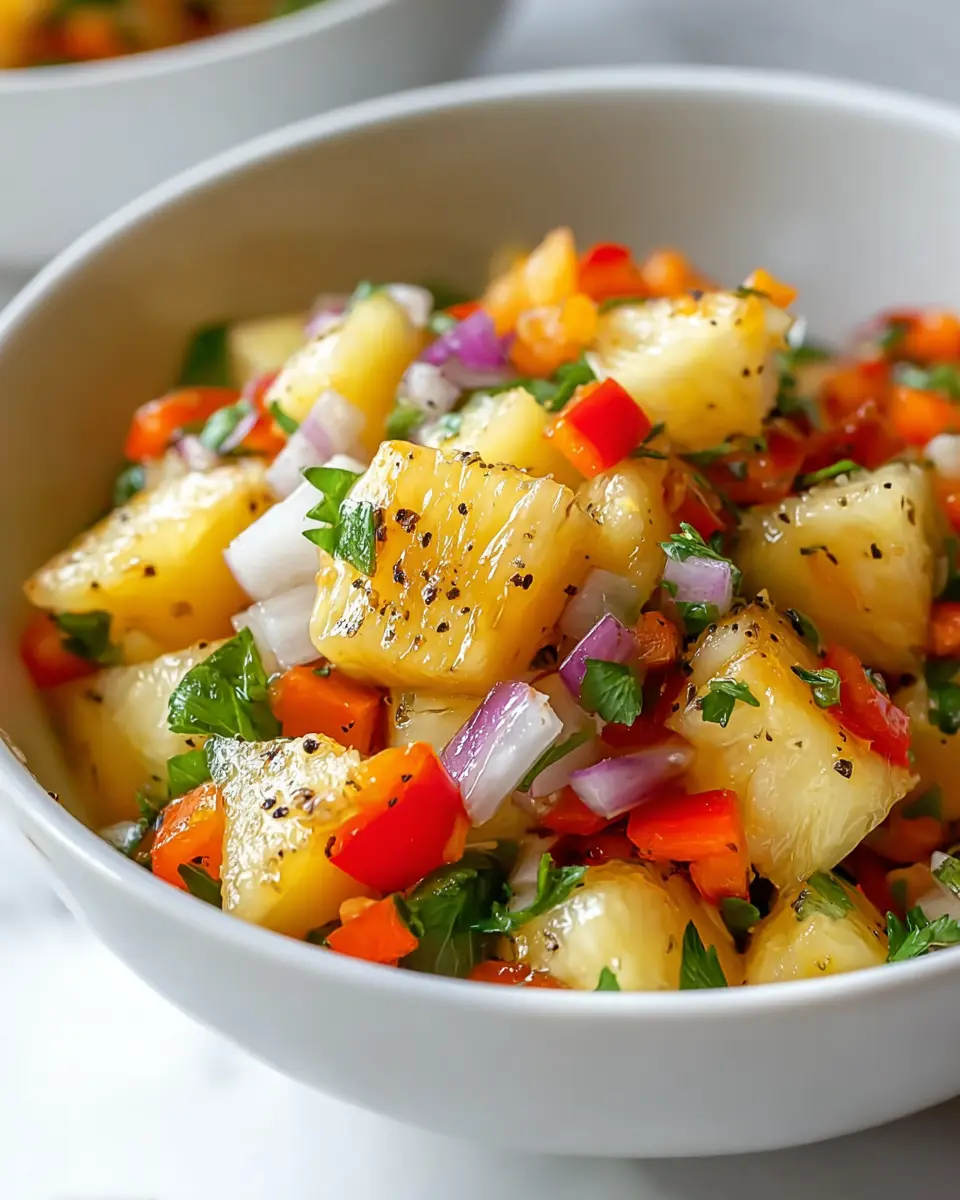
Grilled pineapple salsa is a bright, make-ahead topping that masterfully blends smoky sweetness with the zing of fresh lime and a subtle jalapeño kick. It’s an incredibly versatile condiment that instantly elevates any dish with vibrant color, satisfying crunch, and a lively flavor profile that feels both refreshing and uncomplicated.
This salsa is the secret ingredient that transforms a simple meal into something truly special, offering juicy, slightly charred pineapple pieces that provide a delightful contrast to the crispness of fresh onion and bell pepper. Every spoonful is a harmonious explosion of textures and tastes that leaves you wanting more.
Why You Will Love This Recipe
- Bright & Fruity Base: The star of this salsa is the grilled pineapple, which develops a deep, caramelized sweetness and a hint of smoky char that artificial flavors simply cannot replicate, making it incredibly addictive.
- Perfect Balance of Flavors: It expertly balances the natural sweetness of the fruit with the tartness of lime, the mild heat of jalapeño, and the savory depth of garlic and cilantro for a complex yet harmonious taste experience.
- Quick & Easy Preparation: While grilling the pineapple adds a gourmet touch, the overall assembly is remarkably fast, making it an ideal last-minute addition to any meal or a go-to appetizer for gatherings.
- Incredibly Versatile: Beyond tacos and grilled meats, this salsa shines as a dip, a topping for fish, or even a unique addition to salads, proving its adaptability in countless culinary applications.
- Make-Ahead Magic: This salsa only gets better with time as the flavors meld beautifully in the refrigerator, making it a perfect dish to prepare in advance for stress-free entertaining or weeknight meals.
Ingredients You Need
The quality of your ingredients plays a pivotal role in the final flavor of your grilled pineapple salsa. Opting for the freshest produce will ensure the brightest and most vibrant taste, allowing each component to shine through beautifully. Paying attention to ripeness, especially for the pineapple, will significantly enhance the natural sweetness and juiciness of the salsa.
Grilled Pineapple Salsa
This grilled pineapple salsa offers a vibrant balance of sweet, smoky, tangy, and mildly spicy flavors. Caramelized pineapple is combined with crisp vegetables, fresh herbs, and citrus to create a refreshing accompaniment suitable for grilled dishes, tacos, and appetizers.
- 1/2 fresh pineapple, peeled, cored, and cut into 1/2-inch pieces
- Cooking spray, as needed for coating
- 1 tablespoon freshly squeezed lime juice
- 1 small sweet onion, diced
- 1 red bell pepper, finely diced
- 1 teaspoon sugar
- 1 garlic clove, finely chopped
- 1/4 cup fresh cilantro, chopped
- 1 small jalapeño, minced
- 1/2 teaspoon salt
- Black pepper, to taste
- 1Preheat an outdoor grill to medium heat. Lightly grease the grill grate to help prevent sticking during cooking.
- 2Spray the pineapple pieces lightly with cooking spray so they develop color and caramelization more easily on the grill.
- 3Arrange the pineapple on the preheated grill and cook for 5 to 10 minutes, turning as needed, until lightly browned and caramelized. Watch carefully to prevent scorching.
- 4Transfer the grilled pineapple to a cutting board and let it cool. Once it has cooled sufficiently, chop it into small pieces.
- 5Place the chopped grilled pineapple in a mixing bowl. Add the diced red bell pepper, diced sweet onion, chopped cilantro, minced jalapeño, lime juice, chopped garlic, sugar, salt, and black pepper.
- 6Stir thoroughly until all of the ingredients are evenly distributed and well combined.
- 7Cover the bowl and refrigerate the salsa for about 1 hour so the flavors can meld fully.
- 8Serve chilled once the salsa has rested and the flavors have developed.
You’ll find the precise quantities for each ingredient detailed within the accompanying recipe card, ensuring perfect proportions for this delightful condiment.
Variations
Vegan Delight: For a completely vegan version, this grilled pineapple salsa is already perfectly suited! Ensure any accompanying dishes are also plant-based, and you have a fantastic, universally appealing condiment that bursts with flavor without any animal products. It’s wonderful served with grilled tofu skewers or black bean burgers.
Low-Carb Adaption: To keep this salsa lower in carbohydrates, focus on minimizing the natural sugars from the pineapple. You could achieve this by grilling smaller pieces for less time to retain more tartness, or by incorporating a greater proportion of the crisp vegetables like bell pepper and onion. Adding a touch more lime juice can also enhance the tanginess without adding carbs.
Spicy Fiesta: If you crave more heat, don’t shy away from the jalapeño! For an extra kick, consider leaving some of the seeds and membranes intact when mincing the pepper. Alternatively, you could introduce a different chili pepper, such as serrano or even a tiny amount of habanero, for a more intense and fiery experience that will tantalize the taste buds.
Herbal Infusion: While cilantro is traditional and fantastic, don’t hesitate to experiment with other fresh herbs. A combination of mint and cilantro can add an unexpected cooling sensation, or a sprinkle of fresh parsley could offer a slightly more subtle herbaceous note. Even a hint of finely chopped chives can add a delicate oniony brightness.
Citrus Twist: While lime juice is classic, exploring other citrus options can lead to delightful flavor variations. A splash of orange juice alongside the lime can add another layer of sweetness and complexity, while a touch of grapefruit juice can introduce a pleasant, slightly bitter counterpoint that complements the grilled pineapple beautifully.
How to Prepare grilled pineapple salsa
Step 1: Prepare Your Grilling Station
Begin by preheating your outdoor grill to a medium heat setting, ensuring the grates are thoroughly clean. This initial step is crucial for achieving perfect caramelization and preventing the pineapple from sticking. A well-prepared grill grate is your first line of defense against a frustrating cooking experience, allowing the pineapple to develop those desirable char marks evenly.
Tip: Lightly greasing the grill grates with a high-heat cooking oil or cooking spray will further minimize the risk of sticking. You want the pineapple to release easily after achieving a beautiful sear. This ensures each piece is perfectly cooked and ready for chopping, maintaining its delightful texture.
The medium heat is important because it allows the sugars in the pineapple to caramelize slowly, developing deep flavor without burning too quickly. Too high of a heat can scorch the outside before the inside has a chance to soften and sweeten, leading to an uneven cook and a less desirable taste. Patience here truly pays off in the final flavor profile.
Step 2: Grill the Pineapple to Perfection
Once your grill is ready, lightly coat the fresh pineapple pieces with a high-quality cooking spray or a neutral oil. This protective layer will help the fruit cook evenly and develop beautiful grill marks without adhering to the grates. Arrange the prepared pineapple chunks in a single layer on the hot grill, ensuring they have enough space between them for optimal heat circulation.
The Grill Marks: Cook the pineapple for approximately 5 to 10 minutes per side, or until you observe distinct, appealing grill marks and a pleasant light browning. The goal is to achieve a subtle caramelization, which enhances the fruit’s natural sweetness and adds a smoky undertone. It’s important to turn the pineapple pieces periodically to ensure even cooking and prevent any single side from becoming overly charred or burnt.
Monitor the pineapple closely during this stage; the natural sugars can cause it to brown quickly. You’re aiming for tender, slightly softened pieces with beautiful char marks that signal deep flavor development. This controlled charring is what elevates a simple fruit salad into a sophisticated salsa component.
Step 3: Cool and Chop the Grilled Pineapple
After achieving the desired level of caramelization and tenderness, carefully remove the grilled pineapple from the grill. Transfer the warm pineapple pieces to a clean cutting board and allow them to cool for a few minutes. This resting period is essential, not only for safety but also to allow the pineapple to firm up slightly, making it easier to chop into uniform pieces.
Achieving Uniformity: Once the pineapple is cool enough to handle comfortably, begin chopping it into small, salsa-sized pieces. Aim for consistent sizing, approximately 1/2 inch in dimension, so that each spoonful of salsa provides a balanced mix of fruit, vegetables, and herbs. This uniformity ensures that the texture of the salsa is pleasing and that the flavors distribute evenly throughout the bowl.
The chopped grilled pineapple now forms the sweet, smoky foundation of your salsa. Its slightly softened texture from the grilling process will blend beautifully with the crisp vegetables, creating a delightful textural contrast that is central to the appeal of this dish. This step is where the grilled essence truly begins to infuse the entire salsa.
Step 4: Combine the Fresh Ingredients
In a medium to large mixing bowl, combine the chopped grilled pineapple with all of the prepared fresh ingredients. This typically includes finely diced sweet onion, crisp red bell pepper, minced jalapeño (seeds removed for milder heat, or left in for more spice), and freshly chopped cilantro. Add the finely minced garlic at this stage as well, ensuring its savory notes will infuse throughout the salsa.
The Flavor Foundation: This combination of ingredients creates a vibrant tapestry of flavors and textures. The juicy sweetness of the pineapple is complemented by the sharp bite of the onion, the mild crunch and color of the bell pepper, the subtle warmth of the jalapeño, and the clean, herbal freshness of the cilantro. The garlic provides a foundational savory element that grounds the entire mixture.
Ensure that all the vegetables are diced or minced to a similar size as the pineapple for a cohesive and enjoyable eating experience. This careful attention to size ensures that every bite offers a harmonious blend of all the fresh components, making the salsa more balanced and appealing.
Step 5: Season and Dress the Salsa
With all the main components in the bowl, it’s time to bring everything together with the essential seasoning and dressing elements. Pour in the freshly squeezed lime juice; its bright acidity is critical for cutting through the sweetness of the pineapple and awakening all the other flavors. Sprinkle in the sugar, salt, and a generous amount of freshly ground black pepper.
The Balancing Act: The sugar acts to subtly enhance the natural sweetness of the pineapple and round out any sharp edges from the lime or onion, but use it judiciously to avoid making the salsa overly sweet. The salt is crucial for amplifying all the individual flavors and bringing them into harmony, while the black pepper adds a gentle, aromatic spice. Stir everything together very thoroughly, ensuring that the lime juice, seasonings, and sugar are evenly distributed throughout the mixture and coat all the ingredients.
It’s important to stir until everything is well combined; this ensures that the flavors will meld together harmoniously. This step is key to achieving that perfectly balanced sweet, tangy, savory, and subtly spicy profile that defines great grilled pineapple salsa. The visual appeal will also increase as the lime juice begins to glisten over all the vibrant ingredients.
Step 6: Chill for Optimal Flavor Development
Once everything is thoroughly mixed, cover the bowl tightly with plastic wrap or transfer the salsa to an airtight container. Place the covered bowl in the refrigerator and allow it to chill for at least one hour. This resting period is not merely about cooling the salsa; it’s a critical step for allowing the complex flavors to meld, deepen, and harmonize into a truly delicious condiment.
The Magic of Maturation: During this chilling time, the sharp edges of the raw onion and garlic will soften slightly, becoming more mellow and integrated into the overall flavor profile. The sweet, smoky notes of the grilled pineapple will infuse more deeply into the vegetables, and the lime juice will work its magic to brighten and unify all the components. This process transforms the salsa from a collection of ingredients into a cohesive, flavorful whole.
The hour-long chill is essential for achieving the signature taste of grilled pineapple salsa, where every element plays its part in perfect symphony. This patience ensures that when you serve it, the salsa is not only refreshing but also boasts a complexity and depth of flavor that can only be achieved through proper melding. The finished salsa will be vibrant, balanced, and utterly irresistible.
Pro Tips for grilled pineapple salsa
Select the Right Pineapple: Choose a ripe pineapple that is heavy for its size and has a sweet aroma at the base. A ripe pineapple will offer the best natural sweetness, which is crucial for the flavor base of this salsa. Avoid underripe fruit, as it will be too tart and lack the depth of flavor you desire.
Uniform Dice is Key: For the best texture and flavor distribution, ensure all your ingredients—pineapple, onion, and bell pepper—are diced to a similar size. This consistency means you get a perfect blend of flavors and textures in every bite, making the salsa more enjoyable and easier to scoop.
Control the Heat: If you prefer a milder salsa, meticulously remove all seeds and the white pith from the jalapeño before mincing. For those who enjoy a spicier kick, leaving some seeds and membranes intact will significantly increase the heat level. You can also adjust the quantity of jalapeño used to suit your personal preference.
Fresh Lime Juice is Non-Negotiable: Always opt for freshly squeezed lime juice rather than bottled. The vibrant, zesty flavor of fresh lime is essential for brightening all the ingredients and providing that characteristic tangy finish that makes this salsa so refreshing. Bottled juices often have a duller flavor and can contain preservatives.
Taste and Adjust Before Serving: After the salsa has chilled and the flavors have had time to meld, give it a final taste. Cold foods can sometimes taste less flavorful, so you might need to add a touch more salt, a squeeze of lime, or even a pinch more sugar to achieve perfect balance. This final adjustment ensures the salsa is absolutely perfect before it reaches your guests.
Serving Suggestions for grilled pineapple salsa
Decoration
To elevate the visual appeal of your grilled pineapple salsa, consider a garnish that complements its vibrant colors and fresh ingredients. A few extra sprigs of fresh cilantro, artfully placed on top, add a pop of green and reinforce the herbaceous aroma. For a touch of elegance, a thin slice of lime or a few thin rings of jalapeño can be strategically placed for a decorative flourish that hints at the flavors within.
Color Contrast: A sprinkle of finely diced red onion or a few small pieces of red bell pepper, reserved from the main mix, can provide a beautiful color contrast against the golden pineapple and green cilantro. This attention to detail transforms the salsa from a simple condiment into a visually stunning centerpiece, inviting guests to dig in.
Edible Flowers: For a truly special occasion, consider adding a few edible flowers, such as nasturtiums or pansies, which can add a unique and sophisticated touch. Ensure they are food-grade and complement the overall flavor profile without overpowering it. This adds an unexpected element of gourmet presentation.
Side Dishes
This grilled pineapple salsa is a natural partner for a variety of grilled meats, poultry, and seafood. Its sweet and tangy profile wonderfully complements the richness of grilled pork chops, the smoky char of a ribeye steak, or the delicate flavor of pan-seared salmon. The salsa provides a refreshing counterpoint that cuts through fattiness and enhances the savory notes of the main dish.
Perfect with Tacos: It is an absolute must-have topping for any kind of taco, especially those featuring grilled chicken, fish, or carnitas. The salsa adds moisture, sweetness, and a delightful crunch that elevates a simple taco to a flavor fiesta. It’s also fantastic with vegetarian tacos filled with seasoned black beans or grilled vegetables.
Complement to Rice Dishes: Beyond grilled items, this salsa also pairs beautifully with simpler grain-based dishes. It can add a burst of freshness to a bowl of plain rice, or serve as a vibrant topping for quinoa or couscous, making any meal feel more complete and exciting.
Creative Serving Ideas
Move beyond the expected and explore innovative ways to serve this delightful salsa. Consider spooning it over a bed of mixed greens for a light and flavorful salad, perhaps with some grilled chicken or shrimp. The salsa acts as a natural dressing, providing sweetness, acidity, and a satisfying crunch that makes the salad incredibly appealing.
Stuffed Avocados: For a light appetizer or lunch, halve ripe avocados and remove the pit. Generously fill the hollow with the grilled pineapple salsa for a refreshing and visually appealing dish. This combination is a flavor match made in heaven, with the creamy avocado balancing the salsa’s tang and sweetness.
Bruschetta Topping: Toast slices of baguette until golden brown and crisp. Top each slice with a dollop of the grilled pineapple salsa. This creates a unique and tropical take on bruschetta, perfect for parties or a light appetizer that will impress your guests with its bright, unexpected flavors.
Preparation & Storage
Storing Leftovers
Should you find yourself with any leftover grilled pineapple salsa, storing it properly will ensure it remains delicious for future enjoyment. Transfer any remaining salsa into an airtight container, ensuring it is sealed securely to prevent air exposure. This helps to maintain its freshness and prevent it from absorbing other odors from your refrigerator.
Best Practices for Longevity: Once stored, the salsa can typically be kept in the refrigerator for up to 3 to 4 days. As it sits, the pineapple will naturally release more of its juices, which can slightly alter the consistency. Therefore, before serving leftovers, it is always a good idea to give the salsa a thorough stir to redistribute the ingredients and bring back its lively texture.
Observe for Freshness: Always use your best judgment; if the salsa appears discolored, has developed an off smell, or shows any signs of mold, it is best to discard it. Proper storage, however, will usually keep it tasting wonderful for several days, allowing you to savor its tropical flavors a bit longer.
Freezing
While it is possible to freeze grilled pineapple salsa, it is generally not the ideal method for preserving its best texture and flavor. The high water content in the pineapple, along with the fresh vegetables like onion and bell pepper, can lead to a significant change in consistency upon thawing. The crispness of the vegetables will likely be compromised, resulting in a softer, more watery salsa.
Impact on Texture: Freezing can cause the delicate cell structures of the fruits and vegetables to break down, leading to a mushy texture after thawing. The fresh herbs like cilantro will also lose much of their vibrant aroma and crispness. If you choose to freeze it, be prepared for a noticeable difference in the final product compared to fresh salsa.
When Freezing Might Be Considered: If you are using the salsa for a purpose where texture is less critical, such as a base for a cooked sauce or soup where it will be further processed, freezing might be an option. However, for direct serving as a fresh condiment, it is strongly recommended to consume it within a few days of preparation.
Reheating
Grilled pineapple salsa is a dish that is best served chilled or at room temperature, making reheating generally unnecessary and often detrimental to its fresh, vibrant character. Its appeal lies in its refreshing coolness and the crisp texture of the fresh ingredients. Heating it up would fundamentally alter the intended sensory experience, softening the vegetables and diminishing the bright acidity of the lime.
Bringing Out the Flavors: If you find that the salsa has been refrigerated for a while and you want to serve it with a bit more vibrancy, you can let it sit at room temperature for about 10 to 15 minutes before serving. This brief period allows the chilled ingredients to slightly warm up, which can sometimes make the flavors appear more pronounced and the overall taste profile feel brighter.
A Final Stir and Taste: Following this short period at room temperature, give the salsa a good stir and take a small taste. This allows you to check if the flavors are exactly as you like them, and you can make any minor adjustments to seasoning if needed, ensuring it’s perfectly ready to be enjoyed without the need for actual cooking or reheating.
Frequently Asked Questions
-
How small should I cut the pineapple chunks after grilling?
Aim for small, uniform pieces, approximately 1/2 inch in size, after grilling and cooling the pineapple. This ensures that every spoonful of salsa contains a balanced proportion of fruit, vegetables, and herbs, leading to a more cohesive and enjoyable eating experience. If the chunks are too large, the salsa can feel uneven and more difficult to scoop neatly, while pieces that are too small might get lost amidst the other ingredients, diminishing the pineapple’s presence.
-
Can I make this grilled pineapple salsa ahead of time, and if so, how long will it keep?
Yes, this salsa is an excellent make-ahead dish, and in fact, its flavors meld and improve with time. You can prepare it several hours in advance or even a full day before serving. Store it in an airtight container in the refrigerator, and by the time you’re ready to serve, the ingredients will have harmonized beautifully. It typically stays fresh and delicious for up to 3 to 4 days when stored properly in the refrigerator, though it’s best enjoyed within the first few days for optimal texture and flavor.
-
What is the best way to control the spiciness of the jalapeño in this salsa?
Controlling the spiciness of the jalapeño is straightforward and depends on how much of the pepper you include. For a milder salsa with just a hint of warmth, carefully remove all the seeds and the white pith from inside the jalapeño before mincing it finely. The seeds and pith are where most of the capsaicin, the compound responsible for heat, is concentrated. If you prefer a spicier salsa, you can leave some of the seeds and membranes intact, or simply use a larger amount of the minced jalapeño.