Easy Saucy Ramen Noodles – The Ultimate Cozy Comfort Food
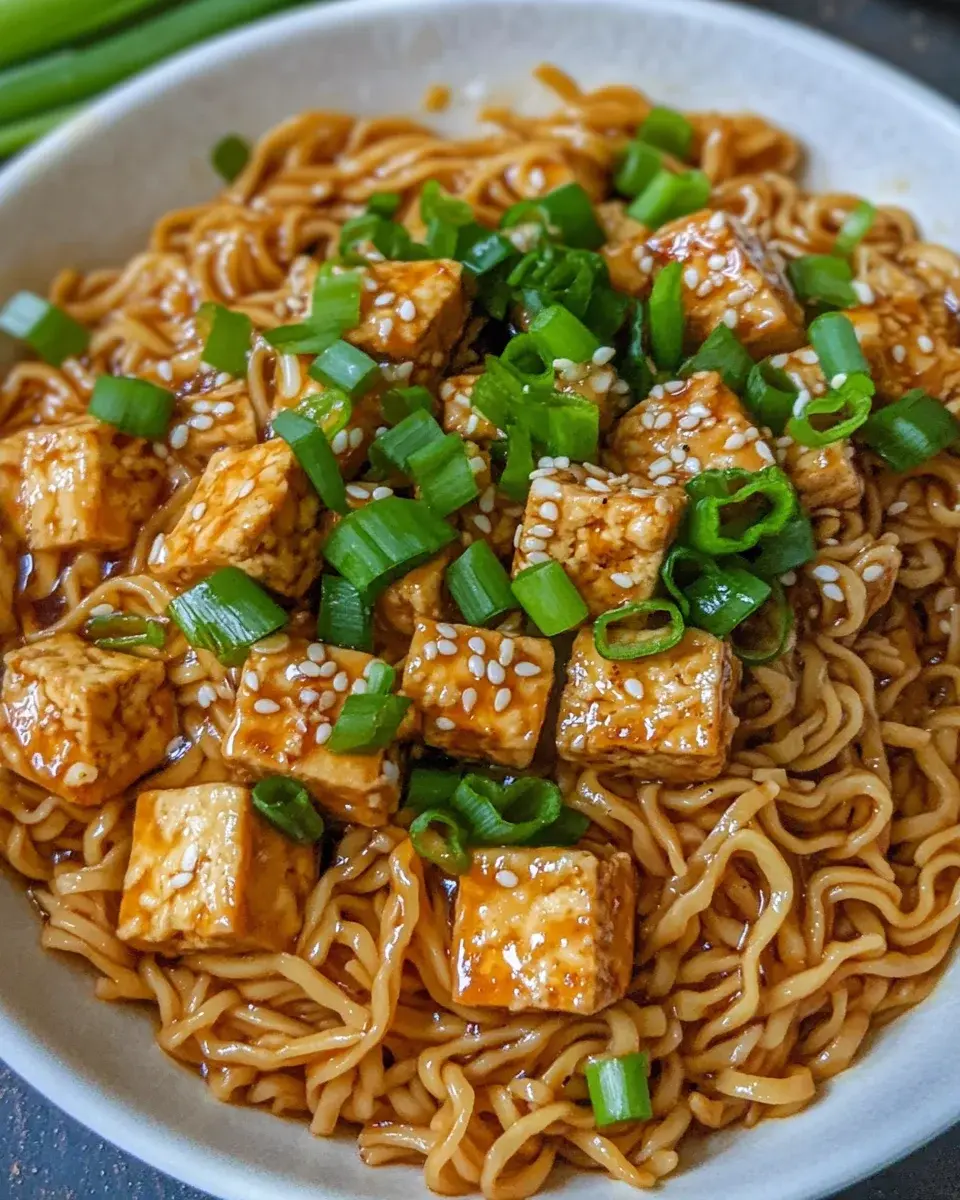
Welcome to a culinary adventure that promises both speed and sensational flavor! Today, we’re diving into the world of Easy Saucy Ramen Noodles, a dish that transforms humble ingredients into a deeply satisfying meal. Get ready to discover a recipe that’s not only incredibly delicious but also wonderfully adaptable to your personal tastes.
This recipe is designed for those moments when hunger strikes and time is of the essence, yet you refuse to compromise on taste. Imagine a bowl brimming with perfectly cooked noodles, coated in a rich, savory, and slightly tangy sauce that clings to every strand. It’s the kind of comfort food that warms you from the inside out.
Why You Will Love This Recipe
- Quick Preparation: Dinner is on the table in approximately 25 minutes, making it an ideal weeknight meal solution.
- Customizable Flavors: Easily adjust the sweetness, saltiness, and spice level to perfectly match your palate, ensuring every bite is exactly how you like it.
- Versatile Ingredient Options: Feel free to incorporate your favorite vegetables, proteins such as tofu or chicken, or even different types of mushrooms for a truly personalized dish.
- Rich and Thick Sauce: The special sauce coating the noodles is luxuriously thick and incredibly flavorful, providing a delightful texture and depth of taste.
- Minimal Cleanup: With a focus on efficiency, this recipe minimizes the number of pots and pans used, simplifying your post-meal routine.
Ingredients You Need
The beauty of this dish lies in its simplicity and the quality of the ingredients used. Opting for fresh vegetables and good quality soy sauce will elevate the final taste profile significantly. Remember that using a good base for your sauce, like quality soy sauce and the right amount of cornstarch, is key to achieving that perfect thick consistency.
Easy Saucy Ramen Noodles
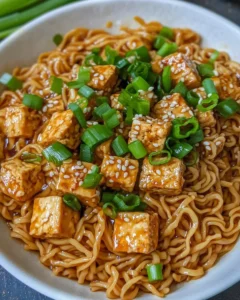
Enjoy a quick and flavorful meal with these Easy Saucy Ramen Noodles. This recipe features a rich, thick sauce that coats tender noodles, and is highly customizable with your favorite vegetables, tofu, or mushrooms. Perfect for a fast lunch or a comforting dinner.
- 2 servings dry instant ramen noodle cakes (or other noodles of choice, about
- 140 g total)
- 10 oz extra firm tofu, veggies, or mushrooms of choice (sliced)
- 1 cup water (or vegetable broth)
- 5-7 tbsp soy sauce (adjust according to desired taste)
- 1.5 tsp dark soy sauce (optional for colour)
- 2-3 tbsp corn starch
- 1-3 tbsp sugar, maple syrup, or other liquid sweetener (adjust according to desired sweetness)
- 2 tbsp rice vinegar, white vinegar, or lemon juice (adjust according to desired sourness)
- 1/4 tsp ground pepper
- 1/2 tbsp chili garlic sauce
- 1 tbsp sesame oil
- 2 cloves garlic (minced, optional)
- Chopped scallions (for topping)
- Sesame seeds (for topping)
- 1Prepare the sauce by mixing all sauce ingredients (soy sauce, dark soy sauce, corn starch, sweetener, vinegar, pepper, chili garlic sauce, sesame oil, and minced garlic if using) in a bowl until well combined. Set aside.
- 2Boil water in a large pot over high heat. Add the ramen or other noodles and cook until they are still very chewy (about 2-3 minutes less than package instructions).
- 3Drain the noodles using a strainer and optionally rinse under cold water to stop cooking and remove excess starch.
- 4While noodles cook, heat a frying pan over medium-high heat with a little oil. Sauté your chosen veggies, mushrooms, or tofu until cooked to your liking.
- 5Give the sauce a good mix and pour it into the frying pan with the sautéed ingredients. Simmer over medium heat for about 2-3 minutes until it begins to thicken.
- 6Add the drained noodles to the pan with the sauce and sautéed ingredients. Mix well, ensuring each noodle is coated.
- 7Continue cooking over medium-high heat for about three more minutes until the noodles absorb some of the sauce.
- 8Taste and adjust seasoning with more soy sauce or sweetener if needed.
- 9Garnish with chopped scallions and sesame seeds, and serve immediately.
Keywords: Ramen, Noodles, Saucy, Quick Dinner, Vegetarian, Asian Cuisine
The exact quantities for each ingredient are readily available in the recipe card for your convenience.
Variations
To inject even more excitement into your Easy Saucy Ramen Noodles, consider these delightful variations that cater to different dietary needs and flavor preferences. These modifications ensure that this dish can become a staple for everyone at your table, regardless of their culinary requirements.
For those following a vegan lifestyle, ensuring all your ingredients are plant-based is straightforward. Swap out any animal-based broths for vegetable broth and double-check that your soy sauce is free from any hidden animal products. Tofu and a medley of colorful vegetables like broccoli florets, snap peas, and bell peppers make for a robust and satisfying vegan iteration.
A low-carb version can be achieved by opting for shirataki noodles or spiralized zucchini noodles in place of traditional ramen. These alternatives offer a satisfying texture with significantly fewer carbohydrates, allowing you to enjoy the rich sauce without the carb overload. You might also want to reduce the amount of sugar in the sauce slightly, focusing on savory and spicy elements.
Another exciting twist involves infusing the sauce with global flavors. Consider adding a spoonful of Korean gochujang for a Korean-inspired kick, or a touch of Thai peanut butter and a dash of lime for a Southeast Asian flair. Each variation opens up a new world of taste possibilities, proving the incredible adaptability of this simple noodle dish.
How to Prepare Easy Saucy Ramen Noodles
Step 1: Prepare the Sauce Base
Begin by gathering all the liquid and dry ingredients designated for your luscious sauce. This includes your soy sauce, dark soy sauce (if using for color enhancement), sweetener like sugar or maple syrup, rice vinegar, ground pepper, chili garlic sauce, sesame oil, and minced garlic. The precise measurements are crucial for achieving the balanced flavor profile that defines this dish.
In a medium-sized mixing bowl, meticulously combine all these components. Whisk them together thoroughly until the mixture is homogeneous and there are no visible clumps of cornstarch or sugar. This step ensures that when the sauce hits the heat, it will emulsify beautifully and thicken evenly, preventing any grainy or uneven textures.
Once thoroughly mixed, taste a small amount of the sauce to gauge its flavor intensity. This is your golden opportunity to adjust the saltiness, sweetness, sourness, and spice according to your personal preferences. Do not hesitate to add a little more soy sauce for salt, sugar for sweetness, vinegar for tang, or chili garlic sauce for heat. Set this flavor-packed mixture aside, ready for its moment to shine.
Step 2: Boil the Noodles
Next, turn your attention to the star of the show: the noodles. Select a large pot, one that is spacious enough to comfortably accommodate your chosen noodles. Fill this pot generously with water, ensuring there’s ample room for the noodles to move freely as they cook. Ample water prevents the noodles from sticking together and ensures even cooking.
Place the pot over high heat on your stovetop and bring the water to a rolling boil. The water should be vigorously bubbling before you introduce the noodles. This rapid boiling helps to cook the noodles quickly and efficiently, preventing them from becoming overly soft or mushy.
Once the water is at a vigorous boil, carefully add your dry instant ramen noodle cakes or any other noodles you have chosen. Make sure to separate them gently if they are clumped together. The water should immediately resume boiling or maintain a strong simmer after adding the noodles.
Step 3: Cook the Noodles to Perfection
This is a critical step for achieving the ideal noodle texture that complements the rich sauce. Do not cook the noodles for the full duration recommended on the package instructions. Instead, aim for them to be “half-cooked” or, more precisely, very al dente.
Typically, this means boiling the noodles for about 2 to 3 minutes less than the time specified on the packaging. You are looking for a texture that still has a distinct chewiness and a slight resistance when bitten. They should not be fully tender at this stage, as they will continue to cook and soften in the sauce.
Periodically stir the noodles while they are cooking to prevent them from sticking to the bottom of the pot or to each other. This gentle agitation also ensures that the heat is distributed evenly, contributing to a consistent texture across all the noodles. Keep a close eye on the cooking time to avoid overcooking.
Step 4: Drain and Rinse the Noodles
As soon as the noodles reach that perfect al dente stage, it’s time to remove them from the boiling water. Carefully grab your colander or strainer and place it in the sink. Pour the contents of the pot, water and noodles, into the strainer.
Allow all the hot water to drain away completely. Ensure that no excess water remains clinging to the noodles, as this could dilute the sauce later on. Give the strainer a gentle shake to help expel any lingering water.
For an extra step that helps achieve perfectly separated noodles and stops the cooking process immediately, you can optionally run them under cold water. This quick rinse removes excess starch that might otherwise make the noodles sticky and clumpy. This is particularly helpful if you plan to let the noodles sit for a moment before adding them to the sauce.
Step 5: Sauté Your Ingredients
While the noodles are draining or have been rinsed, pivot your attention to preparing your additional ingredients. Select a frying pan or a wok that is large enough to comfortably hold your noodles and sauce. Place this pan over medium-high heat on your stovetop.
Add a small amount of cooking oil to the heated pan. This could be a neutral oil like vegetable, canola, or even a bit of sesame oil for added fragrance. Allow the oil to heat up until it shimmers slightly, indicating it’s ready for sautéing.
Introduce your chosen ingredients into the hot oil. This typically includes sliced vegetables like bell peppers, onions, broccoli, or mushrooms, and proteins such as cubed tofu or pre-cooked chicken. Sauté these items, stirring frequently, until they are cooked to your desired level of tenderness and have developed a slight char or caramelization. Ensure they are cooked through before proceeding.
Step 6: Combine Sauce and Noodles
Before combining everything, give your pre-mixed sauce another vigorous stir. It’s common for the cornstarch to settle at the bottom of the bowl, so ensuring it’s fully reintegrated is key to a smooth, thickened sauce. This step guarantees that the sauce will thicken evenly when heated.
Pour the well-stirred sauce directly into the frying pan containing your sautéed ingredients. If you haven’t added any ingredients yet, you can pour the sauce directly into the hot pan, and then add your protein and vegetables. Let the sauce simmer over medium heat. You’ll notice it beginning to thicken as it heats up, thanks to the cornstarch.
Allow the sauce to bubble and thicken for about 2 to 3 minutes. Stir it occasionally to prevent any sticking or scorching on the bottom of the pan. The goal is to achieve a glossy, slightly viscous consistency that will beautifully coat the noodles.
Step 7: Mix Everything Together
Once the sauce has reached your desired thickness and is bubbling gently, it’s time to introduce the star of the dish: the noodles. Carefully add your drained and rinsed noodles into the frying pan, nestling them into the thickened sauce.
Using tongs or a spatula, gently toss the noodles with the sauce and sautéed ingredients. The aim here is to ensure that every single strand of noodle is thoroughly coated with the rich, savory sauce. Be thorough but gentle to avoid breaking the noodles.
Continue to mix and coat the noodles for about a minute, ensuring an even distribution of the sauce. The noodles will start to absorb some of the sauce’s flavor and color during this stage, becoming more integrated with the overall dish.
Step 8: Final Cooking Touches
Now that the noodles are beautifully coated, continue cooking the mixture over medium-high heat. This phase is crucial for allowing the noodles to absorb some of the delicious sauce and for the flavors to meld together. You want the noodles to finish cooking and become tender, but still retain a pleasant chewiness.
Stir the noodles and sauce mixture frequently during this stage. This constant movement prevents the noodles from sticking to the pan and ensures that they cook evenly. The heat will help the sauce further adhere to the noodles, creating a luscious coating.
Cook for approximately three more minutes, or until the noodles have reached your preferred tenderness and have soaked up a good portion of the flavorful sauce. The dish should look glossy and inviting, with the sauce clinging beautifully to the noodles and other ingredients.
Step 9: Taste and Adjust Seasoning
Before you consider your Easy Saucy Ramen Noodles complete, it’s essential to perform a final taste test. Take a forkful of the noodles and sauce and sample it carefully. This is your last chance to fine-tune the flavor profile to perfection.
Assess the balance of saltiness, sweetness, sourness, and spiciness. If it seems a bit bland, add a splash more soy sauce for saltiness. If it’s not sweet enough for your liking, stir in a touch more sweetener. Too sour? A pinch more sugar can help. Not spicy enough? A little more chili garlic sauce or red pepper flakes can do the trick.
Make any necessary adjustments, stirring well after each addition to ensure the flavors are evenly distributed. Continue to cook for another minute or so after adjusting, allowing the new seasonings to incorporate fully into the dish. Your perfect bowl of saucy ramen is almost ready.
Step 10: Garnish and Serve
The final flourish that elevates your Easy Saucy Ramen Noodles from good to spectacular is the garnishing. This step adds visual appeal, texture, and an extra layer of fresh flavor that complements the rich, savory noodles.
Generously sprinkle chopped scallions (green onions) over the top of the noodles. Their fresh, slightly pungent flavor provides a wonderful contrast to the richness of the sauce. Following that, add a scattering of toasted sesame seeds. These little seeds offer a delightful nutty aroma and a satisfying crunch.
Serve your Easy Saucy Ramen Noodles immediately while they are piping hot. The warmth is essential for enjoying the full flavor and texture of the dish. This ensures that the noodles are at their best, coated in the perfectly thickened sauce.
Pro Tips for Easy Saucy Ramen Noodles
To ensure your Easy Saucy Ramen Noodles are always a triumph, remember a few key pointers. These tips are born from experience and are designed to help you achieve restaurant-quality results in your own kitchen. They cover everything from ingredient selection to the final presentation.
Noodle Selection Matters: While instant ramen noodles are the base, exploring different brands can yield varying textures. Some are chewier, while others are softer. High-quality noodles, even the instant variety, will absorb the sauce better and provide a more satisfying bite. If you have access to fresh ramen noodles, they will offer an even superior experience in terms of chewiness and flavor.
Sauce Consistency is Key: The cornstarch slurry is crucial for the sauce’s thickness. Ensure it’s well-mixed before adding to the pan. If your sauce is too thin, you can create a small slurry of cornstarch and water and whisk it in gradually while the sauce is simmering. Conversely, if it’s too thick, a splash of water or broth can loosen it.
Don’t Fear the Heat: Sautéing your vegetables and protein over medium-high heat is important. This allows them to develop good color and flavor through caramelization rather than just steaming. A slightly charred edge on your vegetables or tofu adds a wonderful depth of flavor.
Taste, Taste, Taste: This cannot be emphasized enough. Your palate is unique. Regularly tasting and adjusting the sauce is the secret to a perfectly balanced dish every single time. Don’t be afraid to experiment with adding a tiny bit of sweetness to cut through the saltiness or a bit more acidity to brighten the flavors.
Garnishes are Non-Negotiable: The fresh elements like scallions and sesame seeds are not just for show. They provide textural contrast and a burst of freshness that cuts through the richness of the saucy noodles. Consider adding other fresh herbs like cilantro or a drizzle of chili oil for an extra kick.
Serving Suggestions for Easy Saucy Ramen Noodles
Decoration
The visual appeal of your Easy Saucy Ramen Noodles can significantly enhance the dining experience. Start with a generous sprinkle of finely chopped green onions, providing a vibrant splash of color and a fresh, sharp aroma. Next, add toasted sesame seeds for a delicate crunch and nutty undertone. For a touch of elegance, consider adding a few strips of nori (seaweed) or a sprinkle of shichimi togarashi (Japanese seven-spice blend) if you enjoy a bit of heat.
Side Dishes
To create a more complete and satisfying meal, consider pairing your saucy ramen with complementary side dishes. Steamed or pan-fried edamame, lightly seasoned with salt, offers a healthy protein boost and a satisfying pop. Crispy vegetable spring rolls or gyoza provide a delightful textural contrast with their crunchy exteriors. A simple cucumber salad dressed with rice vinegar and a touch of sugar offers a refreshing, acidic counterpoint to the richness of the noodles.
Creative Serving Ideas
Think beyond the basic bowl. You can serve these saucy noodles in individual, shallow bowls for a more refined presentation. For a fun, interactive meal, place the noodles and sauce in a large communal serving dish and let everyone add their own garnishes. A drizzle of sriracha or a dollop of chili crisp just before serving can also add an extra layer of flavor and heat for those who love it spicy. Consider adding a perfectly cooked soft-boiled or fried egg on top, allowing the runny yolk to mix into the sauce, creating an even more decadent experience.
Preparation & Storage
Storing Leftovers
If you find yourself with delightful Easy Saucy Ramen Noodles remaining, proper storage is key to maintaining their quality. Transfer any leftovers into an airtight container. Ensure the container is indeed airtight to prevent the noodles from drying out and to keep them fresh in the refrigerator.
Leftovers can be stored in the refrigerator for up to 3 days. It’s best to let the dish cool down to room temperature before sealing the container and refrigerating it. This helps prevent condensation from forming inside the container, which could make the noodles soggy.
Freezing
While not ideal for preserving the freshest texture, freezing Easy Saucy Ramen Noodles is possible for longer storage. Use freezer-safe containers or heavy-duty freezer bags to store the noodles. Ensure that as much air as possible is removed from the packaging before sealing.
Portion the noodles into individual servings before freezing. This makes it much easier to thaw only what you need when you’re ready to eat. Properly frozen, these saucy noodles can last for up to 2 months in the freezer.
Reheating
Reheating your Easy Saucy Ramen Noodles requires a gentle approach to restore their deliciousness. The stovetop method is often preferred for best results. Place the noodles in a skillet with a splash of water or vegetable broth over medium heat. Stir occasionally until the noodles are heated through and the sauce has returned to its desired consistency.
If using the microwave, place the noodles in a microwave-safe bowl. Cover loosely with a microwave-safe lid or plastic wrap, leaving a small vent for steam. Heat in short intervals, stirring between each, until they are warm throughout. Be cautious not to overheat, which can make the noodles mushy.
Frequently Asked Questions
-
Can I customize my Easy Saucy Ramen Noodles with different ingredients?
Absolutely! The beauty of this recipe lies in its versatility. You can add a wide array of vegetables such as broccoli, carrots, snap peas, bell peppers, or spinach. For protein, consider adding cooked chicken, shrimp, thinly sliced beef, or firm tofu. Mushrooms like shiitake or oyster mushrooms also pair wonderfully. Feel free to experiment with different spices and herbs to create a flavor profile that is uniquely yours, making each preparation a new culinary adventure.
-
What other types of noodles can I use if I don’t have instant ramen on hand?
You have many excellent alternatives! Udon noodles offer a thick, chewy texture that holds sauce beautifully. Soba noodles, made from buckwheat, provide a nuttier flavor and a slightly firmer bite. If you’re looking for a healthier option, shirataki noodles are very low in calories and carbohydrates, though their texture is quite different. Even standard spaghetti or linguine can be used in a pinch, offering a familiar base for the savory sauce, though they won’t have the traditional ramen chewiness. The key is to select noodles that will stand up well to the thick, flavorful sauce.
-
How can I make my Easy Saucy Ramen Noodles spicier?
Increasing the heat level is quite straightforward. For a moderate increase in spiciness, simply add more chili garlic sauce to your sauce mixture before cooking. If you prefer a more intense heat, consider incorporating a pinch of red pepper flakes directly into the sauce or sautéing them with your aromatics like garlic and ginger. For a fiery kick, a small amount of sriracha or another hot sauce can be stirred in at the end, or even drizzled on top as a garnish. Always start with a small amount and add more to achieve your desired level of heat, as spice levels can vary significantly between different chili products.