Dairy-Free Baked Salmon with Avocado Salsa Easy Weeknight Recipe
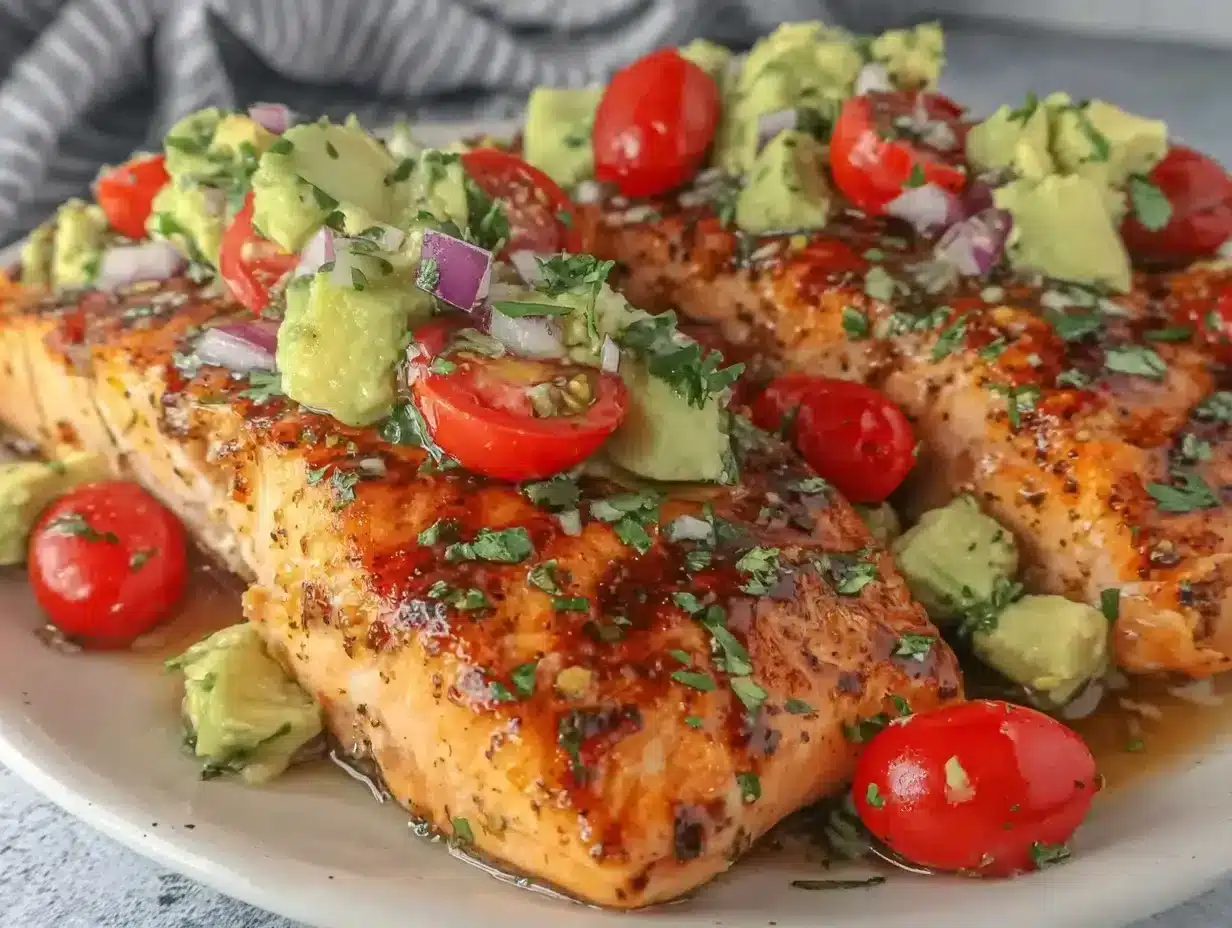
One Thursday evening, after a marathon meeting and a fridge that was practically begging for rescue, I found myself staring down a lonely salmon fillet and a couple of ripe avocados. I wanted something quick, dairy-free, and satisfying—because honestly, weeknights are for meals that don’t require a cookbook to decode.
So I tossed the salmon in some simple spices, baked it, and whipped up a zesty avocado salsa that felt fresh and light but still packed a punch. The result? A dinner that felt like a little celebration after a long day and cleaned the plate every time.
This dairy-free baked salmon with avocado salsa is exactly what I turn to when I want something healthy, flavorful, and fuss-free. It’s got that perfect balance of tender, flaky fish and creamy, tangy salsa that makes every bite feel special without hanging around the kitchen forever. Plus, it’s naturally dairy-free and comes together in under 30 minutes—ideal for those busy weeknights when you want dinner on the table fast but don’t want to sacrifice taste or nutrition.
Why You Will Love This Recipe
- Speedy Preparation: This entire meal comes together in approximately 25 to 30 minutes, making it perfect for busy weeknights when time is of the essence.
- Flavor Fusion: The combination of subtly seasoned baked salmon and the vibrant, creamy avocado salsa creates a delightful taste experience that is both fresh and satisfying.
- Nutrient-Dense: Packed with lean protein from the salmon and healthy fats from the avocado, this dish is as nourishing as it is delicious, providing essential omega-3 fatty acids and vitamins.
- Minimal Effort, Maximum Taste: The recipe requires very few steps and simple ingredients, yet delivers a restaurant-quality meal that feels like a treat.
- Dietary Friendly: Naturally dairy-free and gluten-free, this recipe is an excellent option for those with common dietary restrictions or preferences, allowing everyone to enjoy a wholesome meal.
Ingredients You Need
The beauty of this dairy-free baked salmon with avocado salsa lies in its simplicity and the quality of its components. Each ingredient plays a vital role, from the richness of the salmon to the brightness of the salsa, ensuring a harmonious and delicious final dish. I always recommend using the freshest ingredients available to truly make these flavors pop and create a memorable meal.
Dairy-Free Baked Salmon with Avocado Salsa
A quick, dairy-free, and satisfying baked salmon recipe paired with a fresh and tangy avocado salsa, perfect for busy weeknights. This healthy meal is packed with flavor and comes together in under 30 minutes.
- 4 salmon fillets (about 6 oz / 170g each), wild-caught preferred, skin-on or skinless
- 2 tablespoons extra virgin olive oil
- 1 teaspoon garlic powder
- 1 teaspoon smoked paprika
- Salt and black pepper to taste (kosher salt preferred)
- Juice of half a lemon
- 2 medium ripe avocados
- 1 cup (150g) cherry tomatoes, halved
- 1/4 cup (40g) red onion, finely chopped
- 1/4 cup (10g) fresh cilantro, chopped (or fresh parsley as a substitute)
- 1 small jalapeño, seeded and finely chopped (optional)
- Juice of 1 lime
- Salt and pepper to taste
- 1Preheat oven to 400°F (200°C). Line a baking sheet with parchment paper or lightly grease it. Pat salmon fillets dry with paper towels.
- 2Place salmon fillets skin-side down on the baking sheet. Drizzle olive oil over each fillet, then sprinkle garlic powder, smoked paprika, salt, and pepper evenly. Squeeze fresh lemon juice over the top and spread evenly.
- 3Bake salmon for 12 to 15 minutes until it flakes easily with a fork and reaches an internal temperature of 145°F (63°C). Start checking at 12 minutes to avoid drying out.
- 4While salmon bakes, prepare avocado salsa: cut avocados in half, remove pits, and scoop flesh into a mixing bowl. Lightly mash, leaving some chunks.
- 5Add halved cherry tomatoes, finely chopped red onion, cilantro, jalapeño (if using), lime juice, salt, and pepper. Stir gently to combine and adjust seasoning to taste.
- 6Serve salmon fillets topped with generous amounts of avocado salsa immediately with your choice of sides.
Keywords: dairy-free, baked salmon, avocado salsa, healthy dinner, quick recipe, weeknight meal, gluten-free, low-carb
You’ll find the specific quantities needed for each ingredient within the detailed recipe card provided. This ensures precision while keeping the main text focused on the culinary experience.
Variations
This salmon dish is wonderfully adaptable, allowing you to tailor it to your personal preferences or whatever you have on hand. One fantastic variation is to introduce a tropical flair by creating a mango and avocado salsa. Simply swap out some of the cherry tomatoes for diced ripe mango, and combine it with the avocado, red onion, cilantro, lime juice, and a hint of jalapeño for a sweet and tangy counterpoint to the salmon. This version transports your taste buds straight to a sunny destination.
For those looking to reduce carbohydrates, consider serving the salmon and avocado salsa over a bed of crisp, fresh greens. Arugula or baby spinach provide a peppery or mild base, respectively, that complements the richness of the fish and the creaminess of the salsa. You could also add some crunchy cucumber to the salsa for an extra layer of texture and coolness, making it an even lighter and more refreshing meal option.
Another exciting twist is to infuse the salmon itself with more vibrant flavors before baking. Marinating the salmon fillets for about 15-20 minutes in a mixture of soy sauce (or tamari for gluten-free), grated ginger, garlic, and a touch of honey or maple syrup can add an umami depth. Then, proceed with baking and top with the fresh avocado salsa for a delightful fusion of Asian-inspired seasoning and fresh Mexican-inspired salsa. This approach elevates the dish into a sophisticated yet easy weeknight centerpiece.
How to Prepare dairy-free baked salmon avocado salsa
Step 1: Preheat and Prepare Your Baking Station
The initial step involves setting the stage for a seamless cooking process. Begin by preheating your oven to a consistent 400°F (200°C). This moderate-high temperature is crucial for achieving perfectly cooked, flaky salmon without drying it out.
Simultaneously, prepare your baking sheet. Lining it with parchment paper is highly recommended as it significantly simplifies cleanup later on. A lightly greased baking sheet works too if parchment paper isn’t available, ensuring the salmon doesn’t stick.
Next, take your salmon fillets and pat them thoroughly dry with paper towels. This seemingly small step is vital for creating a better texture on the surface of the fish and allowing the seasonings to adhere more effectively. Dry salmon will brown more nicely.
Step 2: Seasoning the Salmon for Maximum Flavor
Once your salmon is prepped and the oven is heating up, it’s time to infuse it with flavor. Arrange the salmon fillets on the prepared baking sheet, ensuring they are skin-side down if they have skin. This helps to protect the delicate flesh from direct heat and keeps the fish moist.
Drizzle each fillet generously with extra virgin olive oil. The oil acts as a conductor for the seasonings and helps the fish to cook evenly, achieving a beautiful, slightly crisped exterior. Then, sprinkle the garlic powder, smoked paprika, salt, and freshly ground black pepper evenly over the oiled surface of the salmon. Don’t be shy with the spices; they are key to developing the salmon’s savory profile.
To finish the seasoning, squeeze fresh lemon juice over the top of each fillet. The acidity of the lemon juice brightens the flavors of the salmon and cuts through its natural richness. You can use your hands or a pastry brush to ensure the oil, spices, and lemon juice are evenly distributed across the entire surface of each fillet, creating a glistening, well-seasoned piece of fish ready for the oven.
Step 3: Baking the Salmon to Perfection
With your oven at the optimal temperature and the salmon beautifully seasoned, it’s time to bake. Carefully place the baking sheet with the seasoned salmon fillets into the preheated oven.
Bake for approximately 12 to 15 minutes. The exact timing will depend on the thickness of your salmon fillets. The goal is for the fish to flake easily when tested with a fork and to reach an internal temperature of 145°F (63°C) in its thickest part. Keep a close eye on the salmon, especially after the 12-minute mark, as overcooked salmon can become dry and lose its desirable moist texture.
The visual cue of the salmon turning opaque and the flesh separating easily when gently pressed with a fork is a reliable indicator of doneness. If you are using a meat thermometer, insert it into the thickest part of the fillet to get an accurate reading. Removing the salmon from the oven promptly once it reaches this stage will ensure it remains succulent and tender.
Step 4: Crafting the Vibrant Avocado Salsa
While the salmon is in the oven, you can seamlessly transition to preparing the fresh and zesty avocado salsa. This component adds a delightful contrast in temperature and texture to the warm, cooked salmon. Take two medium, ripe avocados and cut them in half. Carefully remove the pits and scoop the creamy flesh into a medium-sized mixing bowl.
Using a fork, lightly mash the avocado. It’s best to leave some small chunks intact rather than pureeing it completely, as this will provide a more interesting and satisfying texture to the salsa. Next, add the halved cherry tomatoes, which bring a burst of juicy sweetness and vibrant color. Finely chop a quarter cup of red onion for a bit of sharp bite and crunch.
To the bowl, add a quarter cup of freshly chopped cilantro for its bright, herbaceous notes. If you’re adding a touch of heat, finely chop one small jalapeño, ensuring you’ve removed the seeds and membranes to control the spice level. Squeeze the juice of one whole lime over all the ingredients. This fresh lime juice not only adds essential acidity and tang but also helps to prevent the avocado from browning prematurely. Season generously with salt and pepper to taste, then gently stir everything together to combine, ensuring all the flavors meld beautifully.
Step 5: The Final Assembly and Presentation
Once the salmon is perfectly baked and the avocado salsa is ready, it’s time for the final, delightful assembly. Carefully remove the salmon fillets from the baking sheet and transfer them to individual serving plates. The aroma alone is enough to make your mouth water.
Generously spoon the prepared avocado salsa over the warm, flaky salmon fillets. Ensure each piece of salmon gets a good amount of the fresh salsa, allowing the creamy avocado and juicy tomatoes to meld with the savory fish. This visual combination is as appealing as its taste.
Serve the dish immediately, allowing your guests or family to enjoy the delightful contrast between the warm, tender salmon and the cool, vibrant salsa. This dish is a complete meal on its own, but it also pairs wonderfully with a variety of sides, which we will discuss further.
Step 6: Serving and Enjoying Your Masterpiece
The moment of truth has arrived – it’s time to savor this exquisite dairy-free baked salmon with avocado salsa. The interplay of textures and flavors is truly something special, offering a satisfying yet light culinary experience that is perfect for any occasion, especially weeknight dinners.
The flaky, moist salmon, infused with subtle smoky notes from the paprika, provides a robust foundation. Crowning it with the creamy, zesty avocado salsa, studded with sweet tomatoes and sharp red onion, elevates each bite. The fresh cilantro and bright lime juice cut through the richness, creating a perfectly balanced and refreshing flavor profile.
This dish is designed to be enjoyed as soon as it’s prepared, maximizing the freshness of the salsa and the warmth of the salmon. The quick preparation time means you can have a restaurant-quality meal on your table without spending hours in the kitchen, making it an ideal solution for busy lifestyles seeking healthy and delicious options.
Pro Tips for dairy-free baked salmon avocado salsa
Don’t Overcook the Salmon: This is arguably the most critical tip for ensuring your salmon is perfectly moist and tender. Salmon cooks quickly, and the difference between perfectly cooked and dry can be just a few minutes. Start checking for doneness around the 12-minute mark; the flesh should flake easily with a fork.
Use Ripe but Firm Avocados: For the best texture in your salsa, select avocados that are ripe enough to yield to gentle pressure but still hold their shape. Overripe avocados can make the salsa mushy, while underripe ones will be hard and less flavorful. If your avocados are slightly underripe, you can often speed up the ripening process by placing them in a brown paper bag with a banana for a day.
Balance the Acidity: The lime juice in the salsa does more than just add flavor; it plays a vital role in preserving the vibrant green color of the avocado by preventing oxidation. If you plan to make the salsa a few hours ahead of time, consider adding a little extra lime juice and pressing a layer of plastic wrap directly onto the surface of the salsa to minimize air exposure.
Adjust the Heat Level: The jalapeño in the salsa is optional and can be adjusted to your personal spice preference. For a milder version, remove all seeds and membranes, or omit it entirely if you prefer no heat. Conversely, if you enjoy a spicier kick, you can leave some of the seeds in or even add a pinch of cayenne pepper to the salmon seasoning.
Fresh Herbs Make a Difference: While cilantro is classic in this salsa, don’t hesitate to substitute it if it’s not your favorite. Fresh parsley or even basil can offer a lovely herbaceous note that complements the other ingredients beautifully. Chop them finely for the best integration into the salsa.
Serving Suggestions for dairy-free baked salmon avocado salsa
Decoration
Elevate the visual appeal of your dairy-free baked salmon with avocado salsa with simple yet impactful garnishes. A scattering of fresh cilantro leaves, reserved from the salsa preparation, adds a pop of green and reinforces the fresh herb flavor. A few thin slices of red onion, or even some finely diced red bell pepper, can provide contrasting colors and a bit of visual texture.
For an extra touch of elegance, consider a delicate drizzle of high-quality olive oil or a sprinkle of smoked paprika over the finished dish just before serving. A lime wedge placed artfully on the side of the plate also serves as a functional decoration, inviting diners to add an extra squeeze of citrus if desired, enhancing the brightness of the flavors.
If you’re serving this for a special occasion, consider adding a few edible flowers for a sophisticated and whimsical touch. Microgreens also offer a refined finish, adding a subtle earthy flavor and a beautiful layered appearance to the plated dish. These small touches can transform a delicious meal into a visually stunning culinary creation.
Side Dishes
This versatile salmon dish pairs beautifully with a range of side dishes that complement its fresh and healthy profile. For a simple yet satisfying meal, serve it alongside steamed white or brown rice, or opt for fluffy quinoa for an added protein boost. These grains act as a perfect canvas to soak up any delicious juices from the salmon and salsa.
Roasted vegetables offer another excellent accompaniment. Asparagus, broccoli florets, or green beans tossed with olive oil, salt, and pepper and roasted alongside the salmon (or separately) provide earthy flavors and tender-crisp textures. A simple side salad with a light vinaigrette is also a refreshing choice, offering a crisp counterpoint to the richness of the salmon and avocado.
For a more substantial meal, consider serving it with sweet potato wedges or a light pasta salad. If you’re looking for more dinner inspiration, exploring options like the baked lemon chicken or the easy lobster bisque recipe can offer complementary flavors and textures for a complete dining experience.
Creative Serving Ideas
Beyond the traditional plate presentation, this dairy-free baked salmon with avocado salsa lends itself to some creative serving ideas. Consider serving the salmon and salsa in lettuce wraps for a light and portable option, perfect for a picnic or a casual lunch. Large butter lettuce or romaine leaves make ideal vessels for this delightful combination.
Another fun idea is to deconstruct the dish and serve it as a vibrant salmon salad bowl. Layer mixed greens, the flaked baked salmon, a generous portion of the avocado salsa, and perhaps some grilled corn or black beans in a bowl. Drizzle with a lime-cilantro vinaigrette for an extra burst of flavor. This is a great way to incorporate more vegetables and create a hearty, nutritious meal.
You can also transform this into an appetizer by flaking the salmon and mixing it with a smaller amount of the salsa. Serve this mixture on toasted baguette slices or small crostini for elegant bite-sized appetizers. For a more informal gathering, serve the salmon and salsa with tortilla chips for a delightful and healthy dip or topping. This adaptability makes it a go-to for any entertaining scenario. Don’t forget to explore other delightful recipes on sites like Pinterest for more serving inspiration.
Preparation & Storage
Storing Leftovers
Should you be fortunate enough to have any leftovers of this delectable dairy-free baked salmon with avocado salsa, storing them properly is key to maintaining quality. It is best to store the salmon and the avocado salsa separately. Place the leftover cooked salmon in an airtight container and refrigerate it promptly.
The avocado salsa should also be stored in an airtight container. To minimize browning, press a layer of plastic wrap directly onto the surface of the salsa before sealing the container. This creates a barrier against air exposure, helping to preserve its fresh green color and vibrant flavor for as long as possible.
Both components can be refrigerated for up to two days. However, it is important to note that the texture of the avocado salsa may change slightly over time, becoming a bit softer. The salmon, when stored correctly, should retain its flaky texture.
Freezing
Freezing this dish is generally not recommended, particularly for the avocado salsa component. Avocados do not freeze well; their creamy texture breaks down significantly upon thawing, resulting in a mushy and watery consistency that is unappealing. The fresh ingredients in the salsa, like tomatoes and onions, also tend to lose their crispness and vibrant flavor when frozen.
While the cooked salmon can technically be frozen, its texture can suffer. Freezing and thawing can sometimes lead to a drier, less flaky fish. If you absolutely must freeze leftovers, it would be best to freeze the cooked salmon separately from any salsa, and then thaw and prepare a fresh salsa to serve with it.
For the best experience, it is highly advisable to consume this dish fresh or store leftovers in the refrigerator for a short period, rather than relying on freezing. This ensures you get to enjoy the intended flavors and textures of the salmon and salsa at their peak.
Reheating
Reheating the leftover dairy-free baked salmon requires a gentle approach to preserve its moisture and texture. The most effective method is to reheat it in a low oven, around 300°F (150°C), covered loosely with foil. This allows the heat to penetrate evenly without drying out the delicate fish. You can also reheat it gently in a microwave on a lower power setting, ensuring it’s covered.
When reheating, it is crucial to add the avocado salsa *after* the salmon has been warmed. Never reheat the salmon with the salsa already on top, as the heat will cook the avocado and tomatoes, altering their fresh, bright character and potentially turning them mushy. The beauty of this dish lies in the contrast between warm salmon and cool salsa.
If you’re reheating individual portions, place the salmon on a microwave-safe plate or small oven-safe dish, cover it, and warm it through. Once the salmon is heated to your liking, plate it and then top generously with the fresh, chilled avocado salsa. This ensures you get that delightful temperature and texture contrast that makes this dish so appealing. For more weeknight dinner ideas, consider options from our dinner category.
Frequently Asked Questions
-
Can I use frozen salmon for this recipe?
Yes, you can absolutely use frozen salmon fillets for this recipe, but proper thawing is key. Make sure to thaw the salmon completely in the refrigerator overnight before cooking. Once thawed, it’s crucial to pat the fillets very dry with paper towels. This step is even more important with previously frozen fish, as it tends to release more moisture, which can hinder proper seasoning adherence and create a less desirable texture on the surface during baking.
-
How do I know when the salmon is perfectly cooked?
The most reliable indicator of perfectly cooked salmon is its flakiness. Gently press the thickest part of the fillet with a fork; it should separate easily into opaque flakes. If it’s still translucent or very firm, it needs a little more time. For precision, you can use an instant-read thermometer inserted into the thickest part of the fillet; it should register 145°F (63°C). Remember that salmon continues to cook slightly after being removed from the oven, so it’s best to err on the side of slightly underdone rather than overdone to avoid a dry outcome.
-
Is it possible to prepare the avocado salsa ahead of time, and if so, how?
Yes, you can prepare the avocado salsa a few hours in advance, though for the absolute freshest taste and brightest color, making it closer to serving time is ideal. If you do prepare it ahead, the key is to minimize air exposure to prevent the avocado from browning. After mixing all the salsa ingredients, press a layer of plastic wrap directly onto the surface of the salsa, ensuring there are no air bubbles trapped between the wrap and the avocado. Then, seal the container tightly and refrigerate. Give it a gentle stir before serving to redistribute any released juices and ensure consistency.