Asian Zucchini Noodles Skillet
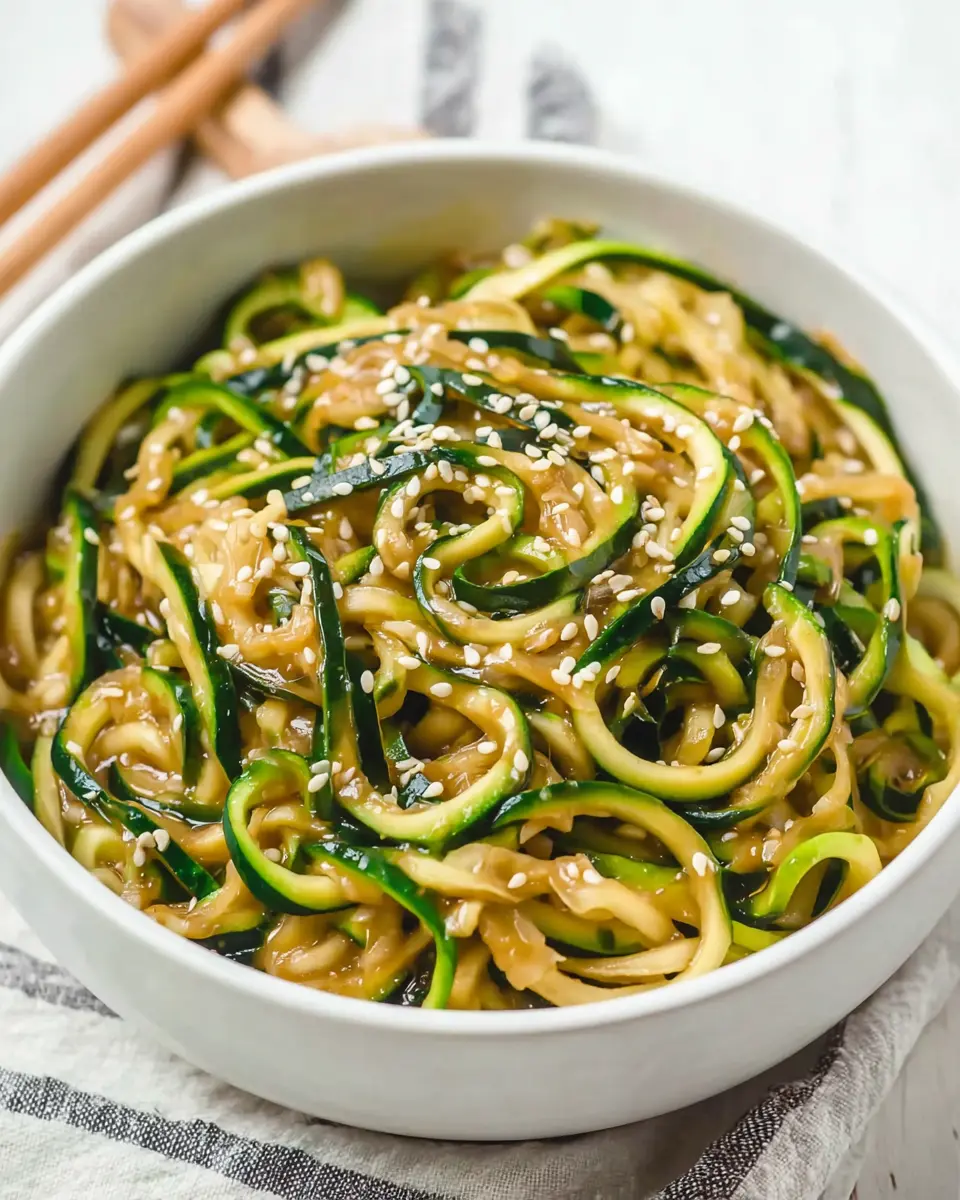
Quick, light, and beginner-friendly, Asian Zucchini Noodles bring together tender zucchini strands, fragrant garlic, ginger, and scallions with a savory almond butter finish that feels fresh, fast, and full of flavor.
This is the kind of dish that fits beautifully into busy weeknights, quick lunches, or those evenings when you want something warm and satisfying without turning on every burner in your kitchen. The flavor combination is what makes it so appealing; you get the mellow sweetness of zucchini, the deep aroma of garlic and ginger, and a nutty, glossy finish from the coconut aminos and almond butter that lightly coats every strand.
Why You Will Love This Recipe
- Speedy Preparation: This vibrant dish comes together in under 30 minutes, making it perfect for weeknight dinners or quick lunches when time is of the essence.
- Light and Healthy: Packed with fresh vegetables and healthy fats, it’s a guilt-free meal that satisfies without weighing you down, aligning beautifully with a dinner philosophy focused on wholesome ingredients.
- Bold Flavors: The unique blend of savory coconut aminos, nutty almond butter, and aromatic garlic and ginger creates a complex taste profile that is both comforting and exciting.
- Versatile: Easily adaptable to dietary needs, it can be enjoyed as a light main course or a delightful side dish, offering flexibility for any meal occasion.
- Beginner-Friendly: With straightforward steps and minimal ingredients, this recipe is accessible to cooks of all skill levels, ensuring a delicious outcome every time.
Ingredients You Need
The quality of your ingredients directly impacts the final flavor and texture of your Asian Zucchini Noodles. Opting for fresh, vibrant zucchini and aromatic ginger and garlic will elevate this simple dish to something truly special. Ensuring you have a good quality almond butter will also contribute to a wonderfully creamy and savory sauce that clings beautifully to the noodles, making each bite a delight.
Asian Zucchini Noodles
Quick, light, and beginner-friendly, Asian Zucchini Noodles bring together tender zucchini strands, fragrant garlic, ginger, and scallions with a savory almond butter finish that feels fresh, fast, and full of flavor. This dish is perfect for busy weeknights or quick lunches, offering a warm and satisfying meal without excessive cooking.
- 3 tablespoons coconut aminos
- 1 tablespoon almond butter (smooth or crunchy)
- 1 pound zucchini, cut into noodle strands with a spiralizer
- 2 scallions, finely chopped
- 2 teaspoons fresh ginger, minced very finely
- 2 garlic cloves, minced
- 1/2 tablespoon coconut oil
- 1/2 tablespoon sesame oil
- 1 tablespoon sesame seeds
- 1Transform the zucchini into noodle-shaped strands using a spiralizer, mandolin, or a sharp knife. For a firmer texture, lightly salt the zucchini noodles and leave them on the counter for about 10 minutes. Blot away the released moisture with a paper towel.
- 2Set a skillet over medium-high heat. Add the coconut oil along with the sesame oil. Once warm, stir in the scallions, garlic, and ginger, and cook for about 1 minute until aromatic.
- 3Add the zucchini noodles to the pan and sauté for 2 to 4 minutes, stirring gently, until they are just tender while still retaining a slight bite.
- 4Pour in the coconut aminos and toss the noodles thoroughly so the sauce coats them evenly.
- 5Move the noodles slightly to one side of the pan and place the almond butter in the open space. Let it soften briefly from the heat, then mix it through the noodles until fully incorporated.
- 6Transfer the finished noodles to a serving dish. Scatter the sesame seeds over the top and serve immediately.
Keywords: Asian Zucchini Noodles, Zucchini Noodles, Quick Dinner, Healthy Meal, Vegetarian
- coconut aminos: a gluten-free soy sauce alternative that provides a salty-sweet umami base for the sauce.
- almond butter: creamy or crunchy, this is the secret to the rich, nutty finish that coats the zucchini noodles.
- zucchini: the star ingredient, transformed into tender noodles that cook up quickly.
- scallions: offering a mild, fresh onion flavor that complements the other aromatics.
- fresh ginger: minced finely to impart a warm, zesty, and slightly spicy note.
- garlic: essential for its pungent aroma and savory depth, forming the foundation of many Asian-inspired dishes.
- coconut oil: a neutral cooking oil that is perfect for sautéing aromatics and adding a subtle richness.
- sesame oil: toasted sesame oil brings a deep, nutty aroma and flavor that is characteristic of Asian cuisine.
- sesame seeds: a final sprinkle for garnish, adding a delightful crunch and a touch more nuttiness.
Quantities for each ingredient can be found in the recipe card above.
Variations
To truly customize your Asian Zucchini Noodles, consider these exciting variations that cater to different tastes and dietary preferences, ensuring everyone can enjoy this versatile dish.
For a fully vegan version, ensure your almond butter is plant-based and that all other ingredients are sourced accordingly, which is generally the case for this recipe as it naturally aligns with vegan principles.
A low-carb adaptation can be achieved by ensuring all sauce components are sugar-free and by serving the zucchini noodles as is, without any additional starchy sides. This keeps the focus on the fresh vegetables and savory sauce, making it an excellent choice for those managing their carbohydrate intake.
You might also explore adding different protein sources to make it a more substantial meal. Pan-seared tofu cubes, grilled shrimp, or shredded chicken would all be delicious additions that complement the existing flavors beautifully.
Experimenting with different nuts or seeds for the sauce base can also yield fascinating results. Cashew butter offers a creamier, milder alternative to almond butter, while tahini introduces a unique Middle Eastern twist.
Don’t shy away from incorporating a wider array of colorful vegetables. Thinly sliced bell peppers, snap peas, or shredded carrots can add extra nutrients and visual appeal, transforming this into an even more complete and vibrant meal.
For a touch of heat, a pinch of red pepper flakes or a drizzle of sriracha can be added to the sauce. This simple addition provides a pleasant kick that elevates the overall flavor profile and makes the dish more dynamic.
Consider garnishing with fresh cilantro or a squeeze of lime juice just before serving. These fresh elements can provide a burst of brightness that cuts through the richness of the sauce and adds another layer of complexity to the dish.
This dish also pairs wonderfully with other Asian-inspired cuisines. For instance, it makes a fantastic accompaniment to a classic baked lemon chicken, providing a lighter, vegetable-forward counterpoint to the richer main course.
If you’re looking for a comforting yet quick meal, think about adding some quick-cooking protein like edamame or even some leftover cooked chicken. This transforms the noodles into a more robust and filling option, perfect for a hearty lunch.
The texture of the zucchini noodles can also be a point of exploration. Some prefer them very al dente, while others enjoy them slightly more tender. Adjusting the cooking time in Step 3 will allow you to achieve your preferred consistency.
For those who enjoy a sweeter element, a tiny splash of maple syrup or honey could be added to the sauce, though this should be done sparingly to maintain the savory balance of the dish.
The visual appeal can be enhanced by using a colorful variety of zucchini, if available. While green zucchini is standard, yellow or even striped varieties can add a playful visual dimension to your plate.
You could also introduce a subtle smokiness by using smoked paprika in the sauce or by adding a touch of liquid smoke, though use this very judiciously as it has a potent flavor.
The beauty of this recipe lies in its adaptability; these variations are merely starting points for your own culinary creativity, encouraging you to make it truly your own.
How to Prepare Asian Zucchini Noodles
Step 1: Transforming Zucchini into Noodles
The first crucial step is to prepare the zucchini to resemble noodles, which is often achieved using a spiralizer. A spiralizer is a kitchen tool specifically designed to create long, spaghetti-like strands from vegetables, ensuring they cook evenly and absorb the sauce beautifully. If you don’t have a spiralizer, fret not; alternative tools like a julienne peeler, a mandolin slicer on its julienne setting, or even a sharp knife can be used to achieve similar results, though it might require a bit more time and effort.
Once you have your zucchini strands, a key technique to prevent them from becoming watery is to lightly salt them. Place the zucchini noodles in a colander set over a bowl and sprinkle them with about half a teaspoon of salt. Allow them to sit for about 10 to 15 minutes; you will notice that they begin to release a significant amount of liquid. This process, known as “sweating” the zucchini, helps to firm up the noodles and prevent the final dish from becoming a watery mess.
After the zucchini has released its moisture, it is vital to pat them dry thoroughly with paper towels. Gently press down on the noodles to absorb as much residual moisture as possible. This drying step is as important as the salting process and ensures that when the noodles hit the hot pan, they sauté rather than steam, maintaining a pleasing texture and allowing the sauce to cling to them effectively.
Step 2: Building the Aromatic Foundation
The next stage involves creating a fragrant base that will infuse the zucchini noodles with classic Asian flavors. Heat a large skillet or wok over medium-high heat and add the specified amounts of coconut oil and toasted sesame oil. Coconut oil provides a stable cooking medium with a neutral flavor, while the toasted sesame oil adds that indispensable nutty aroma characteristic of many Asian dishes.
Once the oils are shimmering and hot, but not smoking, add your finely chopped aromatics: scallions, minced fresh ginger, and minced garlic. These ingredients are the soul of the dish, providing layers of pungent, warm, and savory notes. Stir them continuously for about one minute, allowing them to release their essential oils and become fragrant. Be careful not to burn the garlic, as this can impart a bitter taste to the final dish; a gentle sauté is all that is needed to soften them slightly and enhance their aroma.
The aroma that fills your kitchen at this point is truly captivating, signaling that the flavor development is well underway. The heat ensures that the garlic and ginger are just beginning to soften, releasing their potent flavors without becoming mushy or charred. This brief sauté is critical for building a deep flavor profile that will permeate the entire dish, making every bite more enjoyable and complex.
Step 3: Sautéing the Zucchini Noodles
Now it’s time to introduce the star of the dish: the prepared zucchini noodles. Add the dried zucchini strands to the hot skillet with the fragrant aromatics. Using tongs or a spatula, gently toss the noodles to coat them evenly with the oils and the infused flavors of the garlic, ginger, and scallions. The key here is to cook them quickly to achieve a tender-crisp texture, often referred to as “al dente” in pasta terms.
Cook the zucchini noodles for approximately 2 to 4 minutes, depending on the thickness of your strands and your desired level of tenderness. You want them to soften slightly and become pliable, but they should still retain a pleasant bite. Overcooking will result in mushy noodles that release too much water and lose their appealing texture, diminishing the overall enjoyment of the dish. Keep them moving in the pan to ensure they cook evenly and don’t steam.
The visual cue to look for is that the noodles will start to appear slightly translucent and will have lost some of their raw firmness. They should still have a good amount of structure and a slight resistance when bitten into. This perfect texture is what makes these zucchini noodles a delightful alternative to traditional pasta, offering a lighter and fresher culinary experience that is remarkably satisfying.
Step 4: Coating with Coconut Aminos
With the zucchini noodles perfectly tender-crisp, it’s time to season them with the base of the sauce. Pour the coconut aminos evenly over the noodles in the skillet. Coconut aminos provide a complex savory, slightly sweet, and umami-rich flavor that acts as the primary seasoning for the dish, offering a lighter, gluten-free alternative to soy sauce.
Continue to toss the noodles gently but thoroughly to ensure that every strand is coated with the coconut aminos. You want the sauce to distribute evenly, creating a glossy sheen on the noodles rather than pooling at the bottom of the pan. This even coating is essential for maximizing the flavor impact across the entire dish. The heat of the pan will help the coconut aminos meld with the aromatics and the zucchini.
This step is where the dish begins to truly come together, transforming the simple sautéed zucchini into a flavorful and enticing meal. The color of the noodles will deepen slightly as they absorb the rich, dark liquid, promising a delicious taste experience with every forkful. The subtle sweetness of the coconut aminos balances the savory notes beautifully.
Step 5: Melting in the Almond Butter
The final flavor component that elevates these Asian Zucchini Noodles is the creamy almond butter. To incorporate it smoothly, push the sauced zucchini noodles slightly to one side of the skillet, creating an open space in the hot pan. Spoon the almond butter into this cleared area.
Allow the almond butter to warm and soften for about 30 seconds to a minute. This brief heating period makes it much easier to melt and incorporate evenly into the noodles. Then, begin to stir the almond butter through the hot zucchini noodles. As you mix, the almond butter will melt into the residual heat and the coconut aminos, creating a silky, savory, and slightly nutty sauce that clings beautifully to every strand.
This method ensures the almond butter emulsifies properly, resulting in a lusciously smooth coating rather than clumps. The resulting sauce is rich, comforting, and adds a satisfying depth that complements the freshness of the zucchini and the brightness of the aromatics. It’s this creamy, nutty finish that makes the dish so uniquely delicious and memorable, providing a grounding flavor that ties everything together perfectly.
Step 6: Finishing and Serving
Once the almond butter is fully incorporated and the sauce coats the noodles in a beautiful, glossy sheen, the dish is ready to be served. Transfer the hot Asian Zucchini Noodles directly from the skillet to your serving plates or bowls. This immediate transfer helps to maintain the optimal texture of the zucchini noodles, preventing them from continuing to cook and becoming too soft.
As a final flourish, sprinkle the freshly prepared noodles generously with toasted sesame seeds. These tiny seeds add a wonderful textural contrast with their light crunch and contribute an extra layer of nutty flavor that enhances the overall taste profile of the dish. They are the perfect finishing touch, both visually appealing and delicious.
Serve the Asian Zucchini Noodles immediately while they are warm and the sauce is at its silkiest. This dish is best enjoyed fresh, allowing you to fully appreciate the tender-crisp texture of the noodles and the vibrant, well-balanced flavors. It’s a quick, healthy, and incredibly satisfying meal that’s sure to become a favorite.
Pro Tips for Asian Zucchini Noodles
Achieve the Perfect Texture: For the best results, ensure your skillet is adequately hot before adding the zucchini noodles. A lively heat is crucial for sautéing rather than steaming, which helps maintain their desirable tender-crisp texture. Avoid overcrowding the pan, as this can lower the temperature and lead to steaming.
Smooth Almond Butter Incorporation: Add the almond butter towards the very end of the cooking process and in a cleared space in the pan. This allows it to melt smoothly from the residual heat and then be easily stirred into the noodles, creating a cohesive sauce without clumping. Using smooth almond butter can also aid in achieving a more uniform consistency.
Serve Immediately for Peak Freshness: Zucchini noodles are at their most appealing right after they are cooked. They possess a delightful al dente bite that can soften if left to sit for too long. Serving promptly ensures you experience the dish at its textural and flavorful best.
Don’t Skip the Drying Step: After salting and before cooking, thoroughly patting the zucchini noodles dry is paramount. This simple step removes excess moisture, preventing a watery sauce and ensuring the noodles sauté properly, leading to a more cohesive and enjoyable dish.
Flavor Boosters: For an extra layer of flavor, consider adding a pinch of red pepper flakes along with the aromatics for a subtle kick, or a squeeze of fresh lime juice or a sprinkle of chopped fresh cilantro just before serving to brighten the dish.
Serving Suggestions for Asian Zucchini Noodles
Decoration
Elevate the visual appeal of your Asian Zucchini Noodles with simple yet effective garnishes. A generous sprinkle of toasted sesame seeds is traditional and adds a delightful crunch. For a pop of color and freshness, finely chopped fresh cilantro or thinly sliced green onions can be scattered over the top. A small wedge of lime served alongside provides a zesty, refreshing element that diners can add to their preference, cutting through the richness of the almond butter sauce.
Side Dishes
These vibrant noodles pair wonderfully with a variety of side dishes that complement their light and fresh character. A crisp cucumber salad, lightly dressed with rice vinegar and a touch of sesame oil, offers a refreshing contrast in texture and temperature. Steamed edamame, seasoned with a pinch of salt, provides a satisfying pop of protein and a slightly sweet flavor. For a more substantial meal, consider serving them alongside pan-seared tofu, grilled shrimp, or tender shredded chicken, or even a simple bowl of plain steamed rice that can soak up any extra sauce.
Creative Serving Ideas
Think beyond a simple bowl to present your Asian Zucchini Noodles creatively. For a lighter lunch or appetizer, serve them in small, individual portions in martini glasses or stylish ramekins. You could also incorporate them into a larger meal as part of a vibrant bento box, alongside other small delights like spring rolls or marinated vegetables. For a more interactive experience, serve the components separately and allow guests to assemble their own bowls, customizing their noodle creation with various garnishes and optional protein additions.
Preparation & Storage
Storing Leftovers
Leftover Asian Zucchini Noodles should be stored in an airtight container in the refrigerator. It’s best to let them cool down slightly before sealing the container to prevent condensation, which can make the noodles mushy. While they are still enjoyable the next day, the texture of the zucchini noodles will soften over time as they continue to release moisture. For optimal quality, consume leftovers within 1 to 2 days.
Freezing
Freezing is generally not recommended for dishes containing zucchini noodles. Zucchini has a high water content, and when frozen and thawed, it tends to become very soft and watery. This can significantly alter the texture of the noodles, making them limp and unappealing. It’s far better to enjoy this dish fresh or store it in the refrigerator for a short period.
Reheating
To reheat Asian Zucchini Noodles, the best method is to warm them gently in a skillet over medium-low heat for about 1 to 2 minutes, tossing them occasionally. This helps to revive some of their texture and prevent them from becoming overly soft. Avoid high heat or prolonged cooking. Alternatively, you can reheat them in the microwave in short bursts, stirring in between, until just heated through. Be cautious not to overcook them during reheating, as the zucchini can quickly turn mushy.
Frequently Asked Questions
-
Can I make zucchini noodles without a spiralizer, and what are the best alternatives?
Absolutely! While a spiralizer is the most efficient tool, several other kitchen implements can help you create zucchini noodles. A mandolin slicer, set to its julienne setting, can produce uniform strands. A julienne peeler works similarly, offering a simple way to create noodle-like shapes. For a more manual approach, a sharp chef’s knife can be used to carefully cut the zucchini into very thin, matchstick-sized strips. The key is to aim for consistent thickness to ensure even cooking, regardless of the tool used.
-
How do I prevent my zucchini noodles from becoming watery and mushy after cooking?
Preventing watery zucchini noodles involves a two-pronged approach: preparation and cooking technique. First, after cutting the zucchini into noodles, lightly salt them and let them sit in a colander for about 10-15 minutes to draw out excess moisture. Pat them very dry with paper towels afterward. Second, during the cooking process, ensure your pan is sufficiently hot and sauté the noodles quickly, only for 2-4 minutes, until they are tender-crisp. Overcooking is the primary culprit for mushy noodles, so keep a close eye on them and aim for an al dente texture.
-
Can this Asian Zucchini Noodles recipe be made ahead of time, and if so, how should I store it?
While Asian Zucchini Noodles are best enjoyed immediately after preparation to maintain the optimal texture of the zucchini, some components can be prepped in advance. You can spiralize the zucchini, chop the aromatics (garlic, ginger, scallions), and measure out the sauce ingredients earlier in the day. Store the spiralized zucchini in an airtight container in the refrigerator, ensuring it’s as dry as possible. The aromatics can be stored similarly. However, the actual cooking and assembly of the dish are best done just before serving. If you have leftovers, store them in an airtight container in the refrigerator for up to 1-2 days, but be aware that the texture will soften over time.