Colorful Air Fryer Veggie Kabobs
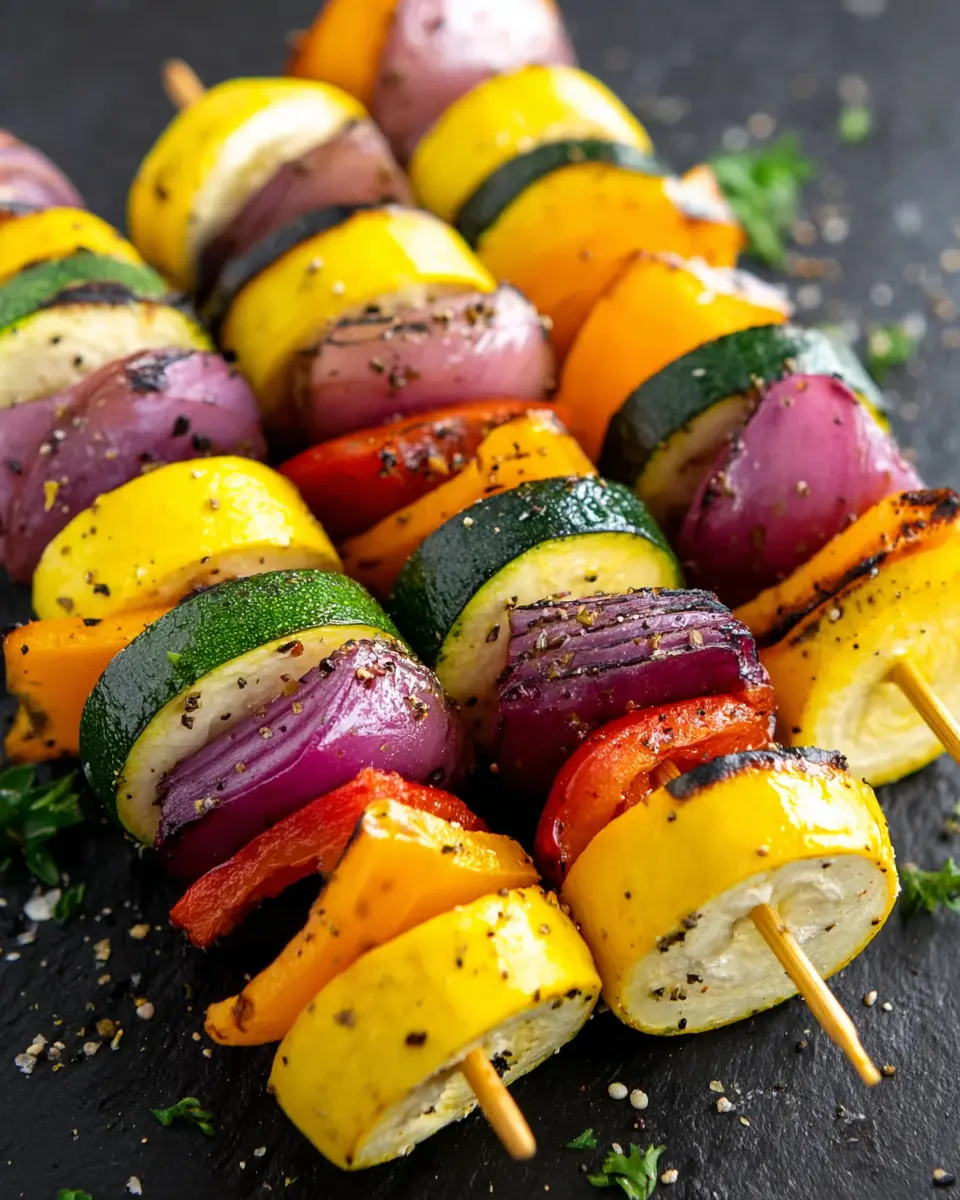
Air fryer veggie kabobs offer a delightful and incredibly convenient way to transform a medley of fresh vegetables into a stunning, flavorful side dish. This recipe focuses on creating tender, lightly roasted vegetables with vibrant colors and appealing textures, all without the need to heat up your entire kitchen, making it perfect for any weeknight meal.
The beauty of these kabobs lies in their versatility and ease of preparation. They seamlessly complement a wide range of main courses, from simple grilled meats to heartier vegetarian options, providing a pop of freshness and a satisfying, wholesome element to any plate. Their approachable nature makes them a go-to for both novice cooks and seasoned chefs looking for a quick, healthy, and delicious addition to their culinary repertoire.
Why You Will Love This Recipe
- Incredibly Quick Preparation: With minimal chopping and a fast air frying time, dinner or a side dish is ready in under 30 minutes, perfect for busy evenings.
- Vibrant Presentation: The colorful assortment of vegetables creates a visually appealing dish that is as beautiful to look at as it is to eat, making meals more exciting.
- Healthy & Wholesome: Packed with a variety of fresh vegetables, these kabobs are a fantastic way to boost your daily nutrient intake in a delicious and enjoyable format.
- Effortless Cooking: The air fryer does most of the work, circulating hot air to achieve a tender interior and lightly roasted exterior without constant monitoring.
- Minimal Cleanup: Using the air fryer and assembling kabobs typically means fewer pots and pans to wash, simplifying your post-meal routine.
Ingredients You Need
The foundation of exceptional veggie kabobs is built upon selecting the freshest, highest-quality produce available. Choosing vibrant, firm vegetables ensures the best flavor and texture development during the cooking process. The simple marinade then elevates these natural flavors, creating a dish that is both light and satisfying. All the specific quantities and precise measurements are detailed within the provided recipe card, ensuring perfect results every time.
Air Fryer Veggie Kabobs
Air fryer veggie kabobs are a quick, beginner-friendly way to turn fresh zucchini, squash, peppers, and onion into a colorful side that comes out tender, lightly roasted, and weeknight-ready without heating up the whole kitchen. These kabobs are the kind of dish that fits almost anywhere. You can serve them beside grilled chicken, add them to a simple rice bowl, or make them part of an easy meatless dinner when you want something light but still satisfying.
- 1 medium zucchini
- 1 medium orange bell pepper
- 1 medium purple onion
- 1 medium yellow squash
- 1 medium red bell pepper
- 1Trim wooden skewers as needed so they fit comfortably inside the air fryer basket. Submerge the skewers in water for 20 minutes before assembling the kabobs to help keep them from scorching during cooking.
- 2As the skewers soak, cut the zucchini and yellow squash into 陆-inch slices. Next, cut the orange bell pepper, red bell pepper, and purple onion into 2-inch pieces so the vegetables cook evenly and are easy to thread.
- 3Remove the skewers from the water and begin arranging the vegetables onto each one, alternating the different varieties in any preferred order. Continue until each skewer is filled with a balanced mix of vegetables.
- 4Place the assembled kabobs into the air fryer basket in a single layer so the heat can circulate properly around them. Cook at 350掳F for 14 minutes, turning the kabobs halfway through the cooking time for even browning and tenderness.
- 5When the vegetables are fully cooked, carefully remove the kabobs from the air fryer. Serve immediately while hot for the best flavor and texture.
Keywords: Air Fryer, Veggie Kabobs, Zucchini, Squash, Bell Pepper, Onion, Healthy, Side Dish, Vegetarian
- zucchini: a medium zucchini provides a tender, slightly sweet base that cooks quickly and absorbs flavors beautifully.
- orange bell pepper: a medium orange bell pepper adds a bright, sweet flavor and a wonderful pop of color to the skewers.
- purple onion: a medium purple onion contributes a gentle sharpness that mellows into sweetness as it roasts, adding depth.
- yellow squash: a medium yellow squash offers a similar soft texture and mild flavor to zucchini, enhancing the kabob’s substance.
- red bell pepper: a medium red bell pepper delivers rich sweetness and a vibrant, eye-catching hue that complements the other vegetables.
Variations
For those following a plant-based lifestyle, transforming these kabobs into a vegan delight is wonderfully simple. Omit any potential non-vegan marinades and instead, toss the vegetables with a generous amount of olive oil, garlic powder, onion powder, smoked paprika, and a pinch of red pepper flakes. Ensure your seasoning blend is robust to create a deeply flavorful profile that stands on its own, proving that vegan meals can be just as exciting and satisfying.
The low-carb enthusiast can easily adapt this recipe by focusing on non-starchy vegetables and perhaps incorporating some protein. Consider swapping out some of the softer vegetables for chunks of broccoli florets, Brussels sprouts (halved), or asparagus spears. A marinade featuring lemon juice, herbs, and a touch of dijon mustard works exceptionally well, keeping the carbohydrate count low while delivering a burst of fresh, tangy flavor.
Adding a protein element can elevate these veggie kabobs into a complete, heartier meal. Cubes of firm tofu, marinated in soy sauce, ginger, and garlic, or even pre-cooked chicken or shrimp can be added to the skewers. Ensure that any added protein cooks in a similar timeframe to the vegetables, or pre-cook it slightly if necessary to achieve perfect tenderness without overcooking the vegetables, making these skewers incredibly adaptable.
How to Prepare Air Fryer Veggie Kabobs
Step 1: Skewer Preparation and Soaking
Begin by ensuring your wooden skewers are appropriately sized for your air fryer basket. If they extend beyond the basket’s confines, it’s essential to trim them down to a manageable length. This prevents the exposed ends from burning or becoming a fire hazard during the high-heat cooking process.
Once trimmed, the next crucial step is to thoroughly soak the wooden skewers in water. A minimum of 20 minutes is recommended, though longer is certainly fine. This soaking period is vital as it allows the wood to absorb moisture, significantly reducing the likelihood of the skewers charring or catching fire in the hot air fryer environment. Well-soaked skewers are much safer and contribute to a more pleasant cooking experience.
The Importance of Soaking: This simple step is often overlooked but is paramount for safety and presentation. Scorched skewers can impart an unpleasant flavor to your food and are a clear visual indicator that they weren’t adequately prepared. Taking the time to soak them ensures a clean cook and helps maintain the integrity of your beautiful veggie kabobs.
Step 2: Vegetable Preparation and Cutting
While your skewers are undergoing their water bath, turn your attention to preparing the star ingredients: the vegetables. Start by washing all your chosen produce thoroughly under cool running water. This ensures any dirt or residual pesticides are removed, leaving you with clean, ready-to-cook vegetables.
Next, it’s time to cut the zucchini and yellow squash into uniform, relatively thick rounds. Aim for slices that are about half an inch thick. This thickness is ideal because it allows the squash to become tender and slightly roasted without turning mushy or falling apart on the skewer. Uniformity in thickness is key for even cooking across all the vegetables.
The bell peppers and purple onion should then be cored, seeded, and cut into larger, bite-sized chunks, approximately 2 inches in size. These larger pieces help ensure they cook at a similar rate to the squash rounds and also prevent them from slipping off the skewers during handling and cooking. The goal is to have pieces that are substantial enough to thread easily and hold their shape.
Step 3: Assembling the Kabobs
With your vegetables prepped and your skewers ready, the fun of assembling begins. Carefully thread the cut vegetables onto the soaked wooden skewers. The key here is to alternate the different types and colors of vegetables to create visually appealing and balanced kabobs. Aim for a vibrant mix of colors in each skewer.
Try to keep the size of the vegetable pieces as consistent as possible as you thread them. This not only contributes to a more attractive presentation but, more importantly, ensures that each piece of vegetable on the skewer will cook evenly. Overlapping or tightly packing the vegetables too much can create steam pockets, hindering the roasting process.
Visual Appeal Matters: Don’t be afraid to get creative with your patterns. A common and attractive arrangement involves alternating between a piece of zucchini, bell pepper, onion, yellow squash, and another bell pepper. This systematic approach ensures a beautiful array of colors and textures in every bite and on every skewer, making the dish a feast for the eyes as well as the palate.
Step 4: Arranging in the Air Fryer Basket
Once your kabobs are fully assembled, it’s time to arrange them in the air fryer basket. It’s crucial to place the kabobs in a single layer, ensuring that they are not touching or overlapping each other. This allows for optimal air circulation around each individual skewer.
Proper airflow is the secret to achieving that desirable roasted texture rather than a steamed one. If you pack the basket too tightly, the hot air cannot reach all surfaces of the vegetables, leading to uneven cooking and a less appealing, softer consistency. Think of it like grilling; you need space between items for the heat to do its job effectively.
Batch Cooking Recommendation: If your air fryer basket is on the smaller side, it is always better to cook in batches rather than attempting to overcrowd the appliance. Sacrificing a few extra minutes for cooking in multiple smaller batches will yield far superior results in terms of texture and flavor. This ensures every batch gets the same excellent treatment from the circulating hot air.
Step 5: Air Frying to Perfection
Now, set your air fryer to the recommended temperature and cooking time. For these veggie kabobs, a temperature of 350°F (175°C) for approximately 14 minutes is ideal. This temperature is hot enough to promote roasting and caramelization without burning the vegetables too quickly.
To ensure even cooking and browning on all sides of the vegetables, it is essential to turn the kabobs halfway through the cooking cycle. After about 7 minutes, carefully remove the air fryer basket, and using tongs or a spatula, flip each skewer over. This simple step makes a significant difference in the final appearance and texture of your kabobs.
Signs of Doneness: The vegetables are ready when they are tender to the bite and have developed attractive, lightly browned edges. This indicates that they have been properly roasted and have reached their peak flavor and texture. The vibrant colors should remain, but with a slightly deeper hue from the caramelization.
Step 6: Serving and Enjoyment
As soon as the cooking cycle is complete and your vegetable kabobs have achieved that perfect tender-crisp texture with delightful roasted edges, it’s time to serve them. These kabobs are best enjoyed immediately while they are piping hot. The warmth enhances their natural sweetness and brings out the full depth of their roasted flavors.
The Peak of Flavor: Serving them straight from the air fryer ensures that the vegetables retain their optimal texture – soft enough to be easily pierced, yet with a satisfying, slight bite. This is when the flavors are most vibrant, and the roasted notes are at their most pronounced, making the entire dish incredibly appetizing and a pleasure to eat.
A Versatile Culinary Companion: These air fryer veggie kabobs are designed to be a versatile accompaniment to a wide array of dishes. Their fresh, wholesome taste and beautiful presentation make them an ideal partner for grilled meats, fish, or even as a centerpiece for a lighter vegetarian meal. Their adaptability makes them a staple for any home cook looking to add a healthy and delicious side.
Pro Tips for Air Fryer Veggie Kabobs
Even Sizing is Key: Strive for uniformity in your vegetable cuts. When all your zucchini, squash, peppers, and onions are cut into similarly sized pieces, they will cook at virtually the same rate. This consistency ensures that no single vegetable becomes overcooked and mushy while another remains stubbornly underdone, leading to a perfectly balanced texture throughout your kabobs.
Don’t Overcrowd the Basket: This is perhaps the most critical tip for air fryer success. Overcrowding the air fryer basket prevents the hot air from circulating freely around the kabobs. Instead of roasting, the vegetables will steam, resulting in a softer texture and less desirable flavor. Always aim for a single layer with a little breathing room between each skewer.
Embrace Batch Cooking: If your air fryer is smaller, or you’re making a larger quantity, do not hesitate to cook in batches. It’s far better to cook in two or three smaller loads than to stuff the basket to its limit for one go. This dedication to proper cooking conditions will reward you with superior kabobs every time, ensuring they achieve that perfect roasted finish.
Consider Marinades for Extra Flavor: While the vegetables are delicious with just a light coating of oil and seasoning, don’t shy away from a simple marinade. A quick toss in olive oil, lemon juice, garlic, and your favorite herbs (like oregano or thyme) before assembling can infuse the vegetables with even more complex and enticing flavors, elevating your kabobs to a new level of deliciousness.
Serving Suggestions for Air Fryer Veggie Kabobs
Decoration
To truly elevate the presentation of your air fryer veggie kabobs, a few simple decorative touches can make a significant impact. A light drizzle of balsamic glaze just before serving adds a touch of elegance and a complementary tangy-sweet flavor that pairs beautifully with the roasted vegetables. The dark, glossy glaze contrasts nicely with the vibrant colors of the produce.
Freshly chopped herbs, such as parsley, chives, or cilantro, sprinkled generously over the finished kabobs offer a burst of color and a fresh, aromatic finish. These finely chopped greens provide a visually appealing contrast and add a delicate, herbaceous note that awakens the palate. A small sprig of rosemary or thyme placed artfully on the platter can also enhance the rustic charm.
Consider serving the kabobs on a bed of fluffy couscous or vibrant quinoa. This not only provides a complementary base for the vegetables but also adds another layer of texture and visual interest to the entire presentation. The grains can absorb any delicious juices that might render from the vegetables, making each bite more flavorful.
Side Dishes
These colorful veggie kabobs are exceptionally versatile and pair wonderfully with a wide array of main courses. For a light and healthy meal, serve them alongside grilled chicken breast, baked salmon, or pan-seared tofu. The fresh, roasted flavors of the vegetables beautifully complement leaner proteins, adding a wholesome element without overpowering the main dish.
They also make a fantastic addition to grain bowls or can be served as a vibrant side dish for barbecue fare. Imagine them alongside pulled pork, ribs, or even a simple burger. Their bright colors and fresh taste provide a welcome contrast to richer, heartier flavors, creating a balanced and satisfying meal experience that is sure to impress.
For a more substantial vegetarian or vegan meal, consider pairing the kabobs with a hearty lentil stew, a creamy risotto, or a flavorful chickpea salad. The robust nature of these dishes provides a perfect counterpoint to the lighter, fresher profile of the vegetable kabobs, creating a well-rounded and complete culinary offering that appeals to a variety of palates.
Creative Serving Ideas
Transform these kabobs into a delightful appetizer by serving them on individual small plates or a platter, perhaps with a side of hummus or a creamy yogurt-based dip. The ease of eating them directly from the skewer makes them perfect for parties and gatherings, allowing guests to mingle and enjoy a healthy, flavorful bite without utensils.
For a fun and engaging family meal, create a “build-your-own” bowl station. Offer the veggie kabobs alongside cooked grains like rice or quinoa, a protein of choice (e.g., grilled chicken, shrimp, or falafel), and various toppings like feta cheese, a drizzle of tahini sauce, or pickled onions. This allows everyone to customize their meal according to their preferences.
Consider deconstructing the kabobs and tossing the vegetables with a light vinaigrette and some crumbled feta or goat cheese for a vibrant salad. The warm, roasted vegetables will wilt slightly, creating a delicious texture contrast with the crisp greens and creamy cheese. This innovative approach turns a simple side dish into a standalone, flavorful salad that is both healthy and satisfying.
Preparation & Storage
Storing Leftovers
Leftover air fryer veggie kabobs can be stored effectively to maintain their quality for a few days. The most recommended method is to place them in an airtight container and keep them refrigerated. For optimal results and easier packing, consider removing the vegetables from the skewers before storing them, as this can make fitting them into containers more manageable and prevent them from shifting around too much.
When storing, ensure the container is truly airtight to prevent the vegetables from drying out or absorbing any unwanted odors from other foods in the refrigerator. Properly stored, these leftover kabobs can remain a delicious and convenient option for meals up to four days after their initial preparation, offering flexibility in your meal planning.
Maximizing Freshness: If you anticipate having leftovers, it’s sometimes advisable to cook the kabobs just slightly less than you normally would, especially if you plan on reheating them. This can help prevent them from becoming overly soft or mushy once reheated, preserving a more desirable texture.
Freezing
While these veggie kabobs are best enjoyed fresh, freezing is a viable option for longer-term storage, particularly if you’ve made an abundant batch and wish to preserve them. It’s important to note that the texture of certain vegetables, like zucchini and squash, may soften considerably upon thawing due to their high water content, which can affect the overall mouthfeel.
To freeze, allow the cooked kabobs to cool completely. Then, transfer them to a freezer-safe container or heavy-duty freezer bags, ensuring they are well-sealed to prevent freezer burn. Properly frozen, they can retain their quality for up to one month. It’s crucial to manage expectations regarding texture post-thawing, as they may be softer than when freshly cooked.
Best for Certain Uses: Frozen and thawed veggie kabobs might be best repurposed into dishes where their softer texture is less noticeable, such as in soups, stews, or blended into sauces, rather than being served as a standalone side dish. This allows you to still enjoy the flavors without the textural compromise.
Reheating
When it’s time to enjoy your leftover veggie kabobs, reheating them in the air fryer is the most effective method to restore some of their original roasted appeal. Place the kabobs back into the air fryer basket and cook them at approximately 350°F (175°C) for about 3 to 5 minutes, just until they are heated through. This method helps to revive the tender texture and a hint of that desirable roasted quality.
Alternatively, you can reheat them in a conventional oven. Arrange the kabobs on a baking sheet and place them in a preheated oven at around 350°F (175°C) for a similar duration, 5 to 7 minutes, until warmed. While the microwave can be used for a quick warm-up, it tends to make the vegetables much softer and can lose the roasted char, so it’s generally the least preferred option for texture.
Achieving Best Results: For the most satisfying reheat, avoid overcooking. The goal is simply to warm the vegetables through, not to cook them further. Overheating will inevitably lead to a mushier consistency, diminishing the delightful texture achieved in the initial air frying process.
Frequently Asked Questions
-
Can I use different vegetables on the kabobs?
Absolutely! The beauty of these air fryer veggie kabobs lies in their versatility. Feel free to experiment with a wide array of vegetables that cook relatively quickly. Excellent additions include cherry tomatoes, chunks of broccoli or cauliflower florets, asparagus spears, mushrooms, or even pieces of firm tofu or halloumi cheese for a vegetarian protein boost. The key is to cut vegetables into similar, bite-sized pieces to ensure they cook evenly. Softer vegetables like cherry tomatoes might require larger cuts or slightly less cooking time, while denser vegetables like broccoli might benefit from being cut slightly smaller or par-cooked briefly before assembling.
-
How do I prevent the vegetables from falling off the skewers?
Preventing vegetables from falling off the skewers involves a combination of proper cutting techniques and careful assembly. Ensure your vegetable pieces are large enough to securely thread onto the skewer, ideally about 1 to 1.5 inches in size for most vegetables. Avoid cutting them too small, as these pieces are more prone to slipping off. When threading, push the vegetables down snugly against each other, creating a compact skewer that holds its form. If you’re using softer vegetables like zucchini rounds, you can slightly overlap them or thread them close together to provide more stability. For very firm vegetables, gently pressing them onto the skewer can help them hold better. Finally, handle the assembled kabobs with care during the cooking and serving stages to minimize any disturbance that could cause them to dislodge.
-
What temperature and how long should I cook them for if my air fryer is different?
Air fryer models can vary significantly in their heating element intensity and air circulation patterns, which can affect cooking times. The recommended 350°F (175°C) for 14 minutes, with a flip halfway, is a great starting point for many standard air fryers. If you find your vegetables are not tender enough or are not developing the desired roasted color after this time, increase the cooking time in increments of 2-3 minutes and check for doneness. Conversely, if you notice charring or burning before the vegetables are tender, reduce the temperature slightly to around 325°F (160°C) and potentially extend the cooking time, or ensure you are not overcrowding the basket. It’s always a good practice to monitor your kabobs closely, especially when using an appliance for the first time, and adjust as needed based on visual cues and your desired texture.