Easy Fresh Ginger Tea for Delicious Comfort and Wellness
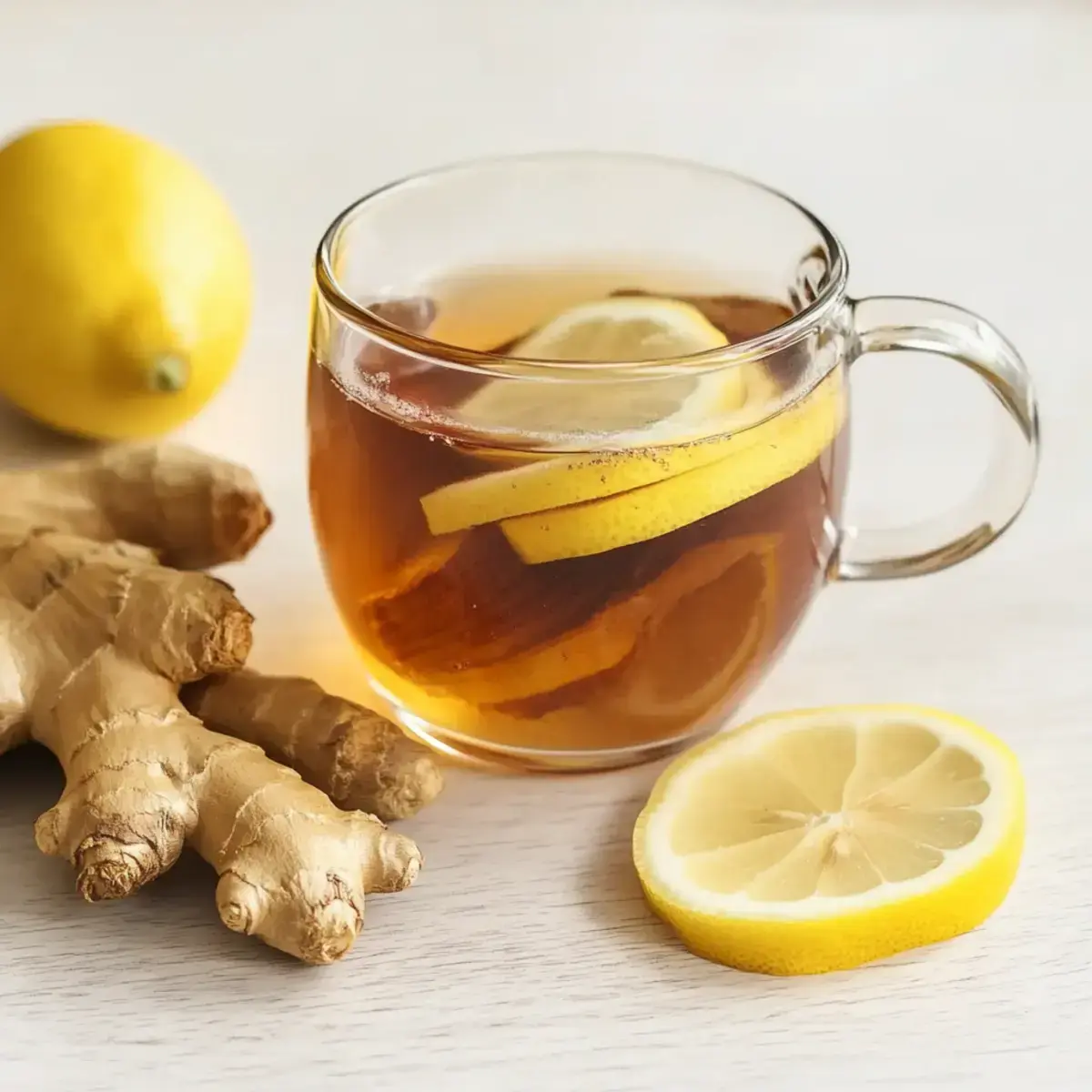
As I sat sipping a cup of steaming fresh ginger tea, the warmth enveloped me like a cozy embrace. This invigorating drink is not just a treat for the senses; it’s a simple yet powerful remedy that can bolster your wellness journey.
With benefits for digestion and immune support, fresh ginger tea has become my go-to beverage, perfect for any time of year. You’ll be delighted to know that it’s incredibly easy to make and allows for endless variations, from zesty Ginger Turmeric Tea to refreshing Ginger Mint Tea. Whether you’re seeking comfort on a chilly day or a soothing drink after a meal, this homemade treasure is sure to become a routine favorite in your kitchen. Curious about how to brew your own? Let’s dive into the aromatic world of fresh ginger tea!
Why You Will Love This Recipe
- Comforting Warmth: There’s nothing like sipping a steaming cup of fresh ginger tea to warm your soul and soothe your senses on a cool evening or a chilly morning. It’s a hug in a mug.
- Wellness Booster: Packed with digestive and immune benefits, this tea is your perfect companion for enhancing overall health and well-being. It’s a natural elixir for your body.
- Endless Variations: From Ginger Turmeric Tea to refreshing Ginger Mint Tea, you can tailor this recipe to match your mood or specific health needs. The possibilities are truly limitless.
- Easy to Make: With just a few simple ingredients, you can brew up a delightful and healthy beverage without any fuss, making it perfect for even the busiest home chefs. Simplicity at its finest.
- Aromatic Flavors: The combination of zesty ginger with honey and lemon creates a wonderfully fragrant experience that elevates your simple tea time into a luxurious ritual. It engages all your senses.
Ingredients You Need
The foundation of truly exceptional fresh ginger tea lies in the quality of its ingredients. Opting for the freshest ginger root available will undoubtedly yield the most vibrant and potent flavor, translating into a truly satisfying brew. Similarly, using fresh lemon juice and good quality honey can elevate the simple act of making tea into a delightful culinary experience.
Fresh Ginger Tea for Cozy Comfort and Wellness Boost
Enjoy a cozy cup of fresh ginger tea, a delightful beverage to boost your wellness and comfort. This invigorating drink is not just a treat for the senses; it’s a simple yet powerful remedy that can bolster your wellness journey. With benefits for digestion and immune support, fresh ginger tea has become a go-to beverage, perfect for any time of year. You’ll be delighted to know that it’s incredibly easy to make and allows for endless variations.
- 1 to 2 inches Fresh Ginger (sliced or grated)
- 2 cups Water (for boiling)
- 1 tbsp Raw Honey (to taste)
- 1 tbsp Lemon Juice (freshly squeezed, to taste)
- Optional Variations: ½ to 1 inch Fresh Turmeric, 1 cup Sliced Apples, 1 Cinnamon Stick, 1 to 2 stalks Lemongrass (crushed), 1 handful Fresh Mint Leaves
- 1Start by peeling and slicing or grating 1 to 2 inches of fresh ginger root.
- 2In a medium-sized saucepan, bring 2 cups of water to a rolling boil.
- 3Carefully add the sliced or grated ginger to the boiling water, stirring gently.
- 4Allow the ginger to steep for 5 to 20 minutes, depending on desired strength.
- 5Once infused, stir in raw honey and freshly squeezed lemon juice to taste.
- 6For a clearer tea, strain the mixture; else serve as is.
Keywords: ginger tea, herbal tea, wellness, healthy drink, natural remedy, comfort drink, easy recipe, digestion aid, immune support, turmeric, mint, lemongrass
- fresh ginger: 1 to 2 inches, sliced or grated, for that core spicy flavor.
- water: 2 cups, for boiling and infusing.
- raw honey: 1 tbsp, to taste, adding a delightful hint of natural sweetness.
- lemon juice: 1 tbsp, freshly squeezed, to taste, for a bright citrusy finish.
Quantities for variations and additional ingredients are detailed within the recipe card.
Variations
To elevate your fresh ginger tea experience, consider infusing it with additional ingredients that complement ginger’s natural warmth and health-promoting properties. These variations offer a spectrum of flavors and benefits, transforming a simple tea into a personalized wellness beverage.
The classic pairing of ginger with turmeric creates a potent elixir. Add about half an inch to a full inch of fresh turmeric root, peeled and sliced or grated, alongside the ginger. This duo is celebrated for its anti-inflammatory and antioxidant qualities, offering an earthy, robust flavor profile that is both invigorating and soothing. It’s a fantastic choice for boosting your immune system during colder months.
For a naturally sweet and comforting twist, introduce sliced apples and a cinnamon stick into your brewing water. The apples will lend a subtle sweetness and a hint of fruitiness, while the cinnamon stick infuses a warm, aromatic depth. This combination evokes the cozy feeling of autumn and is perfect for a relaxing afternoon treat.
Embracing a lighter, more citrus-forward profile, crushing a stalk or two of lemongrass and adding it to the steeping ginger introduces a refreshing aroma and a delicate lemony note. This variation is particularly delightful on warmer days, offering a crisp and invigorating sip that cleanses the palate beautifully. It transforms the tea into a wonderfully aromatic and light beverage.
For a cooling and digestive aid, a handful of fresh mint leaves can be added during the final steeping minutes. This creates a wonderfully refreshing Ginger Mint Tea, perfect for soothing an upset stomach or simply enjoying as a revitalizing drink. The bright, clean flavor of mint cuts through the ginger’s spice, creating a balanced and incredibly pleasant sensory experience.
How to Prepare fresh ginger tea
Step 1: Prepare the Ginger
Begin this delightful process by carefully preparing your fresh ginger root. You’ll want to peel about 1 to 2 inches of the ginger using a spoon or a peeler, whichever you find most efficient and comfortable. Once peeled, you have a choice: slice it thinly or grate it finely. Slicing allows for a more gradual infusion, while grating exposes more surface area, leading to a bolder, spicier kick. The key is to aim for relatively thin pieces or a fine texture to maximize the extraction of ginger’s potent oils and flavors into your water. This initial step is crucial for unlocking the full aromatic potential of your tea.
Set your meticulously prepared ginger aside momentarily. This short pause allows you to focus on the next essential element of your brew. Having the ginger ready ensures a seamless transition into the boiling phase, maintaining the momentum of your culinary creation. The visual appeal of the freshly cut or grated ginger is also a pleasant precursor to the aromatic steam that will soon fill your kitchen.
Step 2: Boil the Water
The next vital stage involves bringing your water to a vigorous boil. Select a medium-sized saucepan and pour in approximately 2 cups of fresh, clear water. Place the saucepan over high heat and bring the water to a full, rolling boil. You’ll recognize this stage by the rapid and energetic bubbling that rises from the bottom of the pan to the surface. Using clear water not only ensures a clean taste but also provides a visual cue for when the water has reached the optimal temperature for infusion. Careful temperature control is important to ensure the water is hot enough to extract the ginger’s essence effectively.
Maintain the high heat to ensure the water stays at a rolling boil as you prepare to add your ginger. This intense heat is what facilitates the swift and efficient release of ginger’s beneficial compounds and aromatic oils. Once the water is bubbling vigorously, you are perfectly poised to introduce the prepared ginger, initiating the crucial infusion process. This step is the gateway to unlocking the full flavor and aroma of your homemade ginger tea.
Step 3: Infuse the Ginger
With your water at a rolling boil and your ginger prepped, it’s time to combine them and begin the infusion process. Carefully add the sliced or grated fresh ginger into the bubbling water. Give it a gentle stir to ensure the ginger is well submerged and to facilitate even extraction of its flavors. Now comes the waiting game, but it’s a delightful one, as the aroma begins to fill your kitchen. You can let the ginger steep in the hot water for anywhere from 5 to 20 minutes, depending entirely on how strong you desire your ginger tea to be.
For a subtly flavored tea that offers a gentle hint of ginger, a shorter steeping time of about 5 to 7 minutes is ideal. If you’re aiming for the classic, robust flavor that is characteristic of traditional ginger tea, let it simmer and infuse for a more substantial 10 to 15 minutes. For those who truly adore the potent, zesty kick of ginger, allowing it to steep for a full 20 minutes will yield a profoundly strong and invigorating beverage. The longer the infusion, the more intense the ginger notes will become.
Step 4: Sweeten and Brighten
Once your ginger has infused to your preferred intensity, it’s time to refine the flavor profile of your tea. Carefully remove the saucepan from the heat source to prevent further intense boiling, which could alter the delicate flavors. Now, introduce your sweeteners and brightening agents. Stir in your chosen amount of raw honey, allowing it to dissolve completely. Taste the tea as you go; honey offers a natural sweetness that perfectly complements the ginger’s spice. Following the honey, add freshly squeezed lemon juice to taste.
The fresh lemon juice is crucial for adding a bright, zesty tang that cuts through the richness of the ginger and honey, creating a beautifully balanced cup. Adjust the quantities of both honey and lemon until the flavor profile sings to your palate. This personalized touch is what transforms a simple infusion into a truly delightful and refreshing beverage, tailored precisely to your liking. This step ensures your ginger tea is not only flavorful but also perfectly balanced.
Step 5: Serve or Store
With your perfectly brewed and seasoned ginger tea ready, it’s time to enjoy it. For a clearer, smoother drinking experience, you can strain the mixture through a fine-mesh sieve directly into your favorite mug or serving vessel. This removes all the ginger pieces, leaving you with a pristine liquid. However, if you appreciate the rustic texture and want to savor all the fibrous goodness of the ginger, you can certainly skip this straining step and enjoy all the ginger bits in your cup.
Serve your fresh ginger tea immediately while it’s piping hot for the ultimate comforting experience, especially on a cool day. Alternatively, for a wonderfully refreshing beverage, allow the tea to cool down and then pour it over a generous amount of ice for a delightful cold drink. If you find yourself with any leftovers, simply pour the cooled tea into a clean, airtight jar or container and store it in the refrigerator. Properly stored, your homemade ginger tea should remain fresh and flavorful for up to 3 days, ready for you to reheat or enjoy chilled.
Pro Tips for fresh ginger tea
Choose the Freshest Ginger: For the most vibrant flavor and maximum health benefits, always opt for fresh ginger root. Dried ginger powder simply cannot replicate the zesty punch and aromatic complexity of its fresh counterpart. Look for firm, smooth roots with a thin, tan skin.
Adjust Strength Wisely: The beauty of homemade ginger tea is its customizability. Control the strength by adjusting the amount of ginger you use and the duration of the simmering time. If you prefer a milder flavor, use less ginger or shorten the steeping period; for a stronger brew, do the opposite.
Peeling is Optional: While peeling ginger can create a cleaner, more refined taste, it’s not an absolute necessity. Leaving the skin on can add extra nutrients and contribute to a more rustic, earthy flavor profile. Just ensure the skin is thoroughly washed if you choose to leave it on.
Embrace Variations: Don’t hesitate to experiment by blending in other ingredients like fresh turmeric, lemongrass, or mint. These additions can create delicious and unique variations, such as Ginger Turmeric Tea or Ginger Mint Tea, each offering its own set of delightful flavors and health advantages.
Taste Before Serving: Always take a moment to taste your tea before you serve it. A small adjustment, like a touch more honey for sweetness or a squeeze of lemon for acidity, can elevate the flavors and ensure the final cup is perfectly customized to your liking. This small step ensures perfection.
Serving Suggestions for fresh ginger tea
Decoration
For a visually appealing presentation that matches its delightful taste, consider garnishing your fresh ginger tea. A thin slice of fresh ginger floated on top adds an aromatic flourish and a visual cue to the tea’s star ingredient. A delicate curl of lemon zest or a fresh mint sprig can also provide a burst of color and an extra hint of fragrance.
Side Dishes
The warm, zesty notes of ginger tea pair beautifully with a variety of culinary companions. Consider serving it alongside light, flaky pastries like scones or muffins that have a hint of spice. Alternatively, a simple fruit salad featuring citrus fruits and berries can offer a refreshing counterpoint to the tea’s warmth. For a more substantial pairing, a bowl of spiced oatmeal or a simple shortbread cookie makes for a comforting combination.
Creative Serving Ideas
Beyond the standard mug, think outside the box for a memorable tea experience. Serve chilled ginger tea in elegant glasses over crushed ice with a sprig of mint for a sophisticated summer cooler. For a festive touch, rim the glasses with sugar or a blend of cinnamon and sugar. You could even use the tea as a base for a non-alcoholic mulled drink, gently warming it with additional spices like star anise or cloves.
Preparation & Storage
Storing Leftovers
Should you find yourself with leftover fresh ginger tea, its freshness can be easily preserved. Allow the tea to cool completely before transferring it to a clean, airtight container. Store it in the refrigerator, where it will maintain its delightful flavor for up to three days. Ensure the container is tightly sealed to prevent any absorption of ambient odors.
Freezing
For longer-term storage and convenience, freezing your fresh ginger tea is an excellent option. Once the tea has cooled, pour it into ice cube trays. Once frozen solid, transfer the ginger tea ice cubes to a freezer-safe bag or container. This allows you to have portions of ginger tea ready to be thawed and enjoyed whenever the craving strikes, preserving its quality for up to three months.
Reheating
To enjoy your stored or frozen fresh ginger tea, reheating is simple and effective. Gently warm the tea on the stovetop over low to medium heat, stirring occasionally to ensure even heating. Alternatively, you can reheat it in the microwave in short intervals until it reaches your desired temperature. It’s best to avoid bringing the tea to a vigorous boil when reheating, as this can diminish its delicate flavors.
Frequently Asked Questions
-
How do I select the best fresh ginger for my tea?
When selecting fresh ginger, look for roots that feel firm and heavy for their size, with smooth, taut skin that is free from wrinkles, soft spots, or any signs of mold. The skin should be a clean tan color. Give the ginger a gentle squeeze; it should feel solid and not yield to pressure. A good sniff test can also be helpful; fresh ginger will have a pungent, spicy aroma. Avoid any roots that appear shriveled or feel hollow, as these are likely old and will lack the potent flavor you desire for your tea.
-
How long can I store leftover fresh ginger tea?
Properly stored, your homemade fresh ginger tea will remain at its best for up to three days when kept in an airtight container in the refrigerator. This storage method helps to maintain the integrity of the ginger’s volatile oils and the freshness of the added lemon and honey. For optimal flavor, it’s recommended to consume it within this timeframe. If you notice any off-smells or changes in appearance, it’s best to discard it.
-
Can I freeze fresh ginger tea for later use?
Absolutely! Freezing is a fantastic method for preserving fresh ginger tea for an extended period. After allowing the brewed tea to cool completely, pour it into ice cube trays and freeze until solid. Once the cubes are firm, transfer them to a freezer-safe bag or container. This allows you to easily grab a cube or two whenever you want a quick, warming cup. Frozen ginger tea cubes can last for up to three months, retaining their flavor and potency when stored correctly.