Salmon with Mango Salsa
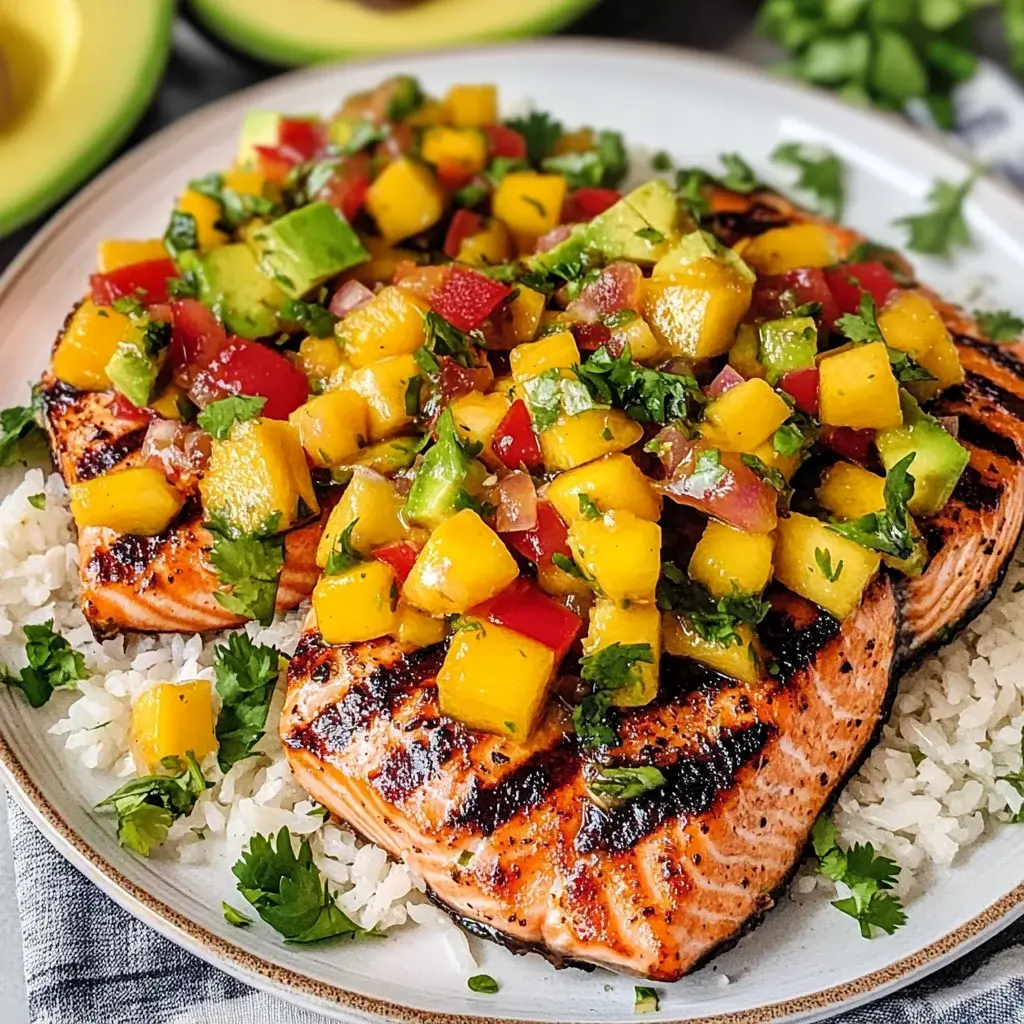
There is something truly magical about the combination of perfectly seared, buttery salmon and a zesty, fruit-forward salsa. This salmon with mango salsa recipe brings a vibrant, tropical flair to your table that is guaranteed to impress both family and friends. It is one of those rare dishes that feels incredibly sophisticated yet remains remarkably approachable for even the most novice home cook.
Whether you are planning a relaxed backyard barbecue or a quick, healthy weeknight dinner, this meal offers the perfect balance of flavors. The richness of the fish is expertly cut through by the bright, acidic notes of the fresh mango, creating a harmonious bite every single time. Dive into this guide to master a dish that celebrates fresh, wholesome ingredients in every mouthful.
Why You Will Love This Recipe
- Quick Preparation: You can have this gourmet-style meal ready to serve in under 30 minutes, which is perfect for busy schedules.
- Flavorful Twist: The natural sweetness of the mango provides a stunning contrast to the smoky, savory spices used to season the salmon.
- Versatile Serving: This dish transitions perfectly from a refined plated dinner to casual fish tacos or a fresh salad topper.
- Healthy Choice: Packed with omega-3 fatty acids and vibrant antioxidants, this recipe is as nourishing as it is delicious.
- Customizable Heat: You have full control over the spice levels, allowing you to tailor the jalapeño content to suit your personal palate.
Ingredients You Need
To achieve the best possible flavor, always prioritize high-quality, fresh produce and sustainably sourced seafood. The quality of your mango and the freshness of your salmon will be the defining factors in the final result. Detailed measurements for all the items listed below can be found in our comprehensive dinner collection.
Salmon with Mango Salsa
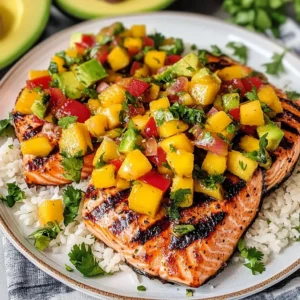
This Salmon with Mango Salsa recipe is a vibrant and refreshing dish that perfectly balances sweet and spicy flavors, ideal for any occasion. The flaky salmon, marinated with a zesty blend of lime and spices, complements the bright mango salsa made with fresh ingredients.
- 4 salmon filets (4-6 ounces each)
- 2 tablespoons soy sauce or coconut aminos
- 1 tablespoon maple syrup or brown sugar
- 2 tablespoons olive oil
- 2 tablespoons lime juice (about 1 lime)
- 2 cloves crushed garlic (or 1 teaspoon garlic powder)
- 1/2 teaspoon kosher salt
- 2 teaspoons Tajin
- 1 teaspoon paprika
- 1 teaspoon chili powder
- 1 large ripe avocado (diced)
- 1 large mango (diced)
- 1/2 red bell pepper (diced small)
- 2 tablespoons chopped cilantro
- 1/2 jalapeño (seeded and minced)
- 1/4 cup finely diced red onion
- 2 tablespoons fresh lime juice (about 1 lime)
- 1/2 teaspoon kosher salt (plus more to taste)
- 1Marinate the Salmon: In a mixing bowl, whisk together soy sauce, olive oil, maple syrup, lime juice, garlic, and spices. Add the salmon filets to coat. Cover and refrigerate for at least 20 minutes.
- 2Prepare the Mango Salsa: While the salmon marinates, chop the avocado, mango, red bell pepper, cilantro, jalapeño, and red onion. Mix in a bowl with lime juice and salt to taste.
- 3Cook the Salmon: Preheat grill or oven to medium-high heat (400-450°F). Grill salmon for about 8 minutes until cooked through.
- 4Serve: Top grilled salmon with fresh mango salsa and enjoy!
Keywords: Salmon, Mango Salsa, Healthy, Gluten-free, Seafood, Grilling
- salmon filets: fresh, skin-on or skinless portions are ideal for even cooking.
- soy sauce: provides a deep, umami-rich base for the marinade.
- maple syrup: adds a subtle sweetness that helps caramelize the fish during cooking.
- olive oil: helps to keep the salmon moist and aids in heat distribution.
- lime juice: essential for brightening the overall flavor profile.
- garlic: brings a pungent, savory aroma that balances the sweetness.
- tajin: a unique chili-lime seasoning that adds a signature kick.
- paprika and chili powder: provide depth, color, and a gentle earthy heat.
- ripe mango: the star of the salsa, providing a luscious, sweet texture.
- avocado: adds a creamy element that rounds out the acidity of the lime.
- red bell pepper: gives the salsa a satisfying, crisp crunch.
- cilantro: adds a fresh, herbaceous note that is classic in tropical salsas.
- jalapeño: provides a subtle heat that cuts through the richness of the avocado.
- red onion: offers a sharp, pungent bite that balances the sweet fruit.
Please note that exact quantities for every ingredient are outlined clearly within the recipe card above. Ensure you have all these items prepped and measured before you begin the cooking process to guarantee a stress-free experience.
Variations
Vegan Adaptation: If you prefer a plant-based version, simply replace the salmon with firm tofu steaks or grilled cauliflower florets. The marinade works beautifully with these options and absorbs the savory spices just as effectively.
Low Carb Lifestyle: To keep this dish strictly keto or low-carb, omit the maple syrup from the marinade entirely. You can substitute it with a keto-friendly sweetener or simply rely on the natural richness of the olive oil and soy sauce blend.
Tropical Fruit Fusion: Feel free to experiment with the salsa by incorporating other seasonal fruits like diced pineapple, peaches, or even kiwi. These variations offer a unique twist on the classic mango base while maintaining that bright, refreshing character essential to the dish.
How to Prepare salmon with mango salsa
Step 1: Marinate the Salmon
Begin by selecting a shallow glass dish or a mixing bowl for the marination process. Whisk together the soy sauce, olive oil, maple syrup, lime juice, minced garlic, and the spice blend until everything is thoroughly incorporated. Ensure the salt is well-distributed so that every portion of the fish receives the same level of seasoning.
Gently place the salmon filets into the marinade, ensuring they are coated on all sides. Allow the fish to rest in the refrigerator for at least twenty minutes; this time is vital for the proteins to absorb the savory flavors. If your schedule allows, marinating for up to an hour can further enhance the depth of the finished dish.
While the salmon is soaking up those delicious spices, take a moment to organize your workspace for the salsa preparation. Clean your knife and cutting board to avoid cross-contamination between the raw fish and the fresh produce. Efficiency in the kitchen is key to a relaxing cooking experience.
Step 2: Prepare Coconut Rice (Optional)
If you have decided to serve this dish with a side of coconut rice, now is the perfect time to start. Rinse your rice thoroughly under cold water until it runs clear to ensure a fluffy texture. Combine the rice with coconut milk and a pinch of salt in a small saucepan, bringing it to a gentle simmer.
Cover the pot tightly with a lid and reduce the heat to the lowest possible setting. Let the rice steam quietly while you finalize the remaining components of your meal. This side dish provides a luxurious, creamy contrast to the zesty nature of the mango salsa and the savory, spiced salmon.
Check the rice periodically to ensure the liquid has been fully absorbed without burning the bottom. Once the grains are tender and the aroma is fragrant, remove it from the heat and fluff it gently with a fork. Keep it covered until you are ready to plate, ensuring it stays warm and moist.
Step 3: Make the Mango Salsa
Carefully dice your ripe mango and avocado into uniform, bite-sized cubes for the best visual appeal. Finely chop the red onion, red bell pepper, and fresh cilantro to ensure a consistent texture in every single spoonful. Removing the seeds and ribs from the jalapeño before mincing will help control the spice level effectively.
Combine all of the diced ingredients in a large, clean mixing bowl. Squeeze the fresh lime juice over the top, which acts as both a seasoning and a preservative to keep the avocado from browning. Sprinkle a little salt over the mixture and fold it gently with a silicone spatula to combine the colors.
Taste a small portion of the salsa and adjust the seasonings if necessary. If you desire more acidity, add another squeeze of lime juice; if it needs a savory lift, add a touch more salt. Set the bowl aside in a cool place, allowing the flavors to meld together while you prepare to cook the fish.
Step 4: Preheat and Clean the Grill
Properly preparing your cooking surface is the secret to getting a perfect sear without the salmon sticking to the grates. Ensure your grill is preheated to a medium-high temperature, ideally between 400°F and 450°F. This heat level is essential for creating that desirable crust on the exterior of the fish.
Once the grill is hot, use a wire brush to scrub away any charred debris from previous cooking sessions. Fold a paper towel into a small, thick pad and dip it into a little bit of high-smoke-point oil. Carefully wipe the grates with the oiled paper towel using long-handled tongs to create a non-stick surface.
Repeat this oiling process two or three times for the best results. A well-oiled grill will prevent the delicate salmon flesh from tearing when it is time to flip. Safety is paramount here, so always keep your hands at a distance from the heat source while oiling the grates.
Step 5: Cook the Salmon
Carefully place your marinated salmon filets onto the preheated grill grates, skin-side down if you are using skin-on filets. Close the lid to allow the heat to circulate evenly around the fish. Let the salmon cook undisturbed for about eight minutes, or until it easily flakes with a fork.
Avoid the temptation to flip the fish too early, as it needs time to develop a good seal with the grates. If you see the edges turning opaque and pulling away slightly, it is a sign that the bottom is cooking correctly. The total cook time may vary slightly depending on the thickness of your filets and the ambient temperature.
Once the salmon is cooked through, carefully transfer it to a warm platter. Allow the fish to rest for about three to five minutes before serving to ensure the juices redistribute throughout the flesh. This brief resting period is the difference between dry salmon and perfectly moist, restaurant-quality results.
Pro Tips for salmon with mango salsa
Marinate with Patience: While 20 minutes is the minimum for flavoring, marinating the salmon for up to two hours in the refrigerator can significantly enhance the complexity of the final dish. Just be sure not to leave it for much longer, as the citrus in the lime juice can begin to change the texture of the fish too much.
Grill Temperature Control: Always monitor your grill closely, as sugar-based marinades can caramelize and burn quickly. If you notice flare-ups, move the fish to a cooler part of the grill immediately to finish cooking with indirect heat.
Selecting the Perfect Mango: Choose a mango that gives slightly to gentle pressure; this indicates that it is ripe, sweet, and juicy. A firm mango will be difficult to dice and won’t offer that necessary burst of sweetness that balances the savory salmon spices.
The Resting Rule: Never skip the resting phase after pulling the salmon off the heat. This allows the heat to stabilize and the fibers to relax, which keeps your fish tender and prevents the dreaded dry, chalky texture often associated with overcooked seafood.
Fresh Herb Finishing: For an extra touch of professional flair, sprinkle a handful of freshly chopped cilantro or even some microgreens over the salsa right before serving. This adds a vibrant pop of color and a fresh, herbaceous scent that elevates the presentation of the entire plate.
Serving Suggestions for salmon with mango salsa
Decoration
Enhance the visual appeal of your plate by drizzling a small amount of extra-virgin olive oil or a lime-infused vinaigrette around the salmon. Garnish the dish with thin, elegant lime wheels and a few sprigs of fresh cilantro to highlight the colors of the salsa. A light dusting of Tajin around the edge of the plate can also provide a beautiful, professional frame for your meal.
Side Dishes
This dish pairs exceptionally well with light and airy sides that don’t compete with the bold flavors of the salsa. Try serving it alongside a bed of baby arugula tossed in a simple lemon dressing, or perhaps some roasted asparagus with a hint of garlic. You can explore more ideas in our lunch archives for inspiration on balanced accompaniments.
Creative Serving Ideas
For a more interactive dining experience, serve the salmon and salsa components separately with a stack of warm corn tortillas. This allows guests to assemble their own gourmet fish tacos at the table, which is a fantastic idea for summer gatherings. For those who enjoy baking, you might also like to pair this meal with a savory treat from our breakfast selection for a brunch-style event.
Preparation & Storage
Storing Leftovers
If you have any leftovers, ensure they are cooled completely before placing them in an airtight container. The salmon will keep well in the refrigerator for up to three days, though the salsa is best consumed within 24 hours. Keep the salsa separate from the salmon if possible, as the acidity in the fruit can cause the fish to soften too much over time.
Freezing
While salmon can be frozen, it is generally recommended to enjoy this dish fresh to maintain the texture of both the fish and the vibrant salsa. If you must freeze the cooked salmon, wrap it tightly in double layers of plastic wrap and place it in a freezer-safe bag. It can be kept for up to two months, though the texture may change slightly upon thawing.
Reheating
To reheat, it is best to use an oven set to 350°F, covering the salmon with a piece of foil to trap moisture. Heat for about 10 to 15 minutes, or until the fish reaches an internal temperature of 145°F. You may also use a skillet on the stovetop over medium heat with a splash of water or oil to gently warm the filets without drying them out.
Frequently Asked Questions
- Can I use frozen salmon for this recipe?
Yes, you can certainly use frozen salmon, but it must be completely thawed in the refrigerator before you begin the marination process. Pat the fish dry with paper towels after thawing to ensure that the marinade adheres properly to the surface. - What are the best side dishes to pair with this?
This salmon is incredibly versatile, but it shines brightest alongside coconut rice, quinoa, or a fresh garden salad. For more pairing ideas, check out our resources like this baked lemon chicken guide which shares similar flavor profiles. - How can I tell if the salmon is fully cooked?
The salmon is perfectly cooked when it reaches an internal temperature of 145°F and flakes easily with a gentle push of a fork. The flesh should appear opaque throughout, but it should still be moist and tender rather than dry or rubbery.
For more cooking inspiration, you can always visit our Pinterest profile for visual guides on creating perfect meals every day. Whether you are a seasoned chef or just starting your journey, remember that high-quality ingredients are always the most important component of any recipe. Happy cooking, and enjoy your delicious, tropical-inspired dinner!