Irresistible Bacon Caramelized Onion Jam for Flavor Bliss
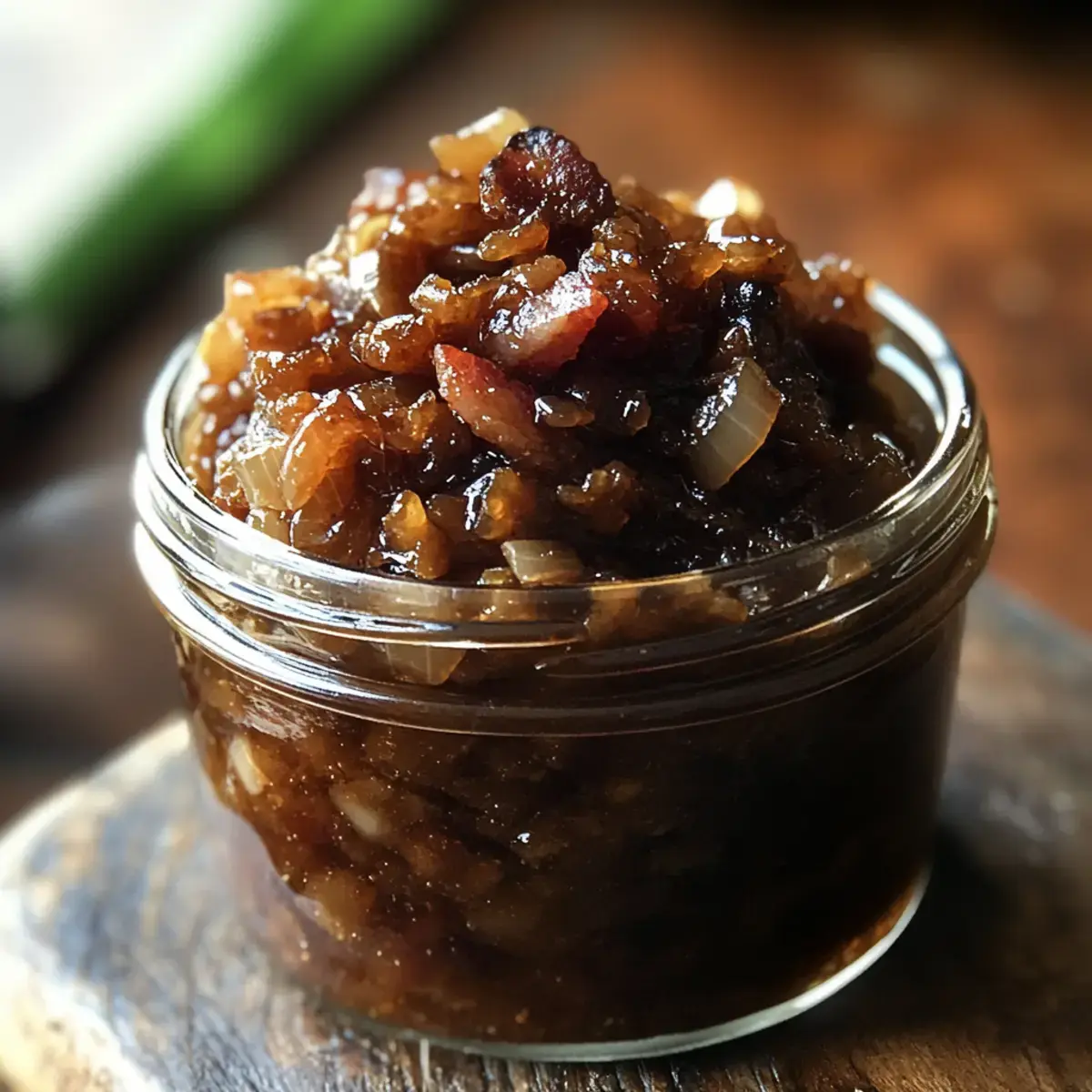
As I stood by the stove, the comforting sizzle of bacon filled the kitchen, mingling with the sweet scent of slowly caramelizing onions. This moment led me to create my Bacon Caramelized Onion Jam—a versatile condiment that elevates your cooking game with just a spoonful.
Perfect for those tired of mundane meals, this jam transforms everyday dishes, from burgers to cheese boards, into masterful culinary experiences. Plus, it’s not just easy to whip up; it’s incredibly customizable, allowing you to infuse your favorite flavors. Whether you’re prepping for a dinner party or looking for a quick weeknight boost, this jam is your secret weapon. Curious about how to make this delightful spread? Let’s dive into the recipe!
Why You Will Love This Recipe
- Unbeatable Flavor Combination: The rich, savory notes of crispy bacon perfectly complement the deep, sweet caramelization of slow-cooked onions, creating a flavor profile that is both complex and utterly addictive.
- Remarkable Versatility: This jam is not just a condiment; it’s a culinary chameleon that can elevate everything from simple sandwiches and gourmet burgers to sophisticated cheese boards and roasted vegetables, making it a go-to for any occasion.
- Surprisingly Simple to Make: Despite its gourmet taste and appearance, this Bacon Caramelized Onion Jam requires basic cooking skills and readily available ingredients, proving that extraordinary flavor doesn’t have to be complicated.
- Customizable to Your Taste: The foundational recipe provides a fantastic base, but it’s incredibly easy to tweak, allowing you to introduce heat with chilies, depth with a splash of bourbon, or a fruity sweetness with a touch of jam, ensuring it always matches your palate.
- Excellent for Meal Prep: This jam can be made in advance and stored, offering a convenient way to add a burst of sophisticated flavor to meals throughout the week without compromising on taste or quality.
Ingredients You Need
Crafting this exceptional Bacon Caramelized Onion Jam begins with selecting quality ingredients that will contribute to its rich, layered flavor profile. Each component plays a vital role, from the savory depth of the bacon to the sweet allure of the caramelized onions and the tangy finish of the balsamic vinegar.
Savory Bacon Caramelized Onion Jam
Elevate your meals with this Bacon Caramelized Onion Jam, a versatile and customizable condiment perfect for adding a burst of flavor to burgers, cheese boards, sandwiches, and more.
- 8 slices Bacon (thin-sliced or English back bacon is best)
- 3 large Yellow Onions (Vidalia or sweet white onions work well)
- 1/2 cup Balsamic Vinegar (choose high-quality aged balsamic for maximum flavor)
- 1/4 cup Brown Sugar (light or dark based on preference)
- 2 tablespoons Dijon Mustard (stone-ground mustard is a delightful alternative)
- 1 teaspoon Salt (to taste)
- 1 teaspoon Pepper (to taste)
- 1Chop the bacon into small pieces and add to a heavy-bottomed pot over medium heat. Cook for 8–10 minutes until nearly browned.
- 2Add the sliced yellow onions to the pot, stirring in with the bacon fat. Cook for about 15 minutes, stirring occasionally until golden-brown.
- 3Mix in the brown sugar, balsamic vinegar, and Dijon mustard. Lower heat to medium-low and simmer for 30–40 minutes, stirring frequently, until thickened to a jam-like consistency.
- 4Season with salt and pepper to taste. Remove from heat and let cool for about 15 minutes before serving or storing.
Keywords: Bacon Jam, Caramelized Onion Jam, Savory Jam, Condiment, Burger Topping, Cheese Board, Homemade Jam, Easy Recipe
- bacon: thin-sliced or English back bacon is best for rendering the ideal amount of flavorful fat.
- yellow onions: Vidalia or sweet white onions work wonderfully for their natural sweetness when caramelized.
- balsamic vinegar: choose a high-quality aged balsamic for maximum depth of flavor and a pleasant acidity.
- brown sugar: contributes to the jam’s sweetness and helps achieve that desirable thick, syrupy texture.
- dijon mustard: infuses a subtle, zesty kick that balances the sweetness of the onions and bacon.
- salt: essential for enhancing all the flavors and bringing out the savory notes in the jam.
- pepper: freshly ground black pepper adds a touch of warmth and complexity to the overall taste.
The precise quantities for these ingredients are readily available in the accompanying recipe card, ensuring you have all the details for a successful batch.
Variations
Once you’ve mastered the classic Bacon Caramelized Onion Jam, the creative possibilities truly begin to unfold. Imagine transforming this already delicious condiment into something even more spectacular, tailored precisely to your cravings or the specific dish you’re preparing.
For those who enjoy a bit of heat, a spicy variation is a must-try. You can achieve this by finely dicing a fresh jalapeño or serrano pepper and adding it to the onions during their caramelization phase. Alternatively, a pinch of red pepper flakes or a dash of your favorite hot sauce stirred in towards the end of cooking can provide a delightful warmth that complements the sweet and savory notes.
If you’re looking for a touch of sophistication and depth, consider a bourbon-infused version. A small splash of good quality bourbon added during the simmering stage will impart a wonderful smoky richness that marries beautifully with the bacon and onions. This elevated version is particularly stunning when served with cheese boards or richer meats, adding a complex layer of flavor.
Another delightful twist involves incorporating fruit for a sweet and tangy counterpoint. Stirring in a tablespoon or two of fig preserves, apple butter, or even finely diced dried apricots during the last 15 minutes of simmering can introduce a wonderfully fruity dimension. This variation is exceptional when paired with pork dishes or sharp cheeses, offering a delightful interplay of sweet, savory, and tart notes.
For a truly decadent experience, a touch of maple syrup can be introduced alongside or in place of some of the brown sugar. This lends a distinct, comforting sweetness that pairs exceptionally well with the smoky bacon, making it a perfect accompaniment for breakfast dishes or brunch fare. The subtle nuances of maple truly elevate the jam’s inherent flavors.
If you’re a fan of garlic, consider roasting a few cloves until soft and then mashing them into a paste to stir in along with the other liquids. This will add a mellow, sweet garlic flavor that enhances the savory base without overpowering it. The roasted garlic brings a depth that is both familiar and exciting in this context.
Exploring these variations allows you to continuously reinvent this fantastic jam, ensuring it always brings something new and exciting to your culinary repertoire. Each tweak offers a unique pathway to flavor discovery, making the possibilities as vast as your imagination.
How to Prepare Bacon Caramelized Onion Jam
Step 1: Crisping the Bacon to Perfection
Begin by gathering your bacon, ensuring it’s of good quality for the best flavor rendering. Chop the bacon into small, uniform pieces, roughly ¼-inch to ½-inch in size. This ensures even cooking and easy incorporation into the jam later on. Place the chopped bacon into a heavy-bottomed pot or a Dutch oven over medium heat.
Cook the bacon, stirring occasionally, for about 8 to 10 minutes. You’re aiming for it to be mostly browned and beginning to crisp. Don’t let it become overly brittle at this stage, as it will continue to cook. The key here is to render out as much of the delicious bacon fat as possible.
Once the bacon has reached the desired crispness, carefully remove the bacon pieces from the pot using a slotted spoon, setting them aside on a plate lined with paper towels to drain. Crucially, leave about 3 tablespoons of the rendered bacon fat in the pot. This flavorful fat is essential for sautéing the onions and will infuse them with a deep, savory essence right from the start of their caramelization.
Step 2: The Art of Caramelizing Onions
Now, it’s time to focus on the onions, the sweet heart of this jam. Add your sliced yellow onions directly into the pot containing the reserved bacon fat. Ensure the heat is still at a medium setting, allowing the onions to begin softening and releasing their natural sugars. Stir them well to coat them evenly in the bacon fat.
Continue to cook the onions, stirring them frequently, for approximately 15 minutes. During this time, you’ll witness a magical transformation as they gradually soften, become translucent, and start to deepen in color from pale white to a lovely golden brown. The aroma filling your kitchen will become increasingly sweet and inviting, a sure sign of successful caramelization.
Be patient during this stage; the slow and steady heat is crucial for drawing out the onions’ inherent sweetness. Avoid rushing the process by turning up the heat too high, as this can lead to burnt edges and a bitter taste rather than a rich, deep caramelization. The goal is a tender, deeply colored onion mixture that forms the sweet base of your jam. The consistent stirring prevents sticking and promotes even cooking.
Step 3: Building the Flavor Profile
Once the onions have achieved that beautiful golden-brown hue and satisfying sweetness, it’s time to introduce the other key flavor components. Add the brown sugar to the pot, stirring it into the softened, caramelized onions. The sugar will begin to dissolve, adding another layer of sweetness and contributing to the jam’s syrupy consistency.
Next, pour in the balsamic vinegar. This tangy elixir will cut through the sweetness, adding a necessary layer of acidity and depth. Stir it in well, ensuring it’s thoroughly combined with the onions and sugar. You might notice a slight sizzle as the vinegar interacts with the hot mixture; this is perfectly normal and part of the flavor development.
Finally, add the Dijon mustard. Its pungent, slightly spicy notes will provide a wonderful contrast and complexity to the jam’s overall flavor. Stir all these ingredients together until everything is well incorporated. The mixture should start to take on a richer, darker hue as the balsamic vinegar reduces and melds with the other elements.
Step 4: Simmering to Jam-Like Perfection
Now, reduce the heat to medium-low. This gentle heat is crucial for allowing the jam to simmer and thicken without burning or becoming too tough. The aim is to slowly cook down the mixture, concentrating the flavors and developing that characteristic jam-like texture. Stir frequently to prevent any sticking or scorching on the bottom of the pot.
Let the mixture simmer for a significant period, typically between 30 to 40 minutes. During this time, the liquid will evaporate, and the sugars will further caramelize, transforming the onion mixture into a thick, glossy, jammy consistency. The color will deepen significantly, becoming a rich, dark mahogany or a deep amber. Keep a close eye on it, especially during the last 10-15 minutes.
You’ll know it’s ready when the jam coats the back of a spoon beautifully and holds its shape for a moment before sliding off. If it seems too thin, continue simmering for a few more minutes, stirring constantly. If it seems too thick, you can add a tablespoon or two of water or a little more balsamic vinegar to adjust the consistency. The consistency should be spreadable but rich.
Step 5: Seasoning and Final Touches
Once your Bacon Caramelized Onion Jam has reached the desired thick, spreadable consistency, it’s time to season it properly. Taste a small amount (carefully, as it will be hot!) and add salt and freshly ground black pepper as needed. The amount of salt required can vary depending on the saltiness of your bacon, so tasting is essential here.
Stir the seasonings in thoroughly, ensuring they are evenly distributed throughout the jam. The salt will help to enhance all the other flavors, balancing the sweetness and savory notes. A good grinding of black pepper will add a subtle warmth and complexity that rounds out the taste profile beautifully. This final seasoning step is critical for achieving a perfectly balanced condiment.
After seasoning, remove the pot from the heat. Allow the jam to cool in the pot for about 15 minutes before transferring it to its serving or storage containers. This resting period allows the flavors to meld and deepen further, creating a more cohesive and satisfying taste. While still warm, the jam is easier to stir and manage, making the transfer process smooth and efficient. The residual heat will also help it thicken slightly more as it cools.
Step 6: Cooling and Storage Preparation
Allow the jam to cool down significantly before attempting to store it. While it needs to be warm for initial transfer, it should not be piping hot when placed into airtight containers for refrigeration or freezing. Cooling it properly ensures that condensation doesn’t form excessively inside the container, which could affect the jam’s texture and shelf life.
Once cooled to a manageable temperature, carefully spoon the Bacon Caramelized Onion Jam into clean, airtight jars or containers. If you plan to use it within a few days, a simple glass jar with a tight-fitting lid is perfect for refrigerating. For longer storage or freezing, consider smaller individual portions in freezer-safe containers or heavy-duty zip-top bags.
Ensure that the containers are not completely filled to the very top, especially if you intend to freeze the jam, as liquids expand when frozen. Leaving about half an inch of headspace is generally recommended. This careful preparation ensures that your homemade jam maintains its peak quality and flavor for as long as possible, ready to be enjoyed whenever you desire that special touch of sweetness and savory goodness.
Pro Tips for Bacon Caramelized Onion Jam
Patience is Key: The most crucial element in achieving deeply caramelized onions is time and low heat; don’t rush the process. Slow cooking allows the natural sugars in the onions to break down and caramelize beautifully, developing a rich, sweet flavor without bitterness. Rushing this step will result in undercooked or burnt onions, compromising the entire jam.
Render Bacon Fat Generously: The bacon fat is not just a cooking medium; it’s a flavor enhancer. Ensure you render enough fat from the bacon before adding the onions. This fat will provide a savory foundation that infuses the onions as they cook, creating a more complex and delicious base for your jam.
Balance the Flavors: Taste and adjust seasonings frequently, especially towards the end of cooking. The sweetness from the onions and sugar, the acidity from the balsamic vinegar, and the saltiness from the bacon all need to be in harmony. If it’s too sweet, a little more vinegar can help; if it’s too acidic, a tiny pinch more sugar might be needed.
Consistency Control: If your jam isn’t thickening as desired after the suggested cooking time, don’t panic. Continue to simmer on low heat, stirring very frequently, to allow more moisture to evaporate. You can also try adding a small amount of cornstarch slurry (1 teaspoon cornstarch mixed with 1 tablespoon water) at the end of cooking, stirring it in until thickened, although this is usually unnecessary if cooked patiently.
Quality Ingredients Matter: While this recipe is forgiving, using good quality bacon and a decent balsamic vinegar will noticeably elevate the final product. Aged balsamic, in particular, offers a richer, more complex flavor profile that truly shines in this jam.
Serving Suggestions for Bacon Caramelized Onion Jam
Decoration
For a visually appealing garnish, consider adding a few fresh sprigs of thyme or rosemary on top of the jam in its serving dish. A small sprinkle of finely chopped chives can also add a touch of vibrant green and a subtle oniony aroma that hints at the jam’s delicious contents. If serving alongside cheese, a tiny dollop of crème fraîche or a swirl of sour cream can add a creamy visual contrast.
Side Dishes
This jam is an exceptional accompaniment to a wide array of side dishes. It pairs wonderfully with roasted root vegetables like sweet potatoes, parsnips, or carrots, adding a sweet and savory depth. Consider serving it alongside savory scones or biscuits for a delightful brunch addition. It also makes an incredible topping for baked potatoes or mashed cauliflower, transforming a simple side into something gourmet.
Creative Serving Ideas
Beyond basic spreading, get creative! Dollop this jam onto crostini topped with goat cheese or ricotta for an elegant appetizer. Mix a spoonful into your favorite salad dressing for a sweet and savory punch. It’s also fantastic stirred into a warm vinaigrette for a grilled chicken or pork tenderloin. For an unforgettable burger experience, use it as a gourmet topping instead of traditional ketchup or relish. Imagine it melting into a grilled cheese sandwich, adding an incredible layer of flavor that will have everyone asking for seconds.
Preparation & Storage
Storing Leftovers
Leftover Bacon Caramelized Onion Jam should be stored in an airtight container in the refrigerator. Ensure the lid is sealed tightly to prevent any air from getting in, which can help maintain its freshness and flavor for up to 4 days. When you’re ready to use it again, give it a good stir as the texture might separate slightly during refrigeration.
Freezing
For longer-term storage, this delicious jam freezes exceptionally well. Portion the cooled jam into freezer-safe containers or heavy-duty freezer bags, leaving a little headspace for expansion. Label the containers with the date and freeze for up to 1 month. This makes it incredibly convenient to have this flavor-packed condiment on hand for future meals.
Reheating
When you’re ready to use frozen jam, thaw it overnight in the refrigerator. To reheat, you can gently warm it in a small saucepan over low heat, stirring occasionally, until it reaches your desired temperature. Alternatively, microwave it in short 30-second intervals, stirring between each interval, until heated through. Be careful not to overheat it, which could alter its texture.
Frequently Asked Questions
-
How do I achieve the perfect caramelization for the onions to ensure the best flavor in my Bacon Caramelized Onion Jam?
Achieving perfect onion caramelization is all about patience and gentle heat. Start by slicing your onions uniformly, ensuring they are all similar in thickness so they cook evenly. Use a heavy-bottomed pot or Dutch oven which distributes heat more evenly and prevents scorching. Cook the onions over medium-low to medium heat, stirring frequently – at least every few minutes. You want them to soften slowly, release their moisture, and then begin to turn golden brown and sweet. This process can take anywhere from 30 to 60 minutes depending on the quantity and heat level. Avoid the temptation to turn up the heat, as this will cause them to brown too quickly on the outside while remaining tough and under-sweetened on the inside. The goal is a deep, rich, mahogany-like color and a profoundly sweet, jammy texture that is the hallmark of true caramelization.
-
What is the ideal consistency for Bacon Caramelized Onion Jam, and how can I adjust it if it’s too thick or too thin?
The ideal consistency for Bacon Caramelized Onion Jam is thick and spreadable, similar to a chunky fruit jam or a very thick chutney. It should coat the back of a spoon nicely and hold its shape for a few seconds before sliding off. If your jam is too thin after cooking, continue to simmer it on low heat, stirring very frequently, to allow more moisture to evaporate. Be patient, as this can take extra time. If it becomes too thick to your liking, you can stir in a tablespoon or two of water, a little more balsamic vinegar, or even a splash of broth or red wine to loosen it up. Add these liquids gradually until you reach your desired consistency, then simmer for a couple more minutes to re-thicken slightly if needed.
-
Can I make substitutions for the bacon, and if so, what are the best alternatives for Bacon Caramelized Onion Jam?
While bacon is the star, you can absolutely make delicious variations. For a vegetarian or vegan option, you can omit the bacon entirely and start by sautéing the onions in a good quality olive oil or vegan butter, perhaps with a pinch of smoked paprika or liquid smoke to mimic the smoky flavor. You can also use plant-based bacon alternatives if you prefer that texture and flavor profile. If you’re looking for a different pork flavor, pancetta or prosciutto can be used, though they will impart a saltier, more cured flavor. Keep in mind that if you use a leaner meat like prosciutto, you might need to add a bit more oil to the pot for sautéing the onions, as you won’t render as much fat. The key is to build savory depth, and while bacon is classic, creative substitutions can yield equally delightful results.