Ultimate Chickpea Tofu
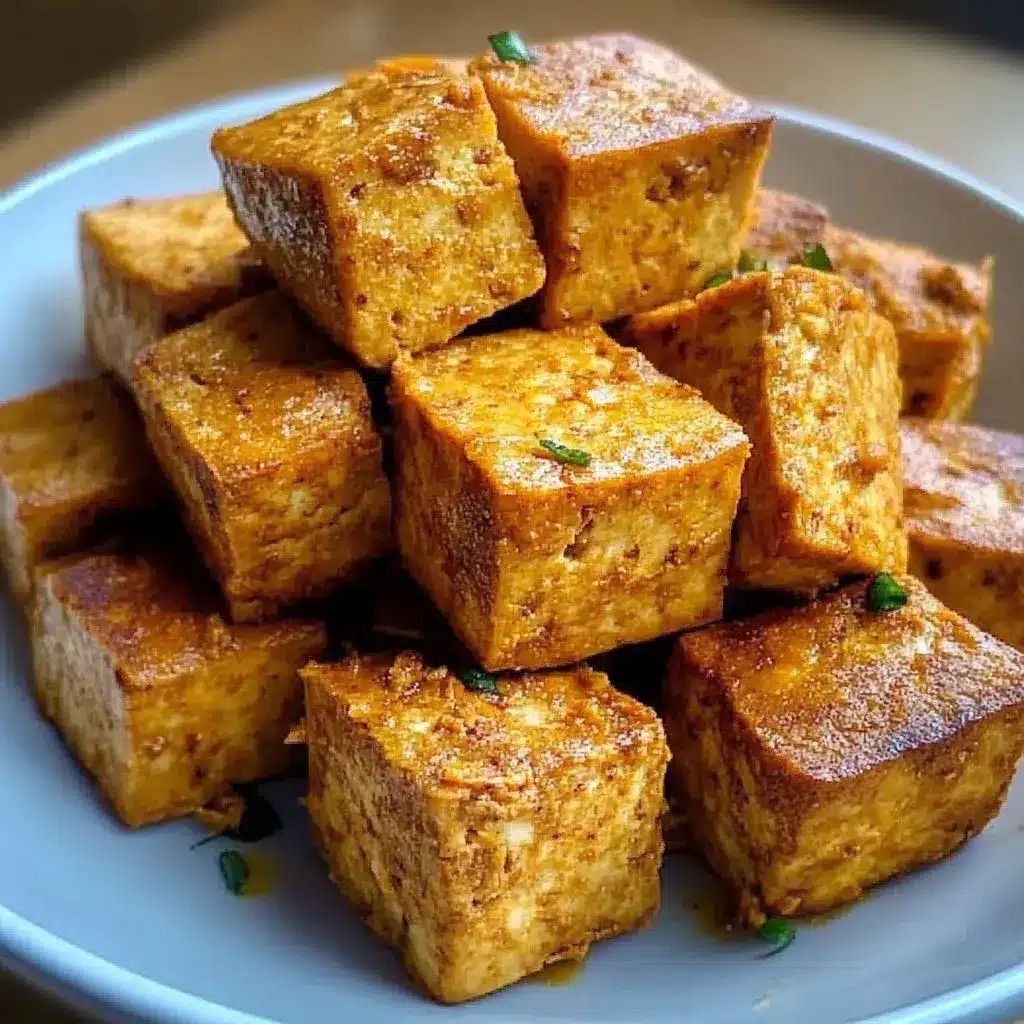
Chickpea Tofu is a delightful plant-based protein that has gained immense popularity in vegetarian and vegan cuisines. Are you seeking an innovative way to incorporate more legumes into your daily diet? This recipe is not only exceptionally nutritious but also offers a unique flavor profile that has the power to transform your meals into culinary masterpieces.
What truly sets Chickpea Tofu apart is its inherent simplicity. Crafted primarily from wholesome chickpea flour, this remarkable dish can be prepared from start to finish in under an hour, making it an ideal solution for busy lifestyles. Imagine having a protein-rich, satisfying alternative that is incredibly easy to whip up after a demanding day, offering comfort and sustenance without fuss.
Why You Will Love This Recipe
- High Protein Content: Chickpea Tofu stands out as a fantastic source of plant-based protein, essential for muscle repair and overall satiety.
- Simple Instructions: This recipe boasts remarkably straightforward steps, ensuring that even novice cooks can achieve delicious results with confidence.
- Customizable Flavor: The beauty of this dish lies in its adaptability; you can effortlessly adjust spices and herbs to precisely match your personal taste preferences.
- Nutrient-Rich Profile: Packed with valuable vitamins and minerals, it serves as an exceptionally healthy and beneficial addition to any balanced diet.
- Versatile Applications: Enjoy its delightful texture and taste in a wide array of dishes, from vibrant salads and savory stir-fries to serving as a standalone, satisfying snack.
Ingredients You Need
The cornerstone of this delectable Chickpea Tofu is the quality of its ingredients, particularly the chickpea flour. Opting for high-quality chickpea flour, also known as besan, will ensure a superior texture and a more pleasant, nutty flavor profile for your final creation. Complementing this, fresh water and a touch of turmeric for both color and earthy notes are essential, with salt to enhance all the flavors. The optional addition of olive oil can further enrich the mixture, adding a subtle smoothness to the finished product.
Homemade Chickpea Tofu
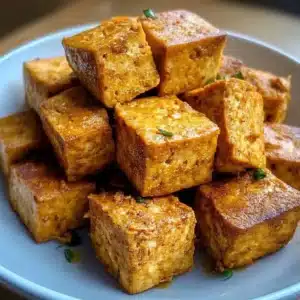
Chickpea Tofu is a delightful plant-based protein that is nutritious, easy to make, and perfect for salads, stir-fries, or as a healthy snack.
- 1 cup chickpea flour (besan)
- 3 cups water
- 1 teaspoon turmeric powder
- 1 teaspoon salt
- 1 tablespoon olive oil (optional)
- 1Gather all your ingredients and measure out the chickpea flour and water.
- 2In a saucepan, whisk together the chickpea flour, turmeric powder, and salt.
- 3Gradually add water while continuously stirring to prevent lumps from forming.
- 4Cook the mixture over medium heat, stirring constantly until it thickens and pulls away from the sides of the pan.
- 5Pour the thickened mixture into a greased container and smooth the top.
- 6Allow the mixture to cool at room temperature for at least 30 minutes to firm up.
- 7After it has set, cut the chickpea tofu into your desired shapes.
- 8Your Chickpea Tofu is ready to use in salads, stir-fries, or as a protein substitute.
Keywords: Chickpea Tofu, Gluten-Free, Healthy Eating, Plant-Based Protein, Vegan Recipe
- chickpea flour: also known as besan, this is the primary ingredient providing flavor and texture.
- water: essential for creating the batter and achieving the right consistency.
- turmeric powder: adds a warm, inviting color and a subtle earthy flavor.
- salt: a fundamental seasoning to enhance all the other flavors in the dish.
- olive oil: optional, but it adds a touch of richness and can contribute to a smoother texture.
The precise quantities for these ingredients are conveniently detailed within the accompanying recipe card, ensuring you have everything you need for success.
Variations
For those following a vegan lifestyle, this recipe is already a champion, being naturally free from animal products. The base itself is incredibly adaptable, meaning you can infuse it with a wealth of flavors to suit any culinary whim or occasion. Consider incorporating finely minced garlic and onion during the cooking process for an aromatic and savory twist that elevates its depth of flavor significantly. This simple addition transforms the plain chickpea tofu into a more complex and satisfying component for a meal.
If you are embarking on a low-carb journey, while chickpea flour has carbohydrates, this recipe can still be a part of a balanced low-carb approach when consumed in moderation. To enhance its suitability, focus on pairing it with non-starchy vegetables and healthy fats, effectively balancing the macronutrients. The inherent versatility of Chickpea Tofu allows it to be a delightful addition to meals that are mindful of carbohydrate intake.
For a gluten-free approach, rejoice in the fact that chickpea flour is naturally gluten-free, making this recipe an excellent choice for individuals with celiac disease or gluten sensitivities. You can confidently prepare and enjoy this protein-rich option without any concern about cross-contamination or hidden gluten ingredients. This inherent gluten-free nature further broadens its appeal and makes it a safe and delicious choice for a wider audience seeking wholesome recipes.
How to Prepare Chickpea Tofu
Step 1: The Essential Gathering of Ingredients
The very first step towards creating your delicious Chickpea Tofu involves a thorough gathering of all the necessary components. Precision in measurement is key here, so ensure you have exactly 1 cup of high-quality chickpea flour at the ready, along with 3 cups of clean, fresh water. This initial preparation lays the groundwork for a smooth and efficient cooking process, minimizing any potential stress or last-minute scrambling.
Having all your ingredients measured and within easy reach before you begin cooking is a fundamental principle of good culinary practice. It not only saves time but also significantly reduces the chances of making errors, such as adding too much of one ingredient or forgetting another entirely. This organized approach ensures that you can focus your full attention on the cooking techniques involved, leading to a better final outcome.
This methodical start ensures that when you move to the actual cooking phase, you are not interrupted by searching for items or making approximations. It’s about creating a seamless transition from preparation to the heat of the stove, allowing the magic of the recipe to unfold without any hitches. Think of it as setting the stage for a culinary performance where every ingredient plays its vital role perfectly.
Step 2: Harmonizing the Dry Elements
With your ingredients prepped, the next crucial phase involves the meticulous whisking of the dry elements together within a sturdy saucepan. Carefully combine the measured chickpea flour, the vibrant turmeric powder, and the essential salt. This step is far more than just mixing; it’s about ensuring an absolutely even distribution of these foundational flavors throughout the entire mixture.
The importance of thoroughly whisking the dry ingredients cannot be overstated. If the chickpea flour, turmeric, and salt are not evenly dispersed at this stage, you risk pockets of intense flavor or, conversely, bland areas in your finished Chickpea Tofu. Achieving a uniform blend at this point is critical for developing a consistent and pleasing taste experience in every bite you take.
Imagine the disappointment of biting into a piece that is overwhelmingly salty or lacks the characteristic warmth of turmeric; this can be avoided by dedicating sufficient time and effort to this simple yet vital step. A good whisking action ensures that each molecule of chickpea flour is coated with the spices, promising a well-rounded and harmonious flavor profile throughout the entire batch. This attention to detail in the initial stages truly pays dividends in the final product.
Step 3: The Gradual Infusion of Liquid
Now, the transformation begins as you gradually introduce the water into the dry mixture while maintaining a constant, vigorous stirring motion. This method is absolutely paramount for preventing the formation of any stubborn lumps, which can mar the smooth, creamy texture that is characteristic of perfectly prepared Chickpea Tofu. Patience and steady movement are your allies here.
Continuous stirring during the addition of water is not merely a suggestion; it’s a non-negotiable technique that ensures the chickpea flour hydrates evenly and smoothly. As the liquid slowly incorporates into the dry ingredients, it begins to break down any potential clumps, creating a velvety base. This careful integration is what yields that desirable, silken texture that makes Chickpea Tofu so appealing.
Think of this process like creating a perfectly smooth custard or béchamel sauce; a constant motion prevents any unwelcome lumps from developing, ensuring a refined consistency. The goal is to achieve a batter that is entirely homogenous, free from any grainy or lumpy inconsistencies. This deliberate and unhurried approach to incorporating the liquid is fundamental to achieving the signature smooth texture of this plant-based delight.
Step 4: The Culinary Alchemy of Cooking
As the mixture begins to thicken, it’s time to carefully cook it over a medium heat, continuing your diligent stirring without pause. You will observe a noticeable transformation in its consistency; it will start to pull away from the sides of the saucepan, signaling its readiness. This stage requires your focused attention to achieve the ideal texture.
The crucial point to watch for is when the mixture thickens to the consistency where it starts to cling to the bottom and sides of the pan, and then pulls away as you stir. This indicates that the chickpea flour has absorbed the liquid and cooked sufficiently, developing its characteristic texture. Overcooking can lead to a dry or crumbly result, while undercooking will leave it too soft and unset.
Maintaining a consistent stirring motion throughout this cooking process is vital. It not only prevents the mixture from sticking to the pan and burning but also ensures even heat distribution, allowing the chickpea tofu to cook uniformly. This active participation during the cooking phase is what truly defines the texture and structure of the final product, making it firm yet tender.
Step 5: The Graceful Transfer to a Container
Once the mixture has achieved that perfect thickened consistency, exhibiting the characteristic pull-away from the pan, it’s time for its graceful transfer. Carefully pour the hot, molten chickpea mixture into a container that has been thoughtfully greased. This greasing step is essential to prevent the tofu from adhering stubbornly to the container, ensuring easy removal later.
After pouring, use a spatula or the back of a spoon to smooth the top surface of the mixture as much as possible. An even surface ensures that the chickpea tofu sets uniformly, leading to more consistent pieces when you cut it. This seemingly small detail contributes significantly to the overall presentation and ease of serving.
The act of pouring the hot mixture into a prepared container is a pivotal moment, as it begins the setting process. Ensuring the container is adequately greased is a proactive measure against frustration later on. It’s a simple yet effective technique that guarantees your beautiful, homemade Chickpea Tofu will slide out cleanly, ready to be enjoyed in its perfect form.
Step 6: The Patient Art of Setting
Following the transfer, allow the mixture to cool undisturbed at room temperature for a minimum of 30 minutes, or until it has noticeably firmed up. This crucial resting period is where the magic happens, allowing the chickpea tofu to develop its structure and become easier to handle and cut into desired shapes. Patience here is key to achieving the perfect texture.
During this cooling phase, the chickpea flour continues to absorb any residual moisture, and the proteins begin to set, transforming the liquid batter into a solid, sliceable block. Rushing this process by placing it in the refrigerator too soon can sometimes result in a less desirable texture, so allowing it to cool naturally at room temperature is highly recommended for optimal results. This slow and steady setting process is vital for achieving the desired firmness.
This period of patient waiting is fundamental to the successful preparation of Chickpea Tofu. It’s when the dish transitions from a cooked mixture to a solid protein that can be easily manipulated and served. Resist the urge to tamper with it; let the natural cooling process work its wonders to achieve that ideal, firm yet tender consistency, making it ready for its culinary destiny.
Step 7: Sculpting Your Creation
Once your Chickpea Tofu has achieved its proper firmness and has cooled sufficiently at room temperature, it is time to begin the creative process of cutting it into your preferred shapes. Whether you envision perfect cubes for stir-fries, elegant slices for sandwiches, or even fun, whimsical shapes for a playful meal, the choice is entirely yours to make.
Using a sharp knife is paramount for clean cuts; a dull knife can drag and tear the delicate structure of the tofu, resulting in an uneven and less appealing appearance. Take your time with each cut, ensuring precision and uniformity if that is your aesthetic goal. The way you cut your Chickpea Tofu can significantly influence how it is perceived and incorporated into your dishes.
Consider the intended use of your Chickpea Tofu when deciding on the shape. Smaller cubes are excellent for absorbing sauces in stir-fries, while larger slices can serve as a substantial protein component in wraps or sandwiches. This step is where your culinary vision truly comes to life, transforming the set block into versatile, ready-to-use pieces of deliciousness.
Step 8: The Glorious Readiness for Use
Congratulations, your homemade Chickpea Tofu is now fully prepared and ready to be the star ingredient in a multitude of culinary creations! You have successfully navigated the process from simple ingredients to a versatile, nutritious plant-based protein that can be used in countless delicious ways.
This perfectly set and cut Chickpea Tofu is now your oyster, ready to be integrated into your favorite meals. Whether you plan to toss it into vibrant, fresh salads to add a protein boost, stir-fry it with an array of colorful vegetables for a quick and healthy dinner, or use it as a clever protein substitute in your beloved sandwiches and wraps, its adaptability is immense.
Embrace the freedom this versatile ingredient offers. Its mild, nutty flavor serves as an excellent canvas for a wide range of seasonings and sauces, allowing it to complement virtually any dish you can imagine. Enjoy the satisfaction of creating this wholesome, plant-based protein from scratch and discover all the delicious ways it can enhance your everyday meals.
Pro Tips for Chickpea Tofu
Stir Constantly for Smoothness: Never underestimate the power of continuous stirring when cooking the chickpea mixture. This is the most effective way to prevent lumps from forming and to ensure a silky-smooth, desirable texture in your final Chickpea Tofu. A good whisk or wooden spoon is your best friend during this stage.
Medium Heat is Your Friend: Avoid the temptation to rush the cooking process by using high heat. Cooking the mixture over medium heat allows for even cooking and prevents the bottom from scorching while the top remains uncooked. Patience here yields a superior result and prevents a burnt flavor.
Grease Generously: Before pouring the cooked mixture into your container, ensure it is thoroughly greased with oil or cooking spray. This simple step is crucial for a clean release of the set tofu, preventing it from sticking and tearing when you try to remove it later. A well-greased pan makes life much easier.
Allow Adequate Setting Time: Don’t be tempted to cut into the chickpea tofu too soon. Letting it cool and set completely at room temperature for at least 30 minutes is essential for it to firm up properly. Cutting it while warm can lead to a crumbly or mushy texture that is difficult to work with.
Flavor Infusion Ideas: To elevate the flavor profile, consider adding ingredients like nutritional yeast for a cheesy note, smoked paprika for a hint of smokiness, or even finely chopped herbs like chives or parsley directly into the mixture before cooking. These additions can transform the basic chickpea tofu into something truly special.
Serving Suggestions for Chickpea Tofu
Decoration
For a visually appealing presentation, consider garnishing your Chickpea Tofu dishes with a sprinkle of fresh, finely chopped herbs such as cilantro, parsley, or chives. A drizzle of vibrant sauces, like a creamy tahini dressing or a spicy sriracha mayonnaise, can also add both color and an extra layer of flavor. A scattering of toasted sesame seeds or a few thinly sliced green onions can provide a delightful textural contrast and an attractive finish to your plated creation.
Side Dishes
Chickpea Tofu pairs wonderfully with a variety of side dishes, offering balanced and satisfying meals. Consider serving it alongside fluffy quinoa or perfectly cooked brown rice for a wholesome grain base. Roasted seasonal vegetables, such as broccoli, bell peppers, or sweet potatoes, complement its texture and flavor profile beautifully. A crisp, fresh side salad with a light vinaigrette can also provide a refreshing counterpoint to the richness of the tofu.
Creative Serving Ideas
Get adventurous with how you serve your Chickpea Tofu! Cube it and toss it into vibrant pasta salads for a protein-packed lunch option that travels well. Pan-fry the slices until golden brown and serve them as a delicious, plant-based “cutlet” alongside mashed potatoes and gravy for a comforting meal. You can also crumble it and use it as a savory filling for tacos or burritos, seasoned with your favorite taco spices for an exciting twist on a classic favorite.
Preparation & Storage
Storing Leftovers
To store any delicious leftover Chickpea Tofu, ensure it is completely cooled first. Place the cooled tofu in an airtight container, ensuring it is sealed tightly to prevent moisture loss or absorption. Stored in this manner in the refrigerator, it can maintain its quality and texture for up to five to seven days, making it an excellent component for meal prepping throughout the week.
Freezing
Chickpea Tofu freezes remarkably well, making it an ideal ingredient to prepare in larger batches and save for future meals. Before freezing, cut the tofu into your desired serving sizes, whether they are cubes, slices, or other shapes. Wrap each portion tightly in plastic wrap or aluminum foil, then place these individually wrapped pieces into a freezer-safe bag or container to prevent freezer burn and maintain freshness.
Reheating
When you’re ready to enjoy your stored or frozen Chickpea Tofu, the reheating process is straightforward. If frozen, allow it to thaw overnight in the refrigerator for the best results and texture. To reheat, gently warm it in a non-stick skillet over medium-low heat, stirring occasionally, until it is heated through; this method helps to maintain its structure. Alternatively, you can microwave it for a quicker option, though pan-heating is generally preferred for optimal texture.
Frequently Asked Questions
-
Can I prepare Chickpea Tofu ahead of time for meal prepping?
Absolutely! Chickpea Tofu is an excellent candidate for meal prepping. Once prepared and fully cooled, it can be stored in an airtight container in the refrigerator for up to five to seven days. This makes it incredibly convenient to have a ready-to-eat protein source for busy lunches or quick dinners throughout the week. You can cut it into cubes or slices ahead of time, saving you valuable preparation time on busy days.
-
What are the best substitutions for chickpea flour if I have run out or have dietary restrictions?
While chickpea flour is central to this recipe, if you need a substitution, consider other legume-based flours like lentil flour or even pea flour, as they share similar protein and binding properties. For a different flavor profile and texture, you could experiment with finely ground oats (ensure they are certified gluten-free if needed) or even a blend of other gluten-free flours. However, be aware that substituting flours can alter the final texture and taste, so it might require some minor adjustments to liquid content or cooking time to achieve optimal results.
-
How can I adjust the texture of Chickpea Tofu, making it firmer or softer?
The water-to-flour ratio is the primary factor in controlling the final texture of your Chickpea Tofu. For a firmer consistency, use slightly less water than the recipe calls for, aiming for a thicker batter. Conversely, if you prefer a softer, more delicate texture, you can add a tablespoon or two more water to the mixture. It’s advisable to add extra liquid incrementally and stir well to avoid making it too runny. Experimenting with these ratios will help you achieve your perfect, desired texture for various culinary applications.