Ultimate Dumpling Ramen Bowl
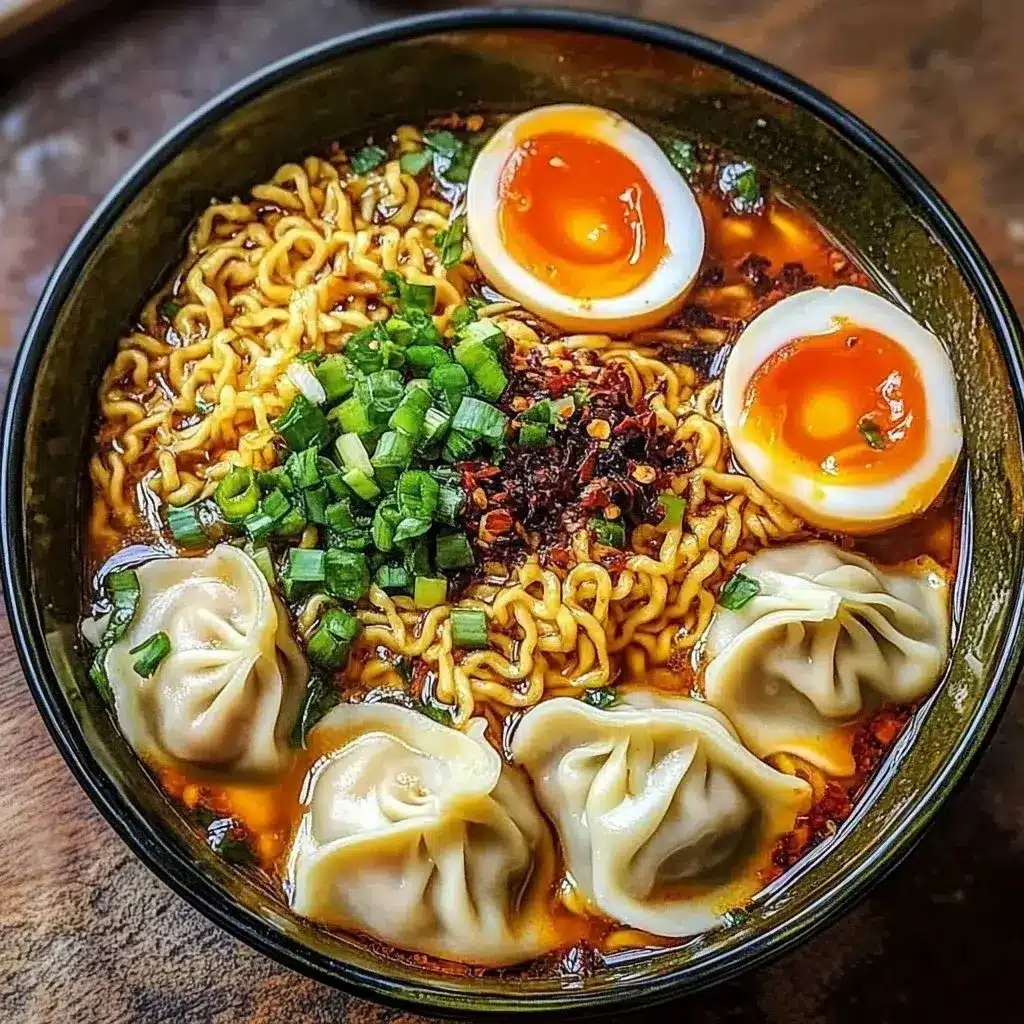
The chilly evenings call for something warm, hearty, and utterly comforting. Enter the Dumpling Ramen Bowl, a delightful fusion of flavors that encapsulates the best of both worlds—savory dumplings and slurp-worthy ramen. Have you ever found yourself needing a meal that’s both quick to prepare and satisfyingly delicious? This recipe truly shines in its simplicity and robust flavors, making it an instant favorite among family and friends alike.
What makes the Dumpling Ramen Bowl so special? It’s a wonderful combination that brings together tender dumplings, a rich, savory chicken broth, and vibrant, fresh vegetables, all nestled within a comforting bowl of perfectly cooked noodles. The masterful blend of soy sauce and toasted sesame oil adds an incredible depth of umami, while the addition of fresh spinach infuses the dish with a burst of color and vital nutrients. Not to mention, the artistry involved in topping it all off with perfectly soft-boiled eggs and a sprinkle of black sesame seeds adds a touch of visual elegance to this ultimately comforting meal.
Why You Will Love This Recipe
- Flavorful and Hearty: The perfect combination of a rich, savory broth and satisfying dumplings makes for an incredibly comforting and fulfilling meal, ideal for any time of year.
- Super Simple Preparation: With just a few easy-to-follow steps, you can whip up this delicious and impressive bowl of ramen in a remarkably short amount of time, perfect for busy weeknights.
- Highly Customizable: The beauty of this recipe lies in its flexibility; the ingredients can be easily swapped or enhanced as per your specific taste preferences, making it incredibly versatile for various dietary needs and desires.
- Family-Friendly Appeal: Both kids and adults alike will undoubtedly appreciate the fun and engaging experience of slurping noodles and savoring the delightful texture of tender dumplings, making it a hit with all ages.
- Perfect for Any Occasion: Whether you’re planning a cozy night in curled up on the couch or hosting an impromptu gathering with friends, this adaptable recipe fits seamlessly into any dining scenario.
Ingredients You Need
When preparing this delightful Dumpling Ramen Bowl, the quality of your ingredients plays a significant role in the final outcome. Opting for fresh, vibrant components will truly elevate the dish, transforming it from a simple meal into a culinary experience. Even with frozen dumplings and instant noodles, selecting high-quality broth and fresh greens will make a noticeable difference in the depth of flavor and overall satisfaction you achieve with this recipe.
Dumpling Ramen Bowl
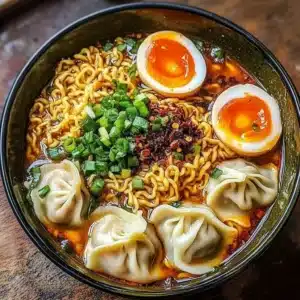
A comforting fusion of savory dumplings and slurp-worthy ramen, perfect for chilly evenings. This recipe is super simple, customizable, family-friendly, and perfect for any occasion.
- 4 large eggs (For a soft-boiled topping.)
- 4 cups chicken broth (For a rich base.)
- 2 tablespoons soy sauce (For seasoning.)
- 2 tablespoons sesame oil (To enhance flavor.)
- 10 oz frozen dumplings (Readily available for convenience.)
- 2 packs instant ramen noodles (For that classic texture.)
- 2 cups fresh spinach (For a nutritious touch.)
- 3 green onions (sliced) (For garnish.)
- 1 tablespoon black sesame seeds (For a beautiful finish.)
- 1Gather all your ingredients to streamline the cooking process.
- 2Bring a pot of water to a boil. Carefully add the eggs and cook for about 6-7 minutes for a soft-boiled consistency. Transfer them to an ice water bath to cool before peeling and halving.
- 3In a large pot, bring the chicken broth to a gentle simmer. Add in the soy sauce and sesame oil, stirring well.
- 4Add the frozen dumplings to the simmering broth and cook for 8-10 minutes, or until they start to float.
- 5Toss in the instant ramen noodles and simmer for 2-3 minutes until tender, stirring gently.
- 6Stir in the fresh spinach leaves and let them wilt for about 1-2 minutes.
- 7Divide the noodles, dumplings, and spinach evenly between serving bowls, ladling hot broth over each.
- 8Top with halved soft-boiled eggs, sliced green onions, and black sesame seeds.
Keywords: Comfort Food, Dumpling Ramen, Family Friendly, Quick Meal, Warm Noodles
- eggs: 4 large eggs, for a perfectly soft-boiled topping that oozes richness.
- chicken broth: 4 cups, forming the deeply flavorful and comforting base of your ramen.
- soy sauce: 2 tablespoons, adding that essential salty, umami depth to the broth.
- sesame oil: 2 tablespoons, lending a toasted, nutty aroma and flavor that is quintessential to Asian cuisine.
- frozen dumplings: 10 oz, a convenient and delicious way to add a substantial protein element to your ramen.
- instant ramen noodles: 2 packs, providing that classic chewy texture that ramen lovers adore.
- fresh spinach: 2 cups, wilted into the hot broth to add vibrant color, nutrients, and a hint of freshness.
- green onions: 3, thinly sliced, offering a sharp, fresh garnish that adds both visual appeal and a delicate onion flavor.
- black sesame seeds: 1 tablespoon, sprinkled over the top for a sophisticated look and a subtle nutty crunch.
You’ll find the precise quantities for each ingredient conveniently listed within the recipe card above.
Variations
The Dumpling Ramen Bowl is a fantastic canvas for culinary creativity, allowing you to adapt it to various dietary preferences and flavor profiles with ease. Consider transforming this comforting dish into a vibrant vegan masterpiece.
To create a vegan Dumpling Ramen Bowl, simply substitute the chicken broth with a rich vegetable broth, ensuring it’s packed with flavor. Opt for plant-based dumplings, which are readily available and come in numerous delicious varieties, often filled with vegetables or tofu. You can also add extra vegetables like bok choy, shiitake mushrooms, or edamame for added texture and nutrients, ensuring the dish remains hearty and satisfying without any animal products.
For those following a low-carb lifestyle, there are exciting adaptations possible. The most straightforward change is to omit the instant ramen noodles altogether. Instead, fill your bowl with a generous portion of spiralized zucchini noodles (zoodles) or shirataki noodles, which have a remarkably low carbohydrate count and absorb the broth beautifully. You can also increase the amount of dumplings or add extra protein sources like shredded chicken or pan-fried tofu to make it more filling, ensuring a satisfying low-carb meal.
Another delightful variation is to infuse your ramen with a spicy kick, perfect for those who love a bit of heat. Introduce a tablespoon or two of Sriracha sauce directly into the broth while it simmers, or stir in some chili garlic paste for a more complex spicy flavor. For an extra layer of heat and aromatic depth, garnish with thinly sliced fresh red chilies or a drizzle of chili oil just before serving. This spicy twist adds an exhilarating dimension to the classic comforting flavors of the Dumpling Ramen Bowl.
How to Prepare Dumpling Ramen Bowl
Step 1: Prepare and Organize Your Ingredients
The initial step in crafting any successful meal is to meticulously gather and prepare all your necessary ingredients. This practice, often referred to as “mise en place,” is crucial for ensuring a smooth and efficient cooking process. Having everything measured, chopped, and ready to go before you even turn on the stove prevents any last-minute scrambling and significantly reduces the potential for errors or overlooked components during the more active cooking phases.
Take a moment to carefully read through the entire recipe, familiarizing yourself with each instruction and ingredient. This proactive approach allows you to anticipate what comes next and ensures you have all the necessary tools and equipment readily available. For this particular Dumpling Ramen Bowl, this means having your eggs ready for boiling, your broth measured out, your soy sauce and sesame oil standing by, your frozen dumplings easily accessible, and your spinach washed and ready to be added.
The Best Part: This preparatory phase is also an excellent opportunity to think about any variations or specific garnishes you might want to incorporate. For instance, if you’re planning to add extra vegetables or a special spice blend, have those ready to go as well. A well-organized station not only makes the cooking process more enjoyable but also significantly contributes to the final success and presentation of your dish.
Step 2: Achieve Perfectly Soft-Boiled Eggs
The iconic soft-boiled egg is a hallmark of a truly exceptional ramen experience, and achieving that ideal creamy yolk requires precise timing and technique. Begin by bringing a medium-sized pot of water to a rolling boil over medium-high heat. Once the water is actively boiling, carefully lower the large eggs into the pot using a slotted spoon to prevent any cracking. The gentle introduction into the hot water is key to maintaining the integrity of the shells.
Allow the eggs to cook for precisely 6 to 7 minutes; this duration is crucial for developing a jammy, molten yolk while ensuring the egg white is fully set. Any less time and the whites might remain too runny, while any more time will result in a hard-boiled yolk. As soon as the cooking time is complete, immediately transfer the eggs from the boiling water into an ice water bath. This rapid cooling process halts the cooking, preventing the yolk from continuing to solidify and making them much easier to peel.
Pro Tip: Once the eggs have thoroughly chilled in the ice bath, which typically takes about 5-10 minutes, gently crack the shells all around by tapping them lightly on a hard surface. Then, begin peeling under cool running water; this helps to loosen the membrane between the shell and the egg white, making for a much cleaner peeling experience. After peeling, carefully slice each egg in half lengthwise to reveal that glorious, perfectly cooked yolk, ready to crown your ramen bowl.
Step 3: Crafting the Aromatic Broth Base
The soul of any great ramen lies within its broth, and for this Dumpling Ramen Bowl, we aim for a rich, savory foundation that perfectly complements the other components. In a large pot or Dutch oven, bring your 4 cups of chicken broth to a gentle, consistent simmer over medium heat. It’s important not to let the broth reach a furious boil at this stage, as a gentle simmer allows the flavors to meld harmoniously without becoming cloudy or reducing too rapidly.
Once the broth is gently simmering, it’s time to introduce the key flavor enhancers that will elevate it to something truly special. Stir in the 2 tablespoons of soy sauce, which provides a foundational layer of salty umami goodness. Immediately after, add the 2 tablespoons of sesame oil; this aromatic oil will infuse the broth with its signature toasted nuttiness, adding incredible depth and complexity that is characteristic of authentic Asian cuisine. Whisk these ingredients together thoroughly, ensuring they are fully incorporated into the simmering broth.
The Best Part: Allow this flavorful broth mixture to continue simmering gently for a few minutes. This brief period lets the soy sauce and sesame oil fully integrate with the chicken broth, creating a more robust and nuanced flavor profile. This aromatic base is now perfectly primed to receive the other delicious elements of your ramen, promising a deeply satisfying experience with every spoonful.
Step 4: Cooking the Savory Dumplings
Now that your flavorful broth base is simmering beautifully, it’s time to introduce the star protein of our dish: the frozen dumplings. There’s no need to thaw them beforehand; simply remove them from their packaging and carefully add the 10 oz of frozen dumplings directly into the gently simmering broth. The hot liquid will begin to cook the dumplings from the outside, gradually thawing and tenderizing them.
Allow the dumplings to cook in the simmering broth for approximately 8 to 10 minutes. During this cooking period, keep an eye on them; you’ll notice that the dumplings will start to float to the surface of the broth. This floating action is a clear indicator that the dumplings are fully cooked through and heated from the inside out, ensuring they are tender and delicious. Avoid overcrowding the pot if you’re making a larger batch; cook in batches if necessary to ensure even cooking and prevent the dumplings from sticking together.
Pro Tip: Gently stir the dumplings occasionally with a spoon or chopsticks as they cook. This helps to prevent them from sticking to the bottom of the pot or to each other, ensuring each dumpling cooks evenly and retains its delightful shape. The aroma that fills your kitchen at this stage, with the savory broth and the cooking dumplings, is truly enticing and a testament to the delicious meal you’re about to enjoy.
Step 5: Incorporating the Noodles for Perfect Texture
With the dumplings happily simmering and nearing completion, it’s time to add the quintessential ramen noodles to your flavorful broth. Once the dumplings have begun to float, indicating they are cooked, it’s time to introduce the 2 packs of instant ramen noodles. Carefully place the noodle blocks into the simmering broth, ensuring they are submerged as much as possible to begin cooking evenly.
Allow the ramen noodles to simmer in the hot broth for approximately 2 to 3 minutes. This short cooking time is usually sufficient for instant ramen to reach that perfectly tender yet still slightly firm texture known as “al dente.” During this brief period, gently stir the noodles with chopsticks or a fork. This simple action is vital for preventing the noodles from clumping together or sticking to the bottom of the pot, ensuring each strand cooks individually and maintains its desirable texture.
The Best Part: The transformation of the broth as it absorbs the starches from the noodles, becoming slightly thicker and even more flavorful, is a beautiful culinary process to observe. Avoid overcooking the noodles; they should remain slightly chewy and not become mushy. The goal is to have them perfectly integrated into the savory broth, ready to be slurped up with the other delicious components of your ramen bowl.
Step 6: Wilting the Fresh Spinach
As your ramen components reach their final stages of preparation, it’s time to add a touch of vibrant freshness and essential nutrients with the addition of fresh spinach. Right after the ramen noodles have reached their perfect tender consistency, stir in the 2 cups of fresh spinach leaves directly into the hot broth. The residual heat from the broth and noodles is more than enough to wilt the delicate spinach leaves perfectly.
Allow the spinach to wilt in the hot liquid for approximately 1 to 2 minutes. You will notice the leaves rapidly transforming from their crisp, raw state to a tender, bright green hue. This quick wilting process ensures the spinach retains its fresh flavor and vibrant color without becoming overcooked or losing its nutritional value. It adds a beautiful visual contrast to the rich broth and the other ingredients.
Pro Tip: The spinach adds a wonderful subtle earthy flavor and a pleasing texture that balances the richness of the broth and dumplings. It also adds a crucial element of freshness that cuts through the savory notes, making the entire dish feel more complete and well-rounded. Ensure the spinach is evenly distributed throughout the broth before moving on to the final assembly.
Step 7: Assembling Your Dumpling Ramen Bowls
The moment of truth has arrived – it’s time to bring all these delicious components together and create your beautiful Dumpling Ramen Bowls. Carefully divide the cooked noodles, tender dumplings, and perfectly wilted spinach evenly among your serving bowls. Aim for a balanced distribution in each bowl, ensuring every serving has a generous portion of each element. Don’t be afraid to arrange them aesthetically; a little effort here goes a long way in presentation.
Once the solid ingredients are in place, it’s time to ladle the steaming, aromatic broth generously over each bowl. Ensure that the broth covers the noodles and dumplings adequately, immersing them in the flavorful liquid. The sound of the hot broth being poured and the steam rising are incredibly inviting and signal the final approach to enjoying this delightful meal. Make sure to ladle enough broth to fill the bowls nicely without overflowing.
The Best Part: The visual appeal of the noodles, dumplings, and vibrant spinach peeking through the rich, steaming broth is truly mouthwatering. This step is where all your preparation comes together, creating a visually stunning and aromatically enticing dish that promises immense satisfaction. This is the foundation for the final, personal touches that will make your ramen bowl truly unique.
Step 8: The Finishing Touches – Eggs and Garnishes
To complete your culinary masterpiece, it’s time to add the final, decorative, and flavorful touches that elevate the Dumpling Ramen Bowl from delicious to exquisite. Carefully place the halved soft-boiled eggs atop your ramen, positioning them so that the glistening, creamy yolk is prominently displayed. The vibrant yellow of the yolk against the darker broth and noodles is a classic and appealing ramen visual.
Next, liberally sprinkle the sliced green onions over the entire bowl. Their fresh, sharp flavor and bright green color add a wonderful contrast in both taste and appearance. Finally, add a delicate sprinkle of the black sesame seeds. These tiny seeds provide a subtle nutty crunch and a sophisticated finish, adding a professional touch to your homemade ramen that guests will admire. These garnishes are not just for show; they contribute significantly to the overall flavor profile.
Pro Tip: Feel free to get creative with additional garnishes if you wish! Consider adding a drizzle of chili oil for an extra kick, a nori (seaweed) sheet for a classic ramen element, or even some crunchy fried shallots for added texture. These final touches transform your bowl into a personalized work of art, ready to be savored and enjoyed.
Pro Tips for Dumpling Ramen Bowl
Master the Soft-Boiled Egg: Achieving that perfect, jammy yolk is paramount. Use a timer religiously and shock the eggs in ice water immediately after cooking to halt the process. This prevents overcooking and ensures a beautifully molten center.
Broth Quality is Key: While store-bought broth is convenient, consider using a good quality low-sodium chicken broth or even homemade broth for a richer, more authentic flavor base. You can also enhance store-bought broth with a piece of ginger or a star anise while simmering.
Don’t Overcrowd the Pot: When cooking the dumplings and noodles, ensure there is ample space in the pot. Overcrowding can lead to uneven cooking, clumping, and a less desirable texture for both. If necessary, cook in batches.
Adjust Seasoning Gradually: Soy sauce can vary in saltiness. Taste your broth as you go and adjust the soy sauce and sesame oil incrementally until you reach your desired flavor balance. It’s easier to add more than to take away.
Garnish with Gusto: Fresh garnishes like green onions, cilantro, or even microgreens add brightness and visual appeal. Consider a drizzle of chili oil, a dollop of chili crisp, or a toasted sesame seed sprinkle for added flavor dimensions and textural contrast.
Serving Suggestions for Dumpling Ramen Bowl
Decoration
The visual appeal of your Dumpling Ramen Bowl is almost as important as its taste. Start with a base of perfectly arranged noodles and dumplings, ensuring they are visible and inviting. Carefully place the halved soft-boiled eggs on top, yolk-side up, to showcase their creamy perfection. Sprinkle the vibrant green sliced scallions generously over the entire bowl, creating a fresh, colorful contrast. A final dusting of black sesame seeds adds a sophisticated touch and a subtle visual texture that completes the presentation beautifully.
Side Dishes
To complement the richness of the Dumpling Ramen Bowl, opt for lighter, refreshing side dishes that balance the meal. A crisp, simple green salad with a light vinaigrette offers a refreshing contrast to the savory broth. Consider serving some steamed or blanched edamame, lightly salted, for an extra boost of protein and a fun, interactive side. A small plate of pickled radishes or cucumbers can also provide a delightful tangy crunch that cleanses the palate between bites.
Creative Serving Ideas
For a more interactive dining experience, consider serving the components of the ramen separately and allowing each person to assemble their own bowl. This is particularly fun for families or when hosting a casual get-together. Another creative idea is to serve the ramen in individual ceramic bowls that are warmed beforehand, ensuring the dish stays hot for longer. For an extra touch of elegance, place a small piece of nori (seaweed) seaweed on the edge of the bowl or alongside the eggs for an authentic ramen shop feel.
Preparation & Storage
Storing Leftovers
If you find yourself with any leftover Dumpling Ramen Bowl, proper storage is key to maintaining its quality for future enjoyment. Allow the entire dish to cool down to room temperature completely before attempting to store it. Once cooled, carefully transfer the ramen into an airtight container, ensuring it is sealed tightly to prevent any air exposure, which can lead to spoilage or freezer burn if you plan to freeze it.
It is generally best to store the broth, noodles, and dumplings together, but if possible, storing the eggs separately can be beneficial. The eggs can become a bit rubbery or overcooked when reheated in the broth, so keeping them aside and adding them just before serving will maintain their ideal texture. Properly stored leftovers can typically be kept in the refrigerator for up to 3 days.
Freezing
Freezing the Dumpling Ramen Bowl is a good option for longer-term storage, but it requires a slightly different approach to best preserve the texture of the components. It is highly recommended to freeze the broth and the cooked dumplings separately from the noodles. Noodles, especially instant ramen noodles, tend to become mushy and lose their desirable chewy texture when frozen and then reheated.
Pour the cooled broth into freezer-safe containers or bags, removing as much air as possible before sealing. Place the cooked dumplings into separate freezer-safe containers or bags. If you plan to freeze them, it’s also wise to cook the eggs separately and freeze them in a small container, or simply plan to boil fresh eggs when you reheat the ramen. This separation strategy helps maintain the integrity of each element when you’re ready to enjoy your ramen again.
Reheating
Reheating your Dumpling Ramen Bowl is a straightforward process designed to bring back its comforting warmth and delicious flavors. For stovetop reheating, pour the refrigerated or thawed components into a saucepan. Gently warm the mixture over medium-low heat, stirring occasionally, until it is heated through. Be patient, and avoid bringing it to a rapid boil, as this can negatively impact the texture of the noodles and dumplings.
If you have frozen components, ensure they are fully thawed in the refrigerator overnight before reheating on the stovetop. If reheating from frozen, you may need to add a little extra broth or water to help loosen the components as they warm up. Once heated, add your fresh or previously stored soft-boiled eggs and any fresh garnishes before serving to ensure optimal texture and flavor.
Frequently Asked Questions
-
Can I prepare the Dumpling Ramen Bowl ahead of time?
Yes, you can certainly prepare components of the Dumpling Ramen Bowl ahead of time to make assembly quicker when you’re ready to serve. You can pre-cook the eggs and store them in the refrigerator, prepare the broth base and let it cool before storing it, and cook the dumplings and noodles. It’s best to assemble the bowls and add the broth just before serving to maintain the optimal texture of the noodles and prevent them from becoming soggy. Garnishes can also be prepped and stored separately.
-
Can I freeze the Dumpling Ramen Bowl?
You can freeze certain elements of the Dumpling Ramen Bowl for longer-term storage, but it’s not ideal to freeze the entire assembled dish. It is highly recommended to freeze the broth and the cooked dumplings separately from the noodles. Noodles tend to become mushy and lose their ideal texture when frozen and reheated. Store the cooled broth and dumplings in airtight, freezer-safe containers. It’s best to boil fresh eggs when you reheat the ramen to ensure they have the perfect soft-boiled consistency.
-
How long does the Dumpling Ramen Bowl last?
When properly stored in an airtight container in the refrigerator, leftover Dumpling Ramen Bowl is best consumed within 3 days. The quality of the noodles and eggs can degrade over longer periods. For optimal flavor and texture, try to consume it within the first 2 days. If you’ve frozen components, they can last for up to 2-3 months in the freezer, but again, plan to cook fresh noodles and eggs upon reheating for the best result.