Ultimate Jajangmyeon: Delicious Korean Black Bean Noodles
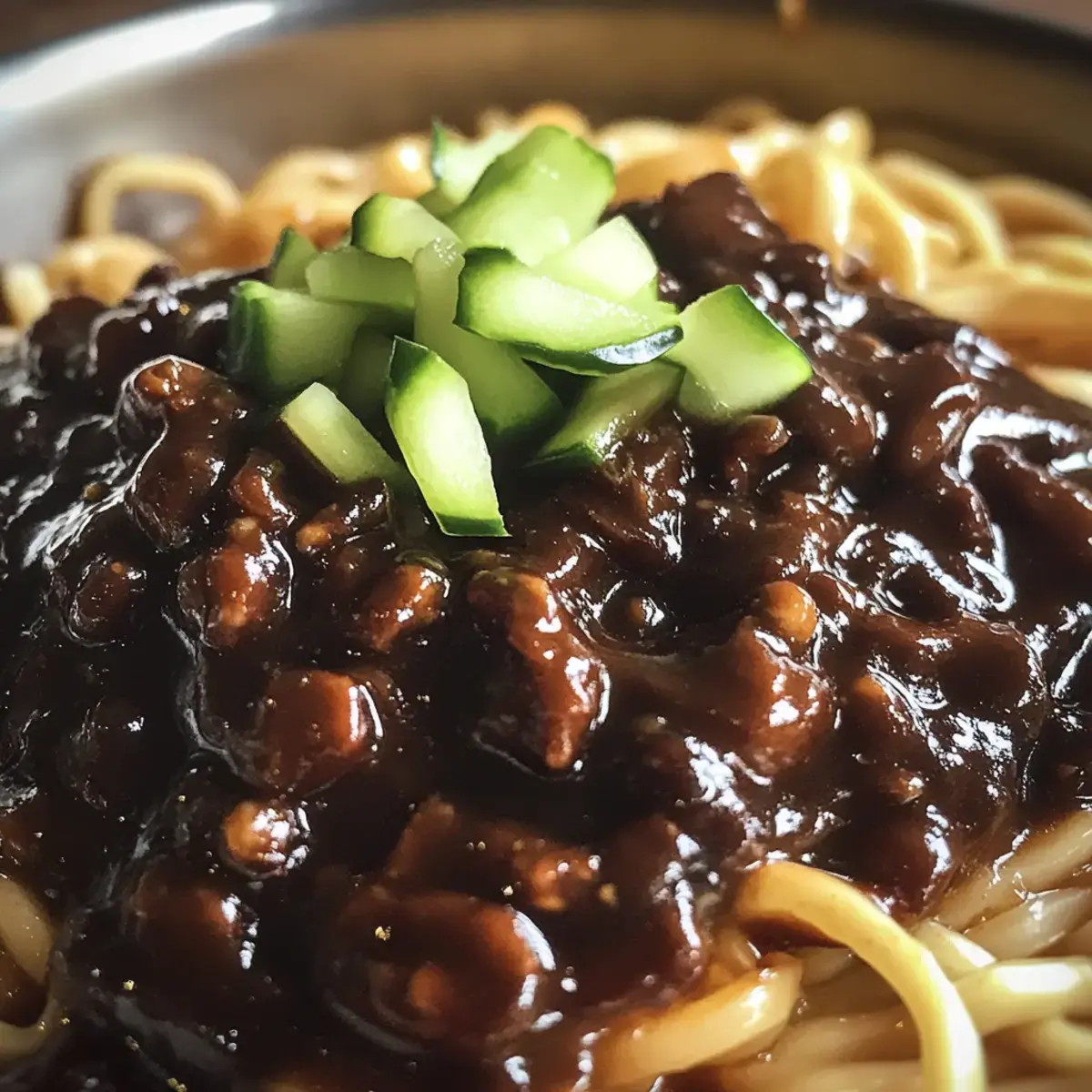
Craving something that wraps you in a comforting embrace with just one bite? Let me introduce you to Jajangmyeon, the ultimate Korean black bean noodles that promise a culinary adventure right at your dinner table. With a rich, thick black bean sauce hugging chewy wheat noodles, this dish is both a crowd-pleaser and an adaptable masterpiece, ready to cater to your dietary preferences.
In just a short amount of time, you can whip up this soulful comfort food that not only satisfies your hunger but also sparks joy in your kitchen. Are you ready to dive into a bowl of pure deliciousness, or should I say, an irresistible taste of Korea that’s perfect for a dinner delight?
Why You Will Love This Recipe
- Rich, Comforting Flavors: The bold and savory black bean sauce envelops each noodle, promising a satisfying bite every time that is truly unforgettable.
- Versatile Options: Easily adaptable, you can enjoy this dish as a classic, vegetarian, or even gluten-free, making it accessible for everyone.
- Quick Preparation: Whip it up in just under an hour, making it perfect for a weeknight dinner when time is of the essence.
- Crowd-Pleasing Delight: This Jajangmyeon recipe is guaranteed to impress, whether serving for family or entertaining guests with its unique taste.
- Nutrient-Packed: With fresh vegetables included, it hits the spot in flavor while also providing essential health benefits that contribute to a balanced diet.
Ingredients You Need
Selecting the freshest and highest quality ingredients is paramount for achieving the authentic taste of Jajangmyeon. The Korean black bean paste, known as Chunjang, is the heart of this dish, so seeking it out from an Asian market will yield the most rewarding flavor profile. Using fresh noodles also makes a significant difference in texture, providing that satisfying chew that perfectly complements the thick, savory sauce. These foundational elements ensure a truly memorable culinary experience.
Ultimate Jajangmyeon: Comforting Korean Black Bean Noodles
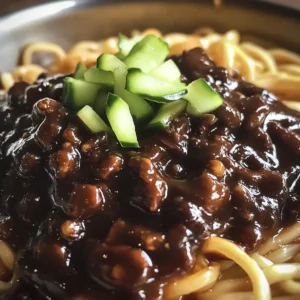
Craving something that wraps you in a comforting embrace with just one bite? Let me introduce you to Jajangmyeon, the ultimate Korean black bean noodles that promise a culinary adventure right at your dinner table. With a rich, thick black bean sauce hugging chewy wheat noodles, this dish is both a crowd-pleaser and an adaptable masterpiece, ready to cater to your dietary preferences—whether you’re a meat lover or a devoted vegetarian. In just 40 minutes, you can whip up this soulful comfort food that not only satisfies your hunger but also sparks joy in your kitchen.
- 2 tablespoons vegetable oil (canola or sesame oil for distinct flavor)
- 6 oz pork belly, diced (substitute with tofu or mushrooms for vegetarian options)
- 1/2 onion, chopped
- 1/2 zucchini, chopped (can be replaced with bell peppers or carrots)
- 1 small potato, peeled and diced (sweet potatoes can be used as an alternative)
- 2 cloves garlic, minced
- 2 tablespoons Korean black bean paste (Chunjang) (look for it in Asian markets)
- 1 tablespoon sugar (honey serves as a great natural substitute)
- 1 tablespoon oyster sauce (use mushroom sauce as vegetarian substitute)
- 1/2 cup water (help create sauce consistency)
- 1 teaspoon cornstarch (used to thicken the sauce)
- 1 tablespoon water (for the cornstarch slurry)
- Salt and pepper to taste
- 2 servings fresh Jajangmyeon noodles or thick wheat noodles
- Julienne cucumber for garnish (adds a refreshing crunch)
- 1Heat the oil: In a large pan, heat 2 tablespoons of vegetable oil over medium-high heat until shimmering. This should take about 2 minutes.
- 2Sauté the pork belly: Add 6 ounces of diced pork belly to the heated oil, cooking for about 5 minutes until golden brown and crispy.
- 3Add vegetables: Stir in 1/2 chopped onion, 1/2 chopped zucchini, and 1 small peeled and diced potato. Sauté for 5 to 7 minutes until softened.
- 4Incorporate garlic: Add 2 minced garlic cloves and cook for an additional minute until fragrant.
- 5Mix in black bean paste: Stir in 2 tablespoons of Korean black bean paste (Chunjang) and 1 tablespoon of sugar. Mix well for about 2 minutes.
- 6Add sauces and water: Pour in 1 tablespoon of oyster sauce and 1/2 cup of water, bring to a simmer, and cover. Cook for 8 to 10 minutes.
- 7Thicken the sauce: Stir in a slurry made from 1 teaspoon of cornstarch mixed with 1 tablespoon of water and cook for an additional 2 minutes.
- 8Cook the noodles: Prepare the noodles according to package instructions, typically boiling for 4-5 minutes. Drain and rinse briefly.
- 9Serve with sauce and garnish: In serving bowls, place noodles and ladle the thick black bean sauce over the top. Garnish with julienned cucumber.
Keywords: Jajangmyeon, Korean noodles, black bean sauce, comfort food, vegetarian option, quick meal
These are the core components that will bring your Jajangmyeon to life, offering a delightful balance of savory, sweet, and umami notes.
Variations
Embracing the versatility of Jajangmyeon allows for a truly personalized culinary journey. For those seeking a plant-based option, a robust vegetarian or vegan Jajangmyeon can be easily achieved by substituting the pork belly with firm tofu or hearty mushrooms and opting for a mushroom-based sauce instead of oyster sauce. This adaptation maintains the dish’s comforting essence while adhering to specific dietary choices, proving that deliciousness knows no bounds.
To introduce a delightful oceanic twist, consider incorporating fresh shrimp or tender squid into the savory black bean sauce. The natural sweetness of seafood pairs wonderfully with the deep umami notes of the Chunjang, creating a harmonious blend of flavors that evokes the bounty of the sea. This seafood variation offers a lighter yet equally satisfying experience for those who enjoy the taste of the ocean.
For those managing dietary restrictions, a gluten-free Jajangmyeon is entirely possible by simply swapping out the traditional wheat noodles for your favorite gluten-free alternative, such as rice noodles or even zucchini noodles. This simple substitution ensures that everyone can partake in the joy of this beloved Korean comfort food without compromise. It’s a testament to the dish’s adaptability and its ability to cater to diverse needs and preferences.
How to Prepare Jajangmyeon
Step 1: Heat the Oil for Sautéing
Begin by heating the vegetable oil in a large, sturdy pan over medium-high heat. You’ll know it’s ready when it starts to shimmer and a gentle swirl creates delicate ripples across the surface. This usually takes about two minutes, and having your other ingredients prepped and within easy reach is crucial for a smooth cooking process.
The initial heating of the oil is a critical step that prepares the pan for the flavorful ingredients that will follow. A properly heated pan ensures that the pork belly will render its fat beautifully and achieve a desirable crispness, laying the foundation for the rich sauce to come. This initial stage sets the tone for the entire dish.
Step 2: Sauté the Pork Belly to Golden Perfection
Carefully add the diced pork belly to the hot oil. Allow it to cook undisturbed for about five minutes, stirring occasionally. You’re looking for the pork to turn a beautiful golden brown and become wonderfully crispy. This process renders out the fat, infusing the oil with its savory essence.
The rendered pork fat will become the flavor base for your Jajangmyeon sauce, adding an incomparable depth and richness that is hard to replicate with other methods. The crispy bits of pork belly will also provide delightful textural contrast within the finished dish, offering little bursts of savory goodness with every bite. Don’t rush this step; the browning is key to unlocking maximum flavor.
Step 3: Add and Sauté the Vegetables
Now, introduce the chopped onion, zucchini, and diced potato to the pan with the pork belly. Sauté these vegetables for about five to seven minutes, stirring frequently to ensure even cooking. The vegetables should begin to soften and the onion should turn translucent, indicating they are ready to absorb the forthcoming flavors.
This stage is where the Jajangmyeon starts to take on its characteristic hearty texture and balanced flavor profile. The sweetness from the onion, the mildness of the zucchini, and the starchy heartiness of the potato all contribute to the overall complexity of the sauce. Continuously stirring prevents any sticking and helps the vegetables cook through uniformly, creating a cohesive mixture.
Step 4: Incorporate the Aromatic Garlic
Add the minced garlic cloves to the pan with the sautéed pork and vegetables. Continue to cook for an additional minute, stirring constantly. The garlic will release its wonderfully pungent aroma, a sure sign that it’s infusing the mixture with its essential flavor. Be vigilant to prevent the garlic from burning, as this can impart a bitter taste.
Garlic is a fundamental aromatic in so many cuisines, and in Jajangmyeon, it plays a crucial role in adding that distinct savory kick that elevates the entire dish. Its potent fragrance signals the nearing completion of the sautéing phase and promises an even more complex and satisfying taste experience. The brief cooking time ensures its flavor is present but not overpowering.
Step 5: Mix in the Star: Korean Black Bean Paste
Stir in the Korean black bean paste (Chunjang) and the sugar. Continue to mix everything thoroughly for about two minutes, ensuring that every piece of the pork and vegetables is evenly coated with the dark, glossy paste. This step is vital for developing the rich, signature color and deep, savory flavor of the Jajangmyeon sauce.
The black bean paste is the undisputed star of this dish, and its thorough integration at this stage is key to its success. Sautéing the paste briefly helps to deepen its flavor profile and mellow out any potential bitterness, creating a more rounded and complex base for the sauce. The sugar, meanwhile, acts as a crucial counterbalance to the paste’s inherent saltiness and slight bitterness.
Step 6: Add Sauces and Water for Simmering
Pour in the oyster sauce and the water. Bring the mixture to a gentle simmer, then cover the pan. Let it cook undisturbed for eight to ten minutes. This simmering period allows the vegetables to become fork-tender and for all the flavors to meld together beautifully, creating a luscious sauce.
The simmering process is essential for developing the sauce’s consistency and allowing the individual flavors to harmonize. It’s during this time that the ingredients truly become one, transforming into the rich, sticky coating that will adhere perfectly to the noodles. You’ll notice the sauce beginning to thicken slightly as the ingredients meld and the liquid reduces.
Step 7: Thicken the Sauce to Glossy Perfection
Prepare a slurry by mixing the cornstarch with a tablespoon of water in a small bowl until smooth. Stir this slurry into the simmering sauce and continue to cook for an additional two minutes, stirring constantly. The sauce will transform into a glossy, beautifully thickened consistency, ready to coat your noodles.
Achieving the perfect sauce consistency is paramount for an authentic Jajangmyeon experience. This cornstarch slurry acts as a binder, giving the sauce its characteristic clinginess and velvety texture. It ensures that every strand of noodle is generously coated with the flavorful black bean mixture, making each bite an explosion of taste and texture. A well-thickened sauce is a hallmark of a properly prepared Jajangmyeon.
Step 8: Cook the Noodles to Ideal Chewiness
While the sauce is thickening, turn your attention to the noodles. Prepare them according to the package instructions, which typically involves boiling them for four to five minutes until they reach a perfectly chewy yet tender texture. Once cooked, drain them thoroughly and give them a quick rinse under cold water to remove excess starch and prevent them from clumping together.
The texture of the noodles is as important as the sauce itself; they need to have a satisfying bite that stands up to the rich, thick sauce. Rinsing them briefly under cold water not only removes excess starch but also helps to firm them up slightly, ensuring they don’t become mushy when tossed with the hot sauce. This attention to noodle preparation is key to the overall success of the dish, much like selecting the right pasta for an Italian dish.
Step 9: Assemble and Serve with Garnishes
In individual serving bowls, place a generous portion of the freshly cooked noodles. Ladle the thick, glossy black bean sauce generously over the top, making sure to include plenty of the delicious pork and vegetable pieces. For a burst of freshness and a delightful textural contrast, garnish with thinly julienned cucumber.
The final presentation of Jajangmyeon is an integral part of the dining experience, engaging all the senses. The vibrant green of the cucumber adds a beautiful visual contrast to the dark, rich sauce, promising a refreshing counterpoint to the savory depths of the dish. This thoughtful garnishing elevates the dish from merely delicious to truly complete, offering a delightful interplay of colors and textures.
Pro Tips for Jajangmyeon
Noodle Quality is Key: For an authentic Jajangmyeon experience, always opt for fresh Jajangmyeon noodles if they are available. Their unique texture provides the perfect chewiness and absorbs the rich black bean sauce splendidly, making a significant difference in the final dish. If fresh noodles are not an option, select thick wheat noodles that offer a similar substantial bite.
Master the Chunjang Sauté: Never add the Korean black bean paste directly to liquids without sautéing it first. Briefly sautéing the Chunjang in a bit of oil before adding other ingredients helps to unlock its full depth of flavor and mellow out any potential bitterness, ensuring a more balanced and delicious sauce.
Taste and Adjust Relentlessly: Your palate is your best guide. Taste the sauce as you go and don’t hesitate to adjust the sugar and oyster sauce levels to achieve your perfect balance. Everyone’s taste preferences differ, so fine-tuning the seasoning is crucial for a dish that sings.
Embrace Extra Vegetables: Don’t be shy about piling on additional vegetables like colorful bell peppers, shredded carrots, or crisp snap peas. These not only enhance the nutritional value and visual appeal of your Jajangmyeon but also add delightful layers of flavor and satisfying crunch to every mouthful.
Garnishing for Maximum Impact: A thoughtful garnish can elevate your Jajangmyeon from good to exceptional. Thinly sliced cucumbers offer a refreshing crispness, while pickled radish adds a welcome tang that cuts through the richness of the sauce. Consider these finishing touches for an enhanced dining experience.
Serving Suggestions for Jajangmyeon
Decoration
The visual appeal of Jajangmyeon is often enhanced with simple yet effective garnishes. Thinly julienned cucumber provides a vibrant green contrast and a crisp texture against the dark, savory sauce. Some enjoy adding a sprinkle of toasted sesame seeds for a subtle nutty aroma and visual flecks.
Another popular decorative element is a small pile of finely shredded egg crepe (gyeran jidan), often adding a delicate yellow hue and a soft, almost melt-in-your-mouth texture. These decorative touches not only make the dish more enticing but also contribute to the overall sensory experience.
Side Dishes
To complement the rich, umami-laden Jajangmyeon, a variety of Korean side dishes, known as banchan, are traditionally served. The most iconic pairing is pickled yellow radish (danmuji), offering a sharp, tangy crunch that cuts through the sauce’s richness. This bright, acidic contrast is essential for balancing the palate.
Crispy Korean fried dumplings (gunmandu) are another excellent accompaniment, providing a delightful textural contrast with their crunchy exterior and savory filling. For a lighter option, lightly seasoned soybean sprouts (kongnamul muchim) offer a refreshing crunch and a subtle nuttiness. Many also enjoy a simple, refreshing cucumber salad or kimchi for a spicy kick.
Creative Serving Ideas
Consider serving Jajangmyeon in a traditional stone pot (dolsot) for a visually dramatic presentation and to keep the dish warm. This method is particularly effective for enjoying the noodles and sauce while they remain piping hot, enhancing the overall comforting experience.
For a fusion twist, try topping your Jajangmyeon with a perfectly fried egg, its runny yolk mingling with the black bean sauce for an extra layer of richness. You could also present it deconstructed, with the noodles and sauce served in separate bowls, allowing diners to assemble their perfect bite, a fun interactive approach especially for families or children. Explore ways to make this dish your own, perhaps by adding extra chili flakes for a spicy kick or even a dollop of sour cream for an unexpected creamy tang.
Preparation & Storage
Storing Leftovers
Once your delicious Jajangmyeon has cooled down to room temperature, it’s essential to store any leftovers properly to maintain their quality. Transfer the noodles and sauce into an airtight container. This prevents the sauce from drying out and also stops other flavors in your refrigerator from being absorbed by the dish.
It’s generally recommended to keep the noodles and sauce separate if possible, as noodles can sometimes become a bit mushy when stored too long in the sauce. However, if combined, ensure the container is well-sealed to minimize air exposure, which can lead to spoilage. Properly stored leftovers can typically be enjoyed for up to three days.
Freezing
Jajangmyeon can be frozen for longer-term storage, but it’s best to freeze the sauce and noodles separately to preserve their texture. The rich black bean sauce freezes exceptionally well and can be kept in an airtight container or a freezer-safe bag for up to two months. Ensure all air is removed before sealing to prevent freezer burn.
Cooked noodles, while they can be frozen, may develop a slightly softer texture upon thawing and reheating. To minimize this, you can undercook them slightly before freezing. It’s a good strategy for meal prepping, allowing you to have the components ready for a quick meal whenever the craving strikes. Freezing is a great way to extend the enjoyment of this comforting dish.
Reheating
When you’re ready to enjoy your frozen or refrigerated Jajangmyeon, proper reheating is key. If reheating from frozen, it’s best to thaw the sauce overnight in the refrigerator first. This allows for more even heating and helps maintain the sauce’s integrity and flavor.
To reheat, place the sauce in a saucepan over medium-low heat. Add a tablespoon or two of water to help loosen and revive the sauce, stirring gently until heated through and glossy. If reheating refrigerated noodles and sauce, you can also add a splash of water to the sauce before reheating on the stovetop or in the microwave, ensuring it doesn’t dry out. Serve immediately with fresh garnishes to complete the experience.
Frequently Asked Questions
-
What type of noodles are best for Jajangmyeon, and what are good substitutes if I can’t find them?
For the most authentic Jajangmyeon experience, fresh Jajangmyeon noodles are highly recommended. They possess a distinctive chewiness and are perfect for absorbing the rich black bean sauce, creating a delightful mouthfeel. If these specialized noodles are unavailable in your local market, don’t worry; thick wheat noodles, often found in the Asian food aisle, serve as an excellent substitute. Their substantial texture and ability to hold sauce make them a worthy alternative for recreating this classic dish at home.
-
How long can I store leftover Jajangmyeon, and what is the best way to ensure it stays fresh?
Leftover Jajangmyeon can be stored in an airtight container in the refrigerator for up to three days. To maintain the best possible quality, it’s advisable to allow the dish to cool completely before sealing the container; this step prevents condensation from forming, which can make the noodles soggy. When you’re ready to enjoy them again, simply reheat the noodles and sauce on the stovetop, adding a splash of water to help revive the rich sauce and ensure a smooth consistency.
-
Can Jajangmyeon be frozen, and if so, what are the best practices for freezing and reheating?
Yes, Jajangmyeon can certainly be frozen, offering a convenient way to enjoy this comfort food at a later time. For optimal results, it is best to freeze the sauce and noodles separately. The sauce can be stored in an airtight, freezer-safe container for up to two months. While cooked noodles can also be frozen, they may become slightly softer upon thawing. To reheat, thaw the frozen sauce overnight in the refrigerator and then gently warm it on the stovetop with a small amount of water to restore its luscious texture and flavor. This method ensures you can savor the taste of Jajangmyeon even weeks after preparation.