Irresistible Caribbean Johnny Cake – Delicious Breakfast Treat
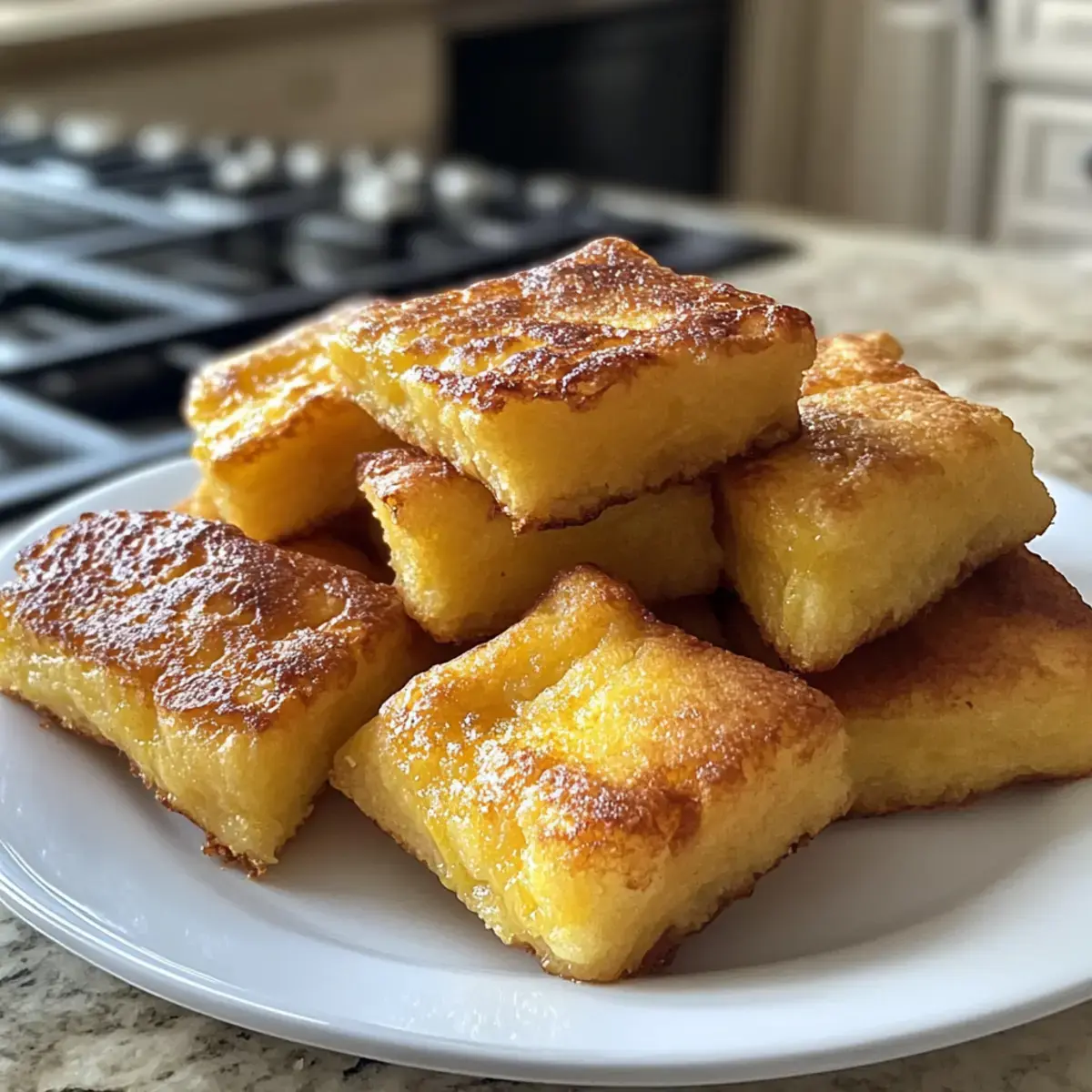
As I stood over the stove, the rhythmic sizzling sound of dough hitting hot oil instantly whisked me away to the vibrant, sun-drenched streets of the Caribbean. The intoxicating smell of frying Caribbean Johnny Cakes filled the kitchen, acting as a nostalgic reminder of comforting island mornings and lively festive gatherings.
This authentic recipe, famous for its perfectly crispy exterior and tender, fluffy center, serves as more than just a simple side dish. It offers a fascinating glimpse into a rich cultural heritage that celebrates simple, high-quality ingredients transformed into golden-brown perfection through the timeless art of frying.
Why You Will Love This Recipe
- Quick Preparation: You can have these delicious, warm treats ready to serve in less than an hour, making them a perfect addition to a busy morning routine.
- Traditional Comfort: This recipe invites you to enjoy the deep history of island cuisine while mastering a beloved staple that brings warmth to any family table.
- Versatile Delight: Whether you want to pair them with a savory dinner stew or enjoy them as a sweet breakfast treat, these cakes are incredibly adaptable.
- Unique Texture: You will absolutely love the satisfying contrast between the crunchy, golden-fried outer layer and the soft, airy interior that makes every single bite a joy.
- Cultural Connection: Sharing these homemade cakes is an excellent way to start new family traditions and appreciate the culinary history behind these iconic island favorites.
Ingredients You Need
Creating authentic Caribbean Johnny Cakes begins with sourcing reliable, pantry-staple ingredients that work together to create the perfect crumb. For the best possible results, ensure your baking powder is fresh, as this is the primary secret behind achieving that signature lift and fluffiness. Please see the quantities below for your shopping list.
Delicious Caribbean Johnny Cake – Your New Breakfast Treat
This authentic Caribbean Johnny Cake recipe delivers a crispy exterior and a fluffy center, perfect as a versatile breakfast treat or side dish. Quick to make, these golden-brown delights offer a taste of island culture and pair wonderfully with savory stews or tropical jams.
- 2 cups all-purpose flour (can substitute with gluten-free flour)
- 1 tablespoon baking powder (leavening agent)
- 2 tablespoons sugar (optional)
- 1 teaspoon salt
- 3 tablespoons butter or shortening (coconut oil is a dairy-free substitute)
- 3/4 cup water or evaporated milk (coconut milk works well too)
- 1 inch vegetable oil (can use light olive oil or peanut oil)
- 1Step 1: Mix Dry IngredientsIn a large mixing bowl, whisk together 2 cups of all-purpose flour, 1 tablespoon of baking powder, 2 tablespoons of sugar (if using), and 1 teaspoon of salt until well combined.
- 2Step 2: Incorporate FatCut in 3 tablespoons of butter or shortening into the flour mixture using a pastry cutter or your fingers until it resembles coarse crumbs.
- 3Step 3: Add LiquidGradually mix in 3/4 cup of water or evaporated milk to the dry ingredients, stirring gently with a wooden spoon until a soft, non-sticky dough forms.
- 4Step 4: Rest the DoughCover the dough with a clean kitchen towel and let it rest for 15-20 minutes at room temperature.
- 5Step 5: Shape CakesAfter resting, turn the dough onto a lightly floured surface and divide it into 6-8 equal portions, shaping them into golf ball-sized balls. Then, flatten each ball into discs about 1/2 inch thick.
- 6Step 6: FryHeat about 1 inch of vegetable oil in a deep skillet over medium heat until it reaches 350°F (175°C). Carefully place the dough discs into the hot oil, frying them for 2-3 minutes on each side or until they turn a delightful golden brown.
- 7Step 7: Drain & ServeOnce golden brown, transfer the fried Johnny Cakes to a paper towel-lined plate to drain excess oil. Allow them to cool slightly before serving warm.
Keywords: Caribbean Johnny Cake, Breakfast, Fried Dough, Traditional, Easy, Versatile, Snack, Island Food, Quick Recipe, Sweet Treat, Savory Side
- all-purpose flour: the foundational base that provides structure and holds the dough together during the frying process.
- baking powder: the essential leavening agent that ensures the dough puffs up and becomes light during cooking.
- sugar: an optional addition that provides a subtle hint of sweetness, which can be adjusted or omitted based on your preference.
- salt: a crucial flavor enhancer that balances the richness of the fat and the sweetness of the sugar.
- butter or shortening: provides the necessary fat for a tender, moist crumb, with options like coconut oil for dairy-free needs.
- water or evaporated milk: the liquid components used to hydrate the flour, with evaporated milk offering a creamier, richer mouthfeel.
- vegetable oil: a high-smoke point oil necessary for deep-frying that ensures a clean, crispy, and non-greasy finish.
Please refer to the specific measurement breakdown in the provided recipe card to ensure you have the correct ratios for your batch size. Using high-quality ingredients like unbleached flour can often result in a more authentic, artisanal texture for your final product.
Variations
Gluten-Free: You can easily adapt this classic by using a high-quality 1:1 gluten-free flour blend, which maintains a lovely structure while catering to dietary needs. Simply follow the steps as you would with traditional flour, ensuring your dough is well-hydrated.
Dairy-Free: Many islanders prefer using coconut oil as a fat substitute, which adds a faint, delicious tropical aroma that pairs perfectly with the dough. For the liquid portion, substituting water with full-fat coconut milk creates an incredibly rich and decadent Johnny Cake experience.
Savory and Spicy: To transform these into a more robust side dish, try incorporating aromatics directly into your dry mix before adding the liquids. Adding finely minced scallions, a touch of garlic powder, or even a pinch of cayenne pepper provides a wonderful depth of flavor that complements savory toppings beautifully.
How to Prepare Caribbean Johnny Cake
Step 1: Combine the Dry Base
Begin by grabbing a large mixing bowl to serve as the foundation for your dough. Whisk together your all-purpose flour, baking powder, sugar, and salt until they are completely uniform in appearance. This thorough mixing ensures that your leavening agent is distributed perfectly, preventing uneven rising in your cakes.
Pro Tip: If you are feeling extra cautious about the texture, consider sifting the dry ingredients together. This simple act removes any clumps of flour and incorporates extra air into the mix, which significantly aids in creating a lighter final product.
Step 2: Incorporate the Fat
Take your cold butter or shortening and work it into the dry flour mixture using a pastry cutter or your clean fingertips. You want to continue this process until the mixture resembles coarse, golden crumbs that feel slightly sandy. It is important to avoid overworking the fat, as you want small, visible pieces to melt during the frying stage for ultimate tenderness.
Step 3: Hydrate the Dough
Gradually pour in your water or evaporated milk, stirring constantly with a sturdy wooden spoon. You should be aiming for a soft, pliable, and slightly tacky dough that pulls away from the sides of the bowl. Do not be tempted to add too much extra flour, as keeping the dough soft is the secret to a fluffy interior.
Step 4: Resting the Dough
Cover the bowl with a clean kitchen towel and allow the dough to sit undisturbed at room temperature for at least 15 to 20 minutes. This mandatory rest period allows the gluten strands to relax, which is a technique common in many bread recipes found on Wikipedia. By letting the dough rest, you ensure that your cakes won’t be tough or chewy when you bite into them later.
Step 5: Shaping the Cakes
Once the dough has rested, turn it out onto a lightly floured work surface. Divide the mass into 6 to 8 equal-sized portions and roll them into smooth, round balls. Gently press each ball down to create a flat disc, ensuring they are about 1/2 inch thick for even frying.
The Visual Check: Try to keep your discs consistent in size so that they fry at the same speed in the hot oil. If you enjoy a more rustic look, you can leave the edges slightly uneven, as these will get extra crispy in the skillet.
Step 6: The Frying Process
Heat your vegetable oil in a deep skillet or heavy-bottomed pot until it reaches approximately 350°F (175°C). Carefully lower your discs into the oil, making sure not to crowd the pan, which can drop the temperature of the oil too quickly. Fry each side for about 2 to 3 minutes, or until the exterior reaches a deep, beautiful golden-brown color.
Technical Note: If the oil is too hot, the outside will burn before the middle is cooked through, so monitor your flame carefully. If you are interested in other frying techniques, you might also enjoy experimenting with our baked lemon chicken to balance your fried menu with something lighter.
Step 7: Final Drainage and Service
Once the Johnny Cakes are perfectly golden, lift them from the oil with a slotted spoon and place them directly onto a plate lined with paper towels. This step is critical for removing excess oil and maintaining that signature crispiness. Let them sit for a few minutes; the cooling time allows the internal structure to set properly before you take that first, delightful bite.
Pro Tips for Caribbean Johnny Cake
The Temperature Rule: Always keep a close eye on your oil temperature using a thermometer, as consistent heat is the difference between a greasy cake and a light, airy one. If you don’t have a thermometer, a small cube of bread should turn golden in about 60 seconds.
Don’t Over-Knead: When mixing your dough, stop the moment the flour is incorporated and the dough comes together. Over-kneading develops too much gluten, which can turn your light and fluffy cakes into dense, bread-like pucks that are harder to chew.
Manage Your Batches: Avoid the temptation to fill the entire pan, as overcrowding lowers the oil temperature and leads to an unappetizing, oily texture. Frying in small batches keeps the oil hot and ensures that every single cake comes out with that perfect golden-brown finish.
Flavor Infusions: For an extra layer of complexity, you can add a pinch of freshly grated nutmeg or a small amount of dried thyme to your dry ingredients. These subtle additions elevate the base recipe into something truly unique that will leave your guests asking for your secret.
Serving Suggestions for Caribbean Johnny Cake
Decoration
Serve your warm Johnny Cakes on a wooden platter or a colorful ceramic plate to emphasize their rustic charm. A light dusting of powdered sugar or a drizzle of local honey can make them look like a gourmet brunch item suitable for guests.
Side Dishes
These cakes act as a fantastic vehicle for savory proteins, so serve them alongside traditional salted codfish or a hearty stew. For a lighter breakfast approach, pair them with fresh mango slices or a side of crispy bacon to balance the carbohydrate-heavy texture of the cakes.
Creative Serving Ideas
Use them as a base for a “Caribbean-style slider” by splitting them open and filling them with scrambled eggs or pulled meat. If you have leftovers, they are also wonderful dipped into a warm easy lobster bisque recipe for an elegant, non-traditional meal.
Preparation & Storage
Storing Leftovers
Keep any remaining Johnny Cakes in an airtight container at room temperature if you plan to eat them within 24 hours. For longer storage, keep them in the refrigerator, but be aware that the moisture in the fridge will soften the crispy exterior over time.
Freezing
You can freeze these successfully by allowing them to cool completely and placing them on a baking sheet in the freezer until solid. Once frozen, transfer them to a heavy-duty freezer bag, where they will stay fresh for up to three months. This method is perfect for home chefs who like to have a quick lunch or breakfast ready to go.
Reheating
Avoid the microwave, as it will make your cakes soggy and rubbery. Instead, reheat them in a dry skillet over medium-low heat or pop them into a 350°F oven for about 5-8 minutes. This restores the crunch of the crust and keeps the inside fluffy and tender.
Frequently Asked Questions
- How do I ensure my Johnny Cakes stay fluffy on the inside?
The key to a fluffy interior is a combination of fresh baking powder and proper resting time. By letting the dough sit for at least 20 minutes before frying, you allow the flour to fully hydrate and the gluten to relax, which is essential for a light texture. - Can I use a different type of flour for this recipe?
While all-purpose flour is standard, you can experiment with blending in a small amount of whole wheat flour for a nuttier flavor. However, ensure that you do not replace more than 25% of the total volume, as the higher protein content in whole wheat flour can make the cakes significantly denser. - Are these suitable for a sweet-focused menu?
Yes, Johnny Cakes are incredibly versatile and serve as a base for many sweet toppings. You can enhance their natural mildness by serving them with fruit preserves, maple syrup, or even a dollop of fresh coconut cream, much like you would with a German pancake recipe.
For more daily culinary inspiration, make sure to visit my Pinterest page, where I share all my favorite techniques and recipes. Happy cooking, and I hope you enjoy bringing these delicious island flavors into your own kitchen!