Easy Chicken Puttanesca – Delicious One-Pan Italian Delight
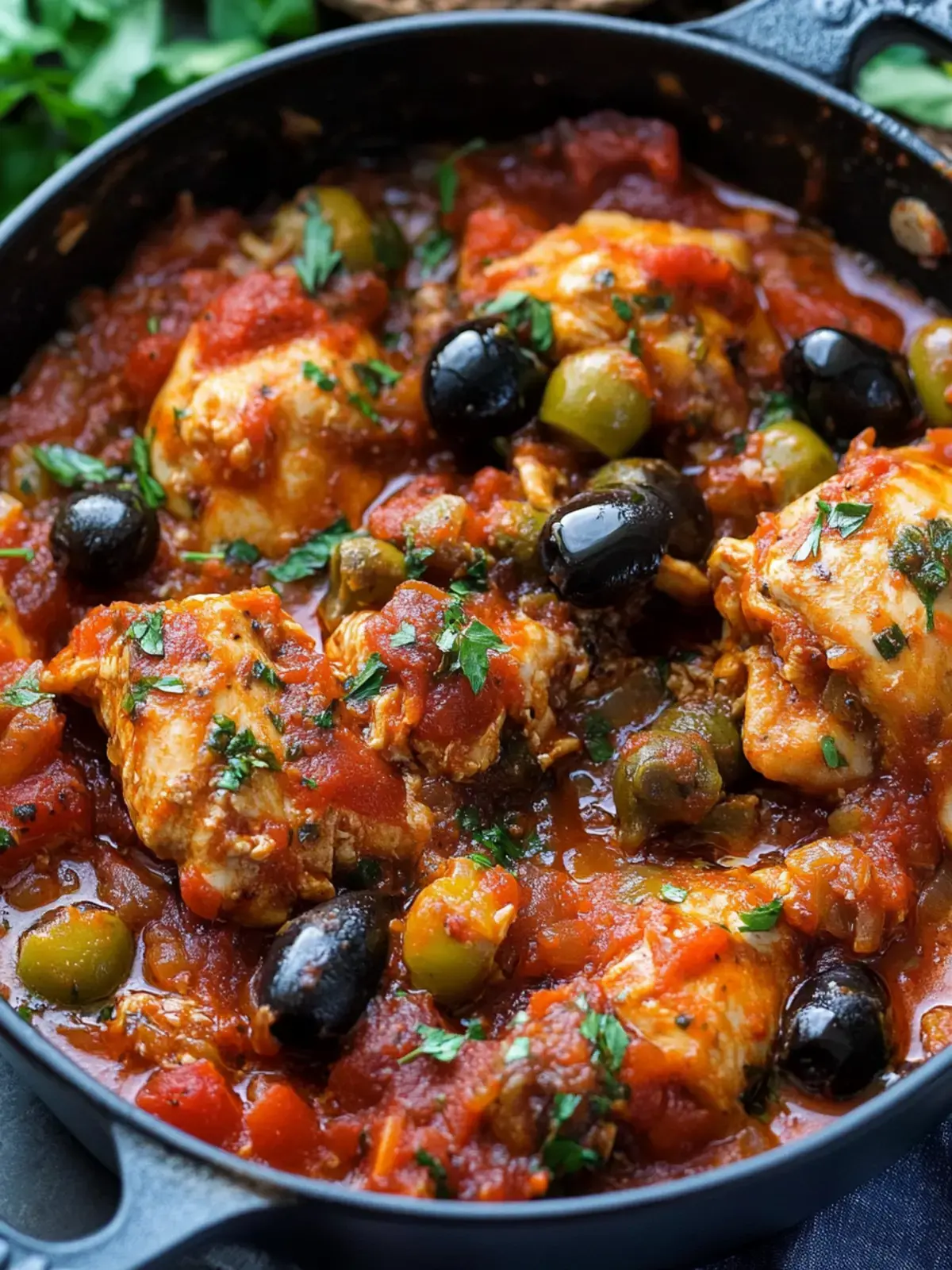
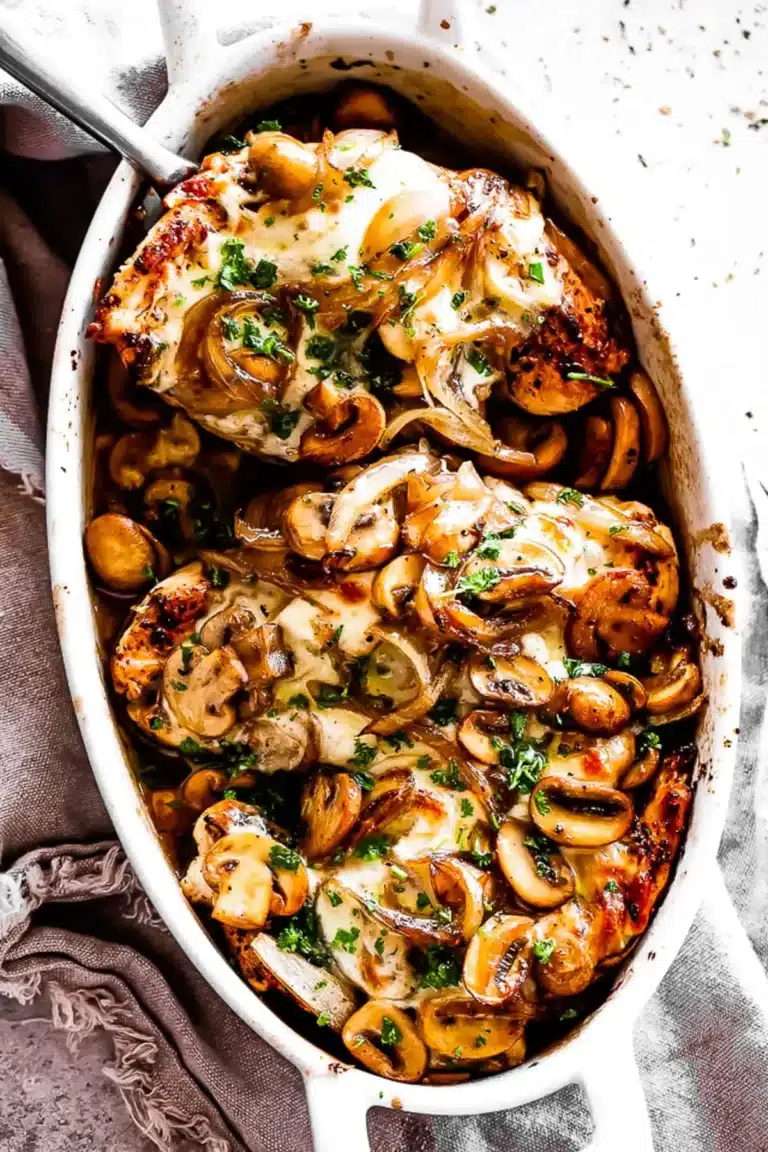
There’s a certain charm in the simplicity of a one-pan meal, and that’s precisely why I fell in love with Chicken Puttanesca. Picture this: tender chicken thighs simmering in a rich tomato sauce, jazzed up with zesty olives and capers—each bite a celebration of Mediterranean flavors that whisk you away to sun-drenched coastlines.
I discovered this gem during a particularly busy weeknight when I craved something hearty yet easy to whip up without a mountain of dishes to clean afterward. What’s remarkable about this dish is its flexibility—you can use chicken thighs, breasts, or even drumsticks, making it not just beginner-friendly but also a lifesaver when you’re staring at a mix of pantry staples and wondering what on earth to make for dinner. With just about 30 minutes from start to finish, Chicken Puttanesca is your ticket to impressing family or guests while indulging in a comforting Italian classic.
Why You Will Love This Recipe
- Flavor Explosion: Each bite offers a tantalizing mix of rich tomato sauce, briny olives, and savory capers, delivering a true Mediterranean experience right in your kitchen.
- One-Pan Wonder: Enjoy effortless cooking and cleanup with this clever single-pan dish, making even the busiest weeknight dinners a breeze to manage.
- Customizable Goodness: This versatile recipe allows you to effortlessly switch up the protein with thighs, breasts, or drumsticks based on what you have readily available at home, ensuring flexibility.
- Quick & Easy Preparation: With a total cooking time of just 30 minutes, you’ll have a delicious and satisfying meal on the table without sacrificing any flavor or quality.
- Family-Friendly Appeal: Guaranteed to please even the pickiest of eaters, this dish is perfect for impressing guests or enjoying a cozy and comforting family dinner.
Ingredients You Need
The beauty of this dinner recipe lies in its carefully selected ingredients, each contributing a unique note to the overall symphony of flavors. Opting for the freshest ingredients whenever possible will truly elevate your Chicken Puttanesca, transforming a simple meal into an unforgettable culinary experience. Remember that the quality of your produce and pantry staples directly impacts the final taste.
Chicken Puttanesca: A Quick and Flavorful Italian Feast
Enjoy a quick and flavorful Chicken Puttanesca, a one-pan Italian dish featuring tender chicken in a rich tomato sauce with olives and capers. This recipe is perfect for a weeknight meal, offering a taste of Mediterranean flavors with minimal cleanup.
- For the Chicken: 4 bone-in, skin-on chicken thighs (can substitute with breasts or drumsticks)
- For the Sauce: 1 can (14 oz) tomato sauce, ½ cup hot water (can replace with chicken broth for more flavor), ½ cup black olives (any type, to taste), ½ cup green olives (optional, use black olives if preferred), 1 medium white onion (diced, substitute with yellow onion if necessary), 3 cloves garlic (minced, add more if desired), 2 anchovy fillets (omit for vegetarian option), 2 tablespoons capers (rinsed to reduce saltiness), 2 tablespoons olive oil (for sautéing)
- For Garnishing: 1 tablespoon fresh parsley (or substitute with basil)
- Salt and pepper to taste
- 1Heat 2 tablespoons of olive oil in a medium pan over medium heat.
- 2Add the chicken thighs to the pan, skin-side down. Brown for 5-7 minutes until lightly crispy.
- 3Remove chicken from the pan and set aside.
- 4In the same pan, toss in one diced white onion and sauté for 2-3 minutes until transparent.
- 5Stir in 3 minced garlic cloves and 2 anchovy fillets; cook for approximately 2 minutes until fragrant.
- 6Pour in 1 can of tomato sauce and ½ cup of hot water; bring to a gentle boil.
- 7Place the browned chicken back into the pan, seasoning with salt and pepper to taste. Cover, lower the heat to medium-low, and let it cook for 35 minutes, stirring occasionally.
- 8After 35 minutes, mix in ½ cup of black olives and 2 tablespoons of rinsed capers.
- 9Cook uncovered for an additional 10 minutes until the sauce thickens to your liking.
- 10Taste and adjust seasonings if necessary. Turn off the heat and sprinkle fresh parsley on top before serving warm.
Keywords: Chicken, Puttanesca, Italian, One-pan, Quick, Flavorful, Tomato, Olives, Capers, Weeknight
Quantities for all these delicious components can be found within the detailed recipe card below, ensuring perfect execution.
Variations
For those seeking a plant-based alternative, transform this classic into a vibrant vegetarian delight by substituting the chicken thighs with hearty chunks of eggplant or substantial portobello mushrooms. These vegetables absorb the rich puttanesca sauce beautifully, offering a satisfying chew and depth of flavor that rivals the original dish.
Embrace a low-carbohydrate lifestyle by serving this flavorful Chicken Puttanesca over a bed of creamy cauliflower rice or zucchini noodles instead of traditional pasta. This clever swap keeps the delicious Italian flavors intact while significantly reducing the carbohydrate count, making it a guilt-free indulgence.
To introduce a delightful zest and brightness, consider adding a squeeze of fresh lemon juice just before serving. This simple addition awakens the palate and cuts through the richness of the sauce, offering a refreshing counterpoint that beautifully complements the briny olives and capers.
How to Prepare Chicken Puttanesca
Step 1: Searing the Chicken
Begin by preparing your chicken pieces. If using bone-in, skin-on thighs, ensure they are patted thoroughly dry with paper towels. This crucial step helps achieve a beautifully crisp skin and ensures proper browning, which is fundamental for developing deep flavor.
Heat a generous two tablespoons of olive oil in a substantial, oven-safe skillet or Dutch oven over medium-high heat until it shimmers. Carefully place the chicken thighs, skin-side down, into the hot oil. Avoid overcrowding the pan, as this will steam the chicken instead of searing it, diminishing the desirable crispy texture you’re aiming for. Let them cook undisturbed for about 5 to 7 minutes, or until the skin is deeply golden brown and releases easily from the pan.
Once the skin is perfectly rendered and crispy, flip the chicken pieces over to brown the other side for an additional 3 to 4 minutes. This initial searing locks in the juices and builds the foundational flavor profile of the dish. Remove the browned chicken from the skillet and set it aside on a plate, leaving the flavorful rendered fat in the pan for the next steps of our culinary adventure.
Step 2: Building the Aromatic Base
In the same skillet where the chicken was seared, add one medium finely diced white onion. You can also use a yellow onion if that’s what you have available; the slight sweetness will complement the savory elements beautifully. Sauté the onion over medium heat, stirring occasionally, for about 3 to 4 minutes until it becomes translucent and begins to soften, releasing its sweet aroma.
Next, introduce three cloves of minced garlic and two anchovy fillets to the skillet. Stir them into the softened onions and cook for another 1 to 2 minutes until the garlic is fragrant and the anchovy fillets have essentially dissolved into the oil, infusing the entire mixture with their umami-rich essence. It’s important not to burn the garlic; if it starts to brown too quickly, reduce the heat slightly.
This aromatic base is incredibly important for the depth of flavor in your Chicken Puttanesca. The combination of sweet onion, pungent garlic, and savory anchovy creates a complex foundation that the tomato sauce will build upon. The anchovies, though often overlooked, are a secret weapon for adding incredible savory depth without imparting a distinctly fishy taste, especially when fully cooked into the sauce.
Step 3: Simmering the Sauce
Pour one 14-ounce can of your preferred tomato sauce into the skillet with the sautéed aromatics. If you’re using crushed tomatoes, you can adjust the consistency later. Next, add half a cup of hot water to the mixture. Using hot water helps to bring the sauce to temperature more quickly and ensures a smoother integration with the other ingredients.
Stir everything together thoroughly, ensuring all the savory bits from the bottom of the pan are scraped up and incorporated into the sauce. Bring this mixture to a gentle simmer over medium heat. Allow it to bubble softly for a few minutes, giving the flavors a chance to meld and deepen. This initial simmering period is crucial for creating a rich and well-rounded sauce base.
As the sauce simmers, season it generously with salt and freshly ground black pepper to your taste. Remember that olives and capers, which will be added later, are quite salty, so it’s wise to season conservatively at this stage and adjust at the end. This mindful seasoning ensures a balanced flavor profile throughout the entire dish. Discover more dinner inspiration here.
Step 4: Braising the Chicken
Now, it’s time to bring the chicken back into the picture. Carefully nestle the seared chicken thighs back into the simmering tomato sauce, ensuring they are mostly submerged. If you are using chicken breasts, they may cook faster and could be added later in the process to prevent them from drying out.
Cover the skillet tightly with a lid. Reduce the heat to medium-low, maintaining a gentle simmer. Let the chicken braise in the sauce for approximately 35 minutes. During this time, the chicken will become incredibly tender and succulent, absorbing all the wonderful flavors of the puttanesca sauce. It’s beneficial to stir occasionally to prevent anything from sticking to the bottom of the pan and to ensure even cooking.
This slow cooking process is key to achieving fork-tender chicken. The moisture from the sauce and the slow heat break down the connective tissues in the thighs, resulting in a melt-in-your-mouth texture. The aroma filling your kitchen during this stage will be absolutely divine, hinting at the delicious meal to come.
Step 5: Incorporating the Puttanesca Elements
After the chicken has braised for 35 minutes and is wonderfully tender, it’s time to add the signature ingredients that give Puttanesca its distinct character. Stir in half a cup of pitted black olives and two tablespoons of rinsed capers. Rinsing the capers is important to remove excess saltiness, allowing their tangy flavor to shine through without overpowering the dish.
These additions bring a delightful briny, salty, and slightly tangy dimension to the rich tomato sauce. They are the heart of what makes this dish so uniquely Italian and incredibly satisfying. Stir them gently into the sauce, ensuring they are distributed evenly amongst the chicken pieces.
Remove the lid and continue to cook, uncovered, for an additional 10 to 15 minutes. This uncovered simmering time allows the sauce to thicken to your desired consistency. You are looking for a rich, luscious sauce that coats the chicken beautifully. Stir more frequently during this phase to prevent sticking as the sauce reduces.
Step 6: Finishing Touches and Serving
Once the sauce has reached your preferred thickness and the flavors have melded beautifully, it’s time for the final adjustments. Taste the Chicken Puttanesca carefully and adjust the seasoning with salt and pepper as needed. Remember to account for the saltiness from the olives and capers when seasoning.
Before serving, sprinkle generously with fresh chopped parsley. The vibrant green flecks not only add a pop of color but also provide a fresh, herbaceous counterpoint to the rich, savory sauce. Basil can also be used for a slightly different, but equally delicious, aromatic note. This fresh herb is a classic dinner garnish.
Serve the Chicken Puttanesca hot, directly from the skillet if desired for a rustic presentation. The tender chicken, infused with the complex puttanesca sauce, promises a truly satisfying and flavorful meal that’s perfect for any occasion, especially when paired with a crusty bread for soaking up every last drop of the delicious sauce.
Pro Tips for Chicken Puttanesca
Optimal Chicken Choice: For the most decadent flavor and tender results, always opt for bone-in, skin-on chicken thighs. The bone adds depth to the sauce, and the skin crisps up beautifully, contributing richness and texture. If you must use chicken breasts or drumsticks, be mindful of their cooking times to prevent overcooking.
Anchovy Options: If anchovies are not to your liking or unavailable, fear not! A tablespoon of soy sauce or a dash of Worcestershire sauce can effectively replicate the umami depth they provide without any noticeable fishy flavor. This is a fantastic substitution for achieving that savory backbone.
Perfect Sauce Consistency: To achieve a beautifully thickened sauce, allow the dish to simmer uncovered during the final 10-15 minutes of cooking. This process evaporates excess moisture, concentrating the flavors and creating a luscious texture that coats the chicken perfectly. Stirring is key to prevent scorching during this reduction phase.
Flavor Enhancer: For an even richer and more complex flavor profile, consider replacing the hot water with low-sodium chicken broth. This subtle change infuses the sauce with an additional layer of savory goodness that complements the other Italian-inspired ingredients wonderfully.
Olive Variety: Don’t be afraid to experiment with different types of olives! A mix of Kalamata, Castelvetrano, or even a few stuffed green olives can create a unique and delightful flavor profile. This personal touch makes the dish truly your own.
Serving Suggestions for Chicken Puttanesca
Decoration
A scattering of fresh, finely chopped parsley or basil leaves provides a vibrant contrast and an aromatic lift to the rich sauce. For a touch of elegance, a drizzle of high-quality extra virgin olive oil over the finished dish can enhance its visual appeal and add a final layer of flavor. You could also garnish with a few whole olives or capers for a rustic, authentic look.
Side Dishes
Crusty, warm bread is an absolute essential for soaking up every last drop of the delicious puttanesca sauce, making it a perfect accompaniment. A simple, peppery arugula salad with a light lemon vinaigrette offers a refreshing counterpoint to the savory dish, balancing the flavors beautifully. Creamy polenta or fluffy mashed potatoes provide a comforting base that is excellent for absorbing the rich sauce.
Creative Serving Ideas
Serve the Chicken Puttanesca family-style directly from the skillet for a rustic and communal dining experience that encourages sharing. For a more refined presentation, plate the chicken and sauce over a bed of perfectly cooked pasta, like linguine or spaghetti, ensuring the sauce coats each strand. Consider serving it alongside roasted seasonal vegetables, such as zucchini, bell peppers, and cherry tomatoes, to add color and texture to the meal.
Preparation & Storage
Storing Leftovers
Leftover Chicken Puttanesca can be stored in an airtight container in the refrigerator for up to three days. The flavors often deepen and meld further overnight, making it even more delicious the next day. Ensure the container is well-sealed to maintain freshness and prevent any unwanted odors from the refrigerator from affecting the dish.
Freezing
For longer storage, allow the Chicken Puttanesca to cool completely before transferring it to freezer-safe containers or heavy-duty freezer bags. Squeeze out as much air as possible to prevent freezer burn. It can be safely frozen for up to three months, offering a convenient meal option for future busy weeknights.
Reheating
To reheat, gently warm the Chicken Puttanesca on the stovetop over medium-low heat, stirring occasionally. If the sauce seems too thick, add a splash of water, chicken broth, or even a little white wine to restore its desired consistency. Alternatively, you can reheat it in the microwave, ensuring you stir halfway through for even heating. Always ensure the chicken reaches an internal temperature of 165°F (74°C) before serving.
Frequently Asked Questions
-
How do I ensure my chicken is perfectly cooked and juicy in Chicken Puttanesca?
The key to perfectly cooked and juicy chicken in your Puttanesca dish lies in selecting the right cut and managing the cooking time effectively. Bone-in, skin-on chicken thighs are highly recommended because they are more forgiving and remain moist due to their higher fat content; their skin also crisps up beautifully during searing. When braising, ensure the chicken is mostly submerged in the sauce and that the heat is kept at a gentle simmer, not a rolling boil, to prevent drying out. If you opt for chicken breasts, which are leaner, it’s best to add them during the last 15-20 minutes of the braising time to avoid overcooking. Always check the internal temperature with a meat thermometer; it should register 165°F (74°C) in the thickest part of the thigh or breast. Juices should run clear when pierced.
-
What are the best ways to thicken a Chicken Puttanesca sauce if it turns out too watery?
If your Chicken Puttanesca sauce ends up thinner than you’d prefer, there are several effective methods to achieve the perfect consistency. The simplest approach is to continue simmering the sauce uncovered during the final stages of cooking, allowing excess moisture to evaporate naturally. Stirring more frequently will help concentrate the flavors and prevent sticking. For a quicker thickening, you can create a slurry by mixing one tablespoon of cornstarch or all-purpose flour with two tablespoons of cold water until smooth, then stirring this paste into the simmering sauce until it thickens. Another option is to gently mash a few of the cooked olives or tomatoes against the side of the pan to release their starches, which will naturally thicken the sauce.
-
Can Chicken Puttanesca be made ahead of time, and if so, how should it be stored and reheated?
Absolutely, Chicken Puttanesca is an excellent candidate for meal prepping as its flavors often improve upon resting. You can prepare the entire dish and let it cool completely before storing it in an airtight container in the refrigerator for up to 3 days. When you’re ready to reheat, gently warm it on the stovetop over medium-low heat, adding a splash of water or chicken broth if the sauce has thickened too much. Stirring occasionally ensures even heating. If you plan to freeze it for longer storage, cool it completely and then transfer it to freezer-safe containers or heavy-duty freezer bags for up to 3 months. Thaw overnight in the refrigerator before reheating using the stovetop method for the best texture and flavor.