Lemon Coconut Naked Cake
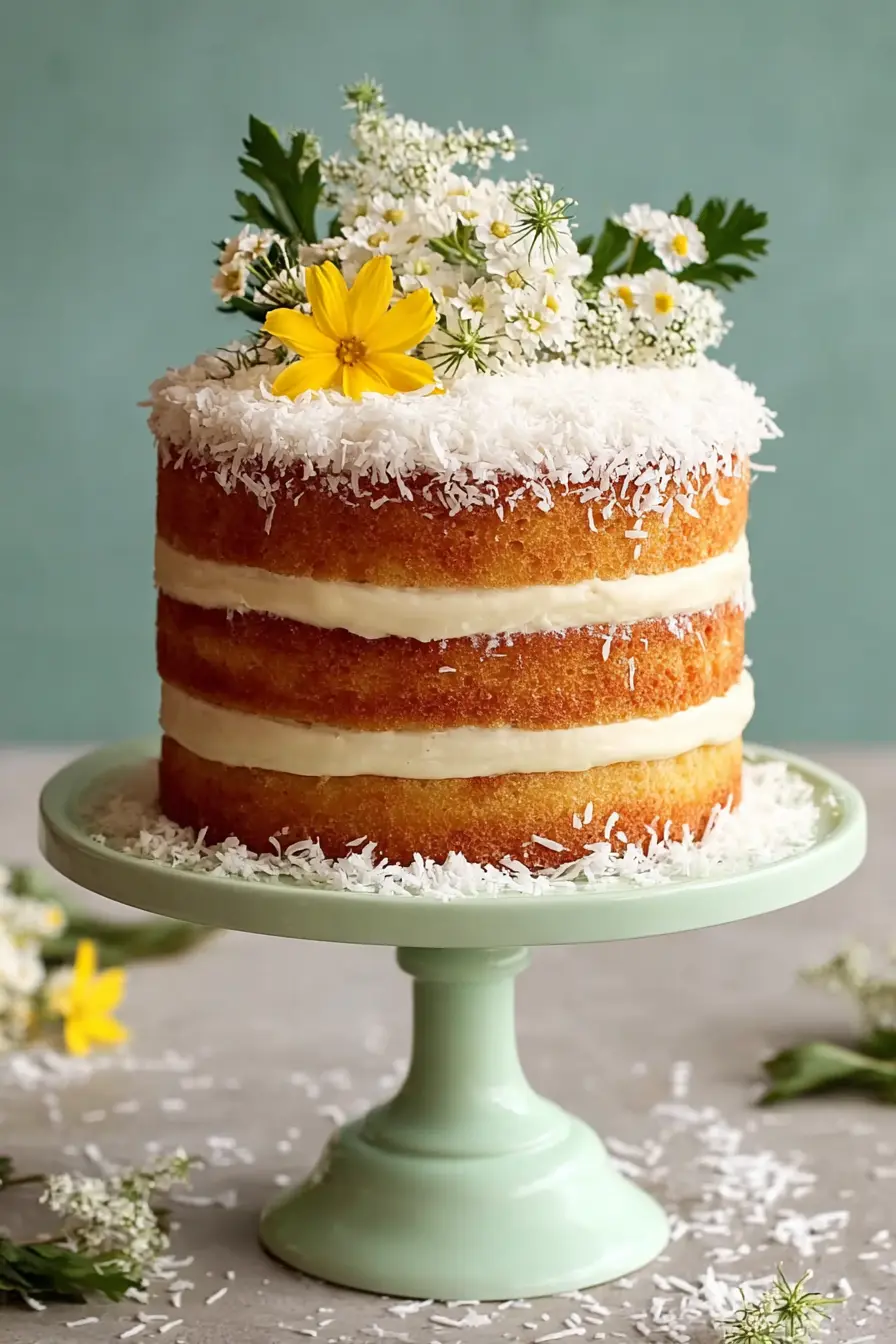
This Lemon Coconut Naked Cake is a celebration of bright citrus and tropical sweetness, perfect for any occasion that calls for a touch of elegance without the fuss. Its moist, tender layers infused with coconut and zesty lemon, paired with a delicate honey buttercream, create a symphony of flavors that is both sophisticated and comforting.
It’s the ideal dessert for those moments when you want to impress without spending hours on intricate decorating. The beauty of the naked cake style lies in its charming simplicity, allowing the natural textures and colors of the cake to shine through, making every slice a work of art.
Why You Will Love This Recipe
- Light and Moist Texture: Each bite offers a tender crumb, thanks to the perfect balance of coconut milk, Greek yogurt, and oil, ensuring the cake is never dry.
- Vibrant Citrus Notes: The fresh lemon zest and juice cut through the sweetness, providing a refreshing zing that awakens the palate and complements the tropical coconut flavor beautifully.
- Elegant Naked Design: This style of cake intentionally shows off its layers, creating a rustic yet refined aesthetic that is visually stunning and less intimidating to decorate than a fully frosted cake.
- Subtle Honey Sweetness: The inclusion of honey in both the syrup and the buttercream adds a gentle, floral sweetness that harmonizes perfectly with the lemon and coconut, offering a more complex flavor profile.
- Make-Ahead Friendly: The cake layers can be baked a day in advance, allowing for easier assembly and reducing stress on the day of your event, ensuring a perfectly finished dessert with minimal last-minute effort.
Ingredients You Need
The success of this Lemon Coconut Naked Cake hinges on the quality of its ingredients, so choosing fresh and vibrant components will elevate your baking experience. Using good quality coconut milk and fresh lemon zest will ensure the flavors are pronounced and authentic, making a noticeable difference in the final taste and aroma of your cake.
Lemon Coconut Naked Cake
A bright, elegant dessert with moist coconut-rich layers, fresh citrus flavor, and a light honey buttercream. This naked cake feels special without being fussy, perfect for spring gatherings, birthdays, or brunch.
- For the Cake: 3 cups all-purpose flour, 1 tablespoon finely grated fresh lemon zest, 1 cup sweetened shredded coconut, 1 1/2 cups granulated sugar, 3/4 cup coconut oil (cooled), 1 cup full-fat coconut milk, 1/2 cup plain Greek yogurt, 3 large eggs (brought to room temperature), 1 tablespoon vanilla extract, 1 1/2 teaspoons baking soda, 1 1/2 teaspoons baking powder, 1 teaspoon salt
- For the Syrup: 1/4 cup freshly squeezed lemon juice, 1/3 cup honey
- For the Buttercream Frosting: 1 1/2 cups salted butter (softened), 2 ounces cream cheese (softened), 1 1/2 cups icing sugar, 1/3 cup honey, 1 teaspoon vanilla extract
- For the Topping: Extra sweetened shredded coconut
- 1Preheat the oven to 350°F. Prepare three 6-inch round cake pans or two 8-inch round cake pans by greasing them thoroughly. Line the bases with parchment paper, then lightly butter or coat with cooking spray.
- 2In a stand mixer or large bowl, combine coconut oil, Greek yogurt, eggs, granulated sugar, vanilla extract, and coconut milk. Beat until smooth and fully blended.
- 3Add flour, baking soda, baking powder, and salt to the wet mixture. Mix on low speed just until the batter comes together.
- 4Gently fold in the lemon zest and shredded coconut.
- 5Divide batter evenly among prepared pans. Bake for 30 to 35 minutes, or until the tops are set and centers are no longer unsteady.
- 6Remove cakes from the oven and let them rest in pans for 5 minutes. Turn out onto a wire rack to cool completely. Poke 3 to 5 small holes across the top of each cake layer.
- 7For the syrup, place lemon juice and honey in a small saucepan over high heat. Bring to a boil and cook for 1 to 2 minutes until slightly thickened. Let cool until just warm.
- 8For the frosting, beat softened butter and cream cheese until very pale and fluffy (3-4 minutes).
- 9Gradually add icing sugar and honey, then beat for about 2 more minutes until smooth and airy. Mix in vanilla extract.
- 10Place one cake layer on a serving plate. Spoon a light amount of syrup over the surface. Spread one-third of the buttercream over the top, then scatter with a small handful of shredded coconut.
- 11Repeat layering with remaining cake layers, applying syrup, frosting, and coconut.
- 12Serve immediately or refrigerate for up to 1 day before serving.
Keywords: Lemon Coconut Naked Cake, coconut cake, lemon cake, naked cake, honey buttercream, spring dessert, elegant cake, make-ahead cake, German baking
- all-purpose flour: provides the essential structure for your cake layers.
- fresh lemon zest: infuses the cake with bright, aromatic citrus notes that are crucial for its refreshing flavor profile.
- sweetened shredded coconut: adds a delightful texture and tropical sweetness that is characteristic of this cake.
- granulated sugar: contributes to the cake’s sweetness and helps in achieving a tender crumb during baking.
- coconut oil (cooled): ensures moisture and a delicate coconut essence without weighing down the cake layers.
- full-fat coconut milk: contributes richness and contributes significantly to the moist and plush texture of the cake.
- plain Greek yogurt: adds a slight tang and exceptional tenderness, making the cake incredibly soft and delightful.
- large eggs (brought to room temperature): act as a binder and help the cake layers bake up with a stable yet tender structure.
- vanilla extract: enhances all the other flavors, rounding out the sweet and citrus notes with its warm essence.
- baking soda: works with the acidic ingredients to provide lift and a lighter crumb in the cake.
- baking powder: aids in leavening, ensuring the cake layers rise beautifully and have a pleasing texture.
- salt: balances the sweetness and sharpens all the flavors, making them more pronounced and well-rounded.
- freshly squeezed lemon juice: used in the syrup to add an extra layer of vibrant citrus flavor and moisture.
- honey: offers a mellow, floral sweetness that complements both lemon and coconut, used in both the syrup and frosting.
- salted butter (softened): forms the creamy base of the buttercream, providing a rich texture and a hint of salt to balance sweetness.
- cream cheese (softened): adds a subtle tang to the frosting, preventing it from being overly sweet and giving it a smooth, luxurious consistency.
- icing sugar: sweetens and thickens the buttercream, ensuring it is spreadable and holds its shape beautifully.
- extra sweetened shredded coconut: for garnishing, adding a final touch of tropical flair and texture to the cake’s exterior.
The precise quantities for these ingredients are detailed within the recipe card, ensuring you have everything you need for a perfectly balanced cake.
Variations
This Lemon Coconut Naked Cake is wonderfully adaptable, allowing you to tailor it to specific dietary needs or flavor preferences. Consider a vegan version by substituting the eggs with a flax egg or commercial egg replacer, and ensuring your coconut milk and yogurt are plant-based; the butter in the frosting can also be swapped for a high-quality vegan butter alternative for a delightful dairy-free treat.
For those seeking a lower-carbohydrate option, you could experiment with almond flour or coconut flour blends to replace some of the all-purpose flour, and use a sugar substitute like erythritol or stevia for sweetness, adjusting ratios as needed to maintain the cake’s moisture and structure. This modification might alter the texture slightly but can still yield a delicious, diet-conscious cake.
Another exciting variation involves infusing the cake with additional spices or extracts, such as a hint of ginger or a touch of cardamom in the batter, or a splash of almond extract in the frosting. You could also introduce a surprise element like a thin layer of raspberry jam between the cake layers for a burst of berry flavor that beautifully complements the lemon and coconut, creating a more complex flavor profile.
How to Prepare Lemon Coconut Naked Cake
Step 1: Preparing the Cake Layers
Begin by preheating your oven to the specified temperature, typically around 350°F (175°C), to ensure a consistent baking environment. Thoroughly grease your cake pans, whether you’re using three 6-inch rounds or two 8-inch rounds, to prevent any sticking. Line the bottoms of the pans with parchment paper for an extra layer of security and then lightly re-grease or spray them to guarantee a clean release of your delicate cake layers.
This meticulous preparation is crucial for naked cakes, as clean edges are part of their aesthetic appeal and make the assembly process much smoother. Proper pan preparation ensures that your layers will slide out effortlessly, maintaining their perfect shape and integrity, ready to be stacked and showcased.
The importance of this initial step cannot be overstated; it sets the stage for a beautifully presented cake, ensuring that the layers are intact and visually appealing, which is fundamental to the naked cake’s charm. A well-prepared pan guarantees that your efforts in mixing and baking translate into flawless cake layers.
Step 2: Mixing the Wet and Dry Ingredients
In a large mixing bowl or the bowl of a stand mixer, combine your softened butter, granulated sugar, room-temperature eggs, coconut oil, coconut milk, Greek yogurt, and vanilla extract. Beat these wet ingredients together until the mixture is thoroughly combined and appears smooth and well-emulsified, creating a beautiful base for your batter.
Once the wet ingredients are perfectly blended, gradually add your sifted dry ingredients—the all-purpose flour, baking soda, baking powder, and salt—to the wet mixture. Mix on low speed only until the ingredients are just combined; overmixing at this stage can develop the gluten in the flour, leading to a tougher cake texture, so it’s vital to be gentle.
The goal is to achieve a homogenous batter without overworking it. This careful combination ensures that the leavening agents can work effectively to create a light and airy crumb, which is essential for a moist and tender layer cake. The resulting batter should be smooth, without any dry pockets of flour.
Step 3: Incorporating Zest and Coconut
Gently fold the finely grated lemon zest and the sweetened shredded coconut into the cake batter using a spatula. This folding technique ensures that the delicate lemon zest and the textural coconut are evenly distributed throughout the batter without deflating the air incorporated during mixing.
By adding these ingredients towards the end, you preserve the fragrance of the lemon zest and prevent the coconut from becoming overly saturated or clumpy in the batter. This step is key to achieving those delightful bursts of citrus and chewiness in every bite of your finished cake.
Carefully divide the batter as evenly as possible among your prepared cake pans. This ensures that each layer bakes at the same rate and results in cakes of uniform height, which is crucial for a stable and aesthetically pleasing naked cake assembly later on. Accurate division helps in creating those perfect, stackable layers.
Step 4: Baking and Cooling the Cake Layers
Place the filled cake pans into your preheated oven and bake for approximately 30 to 35 minutes, or until a skewer inserted into the center of each cake comes out clean and the tops spring back gently when lightly touched. Avoid opening the oven door too early in the baking process, as this can cause the cakes to sink.
Once baked, allow the cake layers to cool in their pans on a wire rack for about 5-10 minutes. This brief resting period allows the cakes to firm up slightly, making them easier to handle when you invert them. Then, carefully invert the layers onto the wire rack and remove the parchment paper, letting them cool completely to room temperature.
When the layers are entirely cool, use a skewer or a thin toothpick to gently poke holes across the top surface of each cake. These small perforations will allow the lemon-honey syrup to penetrate the crumb, ensuring every bite is deliciously moist and infused with flavor, a vital step for the signature tenderness of this cake.
Step 5: Preparing the Lemon-Honey Syrup
In a small saucepan, combine the freshly squeezed lemon juice and honey. Place the saucepan over medium-high heat and bring the mixture to a gentle boil, allowing it to simmer for about 1 to 2 minutes. The goal here is to slightly thicken the mixture into a light, brushable syrup, not a heavy candy syrup.
This syrup is essential for adding an extra layer of moisture and bright citrus flavor to the cake layers, ensuring they remain incredibly tender and flavorful even after assembly. It acts as a crucial component in preventing the cake from drying out, especially important for a naked cake where the layers are exposed.
Remove the syrup from the heat and let it cool for approximately 10 minutes, or until it is just warm to the touch. This slightly warm temperature allows the syrup to be easily absorbed into the cake layers when brushed on, imparting its delicious lemon-honey essence without causing the cake to become soggy or the frosting to melt prematurely.
Step 6: Crafting the Honey Buttercream Frosting
In the bowl of a stand mixer fitted with the whisk attachment, or using a hand mixer in a large bowl, cream together the softened salted butter and softened cream cheese. Beat them on medium-high speed for about 3 to 4 minutes until the mixture is exceptionally light, pale yellow, and fluffy, incorporating plenty of air.
Gradually add the icing sugar in stages, mixing on low speed until just incorporated, then increase the speed to medium-high and beat for another 2 minutes until the frosting is smooth, airy, and beautifully whipped. This prolonged beating ensures a silky texture and prevents grittiness from the icing sugar.
Finally, mix in the honey and vanilla extract until they are fully incorporated and the frosting is uniformly smooth and delicious. The result should be a luscious, spreadable buttercream that is rich yet not overly sweet, perfect for layering and lightly frosting your naked cake. If the consistency is too soft, you can add a tablespoon or two more of icing sugar to thicken it.
Step 7: Assembling and Decorating the Naked Cake
Place the first cake layer onto your serving plate or cake stand, ensuring it is centered. Lightly brush the entire surface of this layer with the warm honey-lemon syrup, allowing it to soak in for a moment to infuse the cake with moisture and flavor. This step is vital for keeping the cake moist and enhancing its citrus notes.
Spread about one-third of the prepared honey buttercream evenly over the syrup-brushed cake layer. Then, sprinkle a modest scattering of extra sweetened shredded coconut over the frosting; this adds a lovely textural contrast and reinforces the coconut flavor throughout the cake.
Repeat this layering process with the remaining cake layers, brushing each with syrup, followed by a layer of buttercream, and a sprinkle of coconut. It’s important not to overfill between the layers; a moderate amount of frosting is key to maintaining the cake’s stability and ensuring clean, neat slices when serving. This restraint is part of the naked cake’s charm, letting the layers speak for themselves.
Pro Tips for Lemon Coconut Naked Cake
Room Temperature is Key: Always ensure your eggs, Greek yogurt, and butter are at room temperature before you start mixing. This allows them to emulsify properly, creating a smoother batter and a silkier buttercream without curdling or separation, which is crucial for the cake’s texture.
Cool Completely Before Assembly: Patience is a virtue when it comes to cake assembly. Allow your cake layers to cool completely on a wire rack before you even think about adding syrup or frosting, as warm layers will melt the buttercream, leading to a messy and unstable cake.
Restraint with Frosting: Embrace the naked cake aesthetic by applying frosting judiciously. A restrained amount of buttercream between layers and a very thin veil on the sides keeps the cake elegant and easier to slice cleanly, highlighting the beautiful layers within.
Syrup is Your Friend: Don’t shy away from brushing each layer generously with the lemon-honey syrup. This is your secret weapon for a supremely moist cake, ensuring that even the exposed edges of the layers remain tender and flavorful after assembly.
Gentle Folding Matters: When incorporating ingredients like lemon zest and coconut, use a gentle folding motion rather than vigorous mixing. This preserves the air in the batter, contributing to a lighter, fluffier cake crumb and preventing a dense texture.
Serving Suggestions for Lemon Coconut Naked Cake
Decoration
The beauty of a naked cake is its inherent simplicity, allowing for understated yet elegant decoration. You can enhance the cake’s natural charm with a scattering of fresh berries like raspberries or blueberries, their vibrant colors providing a beautiful contrast to the pale cake and frosting. A few carefully placed sprigs of fresh mint or thyme can also add a touch of greenery and an herbaceous aroma that complements the citrus and coconut notes wonderfully.
For a truly whimsical touch, consider edible flowers such as pansies, violets, or borage flowers; they add a delicate burst of color and an ethereal quality to the cake’s presentation. A light dusting of powdered sugar or a drizzle of extra honey over the top can also provide a finishing touch without overwhelming the cake’s natural aesthetic. The key is to keep the decoration light and complementary, allowing the cake’s layers to remain the focal point.
Another simple yet effective decorative element is a garnish of toasted coconut flakes or thin, candied lemon peel. Toasted coconut adds a delightful crunch and intensified coconut flavor, while candied lemon peel offers a slightly chewy texture and a concentrated citrus sweetness. These elements not only enhance the visual appeal but also contribute to the overall flavor and sensory experience of the dessert, making each slice a delightful surprise.
Side Dishes
This Lemon Coconut Naked Cake pairs exceptionally well with fresh fruit, especially berries. A simple side of mixed berries—strawberries, blueberries, raspberries, and blackberries—provides a tart counterpoint to the cake’s sweetness and a refreshing textural contrast. Their natural tanginess cuts through the richness of the buttercream and complements the bright lemon flavor, creating a balanced dessert experience.
For a more refined pairing, consider serving the cake with a dollop of unsweetened whipped cream or a light mascarpone cream. These creamy additions offer a neutral, yet luxurious, base that allows the cake’s distinct flavors to shine without competition. The subtle richness of mascarpone adds a touch of elegance, while simple whipped cream keeps the dessert feeling light and airy.
Hot beverages like a fragrant Earl Grey tea or a freshly brewed coffee also make excellent companions to this cake. The warmth and aroma of the tea or coffee can enhance the subtle notes of honey and coconut in the cake, making for a comforting and sophisticated afternoon treat or after-dinner indulgence. The citrus notes in the cake can also be beautifully highlighted by a good quality, slightly acidic coffee blend.
Creative Serving Ideas
Transform your Lemon Coconut Naked Cake into a stunning centerpiece by arranging it on a vintage cake stand adorned with fresh flowers or greenery. For a more rustic charm, place the cake on a rustic wooden board and surround it with small bowls of extra toasted coconut and fresh lemon slices, inviting guests to admire and serve themselves.
Consider serving individual portions of the cake alongside a small glass of chilled prosecco or a refreshing mocktail. The bubbly drink adds a festive touch and its crispness can cleanse the palate, making each bite of cake even more delightful. This elegant presentation is perfect for special occasions or intimate gatherings.
For a brunch setting, serve slices of the cake with a side of fresh fruit salad and a small pitcher of extra lemon-honey syrup for those who desire an additional burst of moisture and sweetness. This makes the dessert adaptable to different preferences and adds a touch of interactive fun to your serving style, ensuring everyone can customize their experience.
Preparation & Storage
Storing Leftovers
Given the presence of buttercream and cream cheese in the frosting, it is essential to store any leftover Lemon Coconut Naked Cake in the refrigerator. Cover the cake tightly with plastic wrap or place it in an airtight cake container to prevent it from drying out and to protect it from absorbing odors from other foods in the refrigerator.
While this cake is best enjoyed within 24 hours of assembly for optimal freshness and texture, it can generally be stored in the refrigerator for up to 2-3 days. Ensure the covering is secure to maintain the cake’s moisture and delicate flavor profile throughout this period. Proper storage is key to preserving its delightful taste and texture.
When you’re ready to serve leftover cake, it’s advisable to let the slices sit at room temperature for about 20-30 minutes. This allows the frosting to soften slightly, bringing out the full aroma and flavor of the lemon, honey, and coconut, making the cake more enjoyable and less firm than when it’s straight from the fridge.
Freezing
Freezing this Lemon Coconut Naked Cake is possible, though it’s best to freeze the individual cake layers before assembly for the best results. Once the layers have completely cooled and are free of any moisture, wrap each layer tightly in plastic wrap, followed by a layer of aluminum foil or place them in a freezer-safe airtight container.
Properly wrapped, the cake layers can be stored in the freezer for up to 2-3 months. When you are ready to use them, transfer the frozen layers to the refrigerator overnight to thaw slowly. It’s important to allow them to thaw gradually to maintain their texture and prevent condensation from making them soggy.
Assembling the cake from frozen layers requires a bit of patience. Once thawed, proceed with brushing with syrup, frosting, and assembling as per the recipe instructions. Freezing is an excellent option for preparing components ahead of time for future celebrations or spontaneous baking needs.
Reheating
Reheating is generally not recommended for this Lemon Coconut Naked Cake, as it is designed to be served cool or at room temperature. Warming the cake could cause the buttercream to melt, compromising its structure and the elegant naked finish, leading to an undesirable texture.
The delicate balance of flavors and textures in this cake is best preserved when served at the correct temperature. The syrup and moist crumb are intended to be enjoyed in their cool state, and the frosting should remain firm and creamy, not liquid. Therefore, focus on gentle thawing rather than active reheating methods.
Instead of reheating, allow the cake to come to room temperature naturally after refrigeration. This process will soften the buttercream enough to be spreadable and will allow the complex flavors of lemon, coconut, and honey to fully emerge, providing the intended delightful eating experience without any risk of damaging the cake’s integrity.
Frequently Asked Questions
-
Can I make this cake ahead of time, and if so, how should I store the components?
Yes, this Lemon Coconut Naked Cake is an excellent candidate for making ahead, which can significantly reduce stress on the day of serving. The cake layers can be baked up to two days in advance, cooled completely, wrapped tightly in plastic wrap, and then stored at room temperature if your kitchen is cool, or in the refrigerator for longer storage. The buttercream frosting can also be made a day ahead; store it in an airtight container in the refrigerator, and you may need to re-whip it briefly before assembly to restore its smooth, fluffy texture.
When assembling, ensure that both the cake layers and the frosting are at room temperature or slightly chilled, depending on your climate, to achieve the best consistency. The lemon-honey syrup can be made a day ahead and stored in an airtight container at room temperature; it should be gently warmed before brushing onto the cake layers during assembly if it has become too firm.
This make-ahead strategy ensures that all elements are ready when you are, allowing for a more relaxed and enjoyable baking experience, and resulting in a beautifully finished cake that appears as if it was made on the spot.
-
What makes a naked cake different from a traditional layer cake, and why is the frosting applied differently?
A naked cake, by definition, features very little or no outer frosting, intentionally exposing the cake layers, filling, and crumb. This contrasts sharply with traditional layer cakes that are typically covered completely with a thick layer of frosting, creating a smooth, uniform exterior. The naked style emphasizes the cake’s natural beauty, showcasing the different textures and colors of the baked layers and the filling.
The frosting application in a naked cake is therefore minimal; it’s used primarily as a filling between the layers and sometimes a very thin “crumb coat” or a light scrape around the sides to give a hint of frosting without fully concealing the cake. This approach is not only aesthetic but also saves time on intricate decorating techniques often associated with fully frosted cakes.
This minimalist approach lends a rustic, modern, and relaxed feel to the cake, making it appear effortlessly elegant and approachable, while still being celebratory and sophisticated enough for special occasions.
-
If I don’t have coconut milk or Greek yogurt, can I substitute them, and what other ingredients might be affected?
If you don’t have full-fat coconut milk, you can substitute it with whole milk or even half-and-half for a similar richness, although the distinct coconut flavor will be less pronounced. Similarly, for Greek yogurt, a plain full-fat yogurt or sour cream can be used; these will provide the necessary tang and tenderness to the cake batter, helping to create a moist and tender crumb.
Substituting these ingredients might slightly alter the final cake texture and flavor profile. For instance, using regular milk might make the cake a bit less rich compared to using coconut milk, and the tang from yogurt or sour cream contributes to the overall balance of sweetness and flavor, so their absence might make the cake taste slightly sweeter if not accounted for.
Always aim to match the fat content of the original ingredients for best results, and be aware that these substitutions might require minor adjustments to baking times or batter consistency, so keep a close eye on your cake as it bakes.