Easy Moo Shu Chicken – Better Than Takeout
Craving a delicious and authentic taste of Chinese cuisine right in your own kitchen? Look no further than this incredible Moo Shu Chicken recipe, a dish that perfectly balances savory, sweet, and tangy flavors with a delightful medley of textures. It’s a satisfying meal that will impress your family and friends, offering a healthier and often more flavorful alternative to your typical takeout order.
This Moo Shu Chicken is more than just a meal; it’s an experience. The vibrant colors of the vegetables, the tender chicken, and the umami-rich sauce come together to create a truly memorable dining event. Prepare to be amazed by how simple it is to recreate this restaurant-quality dish with ingredients you can easily find at your local grocery store.
Why You Will Love This Recipe
- Quick Preparation: This dish comes together in a flash, making it ideal for busy weeknights when you crave something flavorful but don’t have hours to spend cooking.
- Flavor Explosion: A harmonious blend of savory hoisin sauce, tangy rice wine vinegar, and a hint of sweet orange juice creates a complex and addictive flavor profile that’s hard to resist.
- Versatile Ingredients: Feel free to adapt this recipe with your favorite vegetables or protein sources, making it a truly personalized culinary adventure.
- Healthier Alternative: By making Moo Shu Chicken at home, you have complete control over the ingredients, allowing you to reduce excess oil and sugar often found in takeout versions.
- Satisfying Textures: The combination of tender chicken, crisp vegetables, chewy mushrooms, and soft scrambled eggs provides a delightful variety of textures in every bite.
Ingredients You Need
To achieve the authentic and delightful taste of Moo Shu Chicken, selecting fresh and high-quality ingredients is paramount. While the ingredient list might seem extensive at first glance, each component plays a crucial role in building the complex flavor profile and satisfying textures of this beloved dish. Many of these items are pantry staples for Asian cooking enthusiasts, and the rest are readily available at most supermarkets.
Moo Shu Chicken
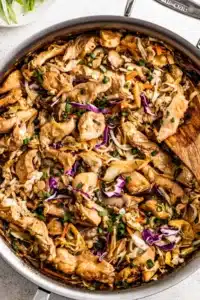
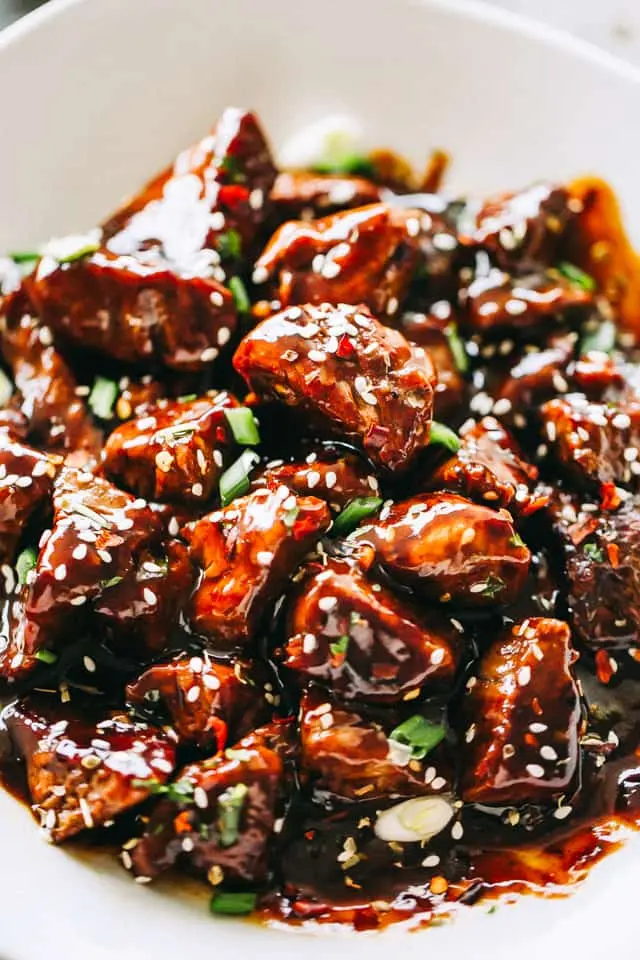
This better-than-takeout Moo Shu Chicken is a sizzling hot stir-fry prepared with thinly sliced chicken, cooked egg, and veggies all coated in a delightfully savory, slightly sweet sauce. Forget Chinese takeout! Make it at home.
- For The Marinade:
- ½ cup hoisin sauce
- ¼ cup rice wine vinegar
- ¼ cup orange juice
- ¼ cup soy sauce or coconut aminos
- ½ tablespoon toasted sesame oil
- 2 teaspoons freshly grated ginger (or use 1/4 teaspoon ground ginger)
- 4 cloves garlic, minced
- 1 to 1½ pounds boneless skinless chicken breasts, thinly sliced into 1½ inch strips
- To Cook:
- 4 tablespoons avocado oil, divided
- 2 large eggs, whisked
- 2 cups sliced shiitake mushrooms
- 2 cups carrots and cabbage coleslaw mix
- 1 cup bean sprouts
- 6 scallions, sliced, whites and greens separated
- sea salt and freshly ground black pepper, to taste
- 1For The Marinade: In a large bowl, mix together the hoisin sauce, rice wine vinegar, orange juice, soy sauce, toasted sesame oil, ginger, and garlic; mix until well combined.
- 2Add the chicken to the marinade and toss to coat.
- 3Cover and let marinade in the refrigerator for 30 minutes.
- 4To Cook: Once the chicken is done marinating, remove it from the refrigerator and let it sit at room temperature for a few minutes.
- 5Meanwhile, heat 1 tablespoon of avocado oil in a heavy-bottomed pan over medium-high heat.
- 6Add the eggs, cover, and cook until they are no longer runny, about 1 minute.
- 7Transfer the cooked eggs to a cutting board, roughly chop, and set aside.
- 8Add the remaining avocado oil to the pan and heat over medium-high heat.
- 9Remove the chicken pieces from the marinade and add them to the pan, stirring continuously to brown evenly. Reserve the marinade.
- 10Add the mushrooms and sauté until they begin to brown and shrink down a bit, about 3 minutes.
- 11Add half of the coleslaw mix and stir.
- 12Add the reserved marinade and stir until the sauce comes to a boil.
- 13Add the bean sprouts and the white parts of the scallions; stir.
- 14Add the rest of the coleslaw mix, the cooked eggs, and the green parts of the scallions and stir.
- 15Season with salt and pepper. Taste and adjust if needed. Spoon into bowls and serve.
Keywords: Moo Shu Chicken, Chinese Takeout, Stir-fry, Chicken Recipe, Easy Dinner, Quick Meal
The specific quantities for each ingredient can be found within the comprehensive recipe card below, ensuring perfect balance and deliciousness.
Variations
One of the most enjoyable aspects of Moo Shu Chicken is its inherent adaptability. This dish readily welcomes creative twists that can cater to different dietary preferences and flavor profiles, making it a truly versatile culinary canvas.
For a delicious Vegan Moo Shu Delight, simply substitute the chicken with firm or extra-firm tofu that has been pressed thoroughly to remove excess moisture. Alternatively, tempeh offers a wonderfully chewy and nutty alternative that also absorbs flavors beautifully. Ensure your hoisin sauce is vegan-friendly, as some brands can contain animal products; many readily available options are perfectly suitable for a plant-based diet.
If you’re following a Low-Carb Lifestyle, you can easily adapt this Moo Shu Chicken to fit your needs. Omit the bean sprouts and coleslaw mix entirely, and instead, load up on lower-carb vegetables like julienned zucchini, thinly sliced bell peppers in various colors, and broccoli florets. Serve this low-carb version in crisp lettuce cups instead of over rice or with pancakes for a guilt-free and satisfying meal.
Consider a Spicy Kick Variation for those who love a bit of heat. Incorporate a tablespoon or two of your favorite chili garlic sauce or a finely minced red chili pepper into the marinade. A generous dash of Sriracha or another hot sauce added during the final stir-fry stage can also elevate the dish’s warmth, transforming it into a fiery delight that awakens the palate.
Experiment with different proteins to create a Moo Shu Fusion. While chicken is traditional and delicious, thinly sliced pork tenderloin, lean beef strips, or even ground turkey can offer a delightful variation. Ensure the protein is sliced thinly against the grain for maximum tenderness when stir-fried. This flexibility allows you to tailor the dish to your specific cravings and available ingredients.
How to Prepare moo shu chicken
Step 1: Crafting the Flavorful Marinade
The foundation of any great stir-fry lies in its marinade, and for Moo Shu Chicken, this step is crucial for infusing the protein with deep, complex flavors. Begin by gathering all the liquid ingredients: hoisin sauce, rice wine vinegar, orange juice, and soy sauce (or coconut aminos for a gluten-free option). These elements will provide the signature sweet, tangy, and savory notes that define this classic dish. Carefully measure each component, ensuring accuracy for the perfect flavor balance.
Next, incorporate the aromatics that will add layers of pungent depth. Freshly grated ginger provides a bright, spicy kick that cuts through the richness of the other ingredients, while minced garlic contributes its unmistakable savory aroma. If you don’t have fresh ginger on hand, a small amount of ground ginger can be used as a substitute, though fresh is always recommended for its vibrant essence. Whisk these wet ingredients and aromatics together in a generously sized bowl until they are thoroughly combined into a homogenous mixture.
Once your marinade is perfectly blended, it’s time to introduce the star protein: thinly sliced chicken breasts. Ensure the chicken is cut into uniform, bite-sized strips, approximately 1½ inches long, for even cooking and optimal marinade absorption. Add the sliced chicken to the prepared marinade, gently tossing it with your hands or a spoon to ensure every piece is coated. Cover the bowl tightly with plastic wrap or a lid and place it in the refrigerator to marinate for at least 30 minutes. This marination period is vital for tenderizing the chicken and allowing it to soak up the delicious flavors, setting the stage for a truly exceptional Moo Shu Chicken.
Step 2: Preparing the Eggs and Cooking the Chicken
While the chicken marinates, turn your attention to preparing the eggs, which add a delightful texture and richness to the dish. In a separate small bowl, crack two large eggs and whisk them until the yolks and whites are thoroughly combined and slightly frothy. You can add a tiny pinch of salt and pepper to the eggs if you wish, though the final seasoning of the dish will cover this. Heat approximately one tablespoon of avocado oil (or your preferred neutral cooking oil like vegetable or refined coconut oil) in a large, heavy-bottomed non-stick skillet or wok over medium-high heat.
Pour the whisked eggs into the hot pan, allowing them to spread evenly. Cook for about one minute, or until the eggs are set and no longer runny, but still tender. The goal is to create a thin, omelet-like layer. Once cooked, carefully transfer the egg pancake to a clean cutting board. Allow it to cool for a moment before roughly chopping it into smaller, bite-sized pieces. These chopped eggs will be incorporated later, adding a lovely textural contrast to the stir-fry. Set the chopped eggs aside with your other prepared ingredients.
Now, it’s time to cook the marinated chicken. Remove the chicken from the refrigerator and let it sit at room temperature for a few minutes to take the chill off; this helps ensure more even cooking. Add the remaining avocado oil to the same skillet or wok you used for the eggs, ensuring it’s heated over medium-high heat. Carefully add the marinated chicken pieces to the hot pan, being sure not to overcrowd it. Overcrowding can lead to steaming rather than searing, resulting in less flavorful and potentially tougher chicken. If necessary, cook the chicken in batches to allow each piece to brown properly.
Stir the chicken continuously as it cooks, ensuring it browns evenly on all sides. This searing process is essential for developing a rich flavor and a pleasing texture. The chicken should cook through relatively quickly, typically within 3-5 minutes, depending on the thickness of the slices and the heat of your pan. Once the chicken is beautifully browned and cooked through, remove it from the pan and set it aside with the chopped eggs. Crucially, remember to reserve the remaining marinade from the chicken bowl; this flavorful liquid will form the base of your Moo Shu sauce.
Step 3: Sautéing the Vegetables
With the chicken cooked and set aside, the next step involves introducing the vibrant and fresh vegetables that give Moo Shu Chicken its characteristic crunch and color. Add the sliced shiitake mushrooms to the hot skillet or wok, using any residual oil from cooking the chicken, or adding another small drizzle of avocado oil if needed. Sauté the mushrooms over medium-high heat, stirring occasionally, until they begin to soften, release their moisture, and develop a nice golden-brown hue. This usually takes about 3 to 5 minutes, depending on the size of the slices.
Once the mushrooms are tender and slightly caramelized, it’s time to add the bulk of your vegetables. Introduce half of the pre-shredded coleslaw mix (which typically contains carrots and cabbage) into the pan. Stir everything together, allowing the heat to slightly wilt the cabbage and carrots. This initial addition of the slaw mix begins to soften the tougher vegetables while still retaining a pleasant crispness.
After a minute or two of stirring the mushrooms and the first half of the slaw mix, it’s time to reintroduce some of the liquid flavor. Pour the reserved marinade, which was set aside from the chicken, directly into the pan with the vegetables. Stir well, ensuring the marinade coats the mushrooms and vegetables. Bring this mixture to a gentle boil. The simmering marinade will start to thicken slightly as it heats, creating the beginnings of the savory sauce that will bind the entire dish together beautifully. This step ensures that the vegetables and mushrooms are infused with the foundational flavors of the Moo Shu sauce.
Step 4: Bringing it All Together
As the reserved marinade comes to a gentle boil and begins to meld with the sautéed vegetables, it’s time to add the ingredients that will bring a fresh, crisp element to the stir-fry. Introduce the mung bean sprouts into the pan. These sprouts add a delightful pop of crunch and a subtle, fresh flavor that is characteristic of authentic Moo Shu. Simultaneously, add the white parts of the sliced scallions. The white parts of the scallions offer a slightly more pungent onion flavor compared to the greens, and they benefit from a brief sauté to mellow their intensity.
Stir these new additions into the simmering mixture, ensuring they are evenly distributed throughout the pan. Allow them to cook for just a minute or two; the bean sprouts should remain crisp, and the scallion whites should soften slightly without becoming mushy. The goal here is to maintain their fresh texture and bright flavor. This quick cooking time ensures that the vibrant qualities of these ingredients are preserved within the final dish.
Now, it’s time to add the remaining components to complete the stir-fry. Add the rest of the shredded coleslaw mix to the pan. This second addition of the slaw mix ensures that some of the vegetables remain quite crisp, providing a satisfying textural contrast to the softer elements. Following this, gently fold in the reserved chopped cooked eggs. Their soft texture and eggy flavor are integral to the Moo Shu experience. Finally, add the green parts of the sliced scallions. These green tops offer a milder onion flavor and a beautiful pop of color. Stir everything together gently to combine all the ingredients harmoniously, ensuring the sauce coats everything evenly.
Once all the ingredients are in the pan and thoroughly combined, it’s time for the crucial final step: seasoning. Taste the Moo Shu Chicken mixture and adjust the seasoning with sea salt and freshly ground black pepper as needed. The amount of salt required will depend on the saltiness of your hoisin and soy sauce. You might find you need very little, or perhaps a bit more to enhance all the flavors. Stir one last time to ensure the seasoning is evenly distributed. Your delicious homemade Moo Shu Chicken is now ready to be served.
Step 5: Final Touches and Presentation
With all the components perfectly cooked and melded together in the pan, the Moo Shu Chicken is almost ready to be enjoyed. The aromas filling your kitchen should be absolutely intoxicating, a testament to the layers of flavor you’ve skillfully built. Ensure that all the ingredients are well-coated in the glossy, savory sauce, and that the colors are vibrant and appealing. The tender chicken, the slightly softened yet still crisp vegetables, the tender mushrooms, and the fluffy pieces of egg should all be in beautiful harmony.
Before serving, give the dish one final, gentle stir. This ensures that everything is evenly heated and the sauce is distributed throughout. Take a moment to appreciate the visual appeal of the dish; the rich brown hues of the sauce and chicken, interspersed with the bright orange of carrots, the white and green of the scallions, and the subtle yellow of the egg. This visual appeal is just as important as the taste in creating a truly satisfying culinary experience.
Ladle the Moo Shu Chicken generously into serving bowls. The typical serving size is about 8 ounces per person, though this can be adjusted based on appetite and whether it’s being served as a main course or part of a larger meal. The visual presentation is key to enhancing the dining experience, making the dish look as appealing as it smells and tastes. Consider garnishing with a few extra slivers of fresh scallion greens for an added touch of freshness and color, or a light sprinkle of toasted sesame seeds for a nutty crunch.
The Moo Shu Chicken is now ready to be savored. Its rich, complex flavors and varied textures are best enjoyed immediately while hot and fresh. The satisfaction of creating such a wonderful dish from scratch, reminiscent of your favorite Chinese restaurant but made with your own personal touch, is incredibly rewarding. This dish is a perfect example of how home cooking can elevate simple ingredients into something truly extraordinary, offering a delightful taste of Asian culinary tradition.
Pro Tips for moo shu chicken
Mise en Place is Your Best Friend: Stir-frying happens quickly, especially over high heat. Having every ingredient chopped, measured, and ready to go before you even turn on the stove is non-negotiable for a smooth cooking process. This includes slicing the chicken, mincing the garlic, grating the ginger, and prepping all your vegetables.
Embrace High Heat: Don’t be shy with the heat when stir-frying. High temperatures are essential for achieving that characteristic sear on the chicken and for cooking vegetables quickly, which helps them retain their vibrant color and satisfying crunch. Lower heat can lead to steaming and a less appealing texture for both the meat and the vegetables.
Avoid Crowding the Pan: Whether you’re browning the chicken or sautéing vegetables, give your ingredients space. Overcrowding the pan will cause the food to steam instead of sear, leading to a loss of flavor and a less desirable texture. Cook in batches if your pan isn’t large enough to accommodate everything comfortably.
The Magic of the Marinade: The marinade is where much of the flavor for Moo Shu Chicken originates. Allowing the chicken to marinate for at least 30 minutes ensures it becomes tender and infused with the delicious hoisin, soy, and ginger blend. Don’t discard the leftover marinade; it forms the base of your sauce.
Texture is Key: The interplay of textures is what makes Moo Shu so delightful. Aim to keep your vegetables, especially the cabbage and bean sprouts, slightly crisp. This contrast between tender chicken, softened mushrooms, and crunchy vegetables adds a wonderful dimension to every bite.
Taste and Adjust: Always taste your dish before serving and adjust seasonings as needed. The saltiness of soy sauce and hoisin can vary between brands, so a final seasoning check with salt and pepper is crucial for perfect flavor balance. You might also want to add a touch more vinegar for tang or a pinch of sugar for sweetness.
Serving Suggestions for moo shu chicken
Decoration
Elevate the visual appeal of your Moo Shu Chicken with simple yet effective garnishes. A sprinkle of freshly chopped scallion greens, reserved from the preparation, adds a burst of vibrant color and a hint of freshness. Toasted sesame seeds can also provide a delicate crunch and a nutty aroma, enhancing both the look and the taste. For an extra touch of elegance, consider a few artfully placed slivers of red bell pepper or a tiny drizzle of chili oil, which not only looks appealing but also hints at a potential spicy kick.
Side Dishes
Moo Shu Chicken pairs beautifully with a variety of complementary side dishes that enhance the Asian dining experience. Steamed white or brown rice provides a neutral canvas that allows the complex flavors of the stir-fry to shine. For a more elaborate meal, consider serving it alongside a light and refreshing Asian cucumber salad, or perhaps some simple blanched or roasted green beans or asparagus for added vegetable goodness. Easy chicken fried rice (without the chicken, of course) can also be a fantastic accompaniment, creating a double dose of deliciousness.
Creative Serving Ideas
Beyond traditional bowls, Moo Shu Chicken offers exciting and fun serving opportunities. Scoop the delicious stir-fry into crisp lettuce cups made from romaine or butter lettuce for a lighter, low-carb option that’s also fun to eat. Another popular method is to wrap the Moo Shu Chicken in warm, pliable flour tortillas, much like a wrap or a taco, for an easy-to-handle and portable meal. For a truly authentic experience, serve it with traditional scallion pancakes, using them as edible wrappers to scoop up the savory filling, making each bite a delightful combination of textures and flavors.
Preparation & Storage
Storing Leftovers
Moo Shu Chicken is a dish that holds up wonderfully as leftovers, making it an excellent choice for meal prep or for enjoying a delicious second meal. Once the dish has cooled completely to room temperature, transfer it into an airtight container. This is crucial to prevent the stir-fry from drying out and to keep it fresh. Store the container in the refrigerator, where it will remain at its best quality for up to 4 days. Ensure the lid is sealed tightly to maintain the integrity of the flavors and textures.
Freezing
While Moo Shu Chicken is best enjoyed fresh, it can be frozen if you have a larger batch or wish to prepare it further in advance. Allow the cooked dish to cool completely before portioning it into freezer-safe containers or heavy-duty freezer bags. It’s often best to separate the chicken and vegetable mixture from any cooked rice or pancakes if serving them together. Properly stored, Moo Shu Chicken can be kept in the freezer for up to 1 to 2 months. Be aware that the texture of the vegetables might change slightly upon thawing and reheating.
Reheating
Reheating Moo Shu Chicken is straightforward and aims to restore its delicious flavors and textures. The most effective method is to reheat it gently in a skillet. Add a small amount of avocado oil or another neutral cooking oil to a heavy-bottomed pan over medium-high heat. Once the oil is shimmering, add the leftover Moo Shu Chicken. Stir-fry it for a few minutes until it is heated through completely. This method helps to re-crisp any vegetables that may have softened during storage. If reheating from frozen, allow the dish to thaw in the refrigerator overnight before reheating in the skillet, or reheat directly from frozen, understanding that it will take longer to heat thoroughly.
Frequently Asked Questions
-
What makes Moo Shu Chicken different from other chicken stir-fries?
Moo Shu Chicken distinguishes itself through a unique combination of ingredients and its characteristic sauce. While many stir-fries feature protein and vegetables, Moo Shu specifically includes scrambled eggs, mung bean sprouts, and a sauce predominantly flavored with hoisin sauce, rice wine vinegar, and orange juice. The typical serving style, often with pancakes or lettuce wraps, also sets it apart from simpler rice-based stir-fries. The texture profile, aiming for a balance of tender and crisp elements, is another key differentiator.
-
Can I substitute the chicken with other proteins? If so, what are the best options?
Absolutely! Moo Shu Chicken is very versatile. Thinly sliced pork tenderloin or turkey breast are excellent substitutes for chicken, offering a similar tender texture when cooked quickly. For those seeking a leaner option, thinly sliced beef sirloin or flank steak can also work well, but ensure it’s sliced against the grain for maximum tenderness. Vegetarian options are also popular; firm or extra-firm tofu, pressed and cubed, or pan-fried tempeh absorb the marinade beautifully and provide a satisfying chew. Ground chicken, beef, or turkey are also viable options if you prefer a less distinct protein cut.
-
Is it possible to make Moo Shu Chicken gluten-free?
Yes, Moo Shu Chicken can be easily adapted to be gluten-free. The primary adjustment involves swapping out traditional soy sauce for a gluten-free alternative such as tamari or coconut aminos. Ensure that your hoisin sauce is also gluten-free, as some brands may contain wheat as a thickener. If you plan to serve Moo Shu Chicken with pancakes, look for gluten-free versions or opt for serving it in lettuce cups or over gluten-free rice. The rest of the ingredients, such as chicken, vegetables, eggs, and other marinade components, are naturally gluten-free.