Sheet Pan Chicken Dinner – Easy Meal Prep Idea!
Welcome to your new go-to weeknight dinner solution! This sheet pan chicken recipe is designed for maximum flavor with minimal effort, bringing together perfectly seasoned chicken, tender roasted vegetables, and hearty potatoes all on a single baking sheet. It’s the kind of meal that makes busy evenings feel manageable and delicious, promising a satisfying end to any day.
Imagine a symphony of aromas filling your kitchen as tender chicken, vibrant vegetables, and fluffy potatoes roast to perfection. This dish is not just a meal; it’s an experience of convenience and culinary delight. We’ll guide you through creating this masterpiece, ensuring every bite is packed with wholesome goodness and incredible taste, making it a staple in your recipe rotation.
Why You Will Love This Recipe
- Effortless Cleanup: With everything cooking on one pan, washing up is a breeze, leaving you more time to relax and enjoy your meal.
- Quick Preparation: Spend less time in the kitchen and more time with your loved ones thanks to a simple 10-minute prep time that gets dinner started fast.
- Versatile Vegetable Options: Easily swap out vegetables based on what’s in season or what you have on hand, ensuring endless flavor combinations.
- Perfect for Meal Prep: This dish stores beautifully, making it an ideal candidate for preparing meals ahead of time for the entire week.
- Flavorful and Juicy: The combination of herbs, spices, and butter ensures that the chicken remains incredibly moist and packed with savory notes.
Ingredients You Need
The foundation of any great dish lies in the quality of its ingredients. For this sheet pan chicken, we’re focusing on fresh, vibrant produce and lean protein that, when combined with the right seasonings, create a truly memorable meal. Using good quality olive oil and fresh garlic will elevate the overall flavor profile significantly.
Sheet Pan Chicken
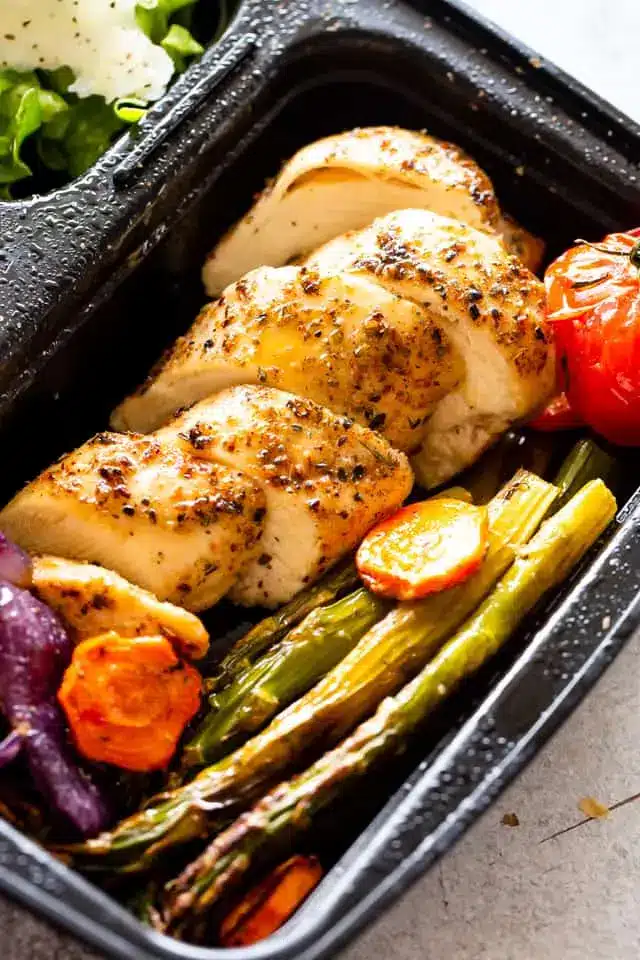
This easy sheet pan chicken recipe features juicy, seasoned chicken breasts baked with tender potatoes and vegetables. Everything cooks together in one pan for a simple and delicious weeknight dinner.
- 4 boneless, skinless chicken breasts (about 1 to 1½ pounds total)
- 3 cups diced potatoes
- 1 pound asparagus, ends trimmed
- 2 large carrots, diced or thinly sliced
- 1 large red onion, quartered
- 2 cups cherry tomatoes (optional)
- 2 tablespoons olive oil, divided
- 2 cloves garlic, minced, divided
- 1 teaspoon garlic powder
- 1½ teaspoons dried rosemary, divided
- 1½ teaspoons dried thyme, divided
- Salt and freshly ground black pepper, to taste
- 1 tablespoon butter, cut into 4 pats
- 1Preheat oven to 425°F. Line a large sheet pan with parchment paper or foil.
- 2Cut the potatoes, Brussels sprouts, asparagus, carrots, and red onion into uniform sizes (about 1-inch chunks, thicker for asparagus and Brussels sprouts).
- 3Drizzle about 1 tablespoon of olive oil over the vegetables. Season with garlic powder, ½ teaspoon rosemary, ½ teaspoon thyme, salt, and pepper. Toss to coat.
- 4Arrange the seasoned vegetables around the edges of the prepared sheet pan.
- 5Place 2 chicken breasts on a large piece of parchment paper. Rub both sides with a little olive oil. Season with salt, pepper, ½ teaspoon rosemary, ½ teaspoon thyme, and half of the minced garlic.
- 6Place a pat of butter on top of each chicken breast. Seal the parchment paper tightly around the chicken breasts to create packets. Repeat with the remaining 2 chicken breasts.
- 7Place the chicken packets in the center of the baking sheet among the vegetables.
- 8Bake for 30 minutes, or until the chicken is cooked through and reaches an internal temperature of 165°F.
- 9Optional: About 10 minutes before the end of cooking, scatter the cherry tomatoes around the vegetables on the sheet pan.
- 10Remove from oven and let stand for 5 minutes. Carefully unwrap the chicken packets (watch for steam) and serve immediately with the roasted vegetables.
Keywords: sheet pan chicken, easy chicken recipe, weeknight dinner, meal prep, baked chicken, roasted vegetables
The exact quantities for all these delightful components can be found in the printable recipe card at the end of this guide.
Variations
This sheet pan chicken recipe is incredibly adaptable, allowing you to tailor it to various dietary preferences and flavor profiles. Let’s explore a few exciting variations that can transform this simple dish into something truly unique.
For a plant-based twist, consider a Vegan option. Replace the chicken with firm tofu or substantial portobello mushrooms. Toss these with the same marinade and roast alongside your favorite vegetables. Ensure the tofu is pressed thoroughly to achieve a delightful crispy texture. This vegan iteration still captures the essence of the sheet pan magic, offering a hearty and flavorful meat-free alternative that’s equally satisfying for a wholesome dinner.
If you’re following a Low Carb lifestyle, you can easily modify this recipe. Omit the potatoes and focus on a medley of non-starchy vegetables like broccoli, cauliflower, bell peppers, and zucchini. You might also consider adding some healthy fats like olives or avocado slices after roasting. This low-carb version is just as delicious and adheres perfectly to your dietary goals, making it a flexible choice for healthy eating.
Another exciting direction is a Mediterranean-inspired variation. Introduce ingredients like cherry tomatoes, Kalamata olives, artichoke hearts, and a sprinkle of feta cheese towards the end of the cooking process. A drizzle of balsamic glaze before serving adds a touch of sweetness and acidity that complements the savory notes beautifully. This infusion of Mediterranean flavors brings a bright, zesty, and refreshing dimension to the classic sheet pan chicken.
How to Prepare sheet pan chicken
Step 1: Prepare to Bake
Begin by preheating your oven to a robust 425°F (220°C). This high temperature is crucial for achieving that perfect crispy exterior on the vegetables and ensuring the chicken cooks through beautifully and quickly. Lining your large sheet pan with parchment paper or aluminum foil is a highly recommended step. This not only prevents sticking but also makes the cleanup process exponentially easier, which is a cornerstone of this recipe’s convenience.
Having your pan ready and your oven hot means you can move swiftly through the preparation steps, getting the meal into the oven without delay. This efficiency is key to the ‘weeknight wonder’ appeal of this dish. Think of this step as setting the stage for a culinary performance where convenience and flavor are the main acts. Ensure your parchment paper is smoothed out to create an even cooking surface.
Step 2: Cut the Veggies
Now comes the art of vegetable preparation, where uniformity is your friend for even cooking. Take your diced potatoes, halved Brussels sprouts, trimmed asparagus, diced carrots, and quartered red onion and arrange them in separate sections on your prepared baking sheet. This visual separation allows you to season each group of vegetables slightly differently if you choose, although the provided seasoning is fantastic as is.
The key here is to aim for roughly 1-inch pieces for most vegetables. This size ensures they will cook through at approximately the same rate as the chicken, preventing any one component from becoming overcooked or undercooked. For the asparagus, simply trimming the woody ends is sufficient, as they cook relatively quickly. Avoid adding the cherry tomatoes at this stage; they will join the party later to prevent them from bursting too early.
Step 3: Season the Veggies
With your vegetables artfully arranged on the pan, it’s time to infuse them with flavor. Drizzle the vegetables generously with about half of the olive oil (approximately 1 tablespoon). Then, sprinkle them evenly with the garlic powder, followed by half of the dried rosemary (¾ teaspoon), half of the dried thyme (¾ teaspoon), and a good pinch of salt and freshly ground black pepper. Ensure each piece of vegetable gets coated in this delicious seasoning blend.
Tossing the vegetables directly on the pan is a great way to minimize extra dishes. You can use your hands or a large spatula to gently mix everything together until the vegetables are well-coated. This step is where the magic truly begins, as the seasonings meld with the vegetables, promising a burst of savory flavor with every bite. The aroma at this stage is already hinting at the delicious meal to come.
Step 4: Season and Wrap the Chicken
Prepare your chicken breasts by placing them on a large piece of parchment paper, ideally two breasts per piece of parchment to ensure they have enough room to be enclosed. Rub both sides of each chicken breast with the remaining olive oil (about 1 tablespoon). Now, season them generously with salt, freshly ground black pepper, the remaining dried rosemary (¾ teaspoon), the remaining dried thyme (¾ teaspoon), and half of the minced fresh garlic (1 clove).
Once seasoned, place a pat of butter on top of each chicken breast. This butter will melt as the chicken cooks, basting it and adding an incredible richness and moisture. Then, carefully and tightly seal the parchment paper around the chicken breasts, creating individual packets. This en papillote method traps the steam, ensuring the chicken cooks incredibly moist and flavorful, similar to how I’d baste pan-seared chicken with butter to lock in the flavor and richness. Repeat this wrapping process for the remaining two chicken breasts, ensuring each packet is well-sealed to prevent any leaks.
Step 5: Bake
Arrange the butter-topped, tightly wrapped chicken packets in the center of the prepared baking sheet, surrounded by the seasoned vegetables. Place the entire sheet pan into the preheated oven. Bake for 30 minutes. This duration is usually perfect for ensuring boneless, skinless chicken breasts reach an internal temperature of 165°F (74°C) while the vegetables become tender and slightly caramelized. It’s a symphony of cooking happening all at once on one pan.
During the baking process, the aromas will intensify, promising a truly delicious meal. The high heat will crisp the edges of the vegetables, and the enclosed chicken will steam in its own juices and melted butter. This method is designed for maximum flavor retention and tender results. If you choose to add cherry tomatoes, this is the time to do so in the latter part of the cooking process.
Step 6: Add Cherry Tomatoes (Optional) and Rest
If you’re incorporating cherry tomatoes for a burst of sweetness and acidity, add them to the sheet pan about 10 minutes before the total cooking time is up. Scatter them amongst the other vegetables. They will soften and warm through beautifully without becoming mushy. Once the 30 minutes of baking are complete and the chicken has reached its safe internal temperature of 165°F (74°C), carefully remove the sheet pan from the oven. Allow the chicken to rest inside its parchment packet for 5 to 10 minutes before unwrapping. This resting period is crucial for allowing the juices to redistribute throughout the chicken, ensuring it remains incredibly moist and tender when served. This final touch makes a significant difference in the texture and overall enjoyment of the dish.
Pro Tips for sheet pan chicken
Uniform Cutting is Key: To ensure everything cooks evenly, cut your vegetables into similar-sized pieces, approximately 1-inch cubes or halves. This uniformity is essential for achieving perfectly tender results across the board. Different sizes will lead to some pieces being overcooked while others remain undercooked, so take a moment to ensure consistency.
Don’t Crowd the Pan: Give your ingredients enough space on the baking sheet. Overcrowding can lead to steaming rather than roasting, diminishing the desired crispiness of the vegetables and potentially making the chicken less browned. Use a large enough sheet pan, or two if necessary, to allow for good air circulation around each piece.
Adjust Cooking Time for Veggies: While this recipe is balanced, remember that heartier root vegetables like potatoes and carrots take longer to cook than softer vegetables like asparagus or bell peppers. If you’re deviating significantly from the suggested vegetables, you may need to add some quicker-cooking items in the last 15-20 minutes of baking.
The Power of Parchment: Using parchment paper or foil is not just about easy cleanup; it helps create a more even cooking surface and prevents delicate ingredients from sticking or burning. It’s a simple step that significantly enhances the overall experience and reduces post-meal chores.
Season Generously: Don’t be shy with your seasonings! Chicken and vegetables absorb flavors well, especially when roasted at high temperatures. Taste and adjust salt and pepper as needed before baking to ensure a well-balanced flavor profile.
Serving Suggestions for sheet pan chicken
Decoration
A sprinkle of fresh, finely chopped parsley or chives over the finished dish adds a vibrant burst of color and a fresh herbaceous note. A few toasted slivered almonds or pine nuts can also provide a delightful textural contrast and a nutty undertone. For a touch of elegance, a light drizzle of a good quality balsamic glaze or a squeeze of fresh lemon juice just before serving can elevate the presentation and flavor profile beautifully.
Side Dishes
This sheet pan chicken is wonderfully self-contained, but it pairs exceptionally well with a variety of simple sides. Consider serving it alongside a light and refreshing quinoa salad, a creamy German pancake (though this is a breakfast item, a small savory pancake could work!), or a side of crusty bread to soak up any delicious pan juices. For a more substantial meal, a simple side of jasmine rice or lobster bisque can complement the flavors.
Creative Serving Ideas
Transform leftovers into a vibrant chicken salad by dicing the chicken and tossing it with mayonnaise, celery, and herbs. You can also deconstruct the sheet pan components and use them as fillings for tacos, wraps, or quesadillas. Another exciting option is to serve the chicken and vegetables over a bed of fluffy couscous or a hearty lentil salad for a complete and satisfying meal that’s perfect for lunch or a lighter dinner.
Preparation & Storage
Storing Leftovers
Once the sheet pan chicken and vegetables have cooled completely, store them in an airtight container in the refrigerator. This method ensures the food stays fresh and prevents it from absorbing any unwanted odors from other foods. Properly stored, leftovers can typically be enjoyed for up to 3 to 5 days.
Freezing
For longer storage, this dish freezes remarkably well. Portion the cooled chicken and vegetables into freezer-safe containers or heavy-duty freezer bags, removing as much air as possible to prevent freezer burn. Frozen leftovers are best consumed within 1 to 2 months for optimal quality. Thaw overnight in the refrigerator before reheating.
Reheating
Reheating is straightforward and can be done using several methods. The microwave is the quickest option; simply heat until warmed through, stirring halfway. Alternatively, you can gently reheat the leftovers in a skillet over medium-low heat, adding a splash of water or broth to prevent drying. For a method that can restore some crispness, spread the leftovers on a baking sheet and reheat in a 350°F (175°C) oven until thoroughly heated.
Frequently Asked Questions
-
Can I use chicken thighs instead of breasts?
Absolutely! Chicken thighs, whether bone-in or boneless and skinless, are a fantastic alternative and often stay even more moist than breasts. If using bone-in thighs, you may need to increase the cooking time slightly, by about 5-10 minutes, to ensure they are cooked through. For boneless thighs, the cooking time will be very similar to chicken breasts. Always use a meat thermometer to ensure the chicken reaches an internal temperature of 165°F (74°C).
-
What vegetables are best suited for sheet pan chicken?
The beauty of sheet pan dinners is their versatility when it comes to vegetables. For this specific recipe, vegetables that roast well and have similar cooking times to chicken are ideal. Think about root vegetables like potatoes, carrots, and sweet potatoes (cut into uniform pieces), cruciferous vegetables such as broccoli, cauliflower, and Brussels sprouts, and aromatics like red onion and bell peppers. Softer vegetables like asparagus, zucchini, and cherry tomatoes can be added during the last 10-15 minutes of cooking to prevent them from becoming overcooked.
-
How can I make this recipe spicier?
To add a kick of heat to your sheet pan chicken, you have several delicious options. You could incorporate red pepper flakes into the seasoning mix for the vegetables and chicken. Another excellent method is to add a finely minced jalapeño or serrano pepper along with the minced garlic. For a saucier heat, consider tossing the chicken with a tablespoon or two of your favorite hot sauce before baking, or serve the finished dish with a side of sriracha or a spicy aioli. You could even add some chili powder to the initial seasoning blend for a deeper, smoky heat.