Edible Cookie Dough – Super Quick and Fun!
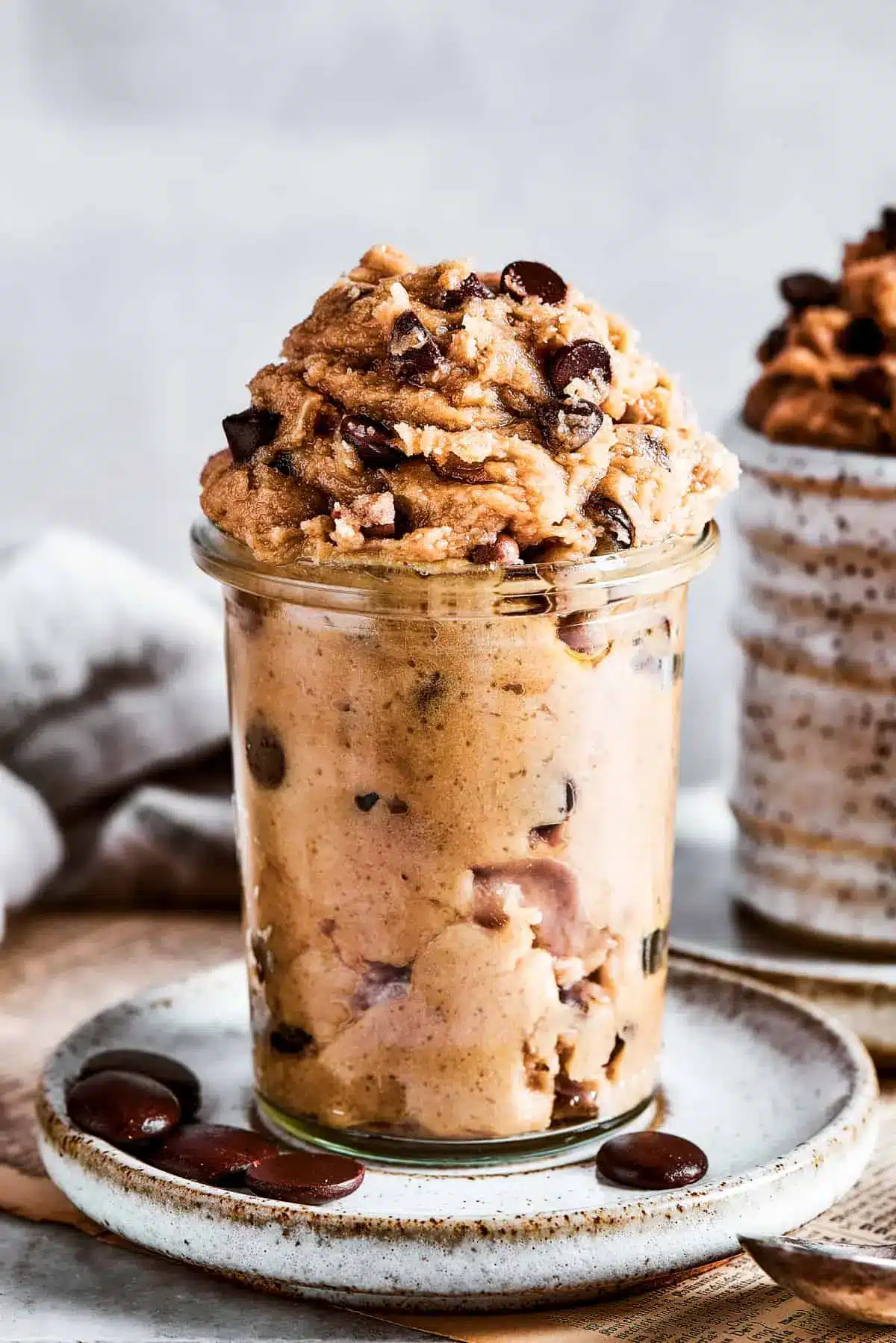
There’s a certain nostalgic magic that comes with cookie dough, a forbidden delight from childhood that we often couldn’t resist sneaking a spoonful of. That irresistible blend of sweet, buttery goodness is a core memory for many. However, the raw ingredients historically made it a treat to be enjoyed only after baking.
Imagine recreating that exact, decadent flavor and texture, but in a form that’s completely safe to devour straight from the bowl. This edible cookie dough recipe makes that childhood dream a delicious reality. It’s a perfectly safe, incredibly satisfying treat for any time of day, offering that comforting taste without any of the worries associated with raw ingredients.
Why You Will Love This Recipe
- Irresistible Flavor: Experience the classic, comforting taste of chocolate chip cookie dough, a perfect balance of sweet and rich, without any raw eggs.
- Perfectly Safe: This recipe uses heat-treated flour and no eggs, ensuring you can enjoy every bite with complete peace of mind.
- Quick Preparation: Ready in approximately 15 minutes from start to finish, it’s an ideal treat for those sudden cravings or for a fun family activity.
- Incredibly Versatile: Enjoy it by the spoonful, roll it into bite-sized balls, or use it as a decadent topping for your favorite desserts and ice creams.
- Simple Ingredients: Crafted with common pantry staples, you likely have most of what you need on hand to whip up a batch right now.
Ingredients You Need
The beauty of this edible cookie dough recipe lies in its simplicity and the quality of the ingredients used. Opting for fresh, good-quality butter and pure vanilla extract will elevate the flavor profile significantly. Using mini chocolate chips ensures a more even distribution and a less overwhelming chocolate-to-dough ratio in each bite, contributing to a truly delightful experience.
Edible Cookie Dough

Edible Cookie Dough is a deliciously sweet, simple treat that tastes just like the real thing but without the worry. If you always want to sneak a spoonful of chocolate chip cookies dough, this recipe is for you! It's made with heat-treated flour and no eggs, making it safe to eat.
- 1½ cups all-purpose flour
- 3 tablespoons granulated sugar
- 1 teaspoon pure vanilla extract
- 4 tablespoons milk
- 1Preheat the oven to 350°F. Place the flour on a parchment-lined baking pan. Bake for 5 to 7 minutes, or until flour registers at 160°F on an instant-read thermometer. Remove from the oven and let it cool completely.
- 2In a large bowl, using an electric mixer, cream together the butter, brown sugar, granulated sugar, and vanilla extract until light and fluffy, about 3 minutes.
- 3Add in the milk and mix to combine.
- 4Gradually mix in the heat-treated flour and sea salt. Stir until well combined.
- 5Using a rubber spatula, fold in the chocolate chips.
- 6Enjoy the dough immediately or store it in an airtight container and keep in the refrigerator for up to one week.
Keywords: edible cookie dough, cookie dough, no bake, dessert, sweet treat, chocolate chips
The exact quantities for each ingredient are detailed in the recipe card provided. Gathering these items will set you up for a wonderfully satisfying cookie dough experience.
Variations
The base recipe is a classic for a reason, but its adaptability opens up a world of exciting variations. Consider venturing into new flavor territories by incorporating different mix-ins that cater to specific dietary preferences or simply to explore new taste sensations.
For a delightful dessert experience that’s completely plant-based, a vegan version is easily achievable. Simply substitute the butter with a high-quality vegan butter alternative, ensuring it’s softened to room temperature for optimal creaming. Use a dairy-free milk, such as almond or oat milk, to maintain the desired consistency. The rest of the ingredients, like the sugars, vanilla, salt, and chocolate chips (opt for vegan chocolate chips, of course), remain the same, delivering that familiar, comforting flavor profile without any animal products.
If you’re aiming for a lower-carbohydrate indulgence, modifications can still result in a satisfying treat. While traditional cookie dough relies heavily on sugar, you can explore sugar substitutes. Opt for a granulated or brown sugar alternative that bakes and tastes well, adjusting the amount to your sweetness preference. You might also consider using almond flour or a coconut flour blend in place of all-purpose flour, though this will alter the texture slightly, making it a bit denser and nuttier. Be mindful that the texture might change, but the core satisfaction of cookie dough can still be achieved.
Another fun avenue for variation involves adding other delectable ingredients to the standard mix. Think about incorporating finely chopped nuts like pecans or walnuts for a delightful crunch and nutty undertone. Mini marshmallows can add a chewy, gooey element that’s incredibly pleasing. Even a sprinkle of edible glitter or colorful sprinkles can transform this into a festive treat, perfect for celebrations or just a bit of whimsical fun. The possibilities are truly endless, inviting you to personalize your edible cookie dough to your heart’s content.
How to Prepare Edible Cookie Dough Recipe
Step 1: Prepare the Flour for Safe Consumption
The absolute cornerstone of making cookie dough safe to eat is ensuring the flour is properly prepared. This critical step eliminates any potential risks associated with consuming raw flour. The method involves heat-treating the flour, a process that effectively kills any harmful bacteria that might be present. This isn’t just a suggestion; it’s a vital safeguard to ensure your edible creation is as safe as it is delicious.
To begin, preheat your oven to a moderate 350°F (175°C). Line a baking sheet with parchment paper for easy cleanup and to prevent sticking. Spread the measured all-purpose flour evenly across the prepared baking sheet in a single layer. This ensures the heat penetrates the flour consistently, making the process efficient and effective.
Once the oven reaches the desired temperature, carefully place the baking sheet with the flour inside. Allow it to bake for approximately 5 to 7 minutes. During this time, the flour is being heated to a temperature that renders any potential contaminants inactive. It’s crucial not to overbake it, as this can alter the flour’s properties undesirably. You want it heated, not toasted.
After the allotted baking time, remove the flour from the oven. It is absolutely imperative that you let the flour cool completely before proceeding with the rest of the recipe. Placing it in a separate bowl to speed up the cooling process can be helpful. This cooling period is essential; attempting to use warm flour will affect the texture and can potentially melt the butter, leading to an undesirable consistency in your final dough. Patience here will yield the best results.
Step 2: Cream Together the Wet Ingredients
With your flour safely heat-treated and cooling, you can now focus on building the rich, creamy base of your edible cookie dough. This step involves combining the butter, sugars, and vanilla extract, a trio that forms the flavor foundation of any good cookie dough.
In a large mixing bowl, place your softened unsalted butter. It’s important that the butter is at room temperature; this allows it to cream properly with the sugars, creating that light and fluffy texture. Add both the light brown sugar and the granulated sugar to the bowl with the butter. The combination of brown and granulated sugar is key to achieving that classic, complex cookie dough flavor, providing both moisture from the brown sugar and structure from the granulated sugar.
Using an electric mixer on medium speed, begin creaming these ingredients together. Beat them for about 3 minutes, or until the mixture transforms into a light, fluffy, and pale yellow consistency. This aeration process is crucial for creating a tender and enjoyable edible dough. Scrape down the sides of the bowl periodically with a spatula to ensure all the ingredients are incorporated evenly.
Once you’ve achieved that perfect fluffy texture, add the pure vanilla extract to the bowl. Mix it in briefly until just combined. The vanilla extract not only adds its signature warm flavor but also enhances the sweetness and overall deliciousness of the dough. Take a moment to appreciate the aromatic blend developing in your bowl.
Step 3: Incorporate the Liquid and Dry Components
Now that you have a beautifully creamed butter and sugar mixture, it’s time to integrate the remaining wet ingredients and then the star of the show – your safely prepared flour. This stage brings the dough closer to its final, edible form.
Add the milk to the creamed butter and sugar mixture. If you desire an even richer and creamier dough, you can opt for half-and-half instead of milk. Mix this in thoroughly until it’s well combined with the butter mixture. The milk helps to loosen the mixture slightly and prepare it for the addition of the flour, ensuring a smoother incorporation.
Next, gradually add the heat-treated and completely cooled all-purpose flour to the bowl. It’s best to add it in a couple of additions, mixing on a low speed after each addition. This gradual incorporation prevents a floury mess and ensures the flour is evenly distributed throughout the dough without overmixing.
Along with the flour, add the sea salt. The salt is a crucial flavor enhancer, balancing the sweetness and bringing out the depth of the other ingredients. Mix everything together until a cohesive dough begins to form. Continue mixing until there are no dry streaks of flour remaining, but be careful not to overmix, which can lead to a tough texture.
Step 4: Fold in the Chocolate Chips
The moment we’ve all been waiting for has arrived: adding the beloved chocolate chips that make this cookie dough an iconic treat. This step is where the magic truly comes to life, transforming a simple dough into a decadent indulgence.
Using a rubber spatula or a wooden spoon, gently fold in the mini chocolate chips. Mini chocolate chips are often preferred for edible cookie dough because they are easier to bite into when the dough is chilled and distribute more evenly throughout the mixture. However, regular-sized chocolate chips will also work beautifully if they are your preference.
Stir the chocolate chips into the dough until they are thoroughly and evenly distributed. You want to ensure that every spoonful of this delightful dough will offer a satisfying burst of chocolatey goodness. Take your time with this step to guarantee the best possible outcome.
Once the chocolate chips are fully incorporated, your edible cookie dough is essentially ready to be enjoyed. Resist the urge to overmix at this stage; gentle folding is key to maintaining the dough’s tender texture. The visual appeal of the dark chocolate chips scattered throughout the pale dough is truly mouthwatering and signals that your delicious creation is complete.
Step 5: Chill and Serve
While the dough is safe to eat immediately after mixing, a brief chilling period can significantly enhance its flavor and texture, allowing the ingredients to meld together beautifully. This step is optional but highly recommended for the ultimate cookie dough experience.
Transfer the edible cookie dough into an airtight container. Press a piece of plastic wrap directly onto the surface of the dough before sealing the container. This helps prevent the formation of a dry skin and keeps the dough wonderfully soft and moist. Place the container in the refrigerator for at least 30 minutes, or up to 2 hours.
During the chilling time, the flavors will deepen, and the dough will firm up slightly, making it easier to scoop and providing a more satisfying texture. If you’re eager to dive in, you can certainly enjoy it right away, but the patience exercised during chilling will be rewarded with a more developed and cohesive taste.
Once chilled, your edible cookie dough is ready to be savored. Scoop it out with a spoon or use a small cookie scoop for perfectly portioned treats. This irresistible dessert is perfect for enjoying on its own, or you can use it as a decadent addition to other sweet creations.
Step 6: Enjoy Your Creation
The culmination of your efforts is now ready to be tasted and enjoyed! This edible cookie dough is designed to be a pure, unadulterated delight, meant to be savored in its perfectly safe and delicious form. It captures that nostalgic essence of sneaking dough from the mixing bowl, but with the confidence that comes from a well-prepared recipe.
Whether you’ve chilled it or decided to indulge immediately, the moment of tasting is the ultimate reward. Each spoonful offers a creamy, sweet, and satisfying experience, punctuated by the delightful melt of chocolate chips. It’s a simple pleasure that brings immense joy and a touch of childhood magic to the present.
This edible cookie dough is incredibly versatile in how you can enjoy it. Eat it straight from the container with a spoon for instant gratification. You can also roll the dough into small, bite-sized balls, perfect for popping into your mouth or serving to guests. The experience is all about embracing that pure, unbaked cookie dough satisfaction, guilt-free and utterly delicious.
Pro Tips for Edible Cookie Dough Recipe
Use Room Temperature Ingredients: For the creamiest texture, ensure your butter and milk are at room temperature. This is fundamental for achieving that light and fluffy consistency that makes edible cookie dough so delightful. Cold ingredients won’t emulsify properly with the sugars, potentially leading to a grainy or dense outcome, which is exactly what we aim to avoid in this indulgent treat.
Don’t Skip Heat-Treating the Flour: This is the most crucial step for safety. While it might seem like an extra effort, baking the flour at 350°F for 5-7 minutes (or until it reaches 160°F) effectively eliminates any harmful bacteria, making the dough safe to consume raw. This process is non-negotiable for anyone concerned about food safety when preparing edible doughs or batters.
Adjust Sweetness and Consistency: Taste the dough as you go and adjust the sweetness if needed. If it’s too dry, add a teaspoon of milk at a time until the desired consistency is reached. Conversely, if it’s too sticky or wet, a tablespoon of flour can help firm it up. Remember, the dough will firm up slightly in the refrigerator, so aim for a consistency that’s slightly softer than you might expect.
Get Creative with Mix-Ins: Beyond chocolate chips, the possibilities are endless! Consider adding M&M’s, chopped candy bars, sprinkles, mini peanut butter cups, or even a swirl of caramel. Just be mindful that some candies can become very hard when chilled, so choose additions that maintain a pleasant texture when cold. This is your chance to personalize the dough to your exact liking.
Consider Using Mini Chocolate Chips: While any chocolate chips work, mini ones tend to distribute more evenly throughout the dough and are easier to bite into, especially when the dough is chilled. This leads to a more consistent chocolatey experience in every bite, enhancing the overall enjoyment of the edible cookie dough without being overwhelming.
Serving Suggestions for Edible Cookie Dough Recipe
Decoration
Elevate the visual appeal of your edible cookie dough with a few simple decorative touches. A light dusting of edible glitter can add a touch of sparkle, making it feel extra special for celebrations. For a classic look, consider a few extra chocolate chips artfully placed on top of scooped portions of dough. A small drizzle of melted chocolate, either dark, milk, or white, can also create an elegant finish and add another layer of flavor.
Side Dishes
While edible cookie dough is a fantastic standalone treat, it also pairs wonderfully with other desserts. Serve it alongside a scoop of your favorite ice cream, such as vanilla bean or cookies and cream, for an ultimate indulgence. It can also be a delightful topping for brownies, waffles, or pancakes, transforming ordinary desserts into extraordinary creations. Consider a simple glass of cold milk to accompany your edible cookie dough for a classic pairing.
Creative Serving Ideas
Move beyond the bowl and get creative with your serving presentation. Roll the dough into small, uniform balls, resembling mini truffles, and arrange them on a platter. You can even dip these balls halfway into melted chocolate and sprinkle them with sea salt or colorful nonpareils for an elegant presentation. Another fun idea is to layer the edible cookie dough in parfait glasses with whipped cream and crumbled cookies for a decadent dessert parfait.
Preparation & Storage
Storing Leftovers
To keep your delicious edible cookie dough fresh and ready for enjoyment, proper storage is key. Transfer any remaining dough into an airtight container. For best results, press a piece of plastic wrap directly onto the surface of the dough before sealing the container. This technique helps to prevent the dough from drying out and forming an undesirable crust, ensuring it remains soft and pliable for future indulgence.
When stored correctly in the refrigerator, this edible cookie dough can be kept fresh for up to one week. This makes it a perfect make-ahead treat for satisfying those persistent sweet cravings throughout the week. The airtight container also prevents it from absorbing any unwanted odors from other foods in your refrigerator, maintaining its pure cookie dough flavor profile.
If you find that the dough has become a bit too firm after refrigeration, don’t worry. Simply let it sit at room temperature for about 30 to 60 minutes before serving. This brief warming period will allow it to soften to its ideal creamy consistency, making it just as enjoyable as when it was freshly made.
Freezing
For longer-term storage, edible cookie dough freezes exceptionally well, allowing you to enjoy this treat even further into the future. Place the dough in a freezer-safe airtight container or a heavy-duty freezer bag. Ensure that as much air as possible is removed from the bag before sealing to prevent freezer burn.
Label the container or bag with the date of freezing. When stored properly in the freezer, this edible cookie dough can maintain its quality for up to 3 months. This makes it an excellent option for preparing larger batches and having a delightful treat on hand whenever the mood strikes, providing a convenient and delicious option for future dessert emergencies.
When you’re ready to enjoy the frozen edible cookie dough, simply remove it from the freezer and transfer it to the refrigerator to thaw. This thawing process typically takes a few hours, depending on the size of the portion. Once thawed, it will have the same wonderful texture and taste as when it was first made, ready to be scooped and enjoyed.
Reheating
It’s important to note that this edible cookie dough is designed to be enjoyed cold or at room temperature, not reheated in the traditional sense. Reheating would cook the ingredients and change the texture entirely, defeating the purpose of an *edible* raw dough recipe. Therefore, there is no specific reheating method for this particular recipe as it would alter its intended nature and texture.
Instead of reheating, if the dough has become too firm from refrigeration or freezing, the best approach is to allow it to come to room temperature naturally. Place the container on the counter for about 30 minutes to an hour, or until it reaches a soft, scoopable consistency. This gentle warming process restores the creamy texture without cooking the dough, preserving its characteristic edible form.
If you find yourself craving a warm cookie dough experience, it would be best to prepare a separate bakeable cookie recipe. This edible cookie dough is specifically formulated for safe raw consumption and should not be subjected to heat. Enjoying it as intended ensures the best possible texture and flavor, reminiscent of licking the spoon after making traditional cookies.
Frequently Asked Questions
-
Why is the dough hard after storing it in the refrigerator?
The hardness of the edible cookie dough after refrigeration is a natural consequence of chilling fats and sugars. When the dough is cold, the butter solidifies, making the entire mixture firmer and less pliable. This is quite common and, in many ways, desirable as it helps the dough hold its shape if you choose to roll it into balls. To enjoy it in its intended soft, creamy state again, simply allow the dough to sit at room temperature for about 30 to 60 minutes before digging in. This brief period allows the butter to soften slightly, restoring the dough’s delightful texture.
-
Can you make any cookie dough safe to eat?
Generally, yes, most traditional cookie dough recipes can be adapted to be safe for raw consumption. The two primary concerns with raw cookie dough are raw eggs and raw flour. To make a dough safe, you must eliminate the eggs, often by substituting them with milk or a similar liquid to maintain moisture, and by heat-treating the flour. Heat-treating flour involves baking it at a sufficient temperature (around 160°F or 71°C) to kill potential harmful bacteria. Always ensure that any other ingredients you use, like chocolate chips or nuts, are also safe to consume without cooking.
-
Why is my cookie dough dry?
If your edible cookie dough turns out dry and crumbly, it typically indicates an imbalance in the ingredient ratios, most commonly too much flour or not enough liquid. It’s normal for the dough to appear somewhat crumbly initially, especially as the flour is being incorporated. However, as you continue mixing, it should gradually come together into a cohesive, smooth mass. If it remains dry and won’t come together, you can try adding more milk or another liquid, one teaspoon at a time, mixing well after each addition, until you achieve a moist, cookie dough-like consistency. Over-measuring flour is a common culprit, so be sure to spoon flour into your measuring cup and level it off rather than scooping directly from the bag.