Grilled Veggies with Marinade
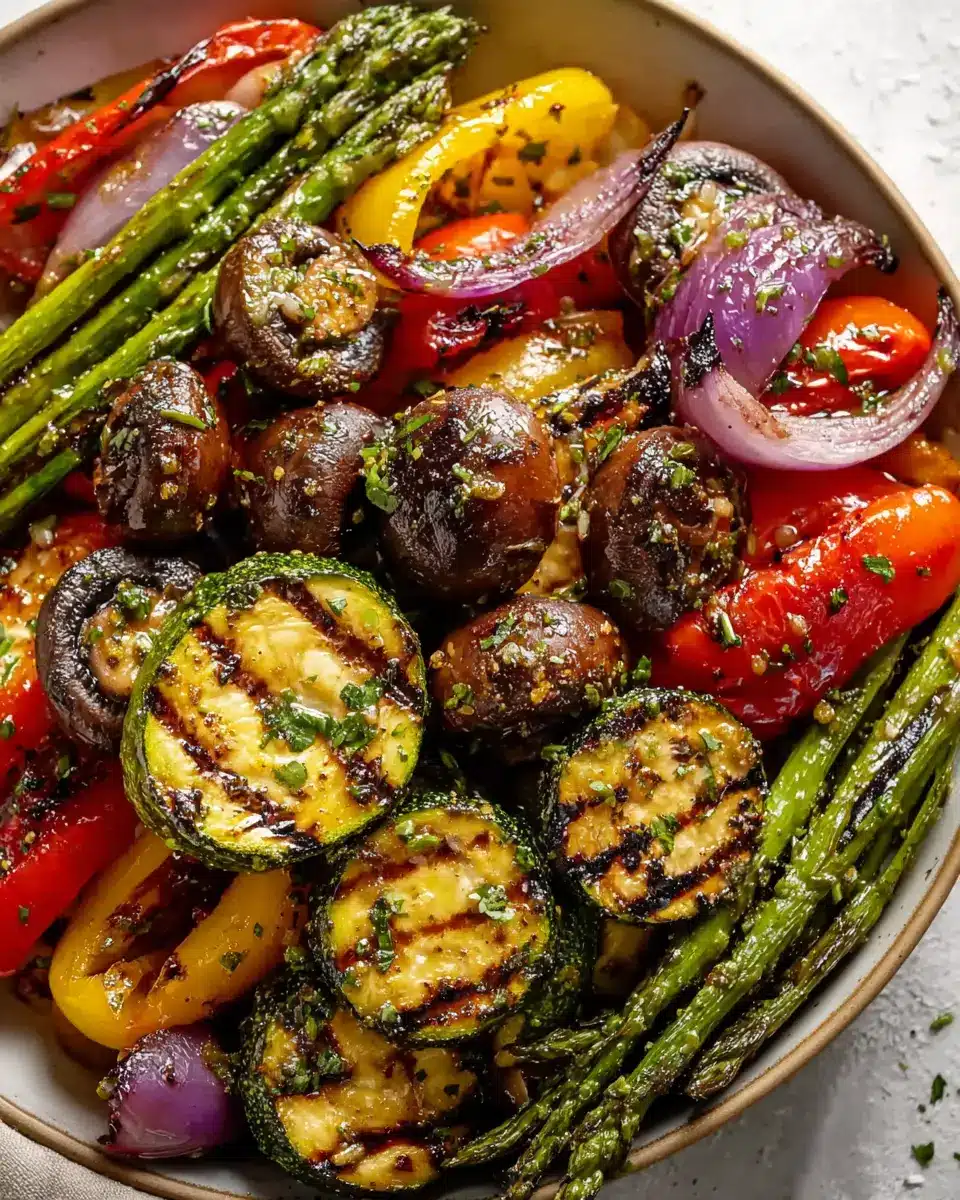
Welcome to a delightful exploration of vibrant flavors and simple preparations. This recipe for grilled veggies with marinade is a testament to how basic ingredients, when treated with care and a touch of culinary magic, can transform into something truly spectacular. It’s the perfect dish for both seasoned home cooks and those just beginning their culinary journey, offering a satisfying balance of taste, texture, and visual appeal.
Imagine a platter bursting with color, each vegetable kissed by the grill or oven, carrying the subtle smokiness that elevates it beyond the ordinary. The tender-crisp texture, combined with a bright, herbaceous, and zesty marinade, creates a symphony on your palate. This dish is versatile enough to be the star of a summer cookout or a cherished component of a weeknight dinner, proving that healthy eating can also be incredibly delicious and approachable.
Why You Will Love This Recipe
- Effortless Preparation: This recipe requires minimal active cooking time, allowing you to enjoy your guests or relax while the vegetables work their magic. The bulk of the work involves simple chopping and marinating, making it incredibly accessible for all skill levels.
- Bursting with Flavor: The combination of smoky grilled vegetables and a bright, zesty lemon-herb marinade creates a complex and utterly irresistible taste profile. Each bite is a harmonious blend of savory, tangy, and fresh notes.
- Visually Stunning: The medley of colors from a variety of vegetables makes this dish as beautiful as it is delicious. It’s a feast for the eyes that will impress at any gathering or family meal.
- Incredibly Versatile: Whether served as a side dish or a light main, these grilled vegetables pair wonderfully with a wide range of proteins and grains. Their adaptability makes them a go-to recipe for any occasion.
- Healthy and Nutritious: Packed with vitamins, minerals, and fiber from a diverse selection of vegetables, this recipe offers a wholesome and satisfying option that is both guilt-free and incredibly flavorful.
Ingredients You Need
The beauty of this grilled vegetable dish lies in its reliance on fresh, high-quality produce. Selecting vibrant, firm vegetables is key to achieving the best texture and flavor. When you choose ingredients that are in season and at their peak, you’re already halfway to a delicious outcome. Fresh herbs and good quality olive oil further enhance the natural goodness of the vegetables, creating a harmonious and memorable dish.
Delectable Grilled Veggies with Marinade
A vibrant, beginner-friendly side dish featuring grilled or oven-roasted vegetables with smoky edges, a tender-crisp texture, and a bright herb-lemon finish. This versatile dish is perfect for cookouts and weeknight dinners, offering a colorful and flavorful addition to any meal.
- For the vegetables:
- 2 bunches asparagus, trimmed
- 2 red onions, peeled and cut into wedges with the root end left intact
- 2 zucchini, sliced into substantial pieces
- 2 red bell peppers, cut into large diagonal sections
- 2 yellow bell peppers, cut into large diagonal sections
- 1 large eggplant, sliced into 1-inch rounds
- 7 ounces button mushrooms, cleaned and halved
- 1/4 cup extra virgin olive oil
- 3 garlic cloves, finely minced
- 1 teaspoon salt
- 1 teaspoon black pepper
- For the marinade:
- 1/3 cup olive oil
- 1/3 cup lemon juice
- 1/4 cup freshly chopped parsley or chives
- 2 garlic cloves, minced
- 2 teaspoons white sugar
- 1/2 teaspoon dried oregano
- 1/2 teaspoon dried basil
- 1/2 teaspoon dried thyme
- 1/2 teaspoon dried parsley
- 1/2 teaspoon salt
- 1/2 teaspoon black pepper
- 1/2 to 1 teaspoon red pepper flakes, adjusted to taste
- 1Combine all marinade ingredients in a jar, secure the lid, and shake thoroughly until fully blended. Set aside for at least 10 minutes so the flavors can develop.
- 2Prepare the vegetables in large pieces so they remain easy to handle on the grill and do not fall through the grates. Slice the bell peppers by cutting away the sides, then cut them diagonally into broad pieces. For the onions, keep the root end attached, halve them, and cut each half into wedges through the root.
- 3Lightly oil the barbecue grates and preheat the grill to high. If using the oven instead, preheat it to 250°C/480°F.
- 4Arrange all prepared vegetables in a very large bowl or across a large tray. Drizzle with the extra virgin olive oil, then add the salt, pepper, and minced garlic. Toss very well, preferably by hand, until everything is evenly coated.
- 5Cook the vegetables until tender-crisp and marked with charred edges. Grill or roast the asparagus and zucchini for 2 minutes per side, or bake them for 10 minutes without turning. Grill or roast the bell peppers, mushrooms, and onions for 3 minutes per side, or bake them for 15 minutes, turning after 10 minutes. Grill or roast the eggplant for 4 minutes per side, or bake for 18 minutes, checking that it is soft but not soggy.
- 6Transfer the cooked vegetables to a large bowl while they are still hot. Pour the prepared marinade over the top and toss carefully so the vegetables are evenly coated.
- 7Let the vegetables rest for at least 10 minutes to absorb the marinade. Finish with a scattering of fresh parsley just before serving.
Keywords: grilled vegetables, roasted vegetables, marinade, lemon herb, side dish, healthy, vegetarian, summer grilling, meal prep, Mediterranean
The precise quantities for all the delightful components are detailed within the recipe card provided, ensuring you have everything you need for a perfect preparation.
Variations
This recipe is wonderfully adaptable, allowing for creative twists to suit different dietary needs and flavor preferences. For a fantastic vegan option, simply ensure all ingredients are plant-based, which they largely are by default. The marinade is already vegan-friendly, and the vegetables themselves are naturally so. You might consider adding a sprinkle of smoked paprika to the initial seasoning for an extra layer of smoky depth, enhancing the grilled character without any animal products.
If you’re following a low-carb lifestyle, this dish is a dream. Focus on vegetables that are naturally lower in carbohydrates, such as bell peppers, zucchini, eggplant, and mushrooms. Asparagus and onions are also relatively low in carbs, but moderation is key with onions due to their natural sugars. You can omit or significantly reduce the sugar in the marinade, relying solely on the natural sweetness of the vegetables and perhaps a touch of a low-carb sweetener if desired. Ensure the portion sizes are adjusted to fit your daily carbohydrate goals.
Another exciting variation involves incorporating different types of herbs or even a hint of spice. Consider adding finely chopped rosemary or thyme to the initial seasoning before grilling, or perhaps a pinch of red pepper flakes directly into the marinade for an extra kick. For a touch of Asian-inspired flair, you could replace some of the lemon juice with a splash of lime juice and a dash of soy sauce or tamari, along with a little grated ginger. This opens up a whole new world of flavor possibilities, proving the versatility of a well-constructed grilled vegetable dish.
How to Prepare grilled veggies with marinade
Step 1: Crafting the Flavorful Marinade
The journey begins with the creation of the vibrant marinade, a critical element that will infuse the grilled vegetables with a burst of freshness and complexity. In a clean glass jar or a small bowl, combine all the liquid and dry ingredients designated for the marinade. This typically includes olive oil, freshly squeezed lemon juice, finely minced garlic, a touch of sugar to balance the acidity, and a medley of dried herbs like oregano, basil, thyme, and parsley. For a subtle warmth, a pinch of red pepper flakes can be added, adjustable to your desired level of heat.
Once all the components are in the jar, seal it tightly or cover the bowl. Give it a vigorous shake or whisk it thoroughly until all the ingredients are well emulsified and thoroughly blended. It’s crucial to let this marinade sit for a minimum of 10 minutes before you plan to use it, and ideally longer if time permits. This resting period allows the dried herbs to rehydrate and soften, and for the individual flavors of the lemon, garlic, and herbs to meld together into a more cohesive and harmonious profile. This short but significant pause transforms the mixture from a collection of ingredients into a potent flavor enhancer.
The Importance of Resting: Allowing the marinade to rest is not just a suggestion; it’s a technique that significantly elevates the final dish. During this time, the oils and acids begin to work their magic on the herbs, releasing their full aromatic potential. This ensures that when the marinade is tossed with the warm vegetables, it coats them evenly and infuses them with a depth of flavor that would be impossible to achieve with a hastily mixed dressing. Consider preparing this marinade even an hour or two ahead of time and refrigerating it, bringing it to room temperature before use.
Step 2: Preparing the Vegetables for Perfection
The next pivotal step involves the meticulous preparation of the vegetables themselves, focusing on size and uniformity to ensure even cooking and ease of handling. It’s essential to cut all the vegetables into substantial, generous pieces. This might seem like a minor detail, but it has a profound impact on the outcome of your grilled or roasted vegetables, especially when working with an outdoor grill. Larger pieces are significantly easier to maneuver on the grill grates, preventing them from slipping through and becoming lost in the flames. They also possess a greater capacity to retain their moisture and achieve a desirable tender-crisp texture without becoming mushy or disintegrating under the heat.
For instance, when preparing bell peppers, you’ll want to cut away the sides, remove the seeds and membranes, and then slice these into large, broad diagonal sections. Red onions should be peeled and then cut into wedges, ensuring that the root end remains intact. This helps the onion wedges hold their shape throughout the cooking process, making them much simpler to flip and manage. Zucchini and eggplant should be sliced into substantial rounds or thick half-moons, typically around one inch in thickness. Button mushrooms, after being cleaned, are usually best left halved or quartered if they are particularly large, allowing them to absorb flavors beautifully.
Uniformity is Key: Strive for consistency in the size of your vegetable pieces. While perfect uniformity isn’t absolutely necessary, pieces that are too varied in size will cook unevenly. Smaller pieces will overcook and burn before the larger ones are even tender, leading to a disappointing texture. Taking a few extra minutes to ensure your cuts are roughly the same size will pay dividends in the final presentation and enjoyment of your grilled vegetables, making the entire cooking process much more predictable and successful. This attention to detail sets the stage for perfectly cooked vegetables.
Step 3: Heating and Seasoning for the Grill or Oven
With your vegetables prepped and your marinade resting, it’s time to prepare your cooking environment. Whether you opt for the smoky char of an outdoor grill or the consistent heat of an oven, ensuring it’s properly heated is paramount for achieving that coveted caramelized exterior and tender interior. For grilling, preheat your grill to a high setting. This intense heat is crucial for searing the vegetables quickly, developing those attractive grill marks and imparting a delightful smoky flavor. If you’re using a gas grill, this usually means turning the burners to high; for a charcoal grill, ensure you have a good bed of hot coals.
If you’re using an oven, preheat it to a high roasting temperature, typically around 250°C (480°F). High heat roasting in the oven mimics some of the effects of grilling, allowing the vegetables to brown and soften beautifully. Whichever method you choose, lightly oiling the grill grates before adding the vegetables can prevent sticking and make them easier to turn. This step is especially important for delicate vegetables or those with higher moisture content.
Once your cooking surface is hot and ready, transfer all your prepared vegetables into a large, sturdy bowl or onto a very large rimmed baking sheet if using the oven. Drizzle them generously with good quality extra virgin olive oil. Follow this with the salt, freshly ground black pepper, and the finely minced garlic that was set aside for the pre-cooking seasoning. Now, toss everything together very thoroughly, preferably using your hands. This ensures that every single piece of vegetable is evenly coated with the oil, salt, pepper, and garlic, creating a foundational layer of flavor that will deepen as the vegetables cook. This even coating is vital for uniform browning and seasoning.
Step 4: The Art of Cooking the Vegetables
This stage is where the magic of transformation truly happens, as the vegetables begin to soften, caramelize, and develop those irresistible smoky notes. It is often best to cook the vegetables in batches, especially if you have a large quantity or a smaller grill. Overcrowding the cooking surface will cause the vegetables to steam rather than char, leading to a less desirable texture and flavor. Giving each piece of vegetable adequate space on the grill grates or in the roasting pan allows for direct heat exposure, promoting efficient browning and caramelization.
The cooking times will vary depending on the type and size of the vegetables, as well as the intensity of your heat source. Quicker-cooking vegetables, such as asparagus spears and zucchini slices, require less time on the heat. They can often be grilled or roasted for just a few minutes per side, or about 10 minutes in the oven without turning. On the other hand, denser vegetables like red onions, bell peppers, and mushrooms need a bit more time to soften and absorb heat. These might require three minutes per side on the grill, or approximately 15 minutes in the oven, turning halfway through. Eggplant, with its higher moisture content and tendency to absorb oil, typically needs the longest cooking time; grill it for about four minutes per side, or roast it for around 18 minutes, ensuring it becomes tender without becoming overly mushy.
Monitoring is Key: Instead of rigidly adhering to specific cooking times, pay close attention to visual cues. Look for attractive grill marks or nicely browned edges on the vegetables. They should be tender enough to bend slightly when prodded with a fork or tongs, but they should not collapse into a pile of mush. For eggplant, you want it to feel soft to the touch when gently pressed, indicating that it’s cooked through but still holds its form. This watchful approach ensures that each vegetable reaches its optimal point of deliciousness, perfectly balancing tenderness with a satisfying bite.
Step 5: Assessing for Perfect Doneness
As the vegetables cook, it is crucial to develop a keen eye for visual cues that signal their readiness. Cooking times are often merely guidelines, and the actual duration can vary significantly based on the size of your cuts, the heat of your grill or oven, and even the moisture content of the specific vegetables you are using. Therefore, relying solely on the clock can lead to undercooked or overcooked results, neither of which is ideal for this dish.
Look for the Signs: You are aiming for a beautiful balance of textures and flavors. On the grill, you want to see distinct grill marks – those appealing charred lines that impart a delightful smoky flavor. In the oven, look for edges that are nicely browned and perhaps slightly caramelized. The vegetables should exhibit a visible softening; when you gently press a piece with your tongs or a fork, it should yield easily, indicating that the fibers have broken down sufficiently. However, this tenderness should not equate to mushiness. The vegetables should still retain a slight bite, a “tender-crisp” quality that provides a satisfying mouthfeel.
The Eggplant Test: Eggplant, in particular, can be a good indicator of overall doneness due to its porous nature. When cooked properly, eggplant slices will feel quite soft and almost creamy when pressed, but they should not disintegrate. If the eggplant is still firm, it likely needs more time. Conversely, if it seems to be collapsing, it may be on the verge of becoming too soft. Learning to read these signs for each type of vegetable will elevate your grilling and roasting skills significantly, ensuring a consistently delicious outcome every time you prepare this dish.
Step 6: Marinating and Resting for Maximum Flavor
Once the vegetables have reached that perfect point of tender-crisp doneness and possess those appealing charred edges, it’s time for the crucial finishing step: infusing them with the bright, zesty marinade. Immediately after removing the hot vegetables from the grill or oven, transfer them into a large, clean bowl. It’s important to do this while the vegetables are still warm, as their porous surfaces are more receptive to absorbing flavors at this stage.
Next, generously pour the prepared lemon-herb marinade over the hot vegetables. Use a large spoon or tongs to gently toss everything together. The goal here is to ensure that every single piece of vegetable is thoroughly coated with the vibrant dressing. Be careful not to be too aggressive, as you don’t want to break down the softened vegetables further, but ensure even distribution of the marinade. This coating process is what bridges the gap between simply cooked vegetables and a truly exceptional dish, imbuing them with a lively, savory, and refreshing character.
The Essential Rest: After tossing, allow the marinated vegetables to rest in the bowl for at least 10 to 15 minutes before serving. This resting period is absolutely vital. During this time, the warm vegetables continue to absorb the flavors of the marinade, allowing the lemon, garlic, and herbs to penetrate deeply into their tender flesh. This significantly enhances the overall taste profile, ensuring that each bite is packed with flavor. It also allows the dressing to emulsify slightly and cling to the vegetables, creating a beautifully finished dish. Serving them too quickly would mean missing out on this crucial flavor development, resulting in a dish that is less integrated and satisfying.
Pro Tips for grilled veggies with marinade
Uniform Cutting for Even Cooking: Always aim for consistent sizing when cutting your vegetables. This not only ensures that they cook evenly, preventing some pieces from becoming burnt while others remain undercooked, but it also makes them easier to handle on the grill or in the pan. Larger, more uniform pieces will maintain their integrity throughout the cooking process and offer a more pleasing texture.
Don’t Crowd the Grill or Pan: Give your vegetables space to breathe. Overcrowding the cooking surface will trap steam, preventing the vegetables from developing those desirable charred edges and caramelization. Instead, cook in batches if necessary. This simple step is key to achieving that perfect smoky flavor and tender-crisp texture.
Marinade Warm Vegetables: The magic happens when warm vegetables meet the marinade. Tossing the vegetables with the dressing immediately after they come off the heat allows them to absorb the flavors more effectively. The residual heat opens up the pores of the vegetables, making them more receptive to the zesty, herbaceous notes of the marinade.
The Power of Resting: After marinating, let the vegetables rest for at least 10-15 minutes. This brief period allows the flavors to meld and deepen, creating a more cohesive and delicious final dish. It’s during this resting time that the marinade truly integrates into the vegetables, transforming them from simply grilled items into a flavorful culinary creation.
Taste and Adjust: Always taste your marinade before tossing it with the vegetables, and taste the final dish before serving. The beauty of this recipe is its adaptability. You can easily adjust the salt, pepper, lemon juice, or red pepper flakes to suit your personal preference. This simple act of tasting and adjusting ensures that the final result is perfectly balanced and to your liking.
Serving Suggestions for grilled veggies with marinade
Decoration
To elevate the visual appeal of your grilled vegetables, consider a final flourish of fresh herbs. A generous scattering of finely chopped fresh parsley or chives right before serving adds a pop of vibrant green color and a burst of fresh, aromatic flavor. For a touch of elegance, a few whole sprigs of rosemary or thyme can be artfully placed on top, adding both visual interest and a subtle herbaceous aroma. A light drizzle of extra virgin olive oil over the finished dish can also impart a beautiful sheen, making the colors of the vegetables truly pop.
Side Dishes
These versatile grilled vegetables are an exceptional accompaniment to a wide array of main courses. They pair exquisitely with grilled or roasted meats such as chicken, steak, or lamb chops, their bright, zesty flavors cutting through the richness of the proteins. For a seafood pairing, they complement simple grilled fish or shrimp beautifully, their Mediterranean-inspired notes enhancing the delicate flavors of the ocean. They also stand up wonderfully to heartier dishes; spoon them over fluffy couscous, savory farro, or perfectly cooked quinoa for a wholesome and satisfying meal. A simple dollop of plain Greek yogurt or a light tahini dressing can also add another layer of creaminess and flavor.
Creative Serving Ideas
Beyond traditional side dish roles, these grilled vegetables can be the star of more inventive presentations. They are fantastic folded into warm pita bread or flatbreads with a smear of hummus and a crumble of feta cheese, creating a delicious and easy vegetarian wrap or sandwich filling. Layer them into grain bowls alongside your favorite protein and a complementary sauce for a vibrant and healthy lunch or dinner. They can also be incorporated into a stunning mezze platter, served alongside olives, roasted red peppers, and crusty bread, encouraging communal enjoyment. For a lighter, refreshing option, consider them as a topping for bruschetta or as a vibrant addition to a large, mixed green salad, adding substance and fantastic flavor.
Preparation & Storage
Storing Leftovers
Leftover grilled vegetables with marinade store exceptionally well, making them ideal for meal prepping or for enjoying the next day. Transfer any remaining vegetables to an airtight container and keep them refrigerated. They can typically be stored for up to 3 to 4 days. The flavors often meld and deepen further during refrigeration, making them even more delicious as they sit. The marinade also helps to preserve the vegetables, keeping them from drying out too quickly in the refrigerator.
Freezing
While it is possible to freeze grilled vegetables, it is important to manage expectations regarding texture. Freezing and thawing can significantly soften the vegetables, making them less ideal for serving as a crisp side dish. However, they can be perfectly suitable for inclusion in cooked dishes where a softer texture is acceptable. If you choose to freeze them, ensure they are completely cooled, then pack them into freezer-safe bags or containers, removing as much air as possible to prevent freezer burn. They can be stored in the freezer for up to one month.
Reheating
Reheating these grilled vegetables is quite straightforward and can be done using several methods. For the best results, spread the cooled leftovers in a single layer on a baking sheet and reheat them in a moderately hot oven (around 350°F or 175°C) until they are heated through. This method helps to retain some of their original texture. Alternatively, you can quickly reheat them in a skillet over medium heat on the stovetop, stirring occasionally. It’s important to avoid overcooking them during reheating, as vegetables like zucchini, eggplant, and mushrooms can become quite soft with prolonged heat exposure. They can also be enjoyed cold or at room temperature, which is perfect for salads or adding to sandwiches.
Frequently Asked Questions
-
Can I make these vegetables in the oven instead of on the grill?
Absolutely! These vegetables translate beautifully to oven roasting and still yield delicious results. Preheating your oven to a high temperature, around 250°C (480°F), will help achieve those desirable browned edges and concentrated flavors, even if the smokiness is more subtle than with grilling. The key is to spread the vegetables in a single layer on a baking sheet to allow them to roast properly and prevent steaming, ensuring they develop a lovely caramelization and tender texture.
-
Why is the marinade added after cooking the vegetables?
Adding the marinade after the vegetables have been cooked is a deliberate choice to preserve the freshness and brightness of its key ingredients. The vibrant tang of the lemon juice and the delicate aromas of the fresh herbs are best maintained when they are not subjected to prolonged high heat during the grilling or roasting process. Applying the marinade while the vegetables are still warm allows them to absorb these fresh flavors efficiently without the risk of the garlic or herbs burning. This technique ensures that the final dish has a lively, herbaceous, and zesty finish that is truly invigorating.
-
Can I prepare components of this dish ahead of time, or make it completely in advance?
Yes, this recipe is quite accommodating for advance preparation, making it excellent for gatherings and busy weeknights. You can easily wash, chop, and prepare all the vegetables earlier in the day and store them in airtight containers in the refrigerator. Similarly, the marinade can be mixed ahead of time and kept chilled. The best practice is to cook and toss the vegetables with the marinade closer to serving time, ideally within a few hours. While leftovers also hold up remarkably well and are delicious the next day, the brightness of the marinade is most pronounced when the dish is freshly prepared.