Creamy Roasted Asparagus Soup – Light & Easy to Make!
Springtime heralds the arrival of vibrant green asparagus, a vegetable that instantly brings a sense of freshness and renewal to any meal. This season is the perfect inspiration for crafting light yet deeply satisfying dishes, and what better way to celebrate its bounty than with a luxurious, creamy soup?
This particular roasted asparagus soup recipe is a testament to how simple ingredients, when treated with care, can transform into something truly extraordinary. It captures the essence of spring in every spoonful, offering a comforting warmth that belies its elegant simplicity.
Why You Will Love This Recipe
- Effortless Elegance: Despite its sophisticated taste and creamy texture, this soup is surprisingly easy to prepare, making it ideal for both weeknight dinners and special occasions.
- Flavorful Depth: Roasting the asparagus and garlic beforehand unlocks a richer, more concentrated flavor profile that sets this soup apart from its steamed or boiled counterparts.
- Versatile Delight: It serves beautifully as a light lunch, an impressive appetizer for a dinner party, or a comforting bowl on a cooler spring evening.
- Customizable Comfort: The recipe is a wonderful canvas for personal touches, allowing for adjustments to creaminess, seasoning, and even the addition of complementary flavors.
- Seasonal Showcase: It’s the perfect way to highlight the fresh, fleeting flavors of asparagus when it’s at its peak season.
Ingredients You Need
The beauty of this roasted asparagus soup lies in its commitment to fresh, quality ingredients. Using the freshest asparagus available will significantly impact the final taste, imbuing the soup with a vibrant, natural sweetness. Similarly, fresh garlic and lemon juice contribute bright, aromatic notes that cut through the richness, creating a balanced and delightful flavor experience.
Roasted Asparagus Soup

This easy roasted asparagus soup recipe is creamy, cozy, and bursting with fresh flavor thanks to roasted garlic, a splash of cream, and lemon juice. It's light, easy to make, and perfect for spring!
- 2 pounds fresh asparagus, ends trimmed
- 10 cloves garlic, smashed
- 2 tablespoons olive oil
- salt and freshly ground black pepper, to taste
- 3 cups vegetable broth
- 1 cup heavy cream, or half & half
- 2 tablespoons fresh lemon juice
- cracked pepper and chopped fresh parsley, for garnish
- shredded cheddar cheese or parmesan cheese, for serving, optional
- 1Preheat the oven to 450°F and line a baking sheet with foil.
- 2Snap off the tough, woody ends on the asparagus and smash ten garlic cloves.
- 3Arrange the asparagus and smashed garlic on the baking sheet in one layer. Toss the asparagus and garlic with olive oil, salt, and pepper. Roast for 10 to 12 minutes or until the asparagus is tender, stirring once halfway through cooking.
- 4Remove from oven and transfer everything to a blender. Add broth, heavy cream, and lemon juice to the blender. Blend until creamy and smooth. You might have to do this part in batches, depending on how large your blender is.
- 5Transfer the soup to a pot and warm it over medium heat, thinning it with more broth if needed. Start with a few tablespoons of broth, whisk, and then see if you want to add more.
- 6Season the soup with salt and pepper. Continue to taste for seasonings and adjust accordingly.
- 7Ladle the asparagus soup into bowls, garnish with cheese, cracked pepper, and fresh parsley, and serve.
Keywords: asparagus soup, roasted asparagus, creamy soup, spring recipe, vegetarian soup, easy soup, vegetable soup
The specific quantities for these wonderful ingredients are detailed in the recipe card above, ensuring you have everything you need for a successful culinary endeavor.
Variations
For those seeking a vegan interpretation of this delightful soup, a few thoughtful substitutions can be made. Instead of heavy cream, opt for full-fat coconut milk or a high-quality cashew cream. The coconut milk will lend a subtle tropical note, while cashew cream offers a neutral, velvety richness. Ensure your vegetable broth is also certified vegan. This adaptation retains the creamy texture and deep, roasted flavors beautifully.
A low-carb version can be achieved with a few minor tweaks. Focus on using a lighter broth, such as a bone broth or a very low-sodium vegetable broth, and reduce the amount of cream or substitute it with unsweetened almond milk or a small amount of full-fat Greek yogurt stirred in off the heat to prevent curdling. The core flavors of roasted asparagus and garlic remain, offering a satisfying and compliant meal option.
To add an extra layer of complexity and a hint of indulgence, consider a gourmet twist. Stir in a tablespoon of white truffle oil at the very end of cooking for an unmistakable aroma and luxurious finish. Alternatively, a small dollop of crème fraîche or a swirl of pesto before serving can elevate the soup’s visual appeal and flavor profile, transforming it into a restaurant-worthy creation.
How to Prepare roasted asparagus soup
Step 1: Preparing the Asparagus and Garlic for Roasting
The journey to a deeply flavorful roasted asparagus soup begins with meticulous preparation of the star ingredients. Begin by selecting about two pounds of fresh, vibrant asparagus. It’s crucial to snap off the tough, woody ends of each stalk; a simple bend will naturally show you where the tender part begins and the fibrous end ends. Discard these tough ends, as they will only detract from the soup’s smooth texture.
Simultaneously, prepare ten cloves of garlic. These little powerhouses of flavor are key to the soup’s aromatic base. You don’t need to peel them meticulously at this stage; smashing them with the flat side of your knife will do the trick. This not only makes them easier to peel later if desired, but also allows their potent flavor to meld beautifully with the asparagus as they roast, releasing their sweet, caramelized essence.
Step 2: The Roasting Process
Once your asparagus and garlic are prepped, it’s time to unlock their concentrated flavors through roasting. Preheat your oven to a robust 450°F (230°C). This high heat is essential for achieving that desirable tender-crisp texture in the asparagus and a sweet, mellow flavor in the garlic. Line a large baking sheet with aluminum foil for easy cleanup; this step is a lifesaver after handling all those delicious vegetables.
Arrange the prepared asparagus and the smashed garlic cloves in a single layer on the foil-lined baking sheet. Drizzle generously with two tablespoons of good quality olive oil. The oil helps to conduct heat, ensuring even roasting and adding a subtle richness. Season liberally with salt and freshly ground black pepper. These seasonings not only enhance the natural flavors of the vegetables but also draw out moisture, aiding in caramelization. Toss everything together gently with your hands or a spatula to ensure each piece is lightly coated.
Place the baking sheet into the preheated oven. Roast for approximately 10 to 12 minutes. Keep a close eye on the asparagus; you want it to be tender when pierced with a fork, with perhaps a few slightly browned tips, but not mushy. The garlic should be soft and fragrant. Stir the vegetables once halfway through the cooking time to promote even browning. This concentrated roasting is the secret to the soup’s superior depth of flavor.
Step 3: Blending the Soup to Silky Perfection
With your asparagus and garlic perfectly roasted and fragrant, the next step is to transform these tender vegetables into a velvety smooth soup. Carefully remove the baking sheet from the oven. Using tongs or a spatula, transfer the roasted asparagus and the softened garlic cloves directly into your blender. It’s important to work with a high-powered blender for the smoothest results, especially when dealing with fibrous vegetables like asparagus.
Add the remaining liquid ingredients to the blender: three cups of vegetable broth, one cup of heavy cream (or half-and-half for a slightly lighter version), and two tablespoons of fresh lemon juice. The lemon juice is crucial for brightening the soup and cutting through the richness of the cream and roasted vegetables, adding a wonderful zest. If your blender is not large enough to accommodate all the ingredients at once, it’s perfectly acceptable to blend the soup in batches. Ensure you leave the lid slightly ajar or remove the small center cap to allow steam to escape, preventing pressure buildup.
Secure the lid tightly and begin blending on a low speed, gradually increasing to high. Process until the mixture is completely smooth and uniformly creamy, with no fibrous bits of asparagus remaining. This may take a minute or two, depending on the power of your blender. The goal is a luxurious, silky consistency that feels decadent on the palate. Scrape down the sides of the blender with a spatula as needed to ensure everything is incorporated.
Step 4: Gently Warming the Soup
Once you have achieved a perfectly smooth consistency in your blender, it’s time to gently bring the soup to serving temperature. Carefully pour the blended soup mixture into a medium-sized saucepan or Dutch oven. Place the pot over medium heat on your stovetop.
As the soup begins to warm, you may notice it has thickened considerably. This is normal, especially after blending. If you desire a thinner, more pourable consistency, now is the time to adjust it. Begin by adding a few tablespoons of additional vegetable broth, or even a splash of water, and whisk it into the soup. Stir continuously until it’s fully incorporated and the soup has reached your desired thickness. You can add more broth gradually, tasting as you go, until you achieve the perfect consistency for your preference. Avoid bringing the soup to a rolling boil, as this can cause the cream to split and affect the texture.
Allow the soup to gently simmer, not boil, for a few minutes. This allows the flavors to meld together beautifully and ensures the soup is heated through without any risk of scorching the bottom of the pot. Stir occasionally to maintain an even temperature and prevent any separation of the cream. This gentle warming process is key to preserving the smooth, luxurious texture of your roasted asparagus soup.
Step 5: Final Seasoning and Adjustments
The penultimate step in crafting this exquisite roasted asparagus soup involves tasting and adjusting the seasonings. Once the soup has been gently warmed through, it’s time to fine-tune the flavor profile to your exact liking. Dip a clean spoon into the soup and take a small sip, paying attention to the balance of flavors.
At this stage, you’ll want to season with salt and freshly ground black pepper. Remember that the broth you used might already contain salt, so it’s always best to taste before adding too much. You may find that the sweetness of the roasted asparagus and garlic, combined with the richness of the cream, needs a little more salt to make those flavors truly pop. Add salt incrementally, tasting after each addition, until the soup is perfectly seasoned. Black pepper adds a pleasant warmth and subtle bite.
Don’t forget the crucial role of lemon juice. If the soup tastes a little flat or too rich, add a touch more fresh lemon juice. This acidity will brighten the overall flavor and create a more vibrant and balanced taste. Continue tasting and adjusting both salt, pepper, and lemon juice until you achieve a harmonious blend of savory, sweet, and tangy notes. This careful adjustment is what elevates a good soup to an exceptional one.
Step 6: Garnishing and Serving
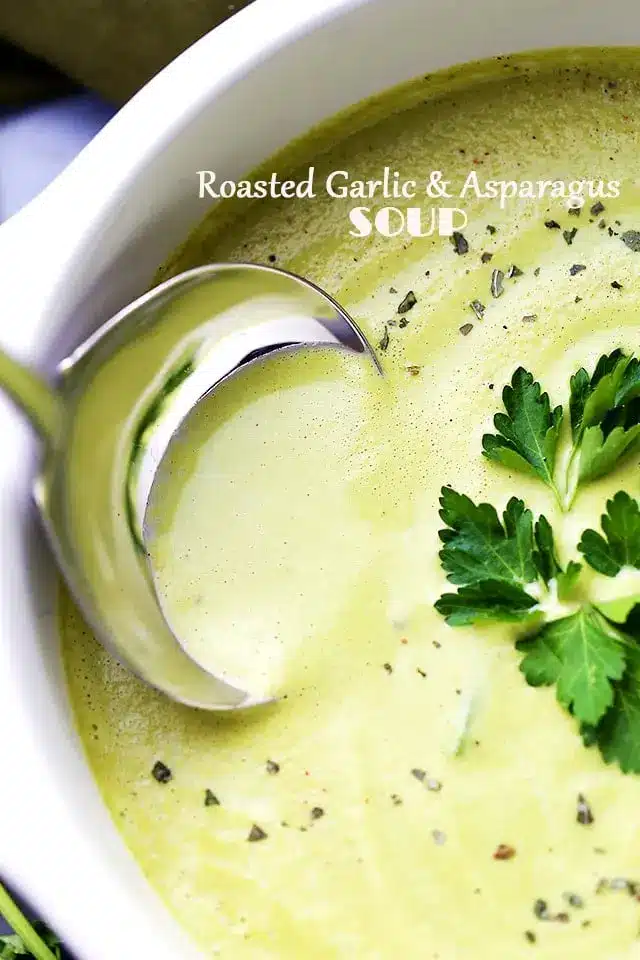
The final flourish to your homemade roasted asparagus soup is the garnishing and serving, which transforms a delicious dish into a visual delight. Ladle the warm, creamy soup into individual serving bowls. The vibrant green hue of the asparagus soup is naturally appealing, but a few thoughtful additions can enhance its presentation even further.
Consider a sprinkle of cracked black pepper for visual contrast and an extra hint of spice. Chopped fresh parsley adds a burst of bright green color and a delicate fresh herbaceous note that complements the asparagus beautifully. For an added touch of richness and a hint of salty indulgence, a small amount of shredded cheddar cheese or grated Parmesan cheese can be sprinkled on top just before serving. The residual heat of the soup will slightly melt the cheese, creating a delectable topping.
For a more creative presentation, you could also add a drizzle of olive oil, a small dollop of crème fraîche, or a few toasted slivered almonds for a bit of crunch. Serve immediately, perhaps alongside some crusty bread for dipping, allowing your guests to fully savor the comforting warmth and exquisite flavors of your homemade roasted asparagus soup. Enjoy this taste of spring!
Pro Tips for roasted asparagus soup
Select the Freshest Asparagus: The quality of your asparagus is paramount to the success of this soup. Look for firm, bright green spears with tight tips. Avoid any that are wilted, rubbery, or have yellowing stalks, as these will not yield the best flavor or texture.
Don’t Skip the Roasting: While you could steam or boil the asparagus, roasting is what truly unlocks its deep, sweet, and slightly nutty flavor. The high heat caramelizes the natural sugars, giving the soup a complexity that simply cannot be achieved otherwise. This step is non-negotiable for the best results.
Master the Blender: For the silkiest smooth soup, a high-powered blender is your best friend. If you don’t have one, blend in smaller batches and ensure you process each batch thoroughly until utterly smooth. Running the blended soup through a fine-mesh sieve afterwards can also remove any lingering fibrous bits, ensuring a luxurious texture.
Balance is Key with Lemon: The fresh lemon juice is vital for cutting through the richness of the cream and the inherent sweetness of the asparagus. Add it gradually at the end, tasting as you go, to achieve the perfect balance of bright acidity without making the soup taste overly tart. It lifts all the other flavors.
Embrace Creaminess Wisely: While heavy cream provides the ultimate luxurious texture, don’t be afraid to experiment with lighter alternatives like half-and-half or even a plant-based cream if you’re aiming for a dairy-free option. Just be mindful that these may slightly alter the final richness and consistency of the soup.
Serving Suggestions for roasted asparagus soup
Decoration
Elevate your roasted asparagus soup from delicious to delightful with thoughtful garnishes. A sprinkle of finely chopped fresh parsley offers a vibrant pop of green and a subtle herbal freshness that complements the asparagus wonderfully. For a touch of sophistication, a swirl of heavy cream or crème fraîche creates an elegant pattern on the surface, adding visual appeal and an extra layer of creaminess.
Consider adding a few toasted slivered almonds or croutons for a pleasing textural contrast to the soup’s smooth consistency. A few toasted pumpkin seeds or even some crispy fried shallots can also provide a delightful crunch and added depth of flavor. A light dusting of smoked paprika can impart a beautiful color and a subtle smoky note that pairs well with the roasted vegetables.
For a truly luxurious finish, a tiny drizzle of high-quality extra virgin olive oil or even a whisper of white truffle oil just before serving can impart an exquisite aroma and a gourmet touch. These small additions transform a simple soup into a culinary statement, engaging all the senses.
Side Dishes
Roasted asparagus soup is wonderfully versatile and pairs beautifully with a variety of side dishes that complement its delicate yet rich flavor. A classic pairing is crusty bread, such as a rustic sourdough or a hearty whole-wheat loaf, perfect for soaking up every last drop of the creamy soup. Imagine dipping warm slices of homemade focaccia into this vibrant green goodness; it’s pure comfort.
For a more substantial meal, consider serving the soup alongside a light protein. A baked lemon chicken or grilled fish like salmon with a delicate herb crust makes for a balanced and satisfying dinner. If you’re leaning towards a vegetarian option, a simple green salad with a light vinaigrette offers a refreshing counterpoint to the soup’s richness. Consider a salad featuring spring greens, cucumber, and a sprinkle of toasted sunflower seeds.
Light, crispy appetizers also work wonderfully. Think about serving it with miniature quiches, savory scones, or even a small portion of arancini. These accompaniments add an element of indulgence without overpowering the star of the show – the delicious roasted asparagus soup. Even a simple cheese and charcuterie board can be a delightful accompaniment for a more relaxed gathering.
Creative Serving Ideas
Beyond traditional bowls, there are numerous creative ways to serve roasted asparagus soup that can impress your guests. Consider serving it in individual shot glasses as an elegant appetizer for a cocktail party. This allows guests to enjoy a small, flavorful taste before moving on to other offerings. The vibrant green color makes for a striking presentation in clear glasses.
For a more formal dinner, present the soup in elegant ramekins or small ceramic pots. You could even add a delicate layer of puff pastry or a parmesan crisp on top before serving, turning it into a sophisticated pot pie-style starter. Imagine serving this soup as part of a progressive meal, where each course is presented in a different room or setting.
If you’re hosting a brunch, a smaller portion of this soup can be a delightful accompaniment to lighter fare, such as eggs Benedict or a fluffy German pancake. For a themed spring or Easter meal, consider using edible flowers as a garnish for an extra touch of seasonal beauty. The possibilities are as endless as your imagination, making this soup a true culinary chameleon.
Preparation & Storage
Storing Leftovers
Once your delicious roasted asparagus soup has cooled down to room temperature, storing it properly is key to maintaining its freshness and flavor. Transfer any leftover soup into an airtight container. Glass containers are often preferred as they don’t retain odors and are easy to clean. Ensure the lid is sealed tightly to prevent air from entering, which can lead to spoilage and a loss of quality.
Refrigerated, this soup will typically remain delicious for up to 3 to 4 days. It’s best to consume it within this timeframe to ensure you’re enjoying it at its peak. When storing, try to leave as little headspace in the container as possible to minimize oxidation. This simple step ensures you can enjoy a comforting bowl of this delightful soup again later in the week.
It’s important to remember that while the soup will still be safe to eat after 4 days, the texture and flavor might begin to degrade slightly. Always check for any signs of spoilage, such as an off smell or mold, before reheating and consuming leftovers. Proper storage is the first line of defense against food waste and ensures you get the most enjoyment from your cooking efforts.
Freezing
If you find yourself with an abundance of roasted asparagus soup and want to preserve it for a longer period, freezing is an excellent option. Allow the soup to cool completely before transferring it into freezer-safe containers or heavy-duty freezer bags. These specialized containers are designed to protect food from freezer burn, which can affect the texture and taste of the soup over time.
When freezing, try to remove as much air as possible from the containers or bags. For bags, you can use a straw to suck out the excess air before sealing them completely. This helps to maintain the quality of the soup during its stay in the freezer. Label each container or bag with the date you froze it to help you keep track of your frozen goods.
Roasted asparagus soup can typically be stored in the freezer for up to 2 to 3 months. While the soup will remain safe to eat beyond this period, its optimal quality might diminish. It’s worth noting that the creamy texture of the soup may change slightly after freezing and thawing, potentially becoming a little less smooth. However, it will still be perfectly enjoyable and a convenient option for a quick and delicious meal.
Reheating
Reheating your leftover roasted asparagus soup is a straightforward process that brings it back to its delicious, comforting state. The best method for reheating is on the stovetop, as it allows for gentle and even warming. Pour the refrigerated or thawed soup into a saucepan and place it over low to medium-low heat.
Stir the soup frequently as it warms up. This is especially important for creamy soups, as it helps to prevent the bottom from scorching and ensures the cream doesn’t separate. If the soup seems too thick after thawing or refrigeration, you can gradually whisk in a little extra vegetable broth, water, or milk (dairy or non-dairy) until you reach your desired consistency. Add these liquids a few tablespoons at a time, stirring well after each addition.
Avoid bringing the soup to a vigorous boil, as this can negatively impact the texture of the cream and potentially cause it to split. Gently simmer the soup until it is heated through. Once warm, give it a final taste and adjust seasonings if necessary, adding a pinch more salt, pepper, or a squeeze of lemon juice if needed. If the soup was frozen, ensure it is fully thawed before reheating on the stovetop.
Frequently Asked Questions
-
Can I make this roasted asparagus soup ahead of time?
Absolutely, making this roasted asparagus soup ahead of time is a fantastic idea and can actually enhance its flavors. You can prepare the soup up to the blending stage, then refrigerate it. Once cooled, it can be stored for up to 2 days. When you’re ready to serve, gently reheat it on the stovetop over low heat, adding a splash more broth if it has thickened too much. You can also roast the asparagus and garlic a day in advance and store them in the refrigerator before blending and completing the soup when you’re ready to serve.
-
What can I do if my roasted asparagus soup is too thin or too thick?
Adjusting the consistency of your roasted asparagus soup is quite simple. If the soup is too thin after blending, you can thicken it by simmering it uncovered over low heat for a few minutes, allowing some of the liquid to evaporate. Alternatively, you can create a slurry by whisking together a tablespoon of cornstarch or flour with a couple of tablespoons of cold water or broth, then gradually whisking this mixture into the simmering soup until it reaches your desired thickness. If the soup is too thick, simply whisk in more vegetable broth, water, or milk (dairy or non-dairy) a little at a time until it thins out to your preference.
-
Is it possible to make this soup dairy-free or vegan?
Yes, this roasted asparagus soup is very adaptable for dairy-free and vegan diets. To make it dairy-free, simply substitute the heavy cream with a full-fat coconut milk or a high-quality unsweetened plant-based cream alternative, such as cashew cream or soy cream. Ensure your vegetable broth is also vegan. For a fully vegan version, you will omit any optional cheese garnish or use a vegan cheese alternative. The roasting process and the addition of lemon juice provide ample flavor, so the absence of dairy does not significantly compromise the deliciousness of the soup, resulting in a wonderfully creamy and satisfying vegan dish.