Easy Chicken Pasta Primavera – Quick Dinner Idea!
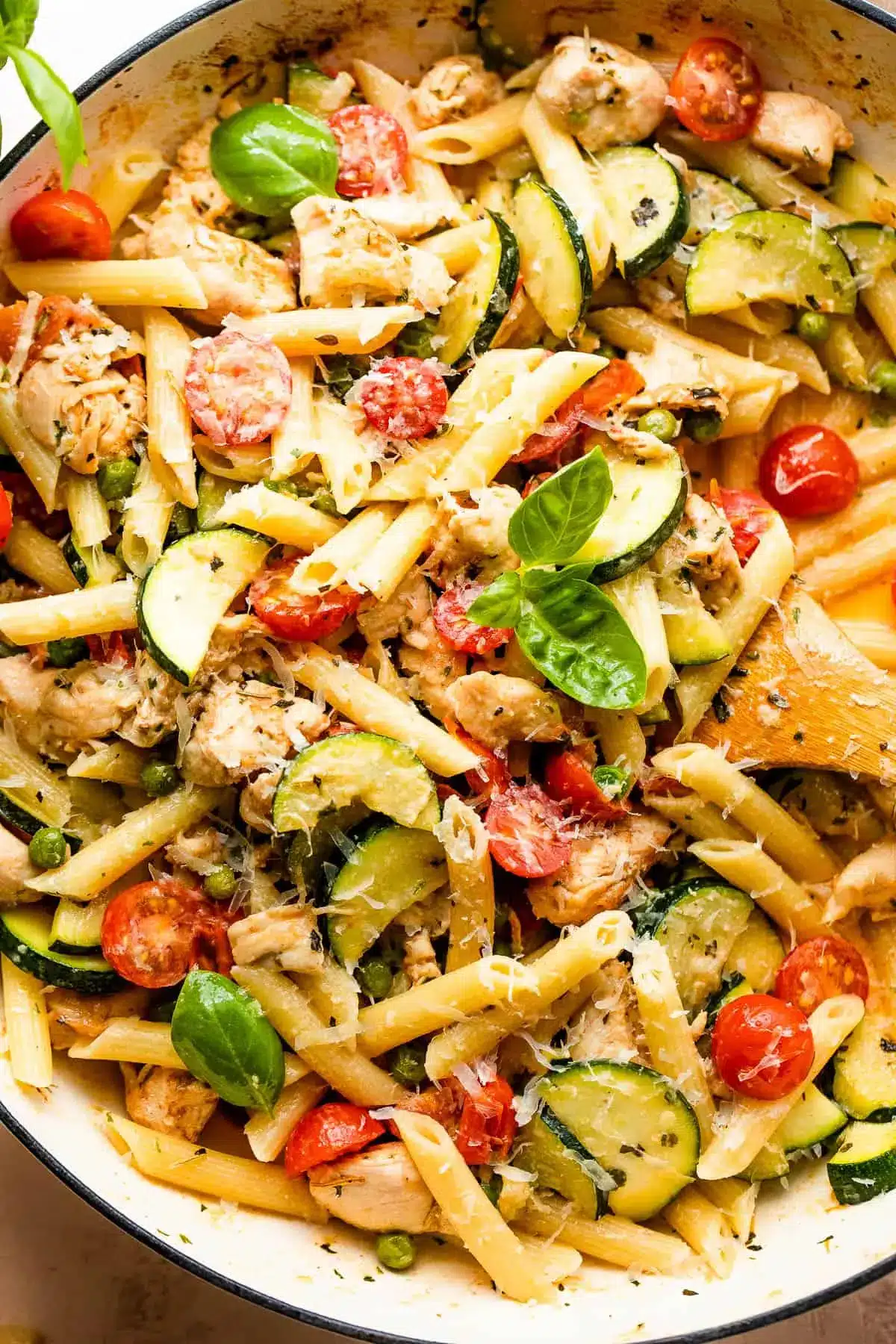
Juicy chicken and colorful veggies star in this Chicken Pasta Primavera, all tossed in a rich Parmesan sauce that’s just too good to resist! It’s a quick and delightful meal that promises a symphony of flavors and textures, perfect for any occasion.
This dish is a testament to how simple ingredients can come together to create something truly extraordinary. Get ready for a culinary journey that will leave your taste buds singing and your family begging for seconds!
Why You Will Love This Recipe
- Speedy Preparation: This entire meal comes together in under an hour, making it an ideal option for busy weeknights.
- Vibrant Vegetable Medley: A colorful assortment of fresh vegetables ensures a visually appealing and nutrient-rich dining experience.
- Creamy Parmesan Sauce: The luscious sauce coats every strand of pasta and piece of chicken in velvety, cheesy goodness.
- Customizable Ingredients: Easily adapt the recipe with your favorite vegetables or protein for a personalized touch.
- Family-Friendly Flavors: The harmonious blend of tender chicken, crisp-tender vegetables, and savory pasta is a guaranteed hit with eaters of all ages.
Ingredients You Need
The success of any great dish hinges on the quality of its components. For this Chicken Pasta Primavera, we recommend using the freshest ingredients available to truly capture the vibrant essence of spring and summer vegetables. Opting for good quality chicken and pasta will elevate the overall experience, ensuring each bite is a delightful burst of flavor and texture.
Chicken Pasta Primavera
Juicy chicken and colorful veggies star in this Chicken Pasta Primavera, all tossed in a rich Parmesan sauce that’s just too good to resist! It’s quick to whip up, making it a winning choice for busy nights when you want a tasty meal without the wait. Get ready for clean plates and happy faces!
- 8 to 10 ounces dry penne pasta
- 2 tablespoons olive oil
- 1 pound skinless boneless chicken breasts, cut into 1-inch cubes or long thin strips
- Salt and freshly ground black pepper
- 1 zucchini, sliced into thin half-moons
- 1 to 2 cups grape tomatoes, quartered
- 1 cup frozen peas
- 1 teaspoon dried rosemary
- 1 teaspoon dried parsley
- 4 cloves garlic, minced
- Chopped fresh basil, for garnish
- 1Cook pasta according to the directions on the package.
- 2In the meantime, heat oil in a large 14-inch skillet set over medium-high heat.
- 3Season the chicken pieces with salt and pepper, add the chicken to the hot oil, and cook for 5 minutes.
- 4Stir in the zucchini, tomatoes, and frozen peas; season with dried basil, rosemary, and parsley.
- 5Stir in garlic and continue to cook for 3 minutes, stirring occasionally.
- 6Stir in the wine and scrape up all the browned bits from the bottom of the pan.
- 7Add cream and cook for 1 minute.
- 8Drain the cooked pasta, then stir the pasta into the skillet.
- 9Taste for salt and adjust accordingly.
- 10Remove from heat.
- 11Top with parmesan cheese, garnish with basil, and serve.
Keywords: chicken, pasta, primavera, vegetables, creamy sauce, quick dinner, Italian-American
All the specific quantities for these ingredients can be found within the detailed recipe card.
Variations
The beauty of Chicken Pasta Primavera lies in its inherent adaptability. This dish serves as a fantastic canvas for culinary creativity, allowing for endless modifications to suit various dietary needs and flavor preferences. Feel free to experiment and make this recipe your own.
For those seeking a plant-based option, consider a vegan variation. Simply omit the chicken and increase the amount of vegetables, perhaps adding some pan-seared tofu or a hearty mushroom medley for protein. A cashew-based cream sauce can also replicate the richness of the dairy version, offering a delightful, dairy-free indulgence.
If you’re focusing on a low-carb lifestyle, whole wheat pasta can be replaced with spiralized zucchini noodles or spaghetti squash. This substitution not only slashes carbohydrate content but also introduces a delightful textural contrast. The creamy sauce and savory chicken still provide ample satisfaction, making it a filling and guilt-free meal.
Another exciting avenue for variation is to infuse global flavors. Imagine a subtly spiced version by incorporating a pinch of curry powder or a dash of soy sauce and ginger for an Asian-inspired twist. These subtle additions can transform the familiar Primavera into an entirely new and exotic culinary adventure.
How to Prepare Chicken Pasta Primavera
Step 1: Prepare the Pasta Base
The foundation of any excellent pasta dish begins with perfectly cooked pasta. For this Chicken Pasta Primavera, we recommend using penne, but feel free to substitute your favorite shape; farfalle or rotini are also excellent choices. Ensure you bring a large pot of generously salted water to a rolling boil before adding your pasta. This crucial step seasons the pasta from within, providing a foundational flavor that complements the rich sauce and vibrant vegetables.
Cook the pasta according to the package instructions, aiming for al dente. This means the pasta should be tender but still have a slight bite to it, resisting when you chew. Overcooked pasta can turn mushy and detract from the overall texture of the dish, so keeping a close eye on the cooking time is paramount. Once cooked to perfection, drain the pasta, but be sure to reserve at least a cup of the starchy pasta water before draining it completely.
This reserved pasta water is a culinary secret weapon. Its starch content acts as a natural emulsifier, helping to bind the sauce to the pasta and create a smoother, more cohesive consistency. It can be added back into the skillet later if the sauce needs a little thinning or to help it cling more beautifully to every piece of pasta, ensuring each forkful is coated in deliciousness.
Step 2: Searing the Chicken to Perfection
While the pasta is busy doing its thing, it’s time to give the chicken the attention it deserves. Heat a generous swirl of good quality olive oil in a large, heavy-bottomed skillet over medium-high heat. This type of pan is ideal for achieving a beautiful sear on the chicken, creating a delightful crust that adds depth of flavor and texture to the dish. Ensure the oil is shimmering, indicating it’s hot enough to sear without sticking.
Pat your cubed chicken breasts dry with paper towels; this step is vital for achieving a good sear. Season the chicken generously on all sides with salt and freshly ground black pepper. Carefully add the seasoned chicken to the hot skillet, ensuring not to overcrowd the pan, which can lead to steaming rather than searing. Cook the chicken for about 5 minutes, turning occasionally, until it’s golden brown on all sides and cooked through. Remove the seared chicken from the skillet and set it aside on a plate, leaving the flavorful drippings in the pan.
These drippings are pure gold for building the sauce’s flavor profile. They contain all the delicious essence of the seared chicken, providing a savory base that will enhance every other ingredient introduced into the skillet. Resist the temptation to wipe the pan clean; instead, embrace these remnants of flavor as the starting point for your vibrant primavera sauce.
Step 3: Introducing the Colorful Vegetable Medley
Now comes the part where the “Primavera” truly comes to life – the vibrant vegetables. Into the same skillet where the chicken was seared, add your prepared zucchini, quartered grape tomatoes, and frozen peas. These vegetables are chosen for their quick cooking times and ability to retain their appealing textures and bright colors when sautéed briefly. The residual heat from the pan and the presence of the chicken drippings will help them cook quickly and absorb those foundational savory notes.
Season the vegetables with a fragrant blend of dried basil, rosemary, and parsley. These herbs are classic companions to Italian-inspired dishes, offering an aromatic depth that complements the fresh flavors of the vegetables and chicken. Stir everything together, allowing the vegetables to begin softening and mingling their juices with the flavorful remnants in the pan. Continue to cook for about 3 minutes, stirring occasionally, to ensure even cooking and to prevent any single vegetable from becoming overdone.
The aroma at this stage should be intoxicating – the herbs releasing their fragrance, the vegetables starting to soften, and the savory notes from the chicken drippings creating a tantalizing perfume. This vibrant medley is the heart of the “Primavera,” promising a dish that is as visually stunning as it is delicious, bursting with the essence of fresh, seasonal produce.
Step 4: Building the Luscious Creamy Sauce
With the vegetables softened and fragrant, it’s time to introduce the star that binds everything together: the creamy sauce. Add the minced garlic to the skillet and cook for another minute until fragrant. Be cautious not to burn the garlic, as this can impart a bitter taste; a gentle sauté is all that’s needed to release its pungent, savory essence. Stir in the white wine, which serves a crucial purpose: deglazing the pan.
As you stir the wine, scrape the bottom of the skillet with your wooden spoon to lift all those delicious browned bits left from searing the chicken and sautéing the vegetables. This process, known as deglazing, incorporates those concentrated flavors directly into the sauce, adding an unparalleled depth and complexity. Allow the wine to simmer and reduce slightly, its alcohol content evaporating to leave behind a rich, concentrated flavor. Then, pour in the heavy whipping cream, stirring gently to combine it with the wine and pan drippings.
Let the sauce simmer and thicken for about 1 minute. The cream will begin to emulsify with the other ingredients, creating a velvety smooth sauce that coats the back of a spoon. This is the moment when the dish transforms from a simple sauté into a luxurious pasta creation. The sauce should be rich, creamy, and perfectly seasoned, ready to embrace the pasta and chicken.
Step 5: Assembling the Masterpiece
The final act in creating your magnificent Chicken Pasta Primavera is bringing all the components together. Gently drain the cooked pasta, ensuring you’ve saved that all-important cup of starchy pasta water. Return the drained pasta directly into the skillet with the creamy sauce and sautéed vegetables. It’s essential to handle the pasta gently at this stage to prevent it from breaking apart.
Toss the pasta with the sauce and vegetables until every strand is beautifully coated. If the sauce seems a little too thick or isn’t quite clinging to the pasta as desired, now is the time to add a splash of the reserved pasta water. Stir it in gradually, a tablespoon at a time, until you achieve your desired sauce consistency. This liquid gold will help the sauce become even more luscious and ensure it clings perfectly to the pasta, making every bite a delight.
Once the pasta is thoroughly coated and the sauce has reached its ideal consistency, taste the dish and adjust seasoning with salt and freshly ground black pepper as needed. The flavors should be harmonious and well-balanced. Remove the skillet from the heat; the residual warmth will continue to gently cook the ingredients and meld the flavors further. The Chicken Pasta Primavera is now ready for its final flourish before serving.
Step 6: The Finishing Touches and Presentation
The culmination of your culinary efforts is the final presentation, where visual appeal meets exquisite taste. Sprinkle the grated fresh Parmesan cheese generously over the pasta in the skillet. The residual heat will begin to melt the cheese, creating delightful, gooey strands that enhance the creamy sauce. This addition brings a sharp, salty counterpoint to the richness of the cream and a quintessential Italian flavor.
Garnish the entire dish with freshly chopped basil. The bright green flecks of basil not only add a pop of color but also contribute a wonderfully fresh, aromatic dimension that cuts through the richness of the sauce. The combination of the melting Parmesan and the fragrant basil creates a visually stunning and aromatically enticing finish. This final step elevates the dish from merely delicious to a truly memorable dining experience, ready to impress.
Serve the Chicken Pasta Primavera immediately, ensuring guests can enjoy it at its optimal temperature and texture. The vibrant colors, the enticing aroma, and the promise of a creamy, savory, and vegetable-packed meal make this dish a true showstopper. Prepare for compliments and empty plates!
Pro Tips for Chicken Pasta Primavera
- Don’t Fear the Sear: Properly searing the chicken, without overcrowding the pan, is crucial for developing a rich flavor base. This step adds a depth that simply boiling or pan-frying can’t achieve.
- Pasta Water is Your Friend: Always reserve some starchy pasta water. It’s the secret ingredient that helps emulsify the sauce, making it cling beautifully to the pasta and vegetables.
- Freshness is Key for Veggies: While frozen peas are convenient, using fresh, seasonal vegetables will truly make the “Primavera” aspect shine. Chop them into bite-sized pieces for quick and even cooking.
- Taste and Adjust: The beauty of cooking at home is the ability to tailor flavors. Taste your sauce before adding the pasta and adjust salt, pepper, or even add a pinch of red pepper flakes for a little heat.
- Garlic Matters: Freshly minced garlic offers a superior flavor to garlic powder. Sauté it briefly until fragrant, but be careful not to burn it, as this can turn the dish bitter.
Serving Suggestions for Chicken Pasta Primavera
Decoration
Elevate the visual appeal of your Chicken Pasta Primavera with simple yet elegant garnishes. A generous sprinkle of freshly grated Parmesan cheese offers a classic finish, its salty richness melting slightly into the warm pasta. Freshly chopped basil provides a vibrant burst of green and a fragrant, herbaceous aroma that cuts through the creamy sauce.
Consider a delicate drizzle of high-quality extra virgin olive oil over the top just before serving. This adds a lovely sheen and a subtle fruity note that enhances the overall flavor profile. A few whole basil leaves artfully placed can also serve as a beautiful decorative element, hinting at the freshness within.
For a touch of color and crunch, a light dusting of finely chopped fresh parsley or chives can be added. These additions not only enhance the visual presentation but also introduce subtle layers of fresh, aromatic flavor, making each bite an experience for all the senses.
Side Dishes
Complement the richness of the Chicken Pasta Primavera with a variety of refreshing and complementary side dishes. A crisp, garden-fresh salad is a perfect choice, offering a light and healthy counterpoint to the creamy pasta. Consider a simple vinaigrette dressing made with lemon juice and olive oil to echo the brightness of the “Primavera” vegetables.
Crusty garlic bread or warm, soft breadsticks are always a welcome addition, perfect for soaking up any leftover sauce. My easy garlic parmesan breadsticks are a family favorite and pair exceptionally well with this dish. Alternatively, consider a light and creamy soup, such as an asparagus soup or a smooth tomato bisque, to start the meal.
For a more substantial meal, consider serving the pasta alongside grilled or roasted vegetables like asparagus spears or broccoli florets. These add another layer of texture and freshness, ensuring a well-rounded and satisfying dining experience. The key is to choose sides that enhance, rather than overpower, the main dish.
Creative Serving Ideas
Think beyond the traditional bowl to present your Chicken Pasta Primavera in unique and engaging ways. For a more formal dinner party, individual portions can be plated elegantly. Use a ring mold to shape the pasta neatly in the center of the plate, then artfully arrange the chicken and vegetables around it.
Consider a more rustic, family-style presentation by serving the pasta directly from a beautiful large platter or a well-seasoned cast-iron skillet. This encourages communal dining and makes for a stunning centerpiece on the table. A final sprinkle of cheese and fresh herbs right before it hits the table adds a touch of flourish.
For a lighter lunch or appetizer option, serve smaller portions in elegant martini glasses or small ramekins. This sophisticated presentation makes the dish feel more refined and can be perfect for a tasting menu or a gathering of friends. Remember, the way a dish is presented can significantly enhance the overall enjoyment of the meal.
Preparation & Storage
Storing Leftovers
Should you be fortunate enough to have any Chicken Pasta Primavera leftovers, proper storage is key to maintaining its deliciousness. Once the dish has cooled to room temperature, transfer the leftovers into an airtight container. This prevents the pasta from drying out and protects it from absorbing any unwanted odors from the refrigerator.
When stored correctly in the refrigerator, Chicken Pasta Primavera will maintain its best quality for 2 to 3 days. The flavors often meld together even further overnight, making leftovers just as enjoyable, if not more so, than when they were freshly prepared. Ensure the container is sealed tightly before placing it back into the fridge.
Avoid leaving the cooked pasta at room temperature for extended periods, as this can lead to bacterial growth. Promptly refrigerating any uneaten portions is a crucial step in food safety and ensures you can safely enjoy your delicious meal again.
Freezing
While Chicken Pasta Primavera is best enjoyed fresh, it can be frozen, though with some considerations. The creamy sauce and vegetables may undergo a slight textural change upon thawing. For the best results, it’s recommended to freeze the dish before the pasta becomes overly tender.
Allow the cooked pasta to cool completely before portioning it into freezer-safe containers or heavy-duty freezer bags. Remove as much air as possible to prevent freezer burn. Label the containers with the date and contents for easy identification. Frozen Chicken Pasta Primavera should ideally be consumed within 1 to 2 months for optimal quality.
Be aware that the texture of the vegetables and pasta may soften slightly after freezing and thawing. However, with careful reheating, it can still be a satisfying meal on a busy day. It’s a good option for having a quick meal ready to go with minimal effort.
Reheating
Reheating Chicken Pasta Primavera requires a gentle approach to preserve its texture and flavor. The most effective method is on the stovetop. Place the refrigerated or thawed leftovers in a skillet over low heat. Add a splash of water, milk, or broth to the skillet; this helps to reintroduce moisture and prevent the pasta from drying out, ensuring it remains tender and the sauce remains creamy.
Stir the pasta occasionally as it heats through. This gentle agitation ensures even warming and helps to re-emulsify the sauce. Continue heating until the pasta is warmed through to your desired temperature. Avoid high heat, which can cause the pasta to become mushy or the sauce to separate.
For a quicker, albeit less ideal, method, you can reheat in the microwave. Place the leftovers in a microwave-safe dish, cover loosely to trap steam, and heat on medium power in 30-second intervals, stirring in between, until heated through. This method can sometimes result in a slightly less cohesive sauce, so the stovetop method is generally preferred.
Frequently Asked Questions
-
Can I make Chicken Pasta Primavera ahead of time?
While it’s best enjoyed fresh, you can certainly prepare components of Chicken Pasta Primavera ahead of time. Cook the pasta and chicken separately, and chop all your vegetables. Store these elements in airtight containers in the refrigerator for up to 2 days. When you’re ready to serve, sauté the vegetables and chicken, deglaze the pan, add the cream, and then toss with the pre-cooked pasta. You can also assemble the entire dish and refrigerate it, then reheat gently on the stovetop with a splash of liquid to refresh the sauce and pasta.
-
What kind of vegetables are best for Pasta Primavera?
Pasta Primavera literally translates to “spring pasta,” so traditionally it features vibrant spring vegetables like asparagus, peas, zucchini, and cherry tomatoes. However, the beauty of this dish is its versatility; feel free to use any vegetables you have on hand or that are in season. Broccoli florets, bell peppers (any color), spinach, mushrooms, and even thinly sliced carrots are excellent additions. The key is to cut them into bite-sized pieces so they cook relatively quickly and evenly alongside the chicken.
-
How can I make the sauce richer or creamier if I don’t have heavy cream?
If you don’t have heavy whipping cream, you can achieve a wonderfully creamy sauce using alternatives. Half-and-half is a good substitute, though the sauce might be slightly thinner and less rich. For an even richer texture without heavy cream, you can create a slurry by whisking together a tablespoon of cornstarch with a few tablespoons of milk or broth and then adding it to the simmering sauce. Another option is to incorporate a dollop of cream cheese or a spoonful of mascarpone into the sauce as it heats, stirring until smooth. For a dairy-free option, a blended cashew cream or a full-fat coconut milk can also work, though they will impart their own unique flavors.