Irresistible Chicken & Egg Fried Rice for Easy Family Dinners
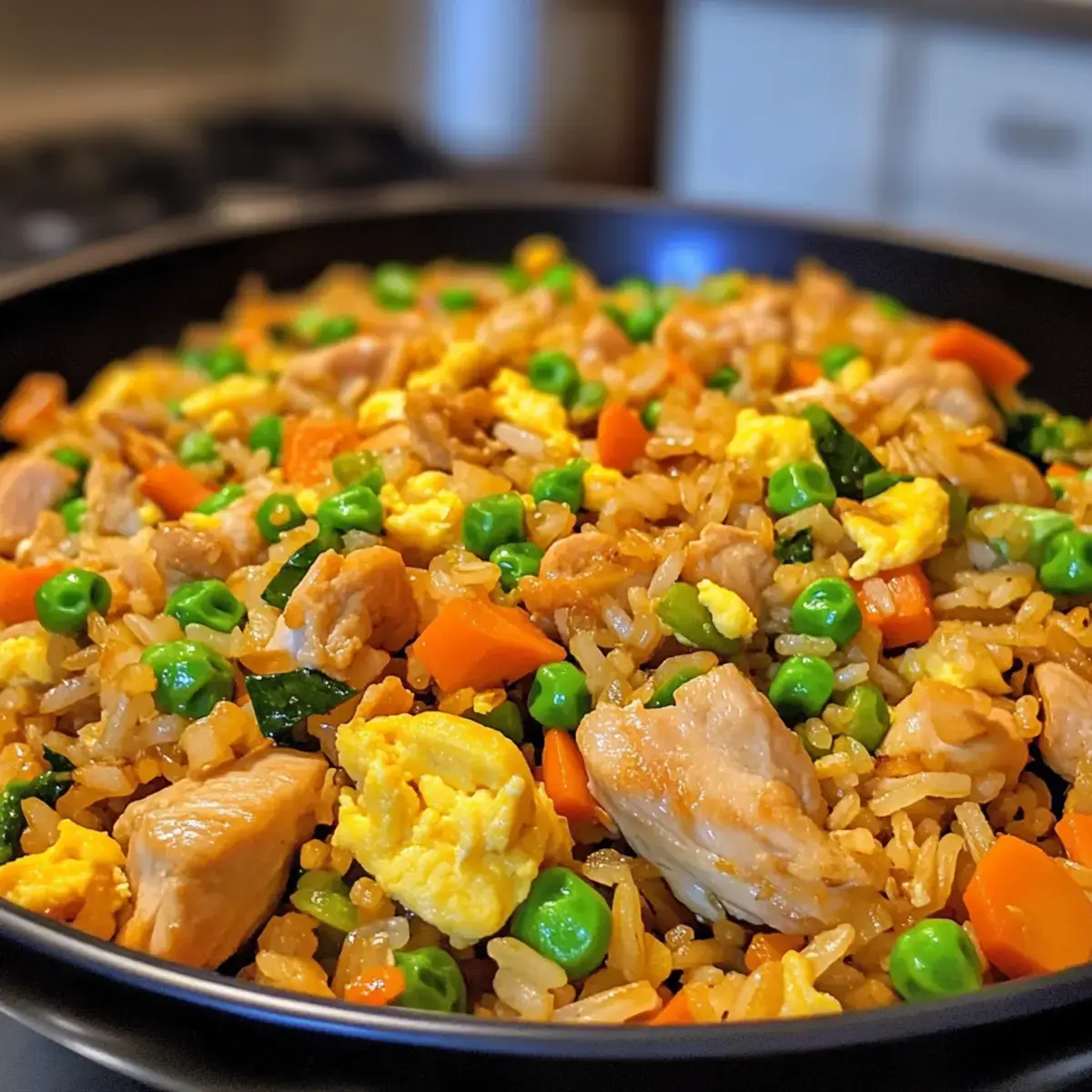
As I stepped into the kitchen, the rich aroma of sizzling chicken and garlic transported me back to my favorite takeout spot.
Today, I’m bringing that beloved flavor home with my Chicken & Egg Fried Rice, a dish that perfectly balances succulent chicken, fluffy scrambled eggs, and colorful veggies.
This easy dinner comes together in just 30 minutes, making it a go-to for busy weeknights or batch cooking sessions.
Not only is it high in protein – a great way to fuel your family – but it also caters to all taste buds with the option to add your favorite vegetables.
As the rice absorbs the savory sauce, you’ll be tempted to make this a weekly staple.
Curious to discover how to whip this up effortlessly? Let’s dive in!
Why You Will Love This Recipe
- Quick Preparation: Dinner is on the table in less than 30 minutes, making it an ideal solution for busy weeknights when time is of the essence. This speed allows for more family time and less time spent slaving over a hot stove.
- Versatile & Customizable: This recipe acts as a fantastic base, allowing you to easily adapt it to your family’s specific tastes and dietary needs. Feel free to swap out proteins, add a wider array of vegetables, or adjust the spice level to perfection.
- Meal Prep Friendly: Prepare a generous batch of this Chicken & Egg Fried Rice and enjoy delicious leftovers throughout the week. Storing it properly in airtight containers in the refrigerator ensures it remains a convenient and tasty option for up to three days.
- Nutritionally Satisfying: Packed with lean chicken and protein-rich eggs, this dish provides a wholesome and filling meal. It’s a great way to ensure everyone in the family receives essential nutrients, perfect for post-workout recovery or simply a satisfying supper.
- Authentic Takeout Flavor at Home: Recreate the comforting and familiar taste of your favorite Chinese restaurant’s fried rice without leaving your kitchen. Enjoy the satisfying blend of savory, sweet, and slightly spicy notes that are sure to delight your palate.
Ingredients You Need
The foundation of any great dish lies in the quality of its ingredients, and this Chicken & Egg Fried Rice is no exception.
Opting for fresh, high-quality components will elevate the final flavor profile, ensuring a truly memorable culinary experience for you and your loved ones.
From the succulent chicken to the aromatic garlic and vibrant vegetables, each element plays a crucial role in achieving that perfect balance of textures and tastes that defines exceptional fried rice.
Flavorful Chicken & Egg Fried Rice for Quick Family Dinners
A quick and nutritious Chicken & Egg Fried Rice that balances rich chicken and eggs with colorful veggies. This dish is perfect for busy weeknights and can be customized with your favorite ingredients.
- 1 pound Boneless Skinless Chicken Thighs (Substitute with chicken breast or tofu for a leaner option.)
- 2 Eggs (Use scrambled tofu for a vegan alternative.)
- 4 cups Cooked Rice (Day-old rice works best for texture.)
- 2 tablespoons Vegetable Oil (Any neutral oil can be substituted.)
- 3 cloves Garlic (Freshly minced garlic is preferred.)
- 2 Spring Onions (Shallots can replace spring onions.)
- 1 cup Frozen Peas (Fresh peas or corn can be used for variety.)
- 1 cup Beansprouts (Can be omitted or replaced with sliced bell peppers.)
- 2 tablespoons Oyster Sauce (Use mushroom or soy sauce for a vegetarian version.)
- 1 tablespoon Dark Soy Sauce (Substitute with light soy sauce if unavailable.)
- 1 tablespoon Light Soy Sauce (Adjust according to taste.)
- 1 tablespoon Sriracha (Chili flakes can be substituted.)
- 1 teaspoon Sugar (Honey or maple syrup can be used as alternatives.)
- 1/2 teaspoon MSG (Can be omitted for a cleaner taste.)
- 1Prepare the Sauce: In a small bowl, whisk together the oyster sauce, dark soy sauce, light soy sauce, Sriracha, sugar, and MSG, if using. Set aside.
- 2Chop Ingredients: Chop chicken thighs into bite-sized pieces, mince garlic, and slice spring onions separately.
- 3Beat the Eggs: In a medium bowl, crack and whisk the eggs until well combined. Set aside.
- 4Sauté the Chicken: Heat a large wok over high heat and add vegetable oil. Stir-fry chicken until golden brown, about 4-6 minutes. Remove and set aside.
- 5Cook Garlic and Onions: Add more oil if necessary, then sauté garlic and white parts of spring onions for 1-2 minutes until fragrant.
- 6Scramble the Eggs: Pour the beaten eggs into the wok and scramble until fluffy and set. Combine with garlic and onions.
- 7Incorporate the Rice: Add cooked rice, breaking up clumps. Toss together for about 3-4 minutes, allowing the rice to get slightly crispy.
- 8Add Chicken and Sauce: Return chicken and sauce to the wok; stir-fry for another 2-3 minutes until heated through and coated evenly.
- 9Finish with Vegetables: Add frozen peas and beansprouts. Cook for an additional 1-2 minutes until tender-crisp.
- 10Serve Your Fried Rice: Transfer to serving containers and garnish with green parts of spring onions.
Keywords: fried rice, chicken, egg, quick dinner, easy recipe, stir-fry, Asian, family meal, meal prep
- boneless skinless chicken thighs: provides protein and richness to the dish; substitute with chicken breast or tofu for a leaner option.
- eggs: adds creaminess and protein; use scrambled tofu for a vegan alternative.
- cooked rice: the base of the dish; day-old rice works best for texture, but freshly cooked rice can be used if cooled properly to prevent mushiness.
- vegetable oil: essential for frying ingredients and achieving crispness; any neutral oil can be substituted.
- garlic: adds depth of flavor; freshly minced garlic is preferred, but garlic powder can be a quick substitute.
- spring onions: offers freshness and crunch; the green part is used for garnish, while the white part is sautéed. Shallots can be used in place of spring onions.
- frozen peas: introduces a pop of color and sweetness; fresh peas or other vegetables like corn can be used.
- beansprouts: adds texture and crunch; can be omitted or replaced with sliced bell peppers.
- oyster sauce: provides umami and depth; for a vegetarian version, use mushroom or soy sauce.
- dark soy sauce: for color and flavor depth; substitute with additional light soy sauce if unavailable.
- light soy sauce: lowers sodium and enhances flavor; may adjust according to taste.
- sriracha: adds heat and spice; chili flakes or any hot sauce can be substituted.
- sugar: balances flavors; honey or maple syrup can be utilized as alternatives.
- msg: enhances umami flavor but can be omitted for a cleaner taste.
The precise quantities for each ingredient are detailed in the recipe card provided, ensuring you have all the information needed for perfect execution.
Variations
This classic Chicken & Egg Fried Rice is a wonderful canvas for creativity, allowing you to tailor it to various dietary needs and flavor preferences. Exploring these variations can unlock new dimensions of taste and texture, making every preparation a delightful adventure.
Whether you’re aiming for a lighter meal, a plant-based option, or just want to introduce a new flavor profile, these adaptations offer exciting possibilities without compromising the dish’s inherent comfort and satisfaction.
Consider these ideas to transform your fried rice into something uniquely your own, perfect for any occasion or craving.
Vegan Delight: For a completely plant-based version, swap the chicken thighs for firm tofu, pressed and cubed, or even edamame for a pop of green. Replace the eggs with a simple scrambled tofu mixture seasoned with turmeric for color and black salt (kala namak) for a sulfuric, egg-like flavor. The oyster sauce can be substituted with a vegetarian mushroom-based stir-fry sauce or a generous amount of tamari for an umami boost.
Low-Carb Cauliflower Rice: Embrace a lighter, lower-carbohydrate alternative by substituting traditional white rice with finely riced cauliflower. Ensure the cauliflower is dry after ricing, as excess moisture can lead to a mushy texture. Stir-fry the cauliflower rice similarly to regular rice, ensuring it gets slightly toasted before adding other ingredients for a delightful texture that mimics traditional fried rice.
Spicy Seafood Twist: Elevate the protein with succulent shrimp, which cooks much faster than chicken, or even small pieces of firm white fish. For an added kick and a touch of the sea, consider a tablespoon of chili garlic sauce or a pinch of red pepper flakes. A dash of sesame oil right at the end can also infuse a beautiful aroma, complementing the seafood perfectly.
Vegetable-Forward Fiesta: Amp up the vegetable content by adding a colorful medley of finely chopped bell peppers (red, yellow, and green), crisp broccoli florets, tender snap peas, or even shredded carrots. Ensure vegetables are cut into bite-sized pieces to cook evenly and quickly, maintaining their crisp-tender texture and vibrant colors. This makes the dish not only more nutritious but also visually appealing.
Herbaceous and Aromatic Finish: To impart a burst of freshness and an aromatic complexity, stir in a generous handful of chopped fresh cilantro or Thai basil just before serving. The residual heat will gently wilt the herbs, releasing their fragrant oils. A squeeze of fresh lime juice over the finished dish can also add a bright, zesty counterpoint to the savory flavors.
How to Prepare Chicken & Egg Fried Rice
Step 1: Prepare the Savory Sauce Blend
Begin by crafting the flavorful sauce that will bind all the components of your Chicken & Egg Fried Rice together beautifully.
In a small, clean bowl, combine the oyster sauce, dark soy sauce for that signature depth of color, and light soy sauce for balanced salinity. Whisk in the Sriracha for a touch of heat, the sugar to round out the flavors, and the MSG if you choose to use it for an enhanced umami experience.
Once thoroughly mixed into a harmonious blend, set this vibrant sauce aside, ensuring it’s within easy reach for the stir-frying process that is about to commence.
This preparatory step is crucial for a smooth cooking experience, allowing you to add the sauce at the perfect moment without interrupting the flow of cooking.
A well-prepared sauce is key to infusing every grain of rice and every piece of chicken with its complex, satisfying taste.
Having this essential element ready ensures that the cooking process remains efficient and enjoyable from start to finish.
It’s the backbone of the dish, contributing significantly to its overall appeal and depth of flavor.
The combination of sweet, salty, and spicy elements creates a truly addictive flavor profile.
This step is a testament to the adage that good cooking starts with good preparation.
The sauces will meld together, creating a richer, more integrated flavor profile.
This foundational step is critical for unlocking the full potential of your fried rice.
The balance of these key ingredients is what makes this sauce so universally appealing.
It’s the secret weapon that transforms simple ingredients into a spectacular meal.
The aroma alone will fill your kitchen with anticipation for the delicious meal ahead.
This pre-mixed sauce guarantees consistent flavor throughout the dish.
It ensures that each bite delivers that perfect symphony of tastes you’re aiming for.
By having it ready, you prevent the cooking process from becoming rushed or chaotic.
This ensures the final dish is both visually appealing and incredibly delicious.
The sauce is meticulously balanced to complement the other ingredients perfectly.
This thoughtful preparation is what separates good fried rice from great fried rice.
It’s the first step in creating a truly memorable culinary experience.
The meticulous attention to detail at this stage pays off significantly in the final product.
This step is non-negotiable for achieving authentic, restaurant-quality fried rice.
Step 2: Prepare Your Culinary Components
While your flavorful sauce is settling and its ingredients are harmonizing, turn your attention to preparing the fresh components of your meal.
Begin by taking your boneless, skinless chicken thighs and dicing them into uniform, bite-sized pieces, ensuring they will cook evenly and absorb the sauce wonderfully.
Next, finely mince your garlic cloves; this releases their potent aroma and ensures they integrate seamlessly into the stir-fry without overwhelming the other flavors.
Separately slice your spring onions, carefully dividing the white or light green parts from the vibrant green tops.
The white parts are perfect for sautéing to build an aromatic base, while the green tops will serve as a beautiful, fresh garnish at the end.
This meticulous preparation ensures that all elements are ready to go when the heat is on, facilitating a quick and efficient cooking process.
Properly dicing the chicken is crucial for ensuring it cooks through quickly and evenly.
This attention to detail contributes to the overall textural appeal of the dish.
Mincing the garlic finely maximizes its surface area for flavor infusion.
The distinct separation of spring onion parts allows for their optimal use in different cooking stages.
This organized approach to ingredient preparation is a hallmark of efficient and enjoyable cooking.
It significantly reduces stress during the actual stir-frying phase.
Each component is prepped to deliver its best contribution to the final dish.
This preparatory stage is where the magic truly begins to unfold.
Uniformity in cutting ensures that all pieces cook at the same rate.
The aroma of freshly minced garlic is an irresistible prelude to the meal.
Having ingredients prepped prevents any interruptions during the high-heat cooking.
This ensures the delicate balance of flavors is maintained.
The transformation from raw ingredients to a cohesive dish starts here.
This step is vital for maintaining the integrity of each ingredient’s flavor and texture.
It’s about setting the stage for a successful and delicious outcome.
The mindful preparation here contributes to the overall ease of the cooking process.
Every piece is treated with care to enhance its role in the final creation.
This is where the visual and aromatic appeal of the dish begins to take shape.
The precise cuts ensure that the ingredients distribute evenly throughout the fried rice.
This attention to detail is what makes homemade fried rice so special.
The thoughtful separation of the spring onions is a classic technique for maximizing their flavor.
It shows a deep understanding of how each ingredient contributes to the final taste.
This organized approach sets a positive tone for the entire cooking experience.
The anticipation builds as each element is made ready.
This stage truly embodies the principle of “mise en place,” the culinary art of preparing ingredients.
Each cut and mince is deliberate, aiming for peak flavor and texture.
The distinct colors and shapes of the prepped ingredients promise a vibrant final dish.
Step 3: Whisking the Eggs to Fluffy Perfection
Now, it’s time to prepare the eggs, which will add a wonderful richness and a beautiful textural contrast to your Chicken & Egg Fried Rice.
In a medium-sized bowl, crack your eggs, ensuring no shell fragments make their way into the mixture, and then vigorously whisk them until they are perfectly combined and achieve a light, frothy consistency.
The goal here is to create fluffy scrambled eggs that will integrate seamlessly into the rice, providing pockets of tender goodness throughout the dish.
Once whisked to your satisfaction, place this bowl of readiness aside, knowing it will be introduced to the hot wok at precisely the right moment to create a delightful addition to your stir-fry.
Whisking the eggs thoroughly incorporates air, which leads to a lighter, fluffier texture when cooked.
This step is simple yet crucial for the final texture of the egg component.
Properly whisked eggs will cook into delicate ribbons, not dense rubbery pieces.
Having the eggs ready ensures a swift addition to the wok, preventing other ingredients from overcooking.
The frothy appearance indicates that the egg whites and yolks are fully emulsified.
This will result in a more even and pleasing texture when mixed with the rice.
It’s a small step that significantly impacts the overall eating experience.
The lightness of the eggs complements the heartier chicken and rice.
This process ensures the eggs become tender morsels within the fried rice.
The vibrant yellow of the eggs adds visual appeal to the dish.
A well-whisked egg mixture cooks more evenly and quickly.
This step guarantees that the eggs will provide a soft, yielding counterpoint.
It’s about creating those little pockets of delightful eggy flavor.
The consistency achieved here is key for easy incorporation into the stir-fry.
This ensures that the eggs don’t clump together in large, unappetizing masses.
The careful whisking contributes to a pleasing mouthfeel.
It’s a moment of delicate preparation before the vigorous stir-frying.
The result is light, airy egg pieces that enhance the overall dish.
This ensures that the eggs are tender and not tough or chewy.
The visual cue of a well-whisked egg mixture is a promise of good things to come.
This simple technique brings a touch of elegance to a humble dish.
It’s about achieving that perfect fluffy consistency every time.
The light texture of the eggs balances the chewiness of the rice and chicken.
This crucial step guarantees a delightful contrast in every bite.
Step 4: Searing the Chicken to Golden Perfection
Now, the high-heat magic begins as you sear the chicken to lock in its juices and develop a beautiful golden-brown exterior.
Place your largest wok or a sturdy, wide skillet over high heat and allow it to become thoroughly hot; this intense heat is vital for achieving that sought-after sear.
Once the wok is screaming hot, add 1 to 2 tablespoons of vegetable oil, letting it shimmer to indicate it’s ready for the chicken.
Carefully introduce the diced chicken pieces, spreading them into a single layer as much as possible to ensure even searing, and stir-fry vigorously for approximately 4 to 6 minutes, or until the chicken is golden brown on all sides and cooked through.
Remove the perfectly seared chicken from the wok and set it aside on a clean plate, allowing its delicious flavors to rest while you proceed with the next steps of your culinary masterpiece.
High heat is paramount for achieving a quick sear that caramelizes the chicken’s surface.
This rapid cooking seals in the natural juices, ensuring the chicken remains tender and flavorful.
Spreading the chicken in a single layer prevents steaming, which would hinder the browning process.
Stirring frequently ensures that all sides of the chicken pieces are exposed to the intense heat.
The golden-brown color is not just aesthetic; it signifies the development of rich, savory flavors through the Maillard reaction.
Removing the chicken allows you to focus on building the aromatic base without overcooking it.
This step sets the stage for the deep, satisfying flavor of the entire dish.
The slightly crispy edges on the chicken add a wonderful textural contrast.
This ensures the chicken is cooked through without becoming dry or tough.
The sizzling sound as the chicken hits the hot wok is music to any cook’s ears.
This quick searing method is fundamental to authentic stir-fried dishes.
The residual heat will continue to cook the chicken slightly after removal.
This step requires attention to prevent burning while achieving optimal browning.
The aroma that fills your kitchen during this stage is incredibly appetizing.
Ensuring the oil is hot enough prevents the chicken from sticking and promotes better searing.
This is where the primary protein component of your dish gains its character.
The visible browning indicates that complex flavors are developing.
Properly seared chicken pieces are a sign of a well-executed stir-fry.
This technique ensures the chicken is cooked quickly and efficiently.
The slight charring adds an appealing depth to the overall flavor profile.
It’s about achieving that perfect balance between tender interior and slightly crisp exterior.
This foundational searing step is critical for a flavorful fried rice.
The visual appeal of golden chicken pieces is highly satisfying.
This process elevates simple chicken thighs into a star ingredient.
The Maillard reaction is working its delicious magic here.
This is a crucial moment for building the dish’s foundational savory notes.
Step 5: Building the Aromatic Foundation
With the chicken beautifully seared and set aside, the focus shifts to creating the fragrant aromatic base that will infuse the entire dish with incredible flavor.
In the same hot wok, add another small splash of vegetable oil if the wok appears dry, then introduce the finely minced garlic and the reserved white parts of the spring onions.
Sauté these aromatics over medium-high heat for about 1 to 2 minutes, stirring constantly, until they become wonderfully fragrant but be very careful not to let the garlic burn, as burnt garlic can impart a bitter taste.
Once fragrant, push the garlic and onion mixture to the side of the wok, creating a clear, empty space in the center.
This strategic placement is essential for the next step, preparing for the delicate cooking of the eggs without them immediately sticking to the other ingredients.
The intense heat of the wok helps to quickly release the aromatic compounds from the garlic and onions.
Ensuring the garlic doesn’t burn is paramount to maintaining a pleasant flavor profile for the entire dish.
The fragrance that develops at this stage is a key indicator of the deliciousness to come.
Creating space in the wok is a classic stir-frying technique to manage different cooking times.
This method ensures that the garlic and onions soften and release their essence without becoming charred.
The subtle sweetness of the softened onions complements the pungent garlic.
This aromatic base is what truly elevates simple fried rice to a gourmet experience.
The goal is to achieve a translucent and fragrant state, not a browned one.
This careful sautéing technique prevents the aromatics from becoming bitter.
The presence of oil helps to carry and distribute the flavors of the aromatics.
It’s about coaxing out the best flavors from these humble ingredients.
The visual cue of softened onions and fragrant garlic is your signal to proceed.
This step ensures that the foundational flavors are rich and well-developed.
The combination of garlic and onion is a classic pairing in many cuisines for a reason.
This part of the process is about building layers of flavor from the ground up.
The gentle sautéing ensures that their essence permeates the cooking oil.
This fragrant oil then coats the rice and other ingredients.
The preparation here directly impacts the final depth of flavor.
It’s a demonstration of how simple ingredients can create profound taste.
The resulting aroma is incredibly inviting and promising.
This step is critical for infusing the dish with authentic Asian flavors.
The subtle transformation of these ingredients is key to the dish’s success.
The artful creation of this aromatic base is a cornerstone of great stir-frying.
The fragrant steam rising from the wok is a testament to their aromatic power.
This stage is crucial for developing the complex flavor profile.
The technique of pushing ingredients aside is a key stir-fry skill.
Step 6: Scrambling the Eggs to Fluffy Clouds
With the aromatic base ready, it’s now time to introduce the whisked eggs to the wok, transforming them into soft, fluffy ribbons that will weave through the fried rice.
Pour the beaten eggs directly into the cleared space you created in the center of the hot wok, allowing them to spread out slightly.
Let the eggs set for just a few moments, allowing the edges to firm up before you begin to gently scramble them with your spatula.
Continue to cook and gently break apart the eggs until they are fluffy and just set, ensuring they are cooked through but still wonderfully tender.
Once the eggs are perfectly cooked, combine them with the sautéed garlic and spring onions, mixing them together to create a flavorful, cohesive base for the rice.
Pouring the eggs into a cleared space prevents them from immediately sticking to other ingredients, allowing for a controlled scramble.
The brief waiting period before scrambling allows the eggs to form a delicate layer.
Gently scrambling ensures that the eggs break into pleasing, bite-sized pieces rather than a solid omelet.
The goal is to achieve a texture that is tender and slightly creamy, not dry or rubbery.
Combining the cooked eggs with the aromatics melds their flavors together beautifully.
This stage adds a wonderful textural contrast to the dish.
The fluffy nature of the eggs enhances the overall lightness of the fried rice.
This creates pockets of delightful eggy flavor distributed throughout the rice.
The visual appeal of the yellow eggs interspersed with the onions and garlic is quite attractive.
The delicate scramble ensures that the eggs remain a distinct yet integrated component.
This technique prevents the eggs from overcooking, which can make them tough.
The resulting scrambled egg pieces should be soft and moist.
It’s a testament to the precision of stir-frying when components are cooked perfectly.
The combination of the cooked eggs and the fragrant aromatics is a culinary delight.
This step ensures that the eggs are not merely an afterthought but a celebrated element.
The gentle manipulation prevents the formation of large, dense egg masses.
This method guarantees that the eggs add a pleasant softness and richness.
The contrast between the fluffy eggs and the other components is highly desirable.
This ensures that the eggs are cooked through evenly and gently.
The final texture of the eggs should be tender and yielding.
This method is a classic technique for incorporating eggs into fried rice.
The light, airy texture of the scrambled eggs is key.
This step is essential for creating that signature Chicken & Egg Fried Rice texture.
The artful scrambling adds another layer of complexity and enjoyment.
This stage showcases the chef’s ability to handle delicate ingredients with precision.
The visual of fluffy eggs mingling with aromatics is very appetizing.
This ensures the eggs are perfectly cooked and integrated.
The resulting texture is a delightful surprise in every bite.
Step 7: Incorporating the Rice for the Perfect Fry
Now, it’s time to introduce the star of the show – the cooked rice – and get it perfectly fried, absorbing all those wonderful flavors built so far.
Add the day-old cooked rice directly into the wok, scattering it evenly over the mixture of eggs and aromatics.
Using your spatula, immediately begin to break up any clumps of rice, spreading it out and tossing it gently but firmly to ensure each grain is separated and exposed to the heat.
The goal here is to allow the rice to heat through and to start developing a slight crispiness as it fries in the flavorful oil and aromatics.
Continue to toss and stir-fry the rice for about 3 to 4 minutes, letting it absorb those delicious essences and turn a little golden and wonderfully fragrant.
Using day-old rice is crucial as it is drier and firmer, preventing the rice from becoming mushy when stir-fried.
Breaking up clumps ensures that every grain gets a chance to fry and absorb flavor.
This tossing action is what gives fried rice its characteristic texture.
Allowing the rice to fry slightly develops a delightful subtle crispness.
The rice will begin to absorb the flavors from the oil and aromatics.
This step is where the transformation into true fried rice really happens.
The heat from the wok helps to dry out any residual moisture in the rice.
Ensuring the rice is well-distributed allows for even cooking and flavoring.
The slight golden hue indicates that the rice is beginning to toast.
This process is essential for achieving that perfect fried rice texture.
The sound of the rice sizzling in the wok is incredibly satisfying.
The rice should become fragrant as it heats and fries.
This is a critical stage for developing the dish’s core flavor and texture.
Tossing the rice prevents it from sticking to the bottom of the wok.
The rice needs to be heated through completely for the best results.
This technique ensures that each grain of rice is coated with flavor.
The slight crispiness adds a wonderful dimension to the dish.
The visual of fluffy, separated rice grains is very appealing.
This step is where the dish truly comes together in terms of starch and flavor.
The aim is to have individual grains of rice, not a sticky mass.
The gentle but firm tossing is key to achieving this.
This stage is essential for creating that signature “wok hei” flavor.
The rice will become slightly toasted, adding nutty notes.
This careful frying ensures the rice is a delicious base, not just filler.
The texture achieved here is paramount to the success of the dish.
The rice’s ability to absorb flavors is maximized during this frying process.
This is where the dish begins to feel substantial and complete.
The golden grains are a sign of perfectly fried rice.
This step ensures the rice is tender yet has a delightful bite.
Step 8: Reintroducing Chicken and Coating with Sauce
With the rice perfectly fried and infused with aromatic goodness, it’s time to bring back the star protein and coat everything in that delicious savory sauce.
Return the pre-cooked and seared chicken pieces to the wok, distributing them evenly amongst the rice and egg mixture.
Now, pour the prepared sauce mixture evenly over all the ingredients in the wok, ensuring it coats the chicken, rice, and eggs.
Toss everything together vigorously for another 2 to 3 minutes, ensuring that all the components are thoroughly heated through and coated evenly with the rich, flavorful sauce.
The chicken and rice will readily absorb these savory flavors, creating a dish that is deeply satisfying and wonderfully cohesive.
Bringing the chicken back at this stage ensures it is heated through without overcooking or drying out.
Distributing the sauce evenly is critical for consistent flavor in every bite.
The high heat helps the sauce to slightly thicken and cling to the ingredients.
This step is where all the individual flavors and textures begin to meld into a harmonious whole.
The rice and chicken will soak up the sauce, becoming intensely flavorful.
The visual appeal of the glistening, sauce-coated ingredients is very appetizing.
The stir-frying action at this point ensures everything is uniformly heated.
This is the moment when the dish truly transforms into its final, delicious form.
The interplay between the savory sauce and the other ingredients is crucial.
Proper mixing ensures that no part of the dish is left without that essential sauce flavor.
The aroma intensifies as the sauce heats and infuses everything.
This stage requires quick and decisive stirring to ensure even coating.
The delicious combination of chicken, egg, and rice bathed in sauce is the ultimate comfort food.
Ensuring the sauce is fully integrated creates a well-rounded flavor profile.
The heat helps to meld the complex notes of the oyster and soy sauces.
This step is about unifying all the prepared elements into a cohesive and delicious dish.
The slight reduction of the sauce as it heats further enhances its flavor concentration.
The resulting coating should be glossy and inviting.
This phase is about bringing all the individual flavors together into a symphony.
The savory notes from the sauce will permeate every component.
The quick stir-frying prevents the sauce from becoming too thick or gloopy.
The golden chicken pieces now gleam with the savory sauce.
This is the final culinary dance before the dish is ready to be served.
The coating action ensures that every bite is packed with flavor.
The heat is essential for the sauce to properly adhere to the ingredients.
This step ensures that the dish is not only delicious but also visually appealing.
The blend of colors and textures now looks truly mouthwatering.
The fusion of flavors is at its peak during this final stir-fry.
This stage guarantees that the dish is perfectly seasoned and incredibly satisfying.
Step 9: Finishing Touches with Vibrant Vegetables
As the Chicken & Egg Fried Rice reaches its final stages, it’s time to add the fresh, vibrant vegetables, which will contribute color, crunch, and an extra layer of freshness.
Stir in the frozen peas and the crisp beansprouts directly into the hot wok with the rest of the ingredients.
Cook for an additional 1 to 2 minutes, stirring continuously, just long enough for the peas to heat through and the beansprouts to retain their delightful crunch, avoiding overcooking them.
If you desire to incorporate any other vegetables, this is the ideal moment to add them, ensuring they are also cut into small, manageable pieces for quick cooking.
This final addition brings a refreshing contrast in texture and a burst of color, completing the dish beautifully.
Adding frozen peas is a convenient way to introduce sweetness and a pop of green color.
Beansprouts add a fantastic crispness that contrasts with the softer rice and chicken.
The short cooking time for the vegetables is crucial for maintaining their vibrant colors and textures.
Overcooked vegetables can become limp and lose their appealing crunch.
Adding other vegetables like bell peppers or carrots at this stage boosts nutritional value and visual appeal.
The contrast between the warm, savory rice and the slightly crisp vegetables is highly enjoyable.
This final step ensures that the dish is not only flavorful but also texturally complex.
The bright colors of the vegetables make the final dish look incredibly appetizing.
It’s important that the vegetables are cut small enough to integrate easily.
This finishing touch elevates the dish from simple to sophisticated.
The residual heat will continue to cook the vegetables gently.
The beansprouts should remain crisp, not soggy.
This stage is about adding freshness and vitality to the rich flavors.
The quick stir-frying helps the vegetables retain their nutrients.
The visual impact of adding these colorful elements is significant.
It’s about achieving a perfect balance of flavors and textures.
The addition of vegetables adds a delightful textural dimension.
This ensures that the dish has a well-rounded eating experience.
The crispness of the beansprouts provides a wonderful counterpoint to the tender rice.
This final integration of ingredients is crucial for a complete dish.
The vibrant colors of the vegetables promise a nutritious and appealing meal.
This brief cooking period ensures the vegetables are perfectly tender-crisp.
It’s about adding the final flourish that makes the dish exceptional.
The addition of fresh vegetables truly completes the culinary picture.
This last step enhances both the flavor and the aesthetic appeal.
The bright hues signal the dish is ready to be enjoyed.
This ensures the vegetables are cooked just right – tender yet with a slight bite.
The vibrant vegetables add a welcome freshness to the savory dish.
This final stage of cooking is quick and efficient.
The perfect integration of these elements signifies a job well done.
The dish is now a symphony of flavors, textures, and colors.
Step 10: Serving Your Masterpiece Fried Rice
The moment has arrived to plate your beautifully prepared Chicken & Egg Fried Rice and present it for everyone to enjoy.
Carefully transfer the delicious, steaming fried rice from the wok into your serving bowls or containers, ensuring an even distribution of chicken, egg, and vegetables.
Garnish generously with the reserved vibrant green parts of the spring onions, which add a pop of fresh color and a delicate, oniony aroma.
Allow the fried rice to cool slightly before refrigerating any leftovers, or serve it immediately while piping hot for a truly comforting and satisfying meal that’s sure to impress.
The visual presentation is the final touch that makes the dish truly irresistible.
Garnishing with fresh herbs is a simple yet effective way to enhance visual appeal and add a final layer of freshness.
Ensuring the rice is hot when served maximizes its comforting qualities.
Proper cooling before refrigeration is essential for food safety and maintaining quality.
This final step brings together all the hard work into a delicious presentation.
The vibrant green of the spring onions provides a beautiful contrast to the golden-brown rice.
Serving immediately allows diners to experience the dish at its optimal temperature and texture.
This step is where the culinary creation becomes a shared experience.
The aroma rising from the serving dish is an invitation to indulge.
Taking care in plating elevates the dining experience from ordinary to extraordinary.
The garnish acts as a final visual flourish, making the dish pop.
This ensures the fried rice is enjoyed at its peak flavor and temperature.
The thought and care put into each step culminate here.
This presentation honors the ingredients and the cooking process.
The dish is now ready to be shared and savored by all.
A well-presented dish is often more appealing and satisfying.
The simple act of garnishing makes a significant visual difference.
This is the culmination of all the preparation and cooking efforts.
The inviting aroma and vibrant colors signal a delicious meal.
The careful transfer from wok to plate ensures an appealing presentation.
This final step is about presenting your culinary achievement.
The dish is now ready to delight the senses.
The visual appeal is as important as the taste.
This ensures that the meal is not only nourishing but also a pleasure to behold.
The act of serving transforms the ingredients into a communal experience.
This final presentation is the reward for all the effort.
The delightful aroma and visual appeal promise a delicious dining experience.
The dish is now ready to be enjoyed to its fullest.
This completes the journey from raw ingredients to a finished culinary delight.
Pro Tips for Chicken & Egg Fried Rice
- Day-Old Rice is Your Best Friend: Always opt for day-old, refrigerated rice for your fried rice. This rice is drier and firmer, which means it won’t clump together or become mushy when stir-fried, achieving that perfect, separated texture essential for great fried rice.
- Prep Everything Before You Start: Stir-frying is a fast process, so it’s crucial to have all your ingredients chopped, measured, and ready to go before you even turn on the heat. This “mise en place” ensures a smooth, efficient cooking experience without the stress of chopping while the wok is sizzling.
- Don’t Overcrowd the Wok: If you’re making a large batch, cook the ingredients in stages or in separate batches. Overcrowding the wok lowers the temperature, leading to steaming rather than frying, which results in soggy ingredients and less flavor development.
- Master the High Heat: Fried rice relies on high heat to achieve its characteristic texture and “wok hei” (the breath of the wok). Ensure your wok or pan is very hot before adding ingredients; this sears proteins quickly, fries the rice properly, and imparts that essential smoky flavor.
- Taste and Adjust Seasoning: Don’t be afraid to taste your fried rice as you cook, especially after adding the sauce. Adjust the soy sauce, Sriracha, or a pinch of sugar as needed to achieve your perfect balance of salty, spicy, and sweet flavors.
- Uniform Sizing is Key: Cut your chicken and vegetables into similarly sized pieces. This ensures that everything cooks at the same rate, preventing some ingredients from being overcooked while others are still raw, leading to a more consistent and enjoyable texture.
Serving Suggestions for Chicken & Egg Fried Rice
Decoration
Elevate the visual appeal of your Chicken & Egg Fried Rice with thoughtful garnishes that add both color and freshness.
The vibrant green tops of the spring onions, finely sliced, offer a beautiful contrast against the golden rice and savory components.
Consider a sprinkle of toasted sesame seeds for a nutty aroma and a touch of visual texture, or a few slivers of fresh red chili for those who enjoy a bit of extra heat and a striking red accent.
Side Dishes
This versatile fried rice pairs wonderfully with a variety of complementary dishes that create a balanced and satisfying meal.
Steamed broccoli or stir-fried bok choy provide a healthy, crisp green counterpoint that adds nutritional value and a refreshing element.
For a touch of tanginess, a simple cucumber salad dressed with rice vinegar and a hint of sesame oil cuts through the richness of the fried rice beautifully.
A light and flavorful soup, such as a simple clear broth or a creamy coconut milk-based soup, can also serve as an excellent accompaniment, adding another layer of flavor without overwhelming the main dish.
Creative Serving Ideas
Transform your Chicken & Egg Fried Rice into an event with these creative serving suggestions that go beyond the standard bowl.
Serve the fried rice inside hollowed-out bell peppers for a fun, edible serving vessel that adds a slightly sweet, roasted flavor to the dish.
You could also present it as a base for a more elaborate meal, topped with a perfectly cooked glazed salmon fillet or crispy fried chicken strips for an extra protein boost and a touch of elegance.
For a fun, interactive meal, consider a “build-your-own” fried rice bar, offering various toppings like chopped peanuts, fried shallots, chili oil, and pickled ginger, allowing each diner to customize their plate.
Preparation & Storage
Storing Leftovers
Should you be fortunate enough to have any Chicken & Egg Fried Rice left over, proper storage is key to maintaining its deliciousness and safety.
Allow the fried rice to cool completely at room temperature; this is crucial to prevent condensation from forming in the container, which can lead to a soggy texture and potential bacterial growth.
Once cooled, transfer the fried rice into an airtight container, ensuring the lid seals tightly to prevent air exposure, which can cause it to dry out or absorb odors from other foods in the refrigerator.
Stored correctly in the refrigerator, your Chicken & Egg Fried Rice will remain fresh and enjoyable for up to 3 days, making it a perfect candidate for convenient meal prepping.
Freezing
For longer-term preservation, freezing is an excellent option to keep your Chicken & Egg Fried Rice delicious for extended periods.
Portion the cooled fried rice into freezer-safe airtight containers or heavy-duty freezer bags; ensure you remove as much air as possible before sealing to prevent freezer burn.
It’s also a good idea to label each container with the date it was frozen, helping you keep track of its freshness.
Properly frozen, this fried rice can retain its quality for up to 2 months, offering a convenient and tasty meal solution whenever you need it.
Reheating
When you’re ready to enjoy your refrigerated or frozen leftovers, reheating them properly will bring back that fresh-cooked appeal.
For refrigerated fried rice, the best method is often to reheat it in a skillet over medium heat, adding a tablespoon or two of water or broth to help loosen the grains and prevent sticking, stirring occasionally until heated through.
Alternatively, you can reheat it in the microwave on a medium power setting, stirring halfway through the reheating process to ensure even heating.
If reheating from frozen, thaw the fried rice in the refrigerator overnight first, then follow the skillet or microwave reheating instructions for the best results and to ensure it’s heated thoroughly.
Frequently Asked Questions
-
How do I select the best chicken for my fried rice?
Absolutely! For the juiciest and most flavorful results, I recommend using boneless skinless chicken thighs, as they offer richness and tend to stay moist during the high-heat cooking process. If you prefer a leaner option, chicken breast is a suitable substitute, though it requires careful cooking to avoid dryness. For those seeking a plant-based protein, firm or extra-firm tofu, pressed well to remove excess water and then cubed, makes an excellent vegan alternative that absorbs flavors beautifully.
When selecting chicken, always opt for fresh pieces that have a pinkish hue and no dark spots or off-putting odors, as this indicates the meat is at its peak quality. Ensuring the chicken is fresh and properly prepared will significantly contribute to the overall taste and texture of your final dish, making it a truly delightful culinary experience.
-
How should I store leftover Chicken & Egg Fried Rice?
Store your Chicken & Egg Fried Rice in an airtight container in the refrigerator for up to 3 days to maintain its optimal freshness and flavor. It is crucial to allow the fried rice to cool completely to room temperature before sealing the container; this step prevents the build-up of condensation, which can negatively impact the texture and potentially encourage spoilage.
When you’re ready to enjoy your leftovers, simply reheat the fried rice in a skillet over medium heat, adding a splash of water or broth to help loosen the grains and prevent sticking. Alternatively, you can use a microwave, ensuring you stir halfway through to promote even heating until it is thoroughly hot.
-
Can I freeze Chicken & Egg Fried Rice?
Certainly! Freezing is a fantastic way to preserve your delicious Chicken & Egg Fried Rice for longer periods, keeping it ready for a quick meal anytime. To freeze, portion the fried rice into individual freezer-safe containers, ensuring there’s a little space at the top for expansion as it freezes, or use heavy-duty freezer bags, pressing out as much air as possible to prevent freezer burn.
It can be safely frozen for up to 2 months. When you’re ready to enjoy it again, the best method is to thaw it in the refrigerator overnight, which helps to maintain its texture. Then, reheat thoroughly on the stovetop or in the microwave, adding a splash of water if needed to loosen the grains and ensure it’s heated through completely.