Homemade Jambalaya – Easy one-pot recipe!
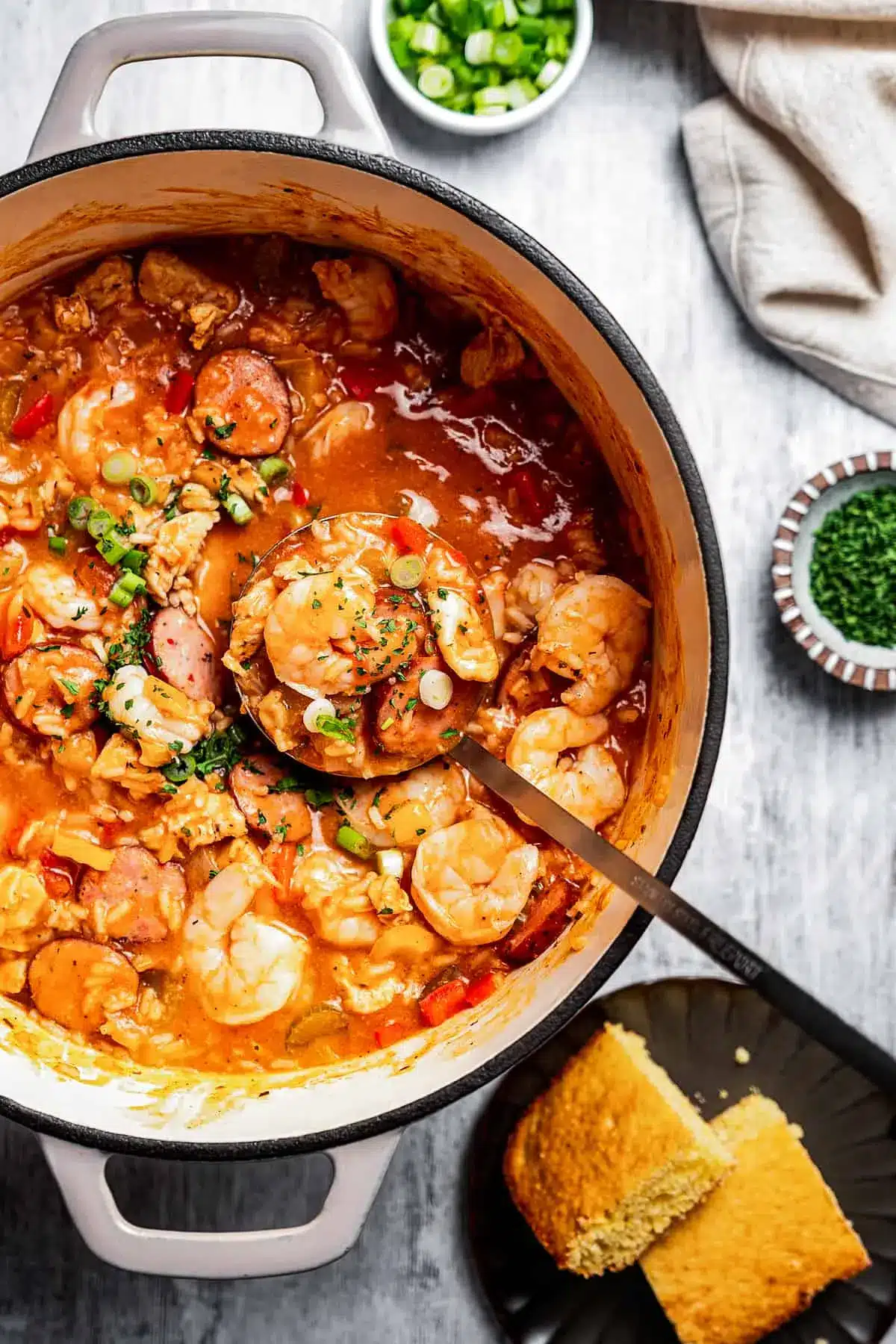
Embarking on a culinary adventure often leads us to discover dishes that are not only delicious but also steeped in culture and tradition. Jambalaya, a vibrant and hearty one-pot wonder from Louisiana, is precisely one of those culinary gems.
This dish, a beautiful fusion of African, Spanish, and French influences, promises a flavor explosion that can transport you straight to the festive streets of New Orleans. It’s a meal that’s as comforting as it is exciting, perfect for a cozy evening or a lively gathering.
Why You Will Love This Recipe
- One-Pot Wonder: Enjoy the convenience of a delicious meal prepared in a single pot, minimizing cleanup and maximizing flavor infusion.
- Rich and Hearty Flavors: This jambalaya is packed with a delightful combination of tender chicken, succulent shrimp, and spicy andouille sausage, all simmered in a savory, well-spiced broth.
- Customizable Heat Level: While traditional jambalaya has a kick, this recipe allows you to easily adjust the spice to your preference, ensuring everyone can enjoy its delightful warmth.
- Quick Preparation Time: Despite its complex flavors, this recipe is designed for efficiency, getting a fantastic meal on your table in about 40 minutes from start to finish, making it ideal for busy weeknights.
- Family-Friendly Meal: The combination of familiar ingredients like chicken and rice, along with the exciting Cajun spices, makes this a dish that appeals to both adventurous eaters and those who prefer milder flavors.
Ingredients You Need
Crafting an exceptional jambalaya begins with selecting high-quality ingredients that will form the foundation of its unique flavor profile. The ‘holy trinity’ of Cajun cooking – onions, celery, and bell peppers – forms the aromatic base, while a good quality andouille sausage provides a smoky, spicy depth. Freshness in your shrimp and chicken will ensure tender, succulent bites throughout the dish.
Jambalaya Recipe
Enjoy the vibrant flavors of this delicious one-pot Jambalaya packed with juicy chicken, zesty shrimp, tender rice, and fiery andouille sausage.
- 1 tablespoon olive oil
- 1 yellow onion, diced
- 2 celery ribs, diced
- 2 bell peppers, diced (you can use red, green, yellow, orange, etc.)
- salt and fresh ground black pepper, to taste
- 3 cloves garlic, minced
- 1 pound boneless skinless chicken breasts, cubed
- ¼ teaspoon sweet paprika
- 1 teaspoon dried oregano
- 6 ounces andouille sausage, sliced into ¼-inch rounds
- 2 tablespoons tomato paste
- 2 cups chicken broth
- 14.5 ounces canned diced tomatoes
- 1 cup long grain rice
- 1 teaspoon cajun seasoning, or to taste
- 1 pound raw shrimp, peeled and deveined
- 2 green onions, thinly sliced, for garnish
- chopped fresh parsley, for garnish
- 1In a large Dutch oven, heat the olive oil over medium heat.
- 2Add onions, celery, and bell peppers, and season with salt and pepper. Cook for 4 minutes or until just tender.
- 3Stir in garlic and cook for 1 minute.
- 4Stir in chicken and add sweet paprika and oregano. Cook for 5 minutes, or until chicken is browned on all sides.
- 5Stir in the sliced sausage and tomato paste; cook for 1 minute.
- 6Add chicken broth, diced tomatoes, rice, and cajun seasoning. Bring mixture to a boil; reduce heat to medium-low and cover the pot.
- 7Cook for 20 minutes or until rice is tender and most of the liquid is absorbed.
- 8Add the shrimp and cook for 3 to 4 minutes or until the shrimp is pink and cooked through.
- 9Remove from heat and garnish with sliced green onions and parsley. Serve.
Keywords: Jambalaya, Creole, Cajun, Chicken, Shrimp, Sausage, Rice, One-Pot, Dinner, Louisiana
The recipe card above provides the precise quantities for each ingredient, ensuring perfect balance in every spoonful.
Variations
While the classic jambalaya is a triumph, its inherent versatility allows for exciting variations that cater to different dietary needs and taste preferences. Exploring these alternatives can open up a whole new world of flavor combinations and culinary creativity, ensuring there’s a jambalaya for everyone.
For those following a plant-based lifestyle, a delicious vegan jambalaya can be achieved by swapping out the traditional meats for hearty plant-based proteins like smoked tofu, chickpeas, or firm lentils. The flavorful base of the ‘holy trinity’ and the rich tomato-and-broth sauce remain the same, creating a deeply satisfying vegan dish. Consider adding extra vegetables like corn or peas for added texture and sweetness, and perhaps a pinch of smoked paprika to mimic the smoky notes of the sausage.
A low-carb jambalaya is another exciting possibility, focusing on cauliflower rice instead of traditional long-grain rice. This substitution drastically cuts down on carbohydrates while still providing a similar texture and absorbing the delicious flavors of the stew. You can also load up on extra shrimp and chicken, or even add a variety of low-carb vegetables such as zucchini, mushrooms, and spinach to create a hearty, guilt-free meal that’s bursting with flavor. This adaptation makes the dish a fantastic option for those managing their carbohydrate intake.
If you’re looking for a seafood-forward jambalaya, consider doubling or even tripling the amount of shrimp and adding other succulent shellfish like crawfish or mussels. The cooking time for the seafood will need to be adjusted to ensure it’s perfectly cooked and not overdone. This variation leans heavily into the oceanic flavors, creating a dish that is both elegant and deeply satisfying, reminiscent of coastal Cajun cuisine. The natural sweetness of the seafood pairs beautifully with the spicy, savory broth.
How to Prepare jambalaya recipe
Step 1: Building the Flavor Base
The journey to a spectacular jambalaya begins with the foundational aromatics. In a large, heavy-bottomed pot or Dutch oven, heat a tablespoon of olive oil over medium heat until it shimmers gently. This initial step is crucial for coaxing out the full flavor potential of the vegetables.
Carefully add the finely diced yellow onion, celery ribs, and bell peppers. These three vegetables, collectively known as the “holy trinity” in Cajun and Creole cooking, are the aromatic heart of the dish. Season them generously with salt and freshly ground black pepper. Allow them to sauté for about 4 minutes, stirring occasionally, until they begin to soften and become translucent. This gentle cooking process releases their sweet essences without browning them too much.
Once the trinity has reached its tender stage, stir in the minced garlic. Cook for just one more minute until fragrant, being careful not to burn the delicate garlic. Burnt garlic can impart a bitter taste, which is something we want to avoid at all costs in this flavorful dish. The kitchen should now be filled with an irresistible aroma, signaling that the flavor foundation is expertly laid.
Step 2: Introducing the Proteins
With the aromatic base perfectly prepared, it’s time to introduce the stars of the show: the chicken and sausage. Add the cubed boneless, skinless chicken breasts to the pot. Stir them well, ensuring each piece is coated with the flavorful vegetable mixture and oil.
Sprinkle the chicken with sweet paprika and dried oregano. The paprika will add a subtle sweetness and a beautiful reddish hue, while the oregano contributes its signature herbaceous notes. Continue to cook for approximately 5 minutes, stirring frequently, until the chicken is nicely browned on all sides. This browning process is essential for developing depth of flavor and ensuring the chicken is tender and juicy throughout.
Next, add the sliced andouille sausage to the pot. Stir it in and cook for just 1 minute. The sausage will begin to render some of its flavorful fat, which will then meld beautifully with the other ingredients. Finally, stir in the tomato paste. Cook for another minute, stirring constantly. The tomato paste will toast slightly, deepening its flavor and adding a rich, savory complexity to the overall sauce.
Step 3: Creating the Soulful Sauce
Now, it’s time to bring everything together by creating the luscious sauce that will envelop the rice and proteins. Pour in the chicken broth, making sure to scrape the bottom of the pot to loosen any browned bits, as these are packed with flavor. Then, add the canned diced tomatoes, including their juices, which will contribute both liquid and a pleasant tanginess.
Stir in the long-grain rice and the Cajun seasoning. The Cajun seasoning is where a significant portion of the dish’s characteristic spice and flavor comes from, so feel free to adjust the amount to your personal preference. Once all the ingredients are well combined and the mixture is evenly distributed, bring the entire pot to a rolling boil over medium-high heat. This initial boil helps to kickstart the cooking process for the rice and meld the flavors.
Once boiling, immediately reduce the heat to medium-low. This lower heat is crucial for gentle simmering, which allows the rice to cook evenly and absorb the liquid without becoming mushy. Cover the pot tightly with a lid. Let it simmer undisturbed for 20 minutes. During this time, the rice will absorb the flavorful broth, becoming tender and plump, and most of the liquid will be absorbed into the rice and sauce.
Step 4: The Final Flourish with Shrimp
As the 20 minutes of simmering come to an end, carefully remove the lid from the Dutch oven. The rice should be tender, and the mixture should have thickened considerably, with most of the liquid absorbed. This is the perfect moment to introduce the delicate shrimp.
Add the peeled and deveined raw shrimp directly into the pot, scattering them evenly over the surface of the jambalaya. Stir them gently into the hot mixture. Cover the pot again and continue to cook for an additional 3 to 4 minutes. The residual heat and steam will cook the shrimp perfectly. You’ll know they are done when they turn a beautiful pink color and are opaque throughout. Be careful not to overcook the shrimp, as they can become rubbery if cooked for too long.
Once the shrimp are cooked to perfection, remove the pot from the heat. This is essential to stop the cooking process and prevent the shrimp from becoming tough. Allow the jambalaya to rest for a minute or two with the lid off, allowing the flavors to settle and the textures to fully meld.
Step 5: Garnishing and Serving
The final step in creating this masterpiece is the presentation. While jambalaya is a hearty dish on its own, a few thoughtful garnishes can elevate its visual appeal and add a fresh burst of flavor. Thinly slice the green onions, separating the white and green parts if you prefer, and chop the fresh parsley.
Generously sprinkle the sliced green onions and chopped fresh parsley over the top of the jambalaya just before serving. The vibrant green of the garnishes provides a beautiful contrast to the rich colors of the dish. The fresh onions add a mild, crisp bite, while the parsley offers a hint of freshness. The aroma of these fresh herbs as they are sprinkled over the hot jambalaya is simply divine.
Serve the jambalaya immediately while it is hot and the flavors are at their peak. This one-pot meal is wonderfully satisfying on its own, but it also pairs beautifully with a variety of accompaniments. The visual appeal, combined with the intoxicating aroma, promises a truly memorable dining experience for all who gather around the table.
Pro Tips for jambalaya recipe
Don’t Skip the Browning: Properly browning the chicken and sautéing the “holy trinity” are crucial steps that build deep layers of flavor. Rushing these stages will result in a less complex and satisfying jambalaya.
Taste and Adjust Seasonings: Cajun seasoning blends can vary in saltiness and spice. Taste your jambalaya before adding the shrimp and adjust the seasoning as needed. You can always add more salt, pepper, or Cajun spice, but you can’t easily take it away.
Rice is Key: Use long-grain white rice for the best results. It cooks up fluffy and separate, creating the ideal texture for jambalaya. Shorter grain rice can become sticky or mushy, altering the dish’s characteristic mouthfeel.
Manage the Heat: If you’re sensitive to spice, start with less Cajun seasoning and have extra hot sauce or a milder seasoning blend on hand to offer guests. You can always add heat, but it’s harder to dial it back if the dish is too fiery for your liking.
Resting is Important: Allowing the jambalaya to rest for a few minutes after cooking lets the flavors meld and the rice fully absorb any remaining moisture. This resting period ensures a more cohesive and delicious final product.
Serving Suggestions for jambalaya recipe
Decoration
To truly make your jambalaya a feast for the eyes as well as the palate, consider artistic garnishes. A generous sprinkle of freshly chopped parsley and thinly sliced green onions adds a vibrant pop of color and a fresh, herbaceous note. A few extra slices of andouille sausage arranged artfully on top can also enhance the visual appeal. For those who enjoy a touch of heat, a small swirl of sriracha or a few drops of your favorite hot sauce can add both visual interest and an extra layer of flavor complexity.
Side Dishes
While jambalaya is a complete meal in itself, certain side dishes can complement its bold flavors beautifully. A simple side of coleslaw provides a cool, creamy contrast to the warm, spicy jambalaya. A fresh tomato and cucumber salad offers a refreshing, acidic balance, cutting through the richness of the dish. For a classic Southern pairing, a slice of warm, slightly sweet cornbread is unparalleled; its texture is perfect for sopping up any extra sauce.
Creative Serving Ideas
Move beyond the typical bowl by serving jambalaya in creative ways. Consider spooning it into hollowed-out bell peppers or small pumpkins for a festive, individual presentation, especially during autumn. You could also serve it over a bed of creamy grits for a decadent twist, transforming it into a brunch or a special occasion meal. For a fun appetizer, use small ramekins or hollowed-out bread rolls to serve individual portions, making it perfect for parties and gatherings where guests can easily mingle.
Preparation & Storage
Storing Leftovers
If you’re fortunate enough to have any jambalaya left over, proper storage is key to maintaining its deliciousness. Once the dish has cooled to room temperature, transfer any remaining portions into an airtight container. Refrigerate these containers promptly. Properly stored, leftover jambalaya can be safely enjoyed for up to 3 days.
Freezing
Jambalaya freezes exceptionally well, making it an excellent candidate for meal prepping or saving for a future craving. Ensure the jambalaya has cooled completely before portioning it into freezer-safe containers or heavy-duty freezer bags. For best results and to prevent freezer burn, remove as much air as possible from the packaging. Frozen jambalaya can be stored for up to 3 months.
Reheating
Reheating leftover jambalaya is straightforward and can be done using a couple of methods. For the best texture and flavor, gently reheat the jambalaya in a saucepan over medium-low heat. Stir it frequently to ensure even heating and to prevent sticking. If the mixture seems a bit dry, you can add a splash of water or chicken broth to loosen it up.
Alternatively, for a quicker option, you can reheat individual portions in the microwave. Place the jambalaya in a microwave-safe dish, cover it loosely to prevent splattering, and heat on medium power, stirring every minute or so until thoroughly heated through. Be mindful of the shrimp, as they can overcook if reheated too aggressively.
Frequently Asked Questions
-
Can I make jambalaya vegetarian?
Absolutely! To create a delicious vegetarian jambalaya, you can omit the chicken, sausage, and shrimp. Instead, focus on a robust vegetable base. Consider adding hearty ingredients like mushrooms, black beans, chickpeas, or firm tofu. Smoked paprika and a good quality vegetable broth will help maintain that signature smoky and savory flavor profile. You can also incorporate additional vegetables like corn, peas, or zucchini for extra texture and nutrients, ensuring a satisfying and flavorful meat-free meal.
-
What kind of rice is best for jambalaya?
Long-grain white rice is universally recommended for jambalaya. Its structure allows it to cook up fluffy and separate, preventing the dish from becoming gummy or overly sticky. Varieties like Basmati or Jasmine rice can also work, but traditional long-grain rice provides the most authentic texture. Avoid using short-grain or Arborio rice, as these are prone to releasing starches and creating a creamy consistency, which is not characteristic of true jambalaya. The fluffiness of long-grain rice is essential for the dish’s integrity.
-
How spicy is traditional jambalaya, and how can I adjust the heat?
Traditional Louisiana jambalaya is known for its bold spice, often derived from andouille sausage and Cajun seasoning blends. The heat level can vary significantly depending on the specific ingredients used and the amount of spice in the Cajun seasoning. To control the spice, start with less Cajun seasoning than the recipe calls for and taste as you go. You can also choose a milder variety of andouille sausage or substitute it with a less spicy smoked sausage like kielbasa. For those who prefer it hotter, simply add more Cajun seasoning, a pinch of cayenne pepper, or serve with a selection of hot sauces like Tabasco or Crystal hot sauce on the side.