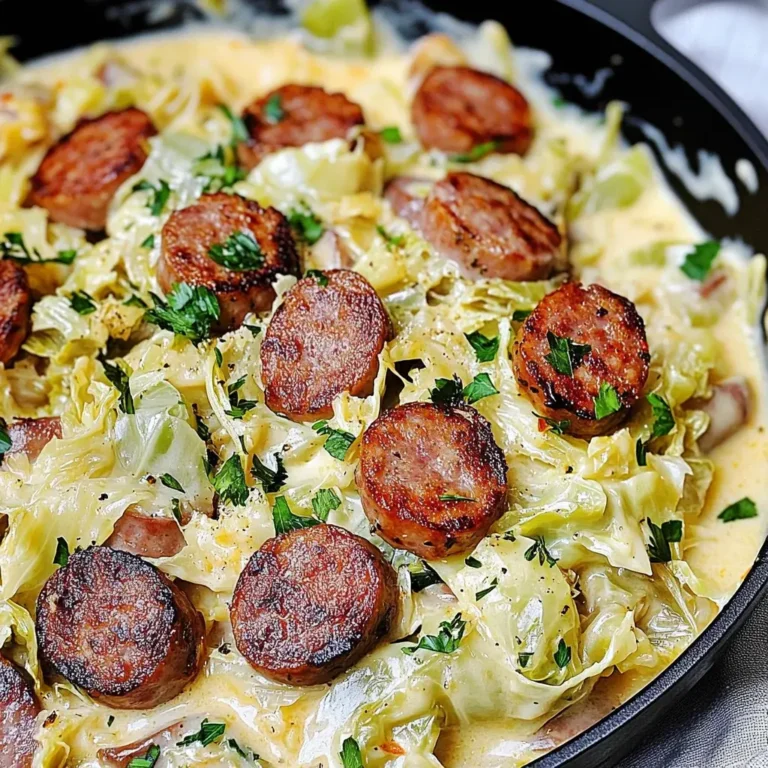
Jamaican Cabbage Recipe That Tastes Like the Islands – Irresistibly Delicious
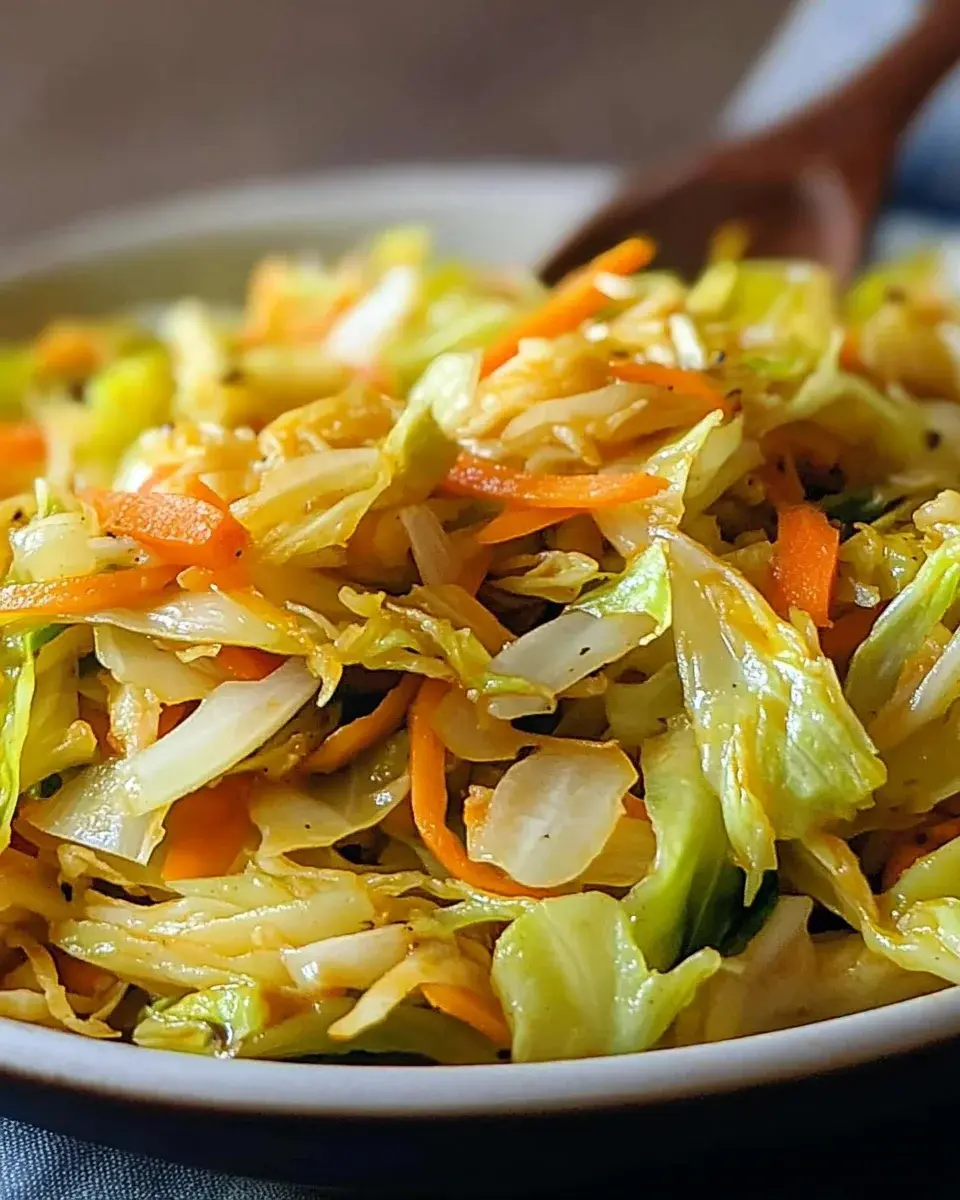
The vibrant flavors of the Caribbean are beautifully encapsulated in this Jamaican Cabbage Recipe. This dish is a testament to how simple ingredients can be transformed into something truly spectacular, bursting with aromatic spices and fresh, crisp textures. It’s a versatile side that promises to bring a taste of the islands to any table, making everyday meals feel like a special occasion.
This recipe is more than just a side dish; it’s an experience, offering a delightful balance of sweet, savory, and a hint of heat that dances on your palate. Whether you’re a seasoned cook or just starting your culinary journey, this Jamaican Cabbage dish is designed to be approachable and rewarding, yielding delicious results every time. Prepare to be transported with every bite.
Why You Will Love This Recipe
- Effortless Preparation: This dish comes together with remarkable speed, often ready in under 35 minutes from start to finish, making it ideal for busy weeknights or spontaneous gatherings.
- Explosion of Caribbean Flavors: A harmonious blend of garlic, thyme, allspice, and the subtle warmth of Scotch bonnet pepper creates an authentic and unforgettable taste.
- Remarkable Versatility: It serves as a perfect accompaniment to a wide array of main courses, from grilled meats and seafood to rice dishes, making it a go-to for any meal.
- Nutrient-Rich Goodness: Packed with the wholesome goodness of fresh cabbage and carrots, this recipe is not only delicious but also contributes valuable vitamins and fiber to your diet.
- Adjustable Heat Level: The inclusion of Scotch bonnet pepper allows for customization; you can easily tailor the spice to your exact preference, from a gentle whisper to a fiery roar.
Ingredients You Need
The secret to an exceptional Jamaican Cabbage dish lies in the freshness and quality of its ingredients. Opting for vibrant, crisp vegetables will ensure the best texture and flavor profile. The aromatic herbs and spices are crucial for building the authentic Caribbean character that makes this recipe so beloved. Take a moment to appreciate the simplicity of the components that come together to create such a memorable culinary creation.
Jamaican Cabbage Recipe That Tastes Like the Islands
A vibrant and flavorful Caribbean-inspired cabbage dish, featuring fresh vegetables, aromatic spices, and a customizable kick from Scotch bonnet pepper. This easy-to-prepare side dish is perfect for barbecues, family dinners, or meal prep.
- 1 medium green cabbage, shredded
- 2 medium carrots, julienned
- 1 small onion, thinly sliced
- 2 cloves garlic, minced
- 1 Scotch bonnet pepper, finely chopped (deseeded)
- 3 tbsp vegetable or coconut oil
- 1/4 cup water
- 1 sprig fresh thyme or 1/2 tsp dried
- 1 tsp ground allspice
- 1 tsp sea salt
- 1/2 tsp black pepper
- 1Prep all vegetables: shred cabbage, julienne carrots, slice onion, mince garlic, and finely chop Scotch bonnet pepper (deseeded for less heat).
- 2In a large sauté pan over medium-high heat, warm the oil. Add sliced onion and sauté for about 2 minutes until translucent.
- 3Stir in minced garlic, thyme, and chopped Scotch bonnet pepper; cook for an additional 2-3 minutes until fragrant.
- 4Add julienned carrots to the pan and stir-fry for about 3 minutes until they start to soften.
- 5Gradually add shredded cabbage in batches while stirring until it wilts down. Sprinkle in ground allspice, sea salt, and black pepper; mix thoroughly.
- 6Pour in water, cover the pan, and reduce heat to low to simmer for about 5 minutes, allowing the vegetables to steam.
- 7Uncover the pan and stir-fry for an additional 3-4 minutes until most of the moisture evaporates.
- 8Taste and adjust seasoning if needed before serving warm.
Keywords: Jamaican Cabbage, Caribbean Side Dish, Vegetable Stir-fry, Spicy Cabbage, Vegan Recipe, Gluten-Free
- green cabbage: one medium head, finely shredded for optimal wilting and absorption of flavors.
- carrots: two medium, julienned into thin strips to ensure they cook evenly and add a delightful sweetness and crunch.
- onion: one small, thinly sliced to provide a savory base and aromatic depth without overpowering the other ingredients.
- garlic: two cloves, minced to release its pungent flavor and fragrance, essential for Caribbean cooking.
- scotch bonnet pepper: one, finely chopped and deseeded if you prefer less intense heat; this is the key to its signature kick.
- vegetable or coconut oil: three tablespoons, for sautéing, with coconut oil adding a subtle tropical note.
- water: a quarter cup, used for steaming to soften the vegetables and meld the flavors beautifully.
- fresh thyme: one sprig, or ½ teaspoon dried, lending its distinctive earthy and slightly minty aroma.
- ground allspice: one teaspoon, a quintessential Caribbean spice that imparts a complex, warm flavor reminiscent of cinnamon, cloves, and nutmeg.
- sea salt: one teaspoon, or to taste, to enhance all the other flavors and bring balance to the dish.
- black pepper: half a teaspoon, freshly ground for the best taste, adding a mild, peppery counterpoint.
The precise quantities for each ingredient are thoughtfully detailed within the recipe card for your convenience.
Variations
To elevate your Jamaican Cabbage experience, consider infusing it with exciting new dimensions through simple variations. For instance, adding a handful of vibrant bell peppers, perhaps red and yellow for visual appeal, introduces a touch of sweetness and a delightful textural contrast that complements the tender cabbage beautifully. These additions also boost the dish’s nutritional profile, offering a spectrum of vitamins and antioxidants.
Embracing a low-carb lifestyle? This recipe is remarkably adaptable. You can easily omit the water for a drier, more stir-fried result or incorporate a small amount of finely chopped broccoli florets or cauliflower rice. These low-carbohydrate alternatives absorb the flavorful dressing wonderfully, offering a satisfying crunch and keeping the dish aligned with your dietary goals. Such modifications ensure that everyone can enjoy the essence of Jamaican flavors, regardless of their dietary choices.
For those seeking a vegan twist, the original recipe is already a fantastic starting point. However, you can amplify its richness by finishing it with a drizzle of creamy coconut milk or a sprinkle of toasted unsweetened shredded coconut just before serving. This adds an extra layer of tropical indulgence and a delightful creamy texture that enhances the overall sensory experience. These thoughtful adjustments transform the dish into an even more complex and satisfying culinary creation.
How to Prepare Jamaican Cabbage Recipe
Step 1: Prep All Vegetables
The foundation of any great dish is meticulous preparation, and this Jamaican Cabbage recipe is no exception. Begin by gathering all your fresh produce, ensuring everything is washed and ready for its transformation. A well-organized prep stage not only makes the cooking process smoother but also guarantees that each ingredient is perfectly prepared to contribute its best to the final dish.
Start by taking your medium green cabbage and shredding it into fine, uniform strips. This ensures that the cabbage wilts down evenly and absorbs the aromatics effectively. Next, julienne the two medium carrots into slender matchsticks; this not only looks appealing but also allows them to cook through without becoming mushy. The thin slicing of the small onion is crucial for its translucence and sweetening during sautéing, so aim for even cuts.
For the garlic, a fine mince is key to releasing its potent flavor and aroma. Finally, handle the Scotch bonnet pepper with care; finely chop it, and if you prefer a milder heat, remember to remove the seeds and pith, as this is where most of the capsaicin resides. Proper preparation ensures that each component is ready to contribute its unique character to the symphony of flavors that will soon unfold.
Step 2: Sauté Onions and Aromatics
With your vegetables prepped and ready, it’s time to build the aromatic base of your Jamaican Cabbage dish. Heat a large sauté pan over medium-high heat, allowing it to become sufficiently hot before adding your cooking oil. The choice between vegetable and coconut oil can subtly influence the final flavor profile; coconut oil will impart a delightful tropical essence.
Once the oil is shimmering, introduce the thinly sliced onions to the pan. Sauté them, stirring occasionally, for about two minutes, or until they turn translucent and begin to soften. This process coaxes out their natural sweetness and creates a tender foundation for the subsequent ingredients. Avoid browning them too deeply at this stage; the goal is a gentle softening.
Following the onions, add the minced garlic, fresh thyme sprig (or dried thyme), and the finely chopped Scotch bonnet pepper. Stir these aromatics into the pan and cook for an additional two to three minutes. The heat will awaken their fragrant oils, filling your kitchen with an intoxicating aroma. Be mindful of the Scotch bonnet; its potent fumes can be quite strong, so ensure good ventilation.
Step 3: Cook Carrots
Now that the fragrant base is established, it’s time to introduce the carrots to the sauté pan. Add the julienned carrots directly to the onions, garlic, and pepper mixture. Stir them well to ensure they are coated with the aromatic oils and begin to soften. The heat of the pan will start to tenderize the carrots, unlocking their inherent sweetness.
Continue to stir-fry the carrots for approximately three minutes. You’re looking for them to become slightly tender but still retain a pleasant al dente bite. Overcooking them now would make them too soft by the time the cabbage is done. This brief sautéing period allows the carrots to absorb some of the foundational flavors from the aromatics, integrating them into the dish.
Ensure the carrots are spread out somewhat in the pan, allowing them to cook evenly. If your pan seems a bit dry, you can add a tiny splash more oil, but generally, the moisture released from the vegetables and the residual oil should suffice at this point. This step is about building layers of texture and subtle sweetness that will complement the cabbage.
Step 4: Incorporate Cabbage
The star of our dish, the shredded cabbage, is now ready to join the ensemble. Add the shredded cabbage to the sauté pan, and you might need to do this in batches if your pan is full. As you add it, gently stir and toss the cabbage with the other ingredients. The heat from the pan and the steam will begin to wilt the cabbage down considerably.
Continue to stir and fold the cabbage until it has reduced in volume and is no longer bright green and stiff. This process allows the cabbage to soften and absorb the delicious flavors that have been building in the pan. The goal is to achieve a tender-crisp texture, not a mushy consistency, so keep an eye on it as it wilts.
Once the cabbage has wilted to your liking, it’s time to season. Sprinkle in the ground allspice, sea salt, and freshly ground black pepper. Mix everything thoroughly, ensuring that the spices are evenly distributed throughout the cabbage and carrot mixture. This seasoning step is crucial for bringing all the flavors together and creating a balanced, savory profile that defines this Jamaican classic.
Step 5: Simmer with Water
To ensure the cabbage and carrots are perfectly tender and all the flavors have a chance to meld beautifully, a gentle simmer is next. Pour the quarter cup of water into the sauté pan. This liquid will create steam, which is essential for softening the vegetables without making them oily or dry.
Once the water has been added, cover the pan tightly with a lid. Reduce the heat to low. This allows the ingredients to steam gently, softening the cabbage and carrots to the desired texture while allowing the spices to infuse deeply into every morsel. The steam helps to further tenderize the vegetables and creates a moist environment where flavors can marry.
Let the mixture simmer, covered, for approximately five minutes. During this time, the cabbage will become tender, and the flavors will become more integrated. Resist the urge to lift the lid too frequently, as this will allow the steam to escape. The gentle simmering process is key to achieving that perfect, melt-in-your-mouth texture without sacrificing all the delightful crunch.
Step 6: Final Stir-Fry
After the five-minute steaming period, it’s time to bring the dish to its final, flavorful conclusion. Uncover the pan, and you will notice that the cabbage has softened considerably and absorbed much of the liquid. Now, increase the heat back to medium-high.
Stir-fry the mixture for an additional three to four minutes. This final stir-fry allows any remaining moisture to evaporate, concentrating the flavors and giving the vegetables a lovely slightly caramelized edge. It also ensures that the cabbage and carrots are perfectly cooked – tender yet with a hint of satisfying bite. The goal here is to achieve a vibrant, flavorful side dish where the vegetables are perfectly tender but not soggy.
Taste the cabbage mixture and adjust the seasoning as needed. You might find it needs a little more salt to enhance the savory notes, or perhaps a pinch more pepper for added warmth. Once you are satisfied with the flavor and texture, your Jamaican Cabbage Recipe is ready to be served. Present it warm and enjoy the explosion of island-inspired tastes!
Pro Tips for Jamaican Cabbage Recipe
To ensure your Jamaican Cabbage recipe is consistently delicious, focus on selecting the freshest possible ingredients. Crisp, firm cabbage and vibrant, firm carrots will provide the best texture and flavor, forming a delightful base for the aromatic spices. High-quality produce is always the first step towards culinary success.
Don’t be afraid to adjust the heat level of the Scotch bonnet pepper to your personal preference. If you’re sensitive to spice, start with a smaller amount or even remove all the seeds and pith. Conversely, for those who love a fiery kick, you can leave some seeds in or even add a sliver more pepper to intensify the heat.
Feel free to get creative with additional vegetables. Sliced bell peppers, sweet corn kernels, or even a handful of green beans can be added during the sautéing stages to introduce more color, texture, and nutritional value. These additions can transform the dish into an even more robust and visually appealing side.
Crucially, avoid overcooking the cabbage. The goal is to achieve a tender-crisp texture, where the vegetables are softened but still retain a pleasant bite. Overcooked cabbage can become mushy, diminishing the overall appeal of the dish. Keep a close eye on it during the simmering and final stir-fry stages.
Always taste and adjust the seasoning before serving. The salt and pepper levels can be fine-tuned to your liking, ensuring a perfectly balanced flavor profile. This final check guarantees that every bite is as delicious as the last, making your Jamaican Cabbage dish truly sing.
Serving Suggestions for Jamaican Cabbage Recipe
Decoration
For an extra touch of visual appeal, consider garnishing your Jamaican Cabbage with a sprinkle of freshly chopped fresh parsley or cilantro just before serving. The bright green flecks add a pop of color and a hint of freshness that beautifully contrasts with the warm hues of the dish. A few thinly sliced rings of red chili pepper can also be artfully arranged on top for those who appreciate a visual cue to the dish’s potential heat.
Side Dishes
This vibrant Jamaican Cabbage is a phenomenal partner to a variety of main courses. It pairs exceptionally well with baked lemon chicken, its bright flavors cutting through the richness of the poultry. For a true Caribbean experience, serve it alongside spicy jerk chicken or pork, where the mildness of the cabbage offers a welcome respite from the heat. Grilled fish, such as snapper or mahi-mahi, is another excellent companion, its delicate flavor complementing the robust spices in the cabbage.
Consider serving it with traditional Jamaican Rice and Peas for a complete island meal; the creamy texture of the rice and beans provides a wonderful contrast to the crispness of the cabbage. Another fantastic option is to pair it with flavorful curried goat or oxtail, where the cabbage acts as a refreshing counterpoint to the rich, slow-cooked meats. A simple side of fried plantains, with their delightful sweetness, also creates a harmonious balance of flavors and textures.
For a heartier meal, the Jamaican Cabbage can be served alongside flavorful grilled shrimp or pan-seared salmon. Its versatility extends to absorbing the delicious juices from braised meats or stews, making it an indispensable addition to any Caribbean-inspired feast. Even a simple side of roasted sweet potatoes or corn on the cob can be elevated by the presence of this flavorful cabbage dish. The possibilities are truly endless, showcasing its adaptability in dinner settings.
Creative Serving Ideas
Transform this delicious side into a light and healthy wrap filling. Simply spoon the cooled Jamaican Cabbage into whole wheat tortillas or lettuce cups, perhaps adding some grilled chicken strips or black beans for a complete meal. Its crisp texture and vibrant flavor make it an excellent addition to packed lunches or a quick, on-the-go meal option that is both satisfying and nutritious.
Another innovative way to enjoy this dish is as a topping for loaded baked potatoes or sweet potatoes. The warm, slightly spiced cabbage adds a unique Caribbean twist that elevates a classic comfort food into something extraordinary. It also works wonderfully as a flavorful component in grain bowls; layer it over quinoa or brown rice with your favorite protein and vegetables for a wholesome and flavorful meal.
Consider serving it as a vibrant, refreshing salad component. Once cooled, it can be tossed with a light vinaigrette and other salad greens, adding a delightful crunch and a burst of island flavor. For a truly unique presentation, you could even hollow out a bell pepper or a small pineapple and use it as a serving vessel for the Jamaican Cabbage, creating a visually stunning centerpiece for any gathering. Explore the wonderful world of lunch with these creative ideas.
Preparation & Storage
Storing Leftovers
Properly stored, leftover Jamaican Cabbage can retain its delightful flavors and textures for several days. After the dish has cooled completely to room temperature, transfer it to an airtight container. This is crucial for preventing the absorption of odors from other foods in the refrigerator and maintaining the integrity of the cabbage’s texture. Avoid leaving it at room temperature for extended periods, as this can lead to spoilage.
Once sealed in its container, store the leftovers in the refrigerator. It is best consumed within three to four days for optimal quality. While the cabbage might lose a slight bit of its initial crispness over time, it will still be delicious and perfectly suitable for reheating. Ensure the lid is secure to maintain freshness and prevent any drying out of the vegetables.
When refrigerating, it’s a good practice to use containers that are specifically designed for food storage. Glass or high-quality BPA-free plastic containers work well. If you don’t have an airtight container, you can cover the dish tightly with plastic wrap, ensuring there are no gaps, and then place it in a larger sealed container or bag for added protection. This method helps to preserve the flavors and prevent any contamination.
Freezing
While this Jamaican Cabbage recipe is best enjoyed fresh, it can be frozen for longer storage, though some texture changes are to be expected. To freeze, ensure the cooked cabbage has cooled completely. Portion the cooled cabbage into freezer-safe bags or containers. Remove as much air as possible from the bags before sealing to prevent freezer burn.
If using containers, leave a small headspace as the contents may expand slightly when frozen. Label each container with the date to keep track of freshness. Frozen Jamaican Cabbage can be stored for up to two months. Keep in mind that upon thawing, the texture will be softer than when freshly prepared, making it more suitable for dishes where texture is less critical, such as a mixed vegetable side.
When freezing, it’s advisable to divide the cabbage into single-serving or meal-sized portions. This allows you to thaw only what you need, reducing the risk of refreezing and maintaining better quality. Ensure the freezer is set to a consistent temperature to prevent fluctuations that could affect the food’s integrity. Properly frozen vegetables will still offer a good flavor base.
Reheating
Reheating your Jamaican Cabbage is a straightforward process, whether you prefer using the oven, microwave, or stovetop. For oven reheating, preheat your oven to 350°F (175°C). Place the cooled leftovers in an oven-safe dish, cover it loosely with foil to retain moisture, and heat for approximately 15-20 minutes, or until thoroughly warmed through. This method helps to gently reheat the dish without drying it out too much.
The microwave offers a quicker reheating option. Transfer the desired portion to a microwave-safe dish. Cover it loosely with a damp paper towel or microwave-safe lid to prevent splattering and maintain moisture. Heat on medium power for 1-2 minutes, stirring halfway through. Continue heating in short intervals until the cabbage is heated to your satisfaction. Be careful not to overheat, which can make the vegetables mushy.
Reheating on the stovetop is another excellent choice, especially if you want to bring back a little bit of that stir-fried texture. Place the leftover cabbage in a skillet over medium-low heat. Add a tablespoon or two of water or vegetable broth to prevent sticking and add moisture. Stir occasionally as it heats up, ensuring it warms evenly. This method allows you to monitor the texture closely and can often yield a result closest to the original dish.
Frequently Asked Questions
-
Can I adjust the spice level of this Jamaican Cabbage recipe to my preference?
Absolutely! The Scotch bonnet pepper is the primary source of heat in this dish, and its intensity can be easily modified. For a milder version, you can deseed and remove the white pith from the pepper before finely chopping it, as this is where most of the capsaicin resides. You can also use a smaller amount of the pepper, or even substitute it with a less potent chili like a jalapeño or serrano pepper for a gentler warmth. Conversely, if you enjoy a spicier kick, you can leave more seeds in or even add a tiny bit more pepper. It’s always advisable to start with a smaller quantity and taste as you go, adding more if you desire extra heat, ensuring your final dish is perfectly balanced to your taste.
-
What are the best main dishes or sides to serve with Jamaican Cabbage to create a complete and authentic Caribbean meal?
This versatile Jamaican Cabbage dish pairs wonderfully with a variety of traditional Caribbean flavors. For a classic combination, serve it alongside Rice and Peas, a staple made with kidney beans, coconut milk, and rice, which offers a creamy, savory complement. Spicy Jerk Chicken or Pork is another perfect match, as the cabbage provides a refreshing counterpoint to the bold, fiery flavors of the marinated meat. Grilled fish, such as snapper or mahi-mahi, offers a lighter protein option that harmonizes beautifully with the aromatic spices in the cabbage. You could also consider serving it with flavorful curried dishes like curried goat or chicken, or alongside hearty stews such as oxtail, where the cabbage adds a pleasing textural contrast. Fried plantains, with their inherent sweetness, also create a delightful balance, making every bite a delightful interplay of sweet, savory, and spicy notes. Exploring these pairings will truly transport your taste buds to the Caribbean islands.
-
How long does it typically take to prepare and cook the Jamaican Cabbage recipe from start to finish, and is it suitable for quick weeknight meals?
This Jamaican Cabbage recipe is wonderfully efficient and is indeed perfect for quick weeknight meals. The entire process, from the initial preparation of the vegetables to the final stir-fry, generally takes around 35 minutes to complete. The prep work, which involves shredding and chopping the vegetables, usually takes about 10-15 minutes, depending on your knife skills. The cooking itself is remarkably fast, with the sautéing, wilting, and simmering stages taking approximately 25 minutes in total. This makes it an ideal side dish that can be prepared while other main courses are cooking, or even made entirely from scratch in the time it takes to enjoy a short episode of your favorite show. Its speedy preparation time makes it a go-to option for busy evenings when you crave delicious, homemade food without spending hours in the kitchen.