Juicy Oven Roasted Chicken – No More Dry Chicken!
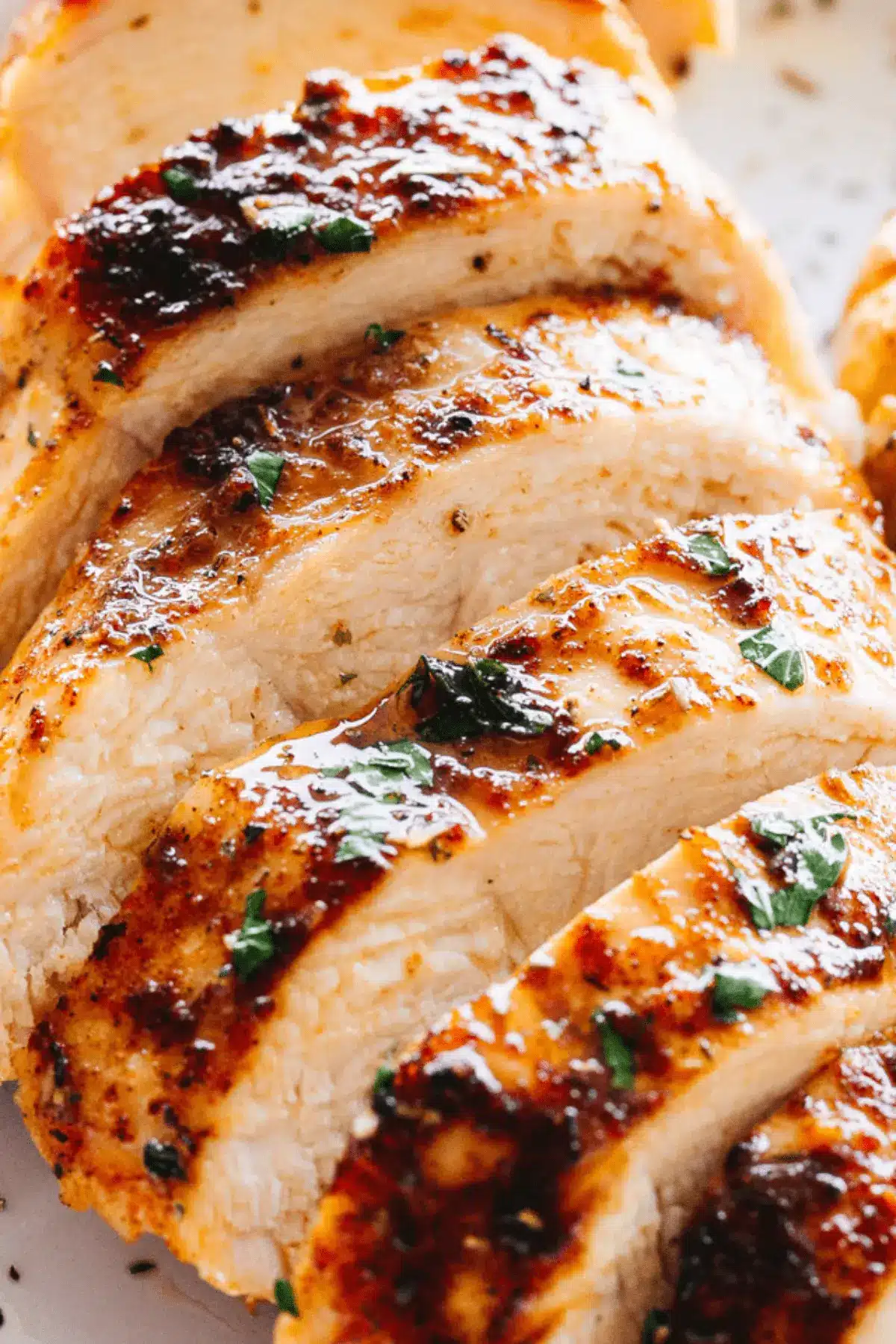
Discover the secret to perfectly juicy and tender oven-roasted chicken breast, a culinary cornerstone that graces tables worldwide. This isn’t just any chicken recipe; it’s a method honed over time to banish dryness and deliver consistently delicious results. Prepare to elevate your weeknight dinners and impress your guests with minimal fuss.
This easy recipe transforms simple chicken breasts into a succulent masterpiece, thanks to a clever brining technique and a wonderfully aromatic spice blend. Say goodbye to tough, flavorless poultry and hello to moist, tender chicken that practically melts in your mouth. It’s a guaranteed crowd-pleaser, adaptable for any palate and perfect for a variety of occasions.
Why You Will Love This Recipe
- Unbeatable Juiciness: Say farewell to dry, uninspired chicken breasts forever; this recipe guarantees a moist and tender outcome every single time, thanks to the brining process.
- Remarkable Simplicity: The steps are straightforward and require minimal active cooking time, making it an ideal option for busy weeknights or beginner cooks.
- Incredible Versatility: This basic roasted chicken breast serves as a fantastic foundation for countless meals, from simple dinners to elaborate salads and sandwiches.
- Customizable Flavor: The provided spice blend is delightful, but you have the freedom to experiment with your favorite herbs and spices, tailoring the taste to your exact preferences.
- Quick Preparation: With a short brining period and efficient baking time, you can have a wholesome and delicious meal ready to serve in under an hour.
Ingredients You Need
The key to exceptional oven-roasted chicken breast lies in using quality ingredients and employing a simple yet effective technique. Fresh chicken breasts are paramount, ensuring a tender texture and clean flavor. The brining solution, consisting of water and salt, is crucial for infusing moisture deep into the meat, preventing it from drying out during the roasting process. The carefully selected blend of herbs and spices adds depth and aroma, transforming ordinary chicken into a culinary delight.
Juicy Oven Roasted Chicken Breast

This juicy and tender oven roasted chicken breast recipe turns out perfect every time! Say goodbye to dry chicken with this easy recipe featuring a quick saltwater soak and a delicious homemade spice mix.
- 1 to 1.5 pounds boneless, skinless chicken breasts
- 4 cups lukewarm water
- ¼ cup salt
- 1 tablespoon olive oil
- ¼ teaspoon salt (this is optional as the chicken will have absorbed some of the salt from the salted water)
- ¼ teaspoon fresh ground black pepper
- ½ teaspoon smoked or sweet paprika
- ½ teaspoon garlic powder
- ½ teaspoon onion powder
- ½ teaspoon dried thyme
- ½ teaspoon dried basil
- ½ teaspoon dried rosemary
- ¼ teaspoon dried parsley
- ⅙ teaspoon cayenne pepper
- fresh chopped parsley, for garnish
- 1Preheat the oven to 425˚F.
- 2Place the chicken breasts in a large bowl and set aside. In a large measuring cup or a mixing bowl, combine lukewarm water and salt; stir, then pour over chicken breasts. Set aside for 20 to 30 minutes. You can also cover the bowl and refrigerate for 2 hours. In the meantime, prepare the chicken seasoning blend. Combine the salt, pepper, paprika, garlic powder, onion powder, dried thyme, dried basil, dried rosemary, dried parsley, and cayenne pepper in a small bowl; using a fork, stir the seasonings until thoroughly incorporated. Set aside.
- 3Pour out the salt water and rinse each chicken breast under cold water; pat them dry with paper towels. Place the chicken in a baking dish and rub the olive oil all over each chicken breast. Sprinkle the seasoning blend evenly over the chicken breasts on all sides. You don't have to use the entire seasoning blend; use as much as you like.
- 4Transfer to the oven and bake for 22 to 25 minutes, or until internal temperature reaches 165˚F. Use an Instant Read Meat Thermometer to check for doneness. Thinner breasts will need less time, and thicker chicken breasts might need a little more time in the oven. Start checking for doneness around the 20-minute mark.
- 5For a browned, crispy top, set your oven to broil on HIGH for the final 3 to 4 minutes and broil the chicken until golden on top.
- 6Remove the chicken breasts from the oven and transfer them to a serving plate to rest for 10 minutes before cutting and serving.
- 7Garnish with fresh chopped parsley and serve.
Keywords: chicken breast, roasted chicken, baked chicken, dinner, easy recipe, healthy
- boneless, skinless chicken breasts: the star of the show, choose fresh and plump ones for the best results.
- lukewarm water: the essential base for our brining solution, ensuring even temperature penetration.
- salt: crucial for the brining process, drawing out impurities and locking in moisture.
- olive oil: a light coating to help the seasonings adhere and promote golden-brown skin.
- salt (optional): a small pinch for the seasoning blend, to adjust saltiness as desired.
- fresh ground black pepper: adds a subtle warmth and bite to the overall flavor profile.
- smoked or sweet paprika: provides a beautiful color and a hint of smoky or sweet depth.
- garlic powder: imparts a savory, aromatic foundation that complements the chicken perfectly.
- onion powder: adds a rounded, slightly sweet oniony note without the bite of raw onion.
- dried thyme: offers an earthy, slightly minty flavor that pairs wonderfully with poultry.
- dried basil: brings a sweet, peppery, and slightly anise-like aroma to the spice mix.
- dried rosemary: contributes a pungent, pine-like fragrance and a robust, savory taste.
- dried parsley: offers a mild, fresh, herbaceous note that brightens the entire blend.
- cayenne pepper: a tiny pinch for a whisper of heat, which can be adjusted to your preference.
- fresh chopped parsley: for a vibrant garnish and a burst of fresh, herbaceous flavor.
The exact quantities for these ingredients are detailed within the recipe card, ensuring you have precisely what you need for perfect execution.
Variations
This oven-roasted chicken breast recipe is wonderfully adaptable, allowing you to explore a myriad of flavor profiles and dietary needs. Consider a vibrant Mediterranean twist by incorporating ingredients like lemon zest, dried oregano, and a pinch of red pepper flakes into the spice blend, then serving it alongside a fresh Greek salad and a drizzle of tzatziki sauce.
For those seeking a low-carb option, simply ensure your accompanying side dishes are keto-friendly. Think cauliflower mash, roasted asparagus with garlic, or a simple green salad with a vinaigrette dressing. The chicken itself remains inherently low in carbohydrates, making it a perfect protein centerpiece for this dietary approach.
A delightful vegan variation can be achieved by substituting the chicken breasts with firm tofu or large portobello mushrooms. Marinate them in a similar spice blend, perhaps with the addition of soy sauce or tamari for umami depth, and roast them until tender and golden. This offers a satisfying plant-based alternative that still captures the essence of the flavorful roasting method.
You could also venture into global flavors by creating a Tex-Mex inspired version. Add cumin, chili powder, and a touch of smoked paprika to the seasoning blend, then serve with black beans, corn salsa, and avocado. This opens up a whole new world of taste possibilities without straying too far from the core recipe.
Another exciting direction involves a Japanese-inspired profile. Think a marinade incorporating soy sauce, ginger, garlic, and a touch of mirin before roasting. Serve with steamed rice and stir-fried vegetables for a complete and satisfying meal that showcases the chicken’s versatility.
Even a simple spice swap can create a whole new dish. Try using a pre-made Cajun seasoning for a spicy kick or a lemon-pepper blend for a bright, zesty flavor. The possibilities are truly endless, limited only by your imagination and pantry staples.
How to Prepare oven roasted chicken breast
Step 1: Prepare the Brining Solution
Begin by gathering a large bowl or a resealable plastic bag. This initial step is crucial for ensuring that your chicken breasts absorb maximum moisture and become incredibly tender. The brining process works by osmosis, where the salt in the water helps to break down the muscle fibers and allow more water to penetrate the meat.
Measure out four cups of lukewarm water and pour it into your chosen container. Add a quarter cup of salt to the water. Stir this mixture thoroughly until the salt has completely dissolved. It’s important to ensure the salt is fully incorporated, as this creates a uniform brine that will treat all parts of the chicken equally. The warmth of the water helps the salt dissolve more easily and also gently brings the chicken closer to room temperature, which aids in even cooking later on.
Once the salt is dissolved, carefully place your boneless, skinless chicken breasts into the brine solution. Ensure that each piece of chicken is fully submerged in the liquid. If you are using a bowl, you might need to weigh the chicken down slightly with a plate or another small bowl to keep it from floating. If using a plastic bag, press out as much air as possible before sealing it tightly. This simple step is the foundation for exceptionally juicy chicken.
Step 2: Brine the Chicken
Allow the chicken breasts to soak in the prepared brining solution for a minimum of 20 minutes. This relatively short period is surprisingly effective at infusing the chicken with moisture. The longer you let the chicken brine, up to a couple of hours, the more tender and flavorful it will become. Avoid brining for excessively long periods, as the chicken can start to break down too much and become mushy.
While the chicken is brining, you can take this time to prepare your spice blend. This is the perfect opportunity to get your oven preheated and gather all the necessary dry seasonings. Having everything ready in advance will streamline the process once the brining time is complete, ensuring a smooth transition from brining to baking.
Once the brining time is up, remove the chicken breasts from the salt water. It’s important to rinse them thoroughly under cold running water to remove any excess salt from the surface. After rinsing, gently pat the chicken breasts completely dry with paper towels. This drying step is critical because it allows the olive oil and seasonings to adhere properly to the chicken, creating a flavorful crust. Damp chicken will prevent the seasonings from sticking and will not brown as effectively.
Step 3: Season the Chicken
Preheat your oven to 425 degrees Fahrenheit (220 degrees Celsius). This high temperature is key to achieving a beautiful golden-brown exterior on the chicken while ensuring it cooks through quickly and remains moist on the inside. Place the rinsed and thoroughly dried chicken breasts into a baking dish or on a baking sheet lined with parchment paper for easy cleanup.
In a small bowl, combine all the ingredients for the chicken seasoning blend: a quarter teaspoon of salt (optional, as the brine already adds saltiness), a quarter teaspoon of fresh ground black pepper, half a teaspoon each of smoked or sweet paprika, garlic powder, onion powder, dried thyme, dried basil, and dried rosemary, along with a quarter teaspoon of dried parsley and a sixth of a teaspoon of cayenne pepper for a hint of warmth. Stir these dry ingredients together until they are well incorporated.
Drizzle a tablespoon of olive oil over the chicken breasts in the baking dish. Use your hands or a brush to lightly coat each chicken breast evenly with the olive oil. This not only helps the seasonings stick but also contributes to a lovely caramelized exterior. Generously sprinkle the prepared seasoning blend over all sides of the chicken breasts, ensuring they are well-coated. You don’t have to use every last bit of the seasoning; adjust the amount to your personal preference.
Step 4: Bake the Chicken
Place the baking dish containing the seasoned chicken breasts into the preheated oven. Bake for approximately 20 to 22 minutes. The exact cooking time will depend on the thickness of your chicken breasts. Thinner breasts will cook faster, while thicker ones may require a few additional minutes.
To ensure your chicken is perfectly cooked and not overdone, it is highly recommended to use an instant-read meat thermometer. Insert the thermometer into the thickest part of a chicken breast. The chicken is done when it reaches an internal temperature of 165 degrees Fahrenheit (74 degrees Celsius). If you notice the chicken browning too quickly on top before it’s cooked through, you can loosely tent it with aluminum foil.
For an extra touch of golden-brown perfection and a slightly crisped surface, you can finish the chicken under the broiler. Once the chicken has reached the desired internal temperature, switch your oven to the broil setting on high for the final 3 to 4 minutes of cooking. Keep a very close eye on it during this stage, as broilers can quickly turn chicken from golden to burnt. This step adds a beautiful visual appeal and a delightful texture.
Step 5: Rest the Chicken
Once the chicken has reached the correct internal temperature and has achieved a beautiful golden hue, carefully remove the baking dish from the oven. Transfer the roasted chicken breasts from the hot baking dish to a clean cutting board or a serving plate. This step is absolutely critical for ensuring the juiciest possible chicken.
Cover the chicken loosely with aluminum foil and let it rest for at least 5 to 10 minutes. During the cooking process, the juices in the chicken are pushed towards the center. Allowing the chicken to rest permits these juices to redistribute evenly throughout the meat. If you cut into the chicken immediately after removing it from the oven, all those delicious juices will run out onto the cutting board, leaving you with drier meat.
After the resting period, the chicken is ready to be sliced and served. The meat should be incredibly tender and moist, with a flavorful, slightly crisp exterior. The aromas that will fill your kitchen at this point are simply irresistible, signaling that a delicious meal awaits.
Step 6: Serve and Enjoy
Garnish the rested chicken breasts with a sprinkle of fresh chopped parsley for a pop of color and freshness. Slice the chicken breasts against the grain for maximum tenderness. This makes them easier to eat and helps to break up any remaining muscle fibers.
Serve the sliced oven-roasted chicken breast immediately. Its versatility means it pairs wonderfully with a wide array of side dishes, from simple steamed vegetables and rice to more elaborate mashed potatoes or roasted root vegetables. The juicy and flavorful chicken will be the star of any meal.
Leftovers, if any, are incredibly valuable. Store them properly in an airtight container in the refrigerator. They can be enjoyed cold in salads or sandwiches, or reheated gently for another delicious meal. This recipe truly offers a complete and satisfying dining experience from start to finish.
Pro Tips for oven roasted chicken breast
Use an Instant-Read Thermometer: This is non-negotiable for achieving perfectly cooked chicken every time. Relying solely on cooking time can lead to overcooked and dry chicken or, worse, undercooked and unsafe poultry. An instant-read thermometer allows you to pinpoint the exact moment the chicken reaches its safe internal temperature of 165°F (74°C), ensuring both safety and juiciness.
Don’t Skip the Rest: Allowing the chicken to rest after cooking is just as important as the cooking process itself. This crucial step allows the juices, which have been driven to the center during high-heat cooking, to redistribute back throughout the meat. Cutting too soon will result in a loss of these vital juices, leaving your chicken dry and less flavorful.
Even Thickness is Key: Chicken breasts often come in varying thicknesses. For the most consistent cooking results, consider pounding the thicker parts of the chicken breasts with a meat mallet or the flat side of a heavy pan until they are of a more uniform thickness. This ensures that all parts of the chicken cook at the same rate, preventing some sections from drying out while others are still undercooked.
Embrace Flavorful Substitutions: While this recipe calls for a specific spice blend, don’t hesitate to experiment! Swap out the herbs and spices for your favorites. Try a smoky chipotle powder for a Southwestern flair, a fragrant Italian herb blend, or even a pre-made fajita or taco seasoning. The possibilities are endless, and this allows you to customize the chicken to perfectly complement any meal.
Broiling for Color: If you desire a beautifully browned and slightly crisped exterior, the broiling step is your friend. Just be vigilant! Broilers are intense, and chicken can go from perfectly golden to burnt in mere seconds. Keep a watchful eye and rotate the pan if necessary to ensure even browning without scorching the delicate spices.
Adjust Brining Time for Convenience: While 20 minutes is effective for a quick brine, you can extend this up to two hours for even more tender results. If you’re pressed for time, even a 10-minute soak will offer some benefit. Conversely, if you have more time and want deeper flavor infusion, you can brine for a couple of hours in the refrigerator.
Serving Suggestions for oven roasted chicken breast
Decoration
Elevate the presentation of your oven-roasted chicken breast with simple yet effective garnishes. A scattering of fresh, finely chopped parsley not only adds a vibrant green contrast but also introduces a delicate, fresh herbaceous note that complements the rich flavors of the chicken. You could also consider a sprinkle of smoked paprika for an intensified color and a hint of smokiness. Thinly sliced lemon rounds or wedges placed around the serving platter offer a burst of citrus aroma and a visual cue for a refreshing flavor pairing.
Side Dishes
This versatile chicken breast is a perfect partner for a wide array of side dishes, catering to diverse tastes and dietary preferences. For a classic and comforting meal, consider creamy mashed potatoes, garlic butter hasselback potatoes, or crispy smashed potatoes. Roasted vegetables such as asparagus, broccoli, or Brussels sprouts tossed with olive oil, salt, and pepper make for a healthy and flavorful accompaniment. A light and refreshing quinoa salad or a vibrant heirloom tomato salad can provide a lovely contrast in texture and temperature.
For those seeking lower-carbohydrate options, consider balsamic roasted cabbage steaks, roasted cauliflower steaks, or a simple side of sautéed spinach with garlic. These options are not only nutritious but also incredibly delicious and satisfying. The subtle sweetness of roasted carrots or sweet potatoes also pairs beautifully with the savory chicken, creating a balanced and wholesome plate.
You could also explore more globally inspired sides. A simple serving of fluffy basmati rice or jasmine rice provides a neutral base that allows the chicken’s flavors to shine. For a touch of the Mediterranean, consider a couscous salad with cucumber, tomatoes, and herbs, or a simple side of hummus with warm pita bread. The key is to choose sides that complement rather than overpower the main protein.
Creative Serving Ideas
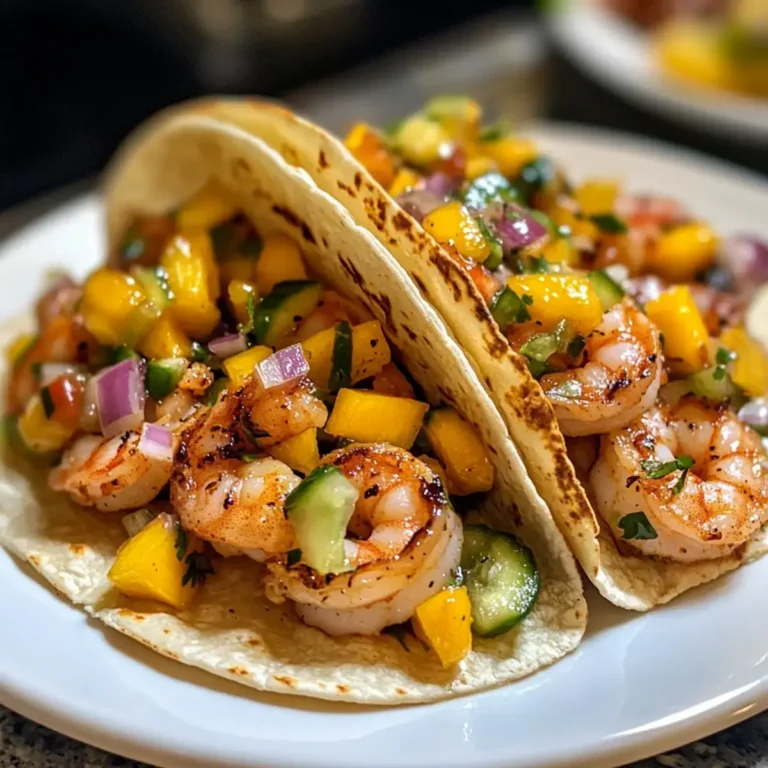
Transform your oven-roasted chicken breast into a centerpiece for a variety of exciting dishes. Slice it thinly and layer it into warm tortillas with your favorite taco toppings for a quick and delicious taco night. Shredded chicken is perfect for filling enchiladas, quesadillas, or for creating a flavorful base for chicken shawarma wraps. Dice it up and add it to a vibrant Mediterranean bowl, layered with rice, cucumber, tomatoes, olives, and a lemon-tahini dressing.
Consider using the leftover chicken in creative ways. Dice it finely and mix it with mayonnaise, celery, and grapes for a classic chicken salad sandwich filling, or add curry powder and dried cranberries for a delightful curry chicken salad. It can also be a fantastic addition to soups, stews, or pasta dishes, providing a lean protein boost and savory flavor. Imagine incorporating it into a hearty chicken noodle soup or a flavorful chicken pozole verde.
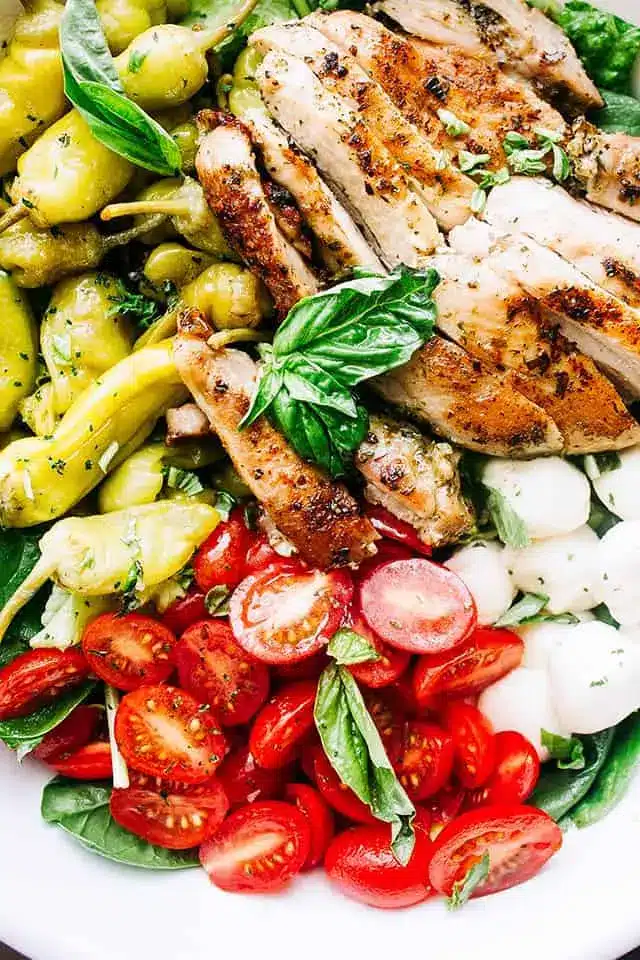
For a lighter meal, toss the sliced chicken with mixed greens, a variety of colorful vegetables, and your favorite vinaigrette for a satisfying and healthy salad. You can also grill skewers with chunks of the chicken breast and colorful vegetables like bell peppers and onions for a delightful outdoor meal. The possibilities are truly endless, making this recipe a valuable addition to any cook’s repertoire, a true chameleon in the kitchen.
Preparation & Storage
Storing Leftovers
To properly store any leftover oven-roasted chicken breast, ensure it has cooled down to room temperature before transferring it to an airtight container. This is crucial for preventing the growth of bacteria and maintaining the quality of the chicken. Store the container in the refrigerator, where the cooked chicken will remain fresh and safe to eat for up to 3 to 4 days.
When storing, try to minimize the amount of air in the container. If you have a smaller portion, use a smaller container or press cling film directly onto the surface of the chicken before sealing the lid. This will help to prevent the chicken from drying out in the refrigerator and preserve its moisture and flavor for longer periods.
It’s always a good idea to label your stored leftovers with the date they were cooked. This helps you keep track of how long they’ve been in the fridge and ensures you consume them within the recommended timeframe. Proper storage is key to enjoying safe and delicious leftovers.
Freezing
Oven-roasted chicken breast freezes exceptionally well, making it an excellent candidate for meal prepping and stocking your freezer. Once the chicken has cooled completely, you can freeze it in several ways, depending on how you plan to use it later. For best results, wrap individual chicken breasts tightly in plastic wrap, ensuring no air is trapped. Then, place the wrapped chicken into a heavy-duty freezer bag or an airtight freezer-safe container.
If you plan to use the chicken for shredded or diced applications, you can freeze it in larger portions. Place several cooked breasts into a freezer bag, press out as much air as possible, and seal. Alternatively, you can dice or shred the chicken before freezing, which saves you a step when you’re ready to use it in recipes like salads or casseroles. Freezing cooked chicken can extend its shelf life for up to 3 to 4 months, maintaining good quality.
Remember to label each freezer bag or container with the contents and the date of freezing. This practice is invaluable for managing your frozen food inventory and ensuring you use items in a timely manner. Proper freezing techniques will help maintain the chicken’s texture and flavor for future meals.
Reheating
Reheating oven-roasted chicken breast requires a gentle approach to avoid drying out the meat. The best method for reheating is on the stovetop. Place the leftover chicken in a skillet over medium-low heat. Add a tablespoon or two of water, broth, or a small pat of butter to the pan. Cover the skillet and allow the chicken to heat through slowly, for about 5 to 10 minutes, until warmed to your desired temperature.
Another effective method is in the oven. Preheat your oven to a moderate 300°F (150°C). Place the chicken in an oven-safe dish, add a splash of liquid (water or broth), and cover tightly with foil. Reheat for about 10 to 15 minutes, or until the chicken is heated through. This method helps to steam the chicken, keeping it moist.
Avoid microwaving if possible, as this can often lead to uneven heating and a rubbery texture. If you must use the microwave, place the chicken on a microwave-safe plate with a splash of liquid, cover with a damp paper towel, and heat on 50% power in short intervals, checking frequently. The key to successful reheating is low and slow, with a little added moisture to prevent dryness.
Frequently Asked Questions
-
Can I brine the chicken breasts for longer than 2 hours, or is there a risk of the chicken becoming too salty or developing an undesirable texture?
While brining is highly effective, extending the brining time significantly beyond 2 to 4 hours can indeed pose a risk. The salt in the brine works to break down the protein structures in the chicken, which tenderizes the meat and allows it to absorb moisture. If left in the brine for too long, particularly in a strong brine solution, the salt can begin to cure the meat, leading to a slightly mushy texture and an overly salty taste that can be difficult to rectify. For boneless, skinless chicken breasts, a brine of 20 minutes to 2 hours is generally optimal for achieving maximum tenderness and juiciness without compromising the texture or flavor. If you wish to brine for a longer period, consider reducing the salt concentration in your brine solution to mitigate these risks.
-
What is the best way to ensure uniform cooking if my chicken breasts are significantly different in thickness, and what internal temperature is truly ideal for perfectly cooked, safe chicken?
Achieving uniform cooking with chicken breasts of varying thicknesses is best managed by physically altering their shape. The most effective method is to pound the chicken breasts to an even thickness using a meat mallet or the flat side of a heavy pan, typically aiming for about 3/4 inch to 1 inch thickness. This ensures that all parts of the chicken cook at roughly the same rate, preventing thinner sections from drying out before thicker ones are cooked through. Regarding the internal temperature, the USDA-certified safe internal temperature for chicken is 165°F (74°C). Using an instant-read thermometer inserted into the thickest part of the breast is the most reliable way to confirm doneness. Some chefs prefer to pull chicken off the heat slightly earlier, around 160-162°F, allowing carryover cooking during the resting period to reach the safe 165°F, which can result in even juicier meat.
-
How can I adapt the spice blend for different cuisines or dietary restrictions, such as making it gluten-free or low-sodium, while still maintaining a flavorful result?
Adapting the spice blend is quite straightforward and offers a wonderful opportunity for culinary creativity. For gluten-free, most dried herbs and spices are naturally gluten-free, so there’s usually no modification needed unless you’re using a pre-made blend that contains anti-caking agents with gluten. For a low-sodium version, simply omit or significantly reduce the salt in the spice blend, as the brining process already adds salt. You can then rely more heavily on herbs like rosemary, thyme, basil, and oregano, and spices like garlic powder, onion powder, paprika, and black pepper to build flavor. For different cuisines, consider adding ingredients like cumin and chili powder for a Tex-Mex flair, ginger and soy sauce (or tamari for gluten-free) for an Asian-inspired profile, or curry powder and garam masala for an Indian twist. Fresh herbs like cilantro or mint can also be added towards the end of cooking or as a garnish for a fresh finish.