Grilled Pineapple Veggie Kabobs
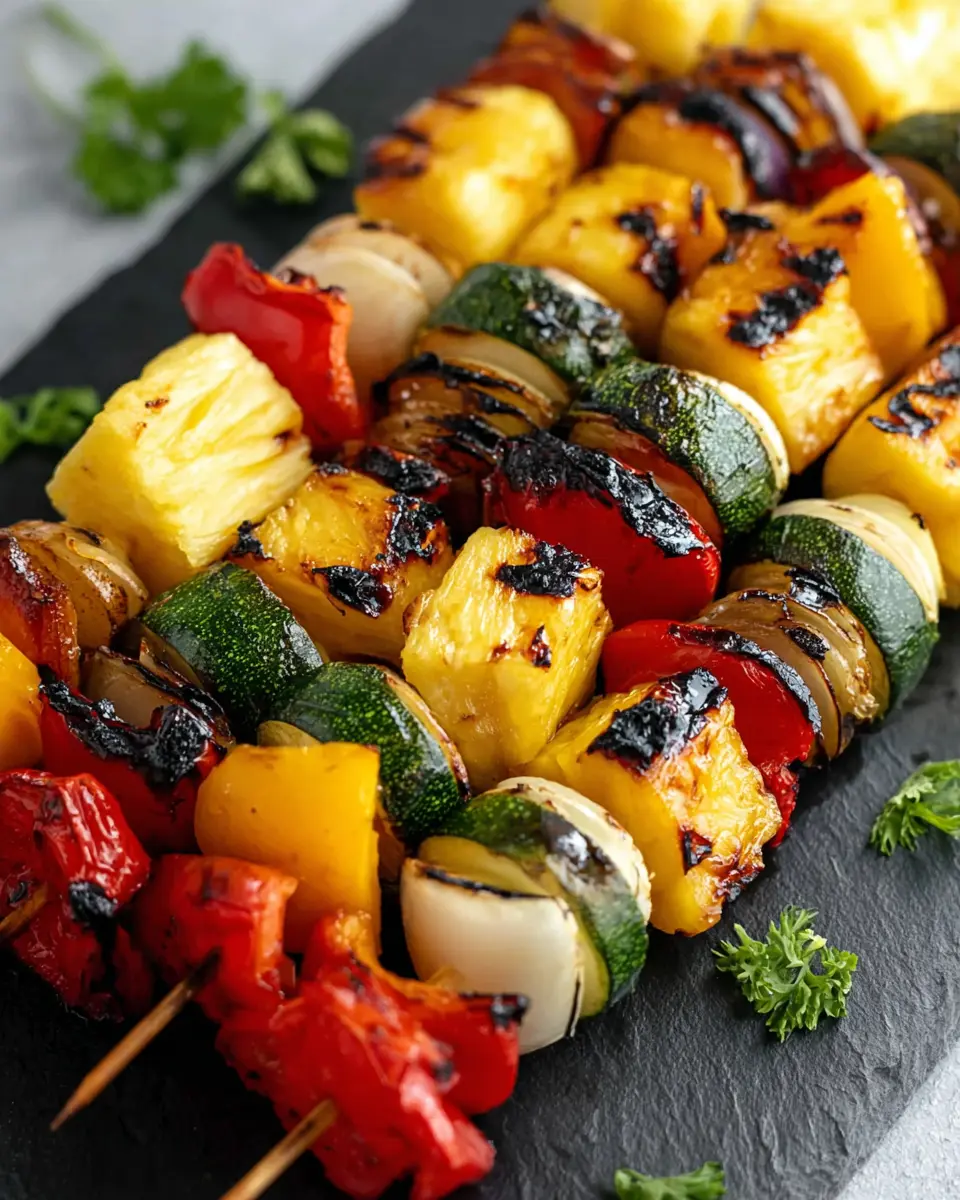
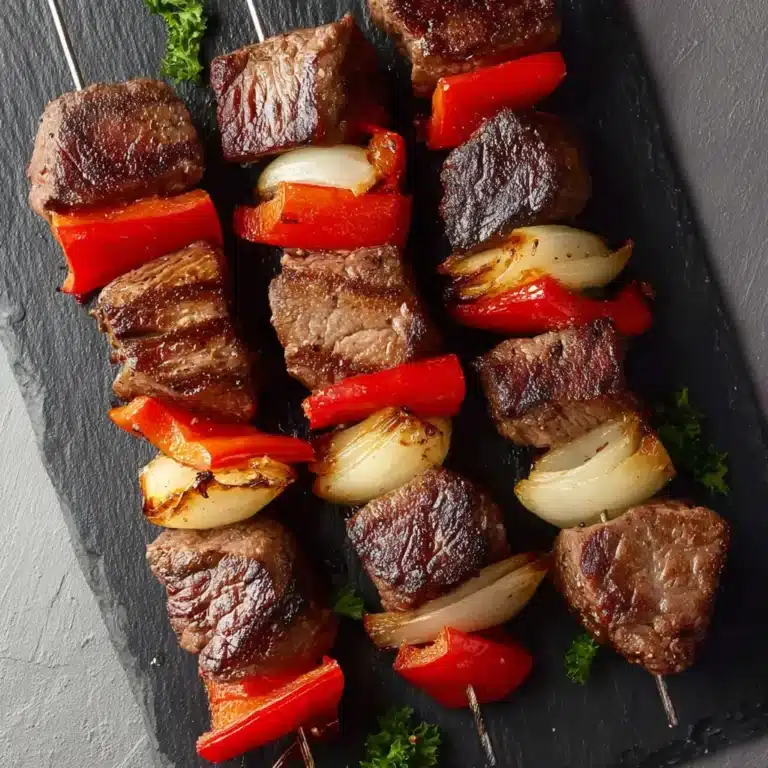
Grilled Pineapple and Veggie Kabobs are a quick, colorful cookout favorite with juicy-sweet pineapple, tender squash, and lightly charred peppers and onions, making them a fresh summer grilling side dish that feels simple, vibrant, and dependable.
This is the kind of dish that fits right into the meals you actually make, whether you are firing up the grill for a weekend gathering or just need something bright to round out dinner.
Why You Will Love This Recipe
- Quick Preparation: Dinner is on the table in less than 30 minutes, making this an ideal weeknight grilling option or a fast addition to any meal.
- Vibrant & Colorful: The medley of fresh pineapple, bell peppers, and squash creates a visually stunning dish that brightens any plate.
- Sweet & Savory Balance: The natural sweetness of caramelized pineapple perfectly complements the savory notes of grilled onions and tender vegetables for a harmonious flavor profile.
- Versatile Side Dish: These kabobs pair beautifully with a variety of main courses, from grilled meats and fish to vegetarian entrees, offering a fresh and zesty accompaniment.
- Healthy & Fresh: Packed with vitamins and natural goodness from fresh fruits and vegetables, this recipe is a wholesome choice that doesn’t sacrifice flavor.
Ingredients You Need
Crafting these Grilled Pineapple and Veggie Kabobs is all about selecting the freshest produce to ensure the best flavor and texture. Using high-quality ingredients will truly elevate this simple dish, bringing out the natural sweetness of the pineapple and the earthy undertones of the vegetables.
Grilled Pineapple and Veggie Kabobs
Grilled Pineapple and Veggie Kabobs are a quick, colorful cookout favorite with juicy-sweet pineapple, tender squash, and lightly charred peppers and onions, making them a fresh summer grilling side dish that feels simple, vibrant, and dependable. The combination works because you get a little bit of everything in each bite. The pineapple turns sweeter as it grills, the onions soften and deepen, and the peppers and squash pick up those smoky edges that make grilled vegetables taste extra satisfying.
- 1 cup fresh pineapple, cut into 1-inch pieces
- 2 large yellow onions, cut into eighths with the root end left attached to help hold the sections together
- Sea salt, to taste
- 1 large green squash, sliced into pieces about 1 inch thick
- Olive oil, for drizzling
- 2 bell peppers of any color, seeded and cut into chunks about 1 to 1½ inches wide
- Freshly ground black pepper, to taste
- 1 large summer squash, cut into 1-inch chunks
- 1Prepare the produce first. Cut each onion into eighths, keeping the root attached so the layers stay together more easily during grilling. Trim and seed the bell peppers, then cut them into pieces about 1 to 1½ inches square. Cut the summer squash into 1-inch chunks, slice the green squash into pieces about 1 inch thick, and cut the pineapple into 1-inch chunks so everything cooks at a similar rate.
- 2Preheat the grill to medium-high heat. This temperature allows the kabobs to cook through while developing light charring without scorching.
- 3Thread the vegetables and pineapple onto skewers, alternating the pieces to create a balanced and colorful arrangement. Make sure each piece is secured well on the skewers. A grill basket may be used instead of skewers if preferred.
- 4Drizzle the assembled kabobs with olive oil, then season with sea salt and ground black pepper.
- 5Place the kabobs on the preheated grill. Turn them every 5 minutes so they cook evenly and develop grill marks on all sides.
- 6Continue grilling for 15 to 20 minutes, or until the vegetables and pineapple are tender and lightly charred.
- 7Remove from the grill carefully, let them cool briefly, and serve.
Keywords: Grilled Pineapple, Vegetable Skewers, Summer Grilling, Side Dish, Vegetarian
The ingredients list provides the core components for these delightful kabobs, with precise quantities detailed in the accompanying recipe card for your convenience.
- fresh pineapple: sweet and slightly tart, it caramelizes beautifully on the grill.
- yellow onions: add a pungent sweetness that mellows significantly when grilled.
- bell peppers (any color): contribute vibrant hues and a mild, slightly crisp texture.
- green squash (like zucchini or yellow squash): becomes tender and absorbs smoky flavors wonderfully.
- summer squash: similar to zucchini, it adds a delicate, yielding texture.
- olive oil: essential for coating the ingredients, promoting even browning, and preventing sticking.
- sea salt: enhances all the natural flavors of the produce.
- black pepper: adds a subtle warmth and depth.
Variations
The beauty of these grilled kabobs lies in their adaptability, allowing you to tailor them to various dietary preferences and flavor profiles. One fantastic way to reimagine this dish is through a vegan lens, focusing on maximizing plant-based deliciousness.
For a completely vegan experience, ensure all your chosen vegetables are fresh and vibrant. Consider adding cubes of firm tofu or tempeh, marinated in a savory blend of soy sauce, garlic, and ginger, to the skewers for an extra protein boost. This variation transforms the side dish into a more substantial vegetarian main, perfect for those embracing plant-based eating, and aligns wonderfully with the spirit of healthy dinner options.
Another exciting direction to explore is a low-carb adaptation, appealing to those mindful of their carbohydrate intake. Focus on non-starchy vegetables like zucchini, bell peppers, and red onions. You can also introduce heartier, low-carb protein options such as chicken chunks, shrimp, or halloumi cheese, all of which grill beautifully and complement the pineapple’s sweetness.
For those seeking a different flavor dimension, consider incorporating some spicy elements. A sprinkle of red pepper flakes on the vegetables before grilling can add a gentle heat, or you could create a spicy marinade for any added protein. A touch of smoky paprika or a drizzle of sriracha before serving can also introduce a delightful kick, making these kabobs a more adventurous lunch option or a exciting part of a dinner spread.
How to Prepare Grilled Pineapple and Veggie Kabobs
Step 1: Prepare the Produce for Grilling
Begin by meticulously preparing all your fruits and vegetables, ensuring they are cut into uniform, grill-friendly pieces. This critical first step is the foundation for evenly cooked and beautifully charred kabobs, preventing smaller pieces from burning while larger ones remain undercooked.
For the onions, cutting them into large eighths, keeping the root end intact, is a clever trick that helps the layers stay together during the intense heat of the grill, preventing them from disintegrating into a pile of loose rings. Aim for substantial chunks of yellow onion that can be easily skewered and will soften to a delightful tenderness without falling apart.
The bell peppers and squashes, whether it’s zucchini, yellow squash, or a combination, should be cut into pieces roughly 1 to 1.5 inches square. This size ensures they cook at a similar rate to the pineapple and onions, creating a harmonious texture throughout each skewer. Uniformity in size is paramount for achieving that perfect balance of tender-crisp vegetables and sweet, caramelized pineapple.
Step 2: Preheat Your Grill to Medium-High Heat
Before you even think about assembling your kabobs, it is absolutely essential to preheat your grill to a medium-high heat setting. This step is non-negotiable for achieving that signature grilled flavor and attractive char marks that make these kabobs so appealing. A properly hot grill sears the produce on contact, creating delicious caramelization and preventing ingredients from sticking stubbornly.
Allow your grill ample time to reach the desired temperature; this typically takes at least 10-15 minutes depending on your grill type. Waiting until the grates are hot ensures that the moment the kabobs hit the grill, they begin to cook and develop those coveted grill marks, rather than just slowly steaming or sticking. This initial searing is what locks in moisture and creates the delightful textural contrast between the tender interior and the slightly crispy, smoky exterior.
The medium-high heat is the sweet spot that allows the vegetables and pineapple to cook through to a tender-crisp consistency while simultaneously developing a beautiful char. Too low a heat will result in limp, steamed vegetables, while excessively high heat can scorch the outside before the inside is cooked. Therefore, mastering this temperature is key to unlocking the full potential of your kabobs.
Step 3: Thread the Kabobs with Alternating Ingredients
Now comes the fun part: assembling your vibrant kabobs! Thread the prepared pineapple chunks and vegetable pieces onto your skewers in an alternating pattern. This not only creates a visually appealing mosaic of colors but also ensures that each bite offers a delightful mix of sweet pineapple, tender onions, and slightly crisp peppers and squash.
When threading, be mindful not to pack the ingredients too tightly onto the skewers. Leave a small amount of space between each piece; this allows the heat to circulate effectively around all sides of the ingredients, promoting even cooking and enabling proper charring. Overcrowding can lead to steaming rather than grilling, resulting in a less desirable texture and flavor.
If you are using wooden skewers, remember to soak them in water for at least 30 minutes prior to use. This crucial step prevents them from burning and splintering on the hot grill, ensuring your kabobs remain intact throughout the cooking process. Metal skewers are also an excellent, reusable option that eliminates the need for soaking.
Step 4: Drizzle with Olive Oil and Season Generously
Once your kabobs are beautifully assembled, it’s time to dress them up for their fiery rendezvous. Drizzle a generous amount of good-quality olive oil evenly over all the threaded skewers, ensuring each piece of pineapple and vegetable is lightly coated. This oil acts as a crucial binder for the seasonings and helps achieve that beautiful, even browning and slight crisping on the grill.
Following the oil, season the kabobs liberally with sea salt and freshly ground black pepper. Don’t be shy with the seasoning; grilling can sometimes mute flavors, so a good coating ensures that each bite is well-seasoned and bursts with deliciousness. You can gently toss the skewers on a platter or in a bowl to ensure the oil and seasonings reach all sides.
Consider this stage an opportunity to add your personal touch. While salt and pepper are classic, you could also introduce other complementary spices like garlic powder, onion powder, a pinch of paprika for smokiness, or even a hint of chili powder for a subtle kick. This simple seasoning step is what transforms the fresh ingredients into a truly flavorful dish, enhancing their natural sweetness and savory notes.
Step 5: Grill the Kabobs to Perfection
Place the seasoned kabobs onto your preheated medium-high grill. Allow them to cook for a few minutes undisturbed on the first side to develop those coveted grill marks. This initial contact with the hot grates is where the magic of caramelization and charring truly begins, imparting that irresistible smoky essence.
Turn the kabobs every few minutes, aiming for a total cooking time of approximately 15 to 20 minutes. The goal is to achieve tender vegetables and pineapple that have developed a beautiful char on all sides. Keep an eye on them, as grilling times can vary depending on the heat of your grill and the size of your ingredient pieces.
You are looking for tender-crisp vegetables, with the bell peppers showing slight blistering and the onions becoming soft and sweet. The pineapple should be heated through and have lovely caramelized edges, but avoid overcooking it to the point where it becomes mushy. The gentle charring is what makes these kabobs so incredibly flavorful and satisfying.
Step 6: Rest and Serve
Once the kabobs have reached that perfect point of tenderness and char, carefully remove them from the grill using tongs. It’s tempting to dive right in, but allowing them to rest for just a few minutes before serving is a surprisingly important step. This brief pause allows the juices within the cooked vegetables and pineapple to redistribute, ensuring maximum flavor and a more pleasant eating experience.
This resting period also makes the kabobs slightly easier to handle as they cool just enough to be picked up without burning your fingers. While they rest, you can use this time to prepare any accompanying sauces or side dishes, or simply to admire your handiwork. The vibrant colors and enticing aroma will already be promising a delicious meal.
Serve these Grilled Pineapple and Veggie Kabobs hot off the grill, either directly from the skewers or with the ingredients carefully removed. They are a versatile and crowd-pleasing addition to any barbecue, picnic, or weeknight meal, bringing a burst of fresh flavor and delightful texture to your table.
Pro Tips for Grilled Pineapple and Veggie Kabobs
Uniform Cutting is Key: For the most consistent and enjoyable eating experience, ensure all your vegetables and pineapple pieces are cut to a similar size. This simple practice is the secret to preventing some pieces from burning while others remain undercooked, ensuring every bite is perfectly tender and charred.
Soak Wooden Skewers: If you’re using wooden skewers, don’t skip the soaking step! Submerging them in water for at least 30 minutes before grilling prevents them from catching fire and becoming brittle, allowing them to hold the ingredients securely throughout the cooking process.
Don’t Overcrowd the Skewers: Give your ingredients a little breathing room on the skewers. Packing them too tightly will cause them to steam rather than grill, hindering the development of those desirable smoky char marks and compromising the texture.
Master the Grill Temperature: Medium-high heat is your best friend for these kabobs. It’s hot enough to caramelize the pineapple and char the vegetables beautifully, but not so intense that it burns everything before it cooks through. Adjust your grill’s heat as needed to maintain this optimal temperature.
Embrace the Char: A little bit of char is a good thing! Those dark, slightly crispy edges are where the flavor is at. Don’t be afraid of them; they indicate that the sugars in the pineapple and vegetables have caramelized perfectly, creating a complex sweetness and a delightful smoky note.
Serving Suggestions for Grilled Pineapple and Veggie Kabobs
Decoration
To make your Grilled Pineapple and Veggie Kabobs truly pop visually, consider a few simple decorative touches. A sprinkle of fresh, finely chopped cilantro or parsley over the finished kabobs adds a burst of green freshness and a touch of herbaceous aroma.
Alternatively, a light drizzle of balsamic glaze just before serving can add a sophisticated sheen and a hint of tangy sweetness that beautifully complements the grilled flavors. For an extra flourish, especially if serving at a party, consider garnishing the platter with a few fresh pineapple wedges or edible flowers for a vibrant and inviting presentation.
Side Dishes
These versatile kabobs are an excellent accompaniment to a wide array of main courses. They pair wonderfully with grilled chicken or fish, providing a bright and refreshing contrast to richer proteins. Consider serving them alongside some perfectly grilled shrimp for a seafood feast, or with juicy burgers for a classic backyard BBQ feel.
For a more complete meal, a simple grain like fluffy quinoa, fragrant couscous, or perfectly cooked rice makes an excellent base to catch any delicious drippings from the kabobs. A crisp green salad with a light vinaigrette also offers a refreshing counterpoint, adding texture and a medley of fresh flavors to the plate.
If you’re looking for a slightly heartier option, a creamy potato salad or a refreshing pasta salad can also complement the sweetness and char of the kabobs beautifully. These combinations work exceptionally well for outdoor gatherings and casual family dinners, offering a balanced and satisfying dining experience.
Creative Serving Ideas
Think beyond just placing them on a platter! For a fun and interactive presentation, arrange the grilled kabobs over a bed of mixed greens or a colorful slaw. This transforms them into a vibrant salad with a delicious grilled component, perfect for a lighter meal.
You can also serve the grilled pineapple and vegetable pieces family-style in large bowls, allowing guests to create their own combinations or mix them with other grilled items. For a touch of elegance, de-skewer the ingredients and artfully arrange them alongside your main dish, garnishing with a sprig of fresh mint or basil.
Consider incorporating them into other dishes. The grilled pineapple can be diced and added to salsa or even folded into a tropical-inspired rice dish. The grilled vegetables can be chopped and added to wraps, tacos, or even blended into a flavorful soup base, showcasing their smoky, caramelized notes in unexpected ways. This versatility makes them a valuable addition to your culinary repertoire.
Preparation & Storage
Storing Leftovers
Should you be fortunate enough to have any Grilled Pineapple and Veggie Kabobs left, storing them properly will ensure they remain enjoyable for a few days. Once the kabobs have cooled completely, transfer the ingredients into an airtight container. For optimal texture preservation, it is often best to remove the ingredients from the skewers before storing them.
These leftover kabobs can be stored in the refrigerator for up to 3 days. The vegetables, especially the squash, might soften slightly as they sit, but they will still retain a good amount of their delicious grilled flavor and tender texture. Ensure the container is well-sealed to prevent them from drying out or absorbing other odors from the refrigerator.
The olive oil and seasonings applied before grilling help to preserve the produce somewhat, but it’s still important to consume them within a reasonable timeframe to enjoy them at their best. Proper storage is key to maximizing their lifespan and minimizing food waste, making them a convenient option for future meals.
Freezing
While not ideal for maintaining the crisp-tender texture of the grilled vegetables, freezing Grilled Pineapple and Veggie Kabobs is still an option if you need to store them for an extended period. The moisture content in the vegetables, particularly the squash, will cause them to become softer upon thawing and reheating, so manage your expectations regarding their texture.
To freeze, allow the kabobs to cool completely and then remove the ingredients from the skewers. Place the de-skewered vegetables and pineapple in a single layer on a baking sheet and freeze until firm, then transfer them to a freezer-safe bag or airtight container. This method helps prevent them from clumping together.
Frozen kabobs should be used within approximately 1 month to maintain the best possible quality. When you are ready to use them, they will require careful reheating to salvage as much of their texture as possible, and they will likely be best suited for dishes where a slightly softer texture is acceptable, such as in a stir-fry or mixed into a sauce.
Reheating
Reheating your Grilled Pineapple and Veggie Kabobs requires a gentle approach to preserve their texture and flavor as much as possible. The best method involves using a skillet, grill pan, or a moderately heated oven set to around 350°F (175°C). Heat them just until they are warmed through, avoiding overcooking which can turn the vegetables mushy.
In a skillet or grill pan, a tablespoon of olive oil can help bring back some of the sizzle and char. A quick toss over medium heat for a few minutes should do the trick. In the oven, spread the kabob ingredients on a baking sheet and warm for about 5-10 minutes, keeping a close watch to prevent them from drying out or burning.
While the microwave is the quickest option, it tends to make the vegetables more watery and less appealing in terms of texture. If you must use the microwave, heat in short intervals, checking frequently to prevent uneven heating or excessive softening. Regardless of the method, aim for warm rather than piping hot to retain the integrity of the ingredients.
Frequently Asked Questions
- Can I make these kabobs ahead of time?
Yes, you can definitely prepare the components of these Grilled Pineapple and Veggie Kabobs in advance, making your grilling day much smoother. You can cut all the vegetables and pineapple several hours before you plan to grill. Store them separately in airtight containers in the refrigerator to maintain their freshness and prevent them from becoming waterlogged. Some people even prefer to thread them onto skewers a few hours ahead of time, but it’s crucial to wait to oil and season them until just before they hit the grill.
This preparation strategy ensures that the vegetables remain crisp and the pineapple stays juicy, ready for a quick assembly and grilling session. It’s a fantastic way to get a head start on your meal, especially if you are entertaining or have a busy schedule. The key is to keep the oil and seasonings separate until the last possible moment to ensure they adhere properly and cook evenly on the hot grill.
- How do I prevent the vegetables from slipping or spinning on the skewers?
Preventing vegetables from slipping or spinning on skewers is a common challenge, but it’s easily overcome with a few simple techniques. Firstly, cutting your vegetables and pineapple into slightly larger, more substantial pieces (around 1 to 1.5 inches) provides better stability and grip on the skewer. Make sure each piece is cut with flat surfaces where possible, allowing them to sit snugly against each other.
Secondly, threading the ingredients snugly together, but not so tightly that they cannot cook evenly, helps them support each other. For onions, leaving a bit of the root end attached is a fantastic trick, as it helps the layers bind together and remain intact. If you’re using wooden skewers, ensuring they are properly soaked can make them a bit stiffer and less prone to bending under the weight of the ingredients.
- What are the best types of vegetables to use for grilled kabobs?
The best vegetables for grilled kabobs are those that hold their shape well and can withstand the heat of the grill without turning to mush too quickly. Classic choices include bell peppers of all colors, red onions, zucchini, yellow squash, cherry tomatoes, and mushrooms. These vegetables offer a good balance of texture and flavor when grilled, becoming tender yet retaining a slight bite.
For a sweeter profile, corn on the cob cut into rounds, chunks of sweet potato (par-boiled first to ensure tenderness), or even Brussels sprouts can be excellent additions. Ingredients like asparagus or green beans can also be used, but they cook much faster, so you’ll want to add them towards the end of the grilling process or ensure they are cut into larger pieces. The key is to choose vegetables that will cook evenly alongside your pineapple and any other ingredients you might be adding, ensuring a harmonious and delicious result every time.