Juicy Pan Seared Pork Medallions – Easy Dinner Recipe!
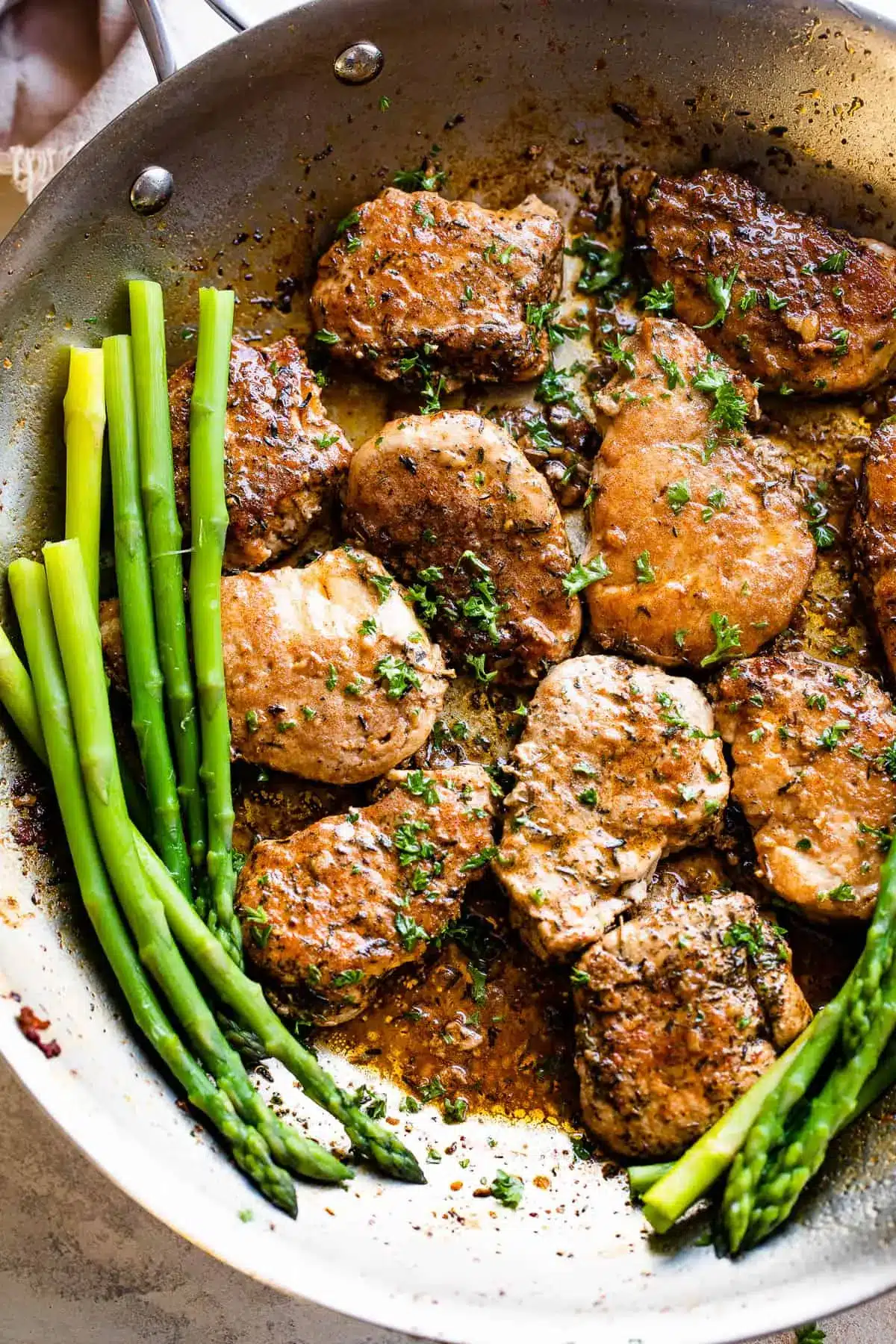
Elevate your weeknight dinners with these incredibly tender and flavorful pork medallions. This recipe transforms simple pork tenderloin into a culinary delight, perfectly complemented by a rich and savory pan sauce that’s remarkably easy to create. It’s the kind of dish that impresses without requiring hours in the kitchen, making it a true gem for any home cook seeking delicious and efficient meal solutions.
Imagine succulent pieces of pork, seared to a golden-brown perfection and bathed in a luscious sauce that sings with aromatic herbs and savory notes. This dish is designed for both the novice cook and the seasoned chef, offering a straightforward approach that yields restaurant-quality results. Prepare to discover a new favorite that will undoubtedly become a staple in your recipe repertoire.
Why You Will Love This Recipe
- Quick Preparation: From start to finish, this delicious meal is ready in under 30 minutes, perfect for busy weeknights.
- Tender & Juicy Pork: Each medallion is seared to perfection, ensuring a succulent bite every time without any dryness.
- Flavorful Pan Sauce: The simple yet elegant sauce is created using the fond from the pork, infusing it with incredible depth and savory goodness.
- Versatile Serving: This dish pairs beautifully with a wide array of side dishes, from simple steamed vegetables to creamy mashed potatoes, allowing for endless meal customization.
- Minimal Ingredients: You likely have most of the pantry staples on hand, making this an accessible and spontaneous meal option.
Ingredients You Need
The beauty of this pork medallion recipe lies in its reliance on fresh, high-quality ingredients that combine to create an explosion of flavor. Using a lean pork tenderloin is paramount for achieving that melt-in-your-mouth tenderness, while the simple seasoning blend of thyme, paprika, garlic, salt, and pepper enhances the natural savory profile of the pork without overpowering it. Opting for good quality oil with a high smoke point ensures a beautiful sear, and a touch of butter and broth creates a luscious pan sauce that ties everything together beautifully.
Pan Seared Pork Medallions with Pan Sauce

Sizzling, savory, and delicious, these juicy pan seared pork tenderloin medallions with a pan sauce are the perfect easy dinner. Tender and juicy pork medallions are seasoned with paprika, garlic, and thyme and served with a tasty pan sauce the whole family will love.
- 2 tablespoons avocado oil, divided (you can also use vegetable oil)
- 1 pound pork tenderloin, cut into
- 12 medallions
- Salt and freshly ground black pepper, to taste (about ½ to ¾ teaspoon kosher salt)
- 1 teaspoon dried thyme
- ½ teaspoon sweet paprika, or to taste
- ¼ teaspoon garlic powder, or to taste
- 1 tablespoon butter, divided, plus a couple more pats of butter for the sauce
- ½ cup low sodium chicken broth
- Chopped fresh parsley, for garnish
- 1Add 1 tablespoon oil to a 12-inch skillet and set the skillet over medium-high heat. Cut the pork tenderloin into 12 slices.
- 2In a small mixing bowl, combine salt, pepper, thyme, paprika, and garlic powder. Sprinkle the seasoning over each pork medallion; press down on the medallions to secure the seasoning and flatten them to an even thickness.
- 3Add half of the pork medallions to the skillet and cook for 3 minutes. Do not crowd the pan because that will just steam the meat.
- 4Flip over the pork medallions and add ½ tablespoon butter; cook for 3 to 4 more minutes or until done. Pork is cooked through when the internal temperature registers at 145°F. Cooking time will also depend on the thickness of the medallions. Remove the medallions from the skillet and set aside on a platter.
- 5Repeat the process with the rest of the pork medallions; remove the second batch of pork from the skillet and set aside.
- 6Return the skillet to heat; slowly add in the chicken broth – be careful of the smoke. Whisk around to scrape up all the browned bits from the bottom of the pan; continue to cook for 1 minute over medium-high heat.
- 7Add couple pats of butter and gently stir them around to melt; you want enough butter just to slightly thicken the sauce.
- 8Return the medallions to the skillet and cook for just a bit to heat through, spooning the sauce over the medallions. Remove from heat. Garnish with parsley and serve.
Keywords: pork medallions, pan sauce, easy dinner, pork tenderloin, German
The specific quantities for each ingredient are detailed within the provided recipe card, ensuring you have all the necessary measurements for a perfect outcome. This list serves as your shopping guide for this delightful culinary adventure.
Variations
For those seeking a plant-based alternative, consider substituting the pork medallions with thick slices of king oyster mushrooms. Sear these mushrooms until golden brown and tender, then proceed with the pan sauce, perhaps using vegetable broth and adding a splash of soy sauce or tamari for added umami. This vegan rendition captures a similar savory essence and delightful texture, making it a satisfying option for plant-based diets.
If you’re following a low-carb lifestyle, you can adapt this recipe by serving the pork medallions with a vibrant cauliflower mash or a bed of sautéed greens like spinach or kale. Omit any starchy sides and focus on the protein and low-carb vegetables, ensuring the rich pan sauce complements your dietary goals without added sugars or excessive carbohydrates. This makes for a healthy and guilt-free indulgence.
Another exciting variation involves infusing the pan sauce with a hint of spice. After deglazing the pan with broth, consider adding a pinch of red pepper flakes or a dash of your favorite hot sauce. This small addition can transform the sauce into a delightful spicy glaze, offering a zesty kick that beautifully contrasts with the tender pork and adds another dimension to the overall flavor profile of the dish.
How to Prepare pork medallions with pan sauce
Step 1: Prepare the Pan and the Medallions
Begin by selecting a high-quality, lean pork tenderloin. The key to tender medallions is to slice the tenderloin into even, approximately 1-inch thick rounds. Aim for uniformity, as this ensures consistent cooking times for each piece. Using a sharp chef’s knife will make this process much easier and safer, producing clean cuts without compressing the meat.
Once sliced, it’s time to season these beautiful pork medallions. In a small bowl, combine your dry seasonings: a good pinch of salt and freshly ground black pepper, dried thyme for its aromatic depth, sweet paprika for a subtle sweetness and color, and garlic powder for that essential savory kick. Generously sprinkle this blend over each side of the pork medallions, pressing gently to ensure the seasonings adhere well.
Before they hit the pan, a crucial step is to ensure the medallions are at their optimal thickness for searing. Gently press down on each seasoned medallion with the palm of your hand or the flat side of a meat mallet. This not only helps the seasonings stick but also flattens them slightly to an even thickness of about half an inch. This evenness is critical for achieving a perfect sear and preventing uneven cooking, which can lead to some pieces being overcooked while others are underdone.
Step 2: Cook the Pork Medallions
Heat your chosen cooking oil in a sturdy, 12-inch skillet over medium-high heat until it shimmers. A good indicator is when a tiny droplet of water sizzles immediately upon contact. Ensure you’re using an oil with a high smoke point, like avocado oil or vegetable oil, to prevent burning and achieve that desirable golden-brown crust on the pork.
Do not overcrowd the pan; this is a cardinal rule for achieving a perfect sear. Overcrowding will lower the pan’s temperature and cause the pork to steam rather than sear, resulting in a less appealing texture and color. It’s far better to cook the medallions in two batches, allowing each piece ample space to develop a beautiful crust. This ensures that the Maillard reaction occurs effectively, creating those delicious browned bits that are essential for the sauce later.
Sear the first batch of pork medallions for approximately 3 minutes per side. You’re looking for a rich, golden-brown color. Once you’ve achieved this sear on both sides, add about half a tablespoon of butter to the skillet. Allow the butter to melt and foam; this will add a lovely richness and help with browning. Continue cooking for an additional 3 to 4 minutes, flipping once more, until the pork reaches an internal temperature of 145°F (63°C). This temperature ensures the pork is safely cooked yet still wonderfully tender and juicy; resist the urge to overcook, as this will lead to dry meat.
Step 3: Make the Sauce
Once the first batch of pork medallions is perfectly cooked and removed from the skillet, set them aside on a clean platter. It’s crucial to keep them warm while you prepare the sauce. You can loosely tent them with foil to retain their heat. Immediately after, repeat the searing and cooking process with the remaining pork medallions, ensuring you maintain the same attention to detail regarding heat and cooking time.
After removing the second batch of pork from the skillet, return the skillet to medium-high heat. This pan still holds all those flavorful browned bits (the fond) from the pork, which are the secret to a delicious pan sauce. Slowly and carefully pour in the chicken broth. As you add the broth, use a whisk or a wooden spoon to vigorously scrape up all those browned bits from the bottom of the pan. This process is called deglazing and infuses the sauce with immense depth of flavor.
Continue to cook the broth, stirring and scraping, for about one minute. This allows the liquid to reduce slightly and concentrate its flavors. To finish and slightly thicken the sauce, add a couple of additional pats of butter to the skillet. Gently swirl the pan or stir with your whisk until the butter is fully incorporated and the sauce takes on a beautiful, slightly glossy sheen. The butter not only adds richness but also helps emulsify the sauce, creating a silky texture that coats the pork wonderfully.
Step 4: Finish the Dish
Now, it’s time to bring everything together for the grand finale. Carefully return all the cooked pork medallions back into the skillet with the freshly made pan sauce. Ensure they are arranged in a single layer and nestled into the sauce, allowing them to reheat and absorb those delicious flavors.
Let the pork medallions simmer gently in the sauce for just about one minute. This brief cooking time is enough to ensure the pork is heated through completely without overcooking it and losing its tenderness. As it simmers, use a spoon to generously ladle the luscious pan sauce over each pork medallion. This step ensures every bite is infused with the rich, savory goodness of the sauce, creating a truly harmonious dish.
Just before serving, a sprinkle of freshly chopped parsley adds a vibrant burst of color and a hint of fresh, herbaceous flavor. This final touch elevates the presentation and offers a pleasing contrast to the richness of the pork and sauce. The dish is now complete and ready to be served immediately, showcasing its beautiful colors and tantalizing aroma.
Step 5: Serve and Enjoy
Present these glorious pork medallions and their accompanying pan sauce immediately after preparation for the best taste and texture. The visual appeal of the golden-brown medallions glistening with the rich, savory sauce is simply irresistible. This dish is designed to be savored while it’s perfectly hot, ensuring the pork remains tender and the sauce is at its most luxurious.
The aroma alone will have everyone at the table eager to dig in. The combination of the expertly seared pork and the deeply flavorful sauce creates a comforting yet elegant meal that feels both special and satisfying. This is the moment your culinary efforts pay off, delivering a delicious experience that is sure to be a hit.
Pair these pork medallions with your favorite accompaniments to create a complete and well-rounded meal. Whether you choose a simple starch, a fresh salad, or a vibrant vegetable, the pork medallions will be the star of the show, complemented beautifully by the surrounding elements. Enjoy this delightful meal that brings restaurant-quality flavor right to your own dining table with remarkable ease.
Step 6: Garnish and Serve
The final flourish for your exquisite pork medallions is a generous garnish of freshly chopped parsley. This bright green herb not only adds a welcome pop of color against the rich hues of the pork and sauce, but it also contributes a fresh, clean flavor that cuts through the savory richness. It’s a simple step that significantly enhances the overall visual appeal and aromatic profile of the dish.
Arrange the pork medallions artfully on your serving platter or individual plates. Ensure each piece is coated with a generous drizzle of the luscious pan sauce. The glistening sauce clinging to the tender pork is incredibly appetizing and invites diners to enjoy every succulent bite. The presentation should be as delightful as the taste itself.
Serve immediately while the pork medallions are at their peak temperature and the sauce is perfectly warm and emulsified. This ensures that the diners experience the dish exactly as intended – tender, flavorful, and utterly satisfying. This is the culmination of your cooking journey for this recipe, ready to be shared and enjoyed by all.
Pro Tips for pork medallions with pan sauce
Don’t Crowd the Pan: This is perhaps the most critical tip for achieving a perfect sear. Overcrowding lowers the pan temperature, causing the pork to steam rather than brown, which results in a grayish, unappetizing appearance and a tougher texture. Cook the medallions in batches, giving each piece enough space to develop a beautiful, caramelized crust. This is essential for flavor development and optimal texture.
Use an Instant-Read Thermometer: While cooking times are helpful, they are merely guidelines. Pork is lean and can dry out quickly if overcooked. An instant-read thermometer is your best friend here. Insert it into the thickest part of a medallion, avoiding any bone if present. For perfectly tender and juicy pork, aim for an internal temperature of 145°F (63°C). The meat will continue to cook slightly after removal from the heat.
Deglaze Properly for the Sauce: The browned bits left in the pan after searing the pork, known as the fond, are packed with flavor and are the foundation of an exceptional pan sauce. When you add the liquid to deglaze, be sure to scrape up all of these flavorful remnants. A whisk is particularly effective for this task, ensuring that every last bit of deliciousness is incorporated into your sauce, leading to a richer, more complex flavor profile.
Flatten the Medallions for Even Cooking: For the most consistent results, gently pound the pork medallions to an even thickness, about 1/2 inch. You can do this by placing them between two sheets of parchment paper or plastic wrap and using a meat mallet or the bottom of a heavy saucepan. This ensures that all the medallions cook at the same rate, preventing some from being overcooked while others are undercooked, leading to a uniform tenderness throughout.
Rest the Pork: Although the recipe involves returning the pork to the sauce briefly, it’s beneficial to allow the seared medallions to rest for a few minutes after cooking and before they go back into the sauce. This resting period allows the juices within the meat to redistribute, resulting in a more tender and succulent final product. Skipping this step can lead to juices running out when you slice into the pork.
Serving Suggestions for pork medallions with pan sauce
Decoration
To beautifully adorn your pork medallions, consider a vibrant garnish. Freshly chopped parsley is a classic choice, offering a bright green contrast and a fresh, herbaceous note. For a touch of elegance, a few sprigs of fresh thyme or rosemary can be placed alongside the medallions, releasing their aroma as they warm slightly. A very finely grated lemon zest can also add a subtle brightness and visual appeal without imparting too much acidity.
Alternatively, a delicate swirl of reduced pan sauce around the plate before placing the medallions can create an artistic presentation. If you have edible flowers available, a few carefully placed petals can transform a simple dish into a visually stunning creation. The goal is to enhance the natural beauty of the dish without making it appear overly fussy or distracting from the main components.
For a more rustic appeal, consider a light dusting of smoked paprika over the parsley garnish. This adds another layer of visual depth and subtly hints at the flavor profile of the dish. A tiny drizzle of high-quality olive oil over the top can also provide a beautiful sheen, making the entire presentation even more inviting and appetizing for your guests.
Side Dishes
These pork medallions are incredibly versatile and pair wonderfully with a variety of side dishes. Creamy mashed potatoes are a classic favorite, soaking up the delicious pan sauce beautifully. For a lighter option, consider a fluffy bed of rice, or for a low-carb alternative, serve them over cauliflower rice or zucchini noodles. Roasted asparagus, steamed green beans with a hint of lemon, or a simple side salad tossed with a light vinaigrette also make excellent choices.
Heartier vegetable sides that complement the richness of the pork include roasted Brussels sprouts, glazed carrots, or a sweet potato mash. If you’re looking for something a bit more unique, consider serving these medallions with a wild rice pilaf or a quinoa salad studded with fresh herbs and vegetables. The possibilities are vast, and the key is to choose sides that balance the richness of the pork and sauce while adding textural interest to the meal.
For those who enjoy a bit of carb-loading, consider serving these pork medallions alongside some crusty bread to sop up every last drop of the delectable pan sauce. A baked potato, perhaps loaded with sour cream and chives, also makes for a satisfying accompaniment. The goal is to create a balanced plate where each element complements the others, making for a truly memorable dining experience. This dish is a perfect centerpiece for a delightful dinner.
Creative Serving Ideas
Elevate your presentation by serving the pork medallions family-style on a large platter, generously drizzled with the pan sauce and scattered with fresh herbs. This encourages communal dining and allows everyone to admire the dish before serving themselves. It’s a warm and inviting way to present this delicious meal, perfect for gatherings or family dinners.
For a more elegant approach, plate individual servings carefully. Place a portion of your chosen side dish on one side of the plate, arrange the pork medallions artfully on top or beside it, and then generously spoon the pan sauce over the medallions. A final flourish of microgreens or a sprig of rosemary can add a touch of sophistication.
Consider incorporating these pork medallions into a more elaborate meal. They can be served alongside a starter like a fresh salad or a light soup, such as an easy lobster bisque recipe, to create a multi-course dining experience. The adaptability of this dish means it can seamlessly fit into a casual weeknight meal or a more formal dinner party setting.
Preparation & Storage
Storing Leftovers
To store any leftover pork medallions, it’s essential to do so promptly after they have cooled down to room temperature. Place the medallions and any remaining sauce in an airtight food storage container. Ensure the container is well-sealed to prevent air exposure, which can lead to drying out or spoilage. Properly stored leftovers can be kept in the refrigerator for up to three to four days.
When refrigerating, try to keep the pork and sauce together if possible, as this helps maintain the moisture of the meat. If you have a lot of sauce, you can store it in a separate small container. Avoid leaving the leftovers at room temperature for more than two hours, as this can encourage bacterial growth. Always check for any signs of spoilage before reheating and consuming.
Make sure to label your containers with the date of storage. This is a good practice, especially if you have multiple meals stored in your refrigerator, allowing you to easily track their freshness and ensure you’re consuming them within their safe storage window. Using good quality, sealable containers will significantly improve the longevity and quality of your stored leftovers.
Freezing
Freezing pork medallions is an excellent option for longer-term storage, allowing you to have this delicious meal on hand for future cravings. Allow the cooked pork medallions and their sauce to cool completely. Portion them into freezer-safe bags or airtight containers. It’s often best to freeze them in individual or smaller family-sized portions, so you can thaw only what you need.
For optimal quality, wrap the cooled portions tightly in plastic wrap before placing them in a freezer bag or container to minimize freezer burn. Squeeze out as much air as possible from the bags before sealing. Properly frozen, these pork medallions can maintain good quality for up to two months. Ensure your freezer is set to a consistent temperature of 0°F (-18°C) or below.
When freezing, consider leaving out any garnishes like fresh parsley, as these are best added after reheating. The texture of the pork might change slightly after freezing and thawing, but it will still be delicious. Label each package with the contents and the date it was frozen to keep your freezer organized and to track freshness effectively.
Reheating
Reheating pork medallions requires a gentle approach to preserve their tenderness and moisture. The best method is to use a skillet over low heat. Place the medallions and their sauce in a skillet, cover it, and cook gently until heated through. This method helps to rehydrate the pork and keeps the sauce from becoming too watery or separated.
Alternatively, you can reheat them in a saucepan over low heat, stirring occasionally. If the sauce seems too thick, you can add a tablespoon or two of broth or water to loosen it up. Avoid high heat or microwaving for extended periods, as this can dry out the pork and result in a less desirable texture. The goal is to warm them through gradually.
If you’ve frozen your pork medallions, thaw them overnight in the refrigerator before reheating. Reheating directly from frozen is not recommended as it can lead to uneven cooking. Once thawed and reheated, add fresh garnishes like parsley to brighten up the dish before serving.
Frequently Asked Questions
-
What is the best way to ensure my pork medallions are tender and not dry?
The key to tender and juicy pork medallions lies in several factors. Firstly, using a lean cut like pork tenderloin is crucial, as it’s naturally tender. Slice the tenderloin into even, 1-inch thick medallions and aim to pound them slightly to an even 1/2-inch thickness; this ensures uniform cooking. Overcooking is the biggest enemy of tenderness, so use an instant-read meat thermometer to cook them to an internal temperature of 145°F (63°C). Sear them quickly on medium-high heat and remove them promptly once they reach the desired temperature. Allowing them to rest briefly after cooking and before returning them to the sauce also helps redistribute their juices, keeping them moist.
-
Can I use a different cut of pork if I don’t have pork tenderloin?
Yes, you can substitute pork tenderloin with other lean cuts of pork. Boneless pork loin chops are a good alternative. You will need to slice these into medallions as well. However, keep in mind that different cuts have varying fat content and thickness, which can affect cooking times. Always rely on an instant-read thermometer to check for doneness, aiming for that 145°F (63°C) internal temperature to avoid dry pork. The flavor profile might vary slightly depending on the cut you choose, but the method for searing and creating the pan sauce remains largely the same.
-
How can I make the pan sauce richer or more flavorful if I want to elevate it further?
To enhance the richness and flavor of the pan sauce, consider a few additions. After deglazing the pan with broth, you can whisk in a tablespoon of heavy cream or a dollop of crème fraîche towards the end of cooking; this will create a creamier, more decadent sauce. Adding a splash of dry white wine or sherry after deglazing and letting it reduce before adding the broth can also impart complex flavors. A small amount of Dijon mustard whisked into the sauce can add a lovely tanginess, or for an herbaceous boost, consider adding finely minced shallots or garlic to sauté briefly in the pan before deglazing. Finally, ensuring you scrape up all the browned bits from the bottom of the pan is fundamental for maximum flavor extraction.