Grilled Veggies in a Basket
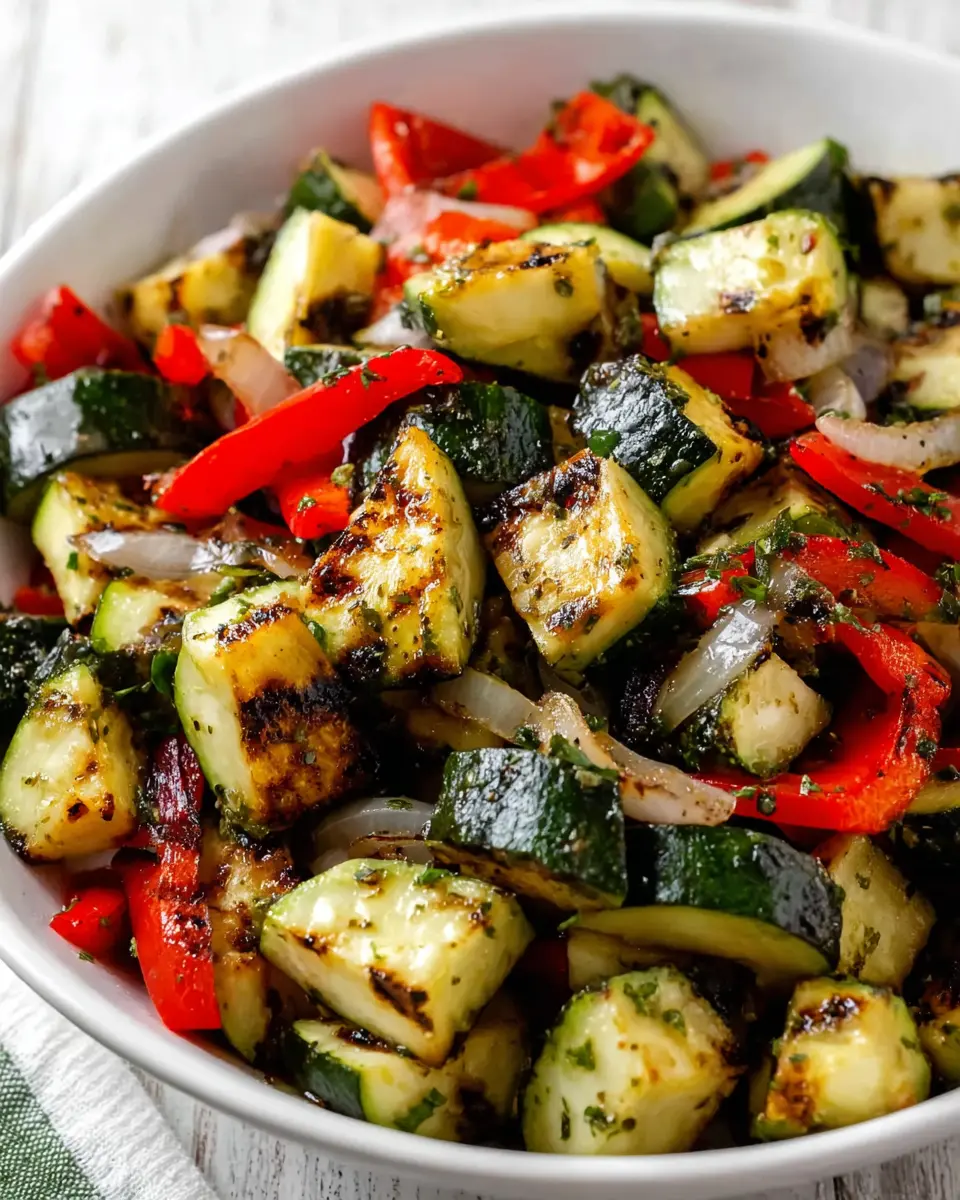
Quick, colorful, and full of smoky garden flavor, Grilled Veggies in a Basket is a simple side dish that works beautifully for weeknight dinners, cookouts, and casual summer meals. The Italian dressing marinade adds fast seasoning, while the grill brings tender texture and light char, making it an effortless addition to any meal.
This is the kind of side dish that makes outdoor cooking feel effortless and transforms simple produce into something truly special. You can prep the vegetables ahead, let them soak up flavor in the fridge, and then toss everything into a hot grill basket when it is time to cook, saving you valuable time during busy evenings.
Why You Will Love This Recipe
- Effortless Preparation: Simply chop, marinate, and grill for a delicious side dish that requires minimal effort and cleanup.
- Versatile Flavor: The tangy Italian dressing marinade infuses the vegetables with a delightful savory taste that complements a wide range of main courses.
- Perfect Texture: Grilling in a basket ensures even cooking, resulting in tender vegetables with just the right amount of smoky char and slight crispness.
- Quick Cooking Time: Once prepped, the vegetables grill rapidly, making this an ideal option for weeknight meals when time is of the essence.
- Healthy and Nutritious: Packed with fresh vegetables, this recipe offers a vibrant and wholesome addition to any balanced diet, adding essential vitamins and fiber.
Ingredients You Need
The beauty of this grilled vegetable recipe lies in its simplicity and the quality of the ingredients you select. Using fresh, vibrant produce ensures the best possible flavor and texture. The combination of zucchini, sweet onion, and red bell pepper provides a balanced sweetness and slight bite that holds up beautifully to the heat of the grill. This simple yet satisfying blend is enhanced by a quick marinade, making the most of your garden’s bounty or your local market’s best offerings.
Grilled Veggies in a Basket
Quick, colorful, and full of smoky garden flavor, Grilled Veggies in a Basket is a simple side dish that works beautifully for weeknight dinners, cookouts, and casual summer meals. The Italian dressing marinade adds fast seasoning, while the grill brings tender texture and light char. This is the kind of side dish that makes outdoor cooking feel effortless. You can prep the vegetables ahead, let them soak up flavor in the fridge, and then toss everything into a hot grill basket when it is time to cook. The combination is simple but really satisfying. Zucchini turns soft and lightly caramelized, sweet onion becomes mellow and golden, and red bell pepper adds a juicy bite that keeps the whole dish bright and balanced. It also works with almost any main course. Whether you are grilling chicken, burgers, steak, or sausages, these vegetables slide right onto the table and make the meal feel more complete without adding much work to your kitchen.
- 2 medium zucchini
- 1 large sweet onion
- 1 large red bell pepper
- 1/2 cup Italian salad dressing
- 1 pinch dried herbs
- Freshly ground black pepper as needed for the best flavor
- Salt to taste
- 1Trim the zucchini and slice each one in half lengthwise. Cut each half into pieces slightly smaller than 2 inches thick.
- 2Remove the peel from the onion, trim away both ends, and cut it in half. Separate the onion into layers, then cut those layers into chunks comparable in size to the zucchini pieces.
- 3Slice the red bell pepper in half, discard the seeds and stem, and cut it into pieces similar in size to the onion and zucchini.
- 4Transfer all of the prepared vegetables to a resealable plastic bag or a plastic container with a secure lid. Use the smallest container that will hold them comfortably so the marinade coats the vegetables thoroughly.
- 5Pour the Italian dressing over the vegetables. Add the dried herbs for extra seasoning, if desired. Seal the bag or container and refrigerate for 4 to 6 hours, or leave the vegetables to marinate throughout the day.
- 6When ready to cook, place a grill basket or grill pan on the grill grate and preheat the grill, along with the pan, to medium-high heat. The grill should be hot enough that you can only keep your hand above it for a few seconds.
- 7While the grill heats, drain the marinated vegetables in a colander over the sink so the excess dressing can drip away. This step is important for reducing flare-ups during grilling.
- 8Add the drained vegetables to the hot grill basket and spread them into an even layer so as many pieces as possible make contact with the surface.
- 9Close the grill lid and cook the vegetables, stirring them every 5 minutes so they brown evenly on all sides.
- 10Grill for 15 to 20 minutes, or until the vegetables are tender with a slight crispness and a bit of char around the edges. For a lighter finish, monitor them closely as they cook.
- 11Remove the vegetables from the grill and serve them hot. Season with salt and freshly ground black pepper to taste just before serving.
Keywords: Grilled Veggies, Basket, Zucchini, Onion, Red Bell Pepper, Italian Dressing, Side Dish, BBQ, Cookout, Summer Meal, Vegetarian
- medium zucchini: provides a tender and mild base that grills quickly while maintaining its structure.
- large sweet onion: contributes natural sweetness and mellows beautifully under the heat, adding depth to the flavor profile.
- large red bell pepper: introduces vibrant color and a pleasing sweetness, offering a delightful crunch even after grilling.
- cup Italian salad dressing: serves as a convenient marinade, imparting oil, tang, and seasoning in one easy step.
- pinch dried herbs: an optional addition to enhance the aromatic qualities and deepen the grilled flavor experience.
- freshly ground black pepper: adds a touch of warmth and a pleasant bite, particularly vibrant when added just before serving.
- salt: crucial for bringing out the natural flavors of the vegetables and should be adjusted to your personal preference after cooking.
The exact quantities for these ingredients are detailed within the recipe card above, ensuring you have all the necessary measurements for a successful culinary outcome.
Variations
This versatile grilled vegetable recipe can be easily adapted to suit various dietary preferences and flavor profiles, ensuring everyone at your table can enjoy this delicious side dish.
Vegan Delight: To make this dish entirely vegan, simply ensure your chosen Italian dressing is plant-based. Many store-bought Italian dressings are naturally vegan, but it’s always good to check the ingredients for any hidden animal products like anchovies or dairy. The vegetables themselves are, of course, vegan, and the dressing provides all the necessary flavor without any animal-derived components.
Low-Carb Adaptations: For those following a low-carb lifestyle, this recipe is already quite accommodating. You can further enhance its low-carb appeal by focusing on non-starchy vegetables and omitting any higher-carb additions. Consider adding mushrooms, asparagus, or broccoli florets to the mix, as they are all excellent choices for grilling and are naturally low in carbohydrates. Ensure your Italian dressing is low in sugar as well.
Spicy Kick: If you enjoy a bit of heat, introducing a spicy element to the marinade or as a finishing touch can elevate this dish. A pinch of red pepper flakes added to the Italian dressing before marinating will infuse the vegetables with a subtle warmth. Alternatively, a drizzle of your favorite hot sauce over the grilled vegetables just before serving can provide a more pronounced spicy kick. Remember to adjust the heat level according to your personal preference.
Herbaceous Infusion: While dried herbs are mentioned as optional, you can significantly enhance the flavor by incorporating fresh herbs. Towards the end of the grilling process, toss in some fresh rosemary sprigs, thyme, or chopped parsley. These fresh herbs will wilt slightly and release their aromatic oils, creating a wonderfully fragrant and complex flavor profile that complements the grilled vegetables beautifully.
Citrus Zest: A hint of citrus can add a bright, refreshing note to the grilled vegetables. Before grilling, you can toss the vegetables with a bit of lemon or lime zest. This subtle addition provides a lovely aromatic quality and a touch of acidity that balances the richness of the grilled components, making the dish feel lighter and more invigorating. It pairs particularly well with seafood mains.
How to Prepare Grilled Veggies in a Basket
Step 1: Preparing the Vegetables for the Grill
Begin by thoroughly washing all your chosen vegetables to remove any dirt or residue. For the zucchini, trim off both ends and then cut them into substantial, uniform chunks, roughly 1.5 to 2 inches in size. This size is crucial for ensuring they cook evenly on the grill without becoming too soft or falling apart. Similarly, for the sweet onion, peel away the outer layers, trim off the top and bottom, and then cut it into wedges or large, comparable chunks.
The red bell pepper should be cored, seeded, and then cut into pieces that are similar in size to the zucchini and onion. Consistency in size is paramount for achieving even cooking across all the vegetables; some pieces being too small will overcook and burn while larger pieces remain underdone. This meticulous preparation lays the groundwork for a perfectly grilled dish where every bite is delightful.
Consider the density of each vegetable when determining the exact size. For instance, dense root vegetables might benefit from slightly smaller cuts than softer items like bell peppers. The goal is to have them all reach a tender-crisp stage simultaneously, creating a harmonious texture in the final dish. This attention to detail in the initial chopping stage significantly impacts the overall success of the grilled vegetables.
Step 2: Marinating for Maximum Flavor
Once your vegetables are cut into uniform pieces, transfer them to a large resealable plastic bag or a sturdy container with a tight-fitting lid. The key here is to ensure the vegetables are not crammed too tightly, allowing the marinade to coat each piece effectively. Add about half a cup of your preferred Italian salad dressing to the bag or container. If you are using dried herbs, such as oregano, basil, or a blend, this is the perfect time to add a pinch or two for an extra layer of aromatic flavor.
Seal the bag or container securely and gently shake or toss to ensure all the vegetables are evenly coated with the dressing and herbs. Then, refrigerate the mixture for at least 4 hours, and ideally for up to 6 hours, or even overnight if you have the time. This marinating period allows the vegetables to absorb the tangy, savory flavors of the Italian dressing, infusing them with deliciousness from the inside out. The oil in the dressing also helps to tenderize the vegetables slightly, preparing them for the intense heat of the grill.
During the marinating process, it’s a good idea to give the bag or container a gentle shake every hour or so. This ensures that the marinade is distributed evenly and prevents any vegetables from sitting in one spot for too long, which could lead to uneven flavor absorption or potential sogginess. The longer they marinate, the more profound the flavor will be, making them an irresistible side dish that truly stands out.
Step 3: Preheating the Grill and Basket
When you are ready to begin grilling, place your grill basket or a sturdy grill pan directly onto the grill grates. Preheat your grill to a medium-high heat, ensuring that the grill basket or pan also gets thoroughly hot. A hot grilling surface is critical for achieving those desirable char marks and preventing the vegetables from sticking to the basket. Aim for a temperature where you can only hold your hand about an inch above the grill for a few seconds before it becomes too uncomfortable.
Allow the grill and basket to preheat for at least 10 to 15 minutes. This ensures that the entire surface is evenly heated, which will give you the best results in terms of searing and cooking. If you are using a grill pan, make sure it’s designed for outdoor grilling and can withstand the high temperatures. A well-preheated surface is the secret to achieving that delightful smoky flavor and perfect texture.
The preheating process is not just about temperature; it’s also about creating a foundation for even cooking. Imagine the grill basket as an extension of your stovetop; just as you preheat a pan before adding ingredients, the same principle applies here. This step minimizes the chances of flare-ups from dripping marinade and promotes a beautiful, consistent browning on all the vegetables.
Step 4: Draining the Vegetables
Before you transfer the marinated vegetables from their bag or container to the hot grill basket, it is absolutely essential to drain them thoroughly. Pour the vegetables into a colander set over your sink to allow any excess Italian dressing to drip away completely. This step is crucial for preventing excessive flare-ups on the grill, which can occur when the oil from the marinade drips onto the hot coals or burners. Excess marinade can lead to uneven cooking and a burnt flavor rather than a pleasant char.
Gently shake the colander a few times to remove as much liquid as possible. While some residual dressing is fine and contributes to the flavor, a significant amount of pooling liquid can cause issues during grilling. This quick draining process ensures that the vegetables will cook properly and develop a nice sear without the risk of excessive charring from dripping oils and sugars. It’s a small step that makes a big difference in the final outcome.
Think of this as removing the “wet” from the vegetables so they can “grill” rather than “steam.” The goal is to let the direct heat of the grill do its work, caramelizing the natural sugars in the vegetables and imparting that signature smoky flavor. A well-drained vegetable will brown beautifully, creating a more appealing and delicious final product.
Step 5: Grilling the Vegetables
Carefully add the drained vegetables to the preheated grill basket. Spread them out in a single, even layer as much as possible. This even distribution ensures that each piece of vegetable has direct contact with the hot surface of the basket and the grill, allowing for uniform cooking and charring. Avoid overcrowding the basket, as this can lead to the vegetables steaming rather than grilling, which will result in a softer, less flavorful outcome.
Close the lid of the grill and let the vegetables cook. It is important to give them time to develop those beautiful char marks and tenderize. Every few minutes, stir or toss the vegetables in the basket to ensure they are cooking evenly and to prevent any single side from burning. This stirring action exposes different sides of the vegetables to the heat, promoting consistent browning and softening across the entire batch. Watch for the edges to start caramelizing and the vegetables to soften slightly.
The cooking time will vary depending on the heat of your grill and the size of your vegetable pieces, but typically it ranges from 15 to 20 minutes. Keep an eye on them, and use your judgment to determine when they have reached your desired level of tenderness and char. The goal is tender, slightly caramelized vegetables with appealing grill marks.
Step 6: Finishing and Serving
Once the vegetables have reached your desired level of tenderness, with appealing browned edges and a slight crispness remaining in the center, carefully remove the grill basket from the heat. Transfer the grilled vegetables to a serving platter or bowl. Now is the time to add the final touches of seasoning. Sprinkle generously with salt and freshly ground black pepper to taste. This seasoning is best added after cooking, as the flavors of the salt and pepper will be more pronounced and vibrant.
Toss the vegetables gently with the salt and pepper to ensure even distribution. Serve the grilled vegetables immediately while they are still warm and possess that wonderful smoky aroma from the grill. The vibrant colors and enticing aroma will make them an instant favorite at any meal, perfectly complementing grilled meats, poultry, or fish. The slight crispness adds a pleasant textural contrast that makes each bite exciting.
The final seasoning step is crucial for balancing the flavors. Salt enhances the natural sweetness of the vegetables, while fresh black pepper adds a subtle warmth that rounds out the taste profile. Don’t be shy with the pepper; its fresh grind adds an aromatic quality that’s hard to beat. Enjoy this simple yet incredibly flavorful side dish!
Pro Tips for Grilled Veggies in a Basket
Preheat Properly: Always preheat your grill basket for at least 10-15 minutes over medium-high heat before adding the vegetables. This ensures a good sear, prevents sticking, and promotes even cooking, leading to better char marks and flavor development. A hot basket is your best friend for achieving delicious grilled vegetables.
Don’t Overcrowd: Resist the temptation to stuff too many vegetables into the basket. Overcrowding will cause the vegetables to steam rather than grill, resulting in a mushy texture and lack of desirable char. Cook in batches if necessary to ensure adequate space for each piece.
Uniform Cuts Matter: Cut your vegetables into similarly sized pieces. This is crucial for ensuring they all cook at the same rate. If pieces are too varied in size, you’ll end up with some being perfectly cooked while others are either undercooked or burnt to a crisp. Consistency is key to a balanced dish.
Drain Well After Marinating: Before grilling, drain the marinated vegetables thoroughly in a colander. Excess marinade can cause excessive flare-ups and prevent the vegetables from browning properly. A quick drain is vital for a clean grill and better results.
Strategic Stirring: While it’s important to stir the vegetables every few minutes to promote even cooking, avoid stirring them too frequently. Give them enough time to develop a nice char on each side before tossing them. This allows for caramelization and that sought-after smoky flavor.
Serving Suggestions for Grilled Veggies in a Basket
Decoration
For an appealing presentation, garnish the finished grilled vegetables with a sprinkle of fresh, chopped parsley or chives. A few thin slices of lemon or lime can also be artfully arranged around the platter, offering a visual cue to the dish’s refreshing potential. Consider a light dusting of smoked paprika for an extra pop of color and a hint of smokiness that complements the grilling process beautifully.
Side Dishes
These grilled vegetables are incredibly versatile and pair wonderfully with a wide array of main courses. They are a perfect accompaniment to grilled chicken breasts, juicy pork chops, tender steak, or succulent grilled shrimp. For a more casual meal, spoon them alongside burgers, hot dogs, or pulled pork sandwiches. They also offer a fresh, bright contrast to heartier dishes like baked salmon or roasted lamb.
For a lighter meal, serve them over a bed of fluffy rice, quinoa, or couscous. The warm, flavorful vegetables will soak into the grains, transforming a simple base into a more substantial and satisfying dish. They can also be incorporated into pasta salads or grain bowls, adding a vibrant burst of flavor and texture. Their adaptability makes them a go-to side for any occasion.
Creative Serving Ideas
Transform these grilled vegetables into a delightful appetizer by serving them atop toasted baguette slices with a dollop of creamy goat cheese or a sprinkle of feta. You can also fold them into omelets or frittatas for a flavorful breakfast or brunch option. For a quick and healthy lunch, mix them with a light vinaigrette and serve them over mixed greens for a vibrant salad. Consider incorporating them into quesadillas or fajitas for an exciting Tex-Mex twist.
They also make a fantastic filling for vegetarian wraps or as a topping for homemade pizzas. The smoky char from the grill adds a unique depth of flavor that elevates even the simplest of dishes. Their versatility truly shines when you get creative with how you incorporate them into your culinary repertoire, making them a dynamic addition to your cooking.
Preparation & Storage
Storing Leftovers
Leftover grilled vegetables can be stored in an airtight container in the refrigerator for up to 3 days. While they will lose some of their crispness and char as they cool, they still retain a wonderful flavor. It’s best to allow them to cool completely before sealing the container to prevent condensation, which can make them soggy. Ensure the container is well-sealed to maintain freshness and prevent them from absorbing other odors in the refrigerator.
Freezing
Freezing is generally not recommended for this particular grilled vegetable dish. Vegetables like zucchini and bell peppers tend to become very soft and lose their desirable texture once thawed, often becoming watery and mushy. The grill’s char and slight crispness are qualities that do not typically fare well through the freezing and thawing process. For the best eating experience, it is advisable to consume them fresh or refrigerate any leftovers.
Reheating
To reheat your leftover grilled vegetables, the best method is to warm them gently in a skillet over medium heat for a few minutes. This helps to bring back some of the texture and a hint of that grilled edge, preventing them from becoming overly soft. You can add a tiny splash of olive oil or water to the skillet if they seem dry. Alternatively, you can reheat them in the microwave in short intervals, checking their temperature and texture frequently, though this method will result in a softer consistency.
Frequently Asked Questions
-
Can I marinate the vegetables overnight for a deeper flavor?
While you can marinate the vegetables overnight, 4 to 6 hours is typically sufficient for the flavors to penetrate. Zucchini, in particular, is quite tender and can become overly soft if left to marinate for an extended period, which might affect its texture on the grill. For optimal results, a marinating time of 4-6 hours ensures a good flavor infusion without compromising the vegetables’ structure.
-
What are the best alternatives if I don’t have a grill basket?
If a grill basket is unavailable, a sturdy grill pan designed for outdoor use or even a heavy-duty aluminum foil tray with small holes poked in it can serve as excellent alternatives. The primary goal is to contain the vegetables, prevent them from falling through the grill grates, and still allow sufficient heat circulation for even cooking and charring. Ensure whatever you use can withstand direct heat from the grill.
-
How can I ensure the vegetables don’t become soggy on the grill?
To prevent sogginess, several key steps are important: cut the vegetables into reasonably large pieces to maintain structure, drain them very well after marinating to remove excess liquid, and ensure your grill and basket are properly preheated before adding the vegetables. Avoid over-stirring, as this can disrupt the browning process and contribute to steaming. Allowing them sufficient time to char will help them retain a pleasing, slightly crisp texture.