Easy Chicken Pasta Primavera – Quick Dinner Idea!
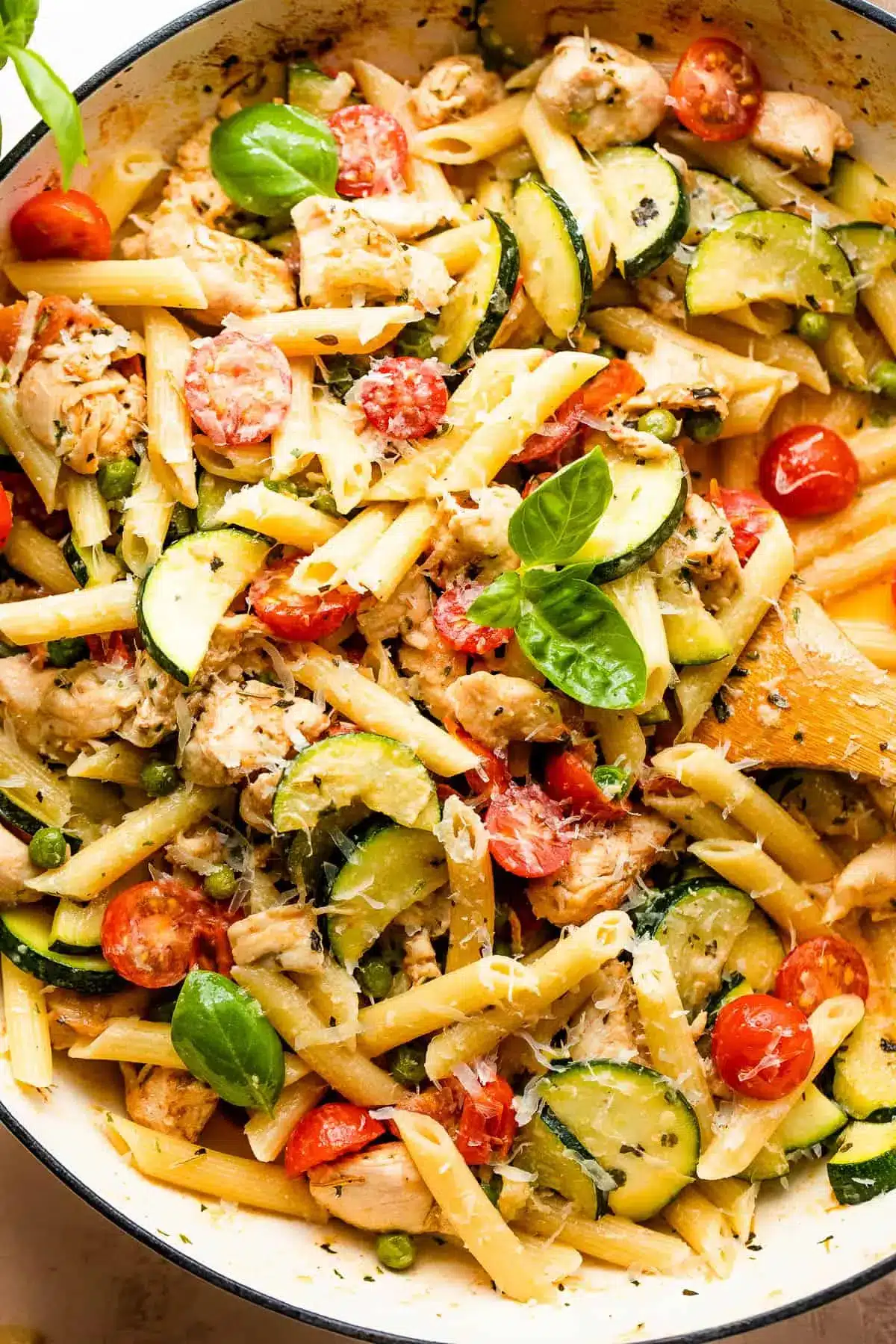
Get ready to discover your new favorite weeknight meal: Chicken Pasta Primavera. This vibrant dish bursts with flavor and color, making it a perfect choice for any occasion.
Imagine tender pieces of chicken and a medley of crisp-tender vegetables, all coated in a luscious, creamy Parmesan sauce and tossed with perfectly cooked pasta. It’s the kind of meal that satisfies every craving and leaves everyone asking for seconds.
Why You Will Love This Recipe
- Speedy Preparation: This entire meal comes together in about 30 minutes, making it ideal for busy weeknights when time is of the essence.
- Flavorful and Fresh: A delightful combination of savory chicken, bright vegetables, and a rich, creamy sauce creates a taste sensation that’s both comforting and exciting.
- Versatile and Adaptable: Easily customize this recipe with your favorite vegetables or pasta shapes to suit your personal preferences and what you have on hand.
- Visually Appealing: The colorful array of vegetables makes this dish as beautiful to look at as it is delicious to eat, perfect for impressing guests or simply brightening up your dinner table.
- Crowd-Pleasing: This recipe is a guaranteed hit with both kids and adults, offering a balanced and satisfying meal that appeals to a wide range of palates.
Ingredients You Need
The success of any great dish hinges on the quality of its ingredients. For this Chicken Pasta Primavera, we’re focusing on fresh, vibrant components that will sing together in every bite. Choosing good quality chicken and the freshest vegetables you can find will elevate this already fantastic recipe to extraordinary new heights.
Chicken Pasta Primavera
Juicy chicken and colorful veggies star in this Chicken Pasta Primavera, all tossed in a rich Parmesan sauce that's just too good to resist! It's quick to whip up, making it a winning choice for busy nights when you want a tasty meal without the wait. Get ready for clean plates and happy faces!
- 8 to 10 ounces dry penne pasta
- 2 tablespoons olive oil
- 1 pound skinless boneless chicken breasts, cut into 1-inch cubes or long thin strips
- Salt and freshly ground black pepper
- 1 zucchini, sliced into thin half-moons
- 1 to 2 cups grape tomatoes, quartered
- 1 cup frozen peas
- ½ tablespoon dried basil
- 1 teaspoon dried rosemary
- 1 teaspoon dried parsley
- 4 cloves garlic, minced
- ¼ cup white wine
- ¹⁄&sbsp3; cup heavy whipping cream
- ¼ cup grated fresh parmesan cheese
- Chopped fresh basil, for garnish
- 1Cook pasta according to the directions on the package.
- 2In the meantime, heat oil in a large 14-inch skillet set over medium-high heat.
- 3Season the chicken pieces with salt and pepper, add the chicken to the hot oil, and cook for 5 minutes.
- 4Stir in the zucchini, tomatoes, and frozen peas; season with dried basil, rosemary, and parsley.
- 5Stir in garlic and continue to cook for 3 minutes, stirring occasionally.
- 6Stir in the wine and scrape up all the browned bits from the bottom of the pan. Add cream and cook for 1 minute.
- 7Drain the cooked pasta, then stir the pasta into the skillet. Taste for salt and adjust accordingly. Remove from heat.
- 8Top with parmesan cheese, garnish with basil, and serve.
Keywords: Chicken, Pasta, Primavera, Creamy, Easy, Quick, Dinner, Italian-inspired
You’ll find the precise measurements for each ingredient listed in the recipe card below. This ensures perfect results every time.
Variations
This Chicken Pasta Primavera is wonderfully adaptable, allowing for endless creative twists. Whether you’re looking to cater to specific dietary needs or simply want to explore new flavor profiles, there’s a variation for everyone.
Consider a delightful Vegan rendition by omitting the chicken and dairy. Instead, sauté firm tofu or a medley of hearty mushrooms and bell peppers until golden. Use a cashew-based cream sauce or a light, lemony olive oil and vegetable broth base to keep it entirely plant-based and incredibly satisfying.
For those following a Low Carb lifestyle, a simple swap can transform this dish. Instead of traditional pasta, spiralize zucchini into “zoodles” or use shirataki noodles. These alternatives absorb the creamy sauce beautifully and significantly reduce the carbohydrate count, offering a guilt-free indulgence.
You could also explore a Gluten-Free option by simply selecting your favorite gluten-free pasta. Many excellent varieties are available on the market today, made from rice, corn, or legumes, which hold up wonderfully in this saucy dish. Ensure all other ingredients are also certified gluten-free for a complete dietary modification.
Adding a touch of spice can also be a fantastic variation. Consider incorporating a pinch of red pepper flakes along with the garlic or stirring in a tablespoon of your favorite hot sauce into the cream sauce. This offers a pleasant warmth that complements the richness of the dish without overpowering the fresh vegetable flavors.
Another exciting path is to infuse it with Mediterranean flavors. Add Kalamata olives, sun-dried tomatoes, and perhaps some crumbled feta cheese towards the end of cooking. A sprinkle of fresh oregano would also add an authentic touch to this delightful twist.
Think about seasonal additions too. In the summer, fresh corn kernels and blanched green beans are divine additions. In the fall, roasted butternut squash cubes can bring a wonderful sweetness and earthy depth to the dish, transforming it into a hearty autumnal delight.
For an even more decadent experience, consider incorporating seafood. Shrimp or scallops can be quickly sautéed and added alongside the chicken, offering a luxurious seafood twist on the classic primavera. Ensure not to overcook them to maintain their delicate texture and sweet flavor.
Experiment with different herbs as well. Fresh dill can add a bright, slightly anise-like flavor that pairs surprisingly well with the creamy sauce. A touch of fresh mint, finely chopped, can add an unexpected but refreshing note, especially during warmer months.
The possibilities are truly endless when it comes to making this Chicken Pasta Primavera your own. Each variation offers a unique culinary adventure, proving that this dish is not just a recipe, but a canvas for your creativity.
How to Prepare Chicken Pasta Primavera
Step 1: Master the Pasta Perfection
Begin by bringing a large pot of generously salted water to a rolling boil. This initial step is crucial for infusing your pasta with flavor from the very start. Never underestimate the power of well-seasoned pasta water; it’s the foundation for a truly delicious dish.
Once the water is at a vigorous boil, add your chosen pasta, which for this recipe is typically penne, but any short pasta shape like farfalle or rotini will work beautifully. Stir the pasta immediately to prevent any sticking. Cook the pasta according to the package directions, aiming for that perfect al dente texture – tender yet with a slight bite.
Avoid the temptation to overcook. Mushy pasta will detract from the overall texture of your Chicken Pasta Primavera. Once it reaches the desired consistency, drain the pasta thoroughly, but do not rinse it. The slight starchiness left on the pasta is actually beneficial; it helps the sauce cling to each piece, ensuring every bite is coated in deliciousness.
Reserve about a cup of the starchy pasta water before draining. This liquid gold can be used later to adjust the consistency of your sauce if it becomes too thick, helping to emulsify the sauce and create a smoother, more integrated dish. Store it in a mug or small bowl set aside.
While the pasta is cooking, you can simultaneously begin the other components of the dish. This parallel preparation maximizes efficiency and ensures everything is ready to be combined at the perfect moment. The aroma of the cooking pasta itself will already begin to fill your kitchen, promising the delicious meal to come.
Consider the type of pasta you’re using. If you opt for a heartier whole wheat or legume-based pasta, you might need to adjust the cooking time slightly. Always refer to the package instructions as a primary guide, but tasting a piece a minute or two before the suggested time is the best way to ensure that ideal al dente bite.
The process of cooking pasta is fundamental to so many Italian-inspired dishes. It’s a simple technique, yet mastering it—getting that perfect texture consistently—elevates your cooking significantly. Think of it as the canvas upon which all the other vibrant flavors will be painted.
Step 2: Sear the Savory Chicken
In parallel with the pasta cooking, take a large, wide skillet, preferably one that can accommodate all your ingredients later, and place it over medium-high heat. Add two tablespoons of good quality olive oil to the skillet. Let the oil heat up until it shimmers slightly; this indicates it’s hot enough for searing.
Prepare your chicken breasts by cutting them into uniform 1-inch cubes or long, thin strips. This ensures even cooking. Season these chicken pieces generously with salt and freshly ground black pepper. Don’t be shy with the seasoning; it’s the first layer of flavor for your chicken.
Carefully add the seasoned chicken to the hot skillet. Be sure not to overcrowd the pan, as this can lead to steaming rather than searing, resulting in less flavor and a pale appearance. If necessary, cook the chicken in batches, transferring the cooked chicken to a plate to keep warm while you continue.
Sear the chicken for about 5 minutes, turning occasionally, until it’s golden brown on all sides and cooked through. The goal here is to develop a beautiful crust that locks in the juices and adds a depth of flavor to the dish. Once cooked, remove the chicken from the skillet and set it aside on the plate you used earlier.
The fond, those delicious browned bits left in the bottom of the pan after searing the chicken, are packed with flavor and will be crucial for deglazing in a later step. Resist the urge to wipe the pan clean; this is where the magic happens.
If you’re using chicken thighs instead of breasts, they will require a slightly longer cooking time to ensure they are fully cooked through. Their higher fat content also makes them more forgiving and often results in an even more tender and flavorful chicken component in your pasta.
The visual cue of a nicely seared piece of chicken is incredibly satisfying. It promises a texture that is both tender on the inside and slightly crisp on the outside, a perfect counterpoint to the soft pasta and vegetables.
Step 3: Introduce the Vibrant Vegetables and Herbs
Once the chicken is seared and set aside, return the same skillet to medium-high heat, if it has cooled significantly. You’ll likely have enough residual oil from the chicken, but if the pan seems dry, add another drizzle of olive oil.
Now, it’s time to introduce the star vegetables to the pan. Add the thinly sliced zucchini and the quartered grape tomatoes. If you’re using larger tomatoes, dice them up into bite-sized pieces. Also, add the cup of frozen peas directly from the freezer; they will thaw and cook quickly in the hot pan.
As you add the vegetables, season them lightly with salt and pepper. This ensures each component is seasoned individually, building layers of flavor. Now, sprinkle in the dried herbs: ½ tablespoon of dried basil, 1 teaspoon of dried rosemary, and 1 teaspoon of dried parsley. These dried herbs will toast slightly in the hot pan, releasing their fragrant oils and infusing the vegetables with their essence.
Stir everything together, allowing the vegetables to sauté for about 3 minutes. You want them to become tender-crisp, retaining a slight bite and their vibrant colors. The tomatoes will start to soften and release some of their juices, which will contribute to the sauce.
Next, add the minced garlic (about 4 cloves) to the pan. Stir it in and continue to cook for an additional 1 to 2 minutes, just until the garlic is fragrant. Be careful not to burn the garlic, as this can impart a bitter flavor. Its aroma should be wonderfully pungent and inviting.
The combination of colors from the green zucchini, red tomatoes, and bright green peas, along with the fragrant herbs, creates a visually stunning base. This medley of fresh produce is what gives Pasta Primavera its name and its iconic fresh appeal.
If you’re incorporating other vegetables like broccoli florets, sliced bell peppers, or mushrooms, this is the stage to add them. Ensure they are cut to a similar size to the zucchini for even cooking. The goal is a harmonious blend of textures and flavors.
The gentle sautéing process softens the vegetables just enough while preserving their nutritional value and bright, fresh taste. This stage is all about coaxing out the natural sweetness and aroma of each ingredient.
Step 4: Deglaze and Craft the Creamy Sauce
With the vegetables beautifully softened and fragrant, it’s time to create that luscious sauce that ties everything together. Pour ¼ cup of good quality white wine into the hot skillet. As the wine hits the pan, you’ll hear a sizzle, and steam will rise.
Use a wooden spoon or spatula to vigorously scrape up all the browned bits (fond) that have adhered to the bottom of the skillet from searing the chicken. This process, known as deglazing, incorporates all that concentrated flavor into your sauce, adding immense depth and richness.
Let the wine simmer for about 1 minute, allowing the alcohol to evaporate and the flavors to meld with the vegetable and herb essences. The wine also adds a subtle acidity that balances the richness of the cream that’s about to be added.
Next, pour in ¼ cup of heavy whipping cream. Stir it into the wine and vegetable mixture. The cream will immediately begin to thicken the sauce, transforming it into a velvety, luxurious coating for your pasta and chicken.
Continue to cook the sauce for another minute, stirring constantly. You’ll notice it will start to coat the back of your spoon, achieving a beautiful, creamy consistency. This is where the magic really happens, bringing all the individual components into a cohesive and delicious whole.
If your sauce seems a bit too thick at this stage, this is where that reserved pasta water comes in handy. Add a tablespoon or two of the starchy pasta water to the sauce, stirring well to incorporate it. This will loosen the sauce and help it emulsify perfectly, creating a smooth, glossy finish.
The combination of the wine’s acidity, the cream’s richness, and the infused herb and garlic flavors creates a sauce that is both complex and comforting. It’s designed to cling beautifully to every strand of pasta.
For an even deeper flavor profile, consider using a dry vermouth or even a splash of chicken broth if you prefer not to use wine. The key is to add a liquid that will help lift those delicious browned bits from the bottom of the pan.
Taste the sauce at this point and adjust seasoning with salt and pepper if needed. Remember that Parmesan cheese will also add saltiness, so be mindful of that.
Step 5: Unite and Emulsify the Dish
Now that your pasta is cooked to al dente perfection and your luscious sauce is ready, it’s time to bring everything together in one glorious skillet. Gently drain any excess water from the cooked pasta, ensuring it’s not too wet.
Carefully transfer the drained pasta directly into the skillet with the creamy vegetable sauce. Return the seared chicken pieces to the skillet as well, along with any accumulated juices from the plate. This ensures all the deliciousness is incorporated into the final dish.
Using your wooden spoon or tongs, gently stir and toss everything together. You want to coat every piece of pasta and every chunk of chicken with the rich, creamy sauce. The residual heat from the pan and the pasta will continue to cook the sauce slightly and marry the flavors.
Continue tossing until the pasta and chicken are thoroughly coated and the sauce has emulsified beautifully, clinging to each component. If the sauce seems a bit too thick and is not coating the pasta evenly, add a splash of the reserved pasta water, one tablespoon at a time, while tossing. This will help to achieve a perfect, glossy consistency.
The aim is for a dish where the sauce acts as a luxurious binder, not a watery pooling at the bottom. The vegetables should be evenly distributed throughout the pasta and chicken mixture, creating a visually appealing and texturally interesting meal.
This is the moment where all your efforts culminate into a single, harmonious dish. The aroma should be incredible, a blend of savory chicken, fragrant herbs, garlic, and creamy richness.
Ensure the chicken is heated through again. If you feel the dish needs a little more moisture, a tiny splash of milk or broth can also be used if you’ve run out of pasta water, though pasta water is generally preferred for its starch content.
Take a moment to admire the vibrant colors and textures before serving. This is a dish that truly celebrates fresh ingredients and comforting flavors, all coming together in a delightful symphony.
Step 6: Garnish and Serve with Flair
Once the pasta, chicken, and sauce are perfectly combined, it’s time for the final touches that elevate this dish from delicious to divine. Remove the skillet from the heat. Sprinkle ¼ cup of freshly grated Parmesan cheese over the top of the pasta mixture.
Allow the residual heat to gently melt the cheese. The Parmesan will add a delightful salty, nutty flavor and a bit more creaminess to the dish. Stir it in gently to distribute it evenly throughout the pasta and sauce.
For a final flourish of freshness and aroma, generously garnish the Chicken Pasta Primavera with chopped fresh basil. The vibrant green basil not only adds a beautiful visual contrast but also imparts a wonderful, aromatic fragrance that complements the creamy sauce perfectly. A little goes a long way in awakening the senses.
Serve the Chicken Pasta Primavera immediately while it’s hot and at its most delicious. Ladle generous portions into warm bowls. This dish is substantial and satisfying on its own, making it a complete meal.
Observe how the fresh basil and melted Parmesan cheese catch the light, promising a burst of flavor with every bite. The vibrant colors of the vegetables stand out beautifully against the creamy sauce and tender pasta.
This final presentation step is crucial for the overall dining experience. It transforms a home-cooked meal into something that feels truly special and restaurant-worthy. Enjoy the fruits of your culinary labor with gusto!
Pro Tips for Chicken Pasta Primavera
- Don’t Overcook the Pasta: Always aim for al dente. Slightly undercooked pasta will finish cooking in the sauce and prevent a mushy texture.
- Seasoning is Key: Salt your pasta water generously, and don’t forget to season the chicken and vegetables as you go.
- High Heat for Searing: Ensure your skillet is hot before adding the chicken to achieve a beautiful sear that locks in juices and adds flavor.
- Reserve Pasta Water: This starchy liquid is your best friend for achieving the perfect sauce consistency, helping it emulsify and cling to the pasta.
- Fresh Herbs Matter: While dried herbs are used in the cooking process, finishing with fresh basil or parsley provides a bright, aromatic lift.
- Quality Ingredients: Opt for good quality olive oil, fresh vegetables, and real Parmesan cheese for the best possible flavor.
- Taste and Adjust: Always taste your sauce and the final dish before serving. Adjust salt, pepper, or even add a squeeze of lemon juice if needed for balance.
Serving Suggestions for Chicken Pasta Primavera
Decoration
Elevate the presentation of your Chicken Pasta Primavera with a scattering of fresh herbs. Finely chopped fresh parsley, chives, or even a few sprigs of dill can add a beautiful pop of green and a subtle aromatic note. A light dusting of extra Parmesan cheese right before serving also enhances both the visual appeal and the flavor profile, creating inviting swirls of white and green.
Side Dishes
This pasta dish pairs wonderfully with a crisp Garden Salad. A simple vinaigrette or a lemon-based dressing will complement the creaminess of the pasta without being too heavy. Another excellent accompaniment would be warm, crusty bread or garlic breadsticks, perfect for sopping up any extra sauce. A light and refreshing Asparagus Soup also makes a sophisticated starter.
Creative Serving Ideas
For a more elegant presentation, consider serving the pasta in individual shallow bowls. Artfully arrange a few pieces of chicken and colorful vegetables on top, and then drizzle with a bit more sauce. You could also present it family-style in a large, warmed serving bowl, allowing guests to help themselves. For a delightful twist, try adding a spoonful of pesto to individual servings for an extra layer of herbaceous flavor.
Preparation & Storage
Storing Leftovers
To store any leftover Chicken Pasta Primavera, allow it to cool to room temperature before transferring it to an airtight container. Refrigerate the container for up to 2-3 days. Ensure the container is well-sealed to prevent the pasta from drying out.
Freezing
While this dish is best enjoyed fresh, it can be frozen, though the texture of the sauce and vegetables may change slightly upon thawing. Portion the cooled pasta into freezer-safe containers or heavy-duty freezer bags. For best results, place a piece of plastic wrap directly on the surface of the pasta before sealing the container to minimize air exposure and prevent freezer burn.
Reheating
To reheat leftovers, the stovetop is often the best method. Place the desired portion in a skillet over medium-low heat. Add a splash of water, milk, or chicken broth to help loosen the sauce and prevent it from sticking or drying out. Stir occasionally until the pasta is heated through. If reheating from frozen, allow it to thaw in the refrigerator overnight before reheating on the stove.
Frequently Asked Questions
-
Can I use different types of chicken for this recipe?
Yes, absolutely! While boneless, skinless chicken breasts are commonly used and provide a lean protein, you can certainly substitute boneless, skinless chicken thighs. Chicken thighs tend to be more forgiving and stay moist, offering a richer flavor. Cut them into similar-sized pieces to ensure even cooking alongside the vegetables. Another excellent option for a heartier dish could be thinly sliced steak, which would transform this into a delightful steak pasta primavera, though the cooking time for the steak would need adjustment. For a vegetarian or vegan option, consider pan-seared tofu cubes or extra hearty vegetables like mushrooms and broccoli as a substitute for the chicken. -
What vegetables are best suited for Chicken Pasta Primavera, and how can I ensure they are cooked properly?
The beauty of Pasta Primavera is its versatility with vegetables. Beyond zucchini, grape tomatoes, and peas, consider adding asparagus spears, broccoli florets, bell peppers (any color), mushrooms (like cremini or shiitake), yellow squash, or even some thinly sliced red onion. For optimal cooking, cut all vegetables into uniform, bite-sized pieces so they cook evenly and quickly. Add firmer vegetables like broccoli and peppers earlier in the sautéing process, allowing them to soften slightly before adding quicker-cooking items like peas and tomatoes. The goal is for the vegetables to be tender-crisp, retaining some bite and their vibrant colors, rather than becoming mushy. -
What if I don’t have white wine, or prefer not to use it in the sauce? Can I substitute it?
Certainly! If you don’t have white wine or prefer to omit it, you have several excellent alternatives. Chicken broth or vegetable broth are fantastic substitutes, providing liquid for deglazing and adding savory depth to the sauce. To replicate the slight acidity that wine brings and brighten the sauce, add a squeeze of fresh lemon juice to the broth when you add it to the pan. A splash of dry vermouth can also be used if you have it on hand, offering a similar complex flavor profile. Grape juice, while unusual, can also work in a pinch for deglazing, though it may add a slight sweetness that you might want to balance with a bit more lemon.