Crock Pot Rump Roast – Easy + Cozy Dinner Idea!
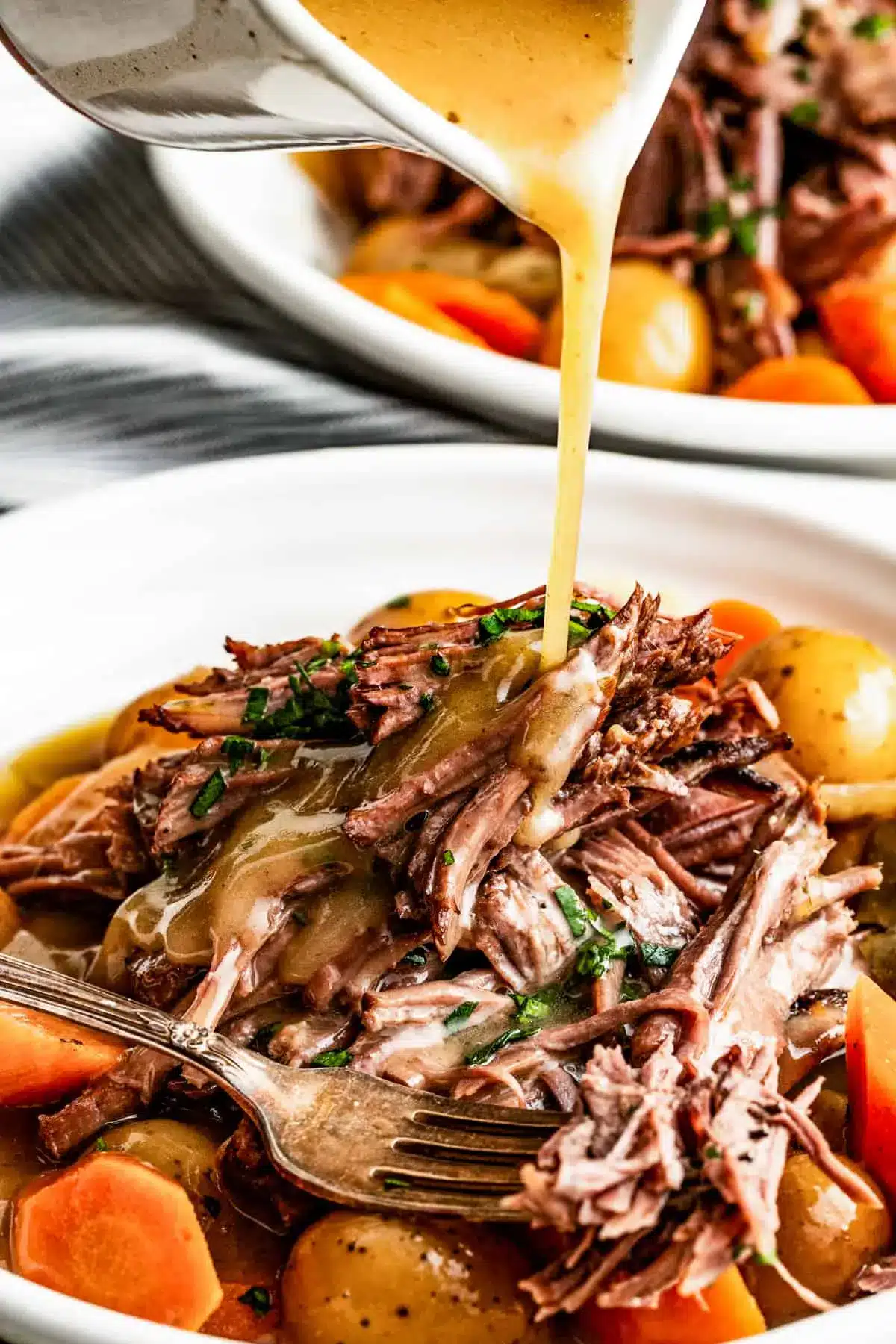
The aroma of slow-cooked comfort food is truly one of life’s simple pleasures, and a perfectly tender rump roast is the epitome of that feeling. This particular recipe transforms a typically robust cut of beef into a melt-in-your-mouth delight, infused with the savory essence of vegetables and herbs, all achieved with minimal effort.
Imagine coming home to a house filled with the most inviting scents, knowing a wholesome and delicious meal is waiting for you without any last-minute culinary stress. This crock pot rump roast delivers exactly that experience, making it an ideal centerpiece for family dinners or even a comforting meal on a chilly evening. It’s a dish that speaks to the heart of home cooking.
Why You Will Love This Recipe
- Effortless Preparation: With just 20 minutes of hands-on time, you can assemble all the ingredients in your slow cooker and let it work its magic for hours. This truly embodies the “set it and forget it” cooking philosophy, freeing you up for other tasks or simply to relax.
- Unbeatable Tenderness: Low and slow cooking is the secret to transforming a less tender cut like rump roast into something incredibly succulent and fork-tender. The extended cooking time at a gentle temperature allows the connective tissues to break down beautifully, resulting in a luxurious texture.
- All-in-One Meal: This recipe is wonderfully self-sufficient, featuring tender beef alongside hearty carrots and potatoes, creating a complete and satisfying meal in one pot. While optional sides can elevate it further, it stands proudly on its own as a balanced dish.
- Rich, Savory Gravy: The accompanying gravy is the perfect finishing touch, adding an extra layer of depth and moisture that brings all the elements of the dish together harmoniously. It’s a velvety sauce that you’ll want to savor with every bite, enhancing the overall flavor profile significantly.
- Family-Friendly Appeal: The comforting flavors and tender texture of this rump roast are universally loved, making it a reliable crowd-pleaser for all ages. It’s a dish that evokes feelings of warmth and tradition, perfect for creating cherished mealtime memories.
Ingredients You Need
Crafting this delicious crock pot rump roast relies on using quality, fresh ingredients that will meld together beautifully during the slow cooking process. Opting for a good cut of beef and vibrant vegetables will significantly contribute to the final depth of flavor and overall appeal of the dish. The simplicity of the ingredients allows the natural richness of the beef and the sweetness of the vegetables to truly shine through.
Crock Pot Rump Roast
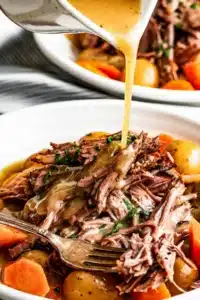
Tender Crock Pot Rump Roast slow cooked with carrots and potatoes creates a delicious meal for busy weeknights or cozy family gatherings. This recipe requires only 20 minutes of prep time.
- For the rump roast:
- 3 pounds rump roast
- 2 tablespoons sea salt
- 1 tablespoon freshly ground black pepper
- 1 medium yellow onion, cut into 1-inch pieces
- 5 large carrots, cut into 1-inch pieces
- 1½ pounds baby potatoes
- 4 cloves garlic, smashed
- 1 tablespoon dried oregano
- 2 bay leaves
- 2 tablespoons avocado oil, or vegetable oil
- 5 cups beef stock, or beef broth
- For the gravy:
- 3 tablespoons salted butter
- 3 tablespoons all-purpose flour
- salt and freshly ground black pepper, to taste
- 1For the rump roast: Season the rump roast with sea salt and ground black pepper and let sit until it comes to room temperature (about 15 minutes).
- 2In the meantime, add the chopped yellow onions, carrots, baby potatoes, garlic, oregano, and bay leaves to the bowl of a slow cooker. Set aside.
- 3Heat the avocado oil in a heavy-bottomed pan over medium-high heat.
- 4Place the seasoned rump roast in the pan and let sear for 2 minutes before flipping and searing for 2 minutes on the other side.
- 5Transfer the seared rump roast to the slow cooker; pour in the beef stock. The liquid should cover about 3/4 of the rump roast. If needed, add more broth.
- 6Close the slow cooker and cook on low heat for 8 hours, flipping the roast halfway through.
- 7When cooking time is up, remove the beef from the slow cooker and transfer it to a cutting board. Shred the rump roast using two forks or meat shredders – it should be fall-apart tender. If it's not pulling easily, place it back in the slow cooker and continue to cook for 30 more minutes and up to one hour.
- 8For the gravy: Melt the butter in a saucepan over medium heat.
- 9Add the flour and whisk continuously for 2 minutes (do NOT allow the mixture to brown).
- 10Slowly add 3 cups of the cooking liquid from the slow cooker, whisking continuously until smooth.
- 11Allow the gravy to simmer for 3 to 4 minutes or until thickened to your desired consistency, stirring occasionally.
- 12Serve the shredded rump roast over the carrots and potatoes and top with the gravy.
Keywords: crock pot, slow cooker, rump roast, beef, carrots, potatoes, comfort food, dinner, easy
- rump roast: a flavorful cut of beef that benefits greatly from slow cooking to achieve optimal tenderness, making it ideal for this recipe.
- sea salt: essential for seasoning and enhancing the natural flavors of the beef and vegetables, ensuring a well-balanced taste profile.
- freshly ground black pepper: adds a subtle warmth and a hint of spice that complements the richness of the roast.
- yellow onion: provides a sweet and savory aromatic base that infuses the entire dish with depth.
- carrots: contribute natural sweetness and a tender, yielding texture that softens beautifully as it cooks.
- baby potatoes: waxy potatoes are preferred as they hold their shape well while becoming wonderfully tender and flavorful.
- garlic: minced or smashed, it imparts a pungent, savory aroma that is fundamental to the roast’s overall taste.
- dried oregano: a classic herb that adds an earthy, slightly peppery note, harmonizing with the beef and vegetables.
- bay leaves: their subtle, herbaceous aroma infuses the cooking liquid, adding a layer of complexity to the roast.
- avocado oil: a high-smoke-point oil ideal for searing the roast, ensuring a beautiful crust without burning.
- beef stock: forms the flavorful braising liquid, tenderizing the meat and creating the base for a delicious gravy.
- salted butter: used to create the roux for the gravy, adding richness and a smooth, luxurious texture.
- all-purpose flour: works with the butter to thicken the cooking liquid into a luscious, cohesive gravy.
- salt and freshly ground black pepper (to taste): for final adjustments to the gravy, ensuring perfect seasoning.
The precise quantities for each ingredient are detailed in the recipe card above for your convenience.
Variations
While this classic crock pot rump roast recipe is a beloved standard, the beauty of slow cooking allows for endless culinary creativity. You can easily adapt this dish to suit different dietary preferences or to explore new flavor profiles, ensuring that everyone can enjoy a comforting, home-cooked meal.
For those following a ketogenic or low-carbohydrate lifestyle, transforming this recipe is straightforward. Begin by omitting the potatoes entirely, as they are a primary source of carbohydrates. Instead, you can fill that space in the crock pot with a generous medley of non-starchy vegetables like Brussels sprouts, broccoli florets, cauliflower florets, or even large chunks of bell peppers and zucchini. These vegetables will absorb the rich flavors of the beef and gravy beautifully, providing a satisfying and healthy alternative. The cooking time might need slight adjustments if you add denser vegetables like Brussels sprouts, ensuring they become tender without becoming mushy.
To create a vibrant vegan or vegetarian version, the foundation of the slow-cooked flavors can be recreated using hearty plant-based ingredients. Swap the beef roast for large, meaty portobello mushrooms, firm tofu that has been pressed and cubed, or even seitan for a satisfyingly chewy texture. Use vegetable broth instead of beef stock, and ensure your seasoning remains robust with plenty of garlic, onion, and herbs like rosemary and thyme. The vegetables – carrots and potatoes – can remain, or you can incorporate a wider variety of root vegetables like parsnips or sweet potatoes for added complexity and sweetness. The resulting gravy, thickened with flour and vegetable broth, will still be incredibly rich and satisfying.
Elevating this dish with international flair opens up a world of possibilities. Consider infusing the slow cooker with a taste of French cuisine by adding pearl onions, a splash of red wine to the beef stock, and a bouquet garni of thyme, parsley, and bay leaves, serving it with a side of creamy mashed potatoes or crusty baguette. Alternatively, transport your taste buds to Italy by adding Italian seasoning, a pinch of red pepper flakes for a gentle heat, and perhaps some diced tomatoes or a tablespoon of tomato paste to the liquid. Serve this Italian-inspired version with a side of polenta or your favorite pasta for a truly robust meal.
How to Prepare Crock Pot Rump Roast
Step 1: Seasoning the Roast
The journey to a perfectly tender rump roast begins with proper seasoning. Take your beef roast out of the refrigerator about 15-20 minutes before you plan to start cooking, allowing it to come closer to room temperature. This step is crucial for even cooking. Generously season the entire surface of the rump roast with sea salt and freshly ground black pepper, ensuring every inch is coated. Don’t be shy with the salt and pepper; this initial seasoning is the backbone of the roast’s flavor.
While the roast is resting and absorbing the seasonings, you can begin preparing the base of vegetables for the slow cooker. Chop your yellow onion into substantial 1-inch pieces, ensuring they are large enough to withstand the long cooking time without disintegrating completely. Similarly, prepare your carrots by peeling them and cutting them into equally sizable 1-inch chunks. If you are using larger waxy potatoes, such as Yukon Golds or red potatoes, cut them into approximately 1-inch cubes as well, ensuring they are roughly the same size as the carrots for even cooking. Smash the cloves of garlic with the flat side of your knife; this releases their aromatic oils and makes them easier to distribute throughout the dish.
This initial preparation sets the stage for the slow cooker to work its magic. The well-seasoned roast and the aromatic vegetables will begin to meld their flavors from the very first moment they are placed in the pot. The salt and pepper will start to draw out some moisture from the meat, creating a more flavorful surface for searing, which is the next critical step in developing depth of flavor.
Step 2: Searing the Beef
Searing the rump roast before it goes into the slow cooker is a vital step that cannot be overlooked for maximizing flavor and achieving a beautiful presentation. Heat the avocado oil, or your chosen high-smoke-point vegetable oil, in a heavy-bottomed skillet or Dutch oven over medium-high heat until it is shimmering. The high heat is essential for creating a quick, beautiful crust on the meat.
Carefully place the seasoned rump roast into the hot skillet. Allow it to sear undisturbed for approximately 2 minutes on each side, using tongs to flip it over. The goal here is to develop a deep brown, caramelized crust on all surfaces of the roast. This Maillard reaction is what imparts complex, savory notes to the beef that simply cannot be achieved through slow cooking alone. Don’t worry about cooking the roast through at this stage; it’s purely about developing that flavorful exterior.
Once each side has a beautiful, dark sear, remove the roast from the skillet and set it aside momentarily. The remnants of the searing process left in the pan, often referred to as ‘fond,’ are packed with flavor and will contribute to the overall deliciousness of the dish when deglazed. This small but impactful step elevates the humble rump roast from good to truly exceptional, adding layers of complexity that will be appreciated with every single bite of the finished meal.
Step 3: Assembling in the Slow Cooker
Now it’s time to bring all the components together in the slow cooker. Begin by adding the prepared vegetables to the bottom of your slow cooker insert. Distribute the chopped yellow onion, carrots, baby potatoes, and smashed garlic cloves evenly across the base of the pot. This layer of aromatics will create a flavorful bed for the roast to rest upon, infusing the vegetables with beefy goodness as they cook.
Next, carefully place the seared rump roast on top of the bed of vegetables. Ensure it sits snugly within the pot, surrounded by the prepared produce. After placing the roast, add the dried oregano and the bay leaves to the slow cooker, scattering them around the meat and vegetables to ensure their fragrant oils are released during the cooking process. These herbs add a wonderful depth and classic savory profile that complements the beef perfectly.
Finally, pour the beef stock into the slow cooker. You want the liquid to come up to about three-quarters of the way up the side of the roast. If your beef stock doesn’t quite reach this level, it’s perfectly acceptable to add a bit more beef broth or even water to make up the difference. The liquid is essential for tenderizing the meat and creating the base for the eventual gravy, ensuring the roast doesn’t dry out during the long cooking period.
Step 4: Slow Cooking the Roast
With all the ingredients assembled in the slow cooker, it’s time to initiate the slow cooking process. Secure the lid tightly onto the slow cooker to ensure that the heat and moisture are retained effectively throughout the cooking duration. Set your slow cooker to the “low” heat setting. This gentle, consistent heat is paramount for breaking down the tough connective tissues in the rump roast, transforming it into that coveted fall-apart tenderness.
The cooking time for this recipe is set at 8 hours on the low setting. This extended period allows the meat to cook slowly and evenly, becoming incredibly tender and flavorful. If you are able to be home around the halfway mark of the cooking time, approximately 4 hours in, it is highly recommended to carefully remove the lid and flip the rump roast over. This simple step ensures that both sides of the roast are exposed to the flavorful cooking liquid, further aiding in its tenderization and promoting a more uniform texture throughout.
Resist the urge to lift the lid frequently during the cooking process, as each time the lid is removed, the slow cooker loses heat and prolongs the cooking time. Trust the process and allow the slow cooker to do its work. The low and slow method is key to achieving that succulent, fork-tender texture that makes this dish so incredibly satisfying and enjoyable. The anticipation of the rich aroma filling your home is part of the experience.
Step 5: Preparing the Gravy
While the rump roast finishes its long, slow journey to tenderness, you can begin preparing the luscious gravy that will tie the entire meal together. Remove the tender rump roast from the slow cooker and transfer it to a clean cutting board. Allow it to rest for a few minutes before you begin shredding it. The vegetables should remain in the slow cooker, absorbing any residual juices.
In a medium saucepan, melt the salted butter over medium heat. Once the butter is fully melted and begins to foam slightly, add the all-purpose flour. Whisk the butter and flour together continuously for about 2 minutes, creating a smooth paste known as a roux. It is important to stir constantly during this stage to prevent the flour from browning or burning, which could impart an undesirable taste to your gravy; a pale, blond roux is ideal here.
Gradually ladle about 3 cups of the flavorful cooking liquid from the slow cooker into the saucepan with the roux. Whisk continuously and vigorously as you add the liquid to ensure that no lumps form. Continue to whisk and stir until the gravy is smooth and begins to thicken. Allow it to simmer gently for 3 to 4 minutes, stirring occasionally, until it reaches your desired consistency – a rich, velvety sauce that coats the back of a spoon beautifully. Taste and adjust seasoning with additional salt and freshly ground black pepper as needed, ensuring a perfectly balanced flavor profile before serving.
Step 6: Serving the Roast
The moment of truth has arrived: serving your beautifully prepared Crock Pot Rump Roast. Once the roast has rested briefly on the cutting board, it’s time to shred it. Using two forks or meat shredders, pull the meat apart into tender, succulent strands. It should be incredibly soft and easily fall apart, a testament to the success of the slow cooking method. If, by chance, the meat is not as tender as you’d hoped and resists shredding easily, you can return it to the slow cooker with the vegetables for an additional 30 minutes to an hour on low heat to continue tenderizing.
To serve, arrange a generous portion of the tender, shredded rump roast onto each plate. Pile the softened carrots and potatoes alongside the meat. The vegetables will have absorbed all the rich flavors from the slow cooker and are a perfect accompaniment to the tender beef. Spoon a liberal amount of the warm, savory gravy over the shredded beef and vegetables, ensuring every piece is coated in its lusciousness. This rich gravy enhances the overall flavor and moistness of the dish, creating a truly comforting and satisfying meal.
For an added touch of elegance and freshness, consider a garnish of chopped fresh parsley or chives scattered over the top just before serving. This not only adds a pop of color but also introduces a bright, herbaceous counterpoint to the richness of the roast and gravy. This complete dish, with its tender meat, soft vegetables, and decadent gravy, is a hearty and fulfilling meal that is sure to please the entire family. Enjoy the fruits of your effortless cooking labor!
Pro Tips for Crock Pot Rump Roast
Achieving the perfect Crock Pot Rump Roast is a delightful endeavor, and a few insider tips can elevate your dish from good to absolutely outstanding. These recommendations are born from experience and aim to help you unlock the full potential of this comforting meal, ensuring maximum flavor and tenderness every time.
Sear for Flavor and Appearance: Always take the extra few minutes to properly sear your rump roast in a hot skillet before transferring it to the slow cooker. This step is non-negotiable for developing a rich, deep brown crust through the Maillard reaction. Not only does this add an incredible depth of savory flavor that slow cooking alone cannot replicate, but it also creates a more visually appealing roast. The caramelized exterior contributes significantly to the overall gourmet quality of the finished dish.
Don’t Skimp on Seasoning: Be generous with your salt and pepper during the initial seasoning phase. Rump roast is a substantial cut of meat, and it requires adequate seasoning to bring out its inherent flavors. A bland roast is a missed opportunity for deliciousness, so don’t hesitate to season liberally. Tasting and adjusting the salt and pepper in the gravy at the end is also crucial for a perfectly balanced meal.
Ensure Sufficient Liquid: Your roast does not need to be completely submerged in the cooking liquid, but it should be at least three-quarters covered. The liquid is essential for steaming the roast and keeping it moist, as well as for creating the base of your gravy. If the recommended amount of beef stock seems insufficient to reach this level, feel free to add a little more beef broth or even water to ensure adequate moisture throughout the long cooking time.
Consider Flipping the Roast: If your schedule permits and you are home around the halfway point of the cooking time (typically 4 hours into an 8-hour cook), consider flipping the roast. This allows both sides of the meat to be exposed to the flavorful cooking liquid, promoting more even tenderization and ensuring the entire roast benefits from the braising process. It’s a simple step that can yield a more uniformly tender result.
Patience for Tenderness: Rump roast can sometimes be a bit more stubborn than other cuts. If, after the full 8 hours of cooking, the roast is not easily shredding or falling apart, don’t panic. Simply return it to the slow cooker with the vegetables and continue to cook on low for another 30 minutes to an hour. This extra time will almost always guarantee that fall-apart tender texture you’re aiming for, ensuring a perfect outcome.
Serving Suggestions for Crock Pot Rump Roast
Decoration
Elevate the presentation of your crock pot rump roast with simple yet effective garnishes that add visual appeal and a fresh counterpoint to the rich flavors. A sprinkle of freshly chopped parsley or chives over the shredded meat and vegetables provides a vibrant green contrast that makes the dish look more inviting and restaurant-quality. For an extra touch of elegance, consider a few sprigs of fresh rosemary or thyme placed artfully on the serving platter.
If you’ve opted to serve with a side of creamy mashed potatoes, a drizzle of the rich gravy over the potatoes can create beautiful streaks of color. A dollop of sour cream or a swirl of crème fraîche alongside the roast can also add a sophisticated visual element. For a rustic presentation, serving directly from a cast-iron pot or a nice earthenware dish can enhance the home-style appeal of the meal, making it feel even more comforting and welcoming.
Consider the vessel from which you are serving. A large, shallow serving platter allows the components of the meal – the shredded beef, tender vegetables, and rich gravy – to be displayed beautifully. Alternatively, individual serving bowls can be arranged with each component for a more formal presentation. Regardless of your choice, the goal is to make the meal look as appetizing as it tastes, inviting diners to enjoy every last morsel.
Side Dishes
While this rump roast recipe is wonderfully self-contained with its included vegetables, it pairs exceptionally well with a variety of classic comfort food sides to create a truly magnificent meal. Crusty dinner rolls, perhaps homemade or store-bought, are perfect for sopping up every last drop of the delicious gravy that accompanies the roast. Their slightly chewy interior and crisp exterior provide a delightful textural contrast.
A simple green salad can offer a refreshing balance to the richness of the roast and gravy. Consider a crisp romaine salad with a light vinaigrette, or a more substantial kale salad with toasted nuts and dried cranberries for added texture and flavor. For those who love potatoes, even though they are already in the roast, a side of creamy mashed potatoes or fluffy mashed cauliflower offers an extra layer of starchiness and comfort that complements the beef beautifully. Other vegetable sides like steamed green beans with slivered almonds or roasted asparagus spears can add a touch of color and extra nutrients.
If you’re looking to explore beyond the usual, consider serving this roast with a side of savory stuffing, perhaps a cornbread or traditional bread stuffing, which will absorb the gravy wonderfully. A dollop of horseradish sauce or a bit of tangy Dijon mustard served alongside can offer a zesty contrast that cuts through the richness of the beef. Each of these side dishes can be chosen to enhance the overall dining experience, turning a simple meal into a special occasion.
Creative Serving Ideas
For a unique and exciting way to present your tender crock pot rump roast, consider transforming it into other delicious dishes. One popular idea is to shred the beef and use it as a filling for savory pot pies. Simply combine the shredded meat with some of the cooked vegetables and gravy, pour into individual ramekins or a larger pie dish, top with a flaky pastry crust, and bake until golden brown and bubbly.
Another creative approach is to use the shredded roast in hearty sandwiches or sliders. Pile the warm, gravy-soaked beef onto toasted buns or slider rolls, perhaps with a layer of melted Swiss cheese or a tangy coleslaw. This makes for a fantastic casual meal or a crowd-pleasing option for game days or picnics. You could also incorporate the shredded meat into a flavorful quesadilla or a robust chili for a Tex-Mex twist.
For a more elegant presentation, consider serving the shredded rump roast over a bed of creamy polenta or a rich risotto. The smooth texture of the polenta or risotto provides a luxurious base for the tender beef and its savory gravy. Another idea is to incorporate the shredded beef into pasta dishes, such as a hearty ragu served over fettuccine or penne. These creative serving suggestions allow you to enjoy the deliciousness of the slow-cooked rump roast in a multitude of formats, ensuring you get the most out of this versatile and flavorful dish.
Preparation & Storage
Storing Leftovers
Properly storing leftover crock pot rump roast is key to maintaining its deliciousness and ensuring food safety. Once the meal is finished and you have any remaining portions, allow them to cool down to room temperature at a safe pace, generally within two hours of cooking. Avoid leaving the food at room temperature for extended periods, as this can encourage bacterial growth.
Once cooled, transfer the leftover roast, vegetables, and any remaining gravy into airtight containers. You can use glass or BPA-free plastic containers. Ensure the lids are sealed tightly to prevent air exposure, which can lead to drying out or freezer burn if you decide to freeze it later. Store these containers in the refrigerator, where the leftovers should remain fresh and safe to consume for up to 4 days. It’s always a good practice to label your containers with the date you stored them.
When you’re ready to enjoy the leftovers, the aroma and flavor should still be quite delightful. The key to reheating is to do so gently to avoid drying out the tender meat. The following reheating methods are ideal for preserving the quality and taste of your delicious Crock Pot Rump Roast leftovers. Proper storage ensures you can savor this comforting meal again with minimal loss of quality.
Freezing
Freezing is an excellent option for preserving any extra portions of your delicious crock pot rump roast, especially if you know you won’t consume them within the 4-day refrigerated window. However, it’s important to note that not all components of the dish freeze equally well. The tender beef itself freezes beautifully and reheats remarkably well, retaining much of its succulence and flavor.
The vegetables, particularly the carrots and potatoes, can become somewhat softer and more prone to a mushy texture upon thawing and reheating. For the best results when freezing, it is recommended to separate the beef from the vegetables before freezing. Shred the cooked beef and place it into freezer-safe bags or airtight containers. Ensure you remove as much air as possible from the bags to prevent freezer burn. Label the containers clearly with the contents and the date of freezing.
Store the shredded beef in the freezer for up to 3 months. If you choose to freeze the vegetables as well, store them in a separate container. When you are ready to use your frozen beef, the best method for thawing is to transfer it from the freezer to the refrigerator the night before. This gradual thawing process helps to maintain the texture and quality of the meat more effectively than rapid thawing methods. Properly frozen and thawed beef will still provide a wonderfully satisfying meal.
Reheating
Reheating your crock pot rump roast leftovers requires a gentle approach to ensure the meat remains tender and moist, rather than becoming dry or tough. The stovetop method is often preferred for its ability to maintain moisture. Place the shredded beef and any desired vegetables into a skillet over medium-low heat. Add a splash of beef broth, water, or some of the leftover gravy to the skillet before you begin heating. Stir gently and occasionally until the food is heated through, which usually takes about 5-10 minutes. This gradual heating allows the meat to warm evenly without overcooking.
Alternatively, you can reheat the leftovers in the oven, which is a great option if you are reheating a larger portion or wish to minimize active cooking time. Preheat your oven to 325°F (160°C). Transfer the leftovers to an oven-safe baking dish, adding a bit of beef broth or gravy to prevent drying. Cover the dish tightly with foil to trap the moisture and heat. Bake for approximately 15-20 minutes, or until the food is heated through. Check periodically to ensure it’s not drying out.
If you froze the beef separately, ensure it is fully thawed in the refrigerator before reheating. Follow the stovetop or oven reheating instructions as described. The goal with any reheating method is to bring the food up to a safe internal temperature while preserving the tender texture of the beef and the overall flavor of the dish. With a little care, your leftovers will be just as delicious as the original meal.
Frequently Asked Questions
-
Can I use a different cut of beef besides rump roast for this recipe?
Absolutely! While rump roast is ideal due to its balance of flavor and tendency to become tender with slow cooking, other beef cuts can be successfully used. A chuck roast is a very popular and excellent substitute; it’s well-marbled and becomes exceptionally tender when slow-cooked. Top sirloin is another option, offering a slightly leaner profile but still yielding good results when cooked low and slow. When substituting, be mindful that cooking times might vary slightly depending on the fat content and density of the chosen cut. Always aim for a cut that benefits from braising or slow cooking to achieve the best texture and flavor.
-
What is the best way to ensure the vegetables don’t become mushy when cooked for so long?
While vegetables cooked in a slow cooker for extended periods will naturally soften significantly, there are ways to manage their texture. Ensuring the vegetables are cut into fairly large, uniform pieces, typically around 1-inch chunks, helps them hold their shape better. Avoid overcrowding the slow cooker, as this can lead to uneven cooking and steaming, which can make vegetables overly soft. If you prefer firmer vegetables, you can add them to the slow cooker during the last 2-3 hours of cooking, rather than at the beginning. Alternatively, consider cooking some of the vegetables separately (like roasting them) and serving them alongside the tender, shredded beef and gravy for a textural contrast.
-
My rump roast is not as tender as I expected after the recommended cooking time; what should I do?
Don’t worry if your rump roast isn’t fall-apart tender after the initial 8 hours of cooking; it’s a common occurrence, especially with leaner cuts. The key is patience. If the meat resists shredding easily with forks, simply return it to the slow cooker with the vegetables and cooking liquid. Continue to cook on the “low” setting for an additional 30 minutes to an hour. This extra time allows the connective tissues to continue breaking down, which is crucial for achieving that desired fork-tender texture. You can check the tenderness periodically until it easily pulls apart. Ensuring sufficient liquid in the slow cooker also helps promote tenderness.