Lemon Coconut Naked Cake
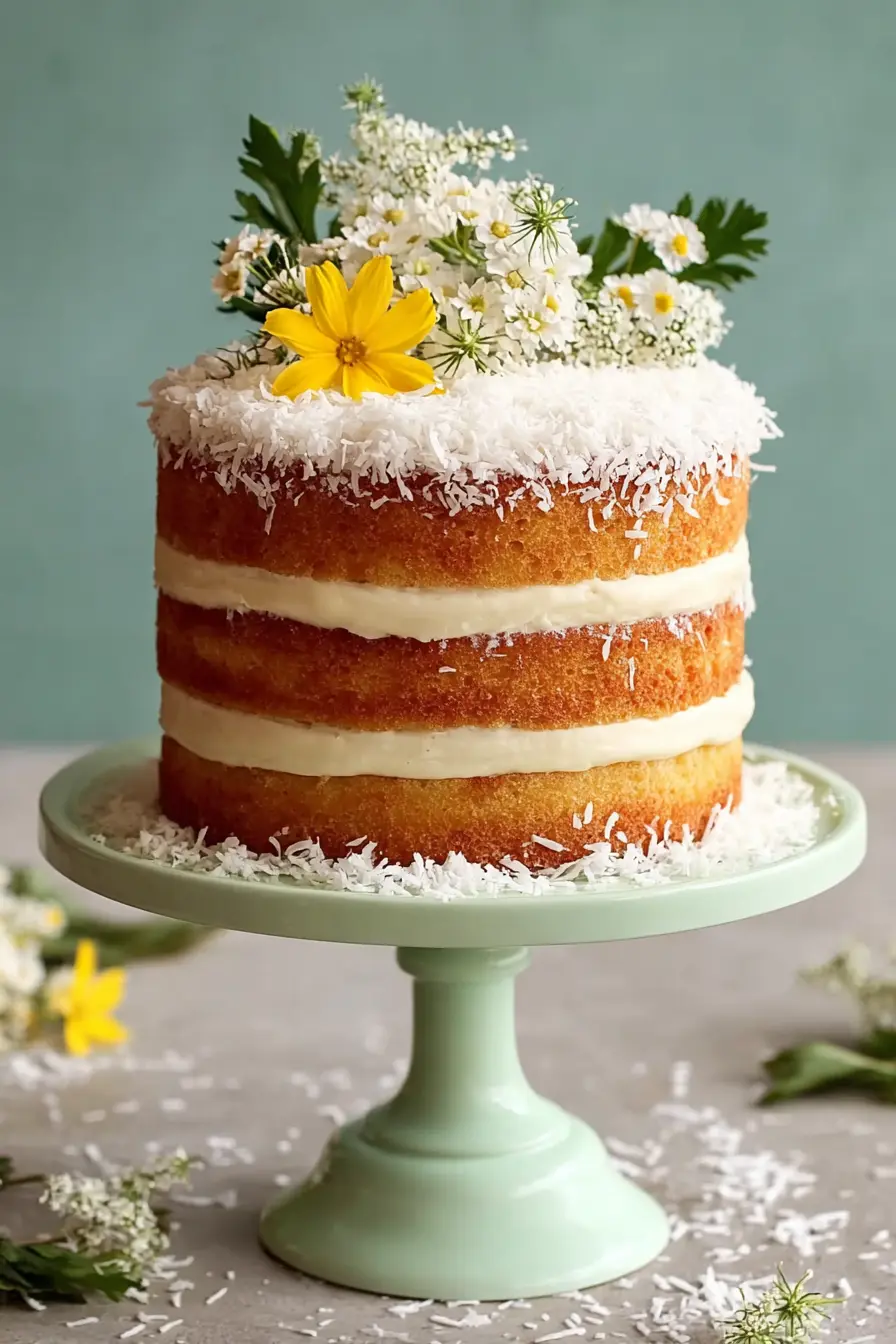
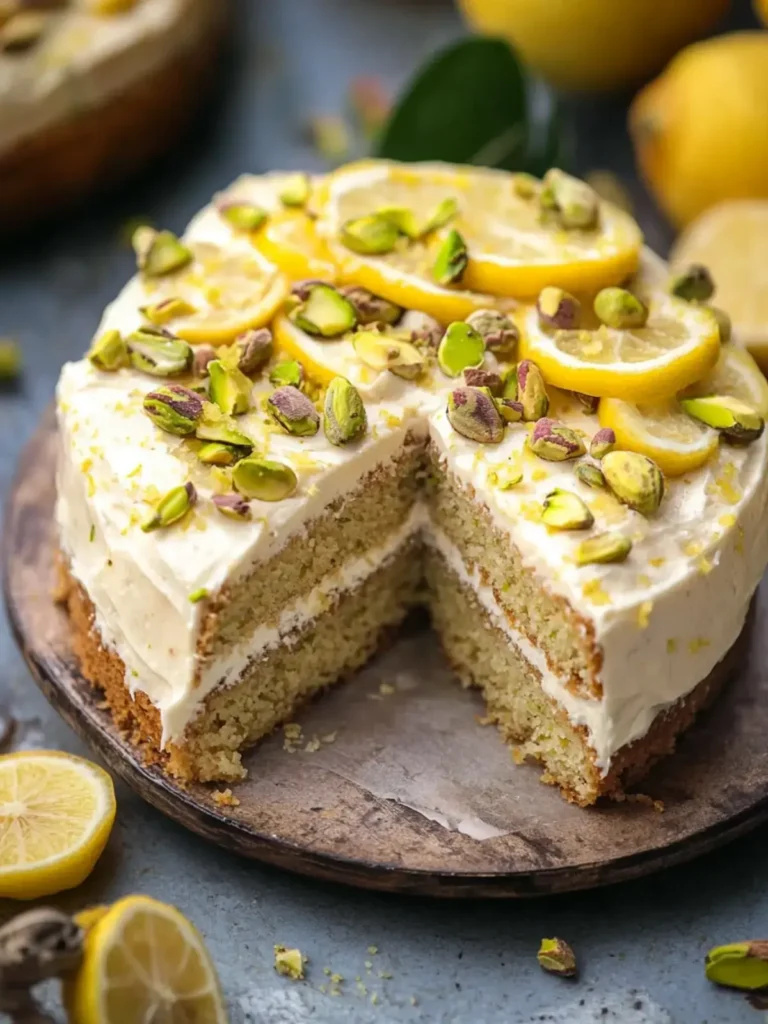
This Lemon Coconut Naked Cake is a delightful symphony of tropical sweetness and zesty citrus, designed to impress with its elegant simplicity. Its moist coconut-infused layers, kissed by a bright lemon syrup and crowned with a delicate honey buttercream, offer a sophisticated yet wonderfully approachable dessert experience.
Imagine a cake that looks stunning on any table, requiring no elaborate frosting techniques, yet delivers a refined finish. This naked cake style beautifully showcases its layered structure and vibrant flavors, making it perfect for both casual gatherings and special celebrations.
Why You Will Love This Recipe
- Effortless Elegance: The naked cake style means less time on intricate decorating and more time enjoying the beautiful, natural layers of the cake, creating a sophisticated look with minimal fuss.
- Perfect Flavor Balance: A harmonious blend of sweet coconut, bright lemon, and mellow honey ensures every bite is a delightful experience, never too sweet or too tart.
- Moist and Tender Crumb: Ingredients like coconut milk, yogurt, and coconut oil work together to create an exceptionally tender and moist cake that stays delightful even when served chilled.
- Make-Ahead Convenience: The components can be prepared in advance, allowing for easy assembly, making it an ideal dessert for busy hosts or planned events.
- Versatile Appeal: Its light yet flavorful profile makes it suitable for various occasions, from spring brunches and afternoon teas to birthdays and elegant dinner parties.
Ingredients You Need
Selecting the freshest and highest-quality ingredients will elevate this Lemon Coconut Naked Cake from good to absolutely sublime. The combination of pantry staples and fresh produce comes together to create a cake that is both comforting and elegantly refined, a true testament to simple, wholesome baking.
Lemon Coconut Naked Cake
A tender, coconut-infused layer cake brightened with fresh lemon zest and finished with a honey-kissed buttercream. This elegant naked cake features moist layers, a light citrus syrup, and a delicate coconut topping for a refined yet approachable dessert.
- 3 cups all-purpose flour
- 1 tablespoon finely grated fresh lemon zest
- 1 cup sweetened shredded coconut
- 1 1/2 cups granulated sugar
- 3/4 cup coconut oil, cooled
- 1 cup full-fat coconut milk
- 1/2 cup plain Greek yogurt
- 3 large eggs, brought to room temperature
- 1 tablespoon vanilla extract
- 1 1/2 teaspoons baking soda
- 1 1/2 teaspoons baking powder
- 1 teaspoon salt
- 1/4 cup freshly squeezed lemon juice
- 1/3 cup honey
- 1 1/2 cups salted butter, softened
- 2 ounces cream cheese, softened
- 1 1/2 cups icing sugar
- 1/3 cup honey
- 1 teaspoon vanilla extract
- Extra sweetened shredded coconut
- 1Preheat the oven to 350°F. Prepare either three 6-inch round cake pans or two 8-inch round cake pans by greasing them thoroughly. Line the bases with parchment paper, then lightly butter or coat with cooking spray to help the cakes release cleanly after baking.
- 2In the bowl of a stand mixer, or in a large mixing bowl using a hand mixer, combine the coconut oil, Greek yogurt, eggs, granulated sugar, vanilla extract, and coconut milk. Beat until the mixture is smooth and fully blended.
- 3Add the flour, baking soda, baking powder, and salt to the wet mixture. Mix on low speed just until the batter comes together without overworking it.
- 4Gently fold in the lemon zest and shredded coconut until evenly distributed throughout the batter.
- 5Divide the batter evenly among the prepared pans. Transfer to the oven and bake for 30 to 35 minutes, or until the tops are set and the centers no longer appear unsteady.
- 6Remove the cakes from the oven and allow them to rest in the pans for 5 minutes. Loosen the edges with a knife, then carefully turn the layers out onto a wire rack to cool. Using a skewer or similar tool, make 3 to 5 small holes across the top of each cake layer.
- 7To prepare the syrup, place the lemon juice and honey in a small saucepan over high heat. Bring the mixture to a boil and cook for 1 to 2 minutes, or until it thickens slightly. Remove from the heat and let it cool until just warm, about 10 minutes.
- 8For the frosting, beat the softened butter and cream cheese together in the bowl of a stand mixer until very pale and fluffy, about 3 to 4 minutes.
- 9Add the icing sugar and honey gradually, then continue beating for about 2 more minutes until the frosting is smooth, airy, and well whipped. Mix in the vanilla extract until fully incorporated. If a firmer consistency is needed, add a little more icing sugar.
- 10Place one cake layer onto a serving plate or cake stand. Spoon a light amount of the honey-lemon syrup over the surface. Spread one-third of the buttercream over the top, then scatter over a small handful of shredded coconut.
- 11Repeat the layering process with the remaining cake layers, applying syrup, frosting, and coconut to each. Avoid overfilling between layers so the finished cake remains stable and easy to slice.
- 12Serve the cake immediately, or refrigerate it for up to 1 day before serving.
Keywords: Lemon Coconut Naked Cake
Quantities for each ingredient can be found in the detailed recipe card.
Variations
To further personalize this delightful cake, consider incorporating a few creative twists. These adaptations can cater to specific dietary needs or simply offer a new flavor dimension to explore.
For a delightful vegan rendition, dairy can be swapped with plant-based alternatives. Use a flax egg or commercial egg replacer, ensure your coconut milk is full-fat and unsweetened, and opt for a plant-based yogurt. The buttercream can be made using vegan butter sticks and a touch more plant-based milk to achieve the desired consistency.
A low-carb version is also achievable by carefully substituting ingredients. Use a blend of almond flour and coconut flour for the cake base, and a sugar substitute like erythritol or stevia in both the cake and frosting. The lemon and coconut flavors will still shine through beautifully.
Enhance the citrus profile by adding a tablespoon or two of fresh lemon juice directly into the cake batter alongside the zest. For an extra tropical punch, consider toasting some of the shredded coconut before folding it into the batter; this adds a nutty depth and delightful crispness to the layers.
How to Prepare Lemon Coconut Naked Cake
Step 1: Preparing the Cake Pans and Oven
Begin by preheating your oven to the precise temperature of 350 degrees Fahrenheit (175 degrees Celsius). This ensures an even baking environment from the moment the pans enter the oven.
Thoroughly grease three 6-inch round cake pans or two 8-inch round cake pans. For extra assurance against sticking, line the bottom of each pan with parchment paper circles. Once the parchment is in place, lightly butter or spray the parchment and sides of the pans again. This meticulous preparation is key to achieving clean, unblemished cake layers that are essential for a naked cake’s appearance.
This careful pan preparation prevents the delicate cake layers from tearing when you try to remove them. It’s a small step that makes a significant difference in the final presentation and ease of assembly. The even surface created will contribute to a professional-looking final product.
Step 2: Mixing the Wet Ingredients
In the bowl of a stand mixer fitted with the paddle attachment, or in a large mixing bowl using a hand mixer, combine the cooled coconut oil, Greek yogurt, room-temperature eggs, granulated sugar, vanilla extract, and full-fat coconut milk. It’s crucial that the eggs and other dairy components are at room temperature for optimal emulsification and a smoother batter.
Beat these wet ingredients together until the mixture is completely smooth and uniformly blended. This step ensures that all the moisture and fat components are well incorporated, creating a stable base for the dry ingredients. A well-emulsified wet mixture contributes to a tender cake crumb and prevents the dreaded pockets of unincorporated ingredients.
The smooth, creamy consistency achieved here is the foundation of a moist cake. It means the fats are distributed evenly, which will later coat the flour particles and prevent gluten overdevelopment, leading to a wonderfully tender texture. Pay attention to scraping down the sides of the bowl to ensure everything is fully integrated.
Step 3: Combining Wet and Dry Ingredients
To the smoothly blended wet ingredients, add the all-purpose flour, baking soda, baking powder, and salt. It is highly recommended to sift these dry ingredients together beforehand to aerate them and remove any lumps, which further contributes to a lighter cake texture. Sifting also ensures that the leavening agents are evenly distributed.
Mix the batter on a low speed until it just begins to come together and the flour streaks have mostly disappeared. It is absolutely critical at this stage not to overmix. Overworking the batter will develop the gluten in the flour too much, resulting in a tough, dense cake instead of the light, tender crumb desired for this recipe.
Once the dry ingredients are almost fully incorporated, gently fold in the finely grated fresh lemon zest and the sweetened shredded coconut. Folding ensures that these delicate additions are evenly distributed throughout the batter without further developing the gluten. The zest will release its aromatic oils, and the coconut will provide its characteristic texture and flavor. Even distribution is key for consistent flavor in every bite.
Step 4: Dividing and Baking the Batter
Carefully divide the cake batter as evenly as possible among the prepared pans. Using a kitchen scale can help ensure each pan receives an equal amount of batter, which promotes uniform baking and makes stacking the layers much easier and more stable. Aim for consistency in height.
Transfer the filled pans to the preheated oven and bake for approximately 30 to 35 minutes. The cakes are ready when the tops are set to the touch and a wooden skewer or toothpick inserted into the center comes out clean or with just a few moist crumbs attached. Avoid opening the oven door too early, as this can cause the cakes to fall.
Once baked, allow the cake layers to rest in their pans on a wire rack for about 5 to 10 minutes. This brief resting period allows the cakes to firm up slightly before being inverted. Then, carefully invert the layers onto the wire rack to cool completely. While the cakes are still warm on the rack, gently poke small holes across the tops of each layer using a skewer or fork. These holes will allow the syrup to soak in, infusing the cake with moisture and flavor.
Step 5: Preparing the Lemon-Honey Syrup
While the cake layers are cooling, prepare the simple yet impactful lemon-honey syrup. In a small saucepan, combine the freshly squeezed lemon juice and honey. The sweetness of the honey will beautifully complement the tartness of the lemon, creating a perfectly balanced flavor profile for the syrup.
Place the saucepan over high heat and bring the mixture to a gentle boil. Cook for just 1 to 2 minutes, stirring occasionally, until the syrup has slightly thickened. You are not aiming for a thick, candy-like syrup, but rather a light, brushable consistency that will easily penetrate the cake layers without making them soggy. The goal is subtle enrichment.
Remove the syrup from the heat and let it cool until it is just warm to the touch, which should take about 10 minutes. This warm syrup is ideal for brushing over the cake layers, as it will be absorbed more readily than a cold syrup. Its warmth helps it to meld beautifully with the cake’s crumb, enhancing its overall moistness and citrus essence.
Step 6: Making the Honey Buttercream Frosting
For the delicious frosting, begin by creaming together the softened salted butter and softened cream cheese in the bowl of a stand mixer fitted with the paddle attachment. Beat these ingredients on medium-high speed for about 3 to 4 minutes until the mixture is very pale in color and exceptionally light and fluffy. This vigorous beating incorporates air, which is essential for a smooth, airy buttercream.
Gradually add the icing sugar, alternating with the honey, while the mixer is on low speed. Once all the icing sugar and honey have been added, increase the speed to medium-high and continue to beat for another 2 to 3 minutes. The frosting should become incredibly smooth, airy, and well-whipped, with a lovely, spreadable consistency. Ensure all the icing sugar is dissolved and fully incorporated.
Finally, mix in the vanilla extract until it is fully incorporated into the frosting. Taste the buttercream and adjust the sweetness or consistency if needed. If the frosting is too soft, you can add a tablespoon or two more of icing sugar. If it’s too stiff, a tiny splash of milk or lemon juice can loosen it. The goal is a luscious, spreadable frosting that complements the cake without overwhelming it.
Step 7: Assembling the Naked Cake
Place one of the cooled cake layers onto your chosen serving plate or cake stand. Spoon a light, even layer of the warm honey-lemon syrup over the surface of this cake layer using a pastry brush. This step is crucial for adding moisture and a bright citrus note that permeates the entire cake.
Next, spread approximately one-third of the prepared honey buttercream over the syrup-coated layer. Add a small scattering of extra sweetened shredded coconut over the buttercream; this adds a lovely texture and visual appeal between the layers. Don’t overdo the filling; a restrained amount of frosting is key to the naked cake aesthetic and stability.
Repeat this layering process with the remaining cake layers, ensuring each layer receives its share of syrup, buttercream, and a sprinkle of coconut. For the top layer, apply a light, even coating of buttercream, leaving the sides of the cake exposed to showcase the beautiful layers beneath. This is the essence of a naked cake – a celebration of its structure and subtle adornment.
Pro Tips for Lemon Coconut Naked Cake
Ensure Ingredients are Room Temperature: For both the cake batter and the buttercream, using ingredients like eggs, butter, yogurt, and coconut milk at room temperature is paramount. This allows them to emulsify smoothly, preventing a curdled batter or a greasy frosting, and ensures a consistent texture in your final bake.
Cool Layers Completely Before Assembly: Patience is key when assembling this naked cake. Ensure your cake layers are fully cooled on a wire rack before you even think about applying syrup or frosting. Warm layers will cause the buttercream to melt, leading to a messy and unstable cake.
Don’t Over-Frost the Layers: The beauty of a naked cake lies in its exposed layers. Apply a moderate amount of frosting between the layers and a very thin, rustic coating on the outside. This restraint not only maintains the naked cake aesthetic but also makes slicing much cleaner and easier.
Gentle Folding is Key: When incorporating the flour and then the zest and coconut into the cake batter, use a gentle folding motion. Overmixing after adding flour will develop gluten, resulting in a tough cake. Similarly, over-folding can break down the delicate structure of the shredded coconut.
Syrup Application Matters: Brush the syrup evenly over the cooled cake layers. This ensures that each bite is infused with that delightful lemon-honey flavor and extra moisture, preventing the cake from drying out. However, avoid drenching the layers, as this can lead to sogginess and structural issues.
Serving Suggestions for Lemon Coconut Naked Cake
Decoration
Adorning this Lemon Coconut Naked Cake is an opportunity for elegant simplicity. A dusting of extra sweetened shredded coconut over the top layer, mimicking fresh snowfall, provides a natural and textural finish. Fresh flowers, such as delicate thyme blossoms or vibrant edible blooms like pansies or violets, can add a pop of color and sophistication, especially if the cake is for a special occasion.
Thin curls of fresh lemon zest or small wedges of candied lemon peel can further emphasize the cake’s bright citrus notes. For a touch of rustic charm, a few strategically placed sprigs of fresh mint or edible herbs like rosemary can offer a beautiful contrast in both color and aroma. The key is to enhance, not overpower, the cake’s inherent beauty.
Consider a very light drizzle of honey over the top just before serving, allowing it to naturally cascade down the sides. This adds a touch of glistening sweetness and visual interest. Alternatively, a few fresh berries, such as raspberries or blueberries, can offer a vibrant, contrasting color and a burst of fresh tartness.
Side Dishes
This cake pairs wonderfully with a variety of refreshing accompaniments that complement its delicate flavors. Fresh berries are an exceptional choice; their natural tartness and vibrant colors provide a beautiful contrast to the cake’s sweetness and texture. Think a simple bowl of mixed berries or a specific serving of ripe raspberries or blueberries.
A light, unsweetened whipped cream or a dollop of coconut cream can add an extra layer of creamy indulgence without making the dessert too heavy. This offers a cooling counterpoint to the cake’s flavors and textures. For a more refined touch, consider serving it alongside a simple fruit salad featuring melon, kiwi, and more berries.
Beverage pairings are also important. A delicate hot tea, like a jasmine green tea or a light Earl Grey, would be lovely. Alternatively, a chilled sparkling water with a slice of lemon or a mild, sweet iced tea would offer a refreshing contrast, allowing the cake’s nuanced flavors to remain the star.
Creative Serving Ideas
For a truly memorable presentation, serve individual slices of the Lemon Coconut Naked Cake with a tiny scoop of homemade lemon sorbet or a quenelle of coconut gelato. The frozen element provides a delightful textural and temperature contrast, enhancing the overall dessert experience.
Consider a “deconstructed” approach for an avant-garde presentation: arrange a smear of honey buttercream on the plate, place a small piece of cake alongside, and drizzle with the lemon-honey syrup, scattering a few toasted coconut flakes for good measure. This allows guests to experience the components in a new way.
Another creative idea is to serve smaller, bite-sized portions as part of a dessert bar. These miniature versions are perfect for parties where guests can sample multiple treats. They also make for charming wedding favors or elegant additions to a tea party spread, offering a taste of sunshine and tropical bliss.
Preparation & Storage
Storing Leftovers
Due to the presence of the cream cheese and butter in the frosting, this Lemon Coconut Naked Cake must be stored in the refrigerator. Use an airtight cake container or cover the cake snugly with plastic wrap to prevent it from drying out and to avoid absorbing any unwanted odors from other food items in the fridge. Properly stored, the cake can maintain its delightful texture and flavor for 2 to 3 days.
It is important to allow the cake to come to room temperature for about 30 minutes to an hour before serving leftovers. This resting period allows the frosting to soften slightly and the delicate flavors of lemon, honey, and coconut to fully reawaken and become more pronounced. Serving it too cold can make the frosting seem firm and the cake’s crumb less yielding.
For individual slices, store them in airtight containers or wrap them tightly in plastic wrap before refrigerating. This ensures that each serving remains as fresh and moist as possible, offering a delightful treat whenever you desire a slice of this elegant cake. Consistent temperature and airtight storage are your best friends.
Freezing
While this cake is best enjoyed fresh, freezing can be an option for certain components or for longer-term storage, though it is not ideal for the fully assembled cake. The cake layers themselves, once completely cooled and wrapped tightly in plastic wrap, followed by a layer of aluminum foil, can be frozen for up to 2 months. This is a great way to get ahead on preparation.
The buttercream frosting can also be frozen separately. Ensure it is placed in an airtight container or a heavy-duty freezer bag. When you are ready to use it, thaw it in the refrigerator overnight and then re-whip it to restore its smooth, creamy consistency. It is important to note that freezing and thawing may slightly alter the texture of both the cake and the frosting, so manage expectations.
It is generally not recommended to freeze the fully assembled naked cake, especially if it is elaborately decorated or if the frosting is very delicate. The naked style relies on a certain freshness and structure that can be compromised by the freezing and thawing process. If freezing is necessary, it’s best to freeze unfrosted layers.
Reheating
Reheating this Lemon Coconut Naked Cake is generally not recommended, as it is intended to be served cool to lightly at room temperature. Reheating would melt the delicate buttercream frosting and compromise the naked cake’s aesthetic appeal and structural integrity. The beauty of this cake lies in its cool, refreshing, and moist character, which would be lost if subjected to heat.
Instead of reheating, focus on bringing chilled slices to the optimal serving temperature. Allow the cake to sit out at room temperature for approximately 30 to 60 minutes before serving. This allows the frosting to soften to a pleasant spreadable consistency and the cake’s flavors to bloom, offering the best possible taste and texture experience.
If the cake layers were frozen, thaw them completely in the refrigerator overnight, then allow them to sit at room temperature for an extended period before assembling and frosting. This gradual warming process helps maintain the integrity of the cake’s structure and the frosting’s quality. Patience here ensures the best possible result.
Frequently Asked Questions
-
Can I use unsweetened shredded coconut instead of sweetened?
Yes, you can certainly use unsweetened shredded coconut, but be aware that it will alter the overall sweetness of the cake. Since the original recipe is balanced with sweetened coconut providing a significant portion of its sugar content, you may need to adjust the sugar in the cake batter slightly upwards. Alternatively, you could increase the honey in the syrup or frosting to compensate for the reduced sweetness from the coconut. This substitution will result in a more subtle coconut flavor, so consider if that aligns with your preference.
-
How do I prevent the layers from drying out, especially since it’s a naked cake?
The lemon-honey syrup is your primary defense against a dry cake. Brushing each cooled cake layer generously with the warm syrup before assembly is crucial. This syrup infuses the cake with essential moisture and flavor, keeping the crumb tender and succulent. Ensure you poke ample holes in the layers to allow the syrup to penetrate evenly throughout. Additionally, proper storage, keeping the cake well-covered in the refrigerator, will also help retain moisture.
-
What is the best way to transport a naked cake if I need to take it to an event?
Transporting a naked cake requires careful planning to maintain its delicate appearance. It’s best to transport the cake in a sturdy cake carrier that has a stable base and a tall dome to avoid any contact with the frosting. If possible, assemble the cake on a thick cake board or a serving platter that fits securely within the carrier. For added stability, especially on longer journeys or bumpy roads, you can place a few small dollops of frosting under the cake board to secure it to the carrier’s base. If it’s a hot day, consider placing a cold pack inside the carrier, ensuring it doesn’t directly touch the cake, to keep the frosting firm.