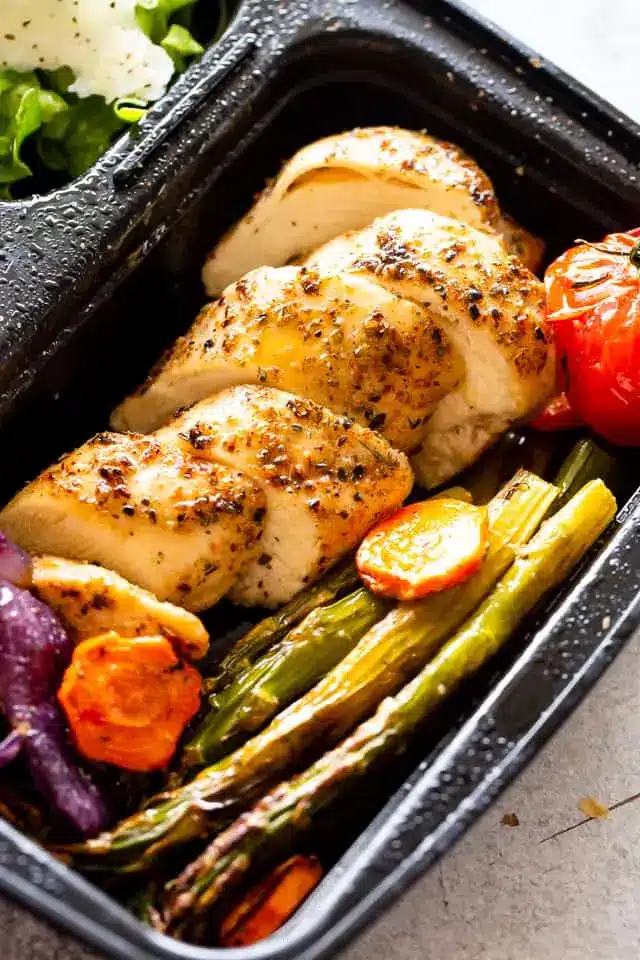
Easy High-Protein Chicken and Roasted Veggie Buddha Bowls Recipe for Quick Healthy Meals
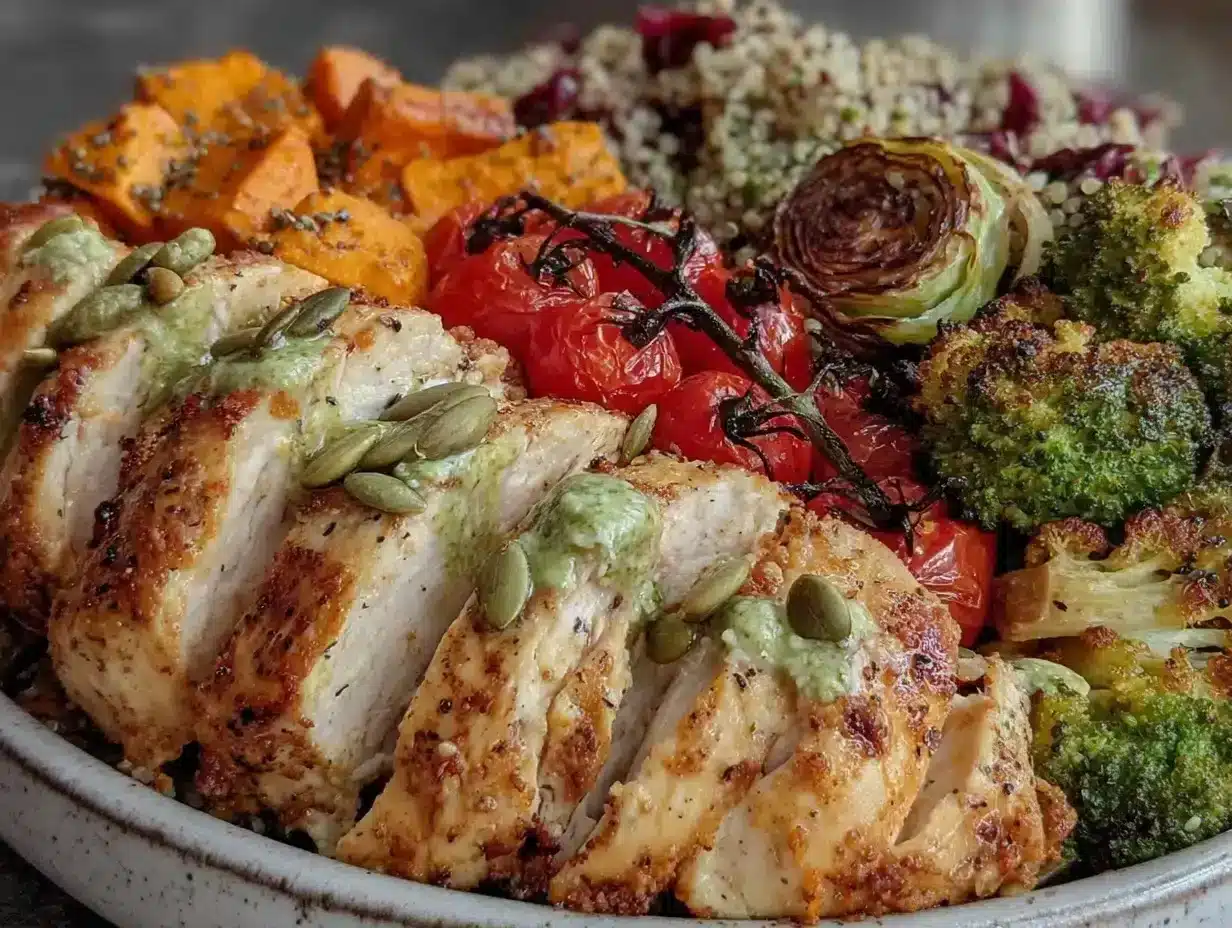
“You’re seriously making bowls again?” my friend texted me last week, half-joking, half-impressed. Honestly, I didn’t blame her — I’d been on a bit of a bowl kick lately, especially this Easy High-Protein Chicken and Roasted Veggie Buddha Bowls recipe that’s become my go-to. It all started on a hectic Tuesday evening when I was staring at my fridge, tired and uninspired.
I had some chicken breasts and random veggies that needed to be used, so I tossed them all on a sheet pan with some spices and roasted them. The smell alone changed my whole mood — cozy, warm, a little smoky — and before I knew it, I was layering everything in a bowl with some cooked quinoa and a quick tahini drizzle. No fancy prep, no mess, just a satisfying, protein-packed meal that hit the spot.
Why You Will Love This Recipe
- Quick & Easy: Dinner is on the table in under 40 minutes, including roasting time, making it perfect for busy weeknights.
- Simple Ingredients: Utilizes common pantry staples and fresh produce, so you likely have most items already.
- Meal Prep Friendly: Ideal for preparing in larger batches, providing convenient and healthy lunches or dinners throughout the week.
- Universally Appealing: The combination of juicy chicken, caramelized vegetables, and a flavorful sauce is a hit with most palates.
- Nutrient-Dense: Packed with lean protein, fiber, and essential vitamins and minerals for a truly wholesome meal.
What sets this recipe apart from other chicken bowls? It’s the layering of textures and that simple roasting method that brings out the natural sweetness and depth in the veggies. Plus, I often swap quinoa for brown rice or cauliflower rice to switch things up without losing the protein punch. The tahini sauce is my little twist — it’s creamy, nutty, and easy to whip up in a snap, giving the bowl a satisfying finish.
Once you try this, you might find yourself making it more often than you thought possible. It’s that kind of recipe that makes you pause, savor, and quietly appreciate the little things in a busy day. It truly elevates the humble bowl into a culinary experience.
Ingredients You Need
This Easy High-Protein Chicken and Roasted Veggie Buddha Bowls recipe relies on fresh, wholesome ingredients that come together to create a balanced, tasty meal. Most of these ingredients are pantry staples or easy to find at your local market, making it a breeze to pull together whenever the craving hits. The quality of your produce and chicken will significantly impact the final flavor profile, so opt for the freshest available.
Easy High-Protein Chicken and Roasted Veggie Buddha Bowls
A quick and easy high-protein meal featuring roasted chicken breasts, caramelized veggies, fluffy quinoa, and a creamy tahini dressing. Perfect for healthy weeknight dinners or meal prep.
- 2 boneless, skinless chicken breasts (about 12 ounces / 340 grams), trimmed and patted dry
- 1 tablespoon olive oil (for juiciness and crisp edges)
- 1 teaspoon smoked paprika
- 1/2 teaspoon garlic powder
- Salt and freshly ground black pepper, to taste
- 1 medium sweet potato, peeled and cut into 1-inch cubes
- 1 red bell pepper, seeded and sliced
- 1 small zucchini, sliced into half-moons
- 1/2 red onion, thinly sliced
- 2 tablespoons olive oil
- 1 teaspoon dried oregano or Italian seasoning
- Salt and pepper, to taste
- 1 cup cooked quinoa (185 grams cooked)
- 3 tablespoons tahini (blend well before measuring)
- 1 tablespoon fresh lemon juice
- 1 teaspoon maple syrup or honey
- 1 small garlic clove, minced
- Water, to thin as needed
- Pinch of salt
- Optional garnishes: chopped fresh parsley or cilantro, toasted sesame seeds, avocado slices
- 1Preheat your oven to 425°F (220°C). Line a large sheet pan with parchment paper or lightly grease it for easy cleanup.
- 2In a small bowl, mix olive oil, smoked paprika, garlic powder, salt, and pepper. Rub this mixture all over the chicken breasts so each piece is evenly coated. Set aside.
- 3In a large bowl, toss sweet potato cubes, sliced bell pepper, zucchini, and red onion with olive oil, oregano, salt, and pepper until everything is well coated.
- 4Place the chicken breasts on one side of the sheet pan and spread the veggies out on the other side in a single layer.
- 5Roast for 25-30 minutes. Halfway through (about 15 minutes), flip the chicken and stir the veggies to promote even browning. Chicken is done when it reaches an internal temperature of 165°F (74°C) and juices run clear.
- 6While the chicken and veggies roast, rinse 1/3 cup dry quinoa under cold water. Combine with 2/3 cup water in a saucepan. Bring to a boil, reduce heat to low, cover, and simmer for 15 minutes. Remove from heat and let sit covered for 5 minutes before fluffing with a fork.
- 7In a small bowl, whisk together tahini, lemon juice, maple syrup, minced garlic, and salt. Add water 1 teaspoon at a time until you reach a pourable consistency.
- 8Assemble the bowls by starting with a base of fluffy quinoa, then layering on roasted veggies and sliced chicken. Drizzle generously with tahini dressing and sprinkle with optional garnishes like parsley or sesame seeds.
Keywords: high-protein, chicken bowl, roasted veggies, quinoa, tahini dressing, healthy meal, meal prep, quick dinner
- boneless, skinless chicken breasts: about 12 ounces / 340 grams, trimmed and patted dry, ensuring a lean protein source
- olive oil: 1 tablespoon for the chicken, plus 2 tablespoons for the vegetables, essential for roasting and achieving a good sear
- smoked paprika: 1 teaspoon, imparts a subtle, warm smokiness that complements the chicken beautifully
- garlic powder: 1/2 teaspoon, adds an aromatic depth without the need for fresh garlic in the rub
- salt and freshly ground black pepper: to taste, fundamental for enhancing all other flavors
- medium sweet potato: 1, peeled and cut into 1-inch cubes, providing natural sweetness and vibrant color
- red bell pepper: 1, seeded and sliced, contributing a mild sweetness and a pop of crimson
- small zucchini: 1, sliced into half-moons, offering a tender texture and a mild, earthy flavor
- red onion: 1/2, thinly sliced, caramelizes beautifully in the oven, adding a sweet and savory element
- dried oregano or Italian seasoning: 1 teaspoon, infuses the vegetables with an herbaceous, Mediterranean flair
- cooked quinoa: 1 cup (185 grams cooked), serving as a hearty and nutritious base for the bowl
- tahini: 3 tablespoons (blend well before measuring), the star of the dressing, providing a rich, nutty creaminess
- fresh lemon juice: 1 tablespoon, balances the richness of the tahini with a bright, zesty acidity
- maple syrup or honey: 1 teaspoon, adds a touch of sweetness to round out the dressing
- small garlic clove: 1, minced, offers a pungent kick that elevates the tahini sauce
- water: to thin as needed, crucial for achieving the perfect drizzling consistency for the dressing
- pinch of salt: for the dressing, to harmonize the sweet, sour, and savory notes
- optional garnishes: chopped fresh parsley or cilantro, toasted sesame seeds, avocado slices, for added freshness, texture, and visual appeal
The specific quantities for each ingredient are detailed within the
Easy High-Protein Chicken and Roasted Veggie Buddha Bowls
A quick and easy high-protein meal featuring roasted chicken breasts, caramelized veggies, fluffy quinoa, and a creamy tahini dressing. Perfect for healthy weeknight dinners or meal prep.
- 2 boneless, skinless chicken breasts (about 12 ounces / 340 grams), trimmed and patted dry
- 1 tablespoon olive oil (for juiciness and crisp edges)
- 1 teaspoon smoked paprika
- 1/2 teaspoon garlic powder
- Salt and freshly ground black pepper, to taste
- 1 medium sweet potato, peeled and cut into 1-inch cubes
- 1 red bell pepper, seeded and sliced
- 1 small zucchini, sliced into half-moons
- 1/2 red onion, thinly sliced
- 2 tablespoons olive oil
- 1 teaspoon dried oregano or Italian seasoning
- Salt and pepper, to taste
- 1 cup cooked quinoa (185 grams cooked)
- 3 tablespoons tahini (blend well before measuring)
- 1 tablespoon fresh lemon juice
- 1 teaspoon maple syrup or honey
- 1 small garlic clove, minced
- Water, to thin as needed
- Pinch of salt
- Optional garnishes: chopped fresh parsley or cilantro, toasted sesame seeds, avocado slices
- 1Preheat your oven to 425°F (220°C). Line a large sheet pan with parchment paper or lightly grease it for easy cleanup.
- 2In a small bowl, mix olive oil, smoked paprika, garlic powder, salt, and pepper. Rub this mixture all over the chicken breasts so each piece is evenly coated. Set aside.
- 3In a large bowl, toss sweet potato cubes, sliced bell pepper, zucchini, and red onion with olive oil, oregano, salt, and pepper until everything is well coated.
- 4Place the chicken breasts on one side of the sheet pan and spread the veggies out on the other side in a single layer.
- 5Roast for 25-30 minutes. Halfway through (about 15 minutes), flip the chicken and stir the veggies to promote even browning. Chicken is done when it reaches an internal temperature of 165°F (74°C) and juices run clear.
- 6While the chicken and veggies roast, rinse 1/3 cup dry quinoa under cold water. Combine with 2/3 cup water in a saucepan. Bring to a boil, reduce heat to low, cover, and simmer for 15 minutes. Remove from heat and let sit covered for 5 minutes before fluffing with a fork.
- 7In a small bowl, whisk together tahini, lemon juice, maple syrup, minced garlic, and salt. Add water 1 teaspoon at a time until you reach a pourable consistency.
- 8Assemble the bowls by starting with a base of fluffy quinoa, then layering on roasted veggies and sliced chicken. Drizzle generously with tahini dressing and sprinkle with optional garnishes like parsley or sesame seeds.
Keywords: high-protein, chicken bowl, roasted veggies, quinoa, tahini dressing, healthy meal, meal prep, quick dinner
Variations
This recipe is wonderfully versatile, easily adaptable to suit various dietary preferences and ingredient availability. One popular variation is the vegetarian option, where chicken can be replaced with firm tofu cubes or hearty chickpeas. These plant-based proteins can be tossed with the same spice blend and roasted alongside the vegetables, absorbing those delicious flavors.
For those looking to reduce carbohydrates, cauliflower rice is an excellent substitute for quinoa. It offers a light, neutral base that allows the roasted vegetables and chicken to shine. Alternatively, brown rice or farro can be used if you prefer a different grain texture and nutty flavor profile, providing a slight variation in the meal’s overall character.
Seasonal variations are also a fantastic way to keep this bowl exciting. During the fall, consider swapping sweet potatoes for butternut squash, which roasts to a similar caramelized sweetness. In the spring or summer, asparagus spears and cherry tomatoes make delightful additions, offering a lighter, fresher flavor profile that complements the roasted chicken perfectly.
How to Prepare high protein chicken roasted veggie buddha bowls
Step 1: Preheat Oven and Prepare Chicken
Begin by preheating your oven to a robust 425°F (220°C). This high temperature is key to achieving beautifully caramelized vegetables and perfectly roasted chicken without drying it out. Simultaneously, prepare a large sheet pan by lining it with parchment paper or applying a light coat of cooking spray; this ensures that the food releases easily and minimizes cleanup efforts.
In a small bowl, prepare the marinade for your chicken. Combine the olive oil, smoked paprika, garlic powder, salt, and freshly ground black pepper. Thoroughly mix these ingredients together until you have a cohesive paste. Take your trimmed and patted-dry chicken breasts and generously rub this flavorful mixture all over them, ensuring every surface is coated. This step is crucial for infusing the chicken with deep flavor and creating a delicious crust during roasting.
Once coated, set the chicken aside on a plate or in a clean bowl. The marinade will have a few minutes to meld with the chicken while you prepare the vegetables. This initial preparation ensures that all components are ready to go into the oven at the same time, maximizing efficiency and flavor development. The aroma of the spices alone will start to awaken your senses and build anticipation for the delicious meal to come.
Step 2: Prepare and Season the Vegetables
Now, it’s time to prepare your colorful medley of vegetables. Start by peeling your medium sweet potato and then cutting it into uniform 1-inch cubes. This ensures that the sweet potato cooks evenly alongside the other vegetables. Next, seed and slice your red bell pepper into manageable pieces, and then slice your small zucchini into half-moons. Thinly slice half of a red onion, creating wedges or rings that will soften and sweeten considerably during roasting.
In a large mixing bowl, combine all your prepped vegetables: the sweet potato cubes, sliced red bell pepper, zucchini half-moons, and sliced red onion. Drizzle these with the remaining 2 tablespoons of olive oil. Add the dried oregano or Italian seasoning, along with more salt and freshly ground black pepper. Toss everything together thoroughly, making sure each piece of vegetable is lightly coated with oil and seasonings. This even coating is vital for achieving tender, flavorful, and slightly crisp-edged roasted vegetables.
Once seasoned, transfer the vegetables to one side of your prepared baking sheet. Spread them out into a single layer. It’s important not to overcrowd the pan, as this can cause the vegetables to steam rather than roast, hindering the caramelization process. Proper spacing allows hot air to circulate around each piece, promoting that desirable browning and depth of flavor.
Step 3: Roast the Chicken and Vegetables
With your chicken coated and vegetables seasoned and arranged on the sheet pan, it’s time for the main event: roasting. Place the sheet pan into the preheated 425°F (220°C) oven. Set your timer for approximately 25 to 30 minutes, but keep a close eye on the food, especially as it nears the end of the cooking time.
About halfway through the roasting process, which will be around the 15-minute mark, it’s crucial to intervene for optimal results. Carefully remove the sheet pan from the oven. Flip the chicken breasts over to ensure they brown evenly on both sides. Then, give the vegetables a good stir using a spatula or tongs. This stirring motion promotes even cooking and browning for all the vegetable pieces, preventing any single side from becoming overly done while others remain undercooked. Place the pan back into the oven to finish cooking.
You’ll know the chicken is perfectly cooked when it reaches an internal temperature of 165°F (74°C) when tested with a meat thermometer. The juices should also run clear when the thickest part of the breast is pierced. The vegetables should be tender with nicely caramelized edges, particularly the sweet potatoes and red onions. The aroma filling your kitchen at this stage will be absolutely incredible, a testament to the simple magic of roasting.
Step 4: Cook the Quinoa
While the chicken and vegetables are in the oven, it’s the perfect time to prepare your quinoa base. Quinoa is a complete protein and adds a wonderful nutty texture to the bowl. Rinse about 1/3 cup of dry quinoa thoroughly under cold running water using a fine-mesh sieve. This step is essential to remove saponins, a natural coating that can make quinoa taste bitter.
In a medium saucepan, combine the rinsed quinoa with 2/3 cup of water. Bring the mixture to a rolling boil over medium-high heat. Once boiling, immediately reduce the heat to the lowest setting, cover the saucepan tightly with a lid, and let it simmer undisturbed for exactly 15 minutes. This low, slow cooking allows the quinoa to absorb all the water and become perfectly tender.
After 15 minutes of simmering, remove the saucepan from the heat. Crucially, do not lift the lid. Let the quinoa sit, covered, for an additional 5 minutes. This steaming period allows the grains to finish cooking and become fluffy. Finally, remove the lid and gently fluff the quinoa with a fork. The result should be light, separated grains, ready to form the foundation of your delicious buddha bowls. This method ensures your quinoa is never mushy or undercooked.
Step 5: Prepare the Tahini Dressing
The tahini dressing is the final flavor component that ties all the elements of the buddha bowl together, providing a creamy, nutty, and slightly tangy counterpoint to the roasted ingredients. In a small bowl, add the 3 tablespoons of tahini, which should be well-blended if it has separated in its container. Squeeze in 1 tablespoon of fresh lemon juice; the acidity is vital for cutting through the richness of the tahini.
Next, add 1 teaspoon of maple syrup or honey for a touch of sweetness, and then introduce the finely minced small garlic clove. The garlic adds a pungent punch that complements the nutty tahini beautifully. Add a pinch of salt to enhance and harmonize all the flavors. Whisk these ingredients together vigorously with a fork or a small whisk until they begin to combine into a thick paste.
This is where patience and careful addition are key. The dressing will likely be very thick at this point. Gradually add water, one teaspoon at a time, whisking continuously after each addition. Continue adding water and whisking until the dressing reaches your desired pourable consistency. It should be smooth, creamy, and easily drizzled over the bowl without being too thin or too thick. Taste and adjust seasoning if needed—more lemon for tang, more sweetener for sweetness, or a tiny bit more salt.
Step 6: Assemble the Bowls
Now for the most satisfying part: assembling your high-protein chicken and roasted veggie buddha bowls! Begin by spooning a generous portion of your fluffy, fork-fluffed quinoa into the bottom of each serving bowl. This creates a sturdy and nutritious base that will hold all the other components.
Next, artfully arrange your beautifully roasted chicken pieces and the colorful assortment of caramelized vegetables on top of the quinoa. You can layer them in distinct sections or mix them gently, depending on your aesthetic preference. The goal is to create a visually appealing and balanced distribution of protein and vegetables in each bowl. The roasted edges of the vegetables and the slightly crisp exterior of the chicken should be evident, promising delicious texture.
Finally, drizzle the creamy tahini dressing generously over the entire bowl. Don’t be shy with the dressing; it’s the magical ingredient that brings all the flavors and textures together. If you’re using any of the optional garnishes, sprinkle them on now. Freshly chopped parsley or cilantro adds a burst of freshness, toasted sesame seeds provide a delightful crunch and nutty flavor, and slices of creamy avocado add an extra layer of richness and healthy fat. Serve immediately and enjoy this wholesome, flavor-packed meal.
Pro Tips for high protein chicken roasted veggie buddha bowls
Don’t overcrowd the pan when roasting your chicken and vegetables. Giving them adequate space allows the hot air to circulate properly, leading to better caramelization and crispier edges, rather than steaming the ingredients. This simple step significantly enhances the texture and flavor.
Use a meat thermometer for foolproof chicken cooking. Inserting it into the thickest part of the chicken breast ensures it reaches the safe internal temperature of 165°F (74°C) without overcooking, guaranteeing juicy, tender meat every time. This prevents the common pitfall of dry chicken.
Gradually add water to the tahini dressing. Tahini can seize up quickly, so start with just a teaspoon and whisk thoroughly before adding more. This technique allows you to achieve a perfectly smooth, drizzly consistency without making the dressing too thin.
Embrace multitasking to streamline the cooking process. While the chicken and vegetables roast, cook the quinoa and prepare the dressing. This efficient approach minimizes downtime and ensures everything is ready for assembly simultaneously, making weeknight cooking a breeze.
Experiment with vegetables based on seasonality or what you have on hand. Roasted broccoli florets, Brussels sprouts, or even chunks of butternut squash can all be delicious additions, offering new flavor combinations and nutritional profiles to your buddha bowls.
Serving Suggestions for high protein chicken roasted veggie buddha bowls
Decoration
To make your high-protein chicken roasted veggie buddha bowls visually appealing, consider the garnishes as the primary decorative elements. A sprinkle of vibrant green, like fresh chopped parsley or cilantro, adds a pop of color and a hint of freshness that contrasts beautifully with the roasted components. Toasted sesame seeds offer a delicate crunch and a subtle nutty visual texture, resembling tiny golden jewels scattered across the top.
For an extra touch of elegance and creaminess, arrange a few thin slices of ripe avocado strategically around the bowl. Their soft green hue and smooth texture provide an inviting visual cue of the healthy fats and luxurious mouthfeel they contribute. A final, light drizzle of the tahini dressing, applied in a decorative pattern, can also enhance the overall presentation, giving the bowl a polished, professional look.
Side Dishes
While these buddha bowls are a complete meal on their own, they pair wonderfully with light and refreshing side dishes. A simple cucumber and tomato salad, perhaps with a light vinaigrette, offers a crisp, cool contrast to the warm, roasted elements of the bowl. This adds another layer of texture and a burst of fresh flavor that complements the heartiness of the chicken and quinoa.
Consider serving a side of fermented foods like kimchi or sauerkraut for a tangy probiotic boost that also introduces an interesting spicy or sour flavor profile. For those who enjoy a bit of crunch, a small side of seasoned edamame or even some lightly pickled radishes can add a pleasing textural and flavor dimension without overpowering the main dish. These sides are chosen to enhance, not compete with, the complex flavors of the buddha bowl.
Creative Serving Ideas
For a more interactive dining experience, consider serving the components of the buddha bowl separately, allowing each person to build their own creation. Arrange the quinoa, roasted chicken, roasted vegetables, and dressing in individual small bowls or on a platter, inviting guests to customize their perfect bowl. This approach is particularly fun for family dinners or casual gatherings, fostering a sense of shared enjoyment and personalization.
Another creative idea is to deconstruct the bowl for a unique presentation. Instead of layering everything, arrange the quinoa in a neat bed at the bottom, then place the sliced chicken and vegetables artfully around it in distinct sections. This creates a more sophisticated, plated look that can be impressive for guests. The tahini dressing can be served in a small pitcher on the side for individuals to add as they please, allowing them to control the amount and placement.
Preparation & Storage
Storing Leftovers
Storing leftovers from your high-protein chicken roasted veggie buddha bowls is straightforward and helps preserve their deliciousness for later enjoyment. It’s best to store the assembled bowls in airtight containers in the refrigerator. If you anticipate having a lot of leftovers, consider storing the quinoa, roasted chicken, and roasted vegetables separately. This helps maintain the optimal texture of each component, preventing the quinoa from becoming soggy and the vegetables from losing their roasted crispness.
When stored properly, these bowls can typically last for up to 3 to 4 days in the refrigerator. Ensure the containers are sealed tightly to prevent any air from entering, which can accelerate spoilage and affect the quality of the food. Keeping them chilled is paramount to food safety and maintaining the freshness of the ingredients. The dressing can also be stored in a small separate container or jar to prevent the bowl from becoming too saucy before you’re ready to eat.
For the best results, if you stored components separately, reassemble the bowl just before you plan to eat it. This minor step ensures that the flavors and textures remain as close to freshly prepared as possible. The vibrant colors and enticing aromas will still be present, making your leftovers a delightful and convenient meal option.
Freezing
Freezing high-protein chicken roasted veggie buddha bowls is generally not recommended if you want to maintain the best quality and texture. The roasted vegetables, in particular, tend to lose their desirable texture upon thawing, becoming mushy and watery. Similarly, the quinoa can develop an undesirable, somewhat gummy consistency after being frozen and reheated.
While it’s technically possible to freeze components like the cooked chicken and plain quinoa, the overall experience of a thawed buddha bowl will likely be disappointing. The nuances of roasted flavors and textures are best enjoyed fresh or refrigerated. For optimal enjoyment, it is highly advisable to consume any leftovers within a few days rather than attempting to freeze them for extended storage.
If you do find yourself with an abundance of cooked chicken breast that you wish to freeze for another use, ensure it is cooled completely and stored in a freezer-safe airtight container or bag. However, it’s best to treat the complete buddha bowl as a short-term meal that is ideal for immediate consumption or refrigeration.
Reheating
Reheating your high-protein chicken roasted veggie buddha bowls is a simple process, and there are a couple of effective methods depending on your preference for texture. The most recommended method for reheating is in the oven. Transfer the bowl’s contents to an oven-safe dish and warm it in a preheated oven at around 350°F (175°C) for 10-15 minutes, or until heated through. This method helps to revive some of the roasted qualities of the vegetables and chicken.
Alternatively, you can use the microwave, which is faster but might result in a slightly softer texture. Place the bowl’s contents in a microwave-safe dish and heat on medium power for 1-2 minutes, stirring halfway through. Be mindful not to overheat, as this can dry out the chicken. It’s often best to reheat the quinoa and vegetables separately from the dressing, adding the dressing after reheating.
If you stored the dressing separately, you can gently warm it slightly if desired, or serve it chilled over the reheated bowl. Consider adding a fresh squeeze of lemon or a sprinkle of fresh herbs upon reheating to invigorate the flavors. This attention to detail ensures that even reheated leftovers taste remarkably fresh and satisfying, making them a convenient and delicious meal option.
Frequently Asked Questions
-
Can I prepare the components of these buddha bowls in advance for meal prepping?
Yes, absolutely! This recipe is fantastic for meal prepping. You can roast the chicken and vegetables, cook the quinoa, and make the tahini dressing up to 3-4 days in advance. It’s often best to store them in separate airtight containers in the refrigerator to maintain the best texture. When you’re ready to eat, simply assemble the bowl and reheat the chicken and vegetables if desired, or enjoy them cold. This makes busy weeknights or hectic lunch breaks incredibly convenient, as a nutritious meal is always on hand.
-
What are some good substitutions for tahini if I have a sesame allergy or simply don’t have it on hand?
If tahini is not an option for you, there are several delicious alternatives for the dressing. A popular substitute is plain Greek yogurt mixed with lemon juice and a minced garlic clove for a creamy, tangy dressing. Another option is to use a nut butter like almond butter or sunflower seed butter, thinned with water and lemon juice to achieve a similar consistency and flavor profile. Some people also enjoy a simple lemon-herb vinaigrette made with olive oil, lemon juice, and their favorite herbs for a lighter dressing. Ensure any alternative you choose is well-seasoned to complement the roasted ingredients.
-
How can I ensure my roasted vegetables and chicken are perfectly cooked without being dry or mushy?
The key to perfectly cooked components lies in proper preparation and oven temperature. Ensure your vegetables are cut into uniform sizes so they roast evenly. Spreading them in a single layer on the baking sheet prevents steaming and encourages caramelization. For the chicken, using chicken breasts that are not excessively thick and ensuring they are not overcooked is vital; using a meat thermometer to check for an internal temperature of 165°F (74°C) is the most reliable method. Flipping the chicken and stirring the vegetables halfway through the roasting process also promotes even cooking and browning, contributing to both optimal texture and flavor development. Avoid overcrowding the pan, as this is a common cause of both undercooked and mushy results.