Daikon potstickers recipe
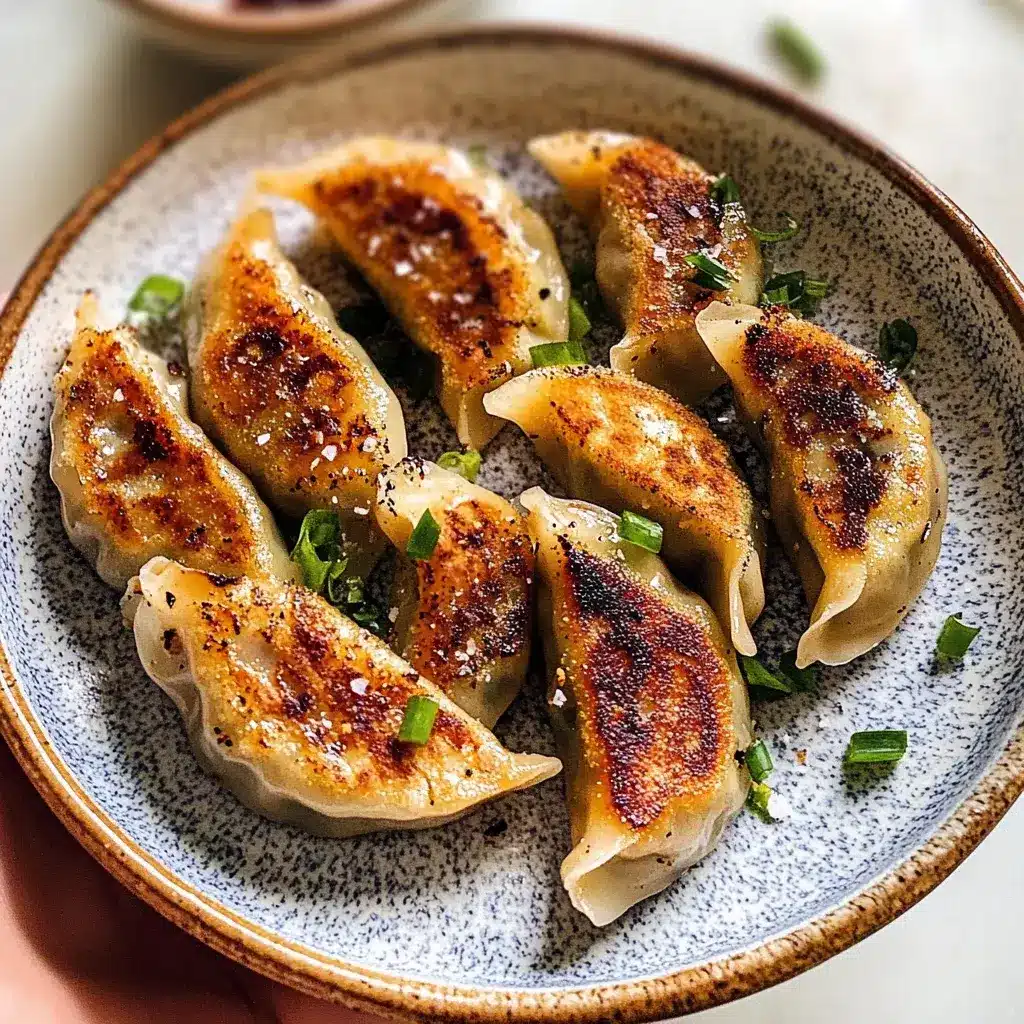
Embark on a culinary adventure that redefines comfort food with these exquisite Daikon Potstickers. Imagine the satisfying crunch of a perfectly pan-fried dumpling, giving way to a burst of savory filling, all wrapped in a delicate, low-carb daikon embrace. This recipe offers a brilliant gluten-free alternative, proving that healthy eating doesn’t mean sacrificing flavor or enjoyment.
Whether you’re seeking an impressive appetizer for your next gathering or a comforting weeknight meal, these potstickers are poised to become a new favorite. They are a testament to how simple, fresh ingredients can be transformed into something truly spectacular, bringing joy to your kitchen and delight to your palate with every single bite.
Why You Will Love This Recipe
- Healthy Alternative: Crafted with daikon radish as the wrapper, these potstickers are inherently low in carbohydrates and gluten-free, making them a fantastic choice for mindful eating.
- Effortless Preparation: The steps are designed for clarity and simplicity, ensuring that even home cooks new to dumpling making can achieve delicious results with confidence.
- Customizable Filling: The savory filling provides a wonderful base that can be easily adapted to your personal preferences, allowing for endless variations with different meats, poultry, or even plant-based alternatives.
- Irresistible Texture: Pan-frying to a beautiful golden crispness creates a delightful contrast between the tender filling and the lightly seared wrapper, offering a truly satisfying mouthfeel.
- Ideal for Make-Ahead: These potstickers freeze exceptionally well, making them a smart choice for meal prepping and enjoying delicious homemade dumplings with minimal effort on busy days.
Ingredients You Need
The secret to exceptional Daikon Potstickers lies in the quality of your ingredients, especially the vibrant daikon radish and the fresh components for the filling. Selecting a firm, fresh daikon will ensure your wrappers are pliable and easy to work with, while well-seasoned fillings will elevate the overall flavor profile significantly.
Low-Carb Daikon Potstickers
Indulge in the delightful flavors of homemade Daikon potstickers, a gluten-free twist on a classic favorite. These low-carb dumplings feature daikon wrappers that are not only healthy but also incredibly versatile. Filled with savory ground chicken and fresh scallions, each potsticker is pan-fried to golden perfection, offering a satisfying crunch with every bite. Easy to prepare, they make for an impressive appetizer for any gathering or a cozy dinner at home. Customize the filling to your liking for an exciting culinary experience that everyone will love!
- 20 oz daikon radish (or turnip)
- 0.63 lb ground chicken (or turkey, or beef)
- 3 scallions (finely chopped)
- 0.3 oz ginger (finely chopped)
- 1 tsp toasted sesame oil
- 2 tsp tapioca starch
- Avocado oil (for frying)
- 1 tbsp light soy sauce (or 1½–2 tbsp coconut aminos, omit sugar)
- 1–1½ tsp rice vinegar (or Chinese black vinegar)
- 1Peel and slice the daikon into thin rounds, flatten slightly if desired.
- 2In a mixing bowl, combine ground chicken, scallions, ginger, sesame oil, salt, white pepper, and starch.
- 3Place a tablespoon of filling onto each daikon slice, fold over to create a half-moon shape, and seal the edges.
- 4Heat avocado oil in a non-stick skillet over medium heat; fry potstickers until golden brown on one side.
- 5Add water to steam the potstickers for about 5 minutes; serve warm with dipping sauce.
Keywords: Daikon Potstickers, Low-Carb, Gluten-Free, Appetizer, Dumplings, Pan-Fried, Asian
- daikon radish or turnip: a large, firm daikon radish forms the basis for your delicate, low-carb wrappers.
- scallions: finely chopped scallions add a fresh, mild oniony bite to the filling.
- ginger: fresh ginger, finely minced, provides a warm, zesty aroma and flavor that is essential in Asian-inspired dishes.
- ground chicken: lean ground chicken serves as a versatile and tender base for the savory filling.
- toasted sesame oil: this adds a rich, nutty depth of flavor that is characteristic of many Asian cuisines.
- coarse sea salt: essential for enhancing all the other flavors within the filling and for seasoning.
- ground white pepper: offers a subtle, pungent spice that is less visually intrusive than black pepper.
- tapioca starch: acts as a binder for the filling, helping to hold it together during the cooking process.
- avocado oil: a high-heat, neutral oil perfect for achieving a beautifully crisp sear on your potstickers.
- light soy sauce: provides a foundational savory and umami note to the dipping sauce, a classic pairing.
- sugar: a touch of sweetness balances the saltiness in the dipping sauce, rounding out the flavor.
- rice vinegar: adds a bright, tangy acidity that cuts through the richness of the potstickers.
Quantities for these essential components are readily available within the detailed recipe card for your convenience.
Variations
Elevate your Daikon Potstickers experience with these creative twists, ensuring there’s a delightful option for every palate and dietary need. These variations demonstrate the true versatility of this wonderful dish, encouraging culinary experimentation right in your own kitchen.
Vegan Delight: For a completely plant-based rendition, substitute the ground chicken with a finely diced mixture of shiitake mushrooms and firm tofu. Sauté the mushrooms until their liquid has evaporated, then gently press the tofu to remove excess moisture before combining with the other filling ingredients. This approach maintains a rich, umami-packed filling that is both satisfying and flavorful, proving that vegan options can be just as exciting.
Spicy Kick: If you enjoy a bit of heat, consider incorporating finely minced red chilies or a pinch of red pepper flakes into your filling mixture. Alternatively, you can serve the potstickers with a chili oil-based dipping sauce. This allows you to control the spice level precisely to your preference, adding an invigorating warmth to each bite and offering a thrilling dimension to the dish.
Herbaceous Burst: Introduce a fresh aromatic element by adding finely chopped fresh cilantro or chives to your filling. These herbs can be mixed directly into the filling before assembling the potstickers, or generously sprinkled on top as a garnish. The bright, herbaceous notes provide a refreshing contrast to the savory filling, adding complexity and an inviting aroma.
How to Prepare daikon potstickers
Step 1: Prepare the Daikon Wrappers
Begin by selecting a large, firm daikon radish; its size is crucial for creating ample wrappers. Peel the tough outer skin of the daikon using a sharp vegetable peeler, revealing the smooth, pale flesh beneath. Aim for a daikon that is at least three inches in diameter to ensure you can get generously sized, manageable slices for your potstickers.
Next, carefully slice the peeled daikon into thin, uniform rounds. A mandoline slicer is ideal for achieving consistent thickness, typically around 1/16 to 1/8 of an inch; if using a knife, take your time to ensure each slice is nearly identical. The goal is to have wrappers that are thin enough to be pliable but sturdy enough to hold the filling without tearing. The uniform thickness is key for even cooking and a pleasant texture.
If your daikon slices feel a bit thick or you prefer a flatter wrapper, you can gently roll each slice with a rolling pin. Place a slice of daikon between two sheets of parchment paper and lightly press with a rolling pin, being careful not to crush it. This step helps to further thin and flatten the daikon, making it more pliable and easier to fold into the classic potsticker shape, ensuring a snug seal.
Step 2: Make the Filling
In a spacious mixing bowl, combine the ground chicken, ensuring it’s free of any large clumps. Add the finely chopped scallions, which contribute a fresh, mild onion flavor without overpowering the other ingredients. Incorporate the finely minced fresh ginger, its zesty notes providing a wonderful aromatic warmth and a subtle spicy kick that is characteristic of many delicious dumpling fillings.
Next, add the toasted sesame oil, which imparts a deep, nutty aroma and flavor that is crucial for authentic taste. Season generously with coarse sea salt to enhance all the ingredients and bring out their natural savoriness. Introduce the ground white pepper; its delicate spice complements the ginger and sesame oil beautifully without introducing visible flecks. Finally, stir in the tapioca starch, which acts as a vital binder, helping to hold the filling together during the cooking process and preventing it from becoming too loose.
Mix all these ingredients together thoroughly until they are completely combined and form a cohesive mixture. Use your hands or a sturdy spoon to ensure the seasonings are evenly distributed throughout the ground chicken. This thorough mixing is paramount for ensuring every bite of your potstickers is packed with consistent flavor. The mixture should feel slightly sticky, indicating the starch has started to activate.
Step 3: Assemble the Potstickers
Lay out your thinly sliced daikon rounds on a clean, dry surface, ensuring they are easily accessible. Take approximately one tablespoon of the prepared filling mixture and place it in the center of each daikon slice. Avoid overfilling, as this can make sealing difficult and lead to the dumplings bursting during cooking, so a heaping tablespoon is usually sufficient for most slices.
Carefully fold each daikon slice in half over the filling, creating a classic half-moon shape. Press the edges of the daikon wrapper firmly together to create a secure seal. If the edges are not sticking well, you can lightly moisten the edge of the daikon with a fingertip dipped in water; this acts as a natural adhesive, ensuring your potstickers stay perfectly closed throughout the cooking process.
As you assemble each potsticker, place it on a plate or baking sheet lined with parchment paper, ensuring they do not touch each other. This prevents them from sticking together before cooking. You can also create decorative pleats along the sealed edge for a more traditional presentation, though a simple half-moon seal is perfectly effective and much quicker for busy cooks.
Step 4: Cook the Potstickers
Heat a generous amount of avocado oil in a large, non-stick skillet over medium heat. The oil should be shimmering but not smoking, indicating it’s the perfect temperature for frying. Using a non-stick pan is crucial for ensuring the potstickers develop a beautiful golden crust without sticking to the bottom of the pan.
Carefully arrange the assembled potstickers in a single layer in the hot skillet. Do not overcrowd the pan; cook in batches if necessary. Overcrowding will cause the potstickers to steam rather than fry, preventing that desirable crispy bottom. Allow them to cook undisturbed for about 2 to 3 minutes, or until the bottoms have turned a beautiful, even golden brown and are nicely crisped.
Once the bottoms are perfectly golden, carefully add about half an inch of water to the skillet. Be cautious, as the hot oil will sizzle and steam vigorously. Immediately cover the skillet with a tight-fitting lid. This creates a steaming environment that cooks the filling through and softens the daikon wrappers. Let them steam for approximately 5 to 7 minutes, or until the filling is cooked and the wrappers are tender and slightly translucent.
Step 5: Serve
Once the potstickers have finished steaming and the filling is thoroughly cooked, remove the skillet from the heat. If desired, you can sprinkle a little extra coarse sea salt over the potstickers while they are still warm for an added touch of flavor. This is an optional step, but it can enhance the overall savory experience.
Transfer the perfectly cooked Daikon Potstickers to a serving platter. They are best enjoyed immediately while they are still warm and retain their delightful crispness on the bottom. The aroma alone will be incredibly enticing, promising a delicious culinary treat.
Serve these delightful potstickers with your favorite dipping sauce. A classic combination of light soy sauce mixed with rice vinegar and a dash of toasted sesame oil is highly recommended. The tangy, savory, and slightly sweet notes of the dipping sauce perfectly complement the rich filling and tender daikon wrapper, making each bite a harmonious blend of flavors and textures. For those who enjoy a bit of heat, a drizzle of chili oil can also be added to the dipping sauce.
Pro Tips for daikon potstickers
Freshness is Key: Always select the freshest daikon radish available for your wrappers. A firm, heavy daikon will yield the best results, ensuring pliability and ease of handling without tearing.
Uniform Slicing: Achieving evenly sliced daikon wrappers is crucial for consistent cooking and appealing presentation. A mandoline slicer is highly recommended for uniform thickness, but careful knife work can also achieve excellent results if patience is exercised.
Don’t Overfill: Resist the temptation to stuff too much filling into each daikon wrapper. Overfilling makes sealing difficult and increases the risk of the potstickers bursting during the cooking process, so a heaping tablespoon is usually the maximum needed.
Batch Cooking: To achieve optimal crispiness, always cook your potstickers in batches, ensuring they have enough space in the pan to fry properly. Overcrowding leads to steaming, which negates the desired crispy texture on the bottom.
Perfect Seal: A good seal is paramount to prevent the filling from escaping. If your daikon edges are not sticking, a tiny dab of water along the edge can act as a natural adhesive to ensure a secure closure.
Serving Suggestions for daikon potstickers
Decoration
A sprinkle of toasted sesame seeds adds a lovely nutty flavor and a visually appealing contrast to the golden-brown potstickers. Finely chopped fresh cilantro leaves or a scattering of thinly sliced chives can also provide a vibrant splash of green and a burst of fresh flavor.
Side Dishes
Complement these flavorful potstickers with a refreshing cucumber salad dressed with rice vinegar and a touch of sesame oil. A simple side of steamed edamame, lightly salted, offers a healthy and complementary textural contrast. Consider a light, crisp Asian-inspired slaw with a tangy vinaigrette to balance the richness of the dumplings.
Creative Serving Ideas
Serve these Daikon Potstickers as an elegant appetizer at your next dinner party, arranged artfully on a platter with small bowls of dipping sauce. They can also be a star component of a larger Asian-themed meal, served alongside steamed rice and stir-fried vegetables. For a fun, interactive meal, create a “dumpling bar” with various dipping sauces and garnishes for guests to customize their own experience.
Preparation & Storage
Storing Leftovers
Allow any leftover cooked Daikon Potstickers to cool completely before storing. Place them in an airtight container in a single layer to prevent them from sticking together. They will keep well in the refrigerator for up to three days, retaining their delicious flavor and texture.
Freezing
To freeze uncooked Daikon Potstickers, arrange them in a single layer on a baking sheet lined with parchment paper. Ensure they are not touching each other to prevent them from clumping. Freeze for one to two hours until they are firm to the touch, then transfer them to a freezer-safe bag or airtight container. Properly stored, they can last in the freezer for up to three months.
Reheating
To reheat previously cooked potstickers, the stovetop method is often best for restoring crispiness. Heat a tablespoon of oil in a non-stick skillet over medium heat and pan-fry the potstickers for a few minutes on each side until heated through and crispy again. Alternatively, you can bake them in a preheated oven at 350°F (175°C) for about 10-15 minutes until warmed through, though they may not achieve the same level of crispness as stovetop reheating.
Frequently Asked Questions
-
What is the best way to serve daikon potstickers?
Daikon potstickers are wonderfully versatile and can be served in numerous ways to suit any occasion. They excel as a delightful appetizer, often presented with a selection of dipping sauces that enhance their savory filling. A classic pairing includes soy sauce mixed with rice vinegar and a touch of toasted sesame oil, offering a balanced blend of salty, tangy, and nutty notes. For those who enjoy a bit of heat, a spicy chili oil or a gochujang-based sauce can also be a fantastic accompaniment. Beyond appetizers, they can be a light yet satisfying main course when served alongside a refreshing salad or a bowl of steamed vegetables. The key is to present them warm, to best appreciate the contrast between the crispy bottom and the tender wrapper.
-
Can I make vegan daikon potstickers?
Absolutely! Transforming these Daikon Potstickers into a delicious vegan dish is quite straightforward and yields equally satisfying results. The traditional ground chicken filling can be effectively replaced with a plant-based alternative that mimics its texture and savory qualities. Finely minced and sautéed shiitake mushrooms are an excellent choice, providing a rich umami flavor and a pleasing chewiness. Another robust option is firm or extra-firm tofu, pressed to remove excess moisture and then crumbled or finely diced. When combined with the same aromatics like ginger and scallions, and bound with starch, these vegan fillings create a delightful potsticker experience that is both flavorful and ethically conscious. Ensuring the mushrooms are cooked down to remove moisture is key for a good filling texture.
-
How do I prevent my daikon wrappers from tearing?
Preventing daikon wrappers from tearing requires a combination of careful preparation and gentle handling. Firstly, ensuring the daikon slices are of a uniform and appropriate thickness, typically around 1/16 to 1/8 of an inch, is vital; thicker slices are more prone to tearing when folded. Using a mandoline slicer can greatly assist in achieving this consistency. Secondly, avoid overfilling the wrappers; too much filling puts undue stress on the daikon, increasing the likelihood of rips. Gently pressing the edges to seal is important, and if the daikon feels dry and isn’t adhering, a very light brush of water along the edge can act as a natural adhesive to help create a secure seal without requiring excessive pressure. Finally, practice makes perfect; as you become more familiar with the texture of daikon, you’ll develop a better feel for how much pressure to apply and how to handle them most effectively.