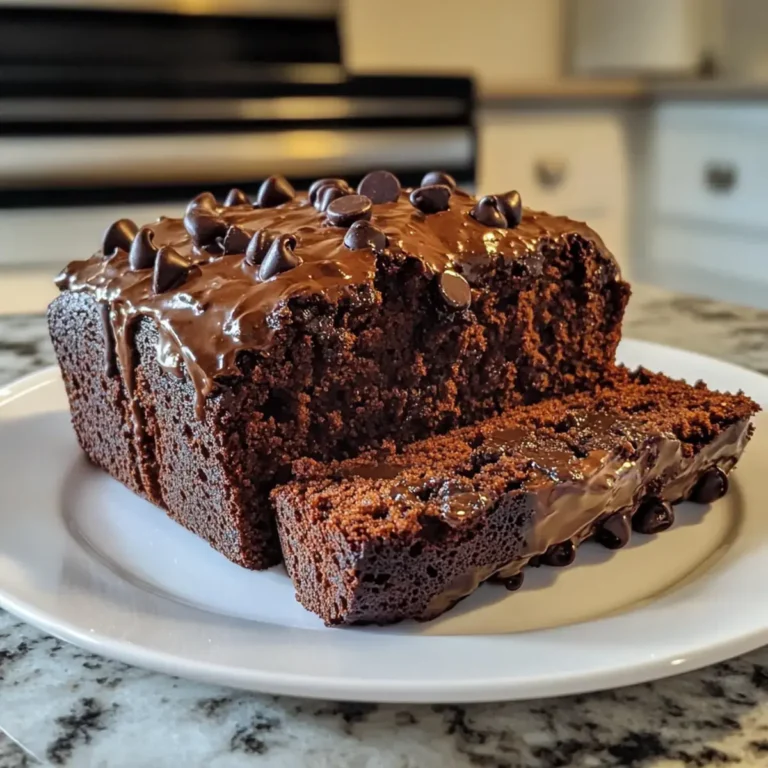
Zucchini Lime Coconut Loaf Cake

There are some desserts that just feel like sunshine, and this Zucchini Lime Coconut Cake is undoubtedly one of them. Its vibrant citrus notes, coupled with the subtle tropical essence of coconut, create an incredibly refreshing and moist treat that’s perfect for any occasion. It’s a recipe that’s both sophisticated enough for guests and simple enough for a quiet afternoon indulgence.
The beauty of this cake lies in its balance of flavors and textures. The grated zucchini not only adds a surprising boost of moisture but also contributes to an exceptionally tender crumb, ensuring every bite is a delight. Topped with a luscious lime syrup and a creamy coconut-lime glaze, this cake is a true symphony of taste and aroma.
Why You Will Love This Recipe
- Effortless Elegance: This cake looks and tastes sophisticated, yet it’s surprisingly simple to make, making it ideal for both novice bakers and experienced cooks seeking a reliable crowd-pleaser.
- Perfectly Moist Crumb: The inclusion of grated zucchini and oil guarantees an incredibly tender and moist cake that stays delicious for days, resisting dryness.
- Bright, Invigorating Flavors: The zesty lime and fragrant coconut create a harmonious blend that awakens the palate, offering a delightful departure from overly sweet desserts.
- Versatile Delight: Whether served for brunch, as an afternoon snack with coffee, or as a light dessert after dinner, this cake adapts beautifully to any moment.
- Visually Appealing Finish: The glossy lime syrup and creamy coconut-lime glaze provide a beautiful aesthetic, making this loaf a stunning centerpiece for any table.
Ingredients You Need
Crafting this exceptional Zucchini Lime Coconut Cake begins with selecting the finest ingredients to ensure a rich and vibrant flavor profile. The quality of your produce, particularly the limes and zucchini, will significantly impact the final taste, so opt for fresh, aromatic limes and firm, tender zucchini. Using room-temperature eggs is also crucial for achieving a lighter, more cohesive batter. The combination of pantry staples and a few special additions like coconut flakes and extract creates a truly memorable dessert experience.
Zucchini Lime Coconut Cake

Moist, bright, and beginner-friendly, Zucchini Lime Coconut Cake brings together fresh zucchini, citrusy lime, and coconut in a tender loaf with a glossy syrup finish and creamy glaze. It is a lovely make-ahead dessert for brunch, snacking, or casual gatherings.
- For the cake: 2 large eggs (at room temperature)
- 1 cup grated zucchini (with excess moisture pressed out)
- 1 teaspoon baking powder
- 3/4 cup white sugar
- 4 tablespoons freshly squeezed lime juice
- 1 cup unsweetened coconut flakes
- 1 1/2 cups all-purpose flour
- 1/2 teaspoon baking soda
- 2 teaspoons finely grated lime zest
- 7 tablespoons olive oil (or another neutral-flavored oil)
- 1/2 teaspoon salt
- 1 teaspoon coconut extract or coconut flavoring
- For the lime syrup: 2 tablespoons fresh lime juice
- 1/2 cup granulated sugar
- 1/3 cup water
- For the glaze: 1 cup powdered sugar (sifted)
- 1/4 cup full-fat coconut cream
- 1 tablespoon finely grated lime zest
- 1 teaspoon lime juice
- Shredded coconut (for garnish if desired)
- 1To make the lime syrup, place the sugar and water in a small saucepan and bring the mixture to a boil, stirring until the sugar has fully dissolved.
- 2Pour in the lime juice and return the syrup to a boil briefly. Transfer it to a bowl and leave it at room temperature for at least 2 hours, or up to 6 hours, so the flavor can develop.
- 3Heat the oven to 350°F. Grease a loaf pan, line it with parchment paper, and set it aside.
- 4In a small bowl, whisk together the flour, baking powder, baking soda, and salt until evenly combined.
- 5In the bowl of a stand mixer, beat the eggs and sugar on medium-high speed for about 3 minutes, until the mixture looks pale and well blended.
- 6Add the oil and continue beating for another 3 minutes to help create a light, well-emulsified batter.
- 7Mix in the coconut flakes, lime zest, coconut flavoring, and lime juice. Add the dry ingredients gradually and stir only until incorporated.
- 8Fold in the shredded zucchini gently with a rubber spatula, making sure it is evenly distributed without overworking the batter.
- 9Transfer the batter to the prepared loaf pan and smooth the top. Bake on the center rack for about 45 minutes, or until a toothpick inserted in the middle comes out clean.
- 10Remove the cake from the oven and use a long skewer to make roughly 15 holes across the surface. Spoon the prepared lime syrup over the warm cake in stages, allowing it to absorb before adding more.
- 11Let the cake cool in the pan for 30 minutes. Carefully remove it and place it upright on a wire rack to cool completely.
- 12For the glaze, whisk together the powdered sugar, coconut cream, lime zest, and lime juice until smooth and free of lumps. Drizzle the glaze over the cooled cake.
- 13Finish with a scattering of shredded coconut, if using, and serve once the glaze has set.
The precise quantities for each ingredient are detailed within the accompanying recipe card, ensuring you have everything you need for a flawless bake. Remember that using fresh ingredients will always elevate the final product, making your Zucchini Lime Coconut Cake truly shine.
Variations
To cater to different dietary preferences or simply to explore new flavor avenues, this Zucchini Lime Coconut Cake can be wonderfully adapted. For a delightful vegan option, you can easily substitute the eggs with a flax egg (one tablespoon of ground flaxseed mixed with three tablespoons of water, left to sit for 5-10 minutes) and ensure your coconut cream is dairy-free. This substitution maintains the cake’s moisture and tender crumb, proving that vegan baking can be just as decadent and satisfying.
If you’re seeking a lower-carbohydrate version, consider experimenting with your preferred sugar substitutes and a gluten-free flour blend. Almond flour and coconut flour can be excellent bases for a low-carb cake, though they might require slight adjustments to the liquid content and baking time. The lime and coconut flavors still shine through beautifully, offering a guilt-free indulgence.
Another exciting variation involves incorporating other fruits or spices. A handful of fresh blueberries folded into the batter alongside the zucchini can add bursts of tartness and visual appeal. Alternatively, a pinch of ground ginger or cinnamon can introduce a warming, aromatic depth that complements the lime and coconut, creating a more complex flavor profile. These simple swaps can transform the cake into something entirely new, perfect for different seasons or moods.
How to Prepare Zucchini Lime Coconut Cake
Step 1: Prepare the Flavorful Lime Syrup
The journey to an exceptionally moist and flavorful Zucchini Lime Coconut Cake begins with crafting a bright and zesty lime syrup. In a small saucepan, combine the granulated sugar and water. Gently heat this mixture over medium heat, stirring occasionally until the sugar has completely dissolved into a clear liquid. This initial step is crucial for ensuring a smooth syrup that will be readily absorbed by the cake.
Once the sugar is dissolved, pour in the fresh lime juice. Bring the syrup to a brief boil, just to meld the flavors together, and then immediately remove it from the heat. Transfer this aromatic syrup to a separate bowl and allow it to cool at room temperature for at least two hours, or up to six hours. This resting period allows the lime flavor to fully develop and infuse into the syrup, creating a more complex and delightful essence.
This prepared syrup will be used to soak the cake after baking, infusing it with an extra layer of bright citrus goodness. Patience here is rewarded with a cake that is not just moist but bursting with nuanced lime flavor. The longer it sits, the more pronounced the citrus notes will become, making each bite a refreshing experience.
Step 2: Prepare Your Baking Equipment and Dry Ingredients
As the lime syrup works its magic, it’s time to prepare your loaf pan and preheat your oven. Preheat your oven to 350°F (175°C). Properly preparing the loaf pan ensures the cake will release easily after baking. Grease a standard loaf pan generously, and then line it with parchment paper, leaving a slight overhang on the sides. This overhang acts as a helpful handle for lifting the baked cake out of the pan later.
In a separate medium-sized bowl, whisk together the all-purpose flour, baking powder, baking soda, and salt. Whisking these dry ingredients together thoroughly before adding them to the wet ingredients ensures they are evenly distributed throughout the batter. This even distribution is key to achieving a consistent rise and a tender texture in the final cake, preventing pockets of leavening agents.
This simple step of combining the dry ingredients separately is a foundational technique in baking that contributes significantly to the overall structure and texture of the cake. It ensures that the leavening agents can work their magic uniformly, leading to a beautifully risen and evenly baked loaf every time. The salt also plays a vital role in balancing the sweetness and enhancing the other flavors.
Step 3: Create the Emulsified Wet Base
In the bowl of a stand mixer fitted with the whisk attachment, or using a hand mixer, beat the room-temperature eggs and white sugar together on medium-high speed. Continue beating for approximately three minutes, or until the mixture becomes noticeably pale yellow and appears well blended. This process, known as creaming, incorporates air into the batter, which is essential for a light and tender cake crumb.
Once the egg and sugar mixture is light and fluffy, gradually add the olive oil (or your chosen neutral-flavored oil). Continue to beat for another three minutes. This gradual addition and extended beating time help to create a smooth, well-emulsified batter. An emulsified batter is one where the oil and water-based ingredients are thoroughly combined and stable, preventing a greasy texture and ensuring a cohesive crumb structure.
The result of this step is a foundation for your cake that is airy, smooth, and perfectly balanced. This well-emulsified batter is crucial for a cake that feels light and tender rather than dense or heavy. It’s the secret to achieving that desirable melt-in-your-mouth quality that makes a cake truly special and enjoyable to eat.
Step 4: Incorporate Flavors and Combine Ingredients
Now it’s time to introduce the star flavors of this delightful cake. Add the unsweetened coconut flakes, finely grated lime zest, coconut extract (or flavoring), and the freshly squeezed lime juice to the emulsified wet ingredients. Mix on low speed, or stir gently by hand, just until these aromatic elements are combined into the batter. The lime zest, in particular, will release its fragrant oils, perfuming the entire mixture with a bright, citrusy aroma.
Next, gradually add the pre-whisked dry ingredients to the wet mixture. Mix on low speed or stir with a spatula only until you no longer see any dry streaks of flour. It’s important not to overmix at this stage; overmixing can develop the gluten in the flour too much, leading to a tough cake. The goal is to just barely combine the ingredients, ensuring everything is incorporated smoothly.
Finally, gently fold in the grated zucchini using a rubber spatula. Be deliberate and careful not to overwork the batter when adding the zucchini. Folding ensures the zucchini is evenly distributed throughout the batter without breaking down its texture or releasing excess moisture too quickly. This gentle incorporation is key to the cake’s signature moistness and tender texture. The zucchini pieces should be visible but well-distributed.
Step 5: Bake to Golden Perfection
Carefully transfer the prepared batter into the greased and parchment-lined loaf pan. Use your spatula to smooth the top of the batter, creating an even surface for baking. This will help the cake bake uniformly and present a neater appearance once finished.
Place the loaf pan on the center rack of your preheated oven. Bake for approximately 45 minutes. The baking time can vary slightly depending on your oven, so begin checking for doneness around the 40-minute mark. The cake is ready when it is golden brown on top and a wooden skewer or toothpick inserted into the center comes out clean, with no wet batter clinging to it. It should also feel lightly springy to the touch when gently pressed.
The aroma that will fill your kitchen during this baking period is simply divine – a tantalizing blend of citrus and coconut. Once baked, carefully remove the cake from the oven, allowing it to cool slightly in the pan before proceeding to the next crucial step of syrup infusion. The visual cue of a beautifully golden crust signals that your delicious Zucchini Lime Coconut Cake is nearing completion.
Step 6: Infuse with Zesty Lime Syrup
While the cake is still warm, and ideally shortly after removing it from the oven, it’s time to apply the magical lime syrup. Use a long skewer or a thin wooden chopstick to carefully poke holes across the entire surface of the warm cake. Aim for roughly 15-20 holes, distributed evenly, to allow the syrup to penetrate deeply into the crumb. This is where the cake truly becomes exceptionally moist and flavorful.
Begin spooning the prepared lime syrup over the poked surface of the cake. It’s best to do this in stages. Spoon a portion of the syrup over the cake, and allow it a minute or two to absorb before adding more. This gradual application helps the loaf absorb the syrup more effectively, preventing it from pooling on the surface and running off the sides. You want the cake to drink up that delicious citrus goodness.
Continue this process until you have used all of the lime syrup, or until the cake appears thoroughly saturated. You will notice the syrup sinking into the holes, making the cake look glossy and incredibly inviting. This step is vital for enhancing the cake’s moisture and infusing it with that vibrant lime flavor that defines this particular recipe.
Step 7: Cool and Glaze to Perfection
After the syrup has been fully absorbed, allow the cake to cool in the loaf pan for about 30 minutes. This brief cooling period in the pan helps the cake firm up slightly, making it easier to handle without breaking. Once it has cooled sufficiently, carefully remove the cake from the pan. Use the parchment paper overhangs to gently lift it out, and then place it upright on a wire rack.
Let the cake cool completely on the wire rack. This is a critical step before applying the glaze. Attempting to glaze a warm cake will result in the glaze melting and sliding off, rather than setting neatly. Patience is key here to achieve that beautiful, polished finish. Ensure the cake is at room temperature before you proceed to the final stage of decoration.
For the glaze, whisk together the sifted powdered sugar, full-fat coconut cream, the remaining finely grated lime zest, and a teaspoon of lime juice until it forms a smooth, lump-free mixture. Adjust the consistency as needed – add a tiny bit more lime juice if it’s too thick, or a touch more powdered sugar if it’s too thin. Drizzle this luscious glaze artistically over the completely cooled cake. If desired, finish with a scattering of shredded coconut for added texture and visual appeal. Allow the glaze to set before slicing and serving this delightful Zucchini Lime Coconut Cake.
Pro Tips for Zucchini Lime Coconut Cake
Mastering the Zucchini Moisture: Always squeeze the excess moisture from your grated zucchini before adding it to the batter. You can do this by placing the grated zucchini in a fine-mesh sieve or a clean kitchen towel and pressing firmly. This step is paramount; too much water will make the loaf heavy and dense, counteracting the desired light and tender texture. Proper moisture management ensures optimal cake consistency.
Room Temperature is Key for Eggs: For the best emulsion and a lighter cake crumb, ensure your eggs are at room temperature. Cold eggs do not incorporate as easily into batters, which can lead to a less uniform texture. If you forget to take them out in advance, place them in a bowl of warm (not hot) water for about 10 minutes to quickly bring them up to temperature. This small adjustment makes a noticeable difference in the final outcome.
Gradual Syrup Absorption: When applying the lime syrup to the warm cake, patience is a virtue. Drenching the cake all at once can cause the syrup to pool and run off. Instead, apply it in stages, allowing the cake to absorb the liquid between additions. This technique ensures that the syrup penetrates the cake evenly, maximizing moisture and flavor infusion without creating a soggy bottom. It transforms the cake from good to extraordinary.
Cool Before Glazing: Resist the urge to glaze the cake while it’s still warm. The glaze needs a cool surface to set properly. If applied to a warm cake, it will melt and slide off, resulting in a messy finish. Allow the cake to cool completely on a wire rack before drizzling on that beautiful coconut-lime glaze. This ensures a clean, professional-looking finish that enhances the cake’s overall appeal and taste.
The Zucchini Skin Advantage: There’s no need to peel the zucchini before grating it for this recipe. The skin is tender and adds to the cake’s moist texture and subtle visual flecks. Leaving the skin on also simplifies the preparation process, aligning with the cake’s overall easy-to-make philosophy. It’s an efficient way to incorporate this key ingredient and retain its beneficial properties.
Serving Suggestions for Zucchini Lime Coconut Cake
Decoration
The beauty of this Zucchini Lime Coconut Cake is its natural charm, but a few decorative touches can elevate its presentation even further. The creamy coconut-lime glaze already provides a glossy, inviting finish. For an extra touch, sprinkle toasted shredded coconut over the glaze before it sets completely. Toasting the coconut brings out its nutty aroma and adds a pleasant crunch, creating a delightful textural contrast.
Alternatively, you can arrange thin, fresh lime slices or segments artfully on top of the glaze. Ensure the lime slices are very thin and perhaps have had their pith removed to avoid any bitterness. A light dusting of powdered sugar through a stencil, perhaps in a simple geometric pattern or a delicate leaf shape, can also add an elegant flourish without overpowering the cake’s primary flavors. Fresh mint sprigs can offer a pop of vibrant green and a hint of fresh aroma.
Side Dishes
This cake is delightful on its own, but pairing it with certain accompaniments can create a more complete dessert experience. A dollop of lightly sweetened whipped cream or crème fraîche is a classic choice that complements the cake’s tropical notes beautifully. The creamy richness cuts through the citrus tang, creating a balanced and luxurious bite. For a lighter option, a side of Greek yogurt, perhaps lightly sweetened with honey, offers a pleasant tang and creamy texture.
Fresh berries are another excellent pairing, especially in the summer months. A small bowl of fresh raspberries, blueberries, or strawberries, perhaps with a tiny squeeze of lime juice, adds a burst of vibrant color and refreshing tartness. These berries echo the citrus notes of the cake and provide a welcome contrast in both flavor and texture. The natural sweetness and slight acidity of the berries cut through the richness of the cake, creating a palate-cleansing effect.
Creative Serving Ideas
Beyond the traditional slice, this Zucchini Lime Coconut Cake can be presented in several creative ways. Consider cutting the cooled loaf into smaller, bite-sized cubes and serving them on a platter as part of a dessert buffet or alongside coffee and tea. These mini cakes are perfect for parties, allowing guests to sample without committing to a full slice.
Another idea is to transform this loaf into individual parfaits. Crumble pieces of the cake into glasses, layering them with a lime-infused mascarpone cream or a coconut yogurt mixture, and topping with fresh berries or toasted coconut flakes. This layered approach creates a visually stunning and texturally diverse dessert that is both elegant and easy to eat. For a delightful brunch, serve a warm slice with a small scoop of vanilla bean ice cream or a drizzle of passionfruit coulis for an extra tropical twist.
Preparation & Storage
Storing Leftovers
This Zucchini Lime Coconut Cake is remarkably forgiving when it comes to leftovers, largely due to the inherent moisture provided by the zucchini, oil, syrup, and glaze. To maintain its delightful freshness and texture, store any leftover cake in an airtight container. Keep the container at room temperature for up to two days if the weather is cool, or transfer it to the refrigerator for optimal preservation if it’s warmer or for longer storage.
When storing in the refrigerator, the cake might firm up slightly. For the best eating experience, allow slices to sit at room temperature for about 15-30 minutes before serving again. This brings the crumb back to its softest, most tender state, allowing the flavors to reawaken fully. Proper storage ensures you can enjoy this delicious cake for up to 4 days, though it is often best enjoyed within the first 2-3 days.
Freezing
Zucchini Lime Coconut Cake freezes exceptionally well, making it an ideal candidate for baking ahead of time or preserving any surplus. You can freeze the entire loaf or individual slices, depending on your preference and anticipated consumption. To freeze, ensure the cake is completely cooled and the glaze has fully set. Wrap the loaf or slices tightly in a double layer of plastic wrap, followed by a layer of aluminum foil or a freezer-safe bag to protect it from freezer burn and odor absorption.
Store the wrapped cake in the freezer for up to two months. When you’re ready to enjoy it, simply transfer the frozen cake or slices to the refrigerator to thaw overnight. Alternatively, you can allow it to thaw at room temperature for a few hours, though refrigeration is recommended for a more controlled thaw and to prevent premature softening of the glaze. Once thawed, it will taste almost as fresh as the day it was baked.
Reheating
This cake is designed to be enjoyed at room temperature, and often does not require reheating. However, if you prefer your cake slightly warm or want to take the chill off a refrigerated slice, a very brief period of reheating can be beneficial. The best method is to use a microwave on a very low power setting for short intervals, perhaps 10-15 seconds at a time.
Be extremely cautious with reheating, as overheating can cause the glaze to melt and become overly soft or even liquid, diminishing its attractive appearance. The goal is simply to take the chill off the cake and restore a little of its initial warmth and softness, not to cook it further. Always err on the side of under-reheating rather than overdoing it; you can always add another few seconds if needed. The cake’s inherent moisture means it doesn’t truly need rewarming.
Frequently Asked Questions
-
Can I make this cake a day ahead of time?
Yes, absolutely! This Zucchini Lime Coconut Cake is an excellent make-ahead option. In fact, allowing it to rest for at least a few hours, or even overnight, can enhance the flavors and allow the crumb to settle into its perfect moist texture. The syrup infusion, in particular, benefits from this resting period, leading to a more integrated and delicious cake. Simply store it properly in an airtight container once the glaze has set, and it will be ready to impress whenever you decide to serve it. This makes it perfect for busy hosts planning parties or gatherings.
-
Do I need to peel the zucchini before grating it?
No, peeling the zucchini is not necessary for this recipe, and in fact, it’s recommended to leave the skin on. The skin is quite tender, especially when grated finely, and it seamlessly integrates into the cake batter as it bakes. Leaving the skin on not only simplifies the preparation process, saving you valuable time, but it also contributes to the cake’s overall moisture content and adds subtle flecks of green that can be visually appealing. It’s a simple way to boost the nutritional value and maintain the cake’s tender crumb without any extra effort.
-
Why is my glaze too thin or too thick, and how can I fix it?
The consistency of your glaze can be influenced by several factors, primarily the ratio of powdered sugar to liquid. If your glaze is too thin, it likely contains a bit too much liquid (lime juice or coconut cream). To thicken it, gradually add more sifted powdered sugar, a teaspoon at a time, whisking until you reach your desired drizzleable consistency. Conversely, if the glaze is too thick and difficult to pour or drizzle, you can thin it out by adding a minuscule amount of additional lime juice or coconut cream, again, just a few drops at a time, whisking well after each addition until smooth and pourable. The key is to make small, incremental adjustments to achieve that perfect, glossy finish.