Frischer Tomatensalat mit Feta – Schnell und lecker für den Sommer – Muma’s Kitchen
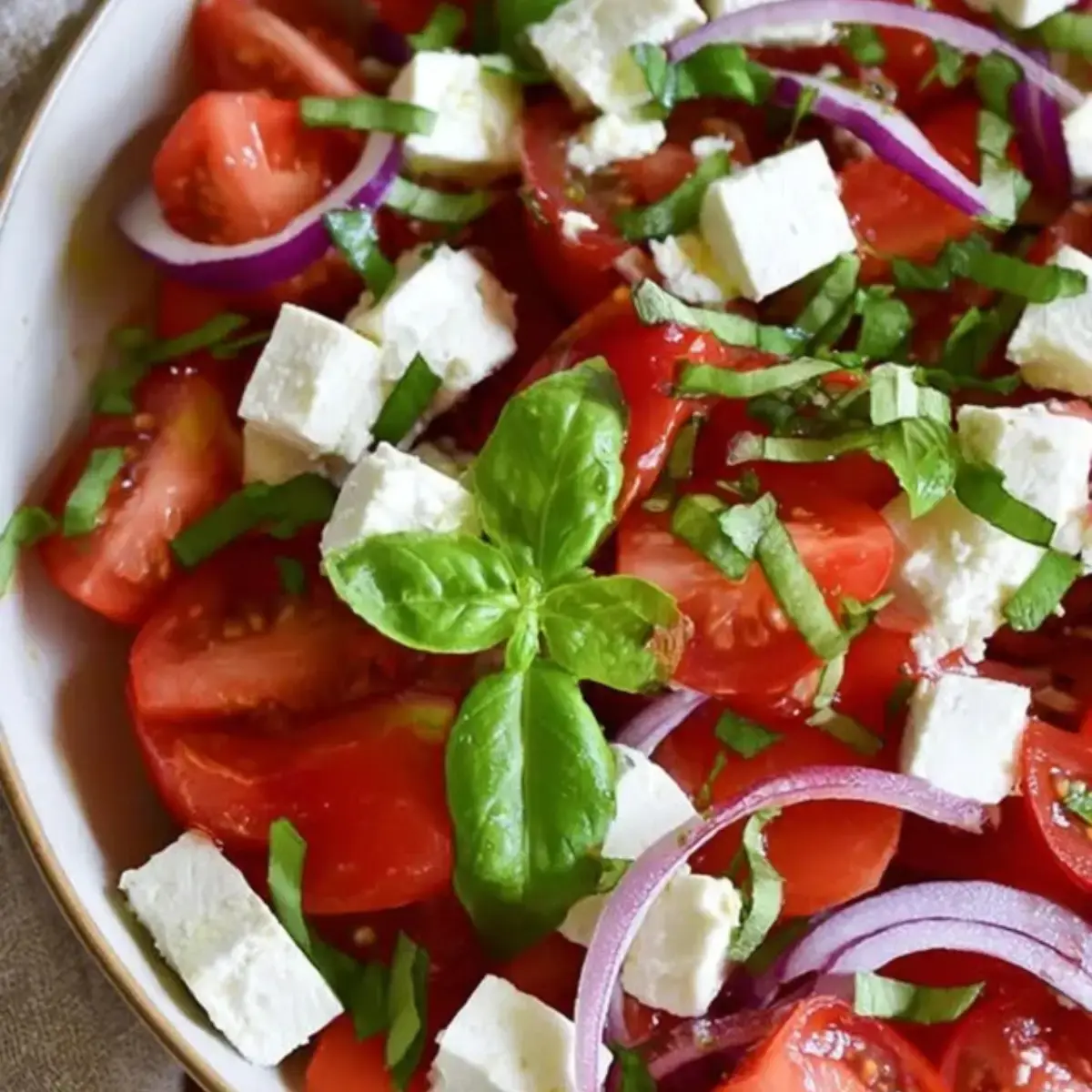
Tomatensalat mit Feta, or Tomato Salad with Feta, stands as a quintessential companion for those warm, sun-drenched summer days. This vibrant and refreshing salad artfully marries the intense, sun-ripened flavor of tomatoes with the zesty, salty tang of feta cheese, all brought together by a delicate vinaigrette. Its appeal lies not only in its exquisite taste but also in its remarkable speed of preparation, typically ready in a mere 15 minutes.
More than just a fleeting meal, this salad offers a versatile culinary embrace, seamlessly transitioning from a light, satisfying main course to an indispensable side dish that elevates any accompanying fare. Embark on this culinary journey with us as we unveil the secrets to this Mediterranean classic, promising an explosion of fresh, delightful flavors with every bite.
Why You Will Love This Recipe
- Quick Preparation: This delightful salad comes together in under 15 minutes, making it an ideal choice for busy weeknights or spontaneous gatherings. It’s the perfect way to enjoy a fresh, healthy meal without spending hours in the kitchen.
- Incredibly Fresh Flavors: Utilizing ripe, seasonal tomatoes as its star, this salad bursts with natural sweetness and acidity. Complemented by the sharp bite of red onion and the aromatic fragrance of fresh basil, every mouthful is a celebration of summer’s bounty.
- Versatile and Adaptable: Whether you’re looking for a light lunch, a side to your grilled favorites, or even a vegetarian main, this Tomatensalat mit Feta is wonderfully flexible. It pairs beautifully with crusty bread, grilled meats, or even as a topping for warm grains.
- Healthy and Nutritious: Packed with vitamins from the tomatoes, protein from the feta, and healthy fats from the olive oil, this salad offers a guilt-free indulgence. It’s a wholesome option that nourishes the body while delighting the palate.
- Simple Yet Elegant: Despite its easy preparation, the combination of colors and textures makes this salad visually appealing and sophisticated. It’s a dish that looks as good as it tastes, perfect for impressing guests or simply treating yourself.
Ingredients You Need
The foundation of any exceptional dish lies in the quality of its components, and this Tomatensalat mit Feta is no exception. Choosing the freshest, ripest tomatoes will elevate the salad from good to truly spectacular, as their natural sweetness and juiciness are paramount to the overall flavor profile. The saltiness of the feta cheese provides a creamy, pungent contrast that beautifully balances the acidity of the tomatoes and the subtle sharpness of the onion.
Fresh Tomato Feta Salad
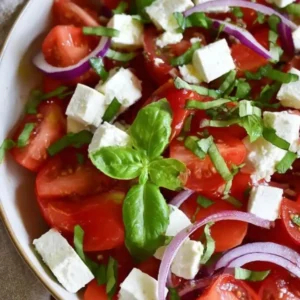
Fresh Tomato Feta Salad is the ideal summer dish: delicious, healthy, and quick to prepare. The salad combines fruity tomatoes with spicy feta, fresh onions, and a light dressing of olive oil and spices. Perfect as a side dish or main course on warm days.
- 400 g tomatoes, finely chopped
- 1 red onion, finely chopped
- 10 basil leaves, finely chopped
- 100 g feta, small cubes
- 1 pinch of salt
- Olive oil (to taste)
- Pepper (to taste)
- 1Thoroughly wash the tomatoes and cut them into small pieces. Peel and finely chop the onion.
- 2Pluck the basil leaves and chop them roughly.
- 3Cut the feta into small cubes and add it to the tomatoes and onions.
- 4Pour olive oil over the ingredients and season with salt and pepper to taste.
- 5Gently mix all ingredients and serve immediately or let it sit in the refrigerator for a few minutes.
Keywords: tomato, feta, salad, summer, quick, easy, vegetarian, mediterranean
The specific quantities for each ingredient are detailed within the recipe card, ensuring perfect proportions for a delightful outcome. Always opt for the best produce you can find to truly experience the vibrant essence of this simple yet profoundly satisfying salad. The aromatic basil and the light dressing are the final touches that bring all these wonderful elements into harmonious unity.
Variations
The beauty of this Tomatensalat mit Feta lies in its inherent adaptability, allowing for a multitude of delightful variations to suit diverse dietary preferences and flavor cravings. Imagine a vibrant vegan rendition, where the creamy feta is artfully replaced with crumbled firm tofu marinated in a lemon-herb dressing, or perhaps a sophisticated plant-based feta alternative that melts with a similar savory intensity. This substitution opens up a world of possibilities for those following a vegan lifestyle, ensuring no one misses out on this delightful culinary experience.
For those embracing a low-carb lifestyle, this salad offers a naturally compliant base that can be enhanced with additional low-carbohydrate ingredients. Consider incorporating avocado slices for added creaminess and healthy fats, or a generous sprinkle of toasted pumpkin seeds for a satisfying crunch. These additions maintain the salad’s fresh appeal while aligning perfectly with low-carb principles, providing a fulfilling and nutritious meal option that is both delicious and guilt-free.
Furthermore, introducing a touch of Mediterranean flair can transform this simple salad into an extraordinary dish. Adding briny Kalamata olives introduces a delightful salty pop, while a scattering of toasted pine nuts offers a rich, buttery texture. A drizzle of high-quality balsamic glaze can introduce a subtle sweetness and acidity, creating an even more complex flavor profile. These small additions, inspired by the bountiful flavors of the Mediterranean region, elevate the Tomatensalat mit Feta into a truly gourmet experience, perfect for any occasion.
How to Prepare Tomatensalat mit Feta
Step 1: Preparing the Tomatoes
Begin by carefully selecting your tomatoes; ideally, opt for ripe, firm, and flavorful varieties such as Roma, beefsteak, or cherry tomatoes for the best results. Gently wash each tomato under cool running water to remove any surface impurities, ensuring they are clean and ready for preparation. Once washed, pat them dry with a clean kitchen towel to prevent excess moisture from diluting the dressing later in the process.
Next, decide on the size and shape of your tomato pieces. For a rustic feel, you can quarter larger tomatoes or halve smaller ones. If you prefer smaller, more bite-sized pieces, dice the tomatoes into roughly 1-inch cubes. For cherry or grape tomatoes, a simple halved cut is usually sufficient, showcasing their naturally appealing shape and vibrant color. The key is to aim for uniform sizes so that each bite offers a balanced distribution of ingredients.
If using larger, juicier tomatoes, you might consider removing the core and, if desired, the seeds and watery pulp. This step can prevent the salad from becoming overly watery, particularly if you plan to let it sit for a short period before serving. However, for immediate consumption, leaving the seeds in can add extra moisture and flavor, contributing to a wonderfully juicy salad. The choice here often depends on personal preference and how soon you intend to serve the salad.
Step 2: Chopping the Red Onion
Select a medium-sized red onion; its vibrant color will add visual appeal to the salad, and its slightly milder flavor profile is often preferred in raw preparations compared to yellow or white onions. Begin by trimming off the top and root ends of the onion. Then, carefully peel away the dry outer layers, ensuring you remove all papery skin to reveal the fresh, crisp flesh underneath.
Slice the onion in half lengthwise, from root to tip. Lay each half flat on your cutting board to ensure stability and safety during the chopping process. The goal is to achieve finely diced pieces that will integrate seamlessly into the salad without overwhelming the other ingredients. Thinly slice each half crosswise to create half-moon shapes, then cut these slices into small, uniform pieces, aiming for a dice of about 1/8 to 1/4 inch.
If you find raw red onion too pungent for your liking, a simple trick is to soak the diced onion in a bowl of cold water for about 10-15 minutes before draining thoroughly. This process helps to mellow its sharp flavor, making it more palatable while still retaining its essential character. Ensure the onion is completely dry after soaking before adding it to the tomato mixture. This step ensures a more subtle yet present onion flavor that complements rather than dominates the other ingredients.
Step 3: Preparing the Fresh Basil
Fresh basil is an absolute star in this salad, providing an aromatic, slightly peppery, and wonderfully fresh counterpoint to the other ingredients. Choose bright green, unblemished basil leaves, avoiding any that appear wilted or discolored for the best fragrance and flavor. Gently rinse the basil leaves under cool water and then carefully pat them dry with a paper towel or a clean kitchen towel to remove any excess moisture.
For a more rustic presentation and to release the basil’s essential oils, a simple chiffonade cut is highly effective. Stack several basil leaves on top of each other, roll them up tightly like a cigar, and then thinly slice across the roll. This creates delicate ribbons of basil that distribute beautifully throughout the salad. Alternatively, if you prefer larger pieces, you can simply tear the leaves by hand, a method that some believe further enhances the basil’s aroma.
The amount of basil can be adjusted to your personal preference; some might prefer a generous handful for a pronounced herbaceous note, while others may opt for a more subtle hint. As you add the basil, take a moment to inhale its intoxicating aroma, a true sign of summer and freshness. This aromatic herb not only enhances the flavor but also adds a beautiful splash of vibrant green color to the overall composition of the salad.
Step 4: Crumbling the Feta Cheese
The feta cheese introduces a delightful salty, tangy, and creamy element that is indispensable to this salad’s character. Opt for a good quality feta, preferably one packed in brine, as this usually indicates a fresher, more flavorful cheese. Before crumbling, drain the feta block from its brine and gently pat it dry with a paper towel to prevent it from making the salad soggy.
There are a couple of ways to prepare the feta. You can either crumble it directly into the salad with your hands, aiming for irregular, bite-sized pieces, or you can dice it into small, uniform cubes, about 1/2 inch in size. Crumbling tends to distribute the salty pockets more evenly throughout the salad, while dicing provides distinct cheesy bites. For this specific recipe, using small cubes offers a pleasing texture contrast to the softer tomatoes.
When adding the feta, be mindful of its saltiness. Taste your tomatoes and dressing before heavily seasoning with additional salt, as the feta itself contributes a significant amount of salinity. The goal is to achieve a balanced flavor profile where the feta enhances, rather than overpowers, the natural sweetness of the tomatoes and the freshness of the herbs. The creamy texture of the feta also adds a luxurious mouthfeel to every spoonful.
Step 5: Assembling and Dressing the Salad
In a large mixing bowl, gently combine the prepared tomatoes, diced red onion, and crumbled or cubed feta cheese. Add the chopped fresh basil to the bowl, distributing it evenly amongst the other ingredients. Take care not to overmix at this stage, as the aim is to keep the ingredients as intact as possible to maintain their fresh textures and prevent them from becoming mushy.
Now, it’s time to prepare the simple yet flavorful dressing. Drizzle a generous amount of high-quality extra virgin olive oil over the salad ingredients. The amount of olive oil can be adjusted based on your preference for richness and how much dressing you desire. A good starting point is typically 2-3 tablespoons for the quantities specified in the recipe.
Season the salad with freshly ground black pepper to taste. For salt, proceed with caution. Feta cheese is inherently salty, so it’s best to taste the salad after adding the olive oil and pepper before adding any additional salt. If needed, a small pinch of sea salt can be added. Gently toss all the ingredients together to ensure the olive oil and pepper coat everything evenly, creating a light, flavorful dressing that enhances rather than masks the fresh ingredients. If you wish, a tiny squeeze of lemon juice or a splash of balsamic vinegar can be added at this stage for an extra layer of complexity, though it is not strictly traditional.
Step 6: Final Touches and Serving
Once all the ingredients are gently combined and dressed, let the salad sit for a few minutes, ideally 5-10 minutes, at room temperature. This brief resting period allows the flavors to meld and deepen, creating a more cohesive and satisfying taste experience. During this time, the tomatoes will release a small amount of their juices, which will combine with the olive oil to form a light, natural dressing at the bottom of the bowl.
Before serving, give the salad one final, gentle toss to redistribute the flavors and ensure every component is lightly coated. If you notice any excess liquid pooling at the bottom, you can either spoon a little of it over the salad or simply present it as is, allowing diners to enjoy the natural tomato juices. The visual appeal of the vibrant red tomatoes, white feta, and green basil is often enough, but you can enhance it further with a few whole basil leaves as garnish.
Serve the Tomatensalat mit Feta immediately while the ingredients are at their freshest. This salad is incredibly versatile and can be enjoyed on its own, as a light lunch, or as a refreshing side dish to a variety of main courses. It pairs exceptionally well with grilled meats, fish, or as part of a larger mezze platter. Its simplicity belies its profound ability to refresh the palate and add a burst of Mediterranean sunshine to any meal.
Pro Tips for Tomatensalat mit Feta
Use Ripe, Seasonal Tomatoes: The quality of your tomatoes is paramount. Seek out vine-ripened, in-season tomatoes for the most intense sweetness and flavor. Heirloom varieties, cherry tomatoes, or San Marzano tomatoes all lend themselves beautifully to this simple salad.
Don’t Overdress: This salad thrives on fresh, distinct flavors. A light drizzle of good quality extra virgin olive oil is sufficient; avoid drenching the ingredients. The natural juices released by the tomatoes will also contribute to the dressing.
Let Flavors Mingle: Allow the salad to sit for at least 10-15 minutes after dressing. This short resting period allows the flavors to marry and deepen, creating a more harmonious taste profile. It’s not ideal to prepare it hours in advance, as the tomatoes can become watery.
Adjust Seasoning Wisely: Feta cheese is quite salty. Always taste the salad before adding extra salt. Freshly cracked black pepper is a must, and a tiny pinch of red pepper flakes can add a subtle kick if desired.
Consider a Vinegar Boost: While olive oil is classic, a small splash of balsamic vinegar or red wine vinegar can add a lovely tang and complexity. Add it sparingly to complement, not overpower, the fresh tomato flavor.
Serving Suggestions for Tomatensalat mit Feta
Decoration
Elevate the visual appeal of your Tomatensalat mit Feta with simple yet elegant garnishes. A few whole, fresh basil leaves strategically placed on top can add a burst of vibrant green and an extra aromatic touch. Consider a light dusting of freshly cracked black pepper for visual contrast and added aroma. For a touch of color and a hint of Mediterranean flair, a sprinkle of finely chopped fresh parsley or chives can also be quite effective, complementing the basil without overpowering its distinct fragrance.
Side Dishes
This delightful salad serves as a perfect accompaniment to a wide array of main courses. It is a classic partner to grilled meats such as lamb chops, chicken skewers, or steak, providing a refreshing counterpoint to the richness of the cooked protein. Seafood dishes, especially grilled fish or shrimp, also benefit from the salad’s brightness and acidity. For a lighter meal, it pairs wonderfully with crusty bread, olives, and perhaps some hummus, creating a simple yet satisfying Mediterranean feast. It also complements vegetarian options like grilled halloumi or falafel beautifully.
Creative Serving Ideas
Think beyond the traditional bowl. Serve individual portions in small ramekins or clear glasses for an elegant presentation at dinner parties. You can also layer the ingredients artfully on a platter, allowing guests to serve themselves from a visually appealing arrangement. Another creative idea is to stuff the salad into hollowed-out bell peppers or small tomatoes for delightful, edible serving vessels. Consider adding toasted pita bread wedges or slices of artisanal bread for dipping into the flavorful juices that accumulate at the bottom of the serving dish.
Preparation & Storage
Storing Leftovers
If you find yourself with leftover Tomatensalat mit Feta, proper storage is key to maintaining its freshness and flavor. It is best to store any undressed components separately from the dressed salad. If the salad has already been dressed, transfer any remaining portion to an airtight container. Place this container in the refrigerator, ensuring it is kept as cool as possible.
The salad is generally best consumed within one to two days of preparation. However, the quality can diminish over time as the tomatoes release more moisture and the feta may become softer. It’s advisable to avoid storing it for extended periods, as the texture and vibrancy are at their peak when freshly made. If you have a large batch and only part of it is dressed, store the undressed ingredients and dressing separately to maximize freshness.
When you wish to serve leftovers that have been dressed, give them a gentle stir. You might find that a bit more olive oil or a squeeze of lemon juice is needed to revive the flavors, especially if the salad has been refrigerated for more than a day. The key is to keep the ingredients as pristine as possible until serving time for the best sensory experience.
Freezing
Unfortunately, Tomatensalat mit Feta is not a dish that freezes well. The high water content of the tomatoes means they will become mushy and lose their appealing texture upon thawing. Similarly, the feta cheese can become crumbly and lose its characteristic creamy texture when subjected to freezing and thawing processes. The fresh basil would also likely suffer significant damage to its delicate structure and vibrant flavor profile.
For these reasons, it is strongly recommended to prepare this salad fresh each time you wish to enjoy it. Freezing is simply not a viable option for preserving its intended taste and texture. The beauty of this salad lies in its vibrant freshness, which is best achieved when its ingredients are used shortly after preparation. Therefore, plan your meals accordingly to avoid the need to freeze any leftovers.
If you do have an abundance of tomatoes that you wish to preserve for future use in salads, consider other methods like blanching and peeling them for a tomato sauce base, or dehydrating them to make sun-dried tomatoes. These preserved tomatoes can then be used in various other dishes, but direct freezing of the assembled salad is not advisable. The essence of this salad is its immediate, bright, and refreshing nature.
Reheating
Reheating Tomatensalat mit Feta is generally not recommended and, in most cases, not necessary given its role as a fresh, chilled salad. This dish is designed to be served cold or at room temperature to best appreciate the crispness of the tomatoes, the tang of the feta, and the aroma of the fresh basil. Warming it up would fundamentally alter its intended character and texture.
If, by chance, you have a portion that has been refrigerated and you prefer it not to be icy cold, simply allow it to sit at room temperature for about 15-20 minutes before serving. This gentle warming will bring it closer to an optimal serving temperature without actually cooking or heating the ingredients. This is the closest you would get to “reheating” this particular salad.
The core principle behind this salad is its uncooked, vibrant nature. Any form of cooking or significant reheating would compromise the integrity of the fresh ingredients, turning a bright and refreshing dish into something limp and undesirable. Therefore, enjoy it as it is intended: fresh, cool, and bursting with natural flavors. The best way to enjoy it is to make only what you can consume fresh.
Frequently Asked Questions
-
Can I prepare the Tomatensalat mit Feta ahead of time?
Yes, you can prepare the components of this salad in advance, but it is highly recommended to add the dressing just before serving. This is crucial to prevent the tomatoes from releasing excess water and becoming soggy, which would detract from the salad’s fresh texture. If you plan to assemble it a few hours ahead, keep the tomatoes, onion, basil, and feta separate from the olive oil and seasonings. You can chop the vegetables and crumble the cheese earlier in the day, storing them in airtight containers in the refrigerator. The basil can be chopped just before assembly. When ready to serve, combine everything and toss with the dressing to ensure maximum freshness and crispness in every bite.
-
What are the best types of tomatoes to use for this salad?
The choice of tomatoes significantly impacts the final taste and texture of your Tomatensalat mit Feta. For the most vibrant and delicious results, opt for ripe, flavorful varieties that are in season. Heirloom tomatoes, with their unique shapes and rich flavors, are an excellent choice. Similarly, robust beefsteak tomatoes offer a good balance of sweetness and acidity. Smaller varieties like cherry tomatoes or grape tomatoes are also fantastic, as they provide concentrated bursts of flavor and are easy to eat whole or halved. Avoid mealy or underripe tomatoes, as they will lack the desired sweetness and juiciness, which are fundamental to this salad’s appeal. Firmness is also key; overly soft tomatoes will break down too quickly when dressed.
-
Is it possible to substitute the feta cheese with another type of cheese?
Absolutely! While feta is traditional and provides a distinct salty and tangy flavor, there are several excellent cheese substitutes that can be used. For a similar salty profile with a slightly creamier texture, consider using goat cheese crumbles or a good quality Bulgarian feta. If you prefer a milder cheese, fresh mozzarella pearls or diced paneer can work, though they won’t offer the same sharp tang. For a vegan alternative, a good quality vegan feta alternative or even small cubes of firm tofu marinated in lemon juice and herbs can provide a satisfying substitute. Remember to adjust the salt content of your dressing based on the saltiness of the cheese you choose.