Texas Roadhouse Rolls – Easy Copycat Recipe!
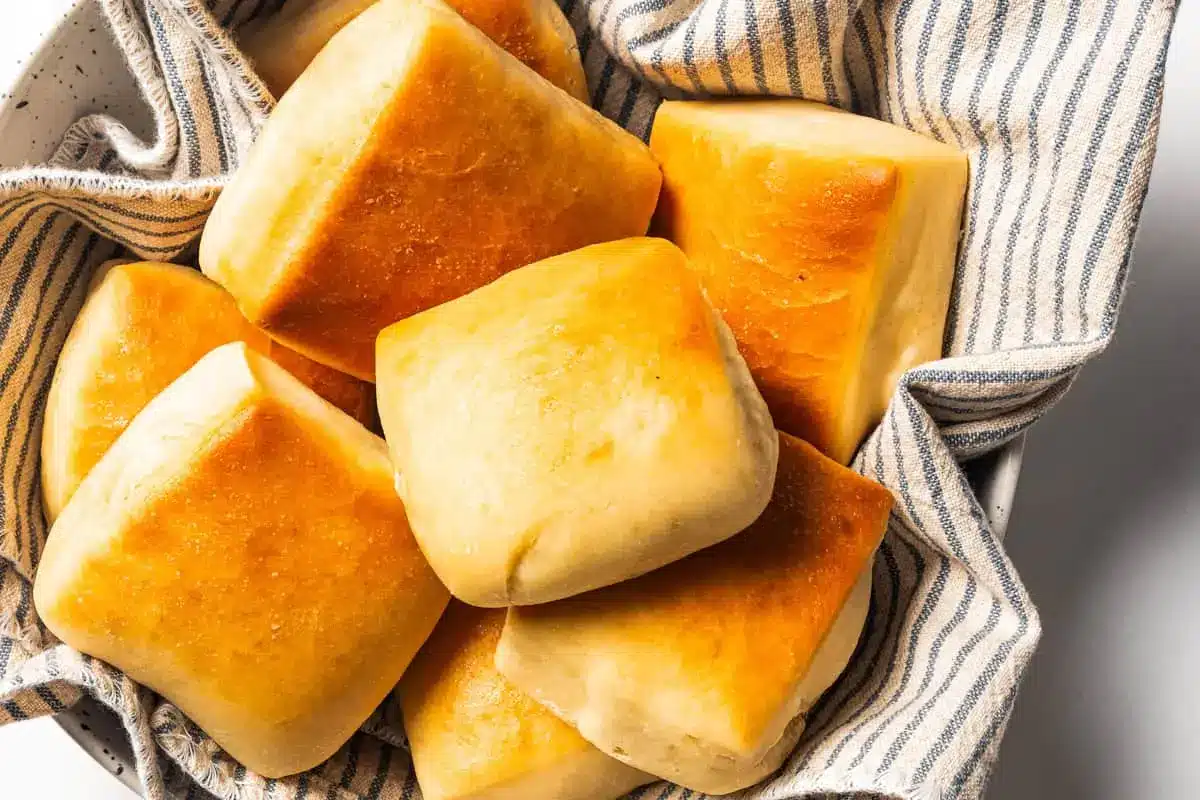
There’s a certain magic that happens when a batch of warm, incredibly soft dinner rolls emerges from the oven, filling the entire home with a comforting aroma. These aren’t just any rolls; they’re the kind that make you close your eyes and savor every single bite, disappearing so quickly you’ll wish you’d made a double batch.
This recipe aims to capture that very essence, offering a delightful copycat version of the beloved Texas Roadhouse rolls. Prepare to impress your family and friends with these pillowy delights, perfect for any occasion, from a casual weeknight dinner to a more festive gathering.
Why You Will Love This Recipe
- Incredible Softness: These rolls boast an unparalleled light and fluffy texture that melts in your mouth, a testament to the careful balance of ingredients and technique.
- Simple Ingredients: You likely have most, if not all, of the necessary components in your pantry already, making a spontaneous baking session entirely achievable.
- Homemade Perfection: Experience the satisfaction of creating restaurant-quality rolls right in your own kitchen, far surpassing any store-bought alternative.
- Versatile Serving: Whether paired with sweet cinnamon butter for a delightful appetizer or used to sop up savory sauces, these rolls adapt beautifully to various meal styles.
- Rewarding Process: The aroma alone is a treat, and the joy of pulling these golden-brown beauties from the oven makes the entire baking journey a truly fulfilling experience.
Ingredients You Need
The beauty of these Texas Roadhouse roll copycats lies in their simplicity and reliance on common pantry staples. By using good quality ingredients, you ensure a superior final product that will have everyone asking for the recipe. Each component plays a crucial role in achieving that signature soft texture and rich flavor profile.
Texas Roadhouse Rolls

Homemade copycat Texas Roadhouse rolls that are soft, fluffy, and perfect served warm with cinnamon butter. A simple recipe with just 7 ingredients, better than store-bought or frozen versions.
- 2 teaspoons active dry yeast
- ½ teaspoon granulated sugar
- ¼ cup warm water (between 100ºF and 110ºF)
- 1 cup milk (lukewarm, about 105ºF)
- 2 tablespoons unsalted butter, melted and cooled
- 1 large egg
- 1 teaspoon salt
- 3¾ cup all purpose flour
- 1½ tablespoons unsalted butter, melted and cooled (for brushing)
- Cinnamon butter (recipe in notes)
- 1Bloom the yeast: In a bowl, combine active dry yeast, sugar, and warm water. Stir and let sit for 5-10 minutes until foamy.
- 2Add the wet ingredients: To the bowl of a stand mixer, add the lukewarm milk, melted butter, and the foamy yeast mixture. Add the egg and salt and mix until well combined.
- 3Add flour: Attach the dough hooks and gradually add the flour to the wet ingredients while mixing. Mix until the dough starts to pull away from the sides of the bowl. Add a little more flour if needed to prevent sticking.
- 4Rise the dough: Transfer the dough to a lightly oiled bowl, cover with a clean kitchen towel, and let it rise in a warm place for 1½ hours, or until doubled in size.
- 5Roll out the dough: Punch down the dough and roll it into a ½-inch thick rectangle.
- 6Cut out the dough: Cut the dough into 15 squares or rectangles. Transfer the pieces to a baking sheet lined with parchment paper.
- 7Rise again: Cover the rolls with a clean kitchen towel and let them rise until doubled in size, about 30 to 45 minutes.
- 8Bake: Preheat your oven to 350ºF. Bake the rolls for 20 minutes.
- 9Serve: Immediately after baking, brush the warm rolls with the additional melted butter. Let cool for 5-10 minutes before serving with cinnamon butter.
Keywords: Texas Roadhouse Rolls, homemade rolls, dinner rolls, copycat recipe, cinnamon butter, bread, baking, side dish, vegetarian
You’ll find the precise quantities for each ingredient within the provided recipe card, ensuring accuracy for perfect results every time. The list includes active dry yeast for leavening, sugar for yeast activation and a touch of sweetness, milk and warm water as the liquid base, unsalted butter for richness, a large egg for binding and structure, salt for flavor enhancement, and all-purpose flour as the primary structure builder. Additional melted butter is used for brushing after baking.
Variations
While the classic Texas Roadhouse roll is undeniably delicious, there are numerous ways to adapt this recipe to suit different dietary needs or flavor preferences, showcasing the versatility of a well-formulated dough.
Vegan Delight: For a compassionate twist, you can easily make these rolls vegan. Substitute the milk with unsweetened plant-based milk like almond or soy milk, and use a vegan butter alternative or coconut oil for the butter component. Ensure your egg substitute, such as a flax egg or commercial egg replacer, is also vegan-friendly.
Low-Carb Adaptations: Creating a truly low-carb roll that mimics the texture of wheat flour is challenging, but some modifications can get you closer. Consider experimenting with a blend of almond flour and coconut flour, incorporating a binder like psyllium husk or xanthan gum, and potentially using a sugar substitute. This variation will require significant adjustments to liquid ratios and baking times.
Herbed Savory Rolls: Elevate the savory aspect by incorporating fresh or dried herbs directly into the dough. Finely chopped rosemary, thyme, or a mix of Italian herbs can add a wonderful aromatic dimension. You could also brush the tops with melted butter mixed with garlic powder and parsley for an extra burst of flavor.
How to Prepare texas roadhouse rolls
Step 1: Bloom the Yeast
Begin by awakening your yeast, a crucial step for achieving a light and airy dough. In a small bowl, combine the active dry yeast with a pinch of granulated sugar and the warm water. Gently stir to ensure the sugar dissolves and the yeast is evenly distributed.
Cover the bowl with a clean kitchen towel or plastic wrap and let it sit in a warm place for about 5 to 10 minutes. During this time, the yeast will become active and begin to feed on the sugar, producing a foamy, bubbly layer on the surface. This visual cue confirms that your yeast is alive and ready to work its magic in the dough.
If, after 10 minutes, you don’t see any foam or bubbles, your yeast might be expired or dead, and it’s best to discard the mixture and start with a fresh packet. Using fresh, active yeast is paramount for the successful rise of your rolls, ensuring they achieve that signature fluffy texture that makes them so irresistible.
Step 2: Combine the Wet Ingredients
In the bowl of a stand mixer fitted with the dough hook attachment, combine the lukewarm milk, the cooled melted unsalted butter, and the activated yeast mixture. Ensure the milk is lukewarm, ideally between 100°F and 105°F; if it’s too hot, it can kill the yeast, and if it’s too cold, it won’t activate properly. The melted butter should also be cooled to avoid damaging the yeast.
Next, add the large egg and the teaspoon of salt to the wet ingredients. The egg contributes to the richness and tenderness of the rolls, while the salt enhances the overall flavor profile, balancing the sweetness and ensuring the yeast functions correctly. Mix these ingredients thoroughly using the mixer on a low speed until they are well combined and homogenous.
This step ensures that all the liquid components are evenly distributed, providing a consistent base for incorporating the dry ingredients. A well-mixed wet base is fundamental to developing a smooth and elastic dough in the subsequent stages of the recipe.
Step 3: Incorporate the Flour and Knead
With the wet ingredients combined in the stand mixer bowl, it’s time to introduce the flour. Gradually add the all-purpose flour, about a cup at a time, while the mixer is running on a low speed. Continue mixing until the flour is mostly incorporated into the wet ingredients, forming a shaggy dough.
Once a shaggy dough forms, increase the mixer speed to medium and continue to knead with the dough hook for about 6 to 8 minutes. The dough should start to pull away from the sides of the bowl as it develops gluten and becomes smooth and elastic. If the dough appears too sticky and isn’t coming together, add a tablespoon of flour at a time until it reaches the desired consistency; be careful not to add too much flour, as this can result in dry, tough rolls.
Alternatively, you can knead the dough by hand on a lightly floured surface for about 10 to 12 minutes. The goal is to achieve a smooth, pliable dough that springs back slightly when gently pressed with a finger. This kneading process is essential for developing the gluten structure, which is key to the rolls’ soft and chewy texture.
Step 4: First Rise
Lightly grease a large, clean bowl with a small amount of oil or cooking spray. Transfer the kneaded dough to the greased bowl, turning it gently to coat the entire surface with oil. This prevents the dough from drying out as it rises.
Cover the bowl tightly with plastic wrap or a clean, damp kitchen towel. Place the bowl in a warm, draft-free location in your kitchen. An ideal spot might be a slightly warmed (and then turned-off) oven or near a sunny window. The dough needs a consistently warm environment to rise effectively.
Allow the dough to rise for approximately 1.5 to 2 hours, or until it has doubled in size. The exact rise time can vary depending on the ambient temperature of your kitchen; a warmer environment will speed up the process, while a cooler one will slow it down. Patience here is key; a good, slow rise contributes significantly to the final texture and flavor of the rolls.
Step 5: Shape and Second Rise
Once the dough has doubled in size, gently punch it down to release the accumulated air. Turn the dough out onto a lightly floured surface. For these rolls, you’ll want to roll the dough into a rectangle, aiming for a thickness of about half an inch. This even thickness ensures consistent baking and texture.
Using a sharp knife or a pizza cutter, cut the rectangular dough into approximately 15 equal squares or rectangles. This is how you’ll form the individual rolls. Carefully transfer these cut pieces onto a large baking sheet that has been lined with parchment paper. Arrange them close together but with a little space, as they will expand during their final rise and baking.
Cover the shaped rolls loosely with a clean kitchen towel and let them rise again in a warm place for another 30 to 45 minutes, or until they are visibly puffy and have nearly doubled in size. This second rise, or proofing, is crucial for developing the light, airy structure that defines these rolls.
Step 6: Bake to Golden Perfection
Preheat your oven to 350°F (175°C) during the last 15 minutes of the second rise. This ensures the oven is at the correct temperature when the rolls are ready to bake, promoting an even bake and a beautiful golden-brown crust.
Once the oven is preheated and the rolls have completed their second rise, place the baking sheet into the center of the oven. Bake for approximately 18 to 20 minutes. Keep an eye on them during the last few minutes; you’re looking for a lovely golden-brown color on top and a bottom that sounds slightly hollow when tapped.
As soon as the rolls come out of the oven, while they are still hot, generously brush the tops with the reserved 1.5 tablespoons of melted unsalted butter. This adds an extra layer of richness and shine, making them even more appealing. Let them cool on the baking sheet for about 5 to 10 minutes before serving.
Pro Tips for texas roadhouse rolls
Achieving that perfect Texas Roadhouse roll texture and flavor involves a few key techniques and considerations that elevate them beyond a basic bread recipe. Paying attention to these details can make a significant difference in the final outcome.
Yeast Activation is Key: Always ensure your yeast is fresh and properly activated. The foamy mixture is your visual confirmation that the yeast is alive and ready to leaven the dough. If it doesn’t foam, the yeast is likely dead, and your rolls won’t rise properly, so start again with new yeast.
Temperature Control: The temperature of your liquids (milk and water) is critical. They should be warm, not hot, to activate the yeast without killing it. Use a thermometer for precision, aiming for the 100-110°F range for water and around 105°F for milk. Similarly, ensure melted butter is cooled.
Don’t Over-Flour: While it’s tempting to add extra flour if the dough seems sticky, err on the side of slightly sticky. Over-flouring will result in dry, dense rolls. The dough should be soft and pliable, just barely pulling away from the sides of the bowl when kneaded properly.
Warm Rising Environment: Yeast thrives in warmth. If your kitchen is cool, create a warm environment for the dough to rise. An oven that has been briefly heated and then turned off, or placing the bowl in a sunny spot, can provide the necessary warmth for optimal rising.
Gentle Handling After Rising: After the dough has risen, be gentle when punching it down and shaping. Overworking or aggressively handling the dough can knock out too much of the air, resulting in a denser final product. The goal is to retain as much of that precious airiness as possible.
Serving Suggestions for texas roadhouse rolls
Decoration
The simplest and most effective way to “decorate” these warm rolls is by brushing them with melted butter immediately after they come out of the oven. This not only adds a beautiful sheen but also a delightful richness that complements the bread’s flavor. For an even more decadent touch, consider adding a sprinkle of flaky sea salt over the melted butter just before it sets.
If you’re serving these as a slightly more special treat, you could also consider a light dusting of finely grated Parmesan cheese mixed with a touch of garlic powder onto the buttered tops while they are still warm. This offers a savory counterpoint that is particularly lovely with heartier main dishes.
Another appealing garnish could be a very light sprinkle of finely chopped fresh parsley or chives over the buttered tops. This adds a touch of color and a subtle herbaceous freshness that enhances the visual appeal and the overall sensory experience of enjoying these rolls.
Side Dishes
These rolls are incredibly versatile and pair beautifully with a wide array of main courses. Their slightly sweet, soft profile makes them an ideal companion for classic comfort foods. Consider serving them alongside hearty stews, rich pot roasts, or flavorful pasta dishes where the rolls can be used to soak up every last drop of delicious sauce.
They also shine as a side for grilled or roasted meats, such as steak, chicken, or pork chops. The richness of the bread balances the savory flavors of the protein, creating a satisfying and well-rounded meal. Think of them as the perfect accompaniment to a baked lemon chicken or a hearty meatloaf.
For lighter meals, these rolls can be paired with creamy soups like lobster bisque or a hearty vegetable soup. Their soft texture is a welcome contrast to the liquid consistency of soups, and they provide a comforting element to the meal. They are also a fantastic addition to a dinner spread that includes chili or a flavorful curry.
Creative Serving Ideas
Move beyond the standard butter and explore the delightful world of flavored butters. The classic cinnamon butter is a must-try, but don’t stop there. Consider a garlic herb butter, a spicy jalapeño butter, or even a sweet honey butter with a hint of lavender. These custom butters can transform the rolls into a signature appetizer.
You can also transform these rolls into mini sandwiches or sliders. Slice them horizontally and fill them with pulled pork, chicken salad, or even a smear of cream cheese and smoked salmon for a delightful brunch or light lunch option. The soft interior makes them easy to fill without falling apart.
For a unique dessert presentation, consider slicing the rolls and lightly toasting them, then serving them warm with a dollop of fresh fruit compote and a spoonful of sweetened whipped cream. This offers a wonderfully comforting end to a meal, reminiscent of a bread pudding but with the distinctive texture of these rolls. You can also explore pairing them with a sweet tart like an easy berry tart for a delightful contrast.
Preparation & Storage
Storing Leftovers
To keep your delicious Texas Roadhouse rolls fresh and soft after they’ve cooled completely, store them in an airtight container or a resealable plastic bag at room temperature. Ensure the container is truly airtight to prevent the rolls from drying out. If stored properly, they can maintain their delightful texture for up to 3 to 4 days.
Avoid storing them in the refrigerator, as this can often lead to them becoming stale and hard more quickly due to the lower temperatures. The ideal scenario is to enjoy them within the first couple of days for the best possible taste and texture. If you find they’ve become slightly dry, a brief warm-up can often revive them.
If you anticipate having many leftovers beyond a few days, freezing is a much better long-term storage solution. This ensures you can enjoy their freshly baked quality even weeks after they were originally made, minimizing waste and always having a treat on hand.
Freezing
Freezing is an excellent method to preserve the wonderful texture and flavor of these homemade rolls for extended periods. Once the rolls have completely cooled, wrap each individual roll tightly in plastic wrap. This initial wrapping is crucial to prevent freezer burn and maintain moisture.
After wrapping them individually, place the wrapped rolls into a heavy-duty freezer bag or an airtight container. Squeeze out as much air as possible from the freezer bag before sealing it to further protect the rolls from moisture loss. Properly stored, these rolls can be frozen for up to 2 to 3 months without significant degradation in quality.
When you’re ready to enjoy them, it’s best to thaw them gradually at room temperature rather than reheating them directly from frozen. This slow thawing process helps to maintain their soft texture. You can also remove the plastic wrap once thawed and give them a quick warm-up.
Reheating
To reheat your leftover or previously frozen rolls and bring them back to their warm, soft glory, several methods work well. The simplest approach is to warm them in a low-temperature oven. Place the rolls on a baking sheet and heat them in an oven preheated to around 300°F (150°C) for about 5 to 10 minutes, or until they are heated through and soft again.
Another effective method is to use a microwave, but be cautious as microwaves can sometimes dry out baked goods if not used carefully. Place the roll on a microwave-safe plate, and heat for 10 to 20 second intervals until warmed through. You can also try wrapping a slightly damp paper towel around the roll before microwaving to help retain moisture.
For a quick, individual reheat, the toaster oven is also a good option. Place the rolls in the toaster oven and heat on a low setting for a few minutes until warmed. Whichever method you choose, it’s often a delightful finishing touch to brush them with a little melted butter immediately after reheating to restore that fresh-from-the-oven appeal.
Frequently Asked Questions
-
Why are my Texas Roadhouse rolls not as fluffy as the restaurant’s?
Several factors can contribute to rolls not reaching their full fluffy potential. The most common culprits include inactive yeast, incorrect liquid temperatures (too hot kills yeast, too cold hinders activation), insufficient kneading (leading to underdeveloped gluten), or over-flouring the dough, which makes it dense. Ensuring your yeast is fresh and properly activated, your liquids are at the correct temperature, and you knead the dough until it’s smooth and elastic are crucial steps. Additionally, providing a consistently warm environment for both rising stages is vital for optimal expansion and a light texture.
-
Can I use bread flour instead of all-purpose flour for these rolls?
Yes, you can certainly use bread flour instead of all-purpose flour. Bread flour has a higher protein content than all-purpose flour, which translates to more gluten development. This can result in an even chewier and more structured roll, which might be desirable for some. However, be mindful that bread flour can absorb more liquid, so you might need to slightly adjust the amount of milk or water if the dough seems too dry. The final texture might be slightly different – a bit more robust – but still delicious and a great option for those who prefer a chewier bread.
-
How can I make the cinnamon butter for Texas Roadhouse rolls?
Making the iconic cinnamon butter is incredibly simple and requires just a few ingredients. In a medium bowl, combine half a cup (1/2 cup) of softened unsalted butter with a quarter cup (1/4 cup) of honey, a quarter cup (1/4 cup) of powdered sugar, and one teaspoon of ground cinnamon. Use an electric mixer to beat these ingredients together until the mixture is smooth, creamy, and well combined. The powdered sugar helps to create a light and fluffy texture, while the honey provides sweetness and a lovely golden hue. Ensure your butter is properly softened (not melted) for the best consistency. This delightful topping is the perfect accompaniment to the warm rolls and can be made ahead of time and stored in the refrigerator.