Texas Roadhouse Rolls – Easy Copycat Recipe!
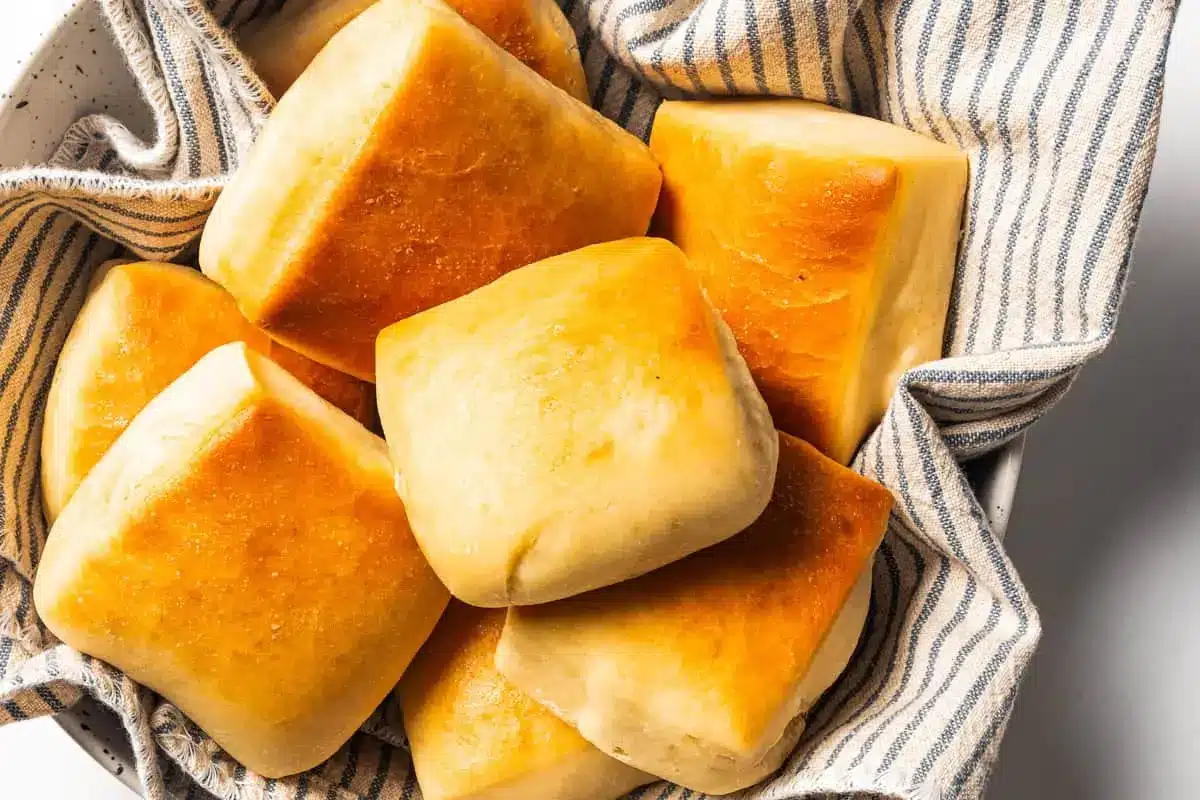
If you’ve ever dined at Texas Roadhouse, you know the irresistible allure of their signature rolls. These warm, fluffy, and slightly sweet delights are often the highlight of the meal, perfectly complementing any savory dish. Recreating that magic in your own kitchen is more achievable than you might think, and the result is a batch of rolls so delicious, they’ll vanish from your counter in minutes.
This recipe aims to capture the essence of those beloved rolls, offering a taste of restaurant-quality comfort food right at your dining table. Prepare to impress your family and friends with these simple yet incredibly satisfying homemade creations, perfect for any occasion, from a casual weeknight dinner to a festive gathering.
Why You Will Love This Recipe
- Incredible Softness: These rolls boast an unbelievably tender and fluffy texture that melts in your mouth with every bite, making them utterly irresistible.
- Authentic Flavor: We’ve meticulously recreated the distinctive, slightly sweet flavor profile that makes Texas Roadhouse rolls so iconic and sought-after.
- Simple Ingredients: You only need a handful of common pantry staples to whip up this delightful recipe, ensuring accessibility for every home baker.
- Versatile Serving: Whether paired with sweet cinnamon butter or as a savory accompaniment to your favorite meals, these rolls adapt beautifully to any culinary preference.
- Rewarding Bake: The process of transforming simple ingredients into warm, fragrant rolls is a joy in itself, culminating in a truly satisfying baking experience.
Ingredients You Need
Crafting these exceptional rolls relies on a few key ingredients that work harmoniously to achieve their signature taste and texture. Ensuring the quality of these components is the first step towards baking success, setting the stage for a truly delightful outcome. The magic truly unfolds when these elements are combined with care and precision.
Texas Roadhouse Rolls

These copycat Texas Roadhouse rolls are soft and fluffy, and you can serve them warm with homemade cinnamon butter as a side with any meal. They are simple to make and better than frozen.
- 2 teaspoons active dry yeast
- 1 cup milk, lukewarm, about 105ºF
- 2 tablespoons unsalted butter, melted and cooled
- 1 large egg
- 1 teaspoon salt
- 3¾ cup all purpose flour
- 1½ tablespoons unsalted butter, melted and cooled (for brushing)
- Cinnamon butter (recipe in notes)
- 1Bloom the yeast: Add the active dry yeast and sugar to a bowl. Add warm water and stir. Cover and set aside for 5-10 minutes until foamy.
- 2Add the wet ingredients: To the bowl of a stand mixer, add the warm milk, melted butter, and yeast mixture. Add the egg and salt and mix until well combined.
- 3Add flour: Attach the dough hooks and gradually add the flour to the milk mixture while mixing. The dough should start to pull away from the sides of the bowl. Add more flour if needed.
- 4Rise the dough: Transfer the dough to a slightly oiled bowl, cover with a clean kitchen towel, and let it rise for 1½ hours or until doubled in size.
- 5Roll out and cut the dough: Punch down the dough and roll it to a ½-inch thickness rectangle. Cut the dough into 15 squares or rectangles.
- 6Second rise: Transfer the dough pieces to a parchment paper-lined baking sheet. Cover with a clean kitchen towel and let them rise until doubled in size, about 30 to 45 minutes.
- 7Bake: Preheat your oven to 350ºF. Bake the rolls for 20 minutes.
- 8Serve: Immediately brush the baked rolls with melted butter. Let them cool for 5-10 minutes before serving warm, optionally with cinnamon butter.
Sweet or savory: You can serve rolls both sweet and savory – with cinnamon butter or as a side dish for a savory meal.
Warm, not hot, ingredients: Make sure your milk and water are not too hot, or it may kill the yeast. Using a thermometer is recommended.
Keywords: rolls, dinner rolls, bread, side dish, copycat, Texas Roadhouse
- active dry yeast: vital for the dough’s rise and airy structure.
- granulated sugar: feeds the yeast and adds a subtle sweetness to the rolls.
- warm water: essential for activating the yeast and ensuring a smooth dough.
- milk: contributes to the richness, tenderness, and soft crumb of the finished rolls.
- unsalted butter: adds moisture, flavor, and a delicate richness to the dough.
- large egg: acts as a binder, enriching the dough and contributing to a golden crust.
- salt: balances the sweetness and enhances the overall flavor profile of the bread.
- all purpose flour: the foundation of the dough, providing structure and the desired chewy texture.
- additional unsalted butter: used for brushing the baked rolls, imparting extra flavor and a lovely sheen.
- cinnamon butter: the classic sweet accompaniment, elevating the rolls to a whole new level of indulgence.
The precise quantities for each ingredient are conveniently listed within the accompanying recipe card, ensuring you have all the necessary details for a perfect bake.
Variations
While the classic Texas Roadhouse roll is undeniably fantastic, there’s always room for creative adaptation. Exploring different flavor profiles can unlock new dimensions of enjoyment for these versatile baked goods.
Vegan Delight: To transform these rolls into a vegan treat, simply substitute the milk with a plant-based alternative like almond, soy, or oat milk. The melted butter can be replaced with vegan butter or a neutral vegetable oil. An egg replacer or a flax egg can also be used to bind the dough, ensuring a delightful vegan version that rivals the original.
Low-Carb Indulgence: For those following a lower-carbohydrate lifestyle, a fantastic keto-friendly version is possible. Utilize almond flour and coconut flour in place of traditional all-purpose flour, adjusting the ratios for the best texture. Sugar substitutes can be used to maintain the subtle sweetness, and a plant-based milk or water will work effectively in place of dairy milk.
Herbed Savory Twist: Move away from the sweet and embrace the savory by infusing the dough with fresh herbs. Finely chopped rosemary, thyme, or chives can be kneaded directly into the dough. Alternatively, a garlic herb butter, made by blending softened butter with minced garlic and your favorite herbs, can be brushed over the warm rolls after baking for an intensely aromatic experience.
Spicy Kick: For those who enjoy a bit of heat, consider adding a pinch of cayenne pepper or a small amount of finely diced jalapeño to the dough. This will introduce a subtle warmth that complements the richness of the bread, offering an exciting new flavor dimension that pairs wonderfully with certain savory dishes.
How to Prepare Texas Roadhouse Rolls
Step 1: Bloom the Yeast
Begin by gathering a small bowl. Into this bowl, carefully add the active dry yeast. Next, sprinkle in the granulated sugar, which acts as food for the yeast, helping it to become active and bubbly. Pour in the warm water, ensuring it’s within the specified temperature range of 100°F to 110°F, as water that’s too hot can kill the yeast, and water that’s too cool won’t activate it effectively. Gently stir these ingredients together until combined.
Now, cover the bowl with a clean kitchen towel or plastic wrap. Let this mixture sit undisturbed for about 5 to 10 minutes. During this time, you should observe the yeast mixture becoming foamy and bubbly. This visual cue indicates that your yeast is alive and active, ready to work its magic in the dough. If, after 10 minutes, there’s no sign of foam, your yeast might be expired, and you’ll need to start this step again with a fresh packet of yeast.
Step 2: Combine Wet Ingredients and Mix
In the generous bowl of your stand mixer, combine the lukewarm milk, which should be around 105°F, ensuring it’s warm enough to blend with the yeast but not so hot as to kill it. Add the melted and cooled unsalted butter; it’s important that the butter isn’t hot, as this could also negatively impact the yeast. Pour in the activated yeast mixture that you prepared in the previous step. Crack in the large egg and add the salt, which will balance the flavors and enhance the dough’s structure.
Using the paddle attachment of your stand mixer, mix these wet ingredients together until they are thoroughly combined. This initial mixing ensures that all the liquid components are well incorporated before the flour is introduced. The consistency at this stage should be a smooth, slightly rich liquid base, ready to welcome the dry ingredients for dough formation. Ensure everything is blended without any large pockets of unincorporated egg or butter.
Step 3: Incorporate Flour and Knead the Dough
Attach the dough hooks to your stand mixer. Begin gradually adding the all-purpose flour to the wet ingredients while the mixer is on a low speed. Continue to mix, allowing the flour to be incorporated into the liquid base. As the dough starts to come together, it will begin to pull away from the sides of the mixing bowl, forming a cohesive ball. This indicates that the gluten structure is developing, which is crucial for the bread’s texture.
If the dough appears too sticky and is not yet pulling away cleanly from the bowl, you can add a little more flour, one tablespoon at a time, until it reaches the desired consistency. Be careful not to add too much flour, as this can result in dry, dense rolls. Once the dough has formed a smooth, elastic ball, continue to knead it with the dough hooks for about 5-7 minutes. This thorough kneading develops the gluten further, ensuring a light and airy crumb in the final product. The dough should feel slightly tacky but manageable.
Step 4: First Rise for the Dough
Lightly grease a clean, large bowl with a bit of oil or cooking spray. Carefully transfer the kneaded dough ball into the prepared bowl, turning it once to ensure the entire surface is lightly coated with oil. This helps prevent the dough from drying out as it rises. Cover the bowl snugly with a clean kitchen towel or plastic wrap, creating a warm and humid environment for the yeast to work.
Place the covered bowl in a warm, draft-free spot in your kitchen. This could be a slightly warmed oven (turned off, of course!), or simply on the counter if your kitchen is warm. Allow the dough to rise for approximately 1.5 hours, or until it has visibly doubled in size. The increased volume signifies that the yeast has been actively producing carbon dioxide, creating those lovely air pockets that will result in fluffy rolls.
Step 5: Shape the Rolls
Once the dough has doubled in size, gently punch it down to release the accumulated gases. This process deflates the dough, making it easier to handle and shape. Transfer the dough to a lightly floured surface. Using a rolling pin, carefully roll out the dough into a rectangle. Aim for a thickness of about half an inch. This uniform thickness ensures that the rolls bake evenly and have a consistent texture.
Line a large baking sheet with parchment paper. This prevents the rolls from sticking and makes for easy cleanup. Using a sharp knife or a pizza cutter, cut the rolled-out dough into approximately 15 equal squares or rectangles. The exact size can be adjusted based on your preference for larger or smaller rolls. Carefully transfer these individual dough portions onto the prepared baking sheet, leaving a little space between them to allow for their second rise and expansion during baking. Ensure they are not overcrowding the pan.
Step 6: Second Rise and Baking
Cover the shaped rolls once again with a clean kitchen towel. Allow them to rise for a second time until they have visibly doubled in size, which typically takes about 30 to 45 minutes. This second rise is crucial for achieving that signature fluffy texture. While the rolls are undergoing their second rise, preheat your oven to 350°F (175°C). Ensure your oven is fully preheated before you place the rolls inside.
Once the rolls have doubled and the oven is preheated, place the baking sheet into the oven. Bake for approximately 20 minutes, or until the tops are a beautiful golden brown. The exact baking time may vary slightly depending on your oven, so keep an eye on them towards the end of the baking period. Remove the rolls from the oven and immediately brush the tops with the additional melted and cooled unsalted butter. This adds a wonderful sheen and extra flavor. Let the rolls cool on the baking sheet for about 5 to 10 minutes before serving.
Pro Tips for Texas Roadhouse Rolls
Use a Kitchen Scale for Flour: For the most consistent results, weighing your flour with a kitchen scale is highly recommended. Measuring by volume can lead to variations, as different packing densities can significantly alter the amount of flour used, potentially affecting the dough’s texture and rise. Accurate flour measurement is a cornerstone of successful baking.
Temperature Matters for Yeast: Always ensure your water and milk are at the correct lukewarm temperatures (between 100-110°F for water and around 105°F for milk). Water that is too hot will kill the yeast, preventing the dough from rising, while water that is too cold will not activate it properly. A good quality thermometer can be an invaluable tool for this step.
Don’t Rush the Rise: Patience is key when it comes to dough rising. Provide a consistently warm environment, and allow the dough ample time to double in size. Rushing this process can result in a denser, less airy roll. If your kitchen is cool, consider using the residual heat of a turned-off oven, as mentioned in the preparation steps, to create an ideal rising environment.
Gentle Handling is Best: When punching down the dough and shaping the rolls, handle them gently. Overworking or aggressively pressing the dough can deflate the air pockets that have formed during the rise, leading to a tougher texture. The goal is to maintain as much airiness as possible throughout the shaping process.
Butter is Your Friend: Brushing the rolls with melted butter immediately after they come out of the oven is a crucial step for flavor and appearance. This not only adds a delicious richness but also gives the rolls a beautiful sheen that makes them look as inviting as they taste. Don’t skip this flavorful finishing touch!
Serving Suggestions for Texas Roadhouse Rolls
Decoration
While these rolls are beautiful in their golden-brown simplicity, a little extra touch can elevate their presentation. For a classic Texas Roadhouse look, a generous brushing of melted butter right after they emerge from the oven is essential. This adds a lovely sheen and enhances their irresistible aroma. If you’re feeling adventurous, consider a light dusting of finely chopped fresh parsley or chives over the buttered tops for a subtle hint of color and freshness.
Side Dishes
These rolls are the perfect accompaniment to a wide array of main courses. Their slightly sweet and savory profile makes them ideal for soaking up rich sauces from dishes like Cajun Chicken Pasta or slow-cooked stews. They also pair wonderfully with hearty soups, such as a creamy tomato bisque or a robust lentil soup, providing a comforting balance to the meal. For a truly classic experience, serve them alongside grilled steaks or barbecued ribs, fulfilling that familiar restaurant-style dining expectation.
Creative Serving Ideas
Beyond the traditional cinnamon butter, get creative with your toppings and accompaniments. Consider a garlic herb butter, infused with minced garlic, fresh rosemary, and thyme, for a savory kick. For a touch of heat, a chili-lime butter can offer an unexpected and delightful contrast. You could also serve them with a dollop of whipped honey butter or a light drizzle of maple syrup for a more pronounced sweet profile. These rolls are also fantastic for making mini sliders, using them as the perfect vessel for pulled pork or shredded chicken.
Preparation & Storage
Storing Leftovers
Once completely cooled, leftover Texas Roadhouse rolls can be stored at room temperature for up to 4 days. It’s crucial to keep them in an airtight container or a resealable plastic bag to prevent them from drying out. Storing them in a bread box can also work well. Avoid refrigerating them, as this can actually make them stale faster and alter their tender texture.
Freezing
To enjoy these delightful rolls at a later time, freezing is an excellent option. Allow the baked rolls to cool completely before preparing them for the freezer. Wrap each roll individually and tightly in plastic wrap to prevent freezer burn. Then, place the wrapped rolls into a heavy-duty freezer bag or an airtight container. Properly stored, they can maintain their quality in the freezer for up to 3 months.
Reheating
Reheating frozen rolls is simple and effective. It’s best to thaw them overnight at room temperature before reheating. To restore their fresh-from-the-oven warmth and softness, wrap the thawed rolls loosely in aluminum foil and bake them in a preheated oven at 300°F (150°C) for about 10-15 minutes. Alternatively, you can gently warm them in a microwave for short intervals, checking for warmth frequently to avoid overcooking and drying them out. A quick toast in a toaster oven can also work for individual rolls.
Frequently Asked Questions
-
Why aren’t my rolls rising properly?
Several factors can contribute to a lack of rise. The most common culprit is inactive yeast; ensure your yeast is fresh by checking the expiration date and performing the blooming test. Water or milk that is too hot can kill the yeast, so always check the temperature. Additionally, a consistently warm environment is crucial for rising. If your kitchen is cool, try placing the dough in a slightly warmed (then turned off) oven or near a warm appliance.
-
Can I make these rolls ahead of time?
Yes, you absolutely can make these rolls ahead of time! After the second rise and before baking, you can cover the shaped rolls and refrigerate them overnight. When you’re ready to bake, take them out of the refrigerator and let them sit at room temperature for about 30-60 minutes to warm up slightly before baking. Alternatively, you can bake them completely, let them cool, and then freeze them for up to 3 months. Thaw and reheat as needed.
-
What’s the best way to achieve that signature soft and fluffy texture?
The key to achieving the signature soft and fluffy texture lies in several steps. First, ensuring the correct hydration of the dough by using the right ratio of flour to liquid is vital. Proper kneading develops the gluten structure, which traps air and creates that airy crumb. Allowing the dough to rise sufficiently in a warm environment is also critical. Finally, not overbaking the rolls will prevent them from becoming dry or tough; they should be golden brown but still feel light and tender.