
Swiss Steak – The Ultimate Comfort Food Recipe
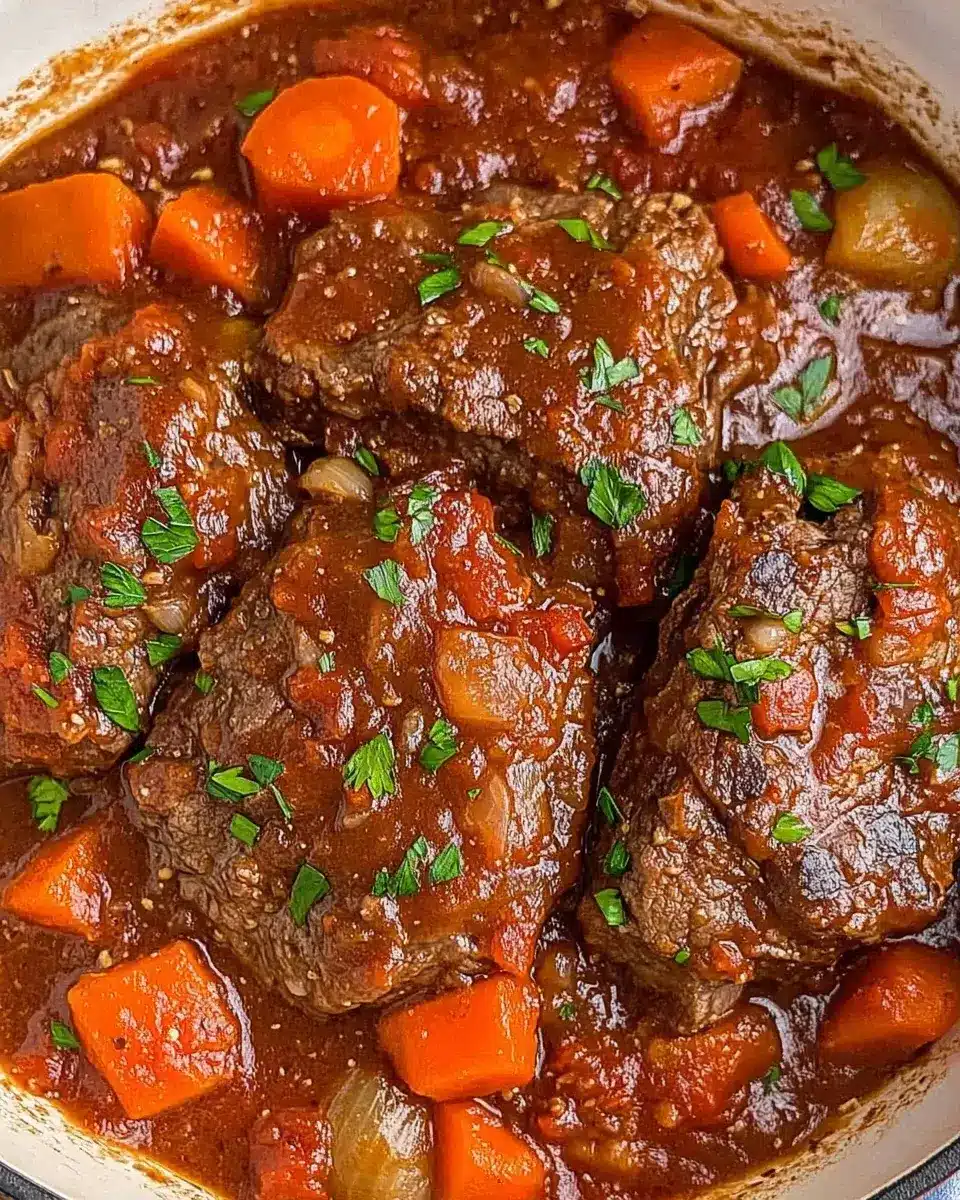
Swiss steak is a truly heartwarming meal, a testament to how simple ingredients and an economical cut of meat can transform into something incredibly special. The tender beef, lovingly embraced by a rich, savory tomato gravy, creates a dish that feels like a warm hug on a plate. It’s the kind of meal that makes a weeknight feel like a celebration and elevates family dinners into cherished memories.
The inviting aroma that wafts through your home as it simmers is just the beginning of its charm. Swiss steak offers a robust, deeply satisfying flavor that is surprisingly easy to achieve. It’s a perfect example of comfort food done right, proving that delicious doesn’t have to mean complicated or time-consuming. You can easily impress your loved ones with this delightful dish, even on your busiest evenings.
Why You Will Love This Recipe
- Effortless Preparation: This recipe is designed for simplicity, making it accessible for cooks of all skill levels and ensuring a delicious outcome with minimal fuss. The steps are clear and straightforward, allowing you to create a restaurant-quality meal at home.
- Deep, Savory Flavors: The rich tomato gravy, infused with aromatic vegetables and savory beef broth, coats the tender steak in a way that is utterly irresistible. Each bite delivers a complex yet harmonious blend of tastes that will have you coming back for more.
- Adaptable to Your Taste: Whether you prefer it over fluffy mashed potatoes, a bed of rice, or a tangle of noodles, Swiss steak adapts beautifully. This versatility means you can tailor the accompanying starch to perfectly suit your family’s preferences and create a truly personalized dining experience.
- Incredibly Economical: By utilizing affordable cube steaks, this recipe proves that exceptional flavor and satisfying meals don’t require expensive ingredients. It’s a budget-friendly option that delivers maximum taste and enjoyment, making it a smart choice for any household.
- Ultimate Comfort Food: This hearty dish evokes a sense of nostalgia and pure comfort, reminiscent of cherished family meals and cozy evenings. Its warmth and satisfying nature make it an ideal centerpiece for gatherings or a soothing treat for a quiet night in.
Ingredients You Need
The beauty of this Swiss steak recipe lies in its reliance on readily available, quality ingredients that come together to create something truly remarkable. Choosing good, fresh components is key to unlocking the full depth of flavor. Even simple additions like fresh garlic and onions contribute immensely to the final aromatic and delicious profile of the dish. Ensuring your pantry is stocked with these essentials will make preparing this comforting meal a breeze.
Swiss Steak

Swiss Steak is the ultimate comfort food, showcasing tender cube steaks simmered in a rich tomato gravy that envelops the meat in flavor. This hearty dish is ideal for family dinners or cozy weeknights, filling your home with an inviting aroma. The preparation is straightforward, allowing you to serve a delicious meal without spending hours in the kitchen. With its robust flavor and budget-friendly ingredients, Swiss steak is a nostalgic favorite that brings everyone together around the table.
- 2 pounds beef cube steaks
- 3 tablespoons avocado oil
- 2 large carrots, diced
- 1 large onion, diced
- 4–5 cloves garlic, minced
- 28 ounces diced tomatoes (undrained)
- 2 cups beef broth
- 1 envelope brown gravy mix
- Fresh parsley (for optional garnish)
- 1Season the cube steaks evenly with garlic powder, paprika, salt, and black pepper.
- 2Place flour in a large shallow bowl. Dredge both sides of each piece of meat in the flour. Shake off any excess flour before cooking.
- 3In a large dutch oven, add 1–2 tablespoons of avocado oil and heat over medium-high heat. In batches, sear each cube steak for about 2–3 minutes on each side until browned. Add more oil between batches if needed. Once browned, place the seared steaks on a plate.
- 4Remove any excess oil from the pot. Add diced carrots and onions; sauté on medium heat for about 3–5 minutes until tender. Add minced garlic; sauté for an additional 1–2 minutes until fragrant.
- 5Pour diced tomatoes with liquid into the pot along with beef broth and brown gravy mix. Stir well to dissolve the gravy powder completely.
- 6Add seared cube steaks back into the pot. Bring to a boil then cover with a lid. Reduce heat to low and simmer for about 1½ to 2 hours until steaks are tender.
- 7Serve hot over mashed potatoes or with rice or elbow noodles alongside your favorite vegetable.
Keywords: Swiss steak, comfort food, beef, tomato gravy, family dinner, weeknight meal, budget-friendly, slow-cook, Dutch oven
- beef cube steaks: approximately 2 pounds, or about 6 pieces, this is the star of our comforting dish.
- garlic powder: ½ teaspoon to subtly enhance the beef’s natural flavors.
- paprika: ½ teaspoon for a touch of color and a mild, earthy note.
- salt: ½ teaspoon, or to taste, to bring out all the delicious flavors.
- black pepper: ½ teaspoon, freshly ground if possible, for a hint of warmth.
- all-purpose flour: ⅓ cup, plus more as needed, for dredging the steaks and thickening the gravy.
- avocado oil: 3 tablespoons, divided, a high smoke point oil perfect for searing.
- carrots: 2 large, diced, adding a touch of sweetness and vibrant color.
- onion: 1 large, diced, forming the aromatic foundation of the gravy.
- garlic cloves: 4-5, minced, for a pungent and indispensable flavor boost.
- diced tomatoes: 28 ounces, undrained (1 large can), providing the tomato base and a bit of acidity.
- beef broth: 2 cups, for a rich liquid base that adds depth to the gravy.
- brown gravy mix: 1 envelope (0.87 ounce packet), to expertly thicken and season the sauce.
- fresh parsley: for optional garnish, adding a burst of freshness and visual appeal.
The exact quantities for each ingredient are meticulously detailed within the accompanying recipe card, ensuring you have everything needed for a perfect outcome.
Variations
One fantastic way to adapt this classic Swiss steak is by infusing it with a touch of the Mediterranean. Imagine adding sun-dried tomatoes, Kalamata olives, and a splash of red wine to the simmering gravy, along with some dried oregano and basil. This would offer a delightful twist, bringing a zesty and herb-infused character to the familiar dish.
For those seeking a heartier, more robust flavor profile, consider a mushroom and Swiss steak variation. Sautéing a generous amount of sliced cremini or shiitake mushrooms with the onions and garlic will add an earthy depth. A tablespoon of Worcestershire sauce or a dash of soy sauce stirred into the gravy can further enhance the umami notes, creating an exceptionally rich experience.
To introduce a subtle smokiness and a hint of spice, a chipotle-infused Swiss steak is an excellent choice. Incorporating one or two minced chipotle peppers in adobo sauce into the tomato mixture, along with a bit of their sauce, will impart a pleasant warmth and complexity. A dollop of sour cream or a sprinkle of cilantro as a garnish can beautifully complement this smoky variation.
How to Prepare swiss steak recipe
Step 1: Season the Steaks
The journey to perfectly tender Swiss steak begins with proper seasoning of the beef cube steaks. This initial step is crucial for building a foundation of flavor that will permeate the entire dish. Using a simple yet effective blend of garlic powder, paprika, salt, and black pepper ensures that each piece of steak is infused with deliciousness before it even hits the pan.
Take your beef cube steaks and place them on a clean cutting board or a large plate. Generously sprinkle each steak with the garlic powder, paprika, salt, and black pepper. Gently press the seasonings into the meat with your fingertips to ensure they adhere well. This pressing action helps the spices to stick, preventing them from falling off during the searing process and guaranteeing an even flavor distribution.
The aim here is to coat the steaks thoroughly but not excessively. You want a visible, even layer of seasonings that will enhance the natural flavor of the beef without overpowering it. This initial seasoning not only adds immediate taste but also begins the process of tenderizing the meat as it sits. It’s a small step that makes a significant difference in the final outcome of your comforting Swiss steak.
Step 2: Dredge the Meat
Once the cube steaks are beautifully seasoned, the next vital step is to dredge them in flour. This creates a light coating that will help to thicken the gravy as the steak cooks and also contributes to a more appealing texture. The flour coating also plays a role in the searing process, helping to create a lovely golden-brown crust on the exterior of the meat.
To begin, pour your all-purpose flour into a large, shallow bowl or a pie plate. This wide surface area makes it easy to coat each steak evenly. Ensure you have enough flour to comfortably coat all the pieces without overcrowding the bowl. The flour acts as a binder, allowing the sauce to cling more effectively to the meat and also contributes to the overall richness of the finished dish.
Carefully place one seasoned cube steak into the flour. Gently press down on the steak to ensure both sides are well coated. Then, lift the steak and gently shake off any excess flour. You want a thin, even layer, not a thick, clumpy coating. Repeating this process for all the seasoned steaks ensures they are perfectly prepared for the next stage: searing, which will lock in those delicious flavors.
Step 3: Sear the Steaks
Searing the floured cube steaks is a critical technique for developing deep flavor and creating a beautiful color on the meat. This step utilizes the Maillard reaction, which browns the surface of the meat and adds complex, savory notes to the dish. It also helps to lock in the juices, ensuring the steak remains tender and flavorful throughout the long simmering process that follows.
Heat your large Dutch oven or a heavy-bottomed pot over medium-high heat. Add 1 to 2 tablespoons of avocado oil to the hot pot. Allow the oil to shimmer, indicating it’s hot enough for searing. It’s important to use a pot that is large enough to accommodate the steaks without overcrowding, as overcrowding will steam the meat instead of searing it. Searing in batches ensures each piece gets a good brown crust.
Carefully place the floured cube steaks into the hot oil, working in batches if necessary. Sear each steak for approximately 2 to 3 minutes per side, or until a deep golden-brown crust has formed. You might need to add a little more avocado oil between batches if the pot becomes dry. Once browned, remove the seared steaks from the pot and set them aside on a clean plate. This resting stage allows the juices to redistribute slightly before they are reintroduced to the gravy.
Step 4: Sauté Vegetables
With the steaks seared and set aside, it’s time to build the aromatic foundation of the rich tomato gravy by sautéing the vegetables. This process softens the carrots and onions, releasing their natural sweetness and developing a more complex flavor profile that will meld beautifully with the beef and tomatoes. The fragrant aroma that fills your kitchen during this step is truly inviting and signals the delicious meal to come.
After searing the steaks, carefully remove any excess oil from the Dutch oven, leaving just a thin coating to sauté the vegetables. Add the diced carrots and onions to the hot pot. Sauté them over medium heat for about 3 to 5 minutes, stirring occasionally, until they begin to soften and become tender. You’re looking for a nice translucence in the onions and a slight softening of the carrots, but not so much that they become mushy.
Next, add the minced garlic to the pot with the softened carrots and onions. Sauté for an additional 1 to 2 minutes until the garlic is fragrant and just beginning to turn golden. Be careful not to burn the garlic, as burnt garlic can impart a bitter taste to the dish. This step ensures that the garlic’s pungent, aromatic qualities are released and infused into the vegetables, setting the stage for the rich gravy.
Step 5: Combine Ingredients
Now that the vegetables have been softened and the garlic is fragrant, it’s time to bring together the core components of the rich and savory gravy. This is where the flavors begin to truly meld, transforming the sautéed aromatics into a hearty sauce base. Pouring in the diced tomatoes, beef broth, and brown gravy mix will create the luscious liquid that will tenderize and flavor the Swiss steak.
Carefully pour the entire can of undrained diced tomatoes directly into the Dutch oven with the sautéed vegetables. The liquid from the tomatoes will add moisture and a lovely tangy flavor to the sauce. Next, add the 2 cups of beef broth, which will provide a deep, meaty base for the gravy and ensure there’s enough liquid for the steaks to simmer in properly. Finally, sprinkle the contents of the brown gravy mix packet over the liquid components.
Stir everything together vigorously with a wooden spoon. The goal is to ensure that the brown gravy mix dissolves completely into the liquids, leaving no powdery clumps. Keep stirring until the mixture is smooth and homogenous. This well-combined base is now ready to receive the seared steaks and begin the slow cooking process that will result in unbelievably tender and flavorful Swiss steak.
Step 6: Simmer the Dish
With the aromatic vegetables and the rich tomato gravy base combined, it’s time to reintroduce the seared cube steaks to the pot. This is where the magic of slow simmering truly takes over, transforming tough cuts of meat into incredibly tender, melt-in-your-mouth morsels. The extended cooking time allows the flavors to deepen and the meat to absorb all the delicious nuances of the gravy.
Carefully arrange the seared cube steaks back into the Dutch oven, nestling them into the gravy mixture. Ensure that they are mostly submerged in the liquid, as this is essential for even cooking and tenderization. Once the steaks are in place, bring the entire mixture to a gentle boil over medium heat. This initial boil helps to kickstart the cooking process and ensures the gravy begins to thicken appropriately.
Once the liquid reaches a boil, immediately reduce the heat to low. Place a tight-fitting lid on the Dutch oven to trap the steam and moisture inside. Allow the Swiss steak to simmer gently for about 1½ to 2 hours. During this time, the tough connective tissues in the cube steak will break down, making the meat exceptionally tender. Check periodically to ensure it’s simmering gently and not boiling rapidly, adjusting the heat as needed to maintain a low, consistent simmer.
Step 7: Serve Your Swiss Steak
After patiently simmering for an hour and a half to two hours, your Swiss steak should be unbelievably tender and the gravy rich and luscious. This is the moment of truth, where your efforts culminate in a truly satisfying and comforting meal. Serving it hot, presented beautifully, is the final flourish that makes this dish a triumph for any home cook. The aroma alone is enough to make everyone at the table eager to dig in.
Ladle generous portions of the tender Swiss steak and its accompanying rich tomato gravy into bowls or onto plates. The classic and most beloved way to serve this dish is over a generous mound of creamy mashed potatoes. The fluffy potatoes are the perfect canvas for soaking up every last drop of the savory, flavorful gravy. The combination of tender beef and creamy potatoes is pure comfort food bliss.
Alternatively, Swiss steak is equally delicious served alongside fluffy white or brown rice, which provides a slightly different textural experience while still effectively absorbing the delicious sauce. For a more playful take, consider serving it over a bed of tender elbow macaroni. No matter your choice, a warm slice of crusty bread is an absolute must; it’s perfect for sopping up any remaining delicious gravy on your plate. The addition of fresh parsley as a garnish adds a bright pop of color and a touch of freshness that elevates the entire presentation.
Pro Tips for swiss steak recipe
The Importance of Searing: Don’t skip the searing step; it’s absolutely crucial for developing deep, complex flavors that form the base of the delicious gravy. This browning process adds a savory richness that cannot be achieved through simmering alone. Proper searing locks in juices, ensuring the steak remains tender and moist throughout the long cooking time.
Low and Slow is Key: Embrace the power of a long, slow simmer. This method is what transforms tougher cuts of beef like cube steak into exceptionally tender, melt-in-your-mouth pieces. Cooking on low heat for an extended period allows the connective tissues to break down gradually, resulting in unparalleled tenderness without drying out the meat.
Taste and Adjust: Always taste your gravy before serving and adjust seasonings as needed. The flavors can deepen significantly during simmering, so a final check allows you to perfect the balance of salt, pepper, and any other spices. This small step ensures your Swiss steak is seasoned to absolute perfection for every palate.
Don’t Rush the Rest: Once cooked, allowing the Swiss steak to rest for about 5-10 minutes before serving can make a noticeable difference in its tenderness. This resting period allows the juices to redistribute throughout the meat, resulting in a juicier and more succulent final product. It’s a simple step that enhances the overall texture and moisture content of the steak.
Serving Suggestions for swiss steak recipe
Decoration
A sprinkle of freshly chopped parsley is the classic and most effective garnish for Swiss steak. Its bright green color provides a beautiful visual contrast against the rich, dark gravy and tender beef. The fresh, slightly peppery flavor of parsley also adds a lift to the overall taste profile, cutting through the richness and adding a touch of brightness.
For an extra touch of elegance, consider a dollop of sour cream or a spoonful of Greek yogurt placed gently on top of the mashed potatoes before ladling the Swiss steak over it. This adds a creamy, cooling element that beautifully complements the savory gravy and tender meat. A few chives, finely chopped, can also add a subtle oniony note and a vibrant green accent.
If you’ve opted for a more adventurous variation, like the chipotle-infused version, a scattering of crumbled cotija cheese or a few pickled jalapeño slices can provide a visually appealing and flavorful flourish. These garnishes not only enhance the aesthetic appeal but also contribute to the unique flavor profile of the dish.
Side Dishes
Creamy, buttery mashed potatoes are the quintessential accompaniment to Swiss steak. The velvety texture of the potatoes is the perfect vehicle for sopping up the rich, savory tomato gravy, ensuring no delicious drop goes to waste. Their mild flavor complements the robust notes of the beef and sauce beautifully, creating a harmonious bite every time.
Fluffy white or brown rice also makes an excellent base for Swiss steak. The individual grains of rice offer a different texture that contrasts nicely with the tender beef and sauce. Rice is an incredibly effective way to absorb the flavorful gravy, making each mouthful satisfying and delicious. It’s a simple yet effective pairing that has stood the test of time.
A side of tender, al dente egg noodles provides another wonderfully comforting option. The slightly chewy texture of the noodles is a delightful match for the tender steak, and they do a superb job of catching and holding onto the rich gravy. For a lighter yet still satisfying option, consider serving Swiss steak alongside a fresh, crisp salad with a tangy vinaigrette or a medley of steamed green vegetables like broccoli or green beans.
Creative Serving Ideas
Transform your Swiss steak into a delightful pot pie filling for a unique take on this classic comfort food. After the steak has finished simmering and the gravy has thickened beautifully, ladle it into individual oven-safe ramekins. Top each with a layer of puff pastry or a flaky pie crust, bake until golden brown, and you have a wonderfully comforting and visually appealing individual pot pie.
Another creative idea is to serve Swiss steak over a bed of polenta or grits. The creamy, slightly coarse texture of either of these corn-based staples provides a fantastic contrast to the tender beef and smooth gravy. This pairing offers a slightly different regional flavor profile while maintaining the comforting essence of the original dish, drawing inspiration from Southern cuisine.
For a more casual, family-style presentation, consider serving the Swiss steak and its gravy in a large, rustic cast-iron skillet. This not only looks impressive but also keeps the dish warm throughout the meal. Present the skillet alongside a basket of warm, crusty bread for dipping, and let everyone serve themselves, creating a convivial and inviting dining experience.
Preparation & Storage
Storing Leftovers
Properly storing leftover Swiss steak is key to maintaining its delicious flavor and texture. Once the dish has cooled down to room temperature, transfer the leftovers into an airtight container. This will prevent the gravy from drying out and will protect the steak from absorbing any unwanted odors from other foods in your refrigerator. It’s best to store the steak and gravy together, as this keeps everything moist and flavorful.
It is generally recommended to consume refrigerated leftovers within 3 to 4 days. While the dish may remain safe to eat for a bit longer, the quality and texture are at their peak during this initial period. If you know you’ll have a significant amount of leftovers, consider portioning them into smaller containers before refrigerating, which makes reheating individual servings much easier and quicker.
Before storing, you can optionally remove any garnishes like fresh parsley, as these tend to wilt and lose their appeal in the refrigerator. If you plan to reheat and serve with fresh sides, like mashed potatoes, it’s often best to store the steak and gravy separately from those items. This allows each component to be reheated to its optimal temperature and texture.
Freezing
Swiss steak freezes remarkably well, making it an excellent candidate for meal prepping or preparing ahead of time. To freeze, ensure the dish has cooled completely. This is important to prevent condensation, which can lead to ice crystals forming and compromising the texture upon thawing.
Transfer the cooled Swiss steak and its gravy into freezer-safe containers or heavy-duty freezer bags. Squeeze out as much air as possible from the bags before sealing them to prevent freezer burn. Label each container or bag with the date it was frozen; this helps you keep track of your frozen food inventory and ensures you use the oldest items first. Swiss steak can be stored in the freezer for up to 2 to 3 months for the best quality.
For optimal results when reheating, it’s helpful to freeze the Swiss steak in meal-sized portions. This allows you to thaw and reheat only what you need, avoiding the need to refreeze any portion of the dish. If you’re freezing it in a container, ensure it has a tight-fitting lid to maintain freshness and prevent any leaks.
Reheating
Reheating Swiss steak can be done effectively using several methods, depending on your preference and available equipment. The goal is to warm the dish through gently without drying out the meat or making the gravy watery. Each method aims to restore the dish to its delicious, comforting state.
Oven Method: Preheat your oven to 350°F (175°C). Place the leftover Swiss steak and gravy in an oven-safe dish, cover it tightly with aluminum foil, and heat for approximately 20 to 25 minutes. The foil traps steam, helping to keep the meat moist and tender. Check for warmth by carefully inserting a fork; if it’s not hot enough, return it to the oven for a few more minutes.
Microwave Method: For a quicker reheating option, place the Swiss steak and gravy on a microwave-safe plate. Cover the plate loosely with a microwave-safe lid or plastic wrap, leaving a small vent for steam to escape. Heat in short intervals of 1 to 2 minutes, stirring gently between each interval, until the dish is heated through. This method is convenient but can sometimes result in slightly less even heating.
Stovetop Method: Transfer the leftovers to a skillet or saucepan. Reheat over medium-low heat, stirring occasionally, until the dish is hot. Adding a tablespoon or two of beef broth or water if the gravy seems too thick can help loosen it up. This method allows for good temperature control and can help revive the texture of the gravy.
Frequently Asked Questions
- What cut of meat is best for Swiss steak, and why?
The ideal cut of meat for Swiss steak is beef cube steak. This cut, also known as “minute steak” or “sandwich steak,” is typically made from the round or chuck primal cuts. It’s mechanically tenderized by pounding or running it through a meat mallet, which breaks down the tough muscle fibers. This tenderization process makes cube steak perfect for slow braising, as it absorbs flavors wonderfully and becomes incredibly tender in the rich gravy. Its inherent tenderness means it doesn’t require hours of stewing to become palatable, though the long simmer in this recipe ensures maximum flavor infusion. - How do I make Swiss steak if I don’t have beef broth readily available?
If you find yourself without beef broth, don’t worry; you have several excellent alternatives to keep your Swiss steak flavorful. Chicken broth is a very common and effective substitute; while it has a slightly lighter flavor profile, it still provides a savory liquid base. Vegetable broth is another viable option, offering a more neutral flavor that allows the other ingredients to shine. For the richest possible flavor substitute, you could dissolve a beef bouillon cube in hot water according to package directions to create your own “beef broth” on the fly. Always taste and adjust the seasoning, as broth flavors can vary. - Can I add other vegetables to the Swiss steak recipe, and if so, which ones would work best?
Absolutely, the versatility of Swiss steak makes it a fantastic canvas for adding a variety of other vegetables to enhance its flavor and nutritional value. Bell peppers, such as green, red, or yellow varieties, sautéed along with the onions and carrots, add a sweet and slightly peppery note. Celery, diced finely, can contribute a subtle aromatic complexity. Mushrooms, particularly cremini or shiitake, sautéed until golden brown, offer an earthy, umami-rich dimension that pairs wonderfully with beef. Peas or corn can be stirred in during the last 15-20 minutes of simmering for a pop of color and sweetness.