Fluffy Sweet Omelet: Your Irresistible Breadless French Toast
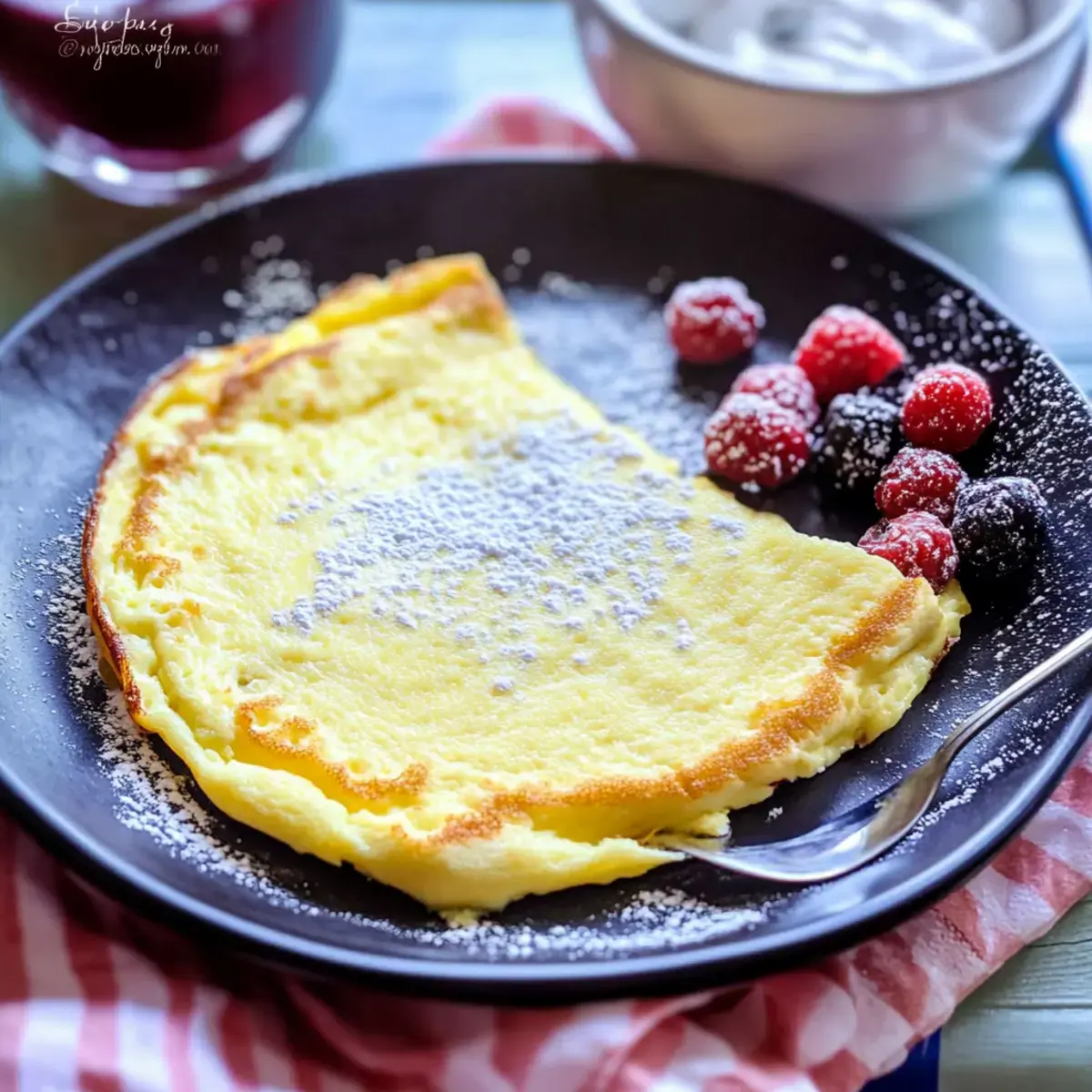
“Are we really having breakfast for dinner?” I overheard my son exclaim one evening, and in that moment, he perfectly captured the joy of a dish that flips tradition on its head. This Sweet Omelet, often known as Breadless French Toast, is not just a breakfast; it’s a delightful paradox that merges the airy texture of a soufflé with the classic sweetness of French Toast—without the bread!
In just a few simple steps, you can whip up this quick breakfast that’s both elegant enough for brunch gatherings and perfect for those busy mornings. Plus, it’s naturally gluten-free, making it a delicious option for everyone at the table. Ready to discover how this breakfast marvel can transform your meal routine? Let’s dive into the enticing world of this fluffy Sweet Omelet!
Why You Will Love This Recipe
- Quick Preparation: Dinner is on the table in less than 30 minutes, making it an ideal solution for hectic weekdays or spontaneous meal cravings.
- Delightfully Versatile: Whether you’re craving something sweet topped with berries or a savory version, this recipe caters to your taste buds with endless possibilities.
- Protein-Packed Goodness: Rich in protein from the eggs, it fuels your day while keeping breakfast light and incredibly airy, ensuring you feel satisfied without being weighed down.
- Child-Approved Fun: Your little ones will love the whimsical nature of this dish, making meal times more enjoyable and turning every bite into an adventure they’ll look forward to.
- Gluten-Free Friendly: Easily adjusted for various dietary needs, you can swap traditional flour for gluten-free options without sacrificing taste—check out our Cranberry Apple Twice Baked Sweet Potatoes for more delicious gluten-free ideas!
Ingredients You Need
The beauty of this Sweet Omelet lies in its simplicity, using common pantry staples that transform into something truly special. Opting for high-quality ingredients, especially fresh eggs, will elevate the texture and flavor, ensuring a light and fluffy result every time. Remember, the foundation of any great dish begins with excellent components.
Fluffy Sweet Omelet: Your New Favorite Breadless French Toast

This Sweet Omelet is your new favorite breadless French Toast, combining the airy texture of a soufflé with classic sweetness. It's quick, elegant, and naturally gluten-free, making it perfect for busy mornings or brunch gatherings.
- 4 large Eggs
- 1/2 cup Milk
- 2 tablespoons Sugar
- 2 tablespoons Flour
- 1 tablespoon Coconut Oil
- 1Preheat a non-stick skillet (6.5–7 inches) over medium heat for about 3 minutes. Brush the bottom with a thin layer of coconut oil or your preferred greasing agent.
- 2In a medium bowl, crack in the eggs, and whisk them vigorously for about 1 minute until they turn a pale yellow and smooth. Next, add in the milk, sugar, and flour, mixing until you achieve a lump-free batter.
- 3Carefully pour the freshly whisked egg mixture into the preheated skillet, ensuring that it spreads evenly. Cover the skillet with a lid to help trap steam, which will promote rising. Reduce the temperature slightly and let it cook undisturbed for 7-10 minutes.
- 4Monitor the Sweet Omelet. If you notice the edges starting to brown or the bottom cooking too quickly, lower the heat further. The center should puff up beautifully.
- 5Once the omelet has been cooking for the designated time, carefully remove the lid. Allow it to cook for an additional 1-2 minutes uncovered, ensuring the surface is fully set and light.
- 6Using a spatula, gently slide the Sweet Omelet onto a serving plate. Serve it warm and garnish with fresh berries, a dusting of icing sugar, or a drizzle of maple syrup.
Keywords: Sweet Omelet, Breadless French Toast, Gluten-Free, Breakfast, Brunch, Easy, Quick
You will find the precise quantities for each ingredient listed within the recipe card provided above, ensuring perfect results for this delightful meal.
Variations
Embracing creativity with your Sweet Omelet can lead to some truly spectacular culinary adventures, tailored precisely to your preferences and dietary needs. For those seeking a plant-based option, simply substitute the cow’s milk with your favorite non-dairy alternative, such as almond, soy, or oat milk, for a creamy and delicious vegan twist.
If you’re watching your carbohydrate intake, consider omitting the flour entirely. This flourless variation offers an even lighter, more protein-forward dish that still delivers on delightful sweetness and airy texture, making it a fantastic low-carb choice for any meal.
To introduce a bit more depth and nutrition, consider incorporating a tablespoon of chia seeds or flax seeds into the batter. These tiny powerhouses add a subtle texture and a boost of omega-3 fatty acids, enriching each bite without altering the overall delightful essence of the omelet.
How to Prepare Sweet Omelet
Step 1: Prepare Your Cooking Station
Begin by gathering all your ingredients and ensuring they are measured and ready for use. This preparation stage is crucial for a smooth cooking process, especially when working with delicate dishes like this Sweet Omelet. Having everything within reach minimizes stress and allows you to focus on the technique.
Next, select a good quality non-stick skillet, ideally around 6.5 to 7 inches in diameter. A well-seasoned pan is your best friend here, preventing any sticking that could mar the beautiful, puffed-up appearance of your omelet. A properly sized pan also ensures even cooking.
Once your skillet is ready, place it over medium heat on your stovetop and allow it to preheat for approximately 3 minutes. You want the pan to be evenly warm but not scorching hot, as this can lead to a quickly browned exterior with an undercooked interior. A gentle, consistent heat is key to achieving that perfect, fluffy texture.
Step 2: Whisking the Heart of the Omelet
In a medium-sized mixing bowl, crack in your eggs. The quality and freshness of these eggs are paramount; they form the structural base and the airy volume of your Sweet Omelet. Aim for large, fresh eggs for the lightest and fluffiest results. You should see a vibrant yolk and a firm egg white when they are at their peak freshness.
Now, take a whisk and begin to vigorously beat the eggs. This isn’t just a quick stir; you need to incorporate air into the mixture. Whisk for about a full minute, or until the eggs transform into a pale yellow, frothy liquid. This aeration is the secret to achieving that signature soufflé-like rise and cloud-like texture that defines this dish.
Following the eggs, add in your milk, sugar, and flour. The milk contributes moisture and helps create a smoother batter, while the sugar provides that classic sweet flavor profile reminiscent of French toast. The flour, though optional for a truly flourless version, offers a slight structure and tenderness. Whisk these ingredients into the aerated eggs until the mixture is completely smooth and free of lumps. This thorough mixing ensures an even consistency, which is vital for uniform cooking and a delightful final product.
Step 3: The Gentle Transformation in the Skillet
Once your egg mixture is perfectly smooth and homogenous, carefully pour it into the preheated non-stick skillet. Ensure the batter spreads evenly across the bottom of the pan, creating a uniform circle. Avoid any sudden movements that might disrupt the delicate batter. The goal is to have a consistent thickness for even cooking.
Immediately after pouring the batter, place a lid securely onto the skillet. This simple step is incredibly important, as it traps steam inside the pan. This steam circulates around the omelet, creating a humid environment that encourages the batter to rise and cook evenly from the inside out, contributing significantly to its characteristic puffiness.
As soon as you’ve covered the skillet, reduce the heat slightly. You’re aiming for a gentle, steady cooking temperature to prevent the bottom from burning while the top sets. Allow the omelet to cook undisturbed for approximately 7 to 10 minutes. During this time, resist the temptation to peek too often; let the magic of steam and heat work its wonders, and watch as the omelet begins to puff up beautifully.
Step 4: Watching the Rise and Bloom
Throughout the cooking process, your primary task is observation. Keep a watchful eye on your Sweet Omelet as it begins its transformation. Pay close attention to the edges; if you notice them starting to turn golden brown or if the bottom seems to be cooking too rapidly, it’s a clear signal to lower the heat even further. Achieving an even, pale golden color is the aim, not a dark sear.
The true magic of this step is witnessing the center of the omelet puff up dramatically. It should resemble a miniature soufflé, rising significantly above the rim of the skillet. This impressive rise is a testament to the air incorporated during whisking and the trapped steam from the lid. The texture should feel light and springy to the touch when gently pressed.
As the omelet nears completion, the center should be visibly risen and mostly set. While the very top might still appear slightly moist, the overall structure should be firm enough to hold its shape. This stage is critical; you’re looking for that perfect balance between cooked and incredibly tender, preparing it for the final moments of cooking.
Step 5: The Grand Unveiling
Once the omelet has achieved its impressive puff and appears mostly set, it’s time for a significant yet simple action: carefully remove the lid. You will likely notice that the omelet might fall slightly once exposed to the open air; this is completely normal and expected. The rapid cooling effect causes this deflation, but the cooked structure remains.
With the lid off, allow the Sweet Omelet to cook for an additional 1 to 2 minutes. This brief period of uncovered cooking helps to ensure that the surface is fully set and no longer appears wet or overly jiggly. The goal is a light, almost ethereal finish, with a surface that is firm enough to handle but still incredibly tender to the bite.
By the end of this stage, your Sweet Omelet should have a beautiful, pale golden hue across its surface. It will be puffed, set, and ready to be transferred to its serving plate. The texture should be delicate, yielding, and wonderfully light, a true testament to the simple ingredients and careful cooking process.
Step 6: The Art of Presentation and Enjoyment
With your perfectly cooked Sweet Omelet ready, it’s time for the final, delightful act: serving. Gently slide a spatula underneath the omelet, carefully lifting it from the skillet and transferring it onto your chosen serving plate. Handle it with care to preserve its delicate structure. Presentation truly enhances the dining experience.
Serve the Sweet Omelet immediately while it is warm for the absolute best taste and texture. The warmth amplifies its delicate flavors and the airy quality. This is the moment to add those finishing touches that elevate it from a simple dish to a culinary creation. Feel free to get creative with your garnishes.
Consider adorning your creation with a scattering of fresh, vibrant berries such as strawberries, blueberries, or raspberries. A light dusting of icing sugar can add a touch of elegance, or a generous drizzle of pure maple syrup provides that classic French toast sweetness. These additions not only enhance the visual appeal but also complement the omelet’s naturally sweet essence, making your breakfast feel truly special and restaurant-worthy.
Pro Tips for Sweet Omelet
Egg Quality is Paramount: Always opt for large, fresh eggs. The freshness directly impacts the fluffiness and texture of your final Sweet Omelet. Older eggs can sometimes result in a denser, less airy dish. Check the expiration dates to ensure you’re using the best possible ingredients.
Master the Whisk: Vigorous whisking is non-negotiable. You want to incorporate as much air as possible into the egg mixture. Continue whisking until the eggs are a pale yellow and noticeably frothy; this aeration is the key to the omelet’s signature rise and light texture.
Achieve Even Heating: Start with medium heat for preheating, but be prepared to adjust. If you see the edges browning too quickly, lower the heat to prevent burning. Consistent, gentle heat ensures the omelet cooks through evenly without developing a tough exterior.
The Magic of the Lid: Never skip covering the skillet during the initial cooking phase. Trapping steam is essential for helping the omelet puff up dramatically. Once you remove the lid, expect a slight deflation, which is entirely normal and part of the charm of this delicate dish.
Customize Your Sweetness: The sugar amount is a guideline; feel free to adjust it to your personal preference. If you’re unsure, start with less sugar and taste. You can always add a touch more sweetness with toppings like maple syrup after cooking.
Garnish with Flair: Don’t underestimate the power of presentation. Fresh berries, a delicate dusting of powdered sugar, or a drizzle of honey can transform the omelet visually and add delightful flavor nuances. It elevates the entire experience and makes your meal feel like a special occasion.
Serving Suggestions for Sweet Omelet
Decoration
A light dusting of powdered sugar mimics freshly fallen snow and adds a touch of elegance. Fresh berries, like raspberries, blueberries, or sliced strawberries, provide a burst of color and complementary tartness. Edible flowers can also add a whimsical, gourmet touch for special occasions.
Side Dishes
Crispy bacon or sausage offers a savory contrast to the omelet’s sweetness, creating a classic sweet-and-savory breakfast pairing. A side of fresh fruit salad, perhaps with melon and grapes, adds a refreshing element. For a heartier meal, consider serving it alongside some baked lemon chicken for a unique breakfast-for-dinner spread.
Creative Serving Ideas
Instead of a simple slice, try folding the omelet in half once cooked, similar to a traditional omelet, before adding toppings. You could also serve it with a dollop of whipped cream or Greek yogurt and a sprinkle of toasted nuts for added texture. Consider serving it as part of a larger breakfast or dessert spread, perhaps alongside a slice of easy berry tart for a delightful brunch.
Preparation & Storage
Storing Leftovers
Leftover Sweet Omelet can be stored in an airtight container in the refrigerator for up to three days. Ensure the container is well-sealed to prevent the omelet from drying out or absorbing other odors from the fridge. It’s best to let it cool completely before storing for optimal texture preservation.
Freezing
For longer storage, cooked Sweet Omelet can be frozen. Wrap individual portions tightly in plastic wrap, then place them in a freezer-safe bag or container. This method helps to prevent freezer burn and maintain the omelet’s quality for up to two months. Proper packaging is key to preserving that fluffy texture.
Reheating
To reheat, gently warm the omelet in a non-stick skillet over low heat until it’s heated through. Alternatively, microwave it in 30-second intervals, checking for warmth and avoiding overcooking, which can lead to a rubbery texture. The goal is to bring it back to a tender, enjoyable state without compromising its delicate structure.
Frequently Asked Questions
-
What type of eggs should I use for the Sweet Omelet?
I recommend using large, fresh eggs for the best results! The freshness of the eggs contributes significantly to the fluffiness of your omelet. If possible, choose ones with a pale yellow yolk, which indicates higher quality and better flavor. While any large egg will work, farm-fresh eggs often yield superior texture and taste.
-
How should I store leftover Sweet Omelet?
Store any leftover Sweet Omelet in an airtight container in the fridge for up to 3 days. When reheating, do it gently on low heat in a skillet or microwave to keep that lovely, fluffy texture intact—no one wants a rubbery omelet! Ensure the container is completely sealed to maintain moisture.
-
Can I freeze the Sweet Omelet?
Absolutely! You can freeze individual portions of the cooked Sweet Omelet by wrapping them tightly in plastic wrap. They’ll keep well for up to 2 months. When ready to enjoy, thaw them in the refrigerator overnight and reheat carefully to preserve that delightful fluffiness! This makes for quick and easy future breakfasts.
-
What if my Sweet Omelet doesn’t puff up?
If your omelet doesn’t puff like expected, it may be due to overcooking or insufficient heat. Make sure to cover the skillet while cooking to trap steam and help it rise. If it starts to burn on the bottom before puffing, simply lower the heat and give it more gentle time to cook. Ensuring you’ve whisked the eggs thoroughly is also crucial for volume.
-
Is the Sweet Omelet suitable for gluten-free diets?
Yes, it is! You can easily adjust the recipe by using gluten-free flour, such as rice flour, or simply omit it altogether for a flourless version. This makes it a versatile option for anyone following a gluten-free diet without compromising on taste! It’s a wonderful alternative to traditional bread-based dishes.
-
Can I prepare the batter in advance?
Definitely! You can prepare the batter the night before and store it in the fridge. In the morning, simply cook it fresh for a delightful breakfast—perfect for those busy mornings when you want something quick yet special. Ensure the container is airtight to maintain freshness.