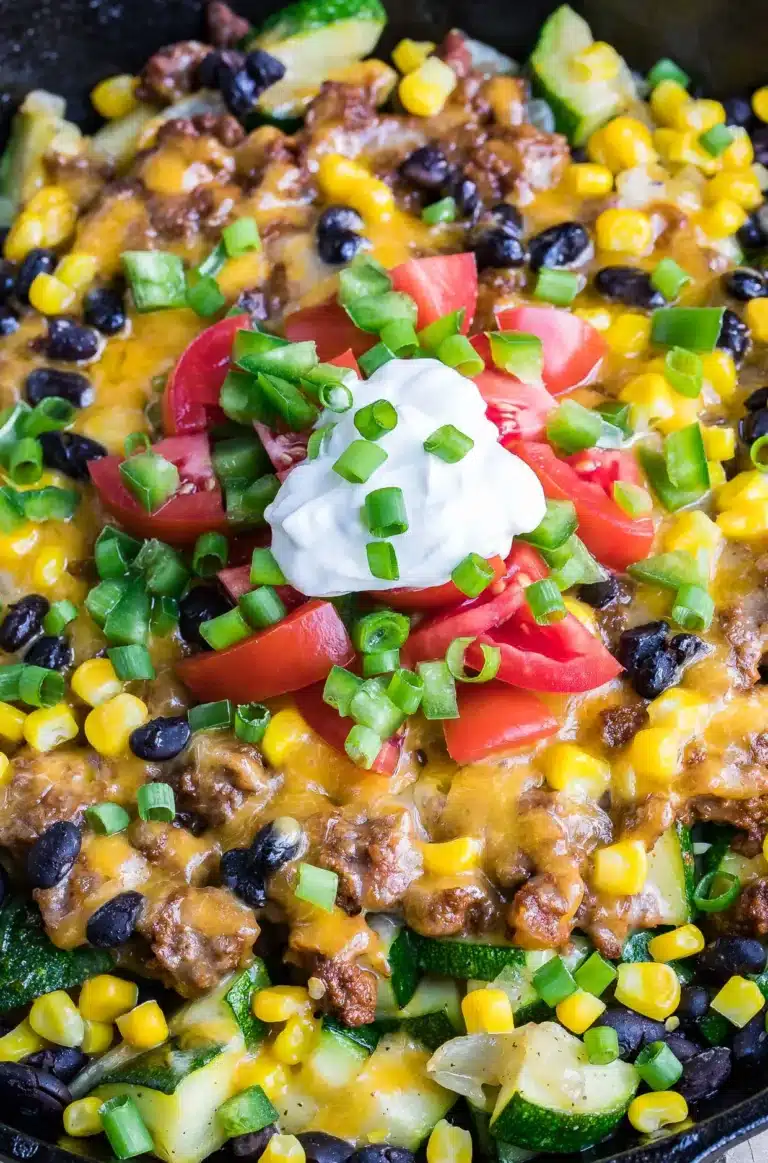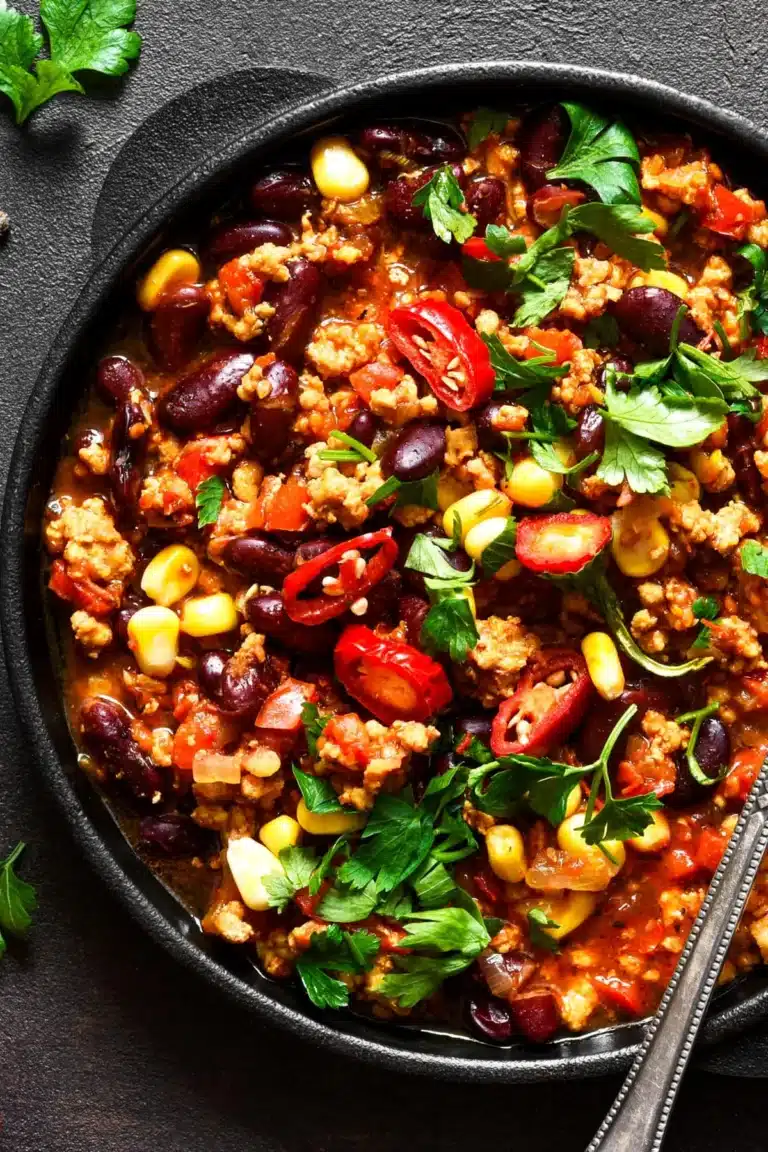
Easy Stuffed Pepper Casserole
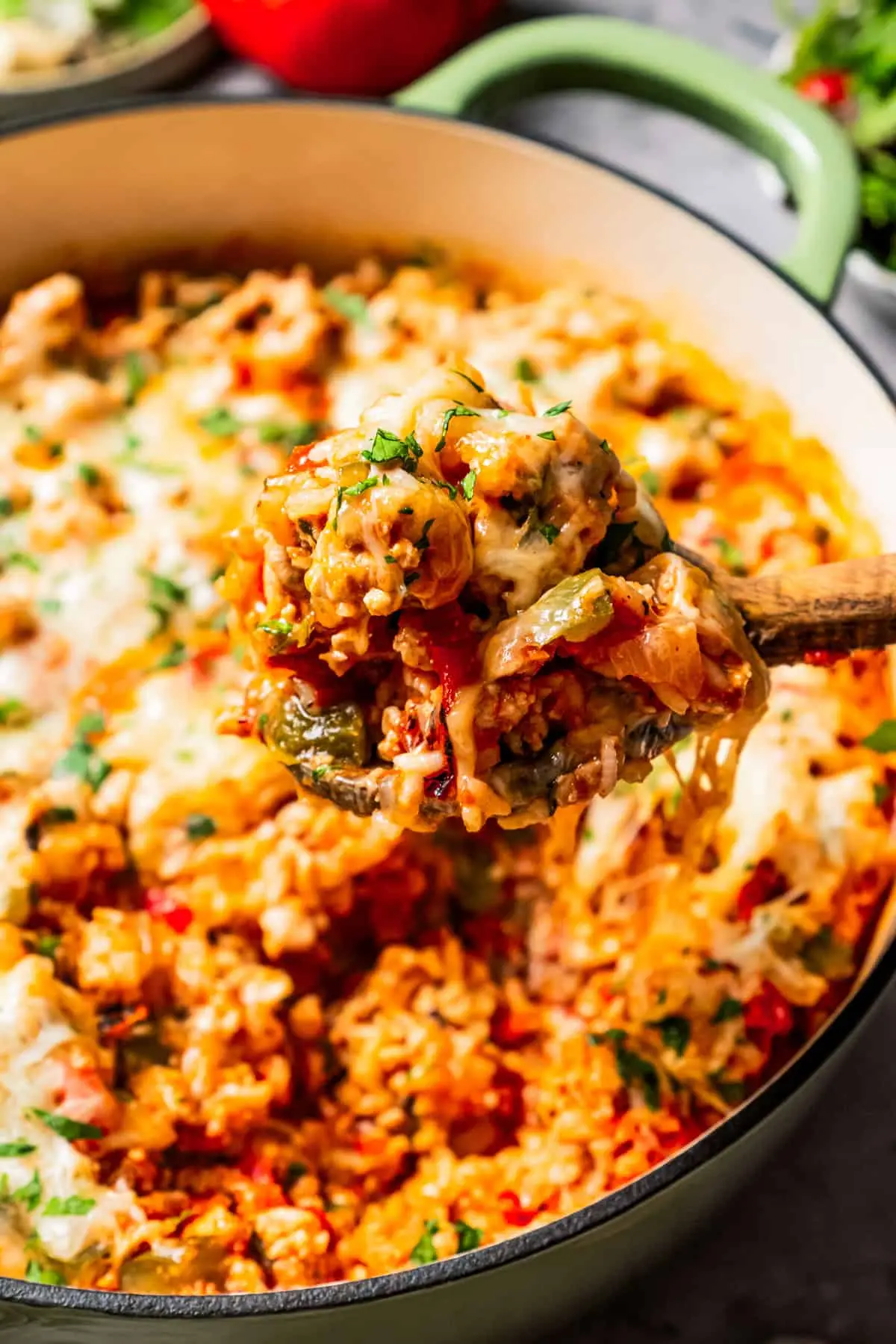
Embark on a culinary journey that transforms a beloved classic into an effortless, one-pot wonder. This stuffed pepper casserole captures all the vibrant, comforting flavors you adore, but with a delightful simplicity that makes weeknight dinners a dream. Get ready to discover a new favorite that’s both satisfying and incredibly easy to prepare.
Imagine the rich aroma of sautéed vegetables mingling with savory ground turkey, all simmered in a luscious tomato sauce and topped with melted cheese. This dish is a testament to how familiar flavors can be reimagined, offering a wholesome and delicious meal without the fuss. It’s the perfect solution for busy evenings when you crave homemade goodness without the extensive preparation.
Why You Will Love This Recipe
- One-Pot Simplicity: Prepare this entire cheesy stuffed pepper casserole on the stovetop in a single large skillet or Dutch oven, minimizing cleanup and maximizing flavor.
- Fresh & Flavorful Ingredients: This recipe expertly combines pantry staples with fresh vegetables, tender rice, and savory protein for a truly satisfying, all-in-one dinner experience.
- Unbeatable Flexibility: Easily adapt the spice level, or swap out meats and vegetables to perfectly suit your personal taste preferences and what you have on hand.
- Deconstructed Delight: Enjoy all the classic flavors of traditional stuffed peppers in a conveniently deconstructed, casserole format that requires no tedious stuffing.
- Hearty & Comforting: This dish delivers a deeply satisfying meal that’s perfect for family dinners, offering warmth and deliciousness in every bite.
Ingredients You Need
The beauty of this stuffed pepper casserole lies in its use of accessible, high-quality ingredients that come together harmoniously. By focusing on fresh vegetables, lean protein, and pantry staples, you ensure a dish that is not only delicious but also nourishing. Each component plays a vital role in building the complex flavor profile that makes this casserole so irresistible.
Stuffed Pepper Casserole
This easy stuffed pepper casserole has all the flavors of stuffed bell peppers baked into a hearty one-pot meal. It’s made with tender rice, juicy ground turkey, and plenty of veggies!
- 2 tablespoons olive oil
- 1 yellow onion, chopped
- 1 red bell pepper, diced
- 1 green bell pepper, diced
- ½ teaspoon kosher salt
- 2 cloves garlic, minced
- 1½ pounds ground turkey
- ½ teaspoon kosher salt
- ½ teaspoon ground black pepper
- 1½ cups marinara sauce
- 15 ounce can fire roasted tomatoes
- 1 cup low sodium chicken stock
- ¼ cup chopped fresh parsley
- ½ tablespoon dried oregano
- ¾ cup long grain white rice
- 1¼ cup shredded Italian cheese blend
- additional chopped fresh parsley, for garnish
- 1Heat the olive oil in a heavy-bottomed 10 to 12-inch rimmed pan or saucepan over medium heat. Add the onions and bell peppers, season with salt, and sauté for 4 minutes or until the onion is translucent and the bell peppers have softened. Add the garlic and sauté for 15 seconds or until aromatic.
- 2Add the turkey to the pan, season with salt and pepper, and cook it for about 7 to 8 minutes or until browned, breaking it up as you go.
- 3Stir in the marinara sauce, tomatoes, chicken stock, fresh parsley, and oregano. Bring the sauce to a boil and then reduce the heat to low. Allow the sauce to simmer for 5 minutes.
- 4Stir in the rice, put a tight-fitting lid on the saucepan, and let the rice cook for 20 minutes or until tender.
- 5Turn the heat off. Remove the lid, scatter the cheese evenly over the mixture, return the lid to the saucepan, and let stand for 5 minutes or until the cheese has melted.
- 6Garnish the stuffed pepper casserole with fresh parsley and serve with a green salad.
Keywords: stuffed pepper, casserole, ground turkey, one pot, dinner, easy recipe
The quantities for each ingredient are precisely detailed in the provided recipe card, ensuring perfect ratios for a consistently delicious outcome.
Variations
This versatile stuffed pepper casserole is a fantastic canvas for culinary creativity, allowing you to tailor it to various dietary needs and flavor preferences. You can transform it into a vibrant vegetarian delight by omitting the meat and embracing a medley of hearty legumes and extra vegetables. Consider adding two cans of rinsed and drained beans, such as black beans or chickpeas, for a protein boost. Alternatively, incorporate more nutrient-dense greens like baby spinach or chopped kale, which wilt beautifully into the sauce.
For those seeking a lower-carbohydrate option, cauliflower rice makes an excellent substitute for traditional rice. Simply stir it in during the rice cooking stage, adjusting the liquid as needed; it will absorb the flavors beautifully and provide a lighter texture. You can also enhance the vegetable content by adding diced zucchini, sliced mushrooms, or finely chopped celery, adding layers of texture and nutritional value.
Spice enthusiasts can elevate this casserole with a few simple additions. Introduce a pinch of red pepper flakes along with the garlic for a gentle heat that builds as it cooks. For a more pronounced kick, consider incorporating a can of diced tomatoes with green chilies (like Rotel) instead of or in addition to the fire-roasted tomatoes. A dash of hot sauce stirred into the marinara sauce just before adding the rice can also provide an extra layer of fiery flavor.
How to Prepare stuffed pepper casserole
Step 1: Sauté the Aromatics
Begin by heating a generous tablespoon of olive oil in a large, heavy-bottomed skillet or Dutch oven over medium heat. This initial step is crucial for building the foundational flavor of the casserole. The heat should be moderate to prevent burning the aromatics, allowing them to soften and release their sweet, pungent essences gradually.
Once the oil is shimmering, add one chopped yellow onion and two diced bell peppers (one red and one green for a vibrant color contrast). Season these vegetables generously with about half a teaspoon of kosher salt. The salt helps to draw out moisture, encouraging them to soften and caramelize slightly, which deepens their natural sweetness.
Sauté the onions and bell peppers for approximately 4 to 5 minutes, stirring occasionally. You’re looking for the onions to become translucent and the peppers to soften slightly, but not to become overly mushy. Following this, add two minced cloves of garlic to the pan. Sauté for another 15 to 30 seconds, just until the garlic becomes fragrant, being careful not to burn it, as burnt garlic can impart a bitter taste to the entire dish.
Step 2: Brown the Ground Turkey
Now, it’s time to introduce the protein. Add one and a half pounds of lean ground turkey to the skillet with the softened vegetables. Break up the ground turkey with a spoon or spatula as it begins to cook. This ensures even browning and prevents large clumps from forming.
Season the ground turkey with another half teaspoon of kosher salt and half a teaspoon of freshly ground black pepper. These simple seasonings enhance the natural savory notes of the turkey and complement the other ingredients. Continue to cook the turkey, stirring and breaking it apart, for about 7 to 8 minutes, or until it is thoroughly browned and no pink remains.
Once the turkey is cooked, you can drain off any excess grease if desired, though lean ground turkey typically doesn’t render a significant amount. The browned turkey bits will add a wonderful depth of flavor to the overall casserole. This browning process is essential for developing that rich, meaty essence that is so characteristic of this comforting dish.
Step 3: Create the Flavorful Sauce Base
With the vegetables softened and the turkey browned, it’s time to build the luscious sauce that will bring everything together. Pour one and a half cups of your favorite marinara sauce into the skillet. Choose a good quality marinara that you enjoy the flavor of, as it will form the primary base of your sauce.
Next, add one 15-ounce can of fire-roasted tomatoes, undrained. The fire-roasting imparts a subtle smoky depth that complements the other ingredients beautifully. If you don’t have fire-roasted tomatoes, regular diced tomatoes will also work well, though you might miss that hint of char. You can even use a can of Rotel for an added kick if you prefer a spicier casserole.
Stir in one cup of low-sodium chicken stock or broth. This liquid is essential for creating the saucy consistency and allowing the rice to cook properly. Finally, add a quarter cup of freshly chopped parsley and half a tablespoon of dried oregano. Stir everything together thoroughly to combine all the ingredients into a harmonious blend. Bring this mixture to a gentle boil.
Step 4: Simmer and Develop Flavors
Once the sauce mixture has reached a gentle boil, reduce the heat to low. Cover the skillet tightly with a lid. This step is crucial for allowing the flavors to meld together and for the sauce to develop its richness. Simmering on low heat ensures that the ingredients cook gently and don’t scorch at the bottom of the pan.
Allow the sauce to simmer for approximately 5 minutes. During this time, the aromas will intensify, and the ingredients will begin to harmonize. This short simmering period helps to deepen the tomato flavor and meld it with the savory notes of the turkey and the subtle herbaceousness of the parsley and oregano.
Resist the urge to lift the lid too often during this simmering phase. Maintaining a consistent temperature and trapping the steam helps the flavors to concentrate and the ingredients to become tender. This brief but important step lays the groundwork for the subsequent cooking of the rice and ensures a well-rounded flavor profile in your final casserole.
Step 5: Cook the Rice to Perfection
Now it’s time to introduce the rice, the hearty element that makes this a true casserole. Stir in three-quarters of a cup of long-grain white rice. Basmati or jasmine rice are excellent choices as they cook up fluffy and absorb flavors wonderfully. Ensure the rice is evenly distributed throughout the sauce mixture.
After stirring in the rice, replace the tight-fitting lid securely on the saucepan. Increase the heat slightly to bring the liquid back up to a gentle simmer, then immediately reduce the heat to the lowest setting possible. It’s important to maintain a very low simmer to ensure the rice cooks evenly without sticking to the bottom or becoming mushy.
Let the rice cook, covered, for approximately 20 minutes, or until the rice is tender and has absorbed most of the liquid. Avoid lifting the lid during this cooking time, as this releases the steam necessary for the rice to cook properly. Once the time is up, you can carefully check for tenderness; if it’s still a little firm, cover and cook for a few more minutes.
Step 6: Melt the Cheese and Serve
Once the rice is perfectly tender and the liquid has been mostly absorbed, it’s time for the crowning glory: cheese. Turn off the heat completely. This allows the residual heat to work its magic without overcooking anything.
Remove the lid from the saucepan. Evenly scatter one and a quarter cups of shredded Italian cheese blend over the entire surface of the casserole. You can use any good melting cheese you prefer, such as mozzarella, cheddar, or a blend. The goal is a bubbly, golden topping that binds the casserole together.
Once the cheese is spread, replace the lid tightly on the saucepan. Let the casserole stand, covered, for about 5 minutes. This resting period allows the residual heat to gently melt the cheese into a gooey, delicious layer, ensuring it’s perfectly melted without becoming oily or stringy. Garnish the stuffed pepper casserole with additional chopped fresh parsley for a touch of color and freshness before serving.
Pro Tips for stuffed pepper casserole
Don’t Skip the Resting Time: After melting the cheese, allowing the casserole to rest, covered, for at least 5 minutes is crucial. This allows the cheese to fully melt into a luscious blanket and gives the casserole a moment to set, making it easier to serve neat portions. The flavors also continue to meld during this brief pause.
Use Quality Marinara Sauce: The marinara sauce is a significant flavor component of this dish. Opt for a brand or homemade sauce that you genuinely love the taste of, as its quality will directly impact the overall deliciousness of your stuffed pepper casserole. A robust, well-seasoned marinara makes all the difference.
Adjust Rice Cooking Time for Different Varieties: If you opt for brown rice or other whole grains, be aware that they require longer cooking times and potentially more liquid. Consult the package directions for your specific type of rice and adjust the simmering time and liquid amount accordingly to ensure the rice cooks through properly without drying out the casserole.
Embrace Customization: This recipe is a fantastic starting point. Feel free to experiment with different vegetables like mushrooms, zucchini, or corn, or even add a can of rinsed black beans for extra protein and fiber. A pinch of red pepper flakes can easily transform this mild casserole into a spicier version.
Proper Browning is Key: Take your time to properly brown the ground turkey. This step develops a depth of savory flavor that is essential for the overall taste of the casserole. Don’t rush this process; allow the turkey to develop a nice sear before moving on to the next steps.
Serving Suggestions for stuffed pepper casserole
Decoration
A sprinkle of freshly chopped parsley is the classic and most effective garnish for this stuffed pepper casserole. Its bright green flecks provide a beautiful visual contrast against the rich red of the tomato sauce and the golden melted cheese. This simple addition not only enhances the visual appeal but also offers a burst of fresh, herbaceous flavor that cuts through the richness of the dish.
For an extra touch of elegance, consider a light dusting of grated Parmesan cheese over the parsley. This adds another layer of savory flavor and a slightly salty finish. If you’re feeling adventurous, a few thin slices of fresh red chili pepper could be artfully placed on top for a pop of vibrant color and a hint of spicy visual intrigue, warning diners of potential heat.
Another option for a more rustic presentation is a drizzle of good quality olive oil just before serving. This can add a subtle sheen to the top of the casserole, making it look even more appetizing. The key is to keep the decoration simple and complementary, allowing the inherent deliciousness of the casserole to remain the star.
Side Dishes
While this stuffed pepper casserole is a hearty meal in itself, it pairs wonderfully with a variety of side dishes that complement its flavors and textures. A simple green salad is an excellent choice, offering a refreshing and crisp contrast to the warm, comforting casserole. Think mixed greens with a light vinaigrette, or a more substantial salad like an avocado and tomato salad for added creaminess.
Fluffy dinner rolls or crusty garlic bread are also perfect accompaniments. These are ideal for sopping up any extra delicious sauce left in the bottom of the casserole dish, ensuring no flavor goes to waste. The soft texture of the bread contrasts nicely with the chewiness of the rice and the tenderness of the peppers.
For a heartier meal, consider serving alongside steamed or roasted vegetables. Broccoli, green beans, or asparagus, simply prepared, can add extra nutritional value and a pleasant texture. A side of roasted Brussels sprouts with a balsamic glaze would also offer a delightful sweet and savory balance.
Creative Serving Ideas
Transforming this casserole into individual portions can make for an elegant presentation, especially when entertaining. Ladle generous portions into individual oven-safe ramekins or small casserole dishes. Top with a bit more cheese and briefly broil until golden and bubbly, then garnish with parsley for a restaurant-style experience.
Another creative approach is to serve this casserole over a bed of creamy mashed potatoes or polenta. This adds an extra layer of comforting texture and absorbs the flavorful sauce beautifully, creating a more substantial and decadent meal. It transforms the dish into a true comfort food feast.
For a unique twist, consider using this casserole as a filling for large baked potatoes or even inside hollowed-out zucchini boats for a lighter, yet equally flavorful option. This allows you to present the beloved flavors of stuffed peppers in entirely new and exciting formats, catering to different preferences and dietary needs.
Preparation & Storage
Storing Leftovers
Leftover stuffed pepper casserole can be stored securely in an airtight container in the refrigerator for up to 4 days. Ensure the container is well-sealed to prevent the casserole from drying out or absorbing any unwanted odors from other foods in the fridge. Proper storage is key to maintaining its delicious flavor and texture.
Before storing, allow the casserole to cool down to room temperature. Placing hot food directly into the refrigerator can raise the internal temperature of the fridge, potentially compromising other food items. Once cooled, transfer it to your chosen container and place it on a shelf where it won’t be easily disturbed.
This method ensures that your delicious leftovers remain a convenient and tasty meal option for a few days. The flavors often meld and deepen slightly overnight, making reheated portions just as enjoyable as the fresh ones.
Freezing
This stuffed pepper casserole freezes exceptionally well, making it a perfect candidate for meal prepping or saving for a future busy week. Once the casserole has cooled completely, transfer it into a freezer-safe airtight container. You can also divide it into individual portions before freezing, which makes reheating much quicker and easier.
Ensure the container is well-sealed to prevent freezer burn. If using plastic wrap or foil, make sure it’s in direct contact with the surface of the casserole before sealing with another layer or lid. Properly packaged, the casserole can be stored in the freezer for up to 3 months without a significant loss in quality. Consider labeling the container with the date it was frozen for easy tracking.
Freezing individual portions is an excellent strategy for quick lunches or single servings when you don’t want to thaw the entire batch. Just remember to allow ample time for thawing before reheating.
Reheating
Reheating this stuffed pepper casserole is straightforward and ensures you can enjoy it as if it were freshly made. For single servings, the microwave is the quickest option. Place a portion in a microwave-safe dish, cover it loosely (to prevent splattering), and heat on medium power for 1-2 minutes, checking for doneness and continuing to heat in 30-second intervals until thoroughly hot throughout.
For larger quantities or a crisper texture, reheating in the oven is recommended. Transfer the casserole to an oven-safe dish and cover it with foil to prevent the top from drying out. Bake in a preheated oven at around 350°F (175°C) for 15-20 minutes, or until heated through. Remove the foil for the last few minutes of baking if you wish to re-crisp the cheesy topping.
If reheating from frozen, it’s best to thaw the casserole overnight in the refrigerator first. This ensures more even heating. Once thawed, proceed with reheating as described above. The key is to heat it thoroughly to an internal temperature of 165°F (74°C) for food safety and optimal enjoyment.
Frequently Asked Questions
-
Can I use different types of peppers?
Absolutely! While this recipe calls for red and green bell peppers, feel free to experiment with other varieties. Yellow or orange bell peppers will also work wonderfully, offering a slightly different sweetness and color. For a spicier kick, consider adding a poblano or jalapeño pepper along with the bell peppers; just be sure to adjust the amount based on your heat preference. Remember that different peppers have varying levels of heat and sweetness, so a taste test of your pepper mixture might be beneficial before proceeding.
-
What kind of rice is best for this casserole?
Long-grain white rice, such as Basmati or Jasmine, is highly recommended for this stuffed pepper casserole. These varieties cook up light and fluffy, absorbing the surrounding flavors beautifully without becoming mushy. They also cook relatively quickly, fitting perfectly into the recipe’s timeline. If you prefer to use brown rice, be aware that it requires a longer cooking time and may need additional liquid (about 3/4 to 1 cup more broth) and an extended simmer or baking period of at least 30 minutes longer to ensure it becomes tender.
-
Can this recipe be made vegetarian or vegan?
Yes, this recipe is quite adaptable for vegetarian and vegan diets! To make it vegetarian, simply omit the ground turkey and add a hearty substitute like two cans of drained and rinsed beans (black beans or chickpeas work well) or a mix of your favorite vegetables such as mushrooms, zucchini, or extra peppers. For a vegan version, in addition to omitting the meat, use a plant-based ground “meat” alternative or increase the beans and vegetables. Ensure your marinara sauce and any cheese substitute are vegan-friendly. You may also want to use vegetable stock instead of chicken stock.