Spanish Rice And Beans
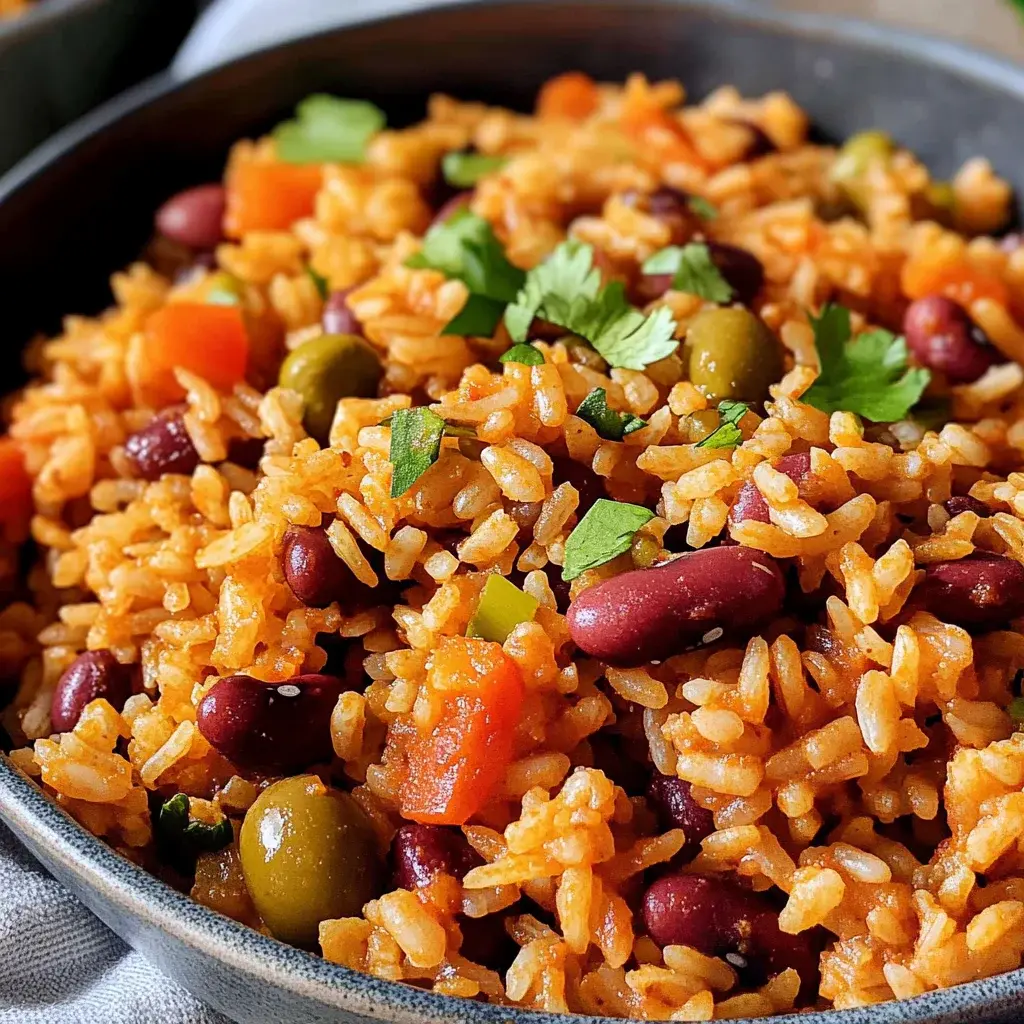
Rich and flavorful, Spanish Rice And Beans is the perfect weeknight dinner that caters to both vegetarians and meat-eaters. This dish is not only easy to prepare in one pot but also embodies the essence of comfort food.
With its delicious blend of spices and ingredients, it offers a unique taste experience suitable for any occasion, from casual family dinners to festive gatherings. This vibrant dish truly encapsulates the spirit of simple yet satisfying home cooking.
Why You Will Love This Recipe
- Quick Preparation: This Spanish rice and beans recipe comes together in approximately 30 minutes, making it an ideal choice for busy weeknights or when you’re craving a flavorful meal without the fuss.
- One-Pot Wonder: Enjoy minimal cleanup as all the ingredients cook together in a single skillet or pot, allowing you to savor your meal and spend less time washing dishes.
- Flavorful and Satisfying: The harmonious combination of aromatic spices, hearty beans, and fluffy rice creates a rich, deeply satisfying taste that appeals to a wide range of palates.
- Versatile Dish: This recipe shines as a standalone main course or serves as a delightful side dish, beautifully complementing grilled meats, poultry, or fish for a complete culinary experience.
- Nutritious and Wholesome: Packed with plant-based protein and dietary fiber from the beans, alongside the energy from rice, this dish offers a balanced and filling meal that nourishes the body.
Ingredients You Need
Gathering fresh, quality ingredients is the first step to unlocking the full potential of this delightful Spanish Rice And Beans dish. The subtle nuances of each component, from the robust spices to the fresh aromatics, contribute to the dish’s authentic and comforting flavor profile.
Spanish Rice And Beans
Rich and flavorful, Spanish Rice And Beans is the perfect weeknight dinner that caters to both vegetarians and meat-eaters. This dish is not only easy to prepare in one pot but also embodies the essence of comfort food. With its delicious blend of spices and ingredients, it offers a unique taste experience suitable for any occasion, from casual family dinners to festive gatherings.
- 1 tbsp oil (or veggie broth)
- 1 medium onion (diced)
- 1 medium red bell pepper (chopped)
- 3-4 garlic cloves (minced)
- 1 tsp ground cumin
- 1 tsp sweet paprika
- 1 tsp dried oregano
- 1/2 tsp smoked paprika
- Pinch of red pepper flakes
- 1 1/2 cups white rice (uncooked)
- 1 1/4 cups vegetable broth
- 1 1/4 cups salsa
- One 15 oz can kidney beans (drained and rinsed)
- Optional: 1/2 cup green olives (halved)
- Fresh herbs (to garnish, e.g., cilantro or parsley)
- 1Rinse the rice in cold water and soak for at least 10 minutes. Drain.
- 2In a large skillet, heat oil over medium heat. Sauté diced onion and red bell pepper for about 3 minutes until softened.
- 3Stir in minced garlic and spices; sauté for another minute until fragrant.
- 4Add soaked rice, salsa, and vegetable broth to the skillet. Bring to a boil.
- 5Cover, reduce heat, and simmer for about 15-20 minutes without lifting the lid.
- 6After cooking, turn off heat and let sit before uncovering. Adjust seasoning if needed, then fold in kidney beans and olives (if using). Serve hot, garnished with fresh herbs.
Keywords: Spanish Rice, Beans, One-Pot Meal, Vegetarian, Weeknight Dinner, Comfort Food, Quick Meal
- oil (or veggie broth): A tablespoon of oil, or a healthier alternative like vegetable broth, forms the flavorful base for sautéing your aromatics.
- medium onion (diced): A staple in many savory dishes, the onion provides a foundational sweetness and depth of flavor when sautéed.
- medium red bell pepper (chopped): Offering a mild sweetness and a vibrant splash of color, the red bell pepper adds both visual appeal and a pleasant texture.
- garlic cloves (minced): The pungent aroma and distinct flavor of garlic are essential for infusing the dish with classic Spanish notes.
- ground cumin: This warm, earthy spice is a cornerstone of Spanish cuisine, lending a characteristic robust flavor to the rice and beans.
- sweet paprika: Providing a mild sweetness and a beautiful reddish hue, sweet paprika enhances the overall color and taste without adding heat.
- dried oregano: A fragrant herb with a slightly bitter and earthy profile, oregano is a classic pairing that adds herbaceous complexity.
- smoked paprika: For an added layer of depth and a subtle smoky essence, smoked paprika is a wonderful addition that elevates the dish.
- red pepper flakes: A pinch of red pepper flakes offers a gentle warmth and a touch of heat, which can be adjusted to your preference for spice.
- white rice (uncooked): The foundation of the dish, white rice will absorb the savory liquids and spices, becoming tender and flavorful.
- vegetable broth: This liquid base is crucial for cooking the rice and infusing it with savory flavor, making sure it doesn’t turn out dry.
- salsa: Adding moisture, acidity, and a medley of flavors from tomatoes and spices, salsa is a key component that enriches the overall taste.
- kidney beans (drained and rinsed): These hearty beans provide protein and fiber, adding a satisfying chewiness and substance to the dish.
- green olives (halved, optional): For a briny, salty counterpoint to the other flavors, halved green olives offer a delightful pop of tanginess.
- Fresh herbs (to garnish, e.g., cilantro or parsley): A scattering of fresh, vibrant herbs like cilantro or parsley at the end adds a burst of freshness and visual appeal.
Quantities for each ingredient can be found within the accompanying recipe card for precise measurements.
Variations
This Spanish Rice and Beans recipe is wonderfully adaptable, allowing you to tailor it to various dietary needs and flavor preferences. Experimenting with different additions can transform this simple dish into something uniquely yours.
For a delicious vegan rendition, ensure you use vegetable broth and omit any optional meat-based garnishes. You can boost the plant-based protein by adding a can of black beans or chickpeas alongside the kidney beans, and incorporating extra vegetables like corn or zucchini will add further texture and nutrients.
A low-carb adaptation might involve substituting cauliflower rice for traditional white rice, significantly reducing the carbohydrate content while still capturing the savory flavors. Ensure you sauté the cauliflower rice thoroughly to achieve the desired texture before incorporating it with the other ingredients. This variation is perfect for those watching their carb intake without sacrificing flavor.
To introduce a touch of smoky heat, consider adding a diced jalapeño or a touch more smoked paprika during the sautéing stage. You could also explore different bean varieties, such as black beans or pinto beans, to offer a slightly different flavor and texture profile. These small adjustments can lead to exciting new taste experiences.
How to Prepare Spanish Rice And Beans
Step 1: Preparing the Rice for Optimal Cooking
Begin by carefully measuring out your white rice. It’s crucial to rinse the rice thoroughly under cold or lukewarm running water. This step helps remove excess starch, which is essential for preventing the rice from becoming clumpy and ensuring it cooks up fluffy and separate.
Once rinsed, transfer the rice to a bowl and cover it with cold water. Allow the rice to soak for at least 10 minutes; a soak of 30 minutes is even better for achieving the most tender results. While the rice is soaking, take this opportunity to prepare all your other ingredients, ensuring everything is chopped, minced, and measured for a smooth cooking process.
After the soaking period, drain the water completely from the rice. This pre-soaking process hydrates the rice grains, allowing them to absorb liquid more evenly during the cooking phase and contribute to a superior texture. It’s a simple yet vital step for achieving perfectly cooked rice in this dish.
Step 2: Building the Flavor Base with Sautéed Aromatics and Spices
Heat your tablespoon of oil or vegetable broth in a large, sturdy skillet or pot over medium heat. Once the oil is shimmering, add the diced onion and chopped red bell pepper. Sauté these vegetables for approximately three minutes, stirring occasionally, until they begin to soften and become slightly translucent.
Following the sautéing of the vegetables, stir in the minced garlic. Cook for an additional minute, stirring constantly, until the garlic becomes fragrant; be careful not to let it burn, as burnt garlic can impart a bitter taste. Immediately after, add all your spices: ground cumin, sweet paprika, dried oregano, smoked paprika, and red pepper flakes if using.
Continue to sauté the garlic and spices with the vegetables for another minute, stirring continuously. This brief toasting of the spices helps to release their essential oils, deepening their aroma and flavor, which will then infuse beautifully into the rest of the dish. This aromatic foundation is key to the dish’s characteristic Spanish taste.
Step 3: Combining the Core Ingredients for Simmering
Now, add the soaked and drained rice directly into the skillet with the sautéed aromatics and spices. Pour in the vegetable broth and the salsa, ensuring they are distributed evenly throughout the skillet. The salsa not only adds moisture but also contributes a wonderful depth of flavor and a hint of acidity.
Bring the entire mixture to a gentle boil over medium-high heat. As it begins to bubble, give it a quick stir to ensure all the rice grains are submerged in the liquid and that no ingredients are sticking to the bottom of the pan. This initial boil helps to kickstart the cooking process for the rice and meld the initial flavors together.
If you are using a variety of rice that is known to require a longer cooking time, such as certain types of long-grain rice, be prepared to add a little more vegetable broth or salsa as needed during the simmering phase. Monitoring the liquid level is important to ensure the rice cooks through without becoming dry.
Step 4: The Crucial Simmering Phase for Perfect Texture
Once the mixture has reached a boil, carefully cover the skillet or pot with a tight-fitting lid. Reduce the heat to the lowest setting possible, allowing the dish to simmer gently. This low and slow cooking method is essential for allowing the rice to absorb the liquid evenly and cook through to a tender consistency without burning.
It is incredibly important to resist the urge to lift the lid or stir the contents during this simmering period. The steam trapped inside the pot is what cooks the rice to perfection; opening the lid releases this precious steam, which can lead to undercooked rice or an uneven texture. Patience during this stage is key to success.
Allow the dish to simmer for approximately 15 to 20 minutes, or until all the liquid has been absorbed and the rice is tender. The exact cooking time may vary slightly depending on the type of rice you are using and the efficiency of your stovetop. The aroma filling your kitchen will be a delightful indicator of the progress.
Step 5: Finishing Touches and Serving Preparation
After the designated simmering time has elapsed, turn off the heat completely. Crucially, do not lift the lid immediately; let the dish rest, covered, for an additional 5 to 10 minutes. This resting period allows the residual heat to continue cooking the rice and lets the flavors fully meld together, resulting in an even more delicious final product.
Once the resting period is complete, carefully uncover the skillet. Take a moment to taste the rice and beans. This is your opportunity to adjust the seasoning according to your personal preference; you might want to add a little more salt, black pepper, cumin, or even a few more red pepper flakes for extra warmth. Stir gently to incorporate any added seasonings evenly.
Finally, stir in the drained and rinsed kidney beans and the halved green olives, if you are using them. Gently fold them into the rice mixture, ensuring they are heated through. Garnish generously with fresh herbs, such as chopped cilantro or parsley, for a burst of freshness and vibrant color. Your hearty and flavorful Spanish Rice and Beans are now ready to be enjoyed!
Pro Tips for Spanish Rice And Beans
Master the Soak: Always remember to soak your rice for at least 10 minutes, and ideally 30 minutes, before cooking. This step is not merely a suggestion; it’s a fundamental technique that ensures the rice grains hydrate evenly, leading to a fluffier, more tender texture and preventing the dreaded gummy consistency. Skipping this can significantly impact the final outcome of your dish.
Broth is Best: Utilize a good quality vegetable broth as your liquid base instead of plain water. The broth imparts a more complex and savory flavor profile to the entire dish, making the rice and beans far more aromatic and delicious. Consider a low-sodium broth if you want to better control the saltiness.
Seal the Steam: The rule about not lifting the lid during the simmering process is paramount. This allows the steam to build up and circulate, which is the primary mechanism for cooking the rice thoroughly and evenly. Opening the lid releases this crucial steam, potentially leaving your rice undercooked and your dish less flavorful.
Taste and Tweak: Don’t be afraid to taste your dish before serving and adjust the seasonings. Salt, pepper, and spices are highly personal. A little extra cumin or a pinch more red pepper flakes can make a significant difference in tailoring the flavor to your exact liking. It’s always better to adjust at the end than to have a bland dish.
Spice Exploration: Feel empowered to experiment with the spice blend. While cumin and paprika are essential, consider adding a dash of cayenne pepper for more heat, a sprinkle of coriander for a citrusy note, or even a touch of chili powder for a deeper, more complex warmth. Small changes can lead to wonderfully unique flavor profiles.
Serving Suggestions for Spanish Rice And Beans
Decoration
Elevate the visual appeal of your Spanish Rice and Beans by focusing on fresh, vibrant garnishes. A generous sprinkle of chopped fresh cilantro or flat-leaf parsley provides a beautiful contrast in color and a burst of herbaceous freshness that awakens the palate. Alongside, a few lime wedges make for an attractive and functional addition, allowing diners to add a zesty squeeze of citrus to their liking.
Consider adding a dollop of cool sour cream or a creamy avocado crema to each serving; these add a delightful visual contrast and a luxurious texture that complements the heartiness of the rice and beans. A scattering of toasted pumpkin seeds (pepitas) can also introduce an interesting visual texture and a subtle crunch. These thoughtful touches transform a simple dish into a feast for the eyes.
Side Dishes
Spanish Rice and Beans are wonderfully versatile and pair exceptionally well with a variety of complementary side dishes that enhance the overall meal. Grilled or roasted vegetables, such as zucchini, bell peppers, and asparagus, offer a healthy and colorful accompaniment, adding different textures and flavors to the plate. The slight char from grilling can add a lovely smoky depth.
For a classic comfort food pairing, consider serving with warm, slightly sweet cornbread. The sweetness of the cornbread balances the savory spices of the rice and beans beautifully. A simple, crisp green salad tossed with a light vinaigrette provides a refreshing counterpoint, cleansing the palate between bites of the rich main dish.
When seeking a more substantial meal, consider pairing this dish with a protein. Grilled chicken breast marinated in lime and chili, or pan-seared white fish, are excellent choices that absorb the surrounding flavors wonderfully. These additions make the Spanish Rice and Beans a complete and satisfying meal that caters to various preferences and appetites.
Creative Serving Ideas
Transform your Spanish Rice and Beans into vibrant burrito bowls by layering it over a bed of crisp lettuce or a mix of greens. Top with your favorite additions like shredded cheese, pico de gallo, guacamole, or a dollop of plain Greek yogurt for added creaminess and flavor. This makes for a hearty and customizable lunch or dinner.
Another creative approach is to use the rice and beans as a flavorful filling for soft flour tortillas or even large lettuce cups. Add some shredded chicken, seasoned ground beef, or sautéed vegetables for a delicious and portable meal. This option is perfect for picnics, packed lunches, or a casual family dinner where everyone can assemble their own wraps.
For a fun appetizer or party dish, consider serving the Spanish Rice and Beans in small individual ramekins or hollowed-out mini bell peppers. Top with a sprinkle of cheese and bake until golden and bubbly. This presentation is unique and offers a delightful bite-sized experience that is sure to impress your guests and add an element of surprise to any gathering.
Preparation & Storage
Storing Leftovers
To properly store any leftover Spanish Rice and Beans, ensure the dish has cooled down to room temperature before transferring it to an airtight container. This is crucial to prevent condensation from forming inside the container, which can lead to a soggy texture and encourage bacterial growth. Properly sealed leftovers can be safely stored in the refrigerator for up to 3 to 4 days.
Make sure the container is completely sealed to prevent the dish from absorbing any odors from other foods in the refrigerator and to maintain its moisture. Using clear containers can also be helpful, allowing you to easily see what’s inside. Always practice good food safety by ensuring the leftovers are refrigerated within two hours of the initial cooking time.
When you’re ready to enjoy the leftovers, simply scoop out the desired portion. It’s always a good idea to check the appearance and smell of the food before reheating, as an extra precaution. If anything seems amiss, it’s best to discard it to avoid any potential health risks.
Freezing
Spanish Rice and Beans freezes remarkably well, making it a fantastic option for meal prepping and having a delicious meal on hand at a moment’s notice. For the best results, cool the cooked dish completely. Then, portion it into freezer-safe airtight containers or heavy-duty freezer bags. Removing as much air as possible from freezer bags will help prevent freezer burn.
You can freeze individual portions for quick lunches or larger batches for family meals. It’s also a good idea to label each container with the date it was frozen, so you can keep track of its freshness. Properly frozen, this dish can maintain its quality for about 2 to 3 months, though it may remain safe to eat beyond that if kept consistently frozen.
When you plan to use frozen Spanish Rice and Beans, it’s best to thaw it in the refrigerator overnight. This gradual thawing process helps to maintain the texture and prevent the dish from becoming mushy upon reheating. Avoid thawing at room temperature, as this can also encourage bacterial growth.
Reheating
Reheating Spanish Rice and Beans on the stovetop is often the preferred method for achieving the best texture. Transfer the desired amount of cooled or thawed leftovers to a skillet. Add a splash of vegetable broth or water to help loosen the grains and prevent sticking. Heat over low to medium heat, stirring occasionally, until the dish is heated through.
Using the microwave is a quick and convenient option for reheating. Place the rice and beans in a microwave-safe bowl. Cover it loosely with a damp paper towel or a microwave-safe lid to trap moisture and prevent drying. Heat in 1-minute intervals, stirring in between, until it’s thoroughly warmed. Be mindful not to overheat, as this can make the rice mushy.
For a slightly different approach, you can reheat the Spanish Rice and Beans in the oven, particularly if you have a larger quantity. Preheat your oven to 350°F (175°C). Spread the leftovers evenly on a baking sheet or in an oven-safe dish. Cover it tightly with aluminum foil to retain moisture and bake for about 15 to 20 minutes, or until heated through. This method can help restore some of the dish’s original texture.
Frequently Asked Questions
-
What variations can I make to customize my Spanish Rice And Beans to different tastes or dietary needs?
You can easily customize this dish to suit various preferences and dietary requirements. For a vegan version, ensure you’re using vegetable broth and consider adding extra plant-based proteins like black beans, chickpeas, or firm tofu. To incorporate more vegetables, diced zucchini, corn kernels, or chopped spinach can be added during the sautéing or simmering stages. For those seeking a lower-carbohydrate option, substituting the white rice with cauliflower rice is an excellent choice, though you may need to adjust the cooking time and liquid ratios. Experimenting with different types of beans, such as pinto or black beans, can also offer a new flavor profile and texture. Even a touch of finely chopped jalapeño or extra chili powder can significantly change the spice level, making it ideal for those who enjoy a bit more heat.
-
How can I make my Spanish Rice And Beans spicier, or conversely, more mild for sensitive palates?
To increase the spice level, there are several effective methods you can employ. The most direct approach is to add more red pepper flakes during the sautéing process; start with a quarter teaspoon and increase gradually to achieve your desired heat. Another option is to incorporate finely diced fresh chili peppers, such as jalapeños or serranos, alongside the bell peppers when sautéing. For a deeper, more complex heat, you could also add a pinch of cayenne pepper or a dash of a spicier chili powder blend. If you find the dish is too spicy, you can counteract the heat by adding a little more unsweetened salsa, a dollop of plain yogurt or sour cream upon serving, or even a bit more vegetable broth to mellow the flavors. Ensuring a good balance of sweetness from the onion and bell pepper can also help temper excessive heat.
-
Can I use brown rice instead of white rice, and if so, what adjustments do I need to make to the recipe?
Yes, you can absolutely use brown rice instead of white rice, but it requires some important adjustments due to its longer cooking time and different absorption properties. Brown rice is a whole grain and contains more fiber, which means it takes longer to soften. You will likely need to increase the amount of vegetable broth or salsa significantly, possibly by an additional 1/2 to 1 cup, to ensure the brown rice cooks through properly. The cooking time will also be extended; instead of 15-20 minutes of simmering, expect it to take closer to 40-50 minutes. It is highly recommended to check the specific cooking instructions on your brown rice package for the most accurate liquid-to-rice ratio and cooking duration. You might also consider soaking the brown rice for a longer period, perhaps up to an hour, to help expedite the cooking process.