Sopa de Ajo (Spanish Garlic Soup): The Ultimate Comfort Food
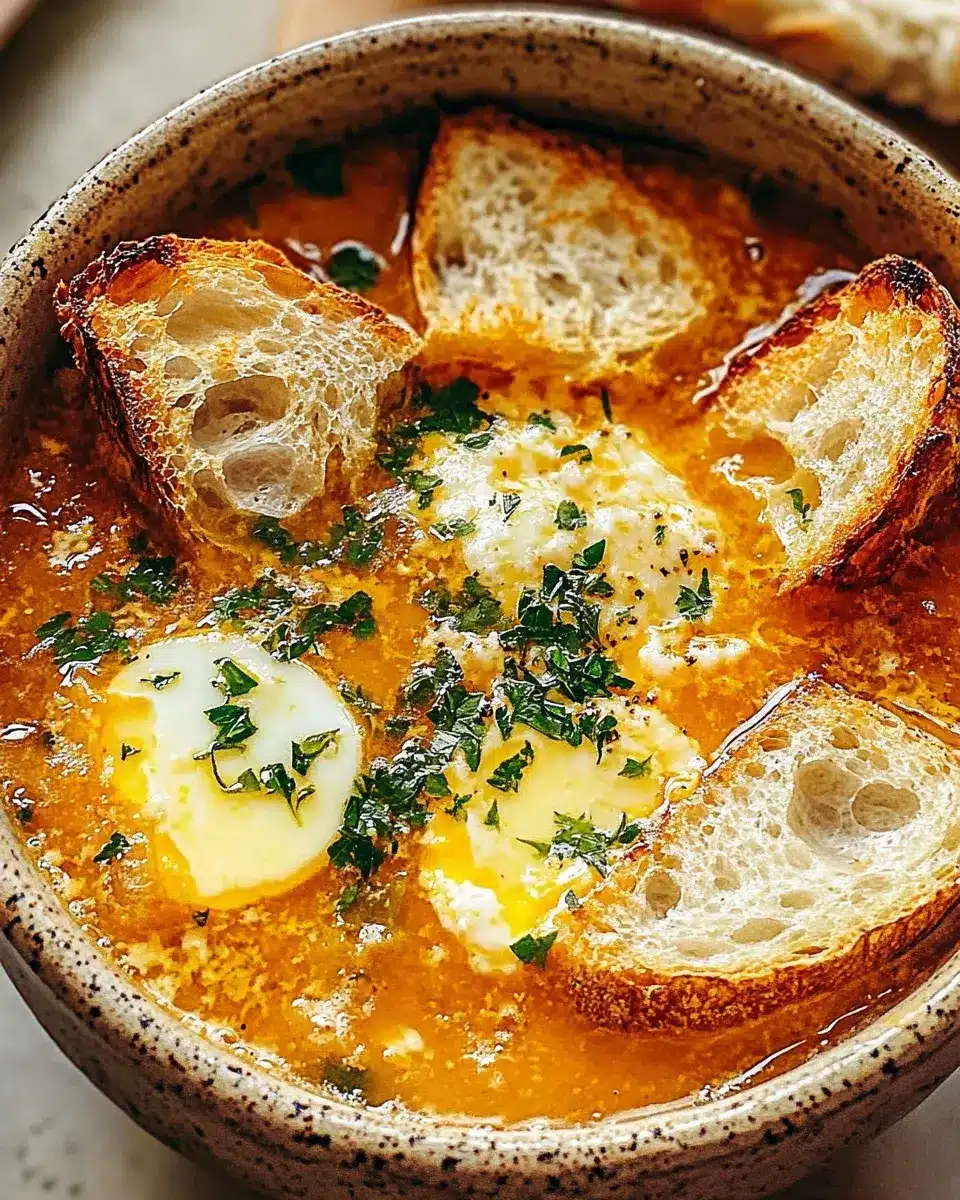
Sopa de Ajo, or Spanish Garlic Soup, is a classic dish that embodies warmth and comfort. This rustic soup is celebrated for its rich garlic flavor, making it an ideal choice for cozy dinners or as a soothing remedy on cold nights.
With a blend of simple ingredients like garlic, stale bread, and broth, this dish is not only easy to prepare but also adaptable for various occasions—from casual family lunches to elegant dinner parties. The infusion of smoked paprika adds depth, while whisked eggs create delicate ribbons throughout the soup. Enjoy Sopa de Ajo as a hearty main course or a delightful appetizer that will leave everyone asking for seconds.
Why You Will Love This Recipe
- Easy to Make: With just a few simple steps and common ingredients, you can whip up this delightful soup in no time, making it perfect for busy weeknights.
- Rich Flavor Profile: The combination of sautéed garlic and smoked paprika creates a depth of flavor that is truly irresistible and uniquely Spanish.
- Ultimate Comfort Food: This warm and hearty soup is perfect for cold evenings, offering a cozy meal that warms the soul from the inside out.
- Versatile Ingredients: You can easily adjust the recipe based on what you have on hand, making it perfect for using up stale bread or leftover stock for a resourceful meal.
- Nutritious Option: Packed with garlic and eggs, this soup provides nourishing benefits while being relatively low in calories, making it a guilt-free indulgence.
Ingredients You Need
Crafting a truly exceptional Sopa de Ajo begins with selecting the finest ingredients. The quality of your garlic, the freshness of your broth, and even the staleness of your bread play crucial roles in the final outcome. Prioritizing good olive oil and authentic smoked paprika will elevate the authentic Spanish essence of this dish.
Sopa de Ajo (Spanish Garlic Soup)

Sopa de Ajo, or Spanish Garlic Soup, is a classic dish that embodies warmth and comfort. This rustic soup is celebrated for its rich garlic flavor, making it an ideal choice for cozy dinners or as a soothing remedy on cold nights. With a blend of simple ingredients like garlic, stale bread, and broth, this dish is not only easy to prepare but also adaptable for various occasions—from casual family lunches to elegant dinner parties. The infusion of smoked paprika adds depth, while whisked eggs create delicate ribbons throughout the soup. Enjoy Sopa de Ajo as a hearty main course or a delightful appetizer that will leave everyone asking for seconds.
- 1/4 cup olive oil
- 8 to 10 large cloves garlic, very thinly sliced
- 4 ounces stale bread, torn or thinly sliced
- 1 tablespoon smoked paprika (pimentón)
- 6 to 7 cups chicken stock or vegetable broth
- 4 large eggs, whisked
- Fine sea salt and freshly ground black pepper, to taste
- 1Heat olive oil in a large stockpot over medium heat. Add thinly sliced garlic and sauté until fragrant.
- 2Stir in smoked paprika, then add torn or sliced stale bread. Cook for 3 minutes, mixing well.
- 3Pour in chicken stock and stir to combine. Bring to a strong simmer while breaking down the bread.
- 4Create a whirlpool effect while slowly adding whisked eggs to form delicate ribbons.
- 5Season with salt, pepper, and adjust consistency with more stock if needed. Serve hot in bowls and enjoy!
Keywords: Spanish Garlic Soup, Sopa de Ajo, garlic soup, bread soup, Spanish cuisine, comfort food, easy soup recipe
The specific quantities for each ingredient are detailed within the recipe card for your convenience.
Variations
While the classic Sopa de Ajo is undeniably delicious, its inherent simplicity lends itself beautifully to creative variations. Experimenting with different additions can transform this humble soup into a culinary adventure, catering to diverse dietary needs and taste preferences.
For a vegan twist, the eggs can be omitted entirely, or a vegan egg substitute can be used to maintain a similar texture. The richness can be amplified by using a robust vegetable broth and perhaps incorporating a swirl of dairy-free creaminess towards the end. Consider adding finely diced sautéed mushrooms or roasted root vegetables for added heartiness and complex flavor dimensions that complement the garlic base wonderfully.
A low-carb adaptation of Sopa de Ajo involves carefully managing the bread component. Instead of using stale bread chunks to thicken the soup, you can toast thin slices of low-carb bread until very crisp and use them primarily as a garnish. Alternatively, focus on a richer broth base and incorporate other low-carbohydrate ingredients like finely diced zucchini or cauliflower florets for added texture and substance, ensuring the soup remains satisfying without the traditional starchy binder.
To introduce a hint of luxury, consider a gourmet variation by adding a sprinkle of finely chopped fresh herbs like chives or tarragon just before serving. You could also incorporate a dollop of crème fraîche or a drizzle of high-quality truffle oil for an elegant touch. For a touch of heat, a pinch of chili flakes or a small amount of finely minced jalapeño sautéed with the garlic can provide a pleasant kick that awakens the palate.
How to Prepare Sopa de Ajo
Step 1: Sauté the Garlic and Bread
Begin by heating a generous amount of good quality olive oil in a large, heavy-bottomed stockpot or Dutch oven over medium heat. The oil needs to be warm enough to gently sizzle the garlic without instantly browning it, which is key to extracting its sweet, aromatic essence. This initial step sets the foundation for the entire soup’s flavor profile.
Add the very thinly sliced garlic cloves to the warm oil. Sauté them for about 2 to 3 minutes, stirring continuously with a wooden spoon. You are looking for them to become fragrant and achieve a pale golden hue. It is crucial to avoid burning the garlic at this stage, as burnt garlic will impart a bitter and unpleasant taste to the entire dish, overshadowing all other delicate flavors. Once the garlic is fragrant and just beginning to color, stir in the smoked paprika, ensuring it toasts briefly in the oil to release its vibrant color and smoky aroma.
Now, introduce the torn or thinly sliced stale bread to the pot. Toss the bread pieces thoroughly in the infused garlic and paprika oil, ensuring each piece is coated. Continue to cook this mixture for another 3 minutes, stirring frequently. The goal here is to lightly toast the bread, allowing it to absorb some of the flavorful oil and begin to soften slightly in preparation for simmering. This process creates a wonderfully aromatic and savory base for your soup.
Step 2: Simmer the Soup
Once the bread has absorbed the flavored oil and is lightly toasted, it’s time to introduce the liquid base. Pour in 6 cups of chicken stock or vegetable broth. Stir everything together thoroughly using your wooden spoon, ensuring all the ingredients are well combined. As the broth begins to heat, use the wooden spoon to gently break down the softened bread into smaller pieces.
This action of breaking down the bread is essential for thickening the soup and creating its characteristic rustic texture. Continue to stir and mash gently as the mixture heats up. Bring the entire concoction to a strong, rolling simmer over medium-high heat. Maintaining a consistent simmer is important for allowing the flavors to meld and the bread to break down further into a creamy consistency.
As the soup simmers, keep an eye on the consistency. If you prefer a thinner soup, you can add up to 1 additional cup of stock at this point, stirring it in to incorporate. The simmering process will continue to thicken the soup as the bread breaks down. Taste the simmering liquid at this stage to get a preliminary idea of the seasoning, but save the final adjustments for after the eggs are incorporated.
Step 3: Add the Eggs
This step requires a bit of technique to achieve the signature delicate egg ribbons that grace traditional Sopa de Ajo. While the soup is at a steady simmer, begin stirring it in a slow, circular motion with your whisk or wooden spoon. This creates a gentle whirlpool effect in the center of the pot. The swirling motion is crucial for dispersing the eggs evenly.
Gradually, and in a thin stream, pour the whisked eggs into the center of the whirlpool you’ve created. Continue to stir the soup gently in the same circular motion. As the hot broth comes into contact with the raw eggs, they will cook quickly and form delicate strands or ribbons throughout the soup, rather than clumping together into large curds. This visual appeal is as important as the texture it provides.
Keep stirring gently until the egg ribbons are fully formed and dispersed throughout the soup. The eggs should be cooked through but still tender. Avoid over-stirring, which can break the ribbons into smaller pieces. The goal is to have elegant, wispy strands of cooked egg suspended in the savory broth, adding both protein and visual appeal to your Sopa de Ajo.
Step 4: Season and Adjust
With the eggs now incorporated and cooked, it’s time to perfect the flavor of your Sopa de Ajo. This is a critical stage where you bring all the individual components together into a harmonious whole. Taste the soup carefully using a clean spoon, paying attention to the balance of flavors.
Season generously with fine sea salt and freshly ground black pepper to your preference. The amount of salt needed will depend on the saltiness of your stock. If you desire a deeper smoky flavor, you can add more smoked paprika at this point, stirring it in well to distribute its color and taste throughout the soup. Remember that the flavors will continue to meld slightly as the soup sits.
If the soup has become too thick for your liking during the simmering and egg-adding stages, now is the time to adjust the consistency. Add up to another cup of hot chicken stock or vegetable broth, stirring it in until you achieve your desired thickness. A good Sopa de Ajo should have a comforting, slightly thickened consistency, not too watery and not too paste-like.
Step 5: Serve
Once the soup is perfectly seasoned and has the ideal consistency, it’s ready to be served. Ladle the hot Sopa de Ajo into individual bowls. Ensure each serving gets a good distribution of the garlic, bread pieces, and delicate egg ribbons.
Serve immediately while the soup is piping hot and wonderfully fragrant. The aroma of garlic and smoked paprika rising from the bowl is incredibly inviting and promises a deeply satisfying culinary experience. The warmth of the soup is part of its comforting essence, making it perfect for a chilly day or evening.
This dish is a testament to how simple ingredients can create profound flavors and a deeply satisfying meal. Enjoy every spoonful of this traditional Spanish delight.
Pro Tips for Sopa de Ajo
To truly elevate your Sopa de Ajo from good to exceptional, a few expert tips can make all the difference. Paying attention to the nuances of garlic preparation and the type of bread used will significantly impact the final texture and flavor. These small details are what separate a standard soup from a truly memorable one.
Control the Heat: Sautéing the garlic over medium heat is paramount. Avoid the temptation to rush this process by using high heat. The goal is to gently coax out the sweet, aromatic compounds from the garlic until it’s fragrant and a very light golden color. If the garlic burns, it will turn bitter and ruin the delicate balance of the soup, a mistake that is difficult to rectify.
Use Stale Bread: This soup is designed to use up stale or day-old bread. Fresh bread is too soft and will likely turn into a mushy paste rather than the desired slightly chewy or softened pieces that absorb the broth beautifully. Toasted or dried bread works best, providing structure that can soften gradually in the simmering broth without disintegrating completely.
Quality of Broth Matters: The base of your soup is the stock. Using a high-quality chicken stock or a flavorful vegetable broth will significantly enhance the overall taste. If you have homemade stock, this is the perfect opportunity to use it. A weak or bland broth will result in a less flavorful soup, no matter how well you prepare the other ingredients. For a vegetarian version, ensure your vegetable broth is rich and well-seasoned.
Don’t Overcook the Eggs: When adding the whisked eggs, stir gently and continuously to create those delicate ribbons. Over-stirring or cooking the eggs for too long will cause them to break down into smaller pieces or even curdle. The ribbons should be tender and just cooked through, adding a soft texture to the soup without becoming rubbery.
Taste and Adjust Seasoning: Always taste your soup before serving and adjust the seasoning as needed. Salt, pepper, and even a touch more smoked paprika can be added to enhance the flavor. The saltiness of your stock will influence how much salt you need. A final taste test ensures that the soup is perfectly balanced and sings with flavor.
Serving Suggestions for Sopa de Ajo
Decoration
The presentation of Sopa de Ajo can be as simple or as elaborate as you desire. A scattering of freshly chopped parsley or cilantro adds a vibrant splash of green, offering a visual contrast to the rustic hues of the soup. For an extra touch of elegance, a drizzle of high-quality olive oil just before serving can enhance the visual appeal and add a subtle richness.
Side Dishes
Sopa de Ajo pairs beautifully with a variety of side dishes that complement its comforting and savory nature. Crusty bread is a natural companion, perfect for dipping into the flavorful broth, especially if you have some leftover swirled garlic herb and cheese bread. A simple side salad with a light vinaigrette can offer a refreshing counterpoint to the soup’s richness.
Creative Serving Ideas
For a heartier meal, consider topping each bowl of Sopa de Ajo with a perfectly poached egg. The runny yolk will meld with the broth, creating an even creamier and more decadent experience. A sprinkle of toasted breadcrumbs or croutons can add an enjoyable textural contrast. For those who enjoy a bit of spice, a few crumbled pieces of cooked chorizo or a pinch of red pepper flakes can add an exciting kick.
Preparation & Storage
Storing Leftovers
Leftover Sopa de Ajo can be stored in an airtight container in the refrigerator for up to 3 days. It’s important to let the soup cool down to room temperature before sealing the container to prevent condensation from affecting its quality. The flavors often meld and deepen overnight, making leftovers quite delicious.
Freezing
While Sopa de Ajo can be frozen, its texture may change slightly upon thawing, particularly the egg ribbons which can become a bit more delicate. If you plan to freeze it, use a freezer-safe container and leave some headspace at the top, as liquids expand when frozen. Properly stored, it can remain frozen for up to 3 months.
Reheating
Reheating Sopa de Ajo can be done on the stovetop, in the oven, or in the microwave. On the stovetop, gently warm it over medium-low heat, stirring occasionally to prevent sticking and to ensure even heating. In the oven, preheat to 350°F (175°C), place the soup in an oven-safe dish, cover with foil, and warm for about 20-25 minutes. The microwave is the quickest option: heat in a microwave-safe bowl in 2-3 minute intervals, stirring between each, until heated through.
Frequently Asked Questions
-
What is Sopa de Ajo and what are its key characteristics?
Sopa de Ajo, a traditional Spanish Garlic Soup, is a humble yet incredibly flavorful dish primarily made from garlic, stale bread, and broth. Its defining characteristics include a rich, pungent garlic aroma and taste, a slightly thickened texture from the bread, and often delicate ribbons of cooked egg dispersed throughout. It’s known for being a comforting, warming, and economical soup, often considered a staple in Spanish cuisine, particularly in regions like Castile and León.
-
Can I make Sopa de Ajo vegetarian or vegan, and how do I adjust the ingredients?
Absolutely, adapting Sopa de Ajo for vegetarian or vegan diets is straightforward. For a vegetarian version, simply substitute the chicken stock with a high-quality vegetable broth. The rest of the ingredients, including garlic, bread, and paprika, are typically vegetarian. For a vegan adaptation, ensure you use vegetable broth and omit the eggs. To add some richness that the eggs would provide, you could stir in a small amount of nutritional yeast or a swirl of dairy-free cream at the end. Some recipes also suggest adding finely diced sautéed mushrooms for extra depth and texture in a vegan version.
-
What kind of bread is best for Sopa de Ajo, and how should it be prepared?
The best bread for Sopa de Ajo is stale or day-old bread, preferably a rustic loaf with a good crust, like a baguette or a crusty country bread. Fresh bread is too soft and will dissolve too easily, turning the soup into an undesirable mush. Stale bread has a firmer texture that holds up better during the simmering process, absorbing the broth without completely disintegrating, thus contributing to the soup’s characteristic texture. The bread is typically torn into rough pieces or sliced thinly before being added to the soup to toast and soften in the infused garlic oil.